If Kyoto feels too crowded and Tokyo too overwhelming, Kanazawa is the city that finally makes Japan feel calm. Tucked along the Sea of Japan coast in Ishikawa Prefecture, Kanazawa was one of the wealthiest castle towns in feudal Japan, and unlike many cities it was never bombed during the war. That means its samurai streets, geisha teahouses, and one of the country's three most celebrated gardens survive almost exactly as they were two centuries ago. For first-time visitors who want history, food, and traditional crafts without elbowing through tour groups, Kanazawa is one of the most rewarding stops in the entire country.
And yet, despite all of that, Kanazawa is still skipped by a surprising number of first-time visitors who stick to the well-worn Tokyo-Kyoto-Osaka route. That is exactly why it remains so pleasant. You get temples, gardens, and geisha culture on par with Kyoto, but you experience them at a human pace, with room to breathe and time to actually feel where you are. This complete guide walks you through everything a first-timer needs: how to get there, what to see, where to eat, where to stay, how much it costs, and how to plan one, two, or three days. Prices are listed in Japanese yen with rough US dollar equivalents (at roughly ¥150 to the dollar), and every recommendation is written with someone visiting Japan for the first time in mind.
Why Visit Kanazawa?
Kanazawa grew rich under the Maeda clan, the second most powerful feudal family in Japan after the ruling Tokugawa shoguns. Their wealth, measured in rice and famously worth “a million koku,” was poured not into armies but into culture: gardens, tea ceremony, Noh theatre, gold leaf, lacquerware, silk dyeing, and ceramics. The result is a small city that punches far above its weight for art and refinement.
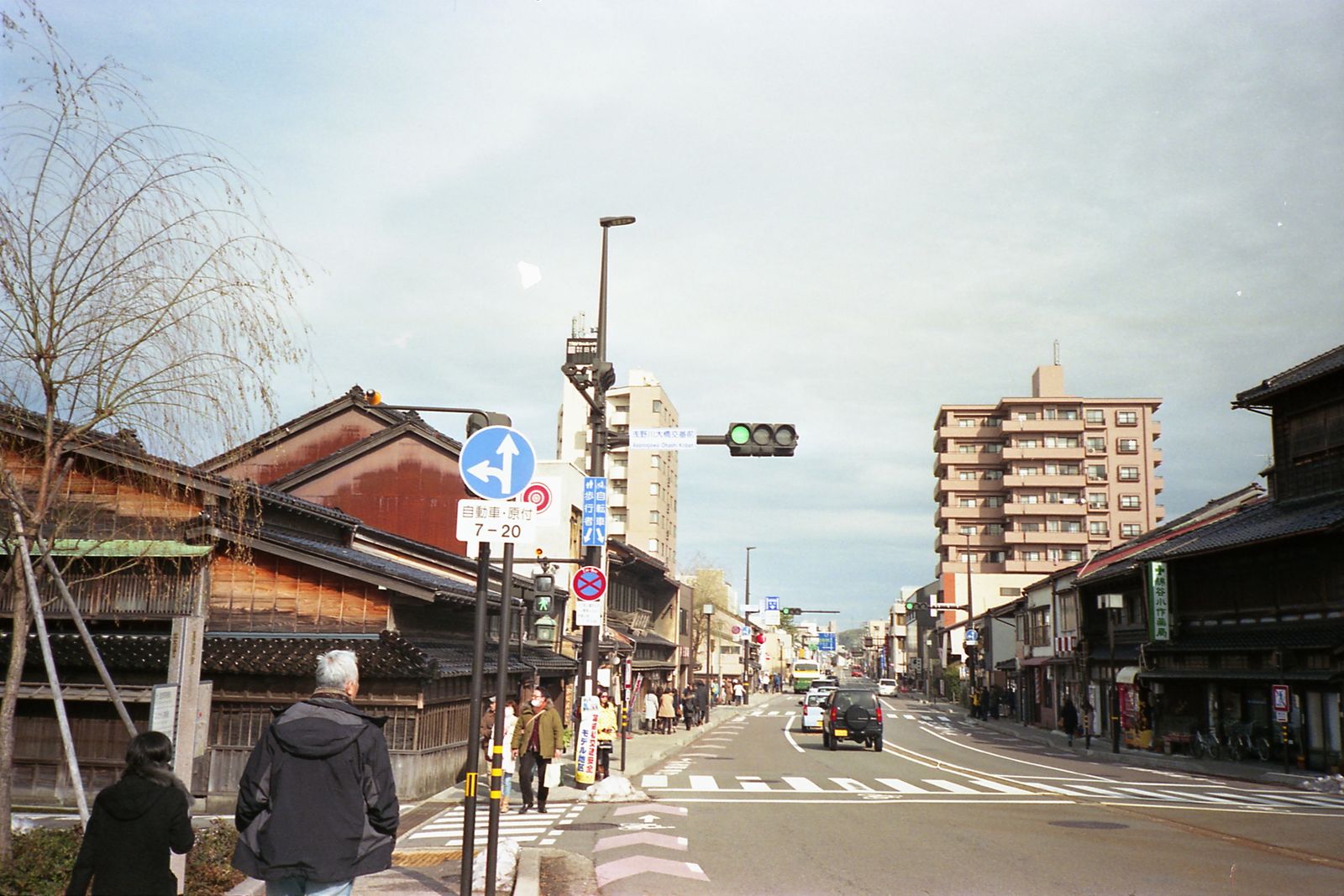
What makes Kanazawa special for a first-time traveller is how compact and survivable it is. Most of the major sights cluster within a 30-minute walk or a short bus ride of one another, the streets are clean and safe, and the crowds are a fraction of what you will find in Kyoto. You can wander an authentic samurai district in the morning, sip matcha in a 200-year-old teahouse at lunch, eat some of the best seafood in Japan in the afternoon, and watch the sunset over a garden that has been perfected over centuries. It is the kind of place where you slow down rather than race through a checklist.
Kanazawa also works beautifully as a hub. It sits on the Hokuriku Shinkansen line and is a natural base for day trips to the thatched villages of Shirakawa-go and Gokayama, the hot springs of Kaga Onsen, and the dramatic coastline of the Noto Peninsula. Whether you give it a single packed day or a relaxed three, it rarely disappoints.
A Brief History of Kanazawa and the Maeda Clan
Understanding Kanazawa is easier once you know the Maeda. In 1583, the warlord Maeda Toshiie was granted the rich rice lands of Kaga, and his descendants ruled the domain for nearly 300 years as the wealthiest non-Tokugawa family in the country. The name Kaga Hyakumangoku, “the million-koku domain,” still appears on everything from sake labels to the city's big summer festival, because a single koku was the amount of rice thought to feed one person for a year, and the Maeda controlled more than a million of them.
Rather than provoke the suspicious shoguns in Edo by building up a military, the Maeda spent their fortune on culture as a deliberate strategy of survival. They invited master artisans, tea ceremony schools, and Noh actors to settle in Kanazawa, and they funded the gardens, crafts, and ceremonies that still define the city today. This is why such a relatively small place has world-class porcelain, gold leaf, lacquer, silk dyeing, and one of the finest gardens in Japan. When you walk through Kanazawa, you are essentially touring the results of three centuries of one family choosing beauty over war.
The other crucial fact is what did not happen here: Kanazawa was never firebombed during the Second World War, unlike most major Japanese cities. As a result, its old wooden districts, canals, and temple quarters survived intact, giving modern visitors an unusually authentic window into Edo-period Japan.
How to Get to Kanazawa
Getting to Kanazawa is far easier than most first-timers expect, thanks to the Hokuriku Shinkansen. From Tokyo Station, the Kagayaki bullet train reaches Kanazawa in about 2 hours 30 minutes with no transfers. A reserved seat costs roughly ¥14,380 (about $96) one way. If you hold a Japan Rail Pass, the entire journey is covered except for the very fastest Kagayaki services on certain bookings, so plan to take the Hakutaka instead, which takes around 3 hours and is fully pass-eligible.
From Osaka and Kyoto, the Limited Express Thunderbird runs along the coast. From Osaka it is about 2 hours 40 minutes (around ¥7,790, about $52), and from Kyoto roughly 2 hours 15 minutes. Note that since the Hokuriku Shinkansen extension, the Thunderbird now terminates at Tsuruga, where you cross the platform to a short shinkansen leg into Kanazawa; it is a simple, well-signed transfer.
If you are arriving from abroad, Komatsu Airport serves Kanazawa with domestic flights from Tokyo (Haneda), Fukuoka, Sapporo, Naha, and some international routes. A limousine bus connects the airport to Kanazawa Station in about 40 minutes for ¥1,300 (about $9). Do not rush out of the station when you arrive, either: Kanazawa Station itself is a sight, crowned by the soaring wooden Tsuzumi-mon “drum gate” and a vast glass dome that regularly makes lists of the world's most beautiful stations. For planning longer rail journeys around the country, our complete guide to riding the shinkansen explains seat reservations, luggage rules, and how to read the timetables.
One practical tip: staying connected makes navigating train transfers and bus stops far less stressful. Many first-timers now skip the rental pocket WiFi and simply load a travel data plan before arrival. A Japan eSIM activates the moment you land, so you have maps and translation working from the platform without hunting for a counter.
Kenrokuen Garden: The Crown Jewel
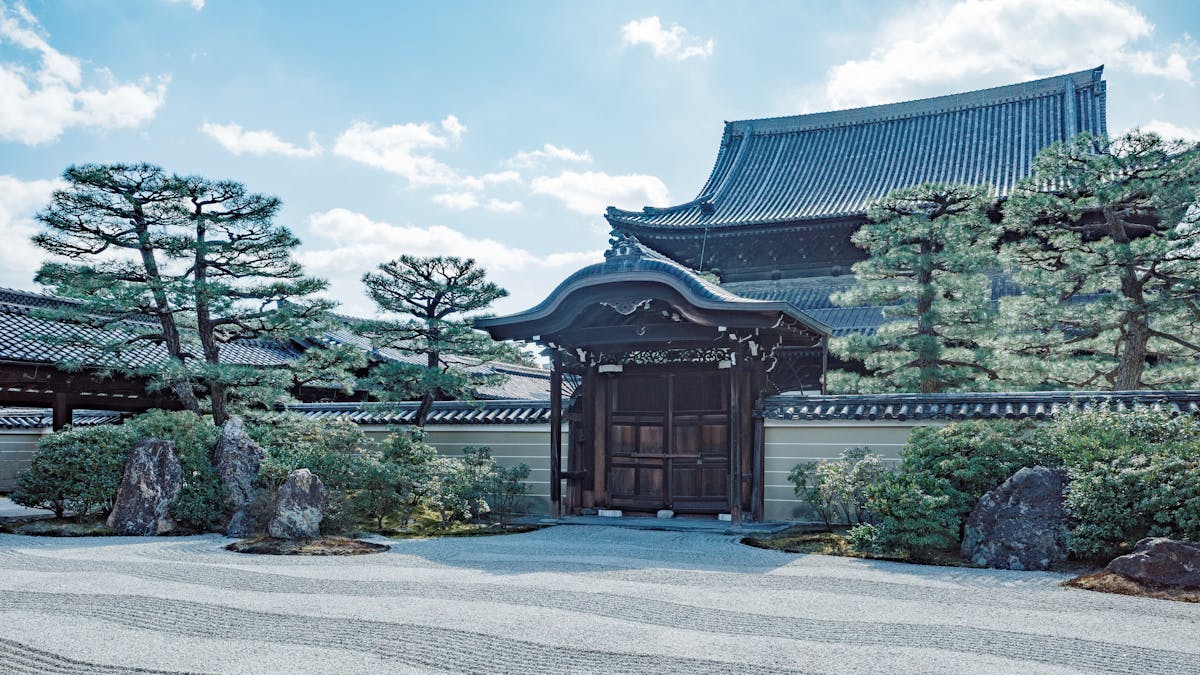
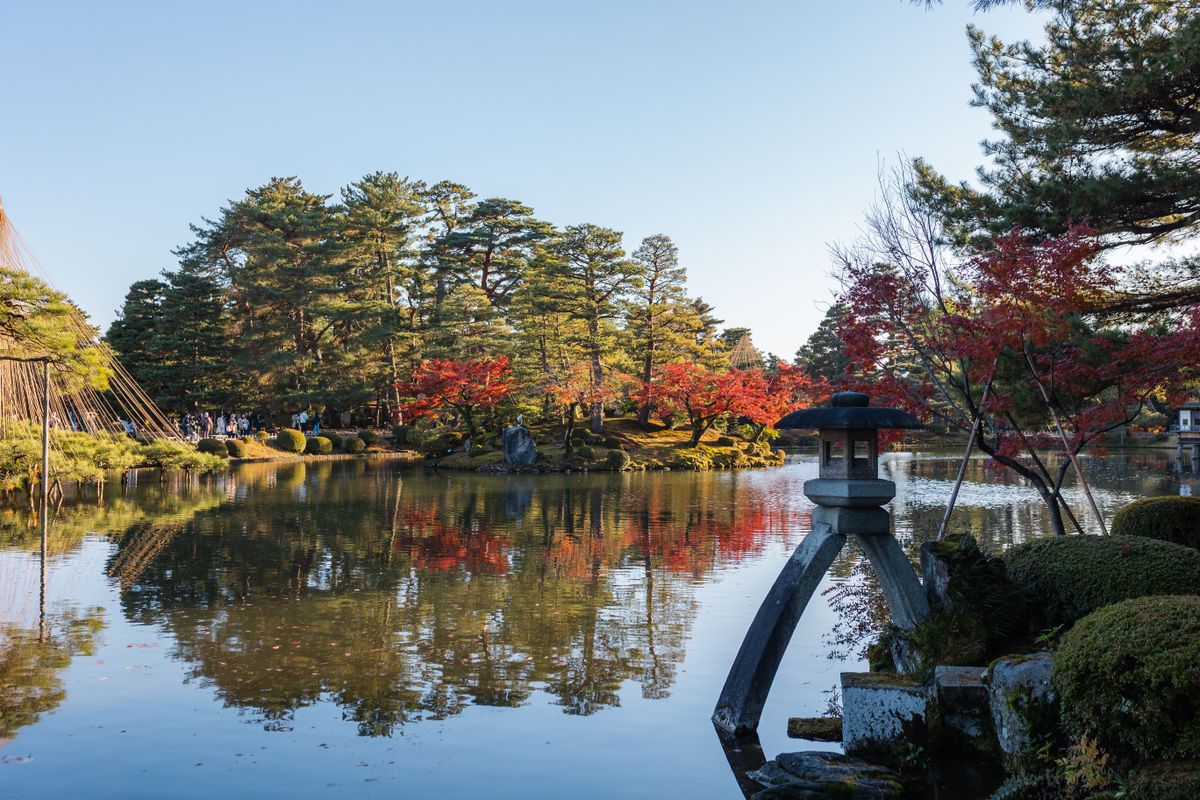
No trip to Kanazawa is complete without Kenrokuen, regularly ranked among the three most beautiful landscape gardens in Japan alongside Kairakuen in Mito and Korakuen in Okayama. Its name means “garden of six attributes,” referring to the six qualities a perfect garden should possess: spaciousness and seclusion, artifice and antiquity, water and panoramic views. Walking it, you understand why those qualities rarely coexist in a single place.
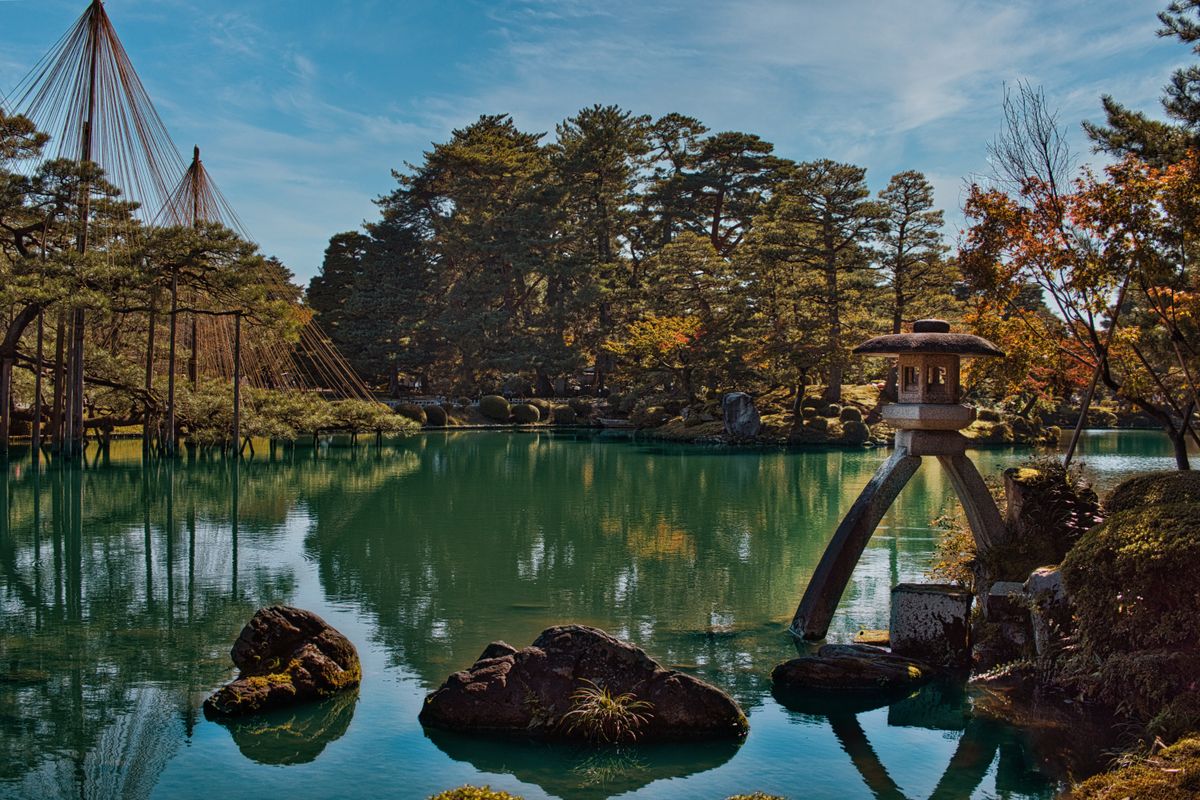
The garden covers about 11.4 hectares and rewards a slow, looping walk of 60 to 90 minutes. Look for the iconic Kotojito stone lantern beside Kasumigaike pond, its two legs propped at the water's edge in a shape that has become the symbol of Kanazawa. The garden also contains Japan's oldest fountain, powered entirely by natural water pressure from a higher pond, an impressive feat of Edo-period engineering. In winter, gardeners suspend rope cones called yukitsuri from the pine trees to protect the branches from heavy Sea of Japan snow, and the effect is genuinely magical. Spring brings cherry blossoms, early summer fresh moss and iris, and autumn a blaze of red and gold maples.
Admission is ¥320 for adults (about $2.10) and ¥100 for children. The garden opens at 7:00 in the warmer months and 8:00 in winter, closing around 17:00 to 18:00. Arriving right at opening is the single best move you can make in Kanazawa: you will have the ponds and bridges almost entirely to yourself, with soft morning light and no tour groups. During cherry blossom season and autumn foliage, the garden offers free early-morning entry before official opening and special evening illuminations a few times a year, which are worth checking the dates for in advance. Just outside the garden's Mayumizaka gate, you can pause for matcha and a seasonal sweet at a traditional teahouse, a lovely way to round off your visit.
Kanazawa Castle: Power and Restoration
Directly across from Kenrokuen, connected by a photogenic bridge, stands Kanazawa Castle Park. This was the seat of the Maeda clan for nearly three centuries. While the original keep burned down long ago and many structures were lost to repeated fires, the prefecture has undertaken one of the most careful castle restorations in Japan, rebuilding the Hishi Yagura turret, the Gojukken Nagaya storehouse, and the imposing Ishikawa-mon gate using traditional joinery and the distinctive lead roof tiles that gleam pale grey-white.
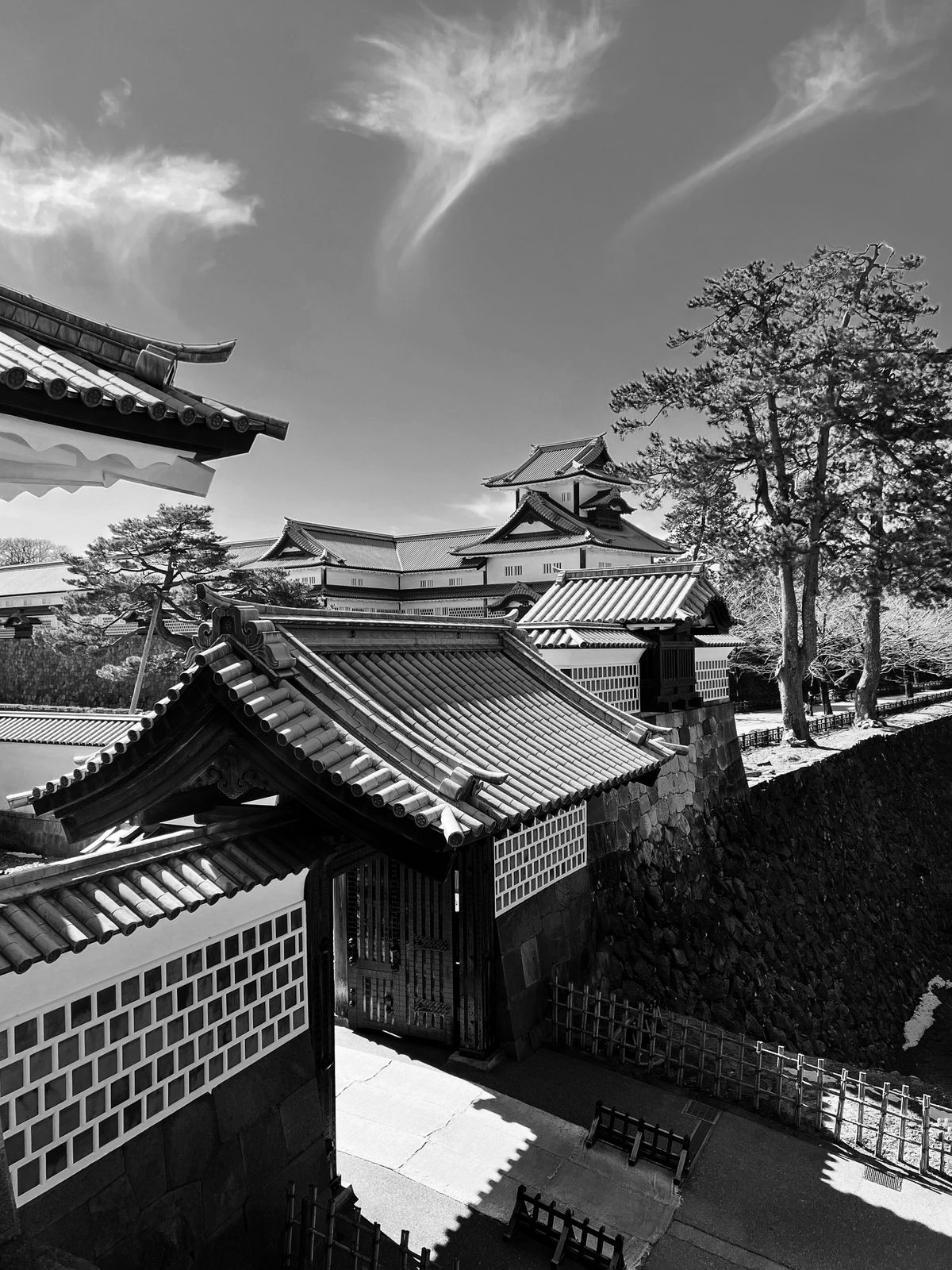
Entry to the castle park grounds is free, while the restored interior buildings cost ¥320 (about $2.10), often sold as a combined ticket with Kenrokuen for ¥500 that saves a little money. Inside, English panels explain the earthquake-resistant timber framing, and you can see the joinery exposed in cross-section, a genuine treat for anyone interested in how these structures were built without nails. Look closely at the stone walls, too: Kanazawa Castle is famous among history buffs for the variety of stone-stacking techniques used across different eras, almost an open-air museum of masonry. Just west of the castle lies Gyokusen-inmaru Garden, a smaller strolling garden that is beautifully lit in the evenings and far quieter than Kenrokuen.
Give the castle and its gardens about 60 to 90 minutes. Combined with Kenrokuen next door, this pairing makes a natural half-day and is the historical heart of any Kanazawa itinerary.
Higashi Chaya: The Geisha Teahouse District
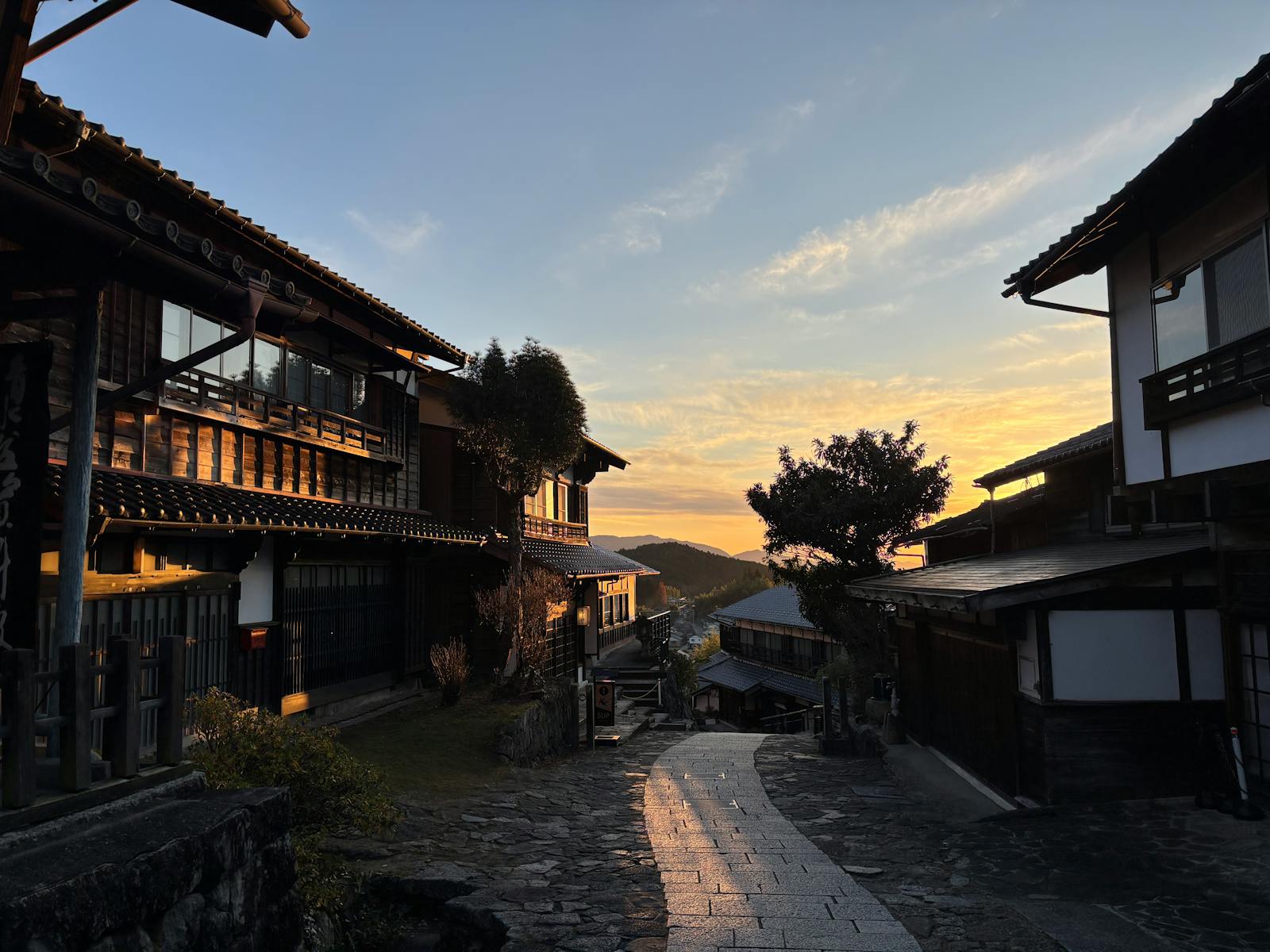
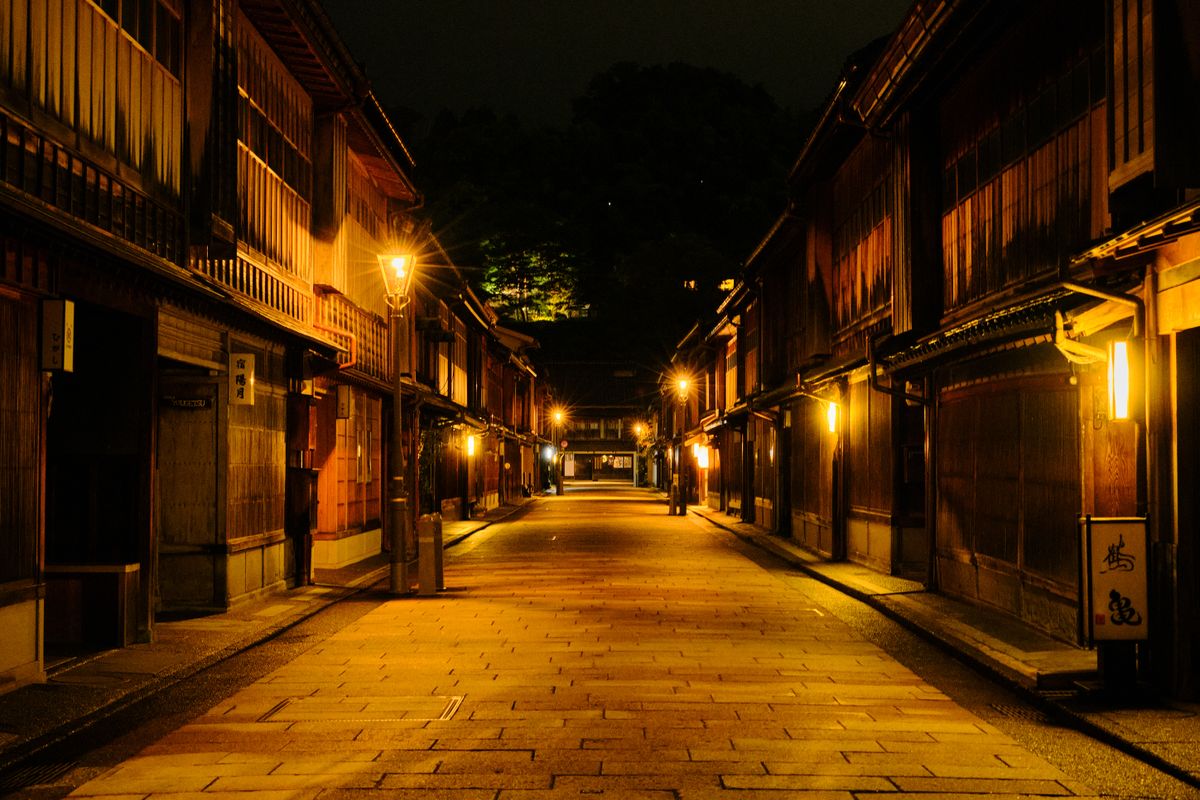
Kanazawa has three preserved chaya (teahouse) districts, and Higashi Chaya is the largest and most atmospheric. These are the streets where geisha, known locally as geiko, have entertained guests with music and dance since the early 1800s. The two-storey wooden teahouses with their fine wooden lattice fronts, called kimusuko, line narrow lanes that glow under lanterns at dusk.
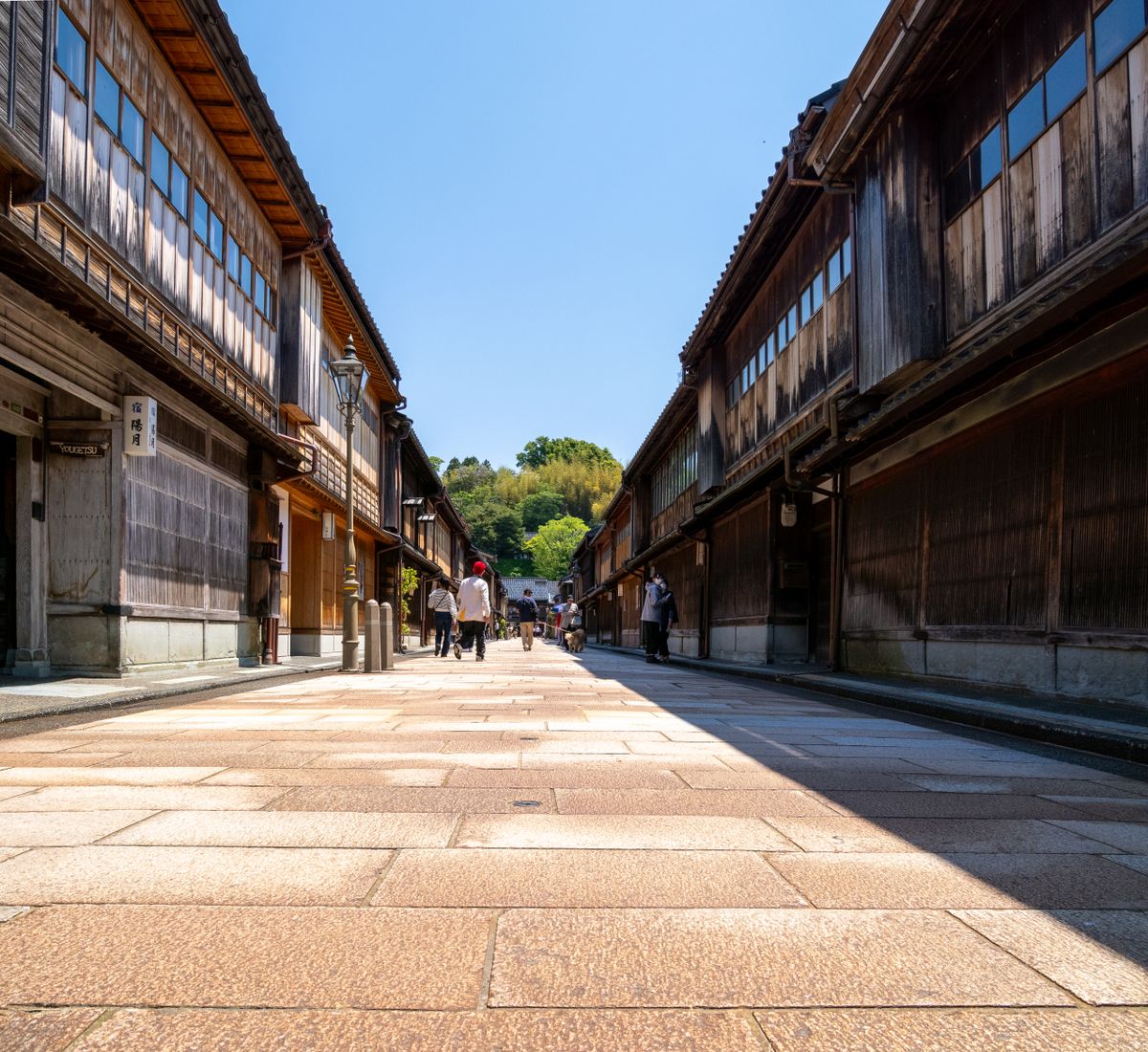
Two teahouses are open to the public as museums. Shima, designated an Important Cultural Property, lets you step into authentic guest rooms with vermilion walls and view the instruments used in performances; admission is ¥500 (about $3.30). Kaikaro is a working teahouse that opens during the day, famous for its gold-leaf-coated staircase and a tatami room with crushed amber and red walls. Beyond the museums, the district is full of small shops selling gold-leaf cosmetics, traditional sweets, and craft souvenirs, plus cafes where you can try gold-leaf-topped soft serve ice cream, a slightly absurd but irresistible Kanazawa specialty.
Visit in the early morning for empty, photogenic streets, or at dusk when the lanterns come on and the district feels its most cinematic. If you are lucky, you may glimpse a geiko hurrying to an appointment, though out of respect you should never block their path or take photos without consent.
Kazue-machi and Nishi Chaya: The Other Two Districts
Most visitors only see Higashi Chaya, but the other two teahouse districts are quieter and just as rewarding. Kazue-machi, tucked along the Asano River a few minutes' walk from Higashi Chaya, is arguably the most romantic spot in the city. A stone-paved lane called the “Dark Alley” threads between the backs of the teahouses, and in the evening, lantern light reflects off the river while the sound of a shamisen sometimes drifts from an upper window. It is the kind of place you stumble onto and remember for years.
On the opposite side of the city centre, near the Sai River, Nishi Chaya is the smallest of the three. It has a single short street of teahouses and a small free museum that recreates a teahouse interior. Because it sees so few tourists, it offers a calmer, more local feel, and pairing it with a walk to the nearby temple district of Teramachi, where dozens of temples cluster together including the famous “Ninja Temple” of Myoryu-ji, makes for an excellent half-day away from the crowds. The Ninja Temple, despite the name, has nothing to do with ninja; it earned the nickname for its hidden staircases, trap doors, and concealed passages built as defensive measures, and visits are by reservation only.
Nagamachi: Walking the Samurai District
A short walk from the modern shopping street of Korinbo brings you to Nagamachi, where middle and upper-ranking samurai of the Maeda domain once lived. Earthen walls topped with tile run along narrow lanes, and a small canal still trickles through, exactly as it would have during the Edo period. In winter, you may see the walls wrapped in straw matting, called komo-gake, to protect the mud-and-tile construction from frost, a seasonal sight unique to the district. It is one of the most evocative places in the city to imagine daily life under the samurai.
The highlight is the Nomura Samurai House, a restored residence with a jewel-box interior garden squeezed into a tiny footprint, complete with a stream, koi, and a 400-year-old myrtle tree. Admission is ¥550 (about $3.70). Nearby, the Shinise Kinenkan museum preserves a former pharmacy and shows how merchants lived and traded. Nagamachi is compact and you can explore it thoroughly in about an hour, making it an easy add-on to a half-day of sightseeing.
Omicho Market and the Food of Kanazawa
Kanazawa eats extraordinarily well, and the beating heart of its food scene is Omicho Market, a covered warren of roughly 170 stalls that has fed the city for nearly 300 years. Facing the cold, nutrient-rich waters of the Sea of Japan, Kanazawa is famous for seafood, and Omicho is where you taste it at its freshest.
The must-try dish is kaisendon, a bowl of vinegared rice piled with sashimi: sweet shrimp (amaebi), fatty tuna, sea urchin (uni), and in winter the prized snow crab known as kani. A good bowl runs ¥2,000 to ¥4,000 (about $13 to $27) depending on the toppings. Stalls also grill oysters and scallops to order, and many sell skewers of seafood you can eat on the spot. Arrive hungry and before noon, as the best stalls sell out and queues build quickly.
Beyond seafood, look for jibuni, a local stew of duck or chicken thickened with wheat gluten and simmered in a sweet-savoury broth, traditionally finished with a dab of wasabi. It is the dish that most defines Kanazawa home cooking. Winter is crab season, when the male zuwaigani (snow crab) is sold under the local “Kano-gani” label with a coloured tag certifying its origin, and a whole prized crab can cost anywhere from ¥8,000 into the tens of thousands of yen. The city is also a centre for high-grade sake from the surrounding Ishikawa breweries, and many restaurants offer tasting flights. For more on regional specialties and how to eat your way around the country, see our guide to Japan's best food experiences.
Gold Leaf, Crafts and Contemporary Art
Kanazawa produces an astonishing 99 percent of Japan's gold leaf, hammered to a thinness measured in ten-thousandths of a millimetre. You will see it everywhere: on lacquerware, on sweets, on ice cream, and in workshops where you can try applying gold leaf to a small box or pair of chopsticks for around ¥1,500 to ¥3,000 (about $10 to $20). The Yasue Gold Leaf Museum and the Hakuza shop, with its gold-leaf-lined kura storehouse, are both worth a look.
The city's craft tradition extends to Kutani porcelain with its bold five-colour overglaze, Kaga yuzen silk dyeing, and Ohi pottery. For a complete contrast, the 21st Century Museum of Contemporary Art is a circular, glass-walled building that has become a destination in its own right, home to Leandro Erlich's famous Swimming Pool installation, where visitors appear to stand underwater. The museum's outer ring is free to wander, while the special exhibition zone costs around ¥1,200 (about $8). It is a brilliant, family-friendly counterpoint to all the history.
Best Day Trips from Kanazawa
Kanazawa's location makes it an excellent springboard. The most popular day trip is to the UNESCO World Heritage village of Shirakawa-go, with its steep thatched gassho-zukuri farmhouses, reachable by direct highway bus in about 75 minutes (around ¥2,600 / about $17 round trip; reserve ahead in peak seasons). Nearby Gokayama offers a quieter, less touristy version of the same scenery.
To the south, the four hot-spring towns of Kaga Onsen make a relaxing overnight or long day trip, while the rugged Noto Peninsula rewards those with a rental car or more time with dramatic coastline, terraced rice paddies by the sea, and morning markets. For a broader look at where Kanazawa fits among Japan's regions and other destinations worth pairing it with, browse our full Japan destinations hub.
Where to Stay in Kanazawa
Kanazawa offers everything from sleek station hotels to traditional ryokan with private gardens. For first-timers, the area immediately around Kanazawa Station is the most convenient base: it is bright, modern, packed with restaurants, and puts you one bus ride from every major sight. The Korinbo and Katamachi area in the city centre is better if you want nightlife and walkable access to the samurai and teahouse districts.
Budget travellers will find clean business hotels and hostels from around ¥6,000 to ¥10,000 (about $40 to $67) per night. Mid-range hotels run ¥12,000 to ¥22,000, while a stay at a traditional ryokan with kaiseki dinner and onsen can reach ¥30,000 or more per person. To compare real-time rates and read reviews from other travellers before you book, check Kanazawa hotel availability on Agoda, which tends to have strong coverage of Japanese properties and frequent deals on the station-area hotels first-timers prefer.
Booking ahead is essential during the cherry blossom season in early April, the autumn foliage period in November, and the New Year holidays, when the whole region fills up.
Getting Around Kanazawa
Kanazawa is wonderfully walkable, but for longer hops the Kanazawa Loop Bus circles the main sights from the station in both directions, and the Kenrokuen Shuttle runs directly to the garden. A single ride is ¥200 (about $1.30), but the ¥600 one-day pass (about $4) pays for itself in three rides and also covers the convenient flat-fare zone in the city centre. Buses can be paid with IC cards like Suica and ICOCA.
If you are arriving with heavy luggage or travelling as a family, a door-to-door shared shuttle can take the stress out of the airport or station transfer. Services like NearMe airport shuttle let you book a shared ride between Komatsu Airport and your hotel in advance, which is especially handy in winter when snow slows everything down. And because so much of getting around relies on maps and timetable apps, having reliable mobile data through a travel eSIM makes the whole trip smoother.
Kanazawa on a Budget: What It Costs
One of the quiet joys of Kanazawa is how affordable its best experiences are. The headline sights, Kenrokuen, the castle, and the samurai house, each cost only a few hundred yen, and wandering the three teahouse districts, the Nagamachi lanes, and Omicho Market costs nothing at all. Here is a rough idea of a comfortable mid-range daily budget for one person:
- Accommodation: ¥8,000 to ¥15,000 (about $53 to $100) for a clean business hotel near the station.
- Attractions: ¥1,500 to ¥2,500 (about $10 to $17) for a full day of Kenrokuen, the castle, a samurai house, and a teahouse museum.
- Food: ¥3,000 to ¥5,000 (about $20 to $33), including a seafood bowl at Omicho and a relaxed dinner.
- Local transport: ¥600 (about $4) for a one-day Loop Bus pass.
- Gold-leaf or craft workshop (optional): ¥1,500 to ¥3,000 (about $10 to $20).
Budget travellers can do Kanazawa comfortably on ¥10,000 to ¥13,000 a day excluding the shinkansen, while those staying in a ryokan with kaiseki should plan for considerably more. The shinkansen from Tokyo is the single biggest cost, so a rail pass can pay off if Kanazawa is part of a wider loop through the Japan Alps.
Kanazawa with Kids: A Family-Friendly Guide
Kanazawa is a relaxed, manageable city for families. The 21st Century Museum of Contemporary Art is the obvious winner with children: the interactive installations, the upside-down Swimming Pool, and the open lawns give kids room to be amazed and to run around. The gold-leaf-application workshops are also a hit, since children love pressing the shimmering foil onto a box or chopsticks they can take home.
Omicho Market is a fun, low-pressure place to eat with kids, with grilled scallops, skewers, and croquettes they can nibble while you browse. Kenrokuen's wide paths, bridges, and ponds are easy for small legs, and the castle park has plenty of open space. Strollers are workable on the main routes, though some teahouse-district lanes are cobbled. If you are travelling as a family more broadly, our wider site has detailed family resources, and a door-to-door shared airport shuttle can make arriving with car seats and luggage far less stressful than juggling trains and buses.
Souvenirs and What to Buy in Kanazawa
Kanazawa is one of the best cities in Japan for craft souvenirs, and the quality is high across every price point. Gold-leaf items are the signature buy, from elegant lacquer boxes and chopsticks down to inexpensive face-blotting papers and gold-flecked sake cups. Kutani porcelain, with its vivid hand-painted overglaze, ranges from museum-grade pieces to affordable little dishes and chopstick rests perfect for gifts.
Food souvenirs travel well too: look for wagashi (traditional sweets) from long-established confectioners, locally roasted hojicha tea, and bottles of Ishikawa sake. Kaga-bo hojicha lattes and gold-leaf-dusted treats make fun, photogenic gifts. For something more personal, the craft workshops let you make your own gold-leaf or Kutani-painted keepsake. Most department stores and the shops inside Kanazawa Station carry a curated selection if you are short on time, and many offer tax-free shopping for foreign visitors who show their passport.
Etiquette and Handy Japanese Phrases
Kanazawa is welcoming to foreign visitors, but a little awareness goes a long way. In the teahouse districts, treat the lanes as the living neighbourhoods they are: keep your voice down, do not enter private doorways, and never photograph geiko without clear permission. At shrines and temples such as those in Teramachi, bow lightly before entering the gate, and at Shinto shrines purify your hands at the water basin. When eating at Omicho or in restaurants, it is polite to say “itadakimasu” before your meal, and tipping is not expected anywhere in Japan.
A few phrases will earn warm smiles: “konnichiwa” (hello), “arigato gozaimasu” (thank you), “sumimasen” (excuse me or sorry, also used to get attention), “oishii” (delicious), and “ikura desu ka” (how much is it?). English signage is good at major sights and the station, but less common in small shops, so a translation app, kept handy with a reliable data connection, smooths over any gaps.
Best Time to Visit Kanazawa
Spring (April): Cherry blossoms frame the castle moat and Kenrokuen, with free early-morning garden entry and evening illuminations. This is arguably the most beautiful and most popular time.
Early summer (May to June): Fresh greenery, irises in bloom, and pleasant temperatures, though the rainy season arrives in mid-June. Early June is the date of the lively Hyakumangoku Festival, which celebrates Maeda Toshiie's entry into the city with a grand costumed procession.
Autumn (late October to November): Spectacular maple foliage in the gardens and crisp, clear days. Many travellers consider this the ideal season.
Winter (December to February): Kanazawa gets heavy, wet snow off the Sea of Japan. The yukitsuri rope cones, snow-dusted gardens, and the fattest, sweetest snow crab of the year make it a magical, if cold and damp, time to visit. Pack waterproof shoes and an umbrella.
Suggested Kanazawa Itineraries
One day: Arrive early. Open Kenrokuen at 7:00 or 8:00, then cross to Kanazawa Castle. Walk to Higashi Chaya for tea and gold-leaf treats, then lunch at Omicho Market. Spend the afternoon in Nagamachi samurai district and finish at the 21st Century Museum before an early-evening dinner near the station.
Two days: Day one as above at a relaxed pace, ending with a sunset stroll in Gyokusen-inmaru Garden and an evening walk through riverside Kazue-machi. Day two: a day trip to Shirakawa-go and Gokayama, returning for a kaiseki dinner or a sake tasting in the city.
Three days: Add an overnight to Kaga Onsen for a traditional ryokan and onsen experience, or rent a car to explore the Noto Peninsula's coastline and seaside markets. With three days you can also slow down and take a gold-leaf or Kutani painting workshop, and explore the quiet Teramachi temple district and the Ninja Temple.
Practical Tips for First-Timers
- Buy the combined Kenrokuen and Kanazawa Castle ticket (¥500 / about $3.30) to save a little and skip a queue.
- Visit Kenrokuen right at opening for empty paths and the best light.
- Carry some cash; while cards are increasingly accepted, many market stalls and small teahouses are cash-only.
- Get an IC card (Suica, ICOCA, or the local one) to tap onto buses without fumbling for coins.
- Eat seafood at Omicho before noon, when selection is best and queues are shortest.
- Pack an umbrella in any season; Kanazawa is one of the rainiest cities in Japan.
- Reserve highway buses to Shirakawa-go in advance during cherry blossom and autumn seasons.
- Reserve ahead for the Ninja Temple (Myoryu-ji), which only admits visitors by appointment.
- Be respectful in the chaya districts: never photograph geiko without permission or block their way.
- Book accommodation early for April, November, and New Year.
- Set up mobile data before you arrive so maps and translation work from the moment you step off the train.
Frequently Asked Questions
How many days do you need in Kanazawa?
One full day is enough to see the highlights, Kenrokuen, the castle, the teahouse and samurai districts, and Omicho Market, at a brisk pace. Two days lets you add a day trip to Shirakawa-go and enjoy the city more slowly, and three days allows an onsen overnight or a Noto Peninsula excursion. For most first-timers, two days is the sweet spot.
Is Kanazawa worth visiting compared to Kyoto?
Yes, and many travellers find it a welcome relief. Kanazawa offers a similar depth of history, gardens, geisha culture, and crafts as Kyoto, but with far smaller crowds and a more relaxed pace. It is not a replacement for Kyoto so much as a complement; pairing the two gives you both the grandeur of Kyoto and the calm authenticity of Kanazawa.
How do you get from Tokyo to Kanazawa?
The Hokuriku Shinkansen runs directly from Tokyo Station to Kanazawa in about 2 hours 30 minutes on the fastest Kagayaki service, costing around ¥14,380 (about $96) for a reserved seat. Japan Rail Pass holders should take the Hakutaka service, which takes roughly 3 hours and is fully covered by the pass.
What food is Kanazawa famous for?
Kanazawa is renowned for Sea of Japan seafood, especially snow crab, sweet shrimp, and sea urchin served as kaisendon at Omicho Market. Local specialties include jibuni (a duck or chicken stew thickened with wheat gluten), Kaga vegetables, high-grade local sake, and gold-leaf-topped sweets and ice cream.
What is the best time of year to visit Kanazawa?
Spring (early April) for cherry blossoms and autumn (November) for maple foliage are the two most beautiful seasons. Winter brings the famous yukitsuri snow-protection ropes and the year's best snow crab, but expect cold, wet, snowy weather. Summer is green and pleasant but humid, with a rainy spell in mid-June.
Is Kanazawa easy to get around without a car?
Very much so. The city centre is compact and walkable, and the Kanazawa Loop Bus and Kenrokuen Shuttle connect all the major sights from the station for ¥200 a ride or ¥600 for a one-day pass. You only need a car for exploring the more remote Noto Peninsula.
Can you do Kanazawa as a day trip?
You can, especially from Kyoto or Osaka via the Thunderbird express (about 2 to 2.5 hours) or from Toyama and Nagano, but it makes for a long day. An overnight stay is strongly recommended so you can enjoy the gardens at opening and the teahouse districts at dusk, which are the city's most magical moments.
Is Kanazawa good for a first trip to Japan?
Absolutely. It is safe, compact, walkable, and offers a rich mix of gardens, history, food, and crafts without the overwhelming crowds of the big three cities. Slotting it between Tokyo and Kyoto, or as a detour into the Japan Alps, gives first-timers a calmer, more authentic side of Japan alongside the famous highlights.
How much does a day in Kanazawa cost?
A comfortable mid-range day, including a station-area hotel, entrance fees, a seafood lunch, dinner, and local transport, runs roughly ¥13,000 to ¥20,000 per person (about $87 to $133). Budget travellers staying in hostels and eating casually can manage on noticeably less, while a ryokan stay with kaiseki pushes the total higher.
Final Thoughts
Kanazawa is the rare Japanese city that asks you to slow down. It rewards the traveller who lingers over a bowl of crab rice, who arrives at the garden before the crowds, who wanders a samurai lane without a fixed plan. For a first visit to Japan, it offers an almost perfect balance of history, food, art, and ease, all in a city small enough to feel like your own discovery. Build it into your itinerary between Tokyo and the Japan Alps, give it at least one overnight, and it may well end up being the place you remember most fondly. For more destinations to pair with it, explore our full Japan destinations guide and start planning your route.
🗾 Planning your trip? Get our free 7-Day Japan Itinerary (PDF)
Day-by-day Tokyo → Kyoto → Osaka plan with real prices and essential phrases — sent straight to your inbox.
Going to Japan? Talk to locals with confidence.
Hirameki Japanese — instant offline translation, camera translation, furigana + romaji, and 314 free flashcards. No login. Works without internet.

Plan your Japan trip
Two things every first-timer should book
Some links are affiliate links. If you book through them we may earn a small commission at no extra cost to you.