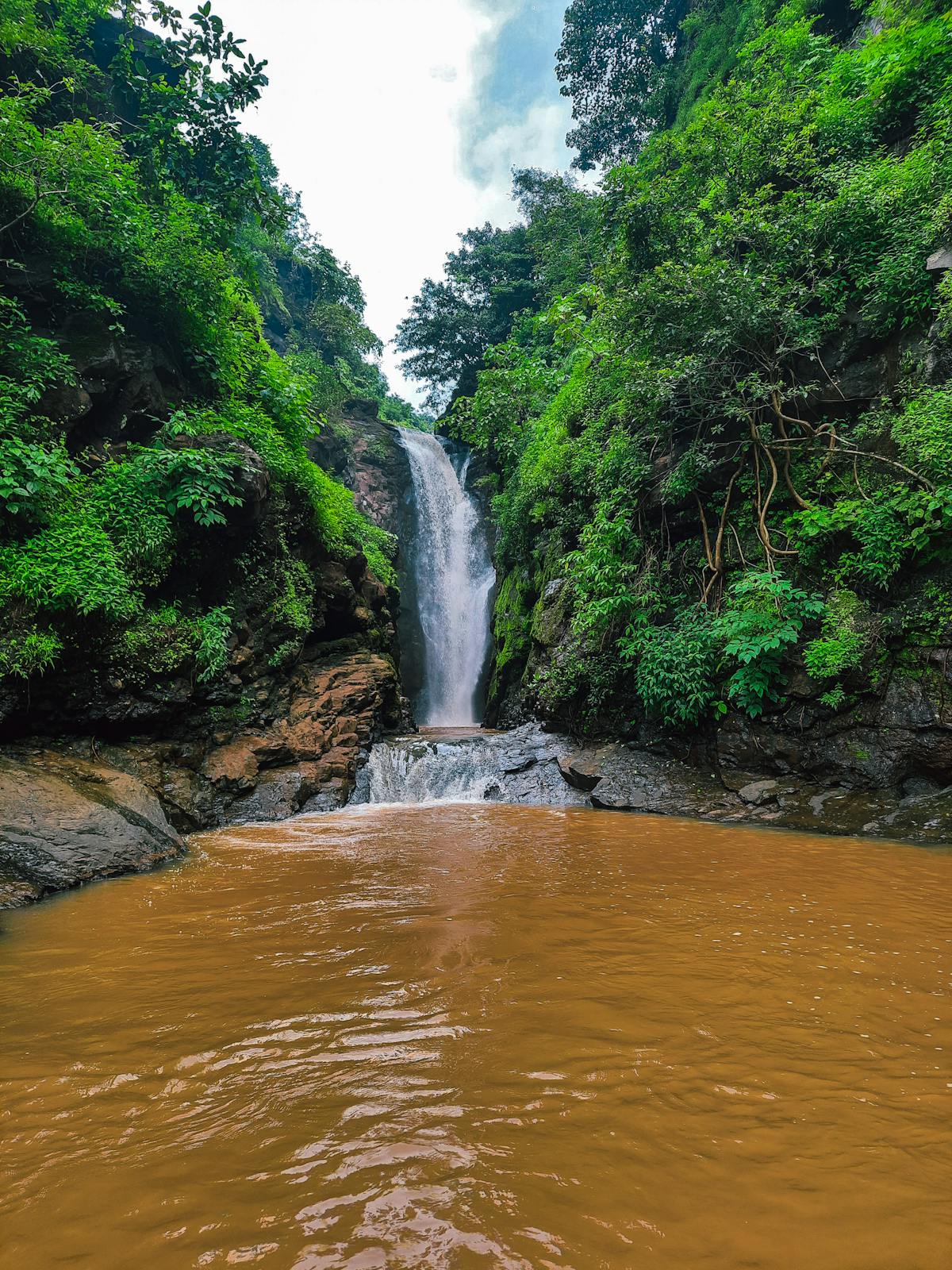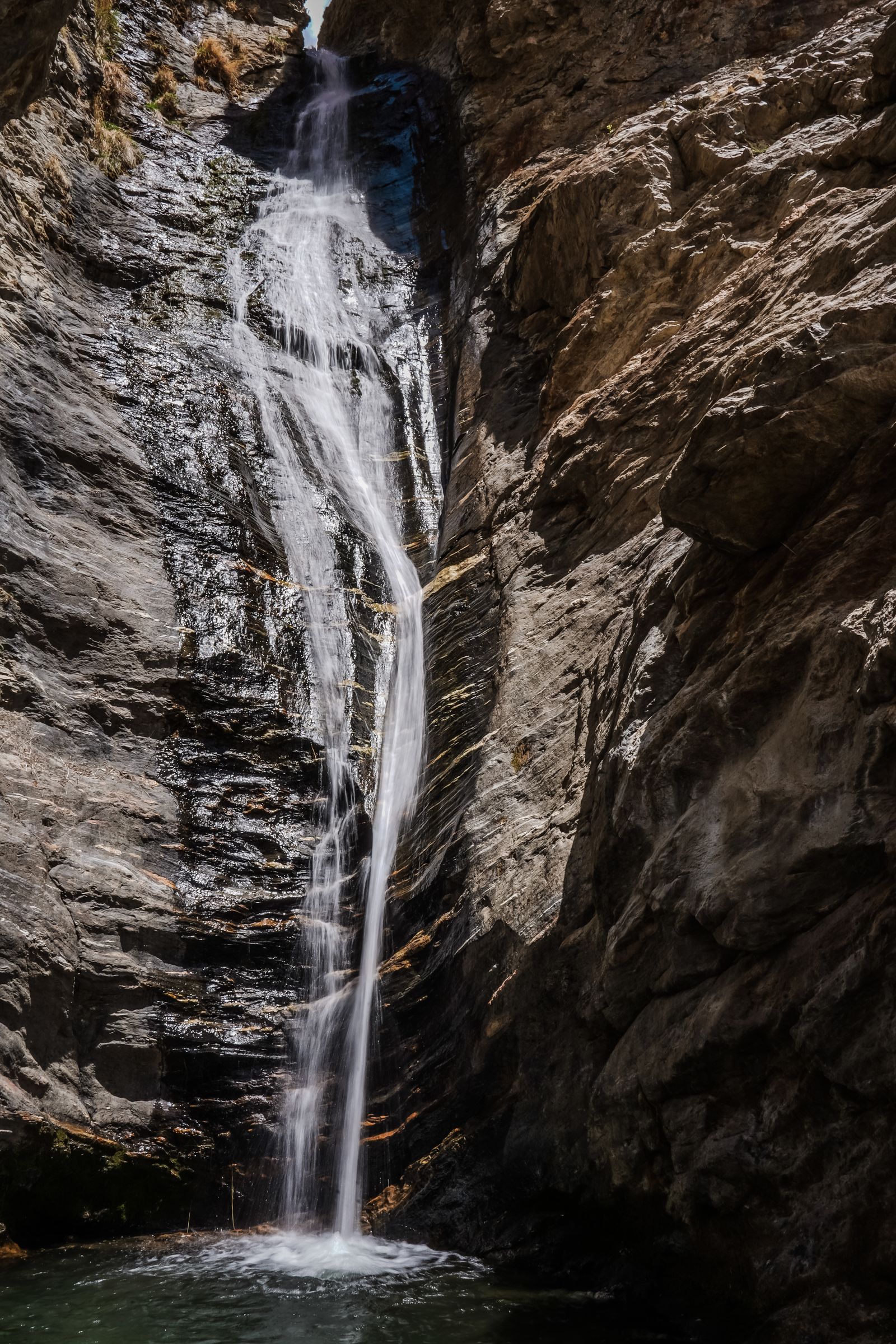
Tucked deep in the mountains of northern Miyazaki Prefecture, Takachiho Gorge is one of those places that makes you wonder why it is not already at the top of every Japan itinerary. Sheer cliffs of dark volcanic rock rise straight out of jade-green water, a slender waterfall tumbles into the river below, and little rowboats drift past like something from a painting. Add to that a deep connection to Japan’s oldest creation myths, a nightly sacred dance performed in a 1,900-year-old shrine, and a sunrise “sea of clouds” that rolls across the valleys, and you have one of the most magical corners of Kyushu.
The catch — and the reason Takachiho still feels like a hidden gem — is that it is genuinely off the beaten path. There is no train station, the bus ride winds for hours through the mountains, and most first-time visitors to Japan never make it this far. But that is exactly why it is worth the effort. This guide walks you through everything you need to plan a smooth, memorable trip: how to actually get there, how to book the famous rowboat, what to see, where to sleep and eat, when to go, and the practical tips that will save you time and stress.
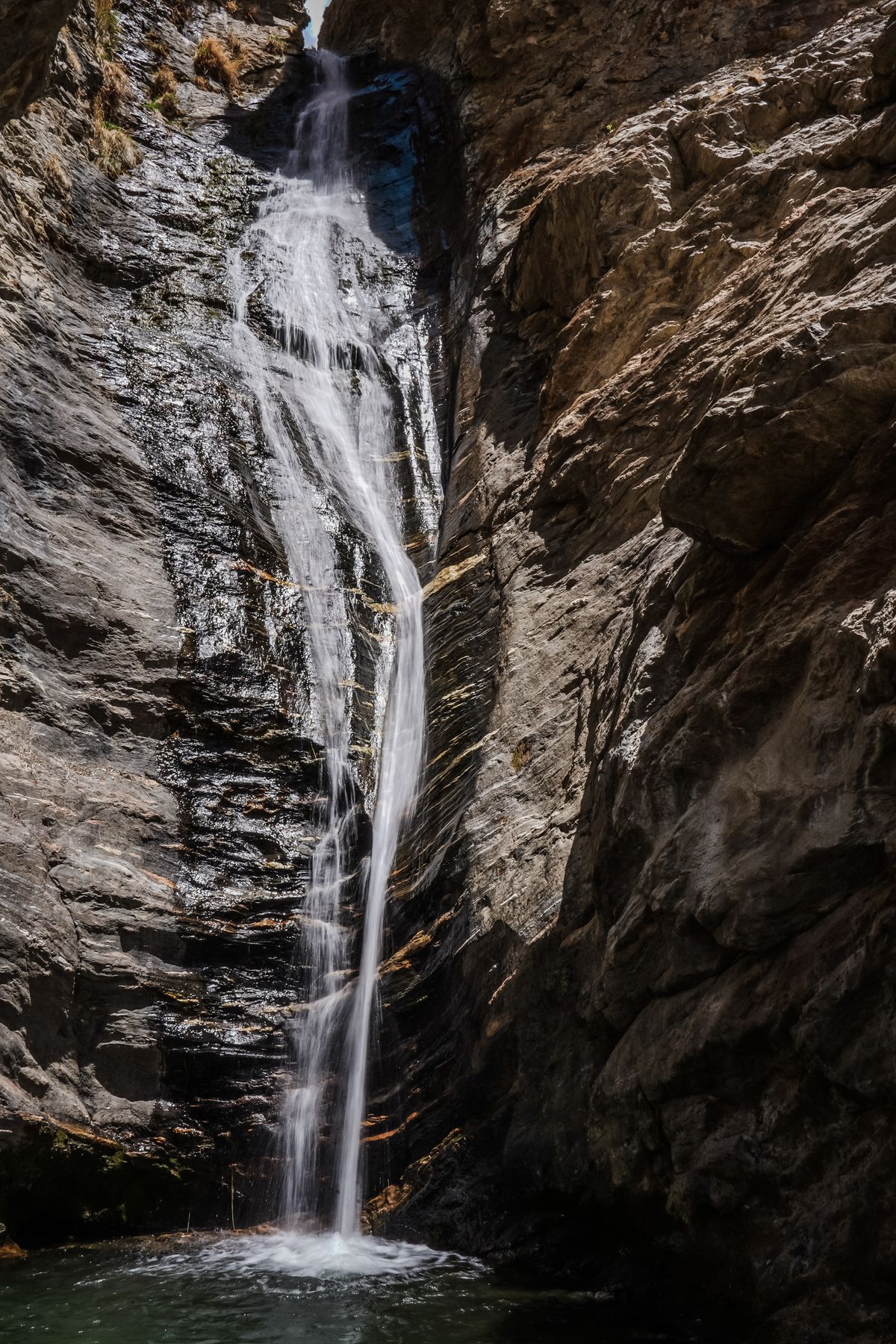
Why Takachiho Gorge Should Be on Your Japan Itinerary
Most travellers to Japan stick to the so-called Golden Route of Tokyo, Kyoto, and Osaka, with maybe a day trip to Hakone or Nara. Those places are wonderful, but they are also crowded, and they show you a very particular slice of the country. Takachiho is the opposite. It is rural, mountainous, quiet, and steeped in a kind of spiritual atmosphere that is hard to describe until you are standing in the gorge at dawn with mist curling off the water.
Geologically, the gorge was carved over thousands of years by the Gokase River cutting through layers of volcanic rock laid down by ancient eruptions of nearby Mount Aso. The result is a narrow canyon lined with columns of basalt that look almost man-made, twisted and folded by the cooling lava. In places the cliffs rise more than 80 metres (about 260 feet) above the river.
Culturally, Takachiho is considered one of the birthplaces of Japanese mythology. According to the Kojiki and Nihon Shoki, Japan’s oldest chronicles, this is where the sun goddess Amaterasu hid herself away in a cave, plunging the world into darkness, and where the other gods lured her back out with music and dance. That story is the origin of kagura, the sacred Shinto dance that is still performed here every single night. For visitors, this means Takachiho offers something rare: dramatic natural scenery and living cultural tradition in the same small town.
If you are the kind of traveller who values atmosphere over checklists, who would rather spend a slow morning rowing under a waterfall than queueing for a famous photo spot, Takachiho will reward you. It pairs beautifully with a wider Kyushu trip and slots naturally into a route that includes Mount Aso, Kumamoto, or the onsen towns of Beppu and Yufuin.
Where Is Takachiho and How to Get There
Takachiho sits in the far north of Miyazaki Prefecture, close to the border with Kumamoto, in the heart of Kyushu. It is genuinely remote — there is no longer a passenger railway line serving the town (the old Takachiho Railway was destroyed by a typhoon years ago and never fully rebuilt), so you will arrive by highway bus or rental car.
From Kumamoto (the easiest gateway)
For most travellers, Kumamoto is the most convenient jumping-off point. Direct highway buses run between Kumamoto Sakuramachi Bus Terminal and Takachiho Bus Center, taking roughly 3 hours and costing around ¥2,370 (about US$16) one way. There are only a handful of departures a day, so check the timetable in advance and arrive early. Kumamoto itself is easy to reach by Kyushu Shinkansen from Fukuoka (Hakata) in about 40 minutes, which makes a Fukuoka–Kumamoto–Takachiho chain very doable.
From Fukuoka
There are also direct highway buses from Fukuoka (Hakata Bus Terminal and Fukuoka Airport) to Takachiho, taking around 4 to 4.5 hours and costing roughly ¥4,000–4,500 (about US$27–30) one way. This is the simplest single-leg option if you are starting in Fukuoka, though it is a long ride.
From Miyazaki City or Nobeoka
Coming from the south, you can take a bus from Miyazaki City or, more commonly, from Nobeoka on the coast. Buses from Nobeoka to Takachiho take about 1.5 hours. If you are travelling along the eastern Kyushu coast, this is a logical approach.
By rental car
Honestly, the most flexible way to experience Takachiho and the surrounding area is by car. Many of the best spots — the Amano Iwato Shrine, the Kunimigaoka sea-of-clouds viewpoint, and the rural scenery between them — are spread out and poorly served by public transport. A rental car lets you catch the dawn cloud sea and move at your own pace. Roads are well maintained but mountainous and winding, so allow extra time and drive carefully. An International Driving Permit is required for most foreign visitors.
Planning tip: Because connections are limited, Takachiho is best treated as an overnight destination rather than a day trip. Arriving in the afternoon, staying one night, and leaving the next day lets you catch both the evening kagura dance and the early-morning sea of clouds — the two experiences you simply cannot rush. You can compare and book local accommodation on Agoda, which lists most of the town’s ryokan and guesthouses.
Renting a Rowboat at Takachiho Gorge
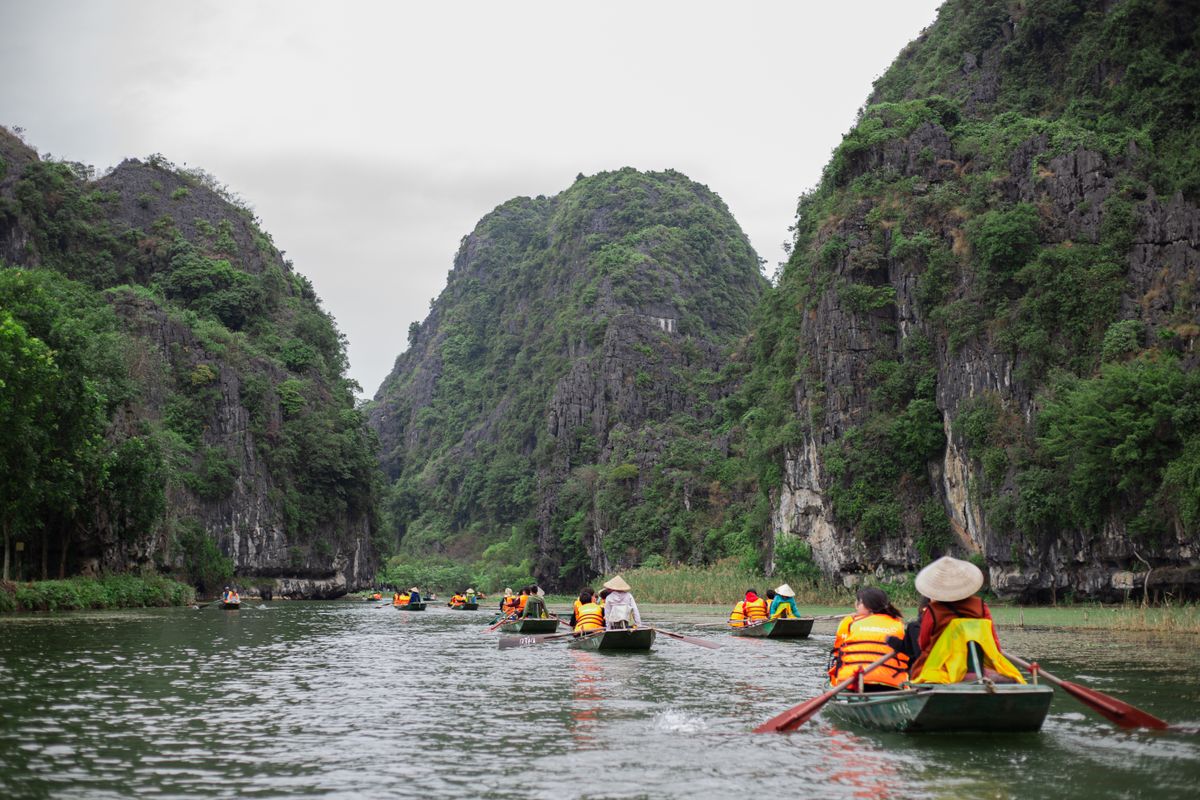
The image that draws most people to Takachiho is the rowboat gliding across emerald water toward the Manai Falls. Renting one of these little boats and paddling it yourself is the single most popular activity in the gorge, and for good reason — being down on the water, with the cliffs towering overhead and the waterfall misting your face, is unforgettable.
Here is what you need to know to actually make it happen, because this is the part that trips up unprepared visitors.
Price: Boat rental is priced per boat, not per person, and typically costs around ¥3,000–5,100 (about US$20–35) for a 30-minute slot, depending on the season. Prices are highest during peak periods like autumn foliage and Golden Week. Up to three adults can share one boat.
Time limit: You get roughly 30 minutes on the water, which is plenty to row up to the falls, take photos, and drift back. The boats are sturdy but a little awkward to steer at first, so expect some gentle bumping into the rock walls — it is all part of the fun.
Booking and reservations: This is crucial. The boats are extremely popular, and on busy days the wait can stretch to two or three hours if you just turn up. There is an online reservation system that lets you book a time slot in advance, and during autumn and holiday periods this is strongly recommended. If you cannot reserve, arrive as close to opening time as possible (the boat dock generally opens around 8:30 a.m.) to beat the crowds.
Seasonal closures: Boating can be suspended after heavy rain when the river runs high and fast, and there is sometimes a maintenance closure period. Always check the current status before counting on a boat ride, and have a backup plan (the walking trail above is spectacular on its own).
What to bring: Waterproof your phone or camera, because you will get splashed. Wear shoes you do not mind getting damp. In summer, the gorge is refreshingly cool; in cooler months, bring a layer because it can be chilly down by the water even when it is mild up top.
Walking the Gorge Promenade and Manai Falls
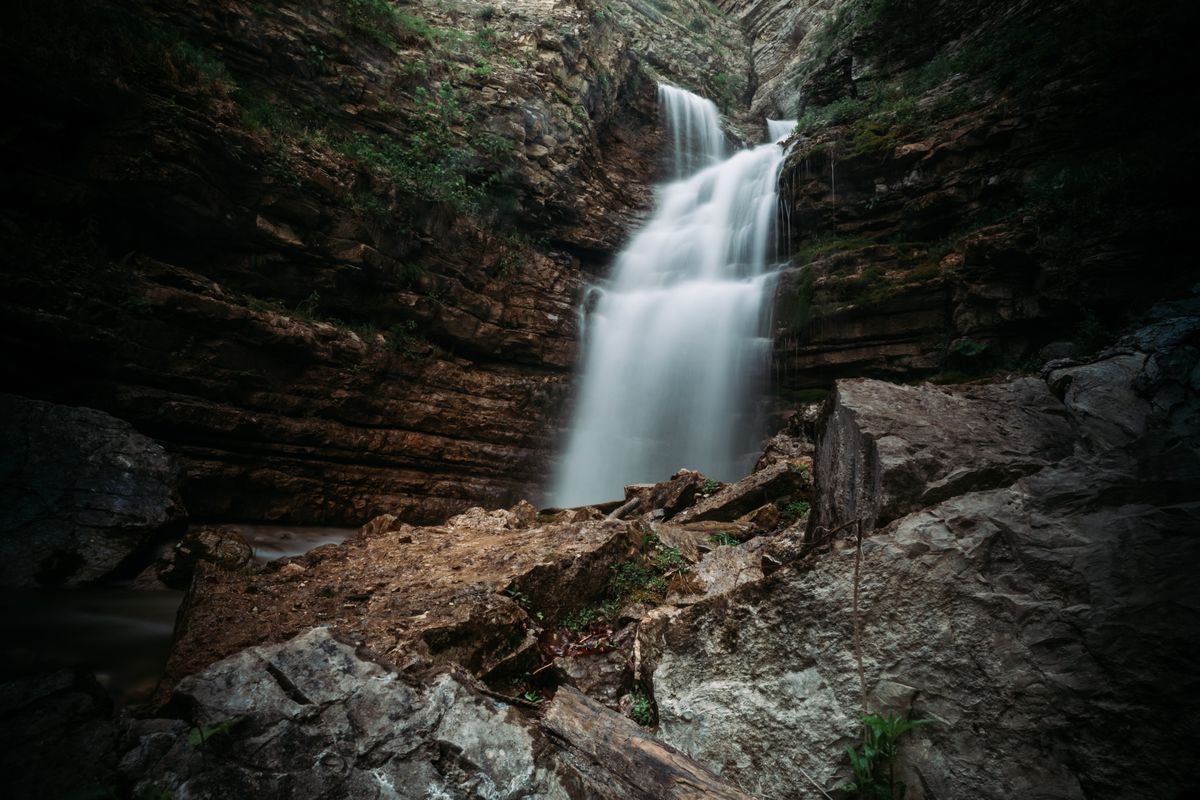
Even if you never get on the water, you can walk a paved promenade that runs along the top of the gorge, offering the famous postcard view looking down at the boats and the Manai Falls. The full walking path is about 600 metres long and takes 15 to 30 minutes at a relaxed pace, with several viewpoints and a small bridge that frames the waterfall beautifully.
The Manai Falls (Manai-no-taki) itself is fed by spring water and drops about 17 metres straight into the river. In Japanese mythology, the spring that feeds it was created by a deity, which adds to the gorge’s sacred reputation. The promenade is free to walk and open all day, so even if the boats are booked out or closed, you will not miss the headline view.
Near the gorge you will also find a small pond with koi carp and a population of resident ducks, a cluster of souvenir shops and cafés, and a shrine. It is easy to spend a couple of hours here just wandering, photographing the cliffs from different angles, and enjoying the cool mountain air. Early morning and late afternoon offer the best light for photography, and the fewest crowds.
Takachiho Shrine and the Yokagura Night Dance
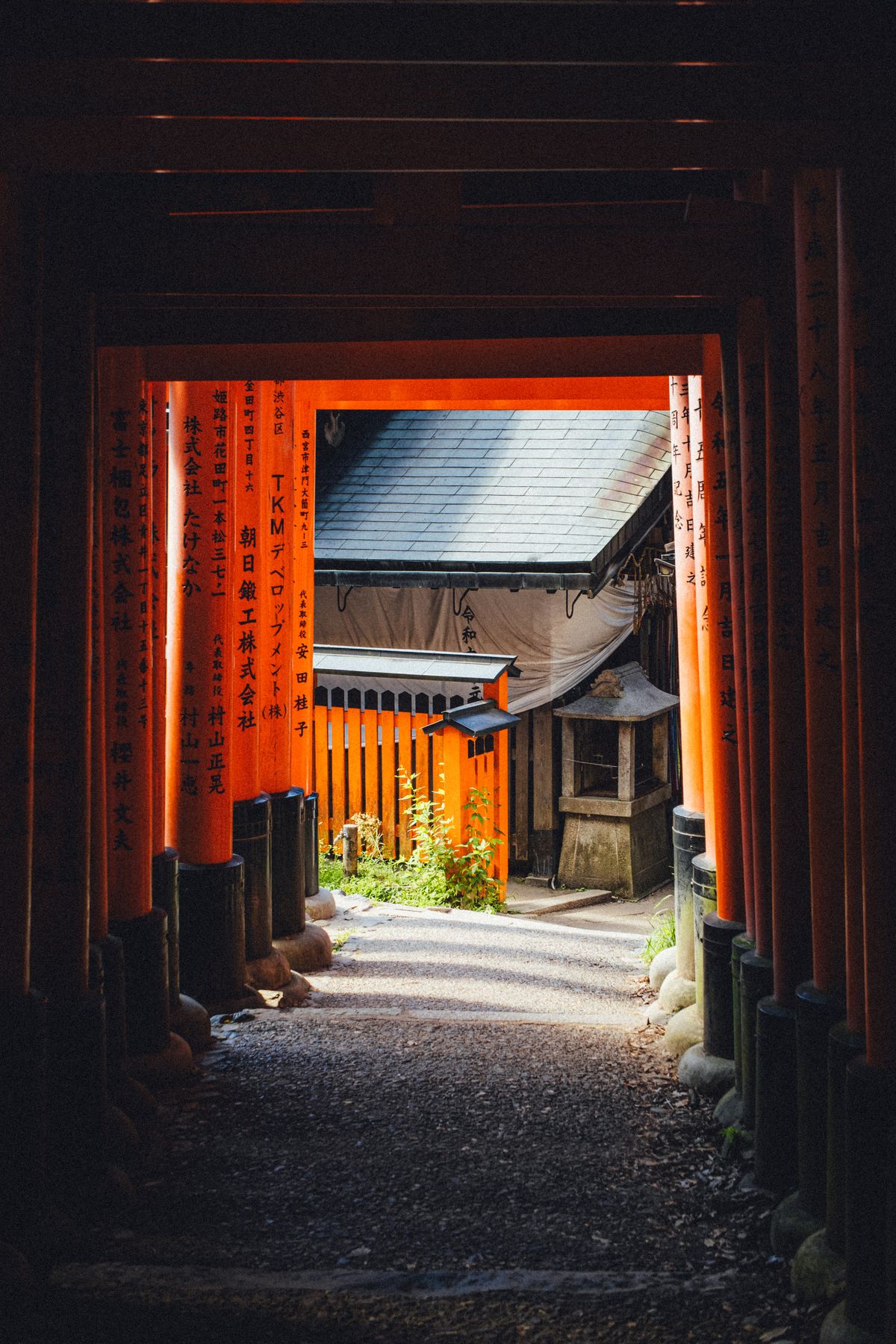
A short distance from the gorge stands Takachiho Shrine (Takachiho-jinja), a forested Shinto sanctuary said to be around 1,900 years old. Ancient cedar trees, some of them well over 500 years old and bound together with sacred rope, give the grounds a hushed, almost otherworldly feel. It is a lovely, free place to visit during the day.
But the real reason to come here is the evening. Every single night of the year, from around 8:00 p.m., the shrine hosts a one-hour performance of Yokagura — a condensed, accessible version of the sacred kagura dance. The full traditional kagura is a marathon, with 33 dances performed through the night in farming villages during the winter season. The nightly shrine version presents four of the most beloved and entertaining dances, including the famous, slightly comic scene in which the gods coax the sun goddess out of her cave.
Practical details: The nightly performance costs around ¥1,000 (about US$7) per person, paid at the door. No reservation is needed for the standard performance, but seating is on the floor and space is limited, so arrive 30 to 45 minutes early to get a good spot. The dances use masks, simple staging, and humour, so you do not need to understand Japanese to enjoy them — it is genuinely fun, not stuffy. This is one of the highlights of any visit and a major reason to stay overnight.
Amano Iwato Shrine and Japan’s Creation Myths
About 15 minutes by car from central Takachiho lies Amano Iwato Shrine, built to worship the very cave where, according to legend, the sun goddess Amaterasu hid herself away. The shrine is split into two parts. The main hall (Nishi Hongu) looks across a valley toward the sacred cave itself, which cannot be entered or photographed up close out of respect.
From there, a beautiful 10-minute walk along a river leads to Amano Yasugawara, a cave by the water where the myth says all the gods gathered to discuss how to lure Amaterasu back into the world. Visitors traditionally stack small towers of stones here, and the riverbank is covered with thousands of these little cairns, creating a strange and moving sight. The whole area has a powerful spiritual atmosphere and is well worth the short trip, especially if you have a car.
Because the Amano Iwato area is not easy to reach by public transport, it is one of the strongest arguments for renting a car or joining a small guided tour. If you would rather not drive, you can find guided day tours and experiences across Kyushu through operators such as NEWT, which can take the logistics off your plate.
Kunimigaoka and the Famous Sea of Clouds
If you are willing to set an early alarm, Takachiho offers one of Japan’s most magical natural spectacles: the unkai, or sea of clouds. On clear, cool mornings in autumn and early winter, a thick blanket of mist settles in the valleys overnight, and as the sun rises it glows gold and pink while the surrounding mountain peaks poke through like islands.
The best viewpoint is Kunimigaoka, a hilltop lookout a short drive from town. To catch the phenomenon you need to be in position before dawn, which in practice means leaving your accommodation around 5:00 to 6:00 a.m. depending on the season. The conditions have to align — clear skies, high humidity the night before, low wind, and a big temperature drop overnight — so it is never guaranteed, but when it happens it is genuinely breathtaking. Autumn (late October through November) gives you the best odds.
This is another experience that really requires your own vehicle, since there is no early-morning bus service. Bundle up warmly, bring a hot drink, and be patient — even if the clouds do not fully form, the sunrise over the mountains is worth the early start.
Best Time to Visit Takachiho
Takachiho is a year-round destination, but each season offers something different.
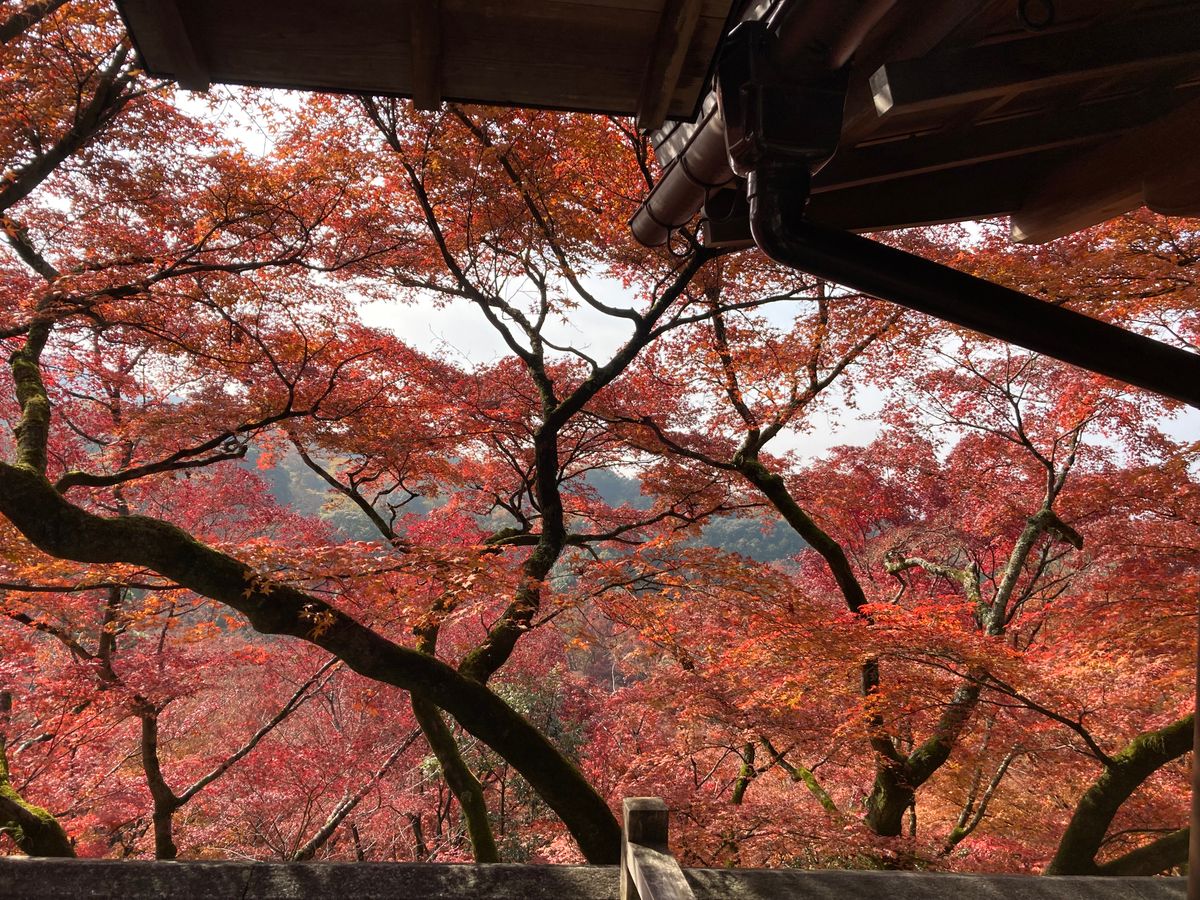
Autumn (October–November) is widely considered the best time to visit. The maple and other deciduous trees lining the gorge turn brilliant shades of red, orange, and gold, the air is crisp, and the sea-of-clouds phenomenon is most likely. The trade-off is crowds — this is peak season, so book your boat slot and accommodation well in advance.
Spring (March–May) brings fresh green leaves, cherry blossoms in early April, and comfortable temperatures. It is less crowded than autumn while still being beautiful, making it an excellent choice.
Summer (June–August) is lush and green, and the cool gorge is a refreshing escape from Japan’s heat and humidity. June is the rainy season, however, which can mean boat closures after heavy rain, so build flexibility into your plans.
Winter (December–February) is quiet and atmospheric. The gorge is sometimes lit up in the evenings, and the surrounding villages host the authentic, all-night Yokagura kagura festivals (typically November through February) — a remarkable experience if you can arrange to attend one. It does get cold in the mountains, so pack accordingly.
Where to Stay in Takachiho
Because Takachiho works best as an overnight stop, where you sleep matters. The town has a good range of options for its size, from traditional ryokan to simple guesthouses and a few western-style hotels.
Ryokan and onsen inns are the classic choice. Staying in a traditional inn, sleeping on futons over tatami mats, and enjoying a multi-course dinner featuring local ingredients is a wonderful way to round out a Takachiho visit. Some inns have their own hot-spring baths. These tend to book out fastest during autumn and holiday seasons.
Guesthouses and budget options are available for travellers watching their wallets, and they are a great way to meet other visitors and get local tips. Central locations near the bus center are convenient if you are relying on public transport.
Wherever you stay, book early — the town is small and rooms genuinely sell out during peak periods. It is worth comparing prices across a couple of platforms. You can browse the full range of Takachiho inns and hotels on Agoda, and for door-to-door airport transfers elsewhere in Kyushu, a shared shuttle service like NearMe can make the longer connections far less stressful.
What and Where to Eat in Takachiho
The food in Takachiho is a genuine highlight, drawing on the rich agricultural produce of the Kyushu highlands. Do not leave without trying these local specialities.
Takachiho beef (Takachiho-gyu): This local wagyu is prized for its marbling and flavour, and has won national awards. You will find it served as steak, in donburi rice bowls, and grilled at the table. It is more affordable here than famous brands like Kobe beef, making it a great value splurge.
Nagashi somen: In the warmer months, several spots near the gorge serve this playful summer dish, in which thin noodles are sent flowing down a bamboo flume of cold water for you to catch with your chopsticks. It is fun, refreshing, and very photogenic.
Local chicken and charcoal-grilled dishes: Miyazaki is famous across Japan for its jidori chicken, often grilled over charcoal until smoky and slightly blackened. It is rich, juicy, and pairs perfectly with a cold local beer.
Takachiho amazake and local sake: The clean mountain water makes for excellent sake, and the sweet, often non-alcoholic amazake is a warming local drink. Several small producers in the area welcome visitors.
Most restaurants cluster around the gorge entrance and the town center near the bus station. Note that this is a rural area, so many places close early — plan dinner before 8:00 p.m. unless your accommodation is serving a meal, and keep some cash on hand as not every small establishment takes cards.
Practical Tips for Visiting Takachiho
A few pieces of hard-won advice to make your trip go smoothly:
- Stay at least one night. The two best experiences — the evening kagura dance and the dawn sea of clouds — bookend a single overnight stay perfectly. A rushed day trip misses the magic.
- Reserve your boat in advance during autumn and holiday seasons, or arrive at opening time. Otherwise you may wait hours or miss out entirely.
- Carry cash. This is rural Japan. Many small restaurants, the kagura dance entry, and some shops are cash-only. Withdraw enough before you arrive, as ATMs are limited.
- Consider renting a car if you want to see Amano Iwato Shrine and the Kunimigaoka cloud sea comfortably. Public transport within the area is sparse.
- Check the weather and river conditions before relying on the boats, which close after heavy rain.
- Dress in layers. The gorge and the early mornings can be surprisingly cool even when the rest of Kyushu is warm.
- Stay connected. Mountain signal can be patchy, but a reliable data connection is invaluable for navigation, timetables, and translation. Setting up a travel eSIM before you arrive in Japan means you are online the moment you land, with no fumbling for a physical SIM card.
- Bring a waterproof bag or case for electronics if you plan to row.
The Mythology That Makes Takachiho Special
To really appreciate Takachiho, it helps to understand the stories woven into its landscape, because nearly every site here is tied to a chapter of Japan’s founding mythology. These are not dusty legends kept behind glass — they are living traditions that locals still honour through festivals and daily ritual.
The central myth is that of Amaterasu, the sun goddess and one of the most important deities in Shinto. As the story goes, her brother Susanoo, the storm god, behaved so violently and destructively that Amaterasu, in grief and anger, shut herself inside a cave called Amano Iwato and sealed the entrance with a great boulder. With the sun goddess hidden, the world fell into total darkness, and chaos spread across the land.
The other gods gathered at a riverside cave called Amano Yasugawara to devise a plan. They hung a sacred mirror and jewels from a tree, and a goddess named Ame-no-Uzume began to dance wildly and comically on an overturned tub, making the assembled gods roar with laughter. Curious about the commotion, Amaterasu peeked out from the cave — and at that moment a powerful god pulled the boulder aside, and light returned to the world. That dance is the mythological origin of kagura, which is why the nightly performance at Takachiho Shrine feels less like a tourist show and more like a continuation of something ancient.
Takachiho is also linked to the myth of Ninigi-no-Mikoto, Amaterasu’s grandson, who is said to have descended from the heavens to the peak of a nearby mountain to begin the imperial line — the legendary ancestry of Japan’s emperors. Whether or not you take the myths literally, knowing them transforms a walk through the gorge or a visit to Amano Iwato from sightseeing into something closer to a pilgrimage. Many Japanese visitors come precisely for this spiritual resonance, treating Takachiho as a “power spot” charged with sacred energy.
Getting Around Once You Arrive
Central Takachiho is compact, and if you are staying near the town center or the bus station, you can reach the gorge, Takachiho Shrine, and most restaurants on foot or with a short taxi ride. The walk from the town center down to the gorge takes around 20 to 30 minutes and is mostly downhill on the way there (and a bit of a climb back).
For the more distant sites — Amano Iwato Shrine, the Kunimigaoka viewpoint, and rural sake breweries — you will want wheels. Options include:
- Rental car: The most flexible choice, especially for the pre-dawn cloud sea. Pick one up in Kumamoto, Nobeoka, or Miyazaki before heading into the mountains.
- Taxis: Available in town but limited in number; agree on a fare or hire one for a half-day if you want to visit Amano Iwato without driving.
- Local sightseeing buses: Seasonal services sometimes connect the main sights, but schedules are infrequent — check at the tourist information center near the bus station when you arrive.
- Guided tours: A stress-free way to see the spread-out sights without driving, often bookable as part of a wider Kyushu trip.
The tourist information center is a genuinely useful first stop. Staff can advise on current boat operations, the day’s weather outlook for the cloud sea, bus timetables, and any seasonal events. Picking up a paper map here is worthwhile given the patchy mobile signal in the mountains.
Combining Takachiho with the Rest of Kyushu
One of the smartest ways to justify the journey to Takachiho is to fold it into a broader exploration of Kyushu, Japan’s southernmost main island and one of its most underrated regions. Because you are already deep in the mountains, several spectacular destinations are within reach.
Mount Aso: Roughly between Kumamoto and Takachiho lies one of the world’s largest active volcanic calderas. The grassy plains, smoking crater, and vast rim are otherworldly, and the drive through the area is gorgeous. Aso pairs naturally with Takachiho on a car-based loop.
Kumamoto: Home to one of Japan’s most impressive reconstructed castles and a relaxed, friendly city atmosphere, Kumamoto is the main gateway and well worth a night of its own.
Kurokawa, Beppu, and Yufuin: Kyushu is onsen country, and these famous hot-spring towns offer the perfect way to soak away the fatigue of mountain travel. Kurokawa in particular has a rustic charm that complements Takachiho beautifully.
Fukuoka: The region’s largest city and a food lover’s paradise, especially for its yatai (street-food stalls) and Hakata ramen. It is the logical start or end point for a Kyushu loop, with the best flight and shinkansen connections.
Linking these together over five to seven days, ideally by rental car, makes for one of the most rewarding road trips in Japan — varied, scenic, and far less crowded than the country’s headline routes.
Suggested Itineraries for Takachiho
The classic overnight (recommended): Arrive by early-afternoon bus from Kumamoto. Drop your bags, walk the gorge promenade, and rent a rowboat. Enjoy a Takachiho beef dinner, then attend the 8:00 p.m. kagura dance at Takachiho Shrine. The next morning, rise early for the sea of clouds at Kunimigaoka (if you have a car), visit Amano Iwato Shrine, and catch an afternoon bus onward.
Two nights for a deeper dive: Add a second night to slow down, explore the rural villages, visit a sake brewery, and increase your chances of catching the cloud sea on a clear morning. This also gives you a buffer if rain closes the boats on your first day.
As part of a Kyushu loop: Combine Takachiho with Mount Aso, Kumamoto Castle, and the onsen towns of Kurokawa, Beppu, or Yufuin. A rental car makes this scenic mountain route a genuine highlight of any Kyushu trip. For more ideas on building a route through the region, browse our wider destinations guide.
What to Pack for Takachiho
Because Takachiho sits at altitude in the mountains, conditions differ from the lowland cities most travellers arrive from. A little preparation goes a long way:
- Layers: Even in summer the gorge and pre-dawn mornings are cool, and autumn evenings get genuinely cold. A light jacket or fleece is essential year-round, and a warm coat from late autumn through winter.
- Comfortable, water-resistant shoes: You will walk the promenade, climb back up to town, and possibly get splashed at the boat dock. Sturdy footwear beats sandals.
- A waterproof phone case or dry bag: Indispensable if you plan to row, and useful generally during the rainy season.
- Cash: Enough yen to cover meals, the kagura dance, boat rental, and souvenirs, since cards are not universally accepted.
- A portable charger: Navigation and photography drain batteries, and outlets can be scarce when you are out all day.
- A reusable water bottle: The mountain spring water in the region is famously clean and delicious.
- An umbrella or rain jacket: Mountain weather changes quickly, and a sudden shower should not derail your day.
Travelling Respectfully in Takachiho
Takachiho’s shrines and cave sites are active places of worship, not just photo backdrops, and the surrounding area is a small rural community. A few simple courtesies help keep the destination welcoming for everyone. At shrines, bow slightly when passing through a torii gate, keep your voice low, and follow any signs about where photography is prohibited — the sacred cave at Amano Iwato, for instance, is not to be photographed. During the kagura dance, arrive early, sit quietly, and avoid flash photography unless it is explicitly permitted.
In town, remember that this is a quiet community where many residents rise early and sleep early. Take your rubbish with you, as public bins are rare across Japan, and be mindful of noise late at night, especially if you are heading out before dawn for the cloud sea. Supporting local businesses — eating at family-run restaurants, buying souvenirs from local makers, and staying in locally owned inns — keeps tourism benefiting the people who make Takachiho special. Travelling thoughtfully here is part of what keeps this hidden gem feeling so unspoiled.
Frequently Asked Questions
Is Takachiho Gorge worth visiting for first-time travellers to Japan?
Yes, if you have at least 10 days in the country and want to see a side of Japan beyond the big cities. It does require effort to reach, so it suits travellers who value scenery, atmosphere, and culture over convenience. If you only have a few days and it is your first visit, you may want to save it for a future trip — but as part of a Kyushu itinerary, it is a standout.
How long should I spend in Takachiho?
One night and two days is the sweet spot, letting you experience the gorge, the boats, the evening kagura dance, and the morning sea of clouds. If you are short on time you could see the gorge highlights in half a day, but you would miss the dance and sunrise, which are arguably the best parts.
Do I need to book the Takachiho boat in advance?
During autumn foliage season, Golden Week, and other holidays, yes — reserve online if you can, as waits can otherwise reach two to three hours. In quieter periods, arriving near the 8:30 a.m. opening usually gets you on the water without a long wait. Always check whether boating is operating, as it closes after heavy rain.
Can I visit Takachiho without a car?
You can reach the town and the gorge itself by highway bus, and the gorge, promenade, Takachiho Shrine, and nightly kagura dance are all accessible on foot or by short taxi rides. However, the Amano Iwato Shrine and the Kunimigaoka sea-of-clouds viewpoint are difficult to reach without a car or a guided tour. If those are priorities, consider renting a vehicle.
What is the kagura dance and is it suitable for foreign visitors?
Kagura is a sacred Shinto dance with roots in Japan’s creation myths. The nightly one-hour performance at Takachiho Shrine presents four accessible, sometimes humorous dances using masks and simple staging. It costs around ¥1,000 and needs no reservation. You do not need to speak Japanese to enjoy it — it is visual, atmospheric, and genuinely entertaining.
When is the best time to see the sea of clouds?
Late autumn through early winter (roughly late October to February) offers the best chance, especially on clear, cold mornings following a humid night with little wind. Head to the Kunimigaoka viewpoint before dawn. It is never guaranteed, but the odds are highest in this period.
Is Takachiho expensive to visit?
It is reasonably affordable. The gorge promenade and shrines are free, boat rental is around ¥3,000–5,100 per boat (shared by up to three people), the kagura dance is about ¥1,000, and meals featuring local beef are good value compared to famous wagyu brands elsewhere. Your biggest costs will be transport to reach the town and accommodation during peak season.
Final Thoughts
Takachiho Gorge asks a little more of you than the typical Japan destination. You have to want it — to take the long bus through the mountains, set an early alarm, and trade convenience for something rarer. But what you get in return is a place where mythology, nature, and living tradition come together in a way you will not find on the Golden Route: rowing beneath a waterfall in a jade canyon, watching the gods dance by candlelight, and standing above a sea of clouds as the sun rises over Kyushu.
If you are building a trip into southern Japan and looking for an experience that feels genuinely special, make room for Takachiho. For more off-the-beaten-path ideas across the country, take a look at our guide to Japan’s hidden gems, and if this is your first trip, our first-timer travel tips will help you plan with confidence. Safe travels, and enjoy the magic of Takachiho.
Going to Japan? Talk to locals with confidence.
Hirameki Japanese — instant offline translation, camera translation, furigana + romaji, and 314 free flashcards. No login. Works without internet.

Plan your Japan trip
Two things every first-timer should book
Some links are affiliate links. If you book through them we may earn a small commission at no extra cost to you.