In this guide
- Why konbini are a traveler’s best friend
- What to actually eat
- Reading labels & allergy checks
- Checkout, ATMs & etiquette
- FAQ
Why konbini are a traveler’s best friend
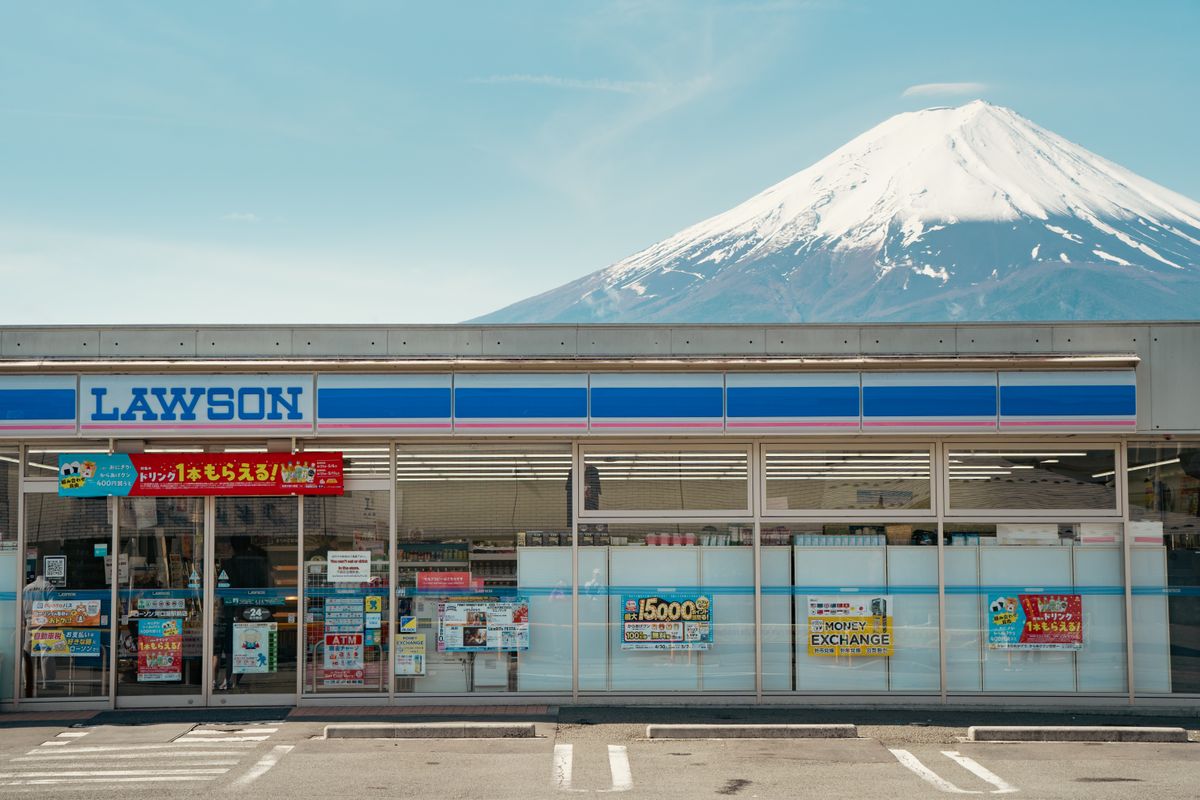
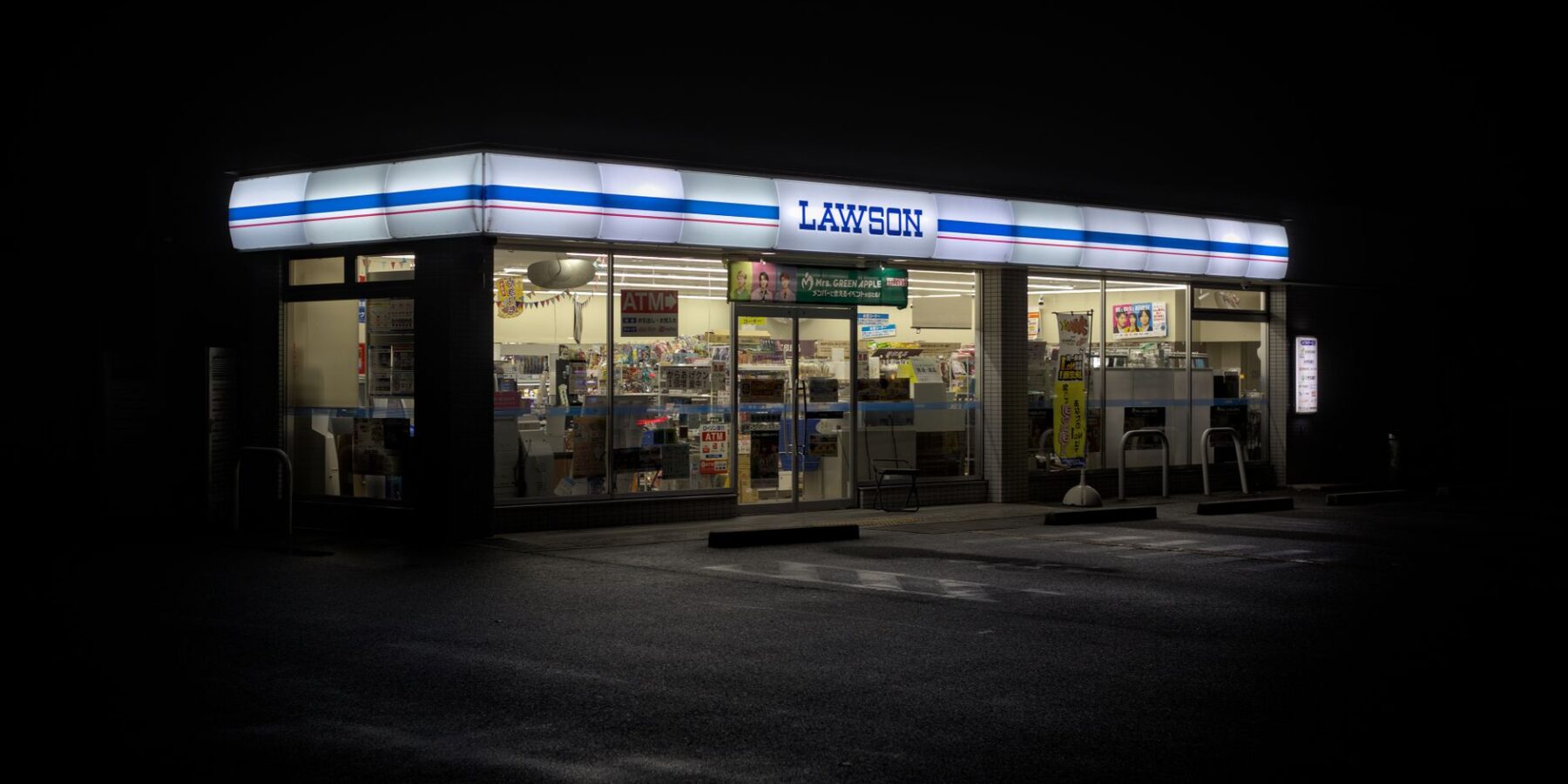
Around 55,000 convenience stores blanket Japan, and they’re nothing like gas-station stores back home. Fresh food restocked several times a day, clean and safe at any hour, and packed with services: 7-Eleven and Lawson ATMs accept most foreign cards (the easiest cash source in Japan), you can buy museum and theme-park tickets at in-store kiosks, print documents, and even send luggage ahead to your next hotel via takkyubin from many branches.
What to actually eat
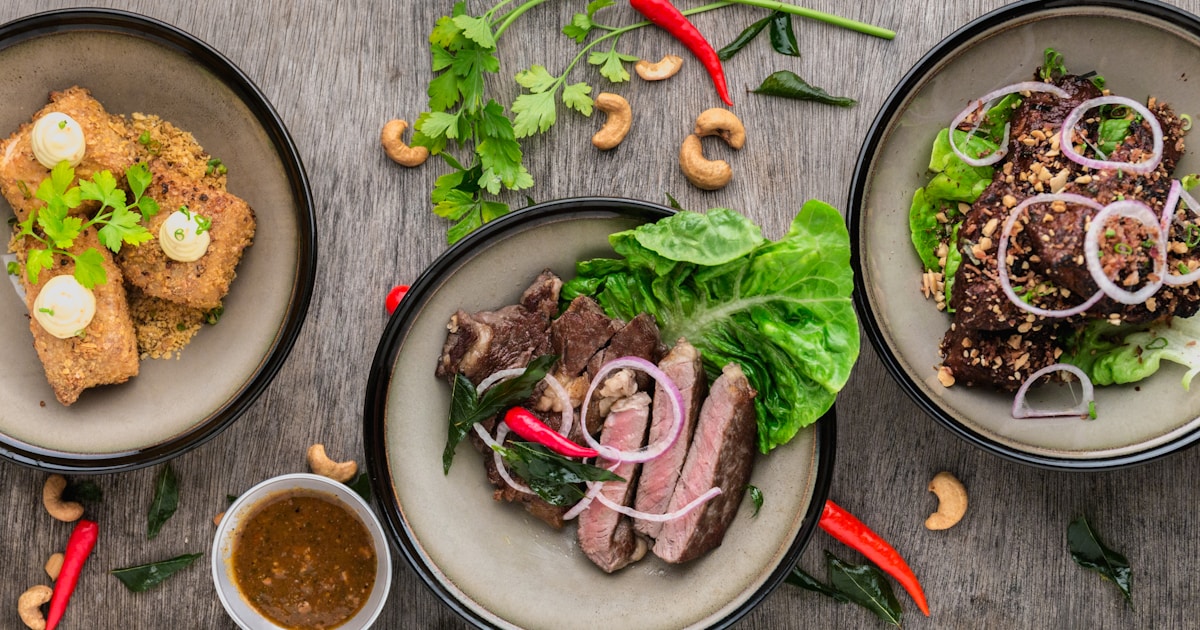
- Onigiri (¥120–200) — rice balls: tuna-mayo, salmon, umeboshi. Two make a meal. Pull tab ①, then peel ② and ③ — the seaweed stays crisp.
- Bento boxes (¥400–700) — full hot meals; staff will ask to microwave it: say yes with a nod, or “onegaishimasu.”
- Famichiki & karaage — the fried chicken at the counter is legitimately good. Point and hold up fingers for how many.
- Egg sandwich (tamago sando) — internet-famous for a reason. Best from 7-Eleven, most say.
- Seasonal items — oden in winter, limited-run desserts year-round. If a shelf is nearly empty, that’s the good one.
Eating konbini for breakfast and lunch keeps a Japan trip shockingly affordable — the math is in our budget guide.
Reading labels & allergy checks
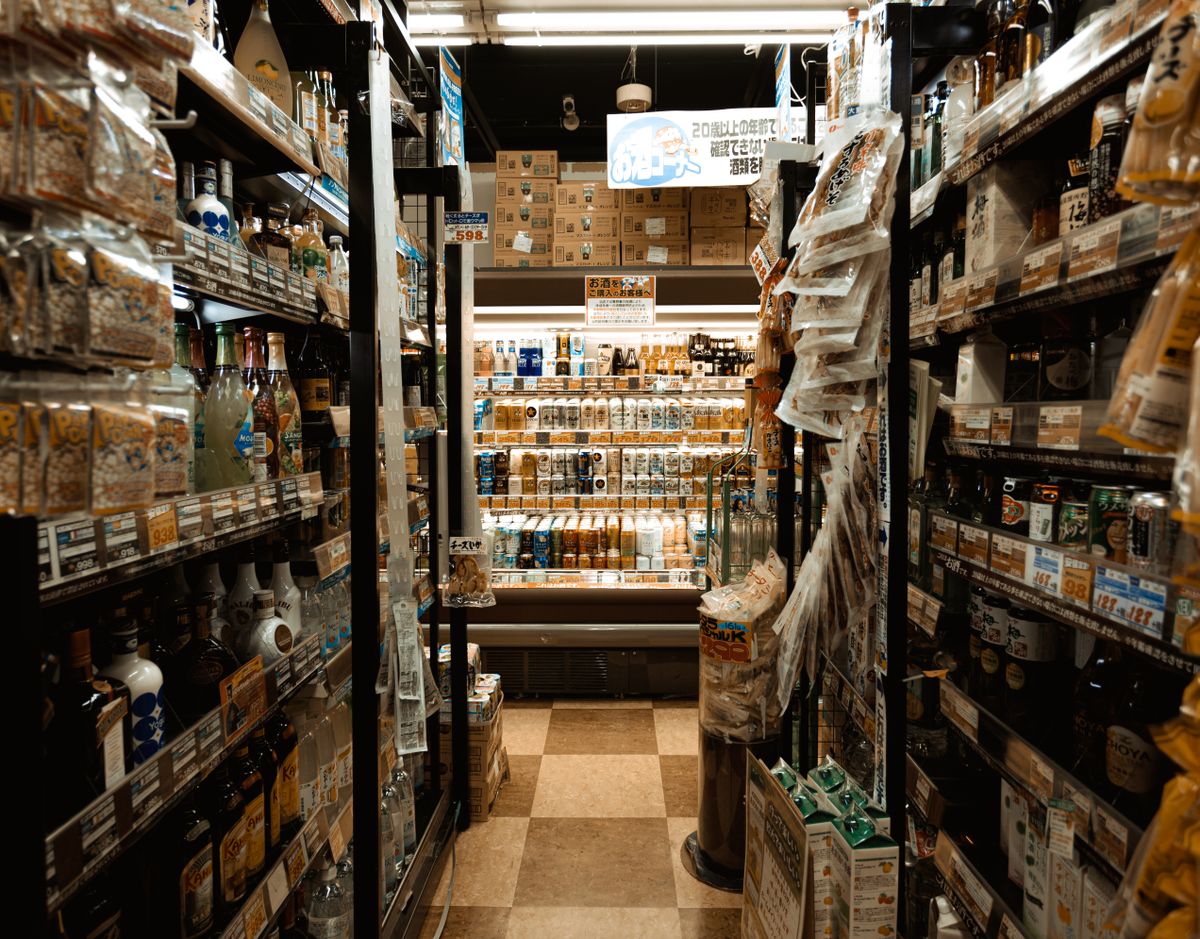
Here’s the real friction: package fronts, ingredient lists and heating instructions are almost entirely Japanese. Guessing works until it doesn’t — say, when “tuna mayo” and “spicy cod roe” onigiri look identical. Open Hirameki Japanese, point the camera, and the label translates on the spot — offline, so it works in a basement store with no signal. For allergies this matters more: photograph the ingredients panel and read the translation before you buy. The app also shows furigana and romaji, so you can read the product name aloud to staff if you need help. It’s free with no login — set it up before your trip along with your eSIM.
Checkout, ATMs & etiquette
Checkout is friction-free: put items on the tray, tap your Suica/IC card or credit card on the reader (self-checkout kiosks in cities have an English button). A few unwritten rules: don’t walk and eat on the street — eat near the store or take it back to the hotel; trash cans are inside the store, sorted by type; keep phone calls outside. For ATMs, 7-Eleven’s Seven Bank machines have full English menus and sit inside nearly every branch — withdrawal beats most airport exchange rates. More survival basics in our first-timer tips and zero-Japanese shopping guide.
Frequently asked questions
Which konbini chain is best? They’re all good. 7-Eleven edges food quality, Lawson has famous desserts and Karaage-kun, FamilyMart has Famichiki. Try all three — they’re never more than a block apart.
Can I pay with a foreign credit card? Yes, all major chains take Visa/Mastercard/Amex and contactless. IC cards like Suica are fastest.
How do I know what’s inside a product? Camera translation — Hirameki Japanese reads any label offline in seconds.
Are konbini expensive? No — a filling meal runs ¥500–800, one of the best value-for-money food options in Japan.
Going to Japan? Talk to locals with confidence.
Hirameki Japanese — instant offline translation, camera translation, furigana + romaji, and 314 free flashcards. No login. Works without internet.

Plan your Japan trip
Two things every first-timer should book
Some links are affiliate links. If you book through them we may earn a small commission at no extra cost to you.