In this guide
- The bathing sequence, step by step
- The rules that actually matter
- Tattoos: your real options
- Where to try it
- FAQ
The bathing sequence, step by step
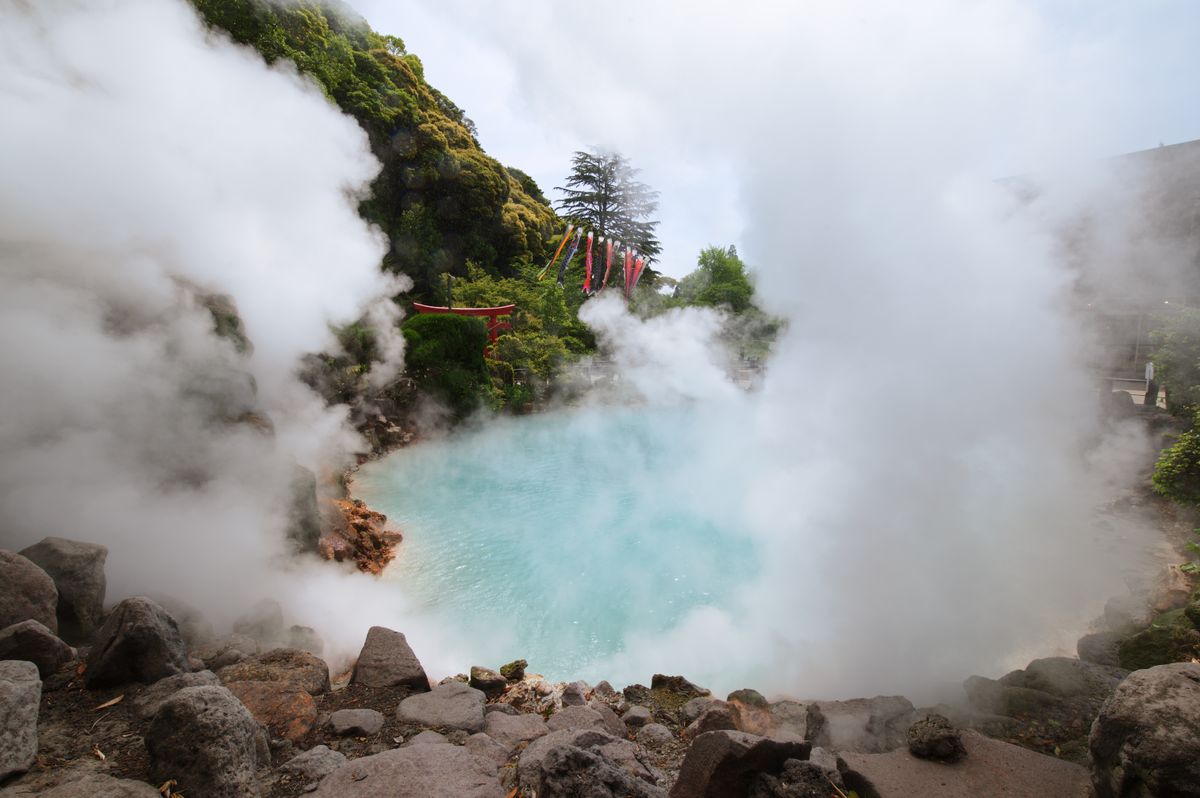
- 1. Shoes off at the entrance; pay or scan in. Men’s bath: 男 (blue curtain). Women’s: 女 (red curtain).
- 2. Undress fully in the changing room; everything in the basket or locker. Take only the small towel.
- 3. Wash seated at a shower station — soap, shampoo, full rinse. This is the step that matters most.
- 4. Ease into the bath. Water is typically 40–43°C. Enter slowly; soak, don’t swim.
- 5. Small towel on your head or on the edge — never in the water.
- 6. Afterwards, wipe down in the doorway before the changing room. Then: cold milk from the vending machine, the traditional finisher.
The rules that actually matter
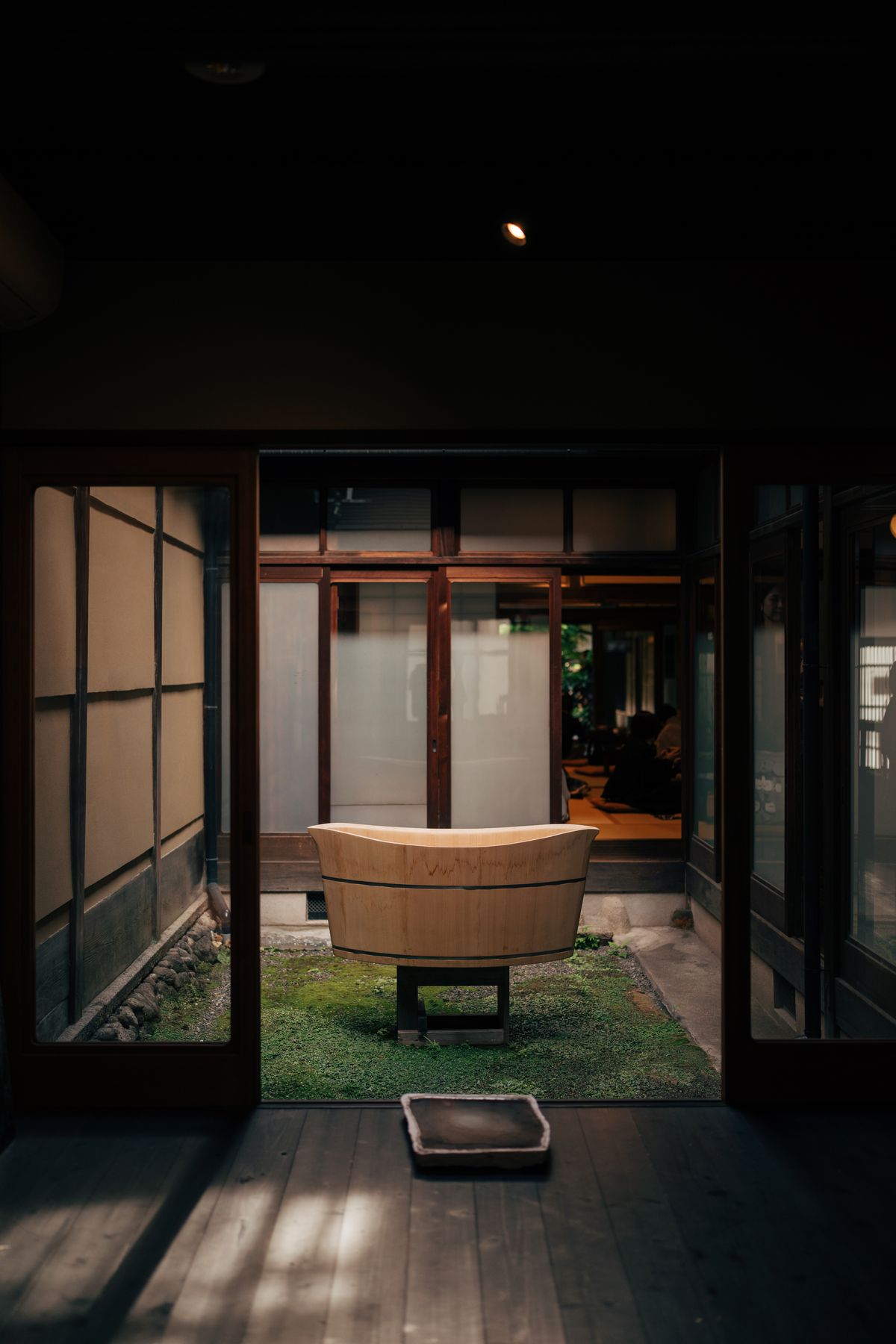
- No swimsuits — baths are separated by sex and everyone is naked. Nobody looks; self-consciousness fades in about ninety seconds.
- Tie up long hair so it doesn’t touch the water.
- No photos anywhere inside — changing room included. Phones stay in the locker.
- Quiet voices — a bath is a soak, not a pool party. Kids are welcome at most onsen; keep the splashing down.
- No alcohol before; hydrate after. Hot water and beer amplify each other unpleasantly.
- If a sign says something you can’t read — hours, tattoo policy, closed bath — camera-translate it rather than guessing (our sign-reading guide covers the tools).
Tattoos: your real options
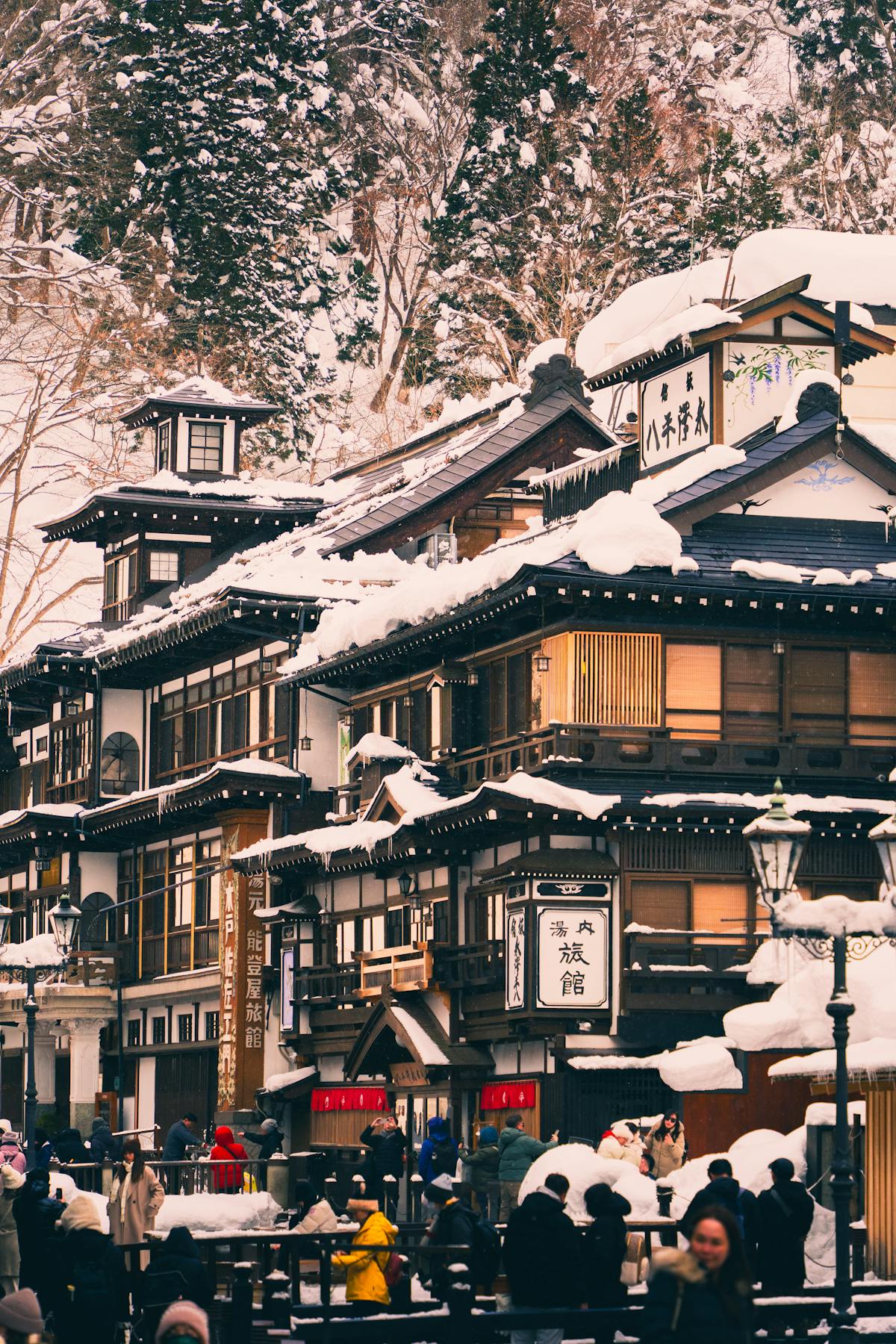
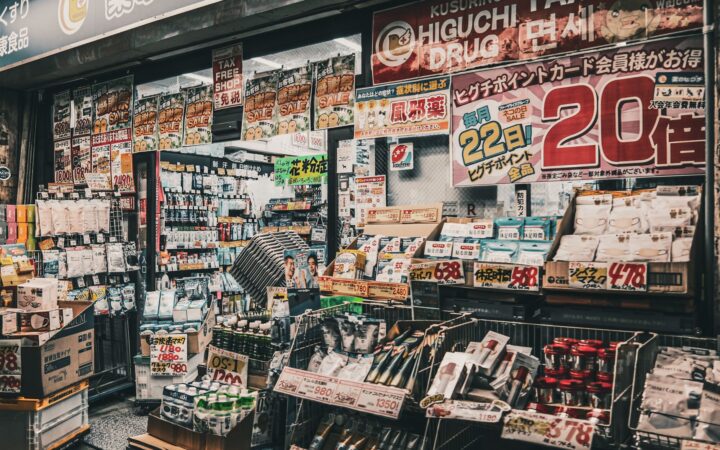
The old association between tattoos and organized crime lingers in bathing culture, so many onsen still refuse visible ink — no argument will change a policy at the door. Your options, best first: ① book a private/kashikiri bath (rentable by the hour at many ryokan — also perfect for couples and families who’d rather bathe together); ② choose a tattoo-friendly onsen (databases like tattoo-friendly.jp list them; big onsen towns all have several); ③ cover small ink with waterproof patches sold at Don Quijote and drugstores; ④ book a ryokan room with a private open-air bath — the best-value splurge in Japan (see our Kyoto ryokan guide).
Where to try it
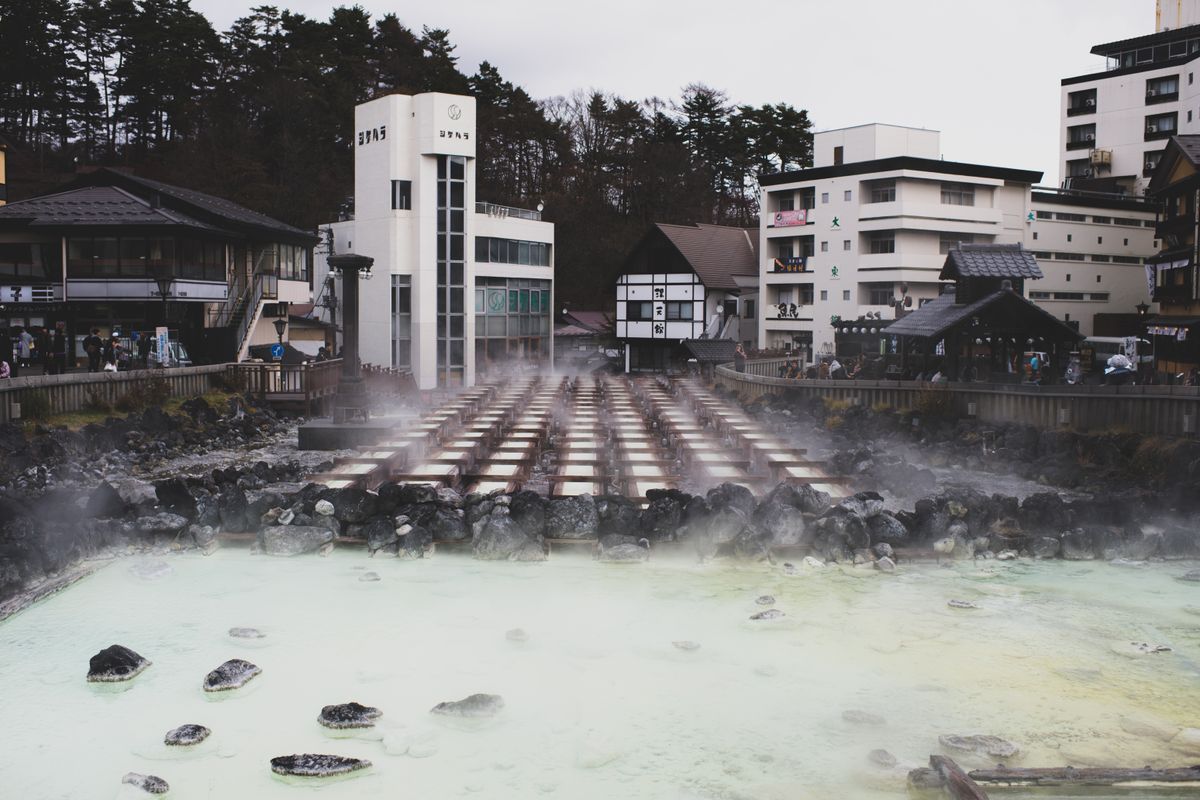
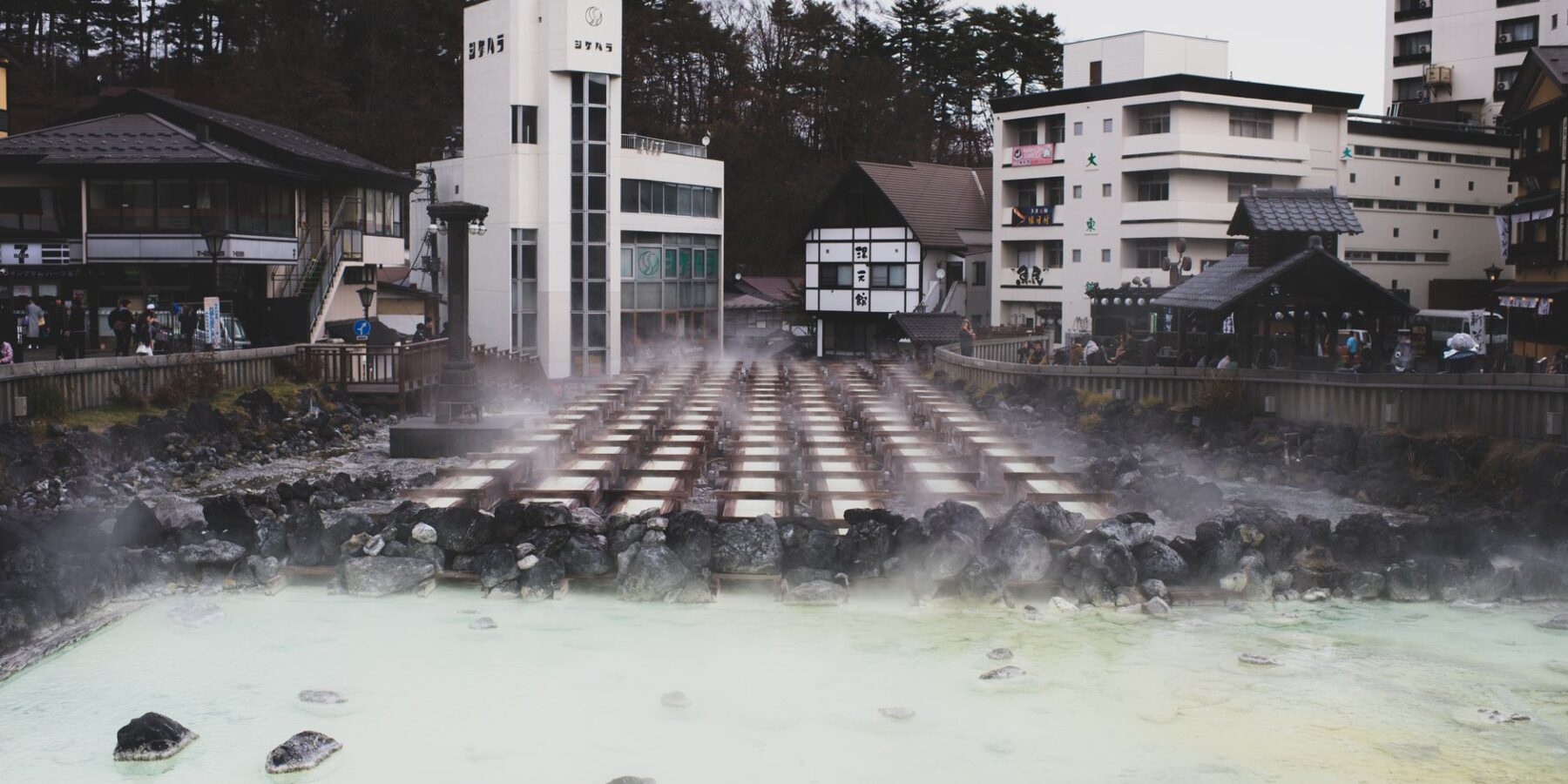
Any trip can fit an onsen: Hakone (day-trippable from Tokyo, endless choices), Kinosaki (a whole town built around seven public baths — stroll between them in a yukata), Beppu and Yufuin in Kyushu, or a simple neighborhood sento in Tokyo for a few hundred yen. Staying overnight in a ryokan with dinner and baths included is the full experience — compare options on Agoda, and day-trip onsen passes and Hakone packages are on Klook. First time in Japan overall? Start with our first-timer guide.
Frequently asked questions
Do I really have to be naked? Yes, in the sex-separated baths — it’s universal and unremarkable there. Private baths exist if you’d rather not.
Can I go to an onsen with tattoos? At many baths no, but tattoo-friendly onsen, cover patches and private baths give you real options everywhere.
What’s the difference between onsen and sento? Onsen use natural hot-spring water; sento are regular public baths. Etiquette is identical.
How long should I soak? 10–15 minutes per session with breaks. Step out when you feel light-headed — the water is hotter than most visitors expect.
Going to Japan? Talk to locals with confidence.
Hirameki Japanese — instant offline translation, camera translation, furigana + romaji, and 314 free flashcards. No login. Works without internet.

Plan your Japan trip
Two things every first-timer should book
Some links are affiliate links. If you book through them we may earn a small commission at no extra cost to you.