Packing for Japan is a unique challenge. On one hand, Japan is a modern, well-supplied country where almost everything you forget can be purchased cheaply at a convenience store or drugstore. On the other hand, Japan has specific cultural norms — from removing shoes at restaurants and ryokan to navigating coin lockers and IC card readers — that make certain items far more important than they might be on a typical international trip. This comprehensive Japan packing list covers everything you should bring, everything you can safely leave at home, and the essential items that first-time visitors often forget until it’s too late.
Before You Start Packing: Japan-Specific Considerations
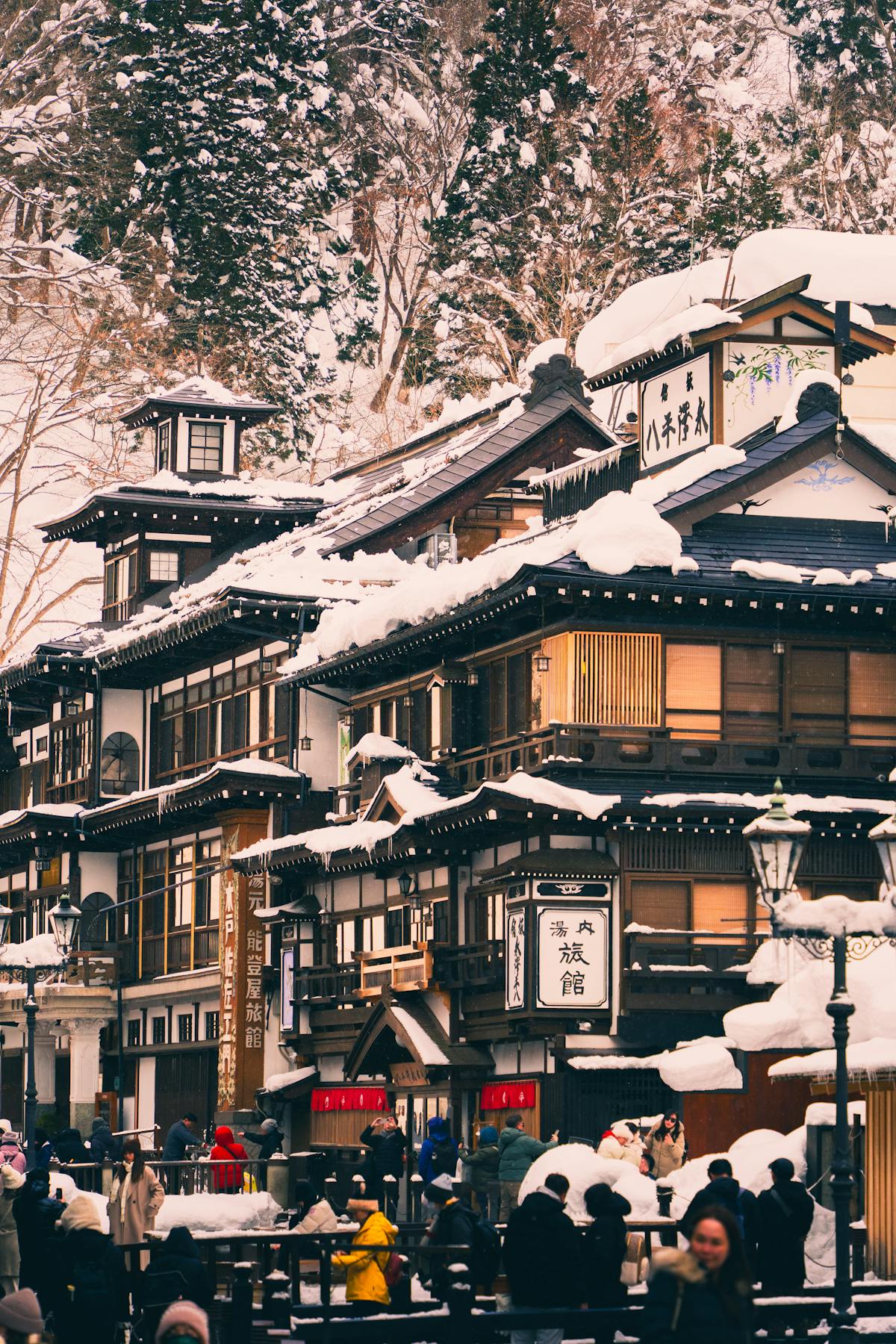
A few Japan-specific factors should shape your packing strategy before you reach for your suitcase:
- Shoes come off frequently: Temples, traditional restaurants, ryokan, and many private homes require removing shoes. Slip-on shoes or those with easy laces are a significant quality-of-life improvement.
- Walking distances are extreme: Japan’s cities are surprisingly large and spread out. A day of sightseeing in Tokyo or Kyoto can easily mean 15,000–25,000 steps. Comfortable, broken-in walking shoes are non-negotiable.
- Japan is clean — very clean: You won’t find trash cans on the streets (a deliberate public policy decision). Carry a small bag for wrappers and waste until you reach a konbini bin or hotel room.
- Summers are brutal: July and August in Japan are hot and humid beyond what most visitors from temperate climates expect. Pack accordingly.
- Luggage forwarding (takkyubin) is excellent: If you’re moving between cities, you can send your suitcase ahead via Japan’s luggage delivery services (Yamato Transport or Sagawa, available at hotels, convenience stores, and airports) for ¥1,000–¥2,000 ($6.50–$13 USD) per bag. This means you can travel light with a day bag between destinations while your main luggage waits for you at your next hotel.
- Japan has great shopping: Many items — toiletries, medicines, clothing basics, electronics accessories — are available cheaply and of excellent quality. Don’t overpack; leave room for purchases.
Essential Documents and Cards
Must-Have Documents
- Passport — Required by law to carry at all times in Japan. Keep it on your person, not in your luggage.
- Photocopies of passport (2 copies) — Keep one separately from the original; leave one with a trusted person at home.
- Japan visa (if required) — Citizens of most Western countries (US, UK, EU, Australia, Canada, New Zealand) receive a 90-day visa on arrival. Check if your nationality requires advance visa application.
- Printed hotel reservations — Useful at immigration (“where are you staying?”) and occasionally when checking in at smaller properties without English-speaking staff.
- Travel insurance documentation — Strongly recommended; Japan’s healthcare is excellent but medical costs for visitors without insurance can be high.
- Japan Rail Pass exchange order — If you purchased a JR Pass, print your exchange order to convert it to a physical pass at major JR stations in Japan.
- Credit/debit cards — Visa and Mastercard with zero or low foreign transaction fees. Inform your bank before travel.
- International driving permit — If you plan to rent a car (required alongside your home country license).
Digital Essentials
- Japan eSIM or local SIM — Non-negotiable. Mobile data in Japan is essential for navigation, translation, and finding restaurants. Order an eSIM before departure for instant activation on arrival.
- Google Maps offline maps — Download offline maps for your destinations before departing — useful as a backup even with active data.
- Google Translate — Download the Japanese language pack for offline use. The camera translation feature works excellently on menus and signs.
- HyperDia or Google Maps — Japan’s train network apps; essential for planning transit routes.
- Suica on iPhone (Apple Wallet) — Add to your Apple Wallet before departure and charge it with your credit card through the app. iPhone and Apple Watch users can use this for all transit and IC card payments without a physical card.
Get your Japan eSIM before you arrive (Stay connected from day 1) →
Clothing: What to Pack by Season

Spring (March–May)
Spring is one of the best times to visit Japan — cherry blossom season (late March to early April) is peak travel. Temperatures range from 10–20°C (50–68°F); evenings can be cool. Pack:
- Light layers — T-shirts with a medium-weight jacket or cardigan
- One smart-casual outfit (for nicer restaurants or ryokan dining)
- Light scarf (evenings can be chilly in early spring)
- Comfortable waterproof shoes — spring rain is frequent
- Small umbrella or packable rain jacket
Summer (June–August)
Japanese summer is intensely hot and humid — temperatures regularly exceed 35°C (95°F) with humidity above 80%. This is the most demanding packing season:
- Light, breathable clothing — linen, cotton, or moisture-wicking technical fabrics
- Multiple T-shirts (you will sweat through them; do laundry every 2–3 days)
- Light shorts or linen trousers
- Sun protection: wide-brimmed hat, UV-blocking arm sleeves (very popular in Japan), sunscreen SPF 50+
- Cooling towel or hiyahiya spray (available at konbini)
- Compact folding fan
- Sandals for city walking (but carry closed shoes for temple hopping)
Note: Rainy season (tsuyu) runs approximately June–mid July. Pack a compact umbrella; Japan’s rain can be heavy and persistent.
Autumn (September–November)
Autumn foliage season is October–November — arguably Japan’s most beautiful season. Temperatures are very comfortable at 15–25°C (59–77°F) in October, cooling to 5–15°C (41–59°F) in November.
- Layering system: T-shirt + long-sleeve shirt + medium jacket (sweater in November)
- Light trousers or jeans
- Comfortable walking shoes (not sandals by November)
- Light scarf and gloves for late November in northern regions
Winter (December–February)
Tokyo winters are cool rather than severe (average 5–10°C/41–50°F) but Hokkaido, Nikko, and mountain areas experience genuine winter cold and heavy snow. Kyoto winters are notably cold and damp.
- Warm base layers (merino wool is excellent)
- Insulated mid-layer (fleece or down vest)
- Warm outer jacket
- Warm scarf, hat, and gloves (particularly important outside Tokyo)
- Waterproof boots if visiting Hokkaido or mountain areas
Footwear
Footwear is arguably the most important packing decision for Japan:
- Primary walking shoes: Well-broken-in, comfortable, supportive sneakers or walking shoes. You will walk 15,000–25,000 steps per day. Do not break in new shoes in Japan.
- Easy-removal shoes: Shoes with slip-on capability or simple laces are strongly preferred. Lace-up ankle boots that take 2 minutes to remove become an annoyance by day 3 when you’re removing your shoes for the fifth time that day.
- Sandals (summer): For casual urban walking; leave at the hotel when visiting temples.
- Onsen socks: Some ryokan provide tabi socks; having a pair of clean white socks specifically for tatami rooms is considerate.
Toiletries and Medications
What Japan Provides
Most ryokan and business hotels provide: shampoo, conditioner, body wash, toothbrush and toothpaste, razor, shower cap, and face towels. You can pack extremely light in this category. Convenience stores stock full toiletry ranges if you forget anything.
Bring from Home
- Prescription medications: Bring your full supply plus extra. Japan has strict import rules on some medications — psychotropics, stimulants (including some ADHD medications like Adderall), and codeine-containing products may require a yunyu kakunin-sho (import certificate) from the Japanese Embassy in your country before travel. Research this well in advance.
- Specific skincare products: If you have a specific prescription or preferred skincare routine, bring it — Japanese products are excellent but may not match your exact formula.
- Feminine hygiene products: Japanese pads and tampons are readily available but product types may differ. Bring your preferred brand if you have specific needs.
- Insect repellent: Available in Japan but spray types are preferred here; DEET creams may be harder to find. For mountain areas and summer, bring your preferred brand.
- Allergy medications: Hay fever (kafun-sho) is extremely common in Japan, particularly during cedar and cypress pollen season (February–May). If you have seasonal allergies, bring antihistamines.
- Sunscreen SPF 50+: Japanese sunscreens are actually excellent (often SPF 50, PA++++ UVA rating) and reasonably priced — you don’t need to bring a large supply.
Electronics and Adapters
Power Adapters
Japan uses Type A outlets (two flat parallel pins, same as the US) at 100V/50-60Hz. If you’re from the US, Canada, or Mexico, your devices work without any adapter. Travelers from Europe, Australia, UK, and most of Asia need a plug adapter (but not a voltage converter, as most modern electronics handle 100–240V automatically — check your device’s power brick for confirmation).
What to Bring
- Universal power adapter (if needed for your plug type)
- Multi-port USB charger — Saves outlet space and charges multiple devices simultaneously
- Portable battery bank — A 10,000–20,000mAh power bank is invaluable for long days of navigating with your smartphone. Japan has limited public charging options compared to some countries.
- Camera and extra batteries — Japan is extraordinarily photogenic; ensure you have enough battery capacity for a full day of shooting
- Memory cards — Bring enough; memory cards in Japan are available but can be expensive
- Compact tripod or GorillaPod — For low-light temple photography and group shots
- Laptop (if needed) — Japan’s business hotels reliably have fast Wi-Fi
Bags and Luggage
- Main suitcase: Hard-shell or durable soft-shell; 23–26kg check-in allowance. Japan’s airports have excellent baggage handling but elevators and stairs at some older stations can be narrow — a suitcase that is too wide can be a problem in Tokyo’s more cramped subway stations.
- Day pack (15–20L): Essential for day trips, temple hopping, and carrying purchases. A compact backpack or crossbody bag works well.
- Small zipper pouch for cash and IC card: Japan’s cash-heavy culture means carrying yen regularly; a slim accessible pouch prevents fumbling at ticket machines.
- Reusable tote bag: Japan charges ¥3–¥5 ($0.02–$0.03 USD) per plastic bag at most stores since 2020. A foldable reusable bag takes zero space and saves money and plastic.
- Packing cubes: Japan’s train stations have limited space for large bags; organized packing cubes make accessing items quickly much easier.
What to Leave at Home
- Hair dryer: Provided at virtually every hotel, business hotel, and ryokan in Japan
- Towels: Provided at all hotels and ryokan; even budget hostels provide them (sometimes for a small fee)
- Excessive toiletries: Japan’s drugstores (Matsumoto Kiyoshi, Sundrug) and convenience stores stock everything
- Heavy books: E-reader or Kindle instead
- More than 3 pairs of shoes: Two is ideal (walking shoes + sandals in summer, or walking shoes + smarter shoes); three is the maximum before your bag becomes unwieldy
- Huge wardrobe: Japanese laundromats are excellent, inexpensive, and widely available — pack fewer clothes and do laundry every 3–4 days
Japan-Specific Items Worth Packing
- Small pack of tissues: Always handy; some public restrooms don’t have paper towels or hand dryers
- Hand sanitizer and wet wipes: Post-COVID habits remain; useful for street food situations
- Japanese phrase card or phrasebook: Even basic phrases (thank you, excuse me, where is…) are appreciated by locals
- Collapsible umbrella: Japan’s rain showers are often sudden and heavy
- Comfortable neck pillow: For Shinkansen and overnight bus journeys
- Luggage scale: If you plan significant shopping — it’s easy to end up overweight on the return flight from Japan’s incredible stores
- Extra ziplock bags: For wet umbrellas (Japan has umbrella bags at many entrances, but not everywhere), wet bathing suits after onsen, and organizing small items
What You Can Easily Buy in Japan
Don’t stress about these items — they’re available at any konbini or drugstore for a reasonable price:
- Toothbrush and toothpaste (¥100–¥400 / $0.65–$2.60 USD)
- Umbrella (¥500–¥1,000 / $3.25–$6.50 USD — excellent quality)
- Sunscreen SPF 50+ (¥500–¥1,500 / $3.25–$10 USD)
- Paracetamol / ibuprofen equivalent (¥500–¥800 / $3.25–$5 USD)
- Basic clothing (Japan’s Uniqlo, GU, and H&M equivalents are excellent and affordable)
- Insoles for shoes (Japan’s walking distances make good insoles worth it — Scholl and similar are widely available)
- Phone charging cables and basic accessories
- Reusable bags
- Snacks and food — obviously available everywhere
Book your Japan hotels with luggage storage on Agoda →
Japan Packing Checklist Summary
| Category | Essential Items |
|---|---|
| Documents | Passport, visa (if needed), travel insurance, hotel reservations, JR Pass order |
| Money | Visa/MC with no FX fees, ¥20,000–¥30,000 cash at arrival, Suica IC card |
| Connectivity | Japan eSIM (pre-ordered), portable battery bank, universal adapter if needed |
| Clothing | Comfortable layers appropriate to season, slip-on-friendly shoes, 1 smart outfit |
| Footwear | Well-broken-in walking shoes, easy-removal slip-ons or minimal-lace design |
| Health | Prescription meds (with documentation if required), allergy medication, blister plasters |
| Practical | Collapsible umbrella, reusable tote bag, small day pack, coin/cash pouch |
| Electronics | Smartphone, camera, chargers, multi-port USB hub |
Frequently Asked Questions: Japan Packing
Do I need to bring a travel adapter for Japan?
Only if your country uses a different plug type. Japan uses Type A outlets (two flat parallel pins, 100V), identical to the United States. If you’re from the US, Canada, or Mexico, no adapter is needed. Travelers from Europe, the UK, Australia, and most of Asia need a Type A adapter. Most modern electronics (laptops, phone chargers) handle Japan’s 100V without a voltage converter — check your device’s power brick for the voltage range (look for “100–240V”).
How much cash should I bring to Japan?
We recommend exchanging or withdrawing ¥20,000–¥30,000 ($130–$195 USD) on arrival (at the airport exchange counter or 7-Eleven ATM) to cover your first 2–3 days. Thereafter, withdraw ¥30,000–¥50,000 ($195–$325 USD) per week as needed from 7-Eleven ATMs. Always carry a minimum of ¥10,000 ($65 USD) in cash.
Can I buy a Japan SIM card at the airport?
Yes — most major Japanese international airports (Narita, Haneda, Kansai) have SIM card vending machines and counters. However, ordering a Japan eSIM in advance from providers like JAPAN&GLOBAL eSIM, Saily, or TORA before departure is cheaper and means you have data connectivity the moment your plane lands, without needing to find a SIM machine.
Should I pack formal clothes for Japan?
For most tourist itineraries, no. Smart-casual (neat trousers or jeans, a button-up shirt or blouse) is appropriate for nicer restaurants and evening dinners. Japan does not require formal dress for any tourist sights, including temples and shrines (modest clothing is respectful but a smart T-shirt and trousers are fine). Ryokan provide yukata for guests to wear throughout the stay. Unless you have a specific business meeting or very high-end kaiseki reservation requiring it, leave formal wear at home.
Can I do laundry in Japan?
Yes, very easily. Japan has coin laundromats (coin randori) in residential neighborhoods throughout the country. Washing costs around ¥300–¥500 ($2–$3.25 USD); drying ¥100 per 10 minutes. Many business hotels and ryokan have guest laundry rooms. Service laundry is also available at some hotels for a per-item fee. Packing light and doing laundry every 3–4 days is strongly recommended over bringing excessive clothing.
What medications cannot be brought into Japan?
Japan has strict import regulations on certain medications. Stimulant medications containing methamphetamine or amphetamine compounds (including some ADHD medications like Adderall) are completely prohibited in Japan regardless of prescription. Codeine-containing cold medicines (common in the US and some European countries) require pre-approval. Some psychiatric medications require an import certificate. Research your specific medications against Japan’s import rules at the Embassy of Japan in your country well before travel.
What size suitcase is best for Japan?
A medium suitcase (around 25 inches / 65L) is ideal for most Japan trips of 1–2 weeks. Japan’s luggage forwarding (takkyubin) service lets you send your main suitcase between cities cheaply, so size matters less than for destinations where you carry your luggage everywhere. If you’re doing a lot of city-hopping, err on the side of a smaller case for flexibility in train station stair-and-elevator navigation.