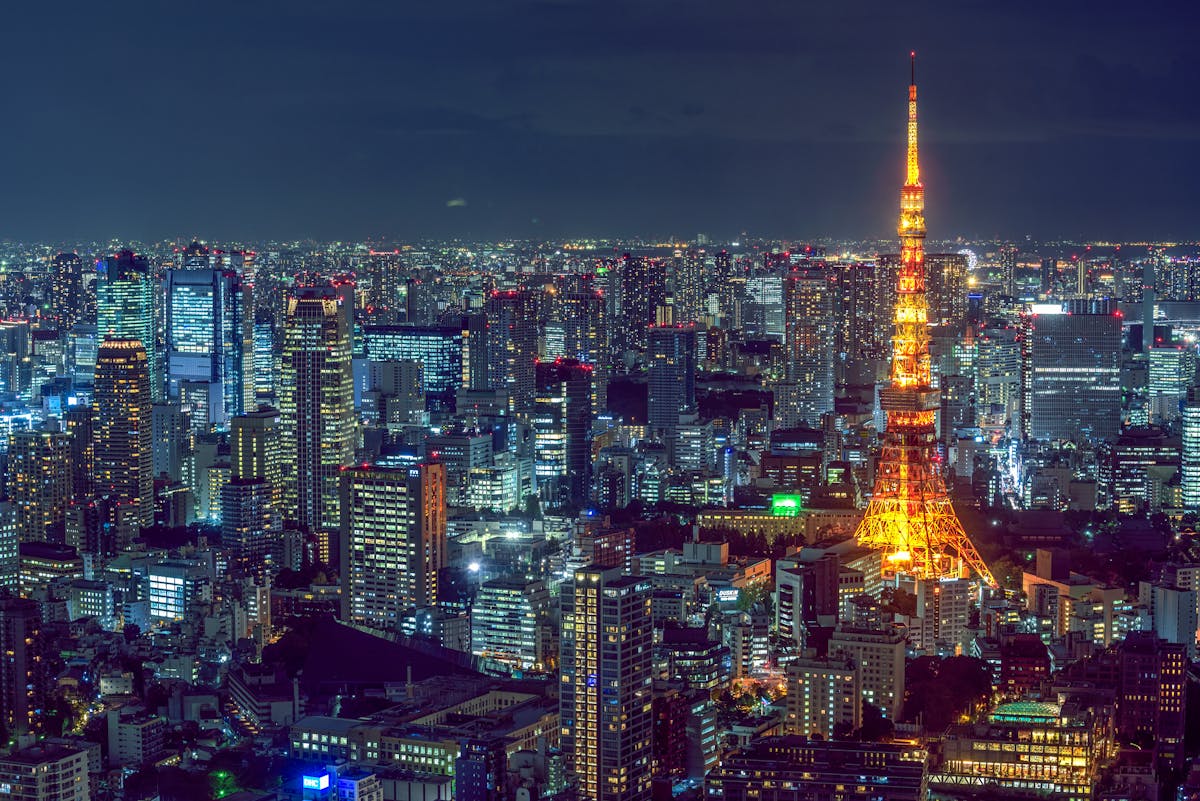
Introduction to Osaka
Osaka is Japan’s kitchen, its comedy capital, and its most unabashedly fun city. While Tokyo is the nation’s head and Kyoto its soul, Osaka is its stomach and its heart. The city’s defining philosophy is kuidaore — “eat until you drop” — and Osakans take this seriously. Food is not just sustenance here; it’s identity, pride, and the main reason to start a conversation with a stranger. Ask an Osakan about their favorite restaurant and you’ll make a friend for life.
Historically, Osaka was Japan’s merchant capital and trading hub during the Edo period, when the country’s rice economy was managed through its granaries and markets. This commercial heritage shaped the city’s culture: practical, direct, generous, and deeply hospitable. Osakans have a reputation throughout Japan for being louder, friendlier, and funnier than their Tokyo counterparts — and a remarkable number of Japan’s most famous comedians come from here.
Modern Osaka is one of Asia’s great cities — a dense, energy-filled metropolis with outstanding food at every price point, a genuine nightlife scene, excellent museums and art galleries, and easy access to the best of the Kansai region. Yet it remains more affordable and less touristy than Kyoto, and its neighborhoods feel more authentically Japanese than the polished surfaces of Tokyo. This complete guide will help you experience everything Osaka has to offer.
Top Attractions in Osaka
Osaka Castle
Originally built by Toyotomi Hideyoshi in 1583 and rebuilt several times since (the current main tower dates from 1931), Osaka Castle is the city’s iconic landmark. Set within a vast park surrounded by stone walls, a double moat, and over 600 cherry trees, the castle is beautiful in any season. The interior houses an eight-floor museum on the castle’s history and the life of Hideyoshi, with observation deck views over the city from the top floor. Admission is about 1,200 yen. The surrounding park is free and makes for a wonderful early-morning stroll.
Dotonbori
Dotonbori is Osaka’s most famous entertainment district — a canal lined with restaurants, theaters, and enormous illuminated signs, including the iconic Glico Running Man and the mechanical crab of Kani Doraku. At night, the neon reflections in the canal create one of Asia’s most photogenic urban scenes. This is ground zero for Osaka street food: takoyaki, okonomiyaki, kushikatsu, and ramen restaurants line every alley. The atmosphere is electric day and night, and the area is packed with both locals and tourists.
Tsutenkaku Tower and Shinsekai
The 103-meter Tsutenkaku Tower (completed 1912, rebuilt 1956) is the symbol of Shinsekai — Osaka’s retro entertainment district, which feels like a time capsule from postwar Japan. The area around the tower is packed with kushikatsu (deep-fried skewer) restaurants, retro game arcades, and old-school barbershops. It’s rougher around the edges than most tourist areas, which is precisely its charm. The tower’s observation deck offers good views and costs 800 yen. Shinsekai is most atmospheric in the evening.
Osaka Aquarium Kaiyukan
One of the world’s largest and most impressive aquariums, Kaiyukan is built around a central tank 9 meters deep and 34 meters long, home to whale sharks — the aquarium’s star attraction. The building spirals down eight floors around this central tank, with habitats representing different Pacific Ocean environments. Admission is 2,400 yen for adults. Located in the Tempozan Harbor Village area alongside a giant Ferris wheel and the Tempozan Marketplace. Allow 2-3 hours minimum.
Universal Studios Japan
USJ is one of Asia’s most popular theme parks, featuring The Wizarding World of Harry Potter (widely considered one of the best Harry Potter theme park experiences globally), Super Nintendo World, Jurassic World, and other major attractions. Tickets start at around 8,600 yen for a basic one-day pass; Express Passes for shorter queues cost 3,000-12,000 yen extra. The park is busiest on weekends, school holidays, and during Halloween (September-November) and Christmas seasons. Buy tickets online in advance to guarantee entry.
Best Areas to Explore in Osaka
Minami (Namba and Shinsaibashi)
Minami is the southern entertainment district and the heart of tourist Osaka. Dotonbori, Namba Station, the Shinsaibashi shopping arcade (one of Japan’s longest covered shopping streets at 580 meters), and the nightlife of Amerikamura (American Village) are all here. The area never truly sleeps — at 2am on a Saturday, Dotonbori is still packed with people eating and drinking. Most first-time visitors gravitate here, and for good reason: it’s exciting, accessible, and endlessly entertaining.
Kita (Umeda and Nakatsu)
North of the river, Kita is Osaka’s business and upscale shopping district centered on the massive Umeda transport hub. The Osaka Station City complex, Grand Front Osaka, and the Hankyu department stores offer world-class retail. The Umeda Sky Building’s Floating Garden Observatory gives one of the best 360-degree city views in Japan (1,500 yen). The narrow lanes of Nakatsu to the north have become home to excellent independent restaurants and bars, popular with young Osakans.
Tennoji and Abeno
The Tennoji district in southern Osaka is anchored by Tennoji Zoo, Shitennoji temple (one of Japan’s oldest, founded 593 AD), and the beautiful Keitakuen garden. The area has been dramatically transformed by the Abeno Harukas skyscraper (300 meters, one of Japan’s tallest buildings), which houses shops, hotels, and an observation deck with views on clear days to Kyoto and Kobe. Tennoji Park and the lively Tsuruhashi Korean market nearby offer a genuine neighborhood experience far from the tourist crowds.
Nakanoshima
Nakanoshima is a narrow island in the Dojima River at the heart of Osaka’s business district, home to the city’s finest architecture from the Meiji and Taisho eras. The Osaka City Hall, Bank of Japan building, Osaka City Central Public Hall, and the Nakanoshima Museum of Art line the island. The rose garden in Nakanoshima Park is at its best in May and October. The area has a sophisticated, unhurried atmosphere compared to the commercial bustle of Umeda and Namba — perfect for a leisurely afternoon walk.
Namba and Den Den Town
Osaka’s equivalent of Tokyo’s Akihabara is Den Den Town, centered on Nipponbashi in the southern part of the city. Multi-story electronics shops, manga stores, anime merchandise, and maid cafes line the main street. Unlike Akihabara, Den Den Town has a scrappier, more local feel. The Sunday Street fair on Nipponbashi Dori makes for excellent people-watching. Nearby Kuromon Ichiba market, known as Osaka’s Kitchen, has over 150 vendors selling fresh seafood, produce, and street food.
Street Food and Dining in Osaka
Takoyaki
Takoyaki — golf ball-sized spheres of wheat batter filled with diced octopus, tempura scraps, pickled ginger, and green onion, cooked in a specialized griddle — is Osaka’s most iconic street food and one of Japan’s greatest culinary inventions. They’re served in portions of 6-10, topped with takoyaki sauce (similar to Worcestershire), mayonnaise, bonito flakes, and dried seaweed. The exterior should be crispy; the interior should be almost liquid. Wanaka, Aizuya (which claims to have invented takoyaki in 1935), and Kukuru are among the most celebrated shops. Expect to pay 500-800 yen for 8-10 pieces.
Okonomiyaki
Osaka-style okonomiyaki (“cook what you like”) is a savory pancake made from a batter of wheat flour, eggs, shredded cabbage, and your choice of protein (shrimp, pork, squid, cheese), cooked on a griddle and topped with okonomiyaki sauce, mayonnaise, bonito flakes, and pickled ginger. Unlike Hiroshima-style (where ingredients are layered), Osaka-style mixes everything together. Most okonomiyaki restaurants have built-in griddles at each table so you cook your own. A full okonomiyaki costs around 800-1,500 yen.
Kushikatsu
Kushikatsu (deep-fried skewers of meat, vegetables, and seafood coated in panko breadcrumbs) originated in Osaka’s Shinsekai district and remains its most characteristic dish. The items — pork, quail egg, lotus root, cheese, scallop, and dozens of other options — are served two per skewer and dipped in a shared communal sauce. The cardinal rule, displayed on signs throughout Shinsekai, is NEVER double-dip. A full kushikatsu meal with drinks runs around 2,000-3,500 yen per person. The Daruma chain is the most famous name, but dozens of excellent independents compete.
551 Horai
551 Horai is the most beloved food institution in Osaka — a chain that has been selling nikuman (steamed pork buns) and gyoza since 1945. Osakans are fiercely loyal to 551 and will go out of their way to buy boxes of nikuman as gifts. The buns are remarkable: thick, sweet-savory dough wrapped around a generous filling of pork, onion, and bamboo shoot. There are multiple branches throughout Osaka, with the most famous in the Namba City shopping complex. Look for the queues — they’re always there.
Kuromon Ichiba Market
Known as Osaka’s Kitchen, Kuromon Ichiba is a 580-meter covered market with over 150 vendors selling fresh seafood, meat, produce, and street food. Unlike Nishiki Market in Kyoto, which caters increasingly to tourists, Kuromon still serves a significant number of local professional chefs and restaurant owners. Walk the entire length, sampling fresh sea urchin, crab claws, wagyu beef skewers, and Osaka-style tamagoyaki as you go. Open daily from about 8am to 6pm, with most action in the morning.
Osaka Ramen
While not as ramen-famous as Tokyo or Fukuoka, Osaka has a distinctive local ramen style: a rich, clear soy-based broth with toppings including bamboo shoots, nori, and chashu pork. The Abeno and Namba areas have excellent ramen concentrations. Kinryu Ramen is an Osaka institution open 24 hours, and its dragon-decorated exterior and steaming midnight bowls are part of the Dotonbori experience.
Day Trips from Osaka
Kyoto
Japan’s ancient capital is just 15 minutes by Shinkansen or 30-45 minutes by express train from Osaka — making it the easiest and most rewarding day trip in the entire country. The two cities complement each other perfectly: spend your first morning in Kyoto’s serene temples, afternoon at Fushimi Inari, and evening back in Osaka for dinner and drinks. Many travelers find it most practical to base themselves in Osaka (which is cheaper) and make day trips to Kyoto.
Nara
Japan’s ancient first capital is about 45 minutes from Osaka by express train on the Kintetsu Nara Line. The combination of free-roaming deer in Nara Park, the world’s largest bronze Buddha at Todai-ji, and the Kasuga Taisha shrine with its forest of lanterns makes for an outstanding half-day trip. Early morning visits before the tour groups arrive (before 9am) are magical — just you and hundreds of deer in the morning mist around Todai-ji.
Kobe
The sophisticated port city of Kobe is just 20-30 minutes from Osaka by express train. The Kitano district’s Western-style houses, the atmospheric Nankinmachi Chinatown, and the harbor area make for an excellent half-day of exploration. And then there’s the beef — Kobe beef is among the world’s most expensive and sought-after meats, with steaks starting at around 5,000-10,000 yen at specialist restaurants. Moriya, Mouriya, and Isogami are among the most celebrated Kobe beef restaurants.
Himeji
Japan’s finest surviving feudal castle is about 30 minutes from Shin-Osaka by Shinkansen, or about 60 minutes by JR Special Rapid from Osaka. Himeji Castle’s brilliant white exterior, extraordinary defensive complexity, and well-preserved interiors make it arguably the most impressive castle experience in all of Japan. The surrounding Koko-en garden is also excellent. Best visited on a clear day when the castle gleams against a blue sky. Combine with Engyo-ji temple on Mount Shosha, reached by ropeway, for a full day out.
Koyasan (Mount Koya)
For something completely different, the sacred mountain monastery complex of Koyasan is about 90 minutes from Osaka by a combination of express train and cable car. Founded by the monk Kukai (Kobo Daishi) in 816 as the headquarters of Shingon Buddhism, Koyasan has over 100 temples, a vast cedar forest cemetery (Okunoin) containing the graves of hundreds of famous historical figures, and accommodation in Buddhist temple lodgings (shukubo, from about 17,000 yen per person/night including two meals). Walking through Okunoin cemetery at dusk, with thousands of stone lanterns glowing in the ancient forest, is an unforgettable experience.
Shopping in Osaka
Shinsaibashi
The 580-meter Shinsaibashi-suji covered arcade is one of Japan’s longest shopping streets, running from Shinsaibashi station south to Namba. The northern section is upscale with luxury brands and the flagship Apple Store Osaka; the southern section near Dotonbori is more affordable with fast fashion, drugstores selling Japanese cosmetics, and souvenir shops. The parallel Amerikamura (American Village) area has vintage clothing and streetwear boutiques popular with young Osakans.
Umeda and Grand Front Osaka
The massive Umeda transport hub has spawned one of Japan’s great shopping districts. Grand Front Osaka (opened 2013) features over 260 shops and restaurants, with a particular emphasis on lifestyle and design brands. The interconnected Hankyu, Hanshin, and Daimaru department stores nearby contain extraordinary food halls in their basement levels — known as depachika — with Japanese and international gourmet products, prepared foods, and sweets from every major confectioner.
Den Den Town (Nipponbashi)
Osaka’s electronics and anime district is more affordable than Tokyo’s Akihabara for many items, particularly retro video games and older anime merchandise. Joshin Super Kids Land, Super Potato (retro games), and numerous specialty stores line the main street. The area also has a good selection of idol merchandise shops and a growing cosplay culture. Worth an afternoon visit if you’re interested in Japanese pop culture or electronics.
Getting Around Osaka
Osaka Metro (Subway)
The Osaka Metro operates 9 lines covering the entire city efficiently. Single fares start at 190 yen. The Midosuji Line (red) is the most important for tourists, connecting Umeda (north), Shinsaibashi, Namba, and Tennoji (south). A 1-day pass costs 820 yen and is good value if you’re making three or more journeys. The Osaka Enjoy Eco Card (800 yen weekdays, 600 yen weekends) includes unlimited subway travel plus discounts at over 50 attractions.
Osaka Loop Line
The JR Osaka Loop Line (Kanjo-sen) circles the city’s core like Tokyo’s Yamanote Line, with stops at Osaka (Umeda), Tennoji, Shin-Imamiya (near Shinsekai), and the waterfront Bentencho area. If you have a JR Pass it’s free; otherwise fares start at 160 yen. The Loop Line connects you with Osakajokoen and Morinomiya stations for Osaka Castle Park and with the Osaka Station area for the Umeda shopping district.
Osaka Amazing Pass
The Osaka Amazing Pass (1-day: 3,500 yen; 2-day: 5,000 yen) includes unlimited rides on all Osaka Metro and Osaka City Bus lines plus free admission to over 40 attractions including Osaka Castle, the Osaka Museum of History, and the Umeda Sky Building observation deck. If you plan to visit multiple paid attractions in a day, this pass typically offers excellent value — especially on weekends when even more venues are included.
Getting to Osaka
Kansai International Airport (KIX)
Osaka’s main international airport sits on an artificial island in Osaka Bay, 38km south of the city. The JR Haruka limited express (visitor One-way Ticket 1,800 yen to Shin-Osaka, 1,300 yen to Tennoji; 1,900/1,600 yen if bought from Nov 1, 2026; 50-60 minutes) is the fastest and most convenient option. The Nankai Rapid Service connects to Namba station in about 45 minutes (1,090 yen) and is the best choice if you’re staying in Minami. Airport limousine buses (1,100-1,600 yen) serve major hotels directly. Taxis are expensive at around 15,000-20,000 yen to central Osaka.
Osaka Itami Airport (ITM)
Itami handles domestic flights only and straddles the Osaka–Hyogo prefectural border, about 15km north of central Osaka. Airport limousine buses connect Itami directly to Osaka Station/Umeda (25 minutes, 660 yen), Namba (30 minutes, 780 yen), and Shin-Osaka (25 minutes, 660 yen). Taxis are reasonable at around 3,000-5,000 yen to central areas. Itami is convenient for travelers arriving from Tokyo, Sapporo, or other domestic destinations.
By Shinkansen
The Shinkansen arrives at Shin-Osaka station, connected to central Osaka by metro (Midosuji Line, 3 stops to Umeda/Osaka, 180 yen). From Tokyo, the fastest Nozomi takes about 2 hours 22 minutes to Shin-Osaka (14,720 yen for a reserved seat; the JR Pass covers the Hikari, and pass holders can ride the Nozomi with an extra NOZOMI MIZUHO Ticket, 4,960 yen). From Kyoto, it’s just 15 minutes (1,500-2,900 yen). From Hiroshima, about 1 hour 20 minutes. The Shinkansen station has good food options if you want to pick up an ekiben (station bento) for the journey.
Best Time to Visit Osaka
Osaka is a year-round destination, but different seasons offer different highlights. Spring (late March to April) brings cherry blossoms to Osaka Castle Park and Sakuranomiya Park — beautiful but crowded. Summer (July-August) is hot and humid with lively festivals and fireworks; the Tenjin Matsuri on July 24-25 is one of Japan’s three great festivals, featuring a procession of boats on the Okawa River. Autumn (October-November) brings comfortable temperatures and some autumn foliage, while winter offers illuminations, fewer tourists, and lower prices. The rainy season (June) tends to deter some visitors, but indoor attractions and covered shopping arcades make it manageable.
Nightlife in Osaka
Kitashinchi
Kitashinchi, just north of Umeda, is Osaka’s most upscale nightlife and entertainment district. The narrow lanes are packed with hostess clubs, jazz bars, high-end restaurants, and exclusive nightclubs. This is where Osaka’s business elite entertain clients, and the prices reflect that. However, several excellent jazz bars in the area are accessible to visitors — a drink at a quiet jazz bar in Kitashinchi is a distinctly Osakan evening experience.
Soemon-cho
Adjacent to Dotonbori, Soemon-cho is Osaka’s main bar street, particularly popular with younger crowds. The street is lined with small bars, standing drinking spots, craft beer venues, and cocktail bars. It’s more affordable and less touristy than Dotonbori itself while remaining vibrant and lively. The area connects easily with the Minami entertainment district for a full evening out starting with dinner in Dotonbori and drinks in Soemon-cho.
Amerikamura
American Village (Amerikamura) in Minami has a young, countercultural energy anchored by Triangle Park (an unofficial meeting point), vintage clothing stores, record shops, and club venues. The area has the best club scene in Osaka, with venues like Circus and Joule attracting both local DJs and international acts. Cover charges typically run 2,000-3,000 yen including a drink. The atmosphere peaks on Friday and Saturday nights from around midnight to 5am.
Budget Guide for Osaka
Budget Traveler (6,000-10,000 yen per day)
Osaka is one of Japan’s most affordable major cities for food. Stay in a dorm hostel or capsule hotel (2,000-4,000 yen/night), eat takoyaki and okonomiyaki for meals (500-1,000 yen each), and visit free attractions: Dotonbori, Kuromon Market, Shinsekai, and Osaka Castle Park (free grounds, about 1,200 yen for the tower). The Osaka Metro 1-day pass (820 yen) covers all transport. Budget street food and the daily rhythm of the city are themselves exceptional entertainment.
Mid-Range Traveler (18,000-35,000 yen per day)
A private room at a business hotel near Namba or Umeda (8,000-15,000 yen/night), lunch at a mid-range restaurant (1,500-3,000 yen), dinner at a specialist kushikatsu or kappo restaurant (4,000-8,000 yen), admission to USJ or the aquarium (2,400-8,600 yen), and the Osaka Amazing Pass for transport and attractions. This budget delivers a genuinely luxurious Osaka food experience without straining your finances.
Luxury Traveler (60,000 yen or more per day)
The Conrad Osaka, InterContinental Osaka, St. Regis Osaka, and the W Osaka offer world-class accommodation from 30,000-80,000 yen per night. Kappo-style counter dining (the Osaka equivalent of omakase) at venues like Koryu or Mizuno provides one of Japan’s most intimate and extraordinary fine-dining experiences. Add a private sake tasting, a sunset cruise on the Yodo River, or a day trip to Kobe for wagyu beef, and you’ll understand why Osaka’s food scene commands international respect.
Frequently Asked Questions About Osaka
How many days do I need in Osaka?
Two to three days is enough to see Osaka’s main highlights and eat your way through the city’s essential foods. Three to four days allows for a day trip to Kyoto or Nara plus a more relaxed exploration of neighborhoods like Shinsekai, Tennoji, and Nakanoshima. Many travelers use Osaka as a base for exploring the entire Kansai region over 5-7 days.
Is Osaka or Kyoto better?
They serve completely different purposes and you ideally want to visit both. Kyoto is for temples, traditional culture, geisha, and refined aesthetics. Osaka is for street food, energy, nightlife, modern urban Japan, and a warm, direct style of hospitality that’s quite different from the more formal Kyoto manner. Most travelers who visit both find that they’re better together — the contrast makes each city more vivid.
Where should I stay in Osaka — Namba or Umeda?
Both are excellent, well-connected areas. Namba (Minami) puts you within walking distance of Dotonbori, the best street food, and Shinsaibashi shopping — ideal for first-timers who want immediate access to the action. Umeda (Kita) is slightly quieter, has excellent transport links, and better connects to day trips toward Kobe and Kyoto via the Hankyu and Hanshin lines. Budget accommodation tends to be slightly cheaper in Namba.
What is the Dotonbori area like?
Dotonbori is a relatively small canal district — you can walk its full length in 10-15 minutes — but it packs an enormous amount of energy, food, and spectacle into a compact area. By day it’s busy but manageable; by night the neon signs, the packed restaurants, and the crowds make it feel like one of the most alive places on Earth. The famous Glico Running Man sign is the designated meeting point for everyone in Osaka. Don’t miss the experience of eating takoyaki and watching the world go by from the canal bridge at midnight.
Is Osaka safe?
Yes — Osaka is very safe by any international standard. Even late at night in the busiest entertainment districts, the atmosphere is festive rather than threatening. The main practical concern is being approached by touts outside certain establishments in Dotonbori — you’re under no obligation to enter anywhere. Some parts of Nishinari ward (particularly around Kamagasaki) have a rougher atmosphere than the rest of the city, but even these areas are safe to walk through during daylight.
What is the must-eat food in Osaka?
You absolutely cannot leave Osaka without eating: takoyaki (at least twice — once to compare shops), okonomiyaki (cook-your-own style at a proper restaurant), kushikatsu in Shinsekai, a nikuman from 551 Horai, fresh seafood at Kuromon Market, and a proper kappo or kaiseki meal if your budget allows. The running joke is that you should budget extra for Osaka because you’ll spend all your money on food — and you’ll have no regrets about it.
How do I get from Osaka to Kyoto?
The fastest option is the JR Shinkansen from Shin-Osaka to Kyoto — just 15 minutes but costs around 1,500-3,000 yen. More economical options: the Hankyu Limited Express from Umeda to Kyoto-Kawaramachi (about 40 minutes, 410 yen) or the JR Special Rapid from Osaka to Kyoto (about 28 minutes, 570 yen). If you have a JR Pass, the JR Rapid or Shinkansen (Hikari or Kodama; the Nozomi needs an extra NOZOMI MIZUHO Ticket) are free. All options run frequently throughout the day.
What is the Osaka Amazing Pass worth buying?
The Osaka Amazing Pass (1-day 3,500 yen, 2-day 5,000 yen) is worth buying if you plan to visit two or more paid attractions in a day — it includes free entry to Osaka Castle (normally about 1,200 yen), the Umeda Sky Building Floating Garden (normally 1,500 yen), and over 40 other sites, plus unlimited Metro and city bus travel. On a full sightseeing day, it saves most visitors 3,000-5,000 yen compared to paying individually. Not worth it if you’re mostly eating and shopping.
Osaka Travel Guide
Japan’s kitchen and entertainment capital — takoyaki, okonomiyaki, Dotonbori neon, and the warmest people in Japan.
Osaka is the city that never sleeps — and never stops eating. Japan’s third-largest city has built its identity around food (kuidaore, meaning “eat until you drop”), nightlife, and an infectious friendliness that immediately puts visitors at ease. It’s also the perfect base for day trips to Kyoto, Nara, Hiroshima, and Kobe.
Essential Osaka Articles


Osaka Quick Facts
| 🗾 Best time to visit | March–May or September–November |
| ✈️ Airport | Kansai International (KIX) — 75 min by train to Namba |
| 🚇 Getting around | Osaka Metro — simple grid, easy to navigate |
| 💴 Daily budget | ¥5,000–8,000 (budget) — Osaka is cheaper than Tokyo & Kyoto |
| 📍 Top areas to stay | Namba, Shinsaibashi, Umeda, Tennoji |
Day Trips from Osaka
1,000+ temples, 15 min by Shinkansen 🦌 Nara
Friendly deer & giant Buddha ☮️ Hiroshima
Peace Memorial & Miyajima island
Osaka Itinerary Ideas
2-Day Osaka Itinerary
Day 1 — Minami and Namba: Start at Kuromon Ichiba market (best before 10am) for a seafood breakfast. Walk south to Dotonbori — photograph the Glico sign, watch the mechanical crab, and pick up your first takoyaki from Wanaka. Afternoon: Shinsaibashi shopping arcade, and then Amerikamura for vintage browsing. As evening approaches, head to Shinsekai for kushikatsu dinner at a traditional restaurant. End the night back at Dotonbori watching the neon lights reflect in the canal.
Day 2 — Castle and Culture: Early morning walk in Osaka Castle Park (the grounds are free and beautiful at dawn). Visit the castle museum (opens 9am). Afternoon: Tennoji Zoo and the adjacent Tennoji Park, then the Abeno Harukas observation deck for sunset views over the city. Evening: Umeda — explore Grand Front Osaka, have dinner at one of the restaurants on the upper floors overlooking the city, and finish with a drink at a Kitashinchi jazz bar.
The Osaka Food Tour: A Walking Itinerary
Start at Kuromon Market at 9am: fresh sea urchin on rice (1,500 yen) and grilled scallops. Walk to Dotonbori by 11am: takoyaki at Aizuya (8 pieces, 700 yen). Lunch: okonomiyaki at a cook-your-own restaurant in Namba (1,200 yen). Mid-afternoon: nikuman from 551 Horai in Namba City (200 yen per bun). Early evening: kushikatsu in Shinsekai (15-20 skewers and beer, around 2,500 yen). Late evening: ramen at Kinryu Ramen in Dotonbori (800 yen). Total food spend: approximately 7,000 yen for a day of extraordinary eating. You will need comfortable shoes and an elastic waistband.
Osaka’s Festivals and Events
Tenjin Matsuri (July 24-25)
One of Japan’s three great festivals, Tenjin Matsuri is Osaka’s grandest summer celebration. The festival honors Sugawara Michizane, the patron deity of learning, enshrined at Osaka Tenmangu shrine. The main events on July 25 include the Rikutogyo procession of over 3,000 people in historical costumes through the city streets, followed by the spectacular Funatogyo — a flotilla of decorated boats carrying the deity down the Okawa River — and enormous fireworks displays over the water. The combination of ancient ritual and modern fireworks, with the riverside packed with people in summer yukata, is unforgettable.
Osaka Cherry Blossom Season (Late March to Early April)
Osaka’s best hanami (cherry blossom viewing) spots include Osaka Castle Park (600 trees, very atmospheric), Sakuranomiya Park along the Okawa River (4,000 trees in a 4km riverside promenade), Expo ’70 Commemorative Park in Suita (5,500 trees), and Namba Parks rooftop garden. The Okawa River is particularly lovely — both banks become lined with food stalls and viewers, and boat tours run along the river beneath the blossom canopy. Cherry blossom timing typically coincides with Kyoto, making it easy to see blossoms in both cities on the same trip.
Osaka Food and Drink Festivals
Osaka takes any opportunity to celebrate food with festivals. The Osaka Ramen Show (typically October-November in Expo Park) brings ramen shops from across Japan to compete for visitors’ votes — a fantastic opportunity to compare regional styles. The Osaka Street Food Festival (locations vary) showcases the city’s best street vendors. Local shotengai (covered shopping streets) throughout the city regularly host weekend food events and festivals, particularly in spring and autumn.
Osaka Practical Travel Tips
Embrace the local eating style: Osakans eat standing up, walking, and at any hour. Don’t be embarrassed to eat takoyaki while walking — this is the most natural thing in the world here. Standing at a counter is often a sign of the best food, not the cheapest.
The double-dip rule is sacred: In Shinsekai kushikatsu restaurants, the communal dipping sauce is shared. Never dip a skewer twice. If you want more sauce, use the provided cabbage leaves to scoop it onto your plate. This rule is posted on signs throughout the area and is taken with absolute seriousness.
Use the Osaka Amazing Pass strategically: The pass pays for itself if you visit Osaka Castle, the Umeda Sky Building, and two or three other covered attractions in a day. Check the current list of included sites before purchasing, as it changes periodically.
Namba vs Dotonbori: Namba is the broader district; Dotonbori is the specific canal and surrounding streets within Namba. Locals use these terms somewhat interchangeably. When people say they’re going to Namba, they usually mean the general area including Dotonbori, Shinsaibashi, and the streets in between.
Drugstores are a paradise: Osaka’s Matsumoto Kiyoshi, Welcia, and Sundrug stores carry a remarkable selection of Japanese cosmetics, skincare, over-the-counter medicines, and beauty products at significantly lower prices than at airports. If you’re looking for J-beauty products to take home, shop here rather than in tourist-focused souvenir shops.
Osaka speaks differently: Osaka-ben (the Kansai dialect) sounds noticeably different from standard Japanese — the intonation patterns are almost reversed compared to Tokyo Japanese. Basic phrases change: instead of “arigatou” for thanks, Osakans say “ookini.” Instead of “chigau” for “that’s wrong,” you’ll hear “chau.” Don’t be alarmed — locals are delighted when visitors make any effort with their distinctive dialect.
Osaka vs Tokyo vs Kyoto: Which City Should You Visit?
For first-time visitors to Japan, the most common question is how to allocate time between Japan’s three most visited cities. The honest answer is that each offers something irreplaceable, and ideally you’d visit all three. But if you have to choose or prioritize, here’s a framework: visit Tokyo if you want the full spectrum of modern Japan — the technology, the pop culture, the sheer urban scale, the world-class restaurants, and the energy of the world’s largest city. Visit Kyoto if you want historical Japan — temples, geisha, traditional arts, tea ceremony, and a slower, more contemplative pace. Visit Osaka if you want authentic, warm, unpretentious Japan — street food, local neighborhoods, genuine hospitality, and the pleasure of a city that’s there for its residents rather than its tourists.
The good news is that geography makes combining all three easy. Tokyo-Kyoto-Osaka is Japan’s most traveled tourist circuit, with fast and frequent Shinkansen connections between all three. A classic 10-day first visit might allocate 4 days to Tokyo, 3 days to Kyoto, and 2-3 days to Osaka. Experienced Japan travelers often flip this — spending more time in Osaka and Kyoto, which they find richer in character, and less in Tokyo, which they know they can always return to efficiently. Whatever your itinerary, all three cities will surprise you, challenge your assumptions about Japan, and leave you planning your return visit before you’ve even left.
Plan Your Japan Trip
Ready to start planning your Japan trip? These resources will help you prepare for every aspect of your visit.
- Japan Packing List — The ultimate checklist of what to pack for Japan, organized by season. Covers clothing, documents, electronics, and Japan-specific essentials.
- Japan Visa Requirements 2026 — Find out if your country qualifies for visa-free entry and what documents you need to prepare.
- Japan Trip Cost Calculator — Estimate your total Japan travel budget based on accommodation type, trip length, and travel style.
Going to Japan? Speak Japanese with confidence.
Hirameki Japanese — camera translate for menus and signs, a two-way conversation mode, and furigana + romaji on every phrase. Free to download with kana charts, conversation mode and starter words; a one-time purchase unlocks everything.
⬇ Get it on the App Store
Plan your Japan trip
Two things every first-timer should book
Some links are affiliate links. If you book through them we may earn a small commission at no extra cost to you.