Introduction to Fukushima Prefecture
Fukushima Prefecture, the third-largest prefecture in Japan, encompasses an extraordinary diversity of landscapes and experiences within its boundaries. From the rugged mountains along its western border to the fertile plains of the Aizu Basin and the coastal hills of Hamadori, Fukushima is a region of remarkable contrasts. It is also a region in the process of writing a powerful story of recovery and renewal following the natural disasters of 2011.
For travelers who take the time to explore, Fukushima reveals itself as one of the most historically rich and naturally beautiful regions in Japan — a place where samurai castles, preserved Edo-period post towns, magnificent mountain landscapes, and the warmest local hospitality combine to create a genuinely compelling destination.
Aizu-Wakamatsu: Samurai City of the North
The city of Aizu-Wakamatsu is the cultural heart of Fukushima Prefecture and one of the finest samurai cities in Japan. The city was the domain of the Aizu clan, one of the most powerful and loyal domains of the Edo period, and its history is deeply intertwined with the turbulent events of the Boshin War (1868-1869) that accompanied the Meiji Restoration.
The tragic story of the Byakkotai (White Tiger Force), a group of teenage samurai who perished defending the domain during the Boshin War, is one of the most poignant tales in Japanese history and is still commemorated with deep emotion in the city. A hilltop monument at Iimori-yama, where the young warriors took their own lives believing the castle had fallen, draws visitors from across Japan who come to pay their respects.
The city’s samurai heritage is best experienced through its neighborhood of preserved samurai residences, traditional crafts, and cultural museums that tell the story of Aizu domain life during the Edo period. The local lacquerware (Aizu-nuri) and cotton weaving traditions continue to this day.
Tsuruga-jo Castle: The Red-Roofed Fortress
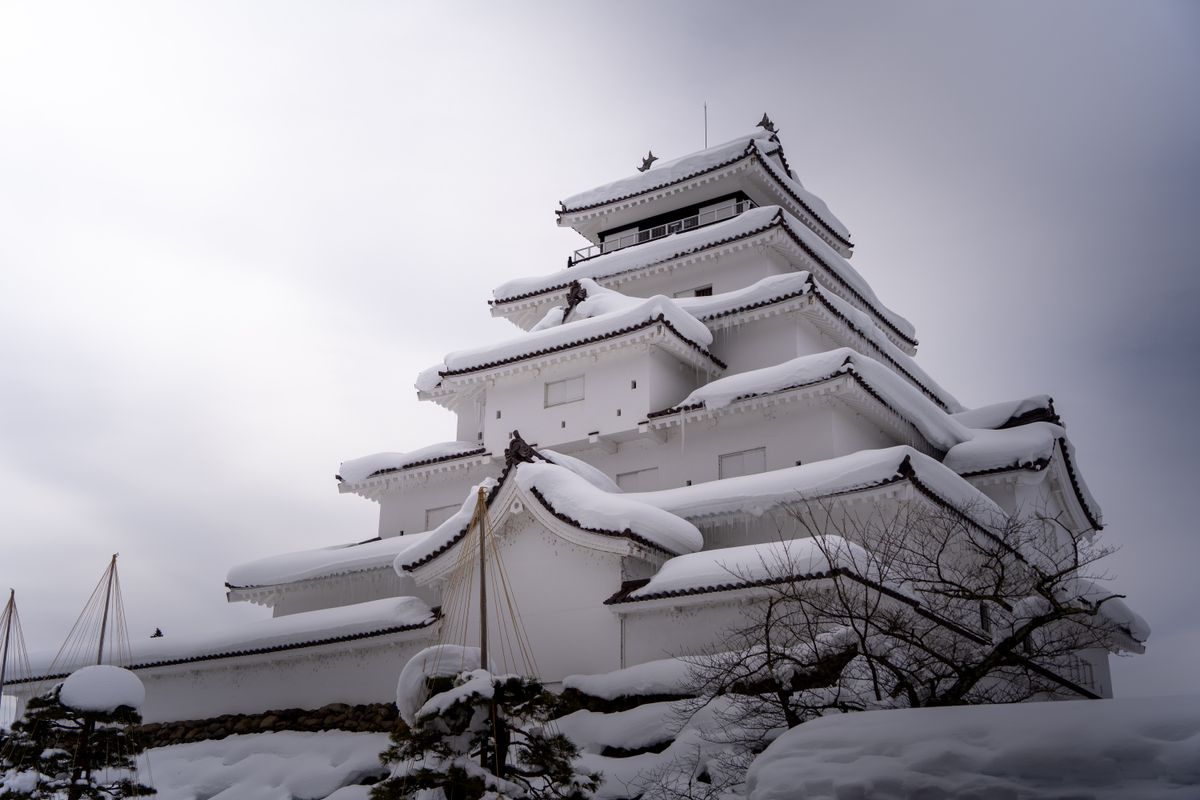
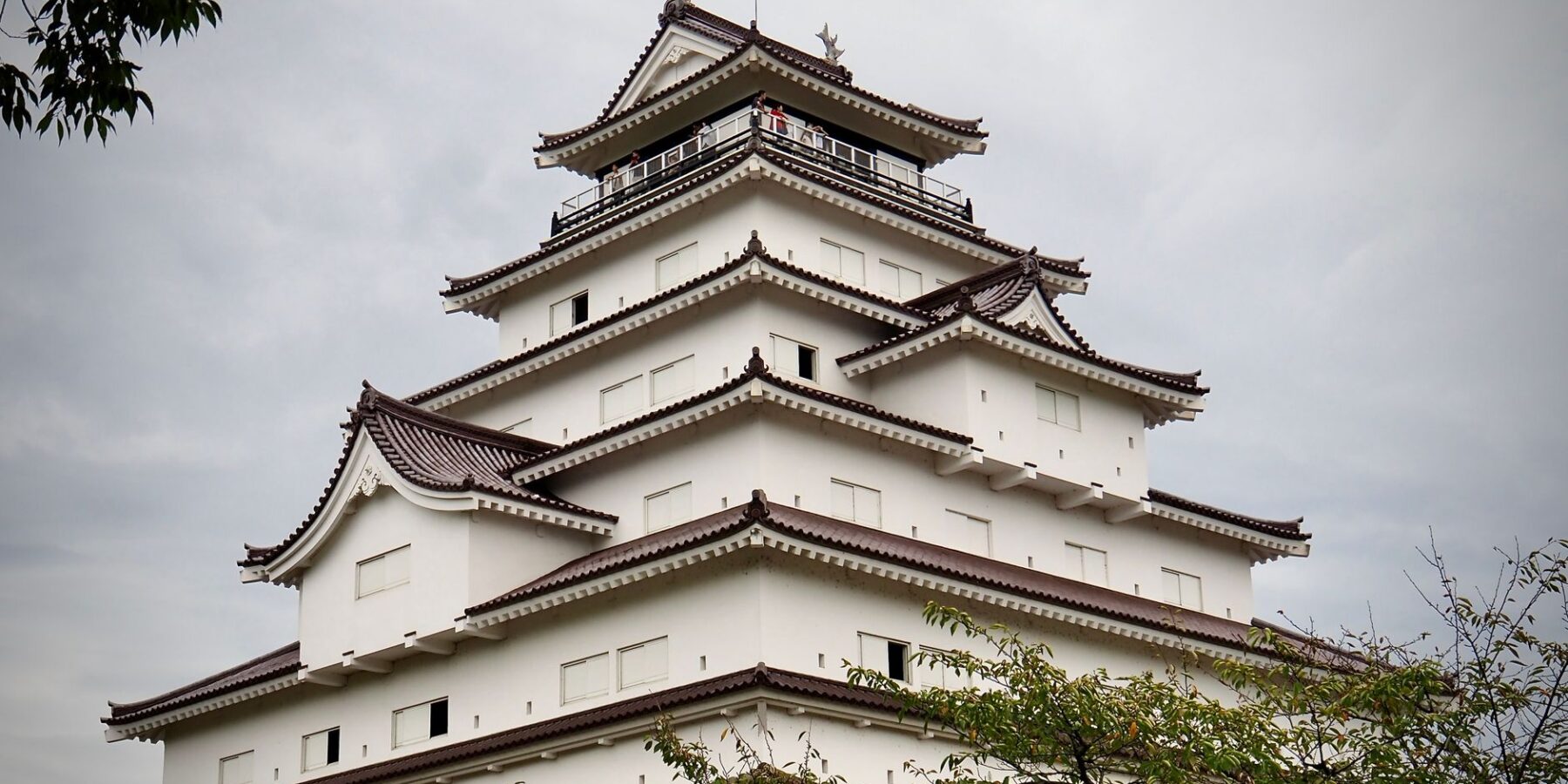
Tsuruga-jo (also known as Aizu Wakamatsu Castle) is one of the most distinctive castles in Japan, instantly recognizable by its beautiful red-tiled roof — the only castle in Japan with red roof tiles. The original castle was built in 1384 and expanded over the centuries, becoming one of the most formidable fortresses in the Tohoku region.
The castle endured a month-long bombardment during the Boshin War, demonstrating remarkable structural resilience even under sustained cannon fire. Though the castle was ultimately demolished after the Meiji Restoration, it was faithfully reconstructed in 1965 and today serves as a comprehensive museum of Aizu history and culture.
The castle grounds are particularly beautiful during cherry blossom season, when hundreds of cherry trees in the surrounding Tsuruga-jo Park burst into bloom, framing the distinctive red-roofed keep against a sky of pink and white blossoms. It ranks among Fukushima’s most photographed seasonal scenes.
Ouchi-juku: The Edo-Period Post Town
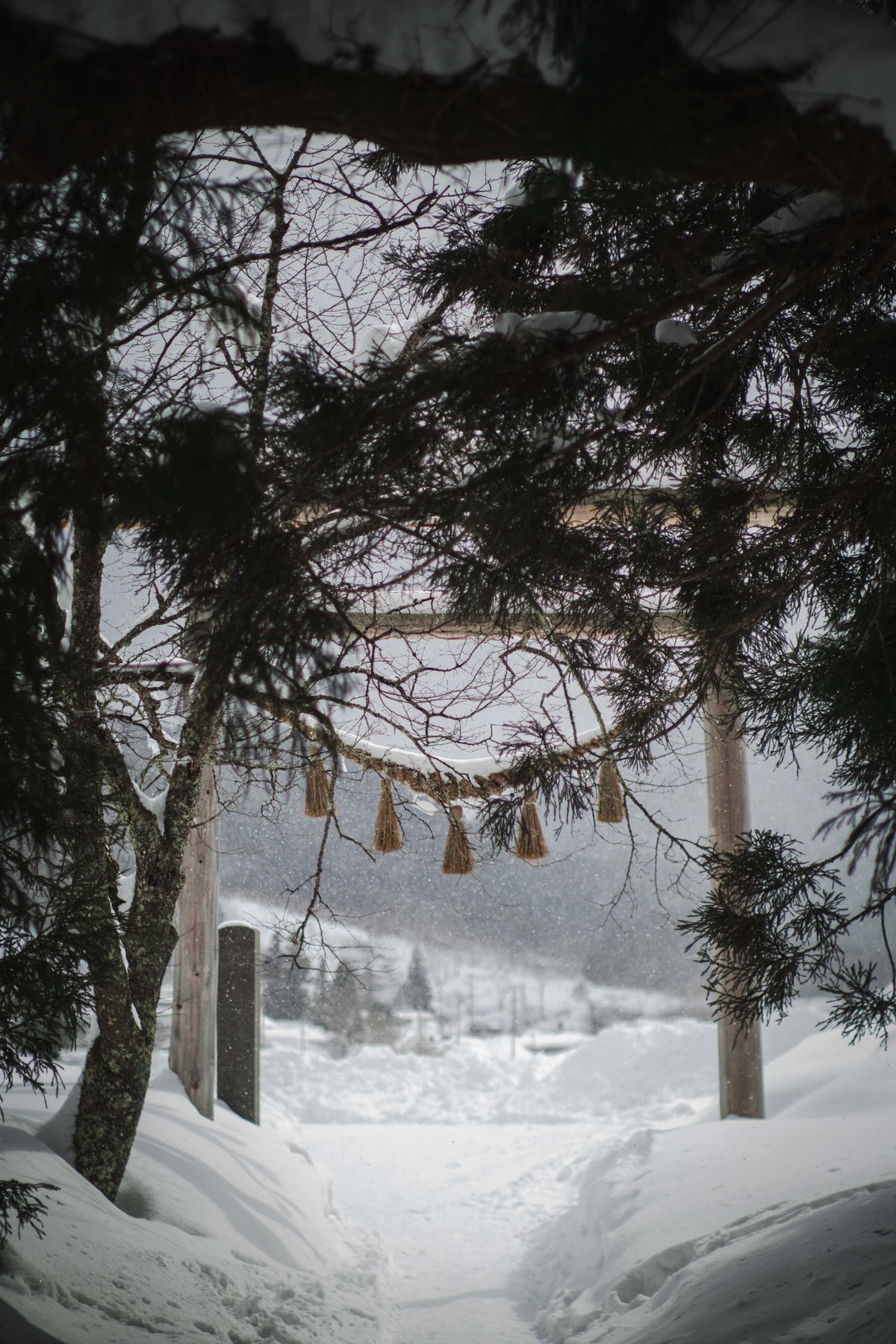
Ouchi-juku is one of Japan’s most perfectly preserved post towns and a truly extraordinary time capsule of the Edo period (1603-1868). Designated a National Important Preservation District for Groups of Traditional Buildings, this former post station on the Aizu-Nishi Kaido road retains its original appearance to a remarkable degree.
The town’s main street is lined on both sides with approximately 38 traditional thatched-roof inns (hatago) and farmhouses, their steep grass roofs hanging low over the facades. Walking along this street today feels genuinely like stepping into the 18th century — particularly in winter when deep snow blankets the thatched roofs and the street fills with a hushed, peaceful atmosphere.
Ouchi-juku is famous for its unique negi soba — buckwheat noodles eaten using a green onion (negi) as the chopstick. Local restaurants lining the street serve this distinctive dish alongside other traditional foods. The winter snow festival in February, when hundreds of lanterns illuminate the snowy streetscape at dusk, is one of the most magical seasonal events in the Tohoku region.
Recovery Tourism: Fukushima’s Story of Renewal
The events of March 2011 — the Great East Japan Earthquake, the subsequent tsunami, and the Fukushima Daiichi nuclear plant incident — transformed how the world viewed this prefecture. However, more than a decade of dedicated recovery effort has fundamentally changed the situation on the ground.
The vast majority of Fukushima Prefecture, including every area covered in this guide, was never subject to evacuation orders and was safe to visit throughout the post-disaster period. Today, recovery efforts have progressed substantially, and authorities have confirmed that radiation levels throughout the tourist areas are at or below background levels found in many cities around the world, including parts of Europe.
Visiting Fukushima today is an act of solidarity with local communities who have worked tirelessly to rebuild their livelihoods and share their beautiful region with the world. Many tourism initiatives actively encourage visitors to experience the prefecture’s natural beauty and cultural heritage, and the warm welcome from locals who appreciate visitors choosing Fukushima is itself one of the most memorable parts of any trip.
Natural Beauty: Lakes, Mountains, and Onsen
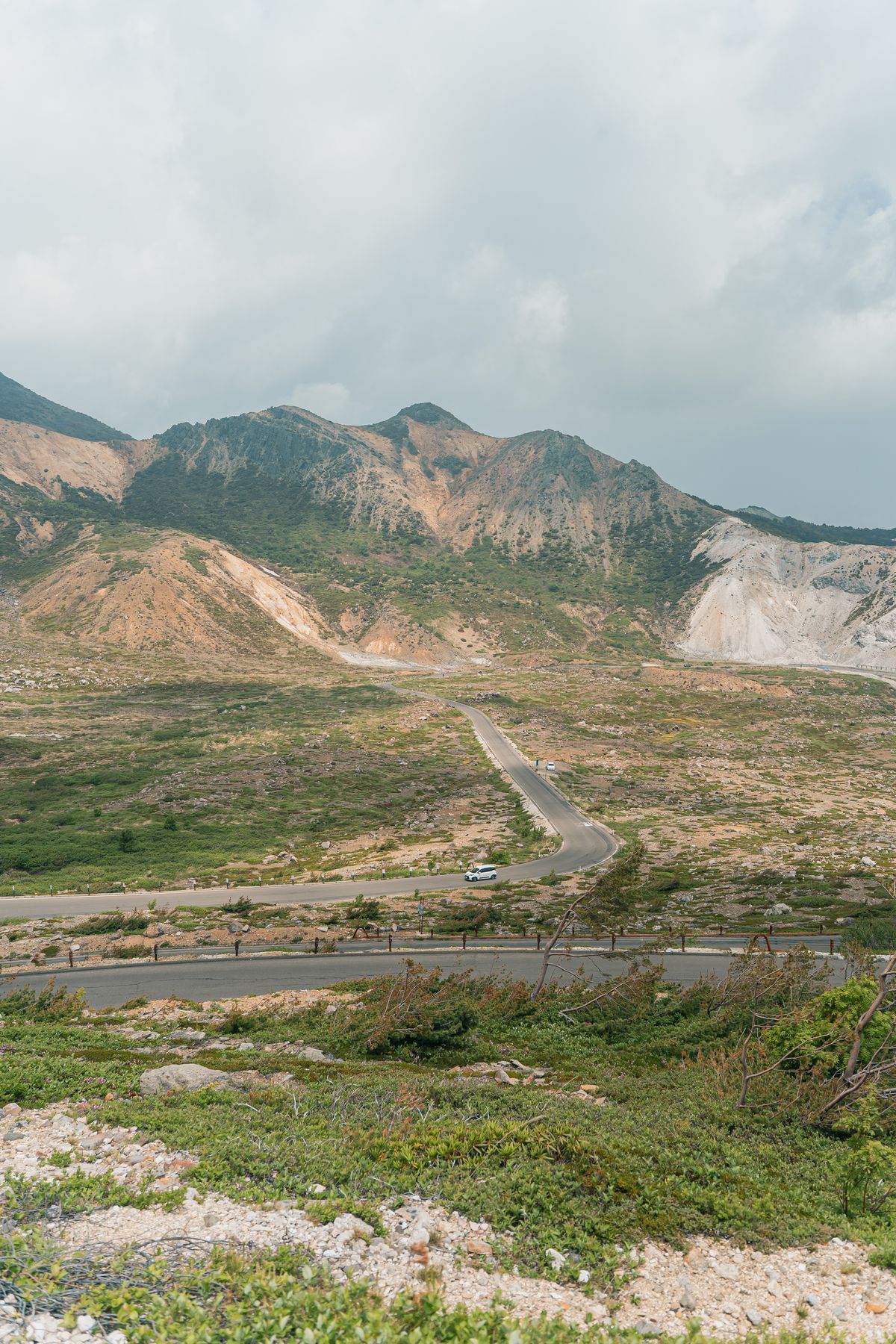
Beyond its historical sites, Fukushima Prefecture possesses magnificent natural scenery. Lake Inawashiro, the fourth-largest lake in Japan, offers stunning views of surrounding mountains and is known as the “Sky Mirror” for its remarkable reflections. The Urabandai area features dozens of small emerald lakes and ponds formed by the volcanic eruption of Mt. Bandai in 1888.
The Nishi-Aizu area is celebrated for its autumn foliage, which rivals anywhere in Japan for intensity and color. Hot spring towns dot the prefecture, from the traditional resort of Higashiyama Onsen near Aizu-Wakamatsu to the mineral-rich waters of Tsuchiyu Onsen in the mountains above Fukushima City.
Getting to Fukushima
Fukushima City is served by the Tohoku Shinkansen, with travel times of approximately 1.5 hours from Tokyo and 30 minutes from Sendai. From Fukushima City, take the Shinkansen or a local train to Koriyama, then the JR Ban-etsu West Line to Aizu-Wakamatsu (about 2 hours in total). A rental car is highly recommended for exploring the more remote areas of the prefecture, including Ouchi-juku and the Urabandai lakes.
Where to Stay in Fukushima
Aizu-Wakamatsu offers the widest range of accommodations, from traditional ryokan to modern business hotels. Several historic inns in Ouchi-juku provide an unforgettable overnight experience in a preserved Edo-period setting. Hot spring ryokan are available at Higashiyama Onsen and several other spa towns throughout the prefecture.
Final Thoughts
Fukushima Prefecture is a place of resilience, beauty, and profound historical depth. Its samurai castles, perfectly preserved post towns, volcanic lakes, and warm-hearted communities combine to create a destination that richly rewards those who choose to explore it. Visiting Fukushima is not only a wonderful travel experience — it is also a meaningful expression of support for a community that has demonstrated extraordinary strength in the face of adversity.
Top Attractions in Fukushima Prefecture
Aizu-Wakamatsu: The Samurai City
Aizu-Wakamatsu is one of Japan’s finest surviving castle towns and the heart of Fukushima’s feudal heritage. The Aizu Domain was among the last to resist the Meiji Restoration forces in the 1868 Boshin War, and the tragic story of the Byakkotai (White Tiger Corps) — a group of 20 teenage samurai, 19 of whom died by ritual suicide atop Iimori Hill after mistakenly believing their castle had fallen — is one of the most poignant narratives in Japanese history, still deeply honored in the city today. Tsurugajo Castle (fully restored in 1965, with its distinctive red-tiled roof unique in Japan) commands a beautiful position in the center of the city, and its interior museum traces Aizu Domain history in compelling detail. The Bukeyashiki (Aizu Samurai House) is a reconstructed and furnished senior retainer’s mansion of extraordinary scale and historical authenticity, giving a tangible sense of high-ranking samurai domestic life. Aizu lacquerware (Aizu-nuri) is the region’s most distinguished craft tradition, producing lacquered items of exceptional quality in a style distinct from Kyoto or Tokyo. The city’s sake brewing tradition — using cold Aizu mountain water — produces some of Tohoku’s finest nihonshu.
Ouchi-juku: The Preserved Post Town
Ouchi-juku is one of Japan’s most perfectly preserved post towns, its main street lined on both sides with thatched-roof farmhouses that served as lodgings and rest stops for travelers on the Aizu-Nishi Kaido road during the Edo period. The town has been meticulously maintained — no modern signage, no vending machines, no anachronistic additions — creating an atmosphere of extraordinary historical authenticity. In winter, heavy snow blankets the thatched roofs and the single unpaved street, creating what many Japanese consider the country’s most beautiful traditional winter landscape. The town is also famous for negi soba — thick buckwheat noodles eaten using a long Welsh onion as chopsticks — served at the farmhouse restaurants lining the main street. The 15-minute hike to the hilltop viewpoint above the town provides the classic panoramic vista showing the full extent of the preserved townscape against the surrounding mountains.
Bandai-Asahi National Park and Lake Inawashiro
The Bandai-Asahi National Park encompasses the remarkable volcanic landscape created by the 1888 eruption of Mount Bandai, which collapsed its northern flank and created over 300 lakes and marshes in a single catastrophic event. The Urabandai (rear Bandai) area is now an extraordinary landscape of volcanic crater lakes ranging from vivid turquoise to deep emerald and opaque blue depending on mineral content — the Five-Colored Lakes (Goshiki-numa) hiking trail connecting 5 of the most accessible lakes is one of Tohoku’s most visually spectacular short walks. Lake Inawashiro, Japan’s fourth largest lake, sits at the base of Mount Bandai and provides a glorious reflective foreground for the mountain’s profile on clear days. The lake’s shores have been associated with the life of Dr. Noguchi Hideyo — the bacteriologist who proved the syphilis bacterium causes general paresis and appeared on the Japanese 1,000-yen note from 2004 to 2024 — who was born in a humble farmhouse on the lakeside that is now preserved as a memorial museum.
Kitakata and Ramen Culture
The small city of Kitakata, just north of Aizu-Wakamatsu, is famous throughout Japan for two seemingly unrelated things: its extraordinary concentration of historic brick storehouses (kura), more than 4,000 of which survive from the Meiji era in extraordinary variety of architectural styles; and Kitakata ramen, one of Japan’s great regional ramen styles, characterized by flat, wavy noodles in a rich soy sauce and pork bone broth topped with thick-cut chashu pork and bamboo shoots. With approximately 120 ramen shops serving a population of just 50,000, Kitakata has the highest ramen shop density in Japan, and the local custom of eating ramen for breakfast (asa-ra) is one of Japan’s most distinctive regional food traditions. A half-day visit combining a kura (storehouse) walking tour with a ramen breakfast is one of the most authentic and enjoyable Fukushima cultural experiences.
Fukushima City and Fruit Tourism
Fukushima City, the prefectural capital, is one of Japan’s most celebrated fruit-producing cities, blessed with the ideal combination of long sunny days, cool nights, and well-drained river terrace soils. The city produces extraordinary peaches from late July through September, and the surrounding hills are carpeted with peach and cherry orchards that transform into a sea of pink blossom in April. Fruit-picking tourism is a significant industry, with dozens of orchards offering strawberry picking in spring, peach and cherry picking in summer, pear and apple picking in autumn — all bookable through the city’s tourist association. The warm summers also ripen exceptional wine grapes, and several small wineries in the Fukushima City area produce prize-winning Japanese wines from locally grown varieties. The scenic Hanamiyama Park, on the hillside east of the city, is spectacular in April when its hillsides are covered in simultaneous blooms of cherry, peach, plum, forsythia, and various other flowering trees and shrubs — a multi-colored spectacle unique in Japan.
Getting to Fukushima Prefecture
From Tokyo
Fukushima is one of the most accessible Tohoku prefectures from Tokyo. The Tohoku Shinkansen runs from Tokyo Station to Fukushima Station in approximately 1 hour 30 minutes on the fastest Hayabusa services (fares rose with JR East’s March 14, 2026 revision, so check current prices; JR Pass covered). From Fukushima Station, travel via Koriyama to Aizu-Wakamatsu (approximately 2 hours, changing to the JR Ban-etsu West Line), Kitakata (a further 20 minutes), and other destinations. Aizu-Wakamatsu can also be reached more directly from Tokyo by Shinkansen to Koriyama, then the Banetsu-Saisen Line (approximately 1 hour 10 minutes) — total journey from Tokyo approximately 2 hours 30 minutes.
From Osaka and Nagoya
From Osaka, the fastest route is Shinkansen to Tokyo then continuing north to Fukushima Station — total approximately 4 hours. From Nagoya, the journey takes approximately 3 hours by Shinkansen via Tokyo. Overnight highway buses from Osaka, Nagoya, and other western Japan cities to Aizu-Wakamatsu operate several times weekly, offering a budget option for those with flexible schedules.
Getting Around Fukushima
Fukushima Prefecture is large and spread across three distinct geographical areas (Nakadori, Hamadori coastal strip, and Aizu mountain region) with limited cross-area public transport. A rental car is strongly recommended for comprehensive exploration, particularly for Bandai-Asahi National Park, Ouchi-juku, and the Goshiki-numa lakes. The JR Ban-etsu West Line connects Koriyama to Aizu-Wakamatsu through spectacular mountain scenery. A tourist loop bus (Aizu Loop Bus) operates between Aizu-Wakamatsu’s main attractions including Tsurugajo Castle, Bukeyashiki, and Iimori Hill. Ouchi-juku is accessible by the Aizu Railway to Yunokami-Onsen Station followed by a seasonal bus or taxi (approximately 60 to 80 minutes from Aizu-Wakamatsu). Kitakata is 20 minutes from Aizu-Wakamatsu by JR train.
Where to Stay in Fukushima
Budget (5,000 to 8,000 yen/night): Business hotels near Fukushima Station, Koriyama Station, or Aizu-Wakamatsu Station. Mid-Range (10,000 to 20,000 yen/person): Traditional ryokan in the Higashiyama Onsen area near Aizu-Wakamatsu, or lakeside hotels at Lake Inawashiro. Several authentic farmhouse minshuku in and near Ouchi-juku offer overnight stays within the thatched-roof historic district. Luxury (25,000 yen or more): Premium ryokan at Higashiyama Onsen, Ashinomaki Onsen, or the Tsuchiyu Onsen mountain spa resort offer kaiseki cuisine featuring Aizu’s finest ingredients — local wagyu beef, fresh mountain vegetables, river fish, and hand-made soba accompanied by award-winning Aizu sake.
Food and Local Specialties in Fukushima
Kitakata Ramen: Flat wavy noodles in soy and pork bone broth — one of Japan’s great regional ramen styles, best enjoyed as a breakfast bowl in Kitakata City. Negi Soba at Ouchi-juku: Thick buckwheat noodles served with a long Welsh onion used as chopsticks — a theatrical and delicious local specialty. Aizu Sake: Cold mountain water and excellent local rice produce some of Tohoku’s finest nihonshu; the Aizu brewing district includes over 20 active breweries. Fukushima Peaches: Superb summer peaches (July to September) from the Fukushima basin’s sun-drenched orchards — considered among Japan’s finest. Sauce Katsudon: Aizu’s regional comfort food of crispy pork cutlet on rice drenched in a sweet-savory sauce, found at casual restaurants throughout Aizu-Wakamatsu. Kozuyu: Aizu’s traditional festive soup of scallop broth with root vegetables, tofu skin, and mountain vegetables — served at celebrations and in ryokan kaiseki meals throughout the region.
Best Time to Visit Fukushima
Spring (late March to May): Hanamiyama Park’s multi-colored blossom spectacle (April) is Fukushima City’s finest sight; Tsurugajo Castle cherry blossoms in Aizu-Wakamatsu are spectacular in late April. Summer (June to August): Peach season in Fukushima City, clear-water activities at Lake Inawashiro, mountain hiking in Bandai. Autumn (September to November): Brilliant foliage throughout the Bandai highlands, Ouchi-juku against autumn colors, harvest festivals across the prefecture. Winter (December to February): Ouchi-juku under heavy snow is one of Tohoku’s most beautiful winter images; hot spring inns in Higashiyama and Ashinomaki are at their most atmospheric; (in autumn, the late-September Aizu Festival and Byakkotai memorial rites honor the tragic young samurai)
Hidden Gems and Local Tips for Fukushima
Tsurugajo Castle at Night: The castle is illuminated on evenings during cherry blossom season, and the sight of the red-roofed tower reflected in the moat against a dark sky is one of Tohoku’s most dramatic nighttime views. Goshiki-numa Pre-Dawn Walk: The Five-Colored Lakes trail at Urabandai is most intensely colored in the early morning light when mist sometimes hangs over the darker lakes — arriving at the trailhead before 7am in autumn rewards patient photographers with extraordinary images. Sake Brewery Visits in Kitakata: Several of Aizu-Wakamatsu’s excellent sake breweries offer tastings and tours, including Suehiro Shuzo and Miyaizumi Meijo — combining a ramen breakfast with a sake tasting and kura storehouse walking tour makes for one of Fukushima’s best half-day experiences. Tadami River Valley: The JR Tadami Line running through the remote Tadami River valley in western Fukushima is one of Japan’s most beautiful rural railway journeys, particularly spectacular in autumn foliage season and winter snow.
Practical Information for Visiting Fukushima
Note on the 2011 Disaster: The 2011 Fukushima Daiichi nuclear accident remains associated with the prefecture in international awareness. The accident site is in the Hamadori (eastern coastal) area, which has undergone extensive cleanup and monitoring. The vast majority of Fukushima Prefecture — including all the sights described in this guide — is in the Nakadori and Aizu regions, well away from the affected zone, and is completely safe for visitors. The Fukushima prefecture government and Japanese health authorities continuously monitor radiation levels and confirm the safety of tourism in these areas. Tourist Information: Fukushima Station and Aizu-Wakamatsu Station both have tourist information centers with English materials. Emergencies: Police 110, Fire and Ambulance 119. Fukushima Medical University Hospital: 024-547-1111.
Fukushima Budget Guide
Budget (6,000 to 10,000 yen/day): Business hotel near Aizu-Wakamatsu Station, Kitakata ramen breakfast (700 to 900 yen), JR trains and loop bus. Tsurugajo Castle admission 410 yen (520 yen with Rinkaku tea house). Mid-Range (15,000 to 25,000 yen/day): Higashiyama Onsen ryokan, negi soba lunch at Ouchi-juku, rental car for Bandai Goshiki-numa lake tour. Luxury (30,000 yen or more/day): Premium Aizu onsen ryokan with full kaiseki including local wagyu, kozuyu soup, mountain sansai, and multi-course Aizu sake pairing.
Frequently Asked Questions About Fukushima
Is Fukushima safe to visit after the 2011 nuclear accident?
Yes. The main tourist areas of Fukushima Prefecture — Aizu-Wakamatsu, Ouchi-juku, Kitakata, Bandai highlands, and Fukushima City — are all in the Nakadori and Aizu regions, far from the Fukushima Daiichi plant on the eastern Hamadori coast. These areas have been confirmed safe by continuous radiation monitoring. Millions of Japanese visitors travel to Fukushima annually without concern, and international travel advisories for these areas are at the standard precaution level.
How do I get to Aizu-Wakamatsu from Tokyo?
Take the Tohoku Shinkansen to Koriyama (approximately 75 minutes), then the JR Ban-etsu West Line to Aizu-Wakamatsu (approximately 70 minutes) — total around 2.5 hours. Alternatively, Shinkansen to Fukushima then JR Ban-etsu West Line. The mountain railway section between Koriyama and Aizu-Wakamatsu passes through dramatic mountain scenery.
What is Ouchi-juku and why is it famous?
Ouchi-juku is a beautifully preserved Edo-period post town with thatched-roof farmhouses lining its single main street. It is famous for its extraordinary winter beauty when heavy snow blankets the rooftops, and for negi soba — buckwheat noodles eaten using a long green onion as chopsticks. It is one of Japan’s most photographed traditional townscapes and should not be missed when visiting the Aizu area.
What is Kitakata ramen?
Kitakata ramen is one of Japan’s great regional ramen styles — thick, flat, wavy noodles in a rich soy sauce and pork bone broth, topped with thick-cut chashu pork, menma bamboo shoots, and green onion. The local custom of eating ramen for breakfast (asa-ra) is unique to Kitakata, and the city has the highest ratio of ramen shops to population in Japan.
What are the Five-Colored Lakes of Bandai?
The Goshiki-numa (Five-Colored Lakes) are a group of volcanic crater lakes in the Urabandai area of Bandai-Asahi National Park, formed by the 1888 Mount Bandai eruption. Each lake has a different mineral composition that gives it a distinctive color — cobalt blue, emerald green, turquoise, or opaque milky white. A 3-kilometer walking trail connects the main lakes through pine forest and is one of Tohoku’s most beautiful short walks.
Who were the Byakkotai?
The Byakkotai (White Tiger Corps) were a unit of approximately 20 teenage samurai (aged 16 to 17) of the Aizu Domain who retreated to Iimori Hill during the 1868 Battle of Aizu. Believing their castle had fallen after seeing it shrouded in smoke, they committed ritual suicide (seppuku) atop the hill. The castle had not in fact fallen; their self-sacrifice based on a misperception made them one of Japan’s most tragic and honored historical figures. Their graves on Iimori Hill remain a major pilgrimage site.
How many days should I spend in Fukushima?
Three to four days is ideal: one day for Aizu-Wakamatsu (Tsurugajo Castle, Bukeyashiki, Iimori Hill), a half-day for Ouchi-juku, a morning for Kitakata ramen and kura storehouses, and a day for the Bandai highlands and Goshiki-numa lakes. Fukushima City’s Hanamiyama Park is best added as a dedicated half-day if visiting in April.
What is the best Fukushima souvenir?
Aizu lacquerware (beautifully crafted bowls, boxes, and tableware), Aizu sake (premium nihonshu from the mountain brewing district), Fukushima peaches during summer season, Kitakata ramen instant noodle sets, and Aizu-Wakamatsu’s distinctive akabeko (red papier-mache bull) folk toy — one of Japan’s most iconic regional good luck charms — are all excellent choices representing Fukushima’s distinct cultural and agricultural heritage.
Is a car necessary in Fukushima?
A rental car is strongly recommended for Ouchi-juku, the Bandai highlands, and the Tadami River valley. Aizu-Wakamatsu, Kitakata, and Fukushima City are manageable by train and bus. Car rental is available at Fukushima Station, Koriyama Station, and Aizu-Wakamatsu Station.
Fukushima’s Natural Wonders and Outdoor Activities
Fukushima Prefecture’s diverse geography — from the volcanic highlands of the Ou Mountains to the wide Nakadori basin and the Pacific Hamadori coast — creates exceptional conditions for outdoor recreation year-round. Hiking in Bandai-Asahi National Park: The Urabandai area offers excellent hiking from easy lakeside trails (Goshiki-numa loop, 3 km, 1 hour) to full-day ridge walks traversing the volcanic highland with panoramic views. Mount Bandai itself (1,816 meters) can be climbed via several trails from the Urabandai side, with the Hachiman Trail being the most popular (4 to 5 hours round trip). Skiing and Winter Sports: Alts Bandai, Inawashiro, and other ski resorts in the Bandai highlands offer reliable powder snow from December through March, with well-maintained slopes catering to families and intermediates. Grandeco Snow Resort is particularly popular for its location above the cloud line and powder conditions. Cycling: The Lake Inawashiro shoreline cycling route and the Aizu plains cycling paths provide pleasant flat riding through rice paddies and historic sites. The Tsurugajo Castle park cycling paths allow visitors to circle the reconstructed castle at their own pace. Fruit Picking: Peach picking (July to September) and pear picking (late August to October) at orchards in the Fukushima City area provide hands-on agricultural experiences — contact the Fukushima City Tourism Association for a list of participating orchards and seasonal availability. Rock Climbing: Shiroishi-gawa valley in northern Fukushima and several gorge areas in the Aizu highlands offer established climbing routes for experienced climbers, with local climbing clubs occasionally organizing introduction sessions for beginners.
Fukushima’s Traditional Crafts and Cultural Heritage
The Aizu region of Fukushima Prefecture is one of Japan’s richest concentrations of traditional craftsmanship, much of it tracing directly to the patronage of the Aizu Domain lords who encouraged skilled artisanship as part of their governance philosophy. Aizu Lacquerware (Aizu-nuri): A 400-year tradition producing lacquered bowls, trays, boxes, and tableware of great beauty and durability, Aizu-nuri is characterized by a warm, deep red-black luster with delicate gold decoration and a robust construction suited to daily use rather than purely ceremonial function. Dozens of workshops and shops in Aizu-Wakamatsu sell pieces ranging from 3,000 yen for simple bowls to tens of thousands for elaborate multi-piece sets. Aizu Momen (Cotton Textiles): A centuries-old tradition of indigo-dyed cotton weaving producing distinctive striped and checked patterns used for traditional clothing, furoshiki wrapping cloths, and table textiles — experiencing a modest revival among craft enthusiasts attracted by the textiles’ natural materials and traditional dyeing process. Akabeko Red Bull: The distinctive red papier-mache bull toy with a nodding head has been made in Aizu for over 400 years and is Fukushima’s most iconic folk craft, said to ward off disease and bring good fortune. Basic versions are available for just a few hundred yen as charming authentic souvenirs. Okuaizu Amikomi Zaiku: A traditional basketwork using mountain plants such as hiroro grass, wild grape vine and matatabi to produce extraordinarily durable and beautiful baskets, boxes, and containers that have been used in the mountainous Oku-Aizu region for centuries — now a designated traditional craft with a small number of remaining master craftspeople whose work commands premium prices.
Fukushima’s Recovery and Contemporary Story
The 2011 earthquake, tsunami, and nuclear accidents left deep marks on Fukushima Prefecture that continue to shape its story today. The most severely affected Hamadori coastal zone has undergone extensive decontamination, and several towns previously under evacuation orders have been fully reopened. The Fukushima Innovation Coast Framework is driving ambitious economic development in the region, including robotics research, renewable energy development, and advanced agriculture that is transforming former exclusion zone areas into centers of cutting-edge technology. The Fukushima Robot Test Field in Minamisoma has become a global center for testing drones, autonomous vehicles, and disaster response robots in real-world conditions. The prefecture’s agriculture — rigorous testing of every product before market — has maintained or improved quality standards and Fukushima produce regularly wins national quality competitions. The story of Fukushima’s recovery from unprecedented adversity is one of the 21st century’s most compelling human narratives, and visitors who take the time to understand it — through the excellent documentation at the Great East Japan Earthquake and Nuclear Disaster Memorial Museum in Futaba — come away with a profound respect for the resilience, complexity, and ongoing determination of this remarkable prefecture’s people.
Day Trips and Nearby Destinations from Fukushima
Fukushima’s central Tohoku location makes it an excellent hub for exploring neighboring prefectures. Sendai (Miyagi) is just 17 minutes from Fukushima by Shinkansen, providing easy access to Matsushima Bay, Zuiganji Temple, and Sendai’s vibrant food and culture scene. Yamagata is accessible by the JR Ou Main Line from Fukushima Station (approximately 75 minutes), making a combination of Fukushima’s Aizu history with Yamagata’s Ginzan Onsen or Yamadera a natural multi-day pairing. Nikko (Tochigi), with its extraordinarily ornate Toshogu Shrine and UNESCO heritage, is approximately 90 minutes from Koriyama by limited express, making it a worthwhile day trip extension from Fukushima. Aizu-Wakamatsu to Niigata: The JR Ban-etsu West Line continues from Aizu-Wakamatsu through spectacular mountain scenery to Niigata City on the Japan Sea coast — a full-day scenic train journey through some of Tohoku’s most dramatic landscapes, particularly glorious during autumn foliage season. Fukushima’s position at the intersection of multiple Tohoku transport routes means that multi-destination itineraries combining its highlights with those of neighboring prefectures are both practical and highly rewarding.
Why Visit Fukushima?
Fukushima Prefecture offers one of Japan’s most richly layered regional travel experiences, combining world-class natural beauty at Bandai’s volcanic lakes and highland marshes, extraordinary preserved history at Ouchi-juku and Aizu-Wakamatsu’s samurai heritage sites, unique culinary culture ranging from Kitakata’s breakfast ramen to Fukushima City’s exceptional summer peaches, outstanding traditional crafts including 400-year-old lacquerware and folk toy traditions, and a deeply human contemporary story of recovery and resilience that adds context and meaning to every experience in the prefecture. The fact that Fukushima remains undervisited by international tourists compared to its considerable merits means that visitors who do venture here enjoy uncrowded access to genuinely extraordinary sights — making it one of Japan’s best-kept travel secrets and one of the most rewarding destinations for the traveler seeking depth, authenticity, and discovery beyond the standard Japan itinerary.
Fukushima’s Sake Brewing Tradition
Fukushima Prefecture has become one of Japan’s most decorated sake-producing regions, consistently winning more gold medals at the National New Sake Competition than any other prefecture in recent years — a remarkable achievement that reflects both the quality of the prefecture’s spring water, rice, and brewing expertise, and the determination of Fukushima’s brewers to demonstrate excellence in the face of reputational challenges since 2011. The Aizu region is home to the greatest concentration of Fukushima breweries, with over 20 active producers in and around Aizu-Wakamatsu and Kitakata using cold mountain spring water from the Ou Range and locally grown Yume-no-Kaori and Koi-no-Tsuru sake rice varieties. Notable Aizu breweries open to the public include Suehiro Shuzo (founded 1850, Aizu-Wakamatsu), Miyaizumi Meijo (Aizu-Wakamatsu, maker of the acclaimed Sharaku label), and Takasago Shuzo (Aizu-Wakamatsu). The annual Aizu Sake Matsuri (October) is one of Tohoku’s premier sake events, gathering brewers and enthusiasts for comprehensive tastings in the atmospheric setting of the castle town. Visitors to ryokan throughout the Aizu area will typically find a curated selection of local sake served with kaiseki dinners — an excellent opportunity to sample the range of Aizu brewing styles in one sitting, guided by knowledgeable ryokan staff who take genuine pride in promoting their local producers. Whether purchased as souvenirs at Aizu-Wakamatsu Station’s souvenir shops or directly from brewery tasting rooms, Aizu sake represents one of Fukushima’s finest and most portable gifts to bring home from a visit to this remarkable prefecture.
From the gold-sheathed legacy of the Aizu samurai and the snow-draped perfection of Ouchi-juku’s thatched rooftops, to the cobalt volcanic lakes of Bandai and the award-winning sake poured in intimate mountain ryokan, Fukushima Prefecture stands as one of Tohoku’s most complete and emotionally resonant travel experiences — a place whose depth of history, natural grandeur, culinary excellence, and contemporary human story of recovery and renewal makes every visit profoundly worthwhile and long remembered.
Fukushima’s combination of accessible Shinkansen connections from Tokyo, extraordinary variety of experiences across its three distinct geographic regions, and the genuine warmth of its people — who welcome visitors as an affirmation that their home deserves to be seen, understood, and celebrated on its remarkable merits — makes it an essential destination for any traveler who genuinely wants to know Japan beyond its most famous postcards. Plan your trip carefully, allow yourself to be surprised, and prepare to discover one of Tohoku’s most unforgettable and deeply rewarding regional journeys.
Whether you visit for a single action-packed weekend exploring Aizu-Wakamatsu and Ouchi-juku, or spend a full week moving slowly through the volcanic highlands of Bandai, the ramen shops of Kitakata, the peach orchards of Fukushima City, and the mountain onsen of the Aizu highlands, Fukushima Prefecture will reward your curiosity, generosity of spirit, and willingness to look beyond headlines with travel experiences of lasting beauty, historical depth, and warm human connection.
Related guides
- Ouchi-Juku Complete Guide: Fukushima’s Preserved Edo-Period Thatched-Roof Post Town
- Aomori Nebuta Festival Guide 2026: A First-Timer’s Guide to Japan’s Giant Glowing Floats and How to Dance in the Parade
- Ouchijuku Travel Guide 2026: A First-Timer’s Guide to Fukushima’s Edo-Era Thatched Post Town
Going to Japan? Speak Japanese with confidence.
Hirameki Japanese — camera translate for menus and signs, a two-way conversation mode, and furigana + romaji on every phrase. Free to download with kana charts, conversation mode and starter words; a one-time purchase unlocks everything.
⬇ Get it on the App Store
Plan your Japan trip
Two things every first-timer should book
Some links are affiliate links. If you book through them we may earn a small commission at no extra cost to you.