On Japan’s northwest coast, facing the Sea of Japan, lies Niigata Prefecture — a region celebrated across the country for producing Japan’s finest rice, its most prestigious sake, and some of the deepest snowfall of any populated region on Earth. For travelers who want to experience a Japan that is authentic, unhurried, and profoundly connected to its natural landscape, Niigata is a revelation.
From the artistic islands of Sado to world-class ski resorts, from traditional geisha culture to magnificent winter scenery, Niigata offers extraordinary experiences for visitors willing to venture beyond the Tokyo-Kyoto axis. Here is your complete guide.
Top 5 Must-See Attractions in Niigata

1. Sado Island (Sado-ga-shima)
Sado Island is one of Japan’s most atmospheric and historically significant islands. Once a place of political exile for Japan’s most powerful figures — including Emperor Juntoku and the Buddhist monk Nichiren — the island developed a rich and unique culture in isolation. Today it is famous for the Earth Celebration music festival, traditional kodo drumming performances, the Kinzan gold mine (which financed the Tokugawa shogunate), and the iconic tarai-bune tub boat fishing. The island’s isolation has also preserved extraordinary biodiversity — the Japanese crested ibis, nearly extinct elsewhere, was successfully conserved here.
2. Echigo-Tsumari Art Field
Held every three years in the mountains of southern Niigata, the Echigo-Tsumari Art Triennale transforms rural villages, rice paddies, and abandoned schools into one of the world’s largest outdoor art festivals. Even between festival years, permanent installations by major international artists are scattered across the landscape — an extraordinary experience that integrates contemporary art with Japan’s aging rural communities.
3. Naeba and Yuzawa Ski Resorts
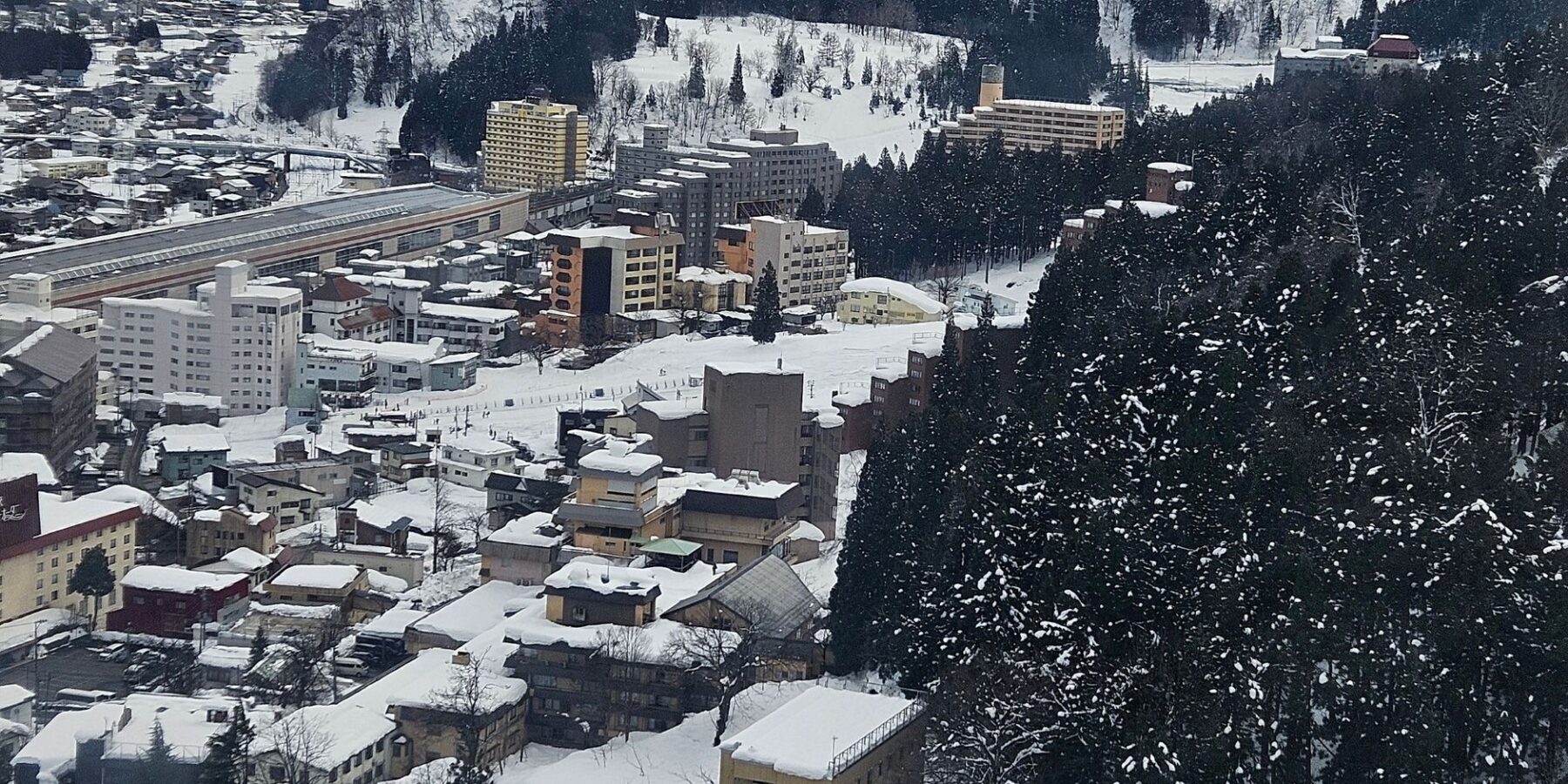
Niigata’s mountains receive some of the world’s heaviest snowfall. Naeba, Kagura, and the GALA Yuzawa resorts are among Japan’s premier ski destinations, easily reached from Tokyo in under 90 minutes by Shinkansen. GALA Yuzawa is uniquely convenient — the ski resort gondola departs directly from the Shinkansen station. Winter weekends see Tokyo residents arriving in the morning to ski and returning the same evening.
4. Niigata City and Ponshukan Sake Museum
Niigata City is the largest city on the Sea of Japan coast and has a surprisingly sophisticated food and sake culture. The Ponshukan sake museum in the Niigata Shinkansen station allows you to taste hundreds of Niigata sake varieties using a coin-operated system — an unmissable stop. The city also has excellent sushi, particularly fresh crab and yellowtail in winter.
5. Myoko and the Satoyama Landscape
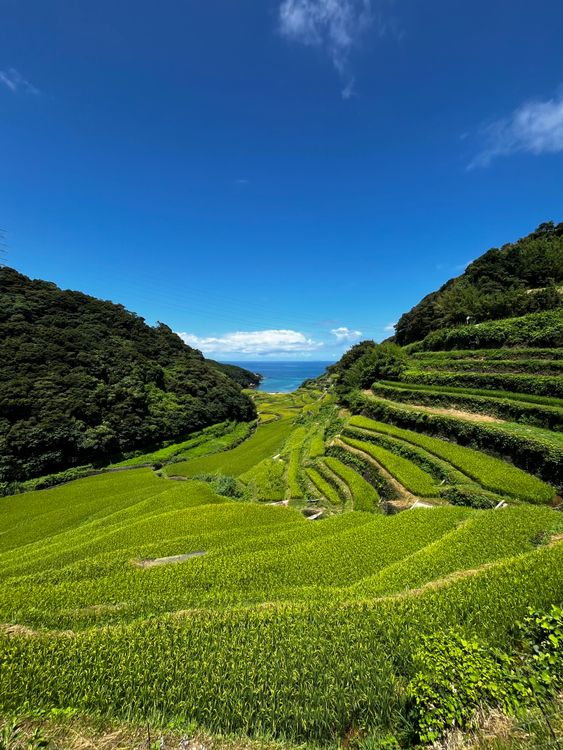
The Myoko area in southern Niigata offers spectacular mountain scenery, hot spring villages, and the beautiful “satoyama” — traditional agricultural landscape of rice paddies surrounded by mountains. In summer, the mountain wildflowers are extraordinary; in autumn, the red and gold foliage against the white peaks is breathtaking.
Niigata’s Food Specialties
- Koshihikari Rice: The most famous rice brand in Japan. Niigata’s Uonuma region produces what is widely considered the finest Koshihikari in the country. Eating a bowl of plain Niigata rice with a pinch of salt is a revelatory experience.
- Niigata Sake: The prefecture has over 90 sake breweries producing the light, dry “tanrei karakuchi” style synonymous with premium Japanese sake. Hakkaisan, Kubota, and Koshi no Kanbai are internationally recognized names.
- Hegi Soba: Buckwheat noodles bound with funori seaweed, giving them a distinctive green tint and smooth, silky texture. Served in traditional hegi (flat wooden trays). It is unique to Niigata.
- Snow Crab (Zuwaigani): Winter in Niigata means extraordinary crab. The Sea of Japan produces fat, sweet snow crabs available from November to March.
- Noppe: A traditional Niigata stew made from taro, carrots, lotus root, konnyaku, and dried seafood in a light dashi broth.
Best Time to Visit Niigata
Winter (December to March) is magical for skiing and snow scenery, and the food is at its best with crab and hot sake. Summer (July to August) is perfect for Sado Island, mountain hiking, and the Echigo-Tsumari Art Field. Autumn (September to October) brings stunning foliage and the new rice harvest. Spring is beautiful but snowmelt can make mountain roads muddy.
How to Get to Niigata
From Tokyo: The Joetsu Shinkansen runs directly from Tokyo to Niigata City in about 2 hours. GALA Yuzawa is only 75 minutes from Tokyo by Shinkansen — one of the most accessible ski resorts from a major city anywhere in the world.
By Ferry: Sado Island ferries depart from Niigata Port. The high-speed jet foil takes 65 minutes; the regular ferry takes 2.5 hours.
Practical Tips: Budget and Accommodation
Niigata City has excellent business hotel options from 6,000 to 12,000 yen per night. Ski resort accommodation (Yuzawa, Naeba) ranges from basic lodges (5,000 to 8,000 yen) to comfortable resort hotels (15,000 to 30,000 yen). Sado Island offers minshuku (family guesthouses) from 8,000 to 15,000 yen per person with meals. Winter ski packages including Shinkansen, accommodation, and lift tickets can offer excellent value.
Book your Niigata accommodation here: Book your hotel on Agoda →
Final Thoughts on Niigata
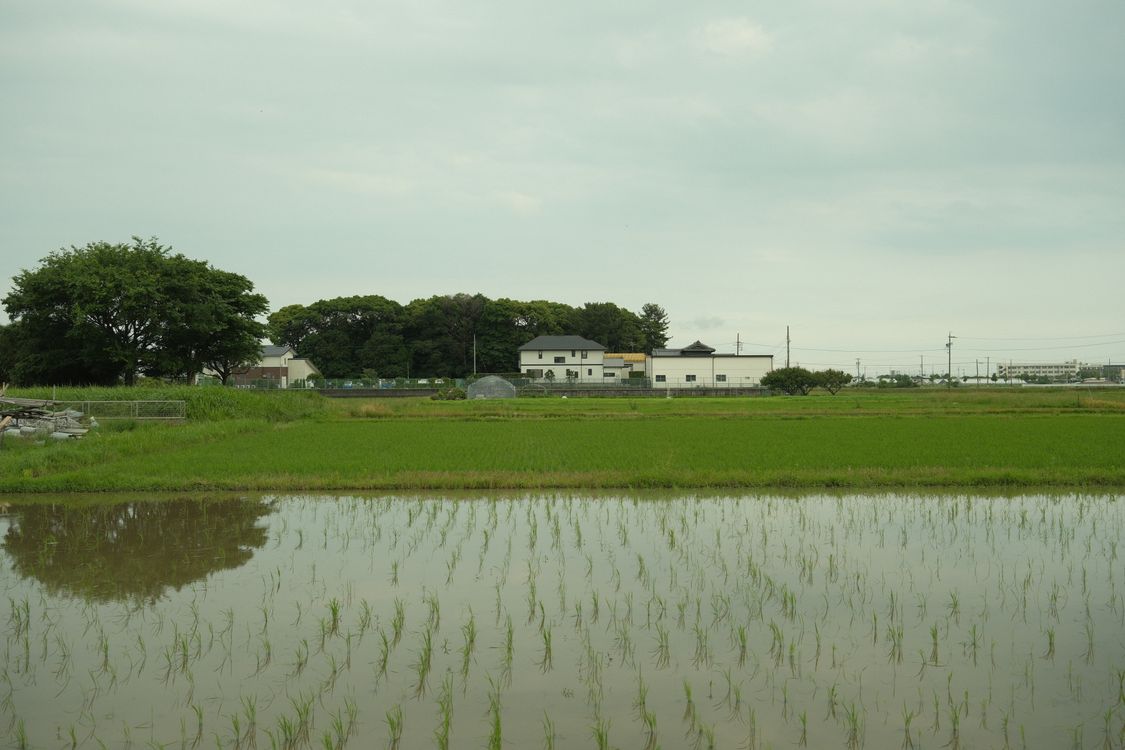
Niigata rewards visitors who appreciate the details — the perfect bowl of rice, the right sake at the right temperature, the silence of a snow-covered mountain village. It is a prefecture where Japan’s agricultural soul is still very much alive, and where nature — sea, mountain, and rice field — still defines daily life. For travelers seeking authenticity over spectacle, Niigata is one of Japan’s greatest hidden treasures.
Sado Island: Japan’s Mysterious Island of Gold and Culture
Sado Island (Sado-ga-shima) is one of Japan’s largest islands and one of its most historically rich, offering a complete alternative Japan experience just 2.5 hours from central Niigata by ferry. For much of Japan’s history, Sado served as a place of exile for political dissidents and criminals — a remote island where those who fell from power were banished. This history of isolation paradoxically created a uniquely vibrant culture: exiled aristocrats, artists, and intellectuals brought court arts, sophisticated music, and refined sensibilities to the island, creating traditions that survive vibrantly today.
The Sado Gold Mine (Sado Kinzan) in Aikawa operated from 1601 to 1989, making it one of Japan’s longest-running and most productive gold mines. At its peak in the 17th century, it produced an estimated 400 kilograms of gold annually and funded the Edo Shogunate’s treasury. Today, the mine has been developed as a fascinating tourist attraction where life-size mechanized dioramas depict the brutal working conditions of Edo-period miners, many of whom were convicted criminals sentenced to mine labor. Walking through the actual mine tunnels (over 400 km of tunnels were dug in total) is an extraordinary historical experience.
Toki (Japanese crested ibis) are among Japan’s most iconic endangered birds, and Sado Island is the center of Japan’s remarkable conservation effort. After the last wild toki were captured in 1981 and the last Japan-born bird died in 2003, conservation breeding using Chinese ibises has successfully reintroduced toki to Sado, where the wild population now exceeds 600 birds. The Toki Forest Park (Toki no Mori Koen) allows visitors to observe breeding toki at close range through large observation windows — one of Japan’s most moving wildlife conservation stories made visible.
Taiko drumming found its modern form on Sado Island. The legendary Kodo drumming group, based on the island since 1981, has taken Japanese taiko drumming to concert halls worldwide while maintaining its home on Sado. Their annual Earth Celebration festival in August draws thousands of visitors to the island for three days of world music, taiko performances, and cultural exchange events. The Kodo Cultural Foundation runs the Sado Island Taiko Experience program throughout the year, where visitors can learn basic taiko techniques from professional musicians.
Access to Sado Island is by ferry from Niigata Port. The high-speed Jetfoil service takes 65 minutes and costs around ¥6,800 one-way. The regular car ferry takes 2.5 hours and costs around ¥2,920 one-way — the slower option allows you to enjoy sea views and is essential if bringing a vehicle. Most visitors stay one or two nights, as the island is large enough to require multiple days to explore properly. Rental cars and scooters are available at both ferry terminals.
Echigo-Tsumari: Where Art Meets Rural Japan
The Echigo-Tsumari Art Field in the mountains of southern Niigata is one of the world’s most extraordinary art events and permanent art installations. Covering approximately 760 square kilometers of rice paddy terraces, forested valleys, and traditional farm villages, the Echigo-Tsumari Art Triennale (held every three years) features hundreds of site-specific artworks created by artists from around the world in response to the landscape and rural communities of this depopulating mountain region.
The permanent collection of artworks is accessible year-round (some only during the summer festival period). Notable permanent works include James Turrell’s House of Light, a traditional farmhouse transformed into a meditation space where the ceiling opens to frame the sky; Ilya and Emilia Kabakov’s The Rice Field, where farming implements become artistic commentary on rural life; and Christian Boltanski and Jean Kalman’s The Last Class, an installation in a closed school exploring themes of time, memory, and loss in Japan’s depopulating countryside. The artworks are spread across multiple municipalities, making exploration by rental car ideal.
Joetsu Myoko: Premier Ski Country
Niigata Prefecture’s western mountains, particularly the Joetsu Myoko area accessible from Joetsu Myoko Station on the Hokuriku Shinkansen, constitute one of Japan’s finest ski regions. The area typically receives some of Japan’s deepest snowfall — Myoko Kogen resort alone averages over 10 meters of snowfall annually — creating legendary powder conditions that draw skiers and snowboarders from Australia, Europe, and North America every winter.
Myoko Kogen, Akakura Onsen, Ikenotaira Onsen, and several other interconnected resorts collectively offer diverse terrain for all skill levels. The area’s abundant snowfall, combined with the accessibility of the Hokuriku Shinkansen (Tokyo to Joetsu Myoko in about 100 minutes), makes it competitive with Hokkaido’s famous Niseko for powder skiing. Many resorts have international-facing English support and foreigner-friendly accommodation, particularly the Myoko area which has attracted a significant expat ski community over the past decade.
Beyond skiing, the Joetsu Myoko region is beautiful in all seasons. Summer hiking on Mt. Myoko (2,454m) offers spectacular views across the Japanese Alps and on clear days to the Sea of Japan. The hot spring villages of Akakura and Sekiyama retain traditional onsen culture year-round, with ryokan serving locally caught mountain vegetables and exceptional local sake.
Niigata’s Food and Drink Culture
Niigata Prefecture produces Japan’s finest rice, and this agricultural excellence permeates every aspect of the local food culture. Koshihikari rice, first registered in 1956 and now most famously grown in Niigata, has become Japan’s most-planted rice variety and is considered the gold standard for Japanese table rice. The prefecture’s combination of fertile alluvial plains, pure snowmelt water, significant temperature difference between day and night, and the maritime climate of the Sea of Japan creates ideal rice-growing conditions. Visiting Niigata and not tasting locally-grown Koshihikari rice would be a genuine culinary missed opportunity.
The quality of Niigata’s rice has directly shaped its sake production. Niigata is Japan’s leading sake prefecture by number of breweries and reputation, with over 90 sake breweries (kura) producing a distinctive tanrei karakuchi (light and dry) style that perfectly complements seafood. Famous labels including Kubota, Hakkaisan, Koshinokanbai, Kirin, and Nishi no Seki are sought by sake connoisseurs worldwide. Many breweries welcome visitors for tours and tastings, particularly during the winter brewing season (October to March). The Ponshukan sake museum at Niigata Station allows visitors to sample dozens of Niigata sakes from a wall of vending machine-style dispensers using tokens — one of Japan’s most enjoyable sake education experiences.
Hegi soba is Niigata’s most distinctive noodle specialty. Unlike standard soba, hegi soba uses funori seaweed (a type of red algae) as a binding agent rather than flour, giving the noodles a distinctive glossy surface, chewy texture, and subtle ocean flavor. The noodles are served in small bundles on a hegi (a rectangular wooden frame), making for an elegant and communal dining experience. Authentic hegi soba restaurants are found throughout Niigata and particularly in the Uonuma area of the prefecture.
Murakami’s salmon (sake) culture is one of Japan’s most celebrated regional food traditions. Murakami, a small coastal city at the northern end of Niigata, has been centered on salmon fishing and preservation for over 1,000 years. The city’s traditional technique of salt-curing and wind-drying whole salmon creates products of exceptional depth and complexity — the sake-bitashi (thin slices of salmon wind-dried for months, then moistened with sake) is an extraordinary delicacy. In autumn and early winter, thousands of whole salmon hang drying from the eaves of traditional merchant houses along Murakami’s historic street, creating spectacular and photogenic scenes.
3-Day Niigata Itinerary
Day 1: Niigata City and Sake Culture
Arrive at Niigata Station via Joetsu Shinkansen from Tokyo (about 2 hours). Begin at Ponshukan sake museum inside the station for a sake orientation. Explore the Furumachi geisha district, one of Japan’s surviving traditional entertainment districts where geisha still perform. Afternoon: visit Niigata City History Museum Minatopia to understand the city’s port history and rice trading heritage. Evening: dinner at a sushi restaurant on the harbor front — Niigata’s seafood, including Japanese snow crab, yellowtail (buri), and local shrimp (kuruma-ebi), is exceptional.
Day 2: Sado Island Day Trip
Take the early morning Jetfoil to Sado Island (65 minutes). Visit Sado Gold Mine in the morning, then have lunch at a local restaurant featuring Sado’s specialty Sado-okesa crab and local fish. Afternoon: visit Toki Forest Park to see the conservation ibis, then explore Ogi Port area where traditional tarai-bune (round fishing boats) still operate. Return on the evening ferry. This makes for a full and rewarding day trip.
Day 3: Echigo-Tsumari or Joetsu Myoko
In summer/autumn: rent a car and explore the Echigo-Tsumari Art Field, spending the day discovering James Turrell’s House of Light and other landmark installations while driving through the stunning rice paddy terraces. In winter: take the Hokuriku Shinkansen to Joetsu Myoko for a day of powder skiing or snowshoeing in the mountains, finishing with dinner at a mountain onsen ryokan before returning to Niigata or Tokyo.
Shopping Guide: Niigata Souvenirs
The best Niigata souvenirs center on its exceptional food and drink. Sake is the obvious choice — premium bottles of Kubota Manjyu, Hakkaisan Junmai Ginjo, or small local brewery selections make exceptional gifts. Niigata Station’s Ponshukan sake shop has the prefecture’s widest selection. Koshihikari rice in premium gift packaging is an excellent food souvenir. Murakami salmon products — salt-dried salmon strips, salmon senbei (crackers), and sake no aratsuke (sake-lees pickled salmon) — are distinctive Niigata-exclusive products that travel well.
From the craft side, Tsubame-Sanjo metalwork is world-renowned. The Tsubame-Sanjo area of Niigata has been producing high-quality metal goods for 400 years — today the region produces premium kitchen knives, cutlery, and tableware that are sought by professional chefs globally. Factory outlet shops in Sanjo offer significant discounts on high-quality items. Ojiya chijimi (a fine ramie linen textile traditional to the Uonuma region) and Shiozawa tsumugi silk fabric are traditional textile crafts designated as Important Intangible Cultural Properties of Japan.
Family-Friendly Activities in Niigata
Niigata offers excellent family experiences throughout the year. In summer, the Sado Island ferry ride itself is an adventure for children, and the Toki Forest Park’s close-up ibis viewing is genuinely exciting. The Sado Gold Mine’s mechanized dioramas depicting Edo-period miners are both educational and dramatic for older children. Niigata Prefectural Museum of History has excellent hands-on exhibits exploring the region’s prehistoric and historical heritage suitable for children from about age 8.
In winter, Niigata’s ski resorts offer excellent family skiing with beginner-friendly courses, ski schools for children, and equipment rental for all sizes. The Naeba Prince Hotel resort complex in the Fuji Rock Festival area is family-oriented and has extensive facilities including an indoor pool and children’s activity center. The Echigo-Yuzawa Onsen area accessible from Echigo-Yuzawa Station (a Shinkansen stop from Tokyo) has family-friendly lodgings, indoor water parks, and easy beginner skiing, making it one of the best weekend winter escapes from Tokyo for families.
Solo Travel Tips for Niigata
Niigata is superb for solo travelers who appreciate food, nature, and off-the-beaten-path exploration. The Sado Island ferry is a wonderfully atmospheric solo adventure, and the island’s cycling infrastructure makes it ideal for independent exploration. Solo travelers staying in Niigata City will find a cosmopolitan small city with excellent food choices, lively evening entertainment in the Furumachi district, and friendly locals accustomed to receiving visitors.
For solo winter travelers, Joetsu Myoko’s ski resorts have active international communities where solo skiers naturally meet other visitors on lifts and in mountain restaurants. Many lodges in the Myoko area operate like social hostels with shared dining rooms where meeting other travelers is easy and natural. The Echigo-Tsumari Art Field is particularly well-suited to solo exploration by rental car — spending a full day discovering artworks hidden in rice paddies and forests is one of Japan’s most meditative solo travel experiences.
Frequently Asked Questions About Niigata
How do I get to Niigata from Tokyo?
The Joetsu Shinkansen connects Tokyo Station to Niigata Station in approximately 1 hour 40 minutes to 2 hours, with Toki services running frequently throughout the day. Fares rose with JR East’s March 14, 2026 increase, so check current unreserved prices. From Osaka, the simplest route is the Tokaido Shinkansen to Tokyo and then the Joetsu Shinkansen to Niigata, or the Thunderbird to Tsuruga and the Hokuriku Shinkansen to Joetsu-Myoko with onward trains. Total journey time is roughly 4.5 to 5 hours.
Is Sado Island worth visiting?
Absolutely — Sado Island is one of Japan’s most underrated destinations. The combination of gold mine history, toki ibis conservation, traditional taiko drumming culture, dramatic coastal scenery, and excellent local seafood makes it a compelling destination in its own right. A minimum of one night on the island is recommended to experience the atmosphere fully, though a day trip from Niigata is feasible for those with limited time.
When is the best time to ski in Niigata?
The ski season in Niigata typically runs from late December to late March. Peak powder conditions are usually in January and February, when frequent Sea of Japan snowstorms deposit fresh powder snow. The Myoko and Joetsu areas receive some of Japan’s heaviest snowfall during this period. Late December and early January often have the best combination of fresh snow and reasonable accommodation prices before the New Year holiday peak.
What is hegi soba and where can I try it?
Hegi soba is Niigata’s signature noodle dish, made with buckwheat flour bound with funori seaweed rather than regular flour. The result is a noodle with a distinctive glossy sheen, pleasing chewy texture, and subtle oceanic flavor. They’re served in small twisted bundles on a wooden hegi tray. The best hegi soba is found in Ojiya and Tokamachi in the Uonuma region, though excellent versions are available throughout Niigata. In Niigata City, Shinanogawa and Furumachi areas have well-regarded soba restaurants.
What is the Nagaoka Fireworks Festival?
The Nagaoka Grand Fireworks Festival (Nagaoka Matsuri Hanabi Taikai) held on August 2–3 each year in Nagaoka City is one of Japan’s three great fireworks festivals. Over 20,000 fireworks are launched over the Shinano River on each of the two festival evenings, including the famous “Phoenix” display, a roughly 2-kilometer-wide spread of fireworks created as a prayer for recovery after the 2004 Chuetsu earthquake, and giant sanshaku-dama shells. Hundreds of thousands of spectators attend each year, making advance transportation booking essential.
Can I visit Niigata without a car?
Niigata City and Sado Island are navigable without a car using public transport and rental bicycles. However, exploring the Echigo-Tsumari Art Field, rural sake breweries, or the dispersed ski resorts outside major resort zones is significantly easier with a rental car. Joetsu Myoko ski resorts offer free shuttle buses from the Shinkansen station. For a focused trip combining Niigata City and Sado Island, a car is unnecessary.
What sake brands should I look for in Niigata?
Niigata has over 90 sake breweries, but standout brands include Kubota (particularly Kubota Manjyu and Senju), Hakkaisan (exceptional junmai ginjo and nigori sake), Koshinokanbai (a classic tanrei karakuchi style), Kirin (not the beer — a different brewery with superb junmai daiginjo), and Nishi no Seki. For something truly special, seek out small-batch limited releases from micro-breweries in the Uonuma or Murakami areas, available at local sake shops and the Ponshukan at Niigata Station.
Is Niigata worth visiting in summer?
Summer is an excellent time to visit Niigata. The Sado Island ferry operates at full capacity, the Echigo-Tsumari Art Field summer season opens with special events, the Nagaoka Fireworks Festival in early August is spectacular, and the region’s beaches along the Sea of Japan coast are uncrowded by national standards. The rice paddies in summer are intensely green and beautiful, and Niigata City’s food scene shines with fresh vegetables and seafood.
Getting Around Niigata Prefecture
Niigata Prefecture is a long, narrow prefecture with a coastline of roughly 330 kilometers along the Sea of Japan. The Joetsu Shinkansen from Tokyo to Niigata is the primary entry point for most visitors, taking about 1 hour 40 minutes. Within the prefecture, the JR Shinetsu Line and JR Echigo Line connect coastal towns, while the Hokuriku Shinkansen (stopping at Joetsu Myoko) provides access to the southern ski and art districts.
For Sado Island, ferries depart from Niigata Port (accessible by bus or taxi from Niigata Station) and also from Naoetsu Port near Joetsu City. Renting a car in Niigata City or Joetsu Myoko significantly expands your access to rural areas, sake breweries, and the dispersed artworks of the Echigo-Tsumari region. IC cards (Suica, Pasmo) work on all major JR and some private rail lines. Niigata City also has an extensive bus network that covers most urban attractions.
Where to Stay in Niigata
Niigata City has the widest accommodation range, from budget business hotels near Niigata Station to mid-range options like Dormy Inn Niigata and ANA Crowne Plaza Niigata. Staying in the Furumachi geisha district area puts you close to the best restaurants and evening entertainment. For ski season, Joetsu Myoko has numerous lodges ranging from inexpensive guesthouses to full-service resort hotels — the Myoko Kogen area has many English-friendly options catering to international ski tourists.
On Sado Island, traditional ryokan in the Ryotsu, Aikawa, and Ogi areas offer the most atmospheric accommodation. Several ryokan have been operating for generations and serve exceptional multi-course kaiseki meals featuring the island’s unique combination of mountain and ocean ingredients. The Echigo-Yuzawa Onsen area around Echigo-Yuzawa Station has abundant accommodation in all price ranges, making it a convenient base for both skiing and soaking in the area’s many hot spring facilities.
Niigata’s Natural Landscapes
Beyond its cultural and culinary attractions, Niigata Prefecture offers some of Japan’s most dramatic natural scenery. The Myoko-Togakushi Renzan National Park encompasses Mt. Myoko, volcanic Mt. Maeyama, and the forested Togakushi Plateau, offering excellent hiking, mountain biking, and wildlife viewing. Fossa Magna Park near Itoigawa (in the Joetsu area) exposes the geological boundary between eastern and western Japan — a remarkable spot where different rock types meet in a visible boundary line crossing the landscape.
The Shinano River, Japan’s longest river, flows through Niigata Prefecture before emptying into the Sea of Japan. The river plains create the fertile conditions for Niigata’s famous rice culture, and the river itself offers excellent fishing for salmon (particularly in autumn), canoeing, and cycling along its extensive riverside park system in Niigata City. The Sea of Japan coastline north of Niigata City features dramatic rocky cliffs, hidden coves, and pristine beaches that are surprisingly uncrowded even in peak summer.
Itoigawa Geopark in the southern corner of Niigata near the Nagano and Toyama borders is a UNESCO-designated geopark featuring extraordinary geological diversity — ancient jadite deposits that were used for jade ornaments as far back as the Jomon period, some 5,000 to 7,000 years ago, dramatic faulted mountains, and the narrowest point of Japan where the Sea of Japan and Pacific Ocean drainage divides are just 45 kilometers apart. Jade can still be found on Itoigawa’s beaches — beach combing for jade stones is a popular activity.
Practical Information for Niigata
Weather: Niigata has heavy snowfall from December through February, with coastal areas receiving less snow than the mountains. Summer (July–August) is hot and humid, though more comfortable than Tokyo. Spring (April–May) and autumn (September–November) are ideal for sightseeing. Pack layers regardless of season as the Sea of Japan coast can be windy.
Money: Cash is important in rural areas, sake breweries, and traditional markets. ATMs at 7-Eleven and Japan Post accept international cards throughout the prefecture. Niigata City has wide card acceptance, but many small shops and eateries remain cash-only. On Sado Island, carry sufficient cash as ATM access can be limited in rural areas.
Tourist Information: The Niigata Prefecture Tourist Information Center at Niigata Station provides English maps, transportation guides, and event information. Sado City Tourism Association operates information centers at both ferry terminals with English-speaking staff available during peak season. The Echigo-Tsumari Art Field has an information center at Tokamachi Station with maps of all artwork locations.
Niigata’s Cultural Festivals and Events
Niigata’s calendar is rich with festivals celebrating its unique cultural heritage. The Nagaoka Grand Fireworks (August 2–3) is the most spectacular, drawing 800,000 spectators over two evenings to witness Japan’s most technically ambitious fireworks display above the Shinano River. The Niigata Festival (Niigata Matsuri) in late July is the city’s largest summer celebration, featuring a massive parade of mikoshi portable shrines, traditional dance, and music performances along the riverfront. The Sado Earth Celebration in August brings world music and the legendary Kodo taiko drummers to Sado Island, attracting international visitors specifically for this three-day event. In winter, the Yuki no Carnival snow festival in Echigo-Yuzawa celebrates the prefecture’s extraordinary snowfall with snow sculptures, illuminations, and winter food markets.
The Echigo-Tsumari Art Triennale, held every three years (next in 2027), is arguably the most important art event in Niigata’s cultural calendar — over 300 artworks created by 44 countries’ artists scattered across 760 square kilometers of mountainous countryside, with the festival period running from late July through early November. Even in non-Triennale years, the permanent collection artworks remain accessible and the region hosts satellite art events and exhibitions throughout the summer and autumn seasons.
For travelers passionate about traditional Japanese craft, the Tsubame-Sanjo Industrial Promotion Facility TSUBASA museum showcases the extraordinary metalworking tradition of Tsubame and Sanjo cities, where over 400 years of metalcraft expertise has produced premium kitchen knives and tableware exported worldwide. Visiting the area during the annual Tsubame-Sanjo Factory Zoo open factory event (held in October) allows visitors to observe master craftsmen at work in their actual workshops — a rare behind-the-scenes look at one of Japan’s most important craft traditions.
Related guides
- Kanazawa Travel Guide 2026: A First-Timer’s Guide to Kenrokuen, Geisha Districts, Samurai Streets and Sea of Japan Seafood
- Eiheiji Temple Guide: Japan’s Most Sacred Zen Monastery in Fukui (Complete 2026 Guide)
- Jigokudani Snow Monkey Park: A First-Timer’s Guide to Nagano’s Bathing Monkeys and Onsen Towns
Going to Japan? Speak Japanese with confidence.
Hirameki Japanese — camera translate for menus and signs, a two-way conversation mode, and furigana + romaji on every phrase. Free to download with kana charts, conversation mode and starter words; a one-time purchase unlocks everything.
⬇ Get it on the App Store
Plan your Japan trip
Two things every first-timer should book
Some links are affiliate links. If you book through them we may earn a small commission at no extra cost to you.