Introduction to Nagasaki Prefecture
Nagasaki Prefecture, scattered across the western edge of Kyushu and extending into the East China Sea through a complex archipelago of islands, is one of Japan’s most historically layered and emotionally resonant destinations. As the only port in Japan officially permitted to conduct foreign trade during the 250-year Edo-period isolation policy, Nagasaki developed a unique cosmopolitan character that blended Japanese, Chinese, Dutch, and Portuguese cultural influences into something entirely its own. The city that emerged from this extraordinary historical experiment retains traces of every culture that passed through it, creating an atmosphere unlike anywhere else in Japan.
Nagasaki’s history carries the weight of the atomic bombing on August 9, 1945, which destroyed much of the city and killed approximately 70,000 people. The Peace Park, Atomic Bomb Museum, and Hypocenter Park together constitute one of Japan’s most important sites of memory and testimony, drawing visitors from around the world who come to understand and bear witness to the consequences of nuclear warfare. Yet Nagasaki is also a city of extraordinary beauty, vibrant port culture, outstanding cuisine, and remarkable Catholic heritage — a city that rebuilt itself and carries its history with both solemnity and resilience.
Top Attractions in Nagasaki Prefecture
Nagasaki Atomic Bomb Museum and Peace Park
The Nagasaki Atomic Bomb Museum is one of Japan’s most important and moving cultural institutions, documenting the development, deployment, and catastrophic consequences of the atomic bomb dropped on Nagasaki at 11:02 AM on August 9, 1945. The museum’s extensive collection of artifacts, photographs, testimonies, and historical documentation creates a comprehensive and deeply affecting account of the bombing and its aftermath that challenges visitors to confront the full human cost of nuclear warfare in a way that statistics alone cannot convey.
The Peace Park, adjacent to the museum, contains the famous Peace Statue — a 10-meter bronze figure by sculptor Kitamura Seibo, with one arm pointing skyward toward the threat of nuclear weapons and the other extended horizontally in a gesture of peace. The park contains memorial statues donated by nations around the world and hosts the annual August 9 Peace Ceremony, when Nagasaki’s mayor delivers the Peace Declaration and a minute of silence is observed at the moment of the bomb’s detonation. Visiting on August 9 is a particularly profound experience, though the site is meaningful and moving at any time of year.
The Hypocenter Park, marking the exact point above which the bomb exploded (at approximately 500 meters altitude), is a contemplative space centered on a black stone column. The surrounding area contains partially standing remains of the Urakami Cathedral, destroyed in the blast, that provide a visceral sense of the destruction’s scale. The proximity of the cathedral to the hypocenter — Nagasaki’s large Catholic community was particularly concentrated in the Urakami area — gives the site a particular poignancy rooted in the random cruelty of where the bomb fell.
Hashima Island (Gunkanjima): The Battleship Island
Hashima Island, nicknamed Gunkanjima (Battleship Island) for its resemblance from the sea to a Japanese warship, is one of the world’s most dramatic industrial ruins — a 6.3-hectare island 15 kilometers off the Nagasaki coast that was entirely covered by coal mine facilities and workers’ housing from the 1890s until the mine’s closure in 1974, when the island was completely abandoned overnight. The reinforced concrete apartment blocks that once housed up to 5,259 people in what was then the world’s most densely populated area now stand as collapsed and weathered ruins, gradually being reclaimed by the sea that surrounds them.
Hashima Island was inscribed as part of the UNESCO World Heritage Sites of Japan’s Meiji Industrial Revolution in 2015. Regular boat tours operate from Nagasaki port and circle the island, with landing tours available (weather permitting) that allow visitors to walk through the designated ruins area with a guide. The combination of the island’s extraordinary visual drama, the sense of sudden complete abandonment, and the darker historical context of forced labor during the wartime period makes it one of the most thought-provoking and visually arresting heritage sites in Japan.
Glover Garden and the Dutch Slope
Glover Garden, a hillside park overlooking Nagasaki’s port, preserves the Western-style stone and timber residences of the foreign merchants and traders who made Nagasaki their home during the Meiji era. The centerpiece is Glover House, the residence of Scottish merchant Thomas Blake Glover, built in 1863 and the oldest surviving Western-style wooden building in Japan. Glover was a remarkable figure who supplied arms to Choshu and Satsuma during the civil war that preceded the Meiji Restoration, founded the forerunner of Mitsubishi, and introduced the first steam locomotive and mint to Japan.
The garden contains six other Western-style historic buildings relocated to the hillside from various parts of the city, as well as beautiful landscaped grounds with panoramic views of Nagasaki harbor. The Dutch Slope (Oranda-zaka) below the garden is a charming cobblestone street lined with Western-style wooden buildings where the Dutch and other foreign traders lived during the port’s open years — a streetscape that feels genuinely European while remaining distinctly Japanese in its intimate scale.
Dejima: The Island of Foreign Trade
Dejima was an artificial fan-shaped island constructed in 1636 in Nagasaki harbor to confine the Dutch East India Company traders who were permitted to conduct limited trade with Japan during the Edo-period isolation. For over 200 years, this tiny island (approximately 120 meters by 75 meters) was the only point of official contact between Japan and the Western world, and through it flowed Western medical knowledge, astronomical learning, botanical science, and cultural exchange that would eventually help catalyze Japan’s dramatic modernization in the Meiji era.
The surrounding land was reclaimed during the Meiji era and Dejima became physically connected to the mainland, losing its island character. Recent years have seen the reconstruction of several key buildings and features of the original island, gradually restoring the sense of its former isolation and distinctiveness. The Dejima museum and reconstructed buildings provide an excellent account of this remarkable episode in Japanese history and the lives of the Dutch traders who spent years confined within its walls.
Goto Islands: The Hidden Christian Islands
The Goto Islands, an archipelago of five main islands approximately 100 kilometers west of Nagasaki, were among the hiding places of kakure kirishitan (hidden Christians) who preserved their faith in secret for over 200 years during the Edo-period prohibition of Christianity. The islands’ extraordinary heritage of hidden Christian churches, sacred sites, and the remarkable story of a faith preserved through underground communities across generations is inscribed as a UNESCO World Heritage Site.
The Goto Islands also offer stunning natural scenery — dramatic coastlines, pristine beaches, transparent water, and the sense of remote island Japan that is increasingly rare in the mainland. The ferry journey from Nagasaki port through the East China Sea, with the successive islands appearing against the western horizon, is a beautiful introduction to an archipelago that rewards several days of unhurried exploration.
Getting to Nagasaki
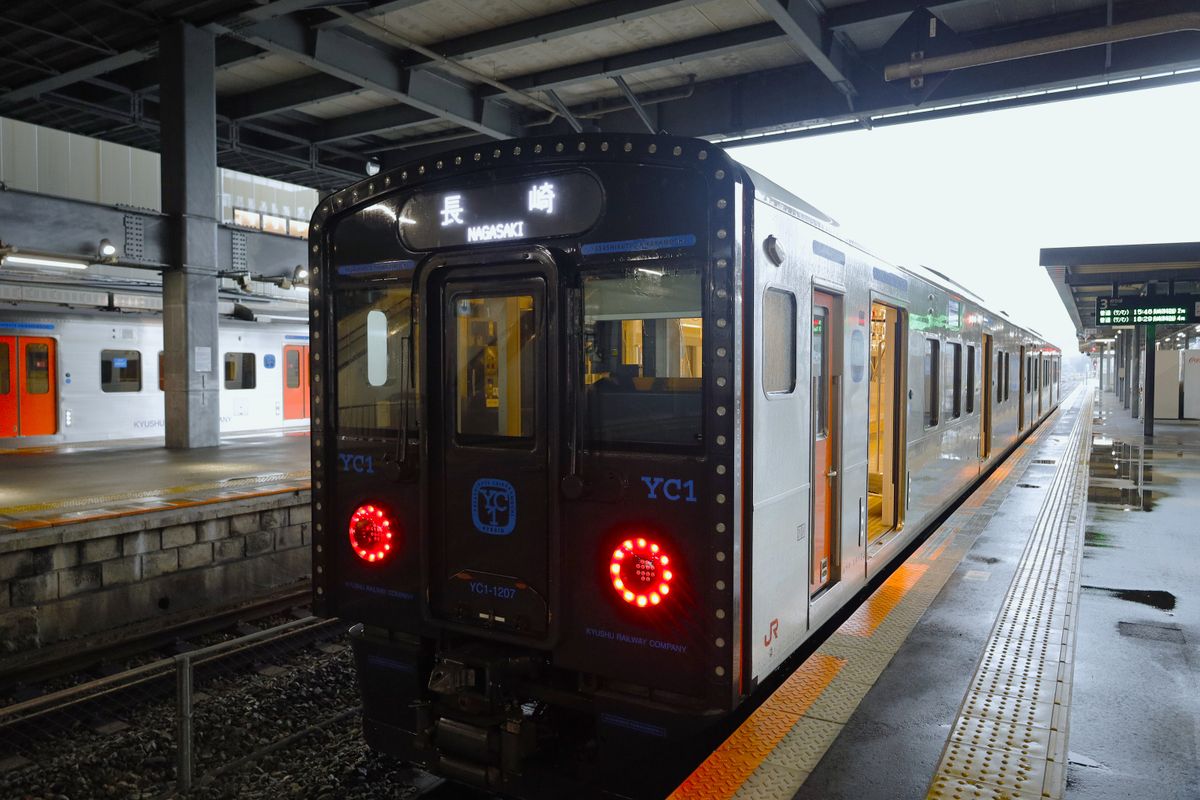
Nagasaki is served by Nagasaki Airport, which receives flights from Tokyo Haneda (approximately 1 hour 40 minutes), Osaka Itami, and other domestic destinations. By rail, the new Nishi-Kyushu Shinkansen that opened in September 2022 connects Nagasaki to Takeo-Onsen in approximately 23 minutes on the fastest services, from where connecting limited express trains reach Hakata (Fukuoka) in approximately 1 hour 10 minutes. From Hakata, the Sanyo and Tokaido Shinkansen continue to Osaka and Tokyo.
Before heading out, make sure you have a Japan eSIM ready to navigate, translate, and share photos without worrying about connectivity. Get your Japan eSIM (Stay connected from day 1) →
Highway buses connect Nagasaki to Fukuoka (approximately 2 hours 30 minutes) and other Kyushu cities. For visitors approaching from Hiroshima, the Sanyo Shinkansen to Hakata and the Relay Kamome and Nishi-Kyushu Shinkansen via Takeo-Onsen makes Hiroshima-Nagasaki a viable two-city western Japan itinerary in a single trip.
Getting Around Nagasaki
Nagasaki City is best explored by the tram network, which connects most major attractions including the Peace Park area, the downtown Hamanomachi shopping district, Glover Garden, and the Dejima waterfront area. A one-day tram pass (600 yen) covers unlimited travel throughout the day and is excellent value for a full day of Nagasaki sightseeing. The city’s hilly topography means that walking between some attractions involves steep climbs, so the tram provides welcome relief between the more elevated sites.
For the Hashima Island tours, boats depart from Nagasaki Port and the journey takes approximately 40 minutes. Several tour operators offer Hashima day tours including boat transport and guided landing (weather permitting). Advance booking is strongly recommended. For the Goto Islands and Iki Island, regular ferries and high-speed boats operate from Nagasaki Port and from Hakata in Fukuoka.
Where to Stay in Nagasaki
Nagasaki City has a range of accommodation from budget guesthouses to mid-range and luxury hotels. The downtown Hamanomachi area is convenient for shopping and restaurants. Hotels near the port are convenient for Hashima Island tours. For the most atmospheric experience, traditional ryokan in the hillside areas near Glover Garden offer views over the harbor that are particularly spectacular at night when the city’s lights reflect on the water. Nagasaki’s famous night view from Mount Inasa (accessible by ropeway) is one of Japan’s three great night views, and staying at a hotel or ryokan with harbor views allows you to experience this spectacle from your accommodation.
Food and Local Specialties in Nagasaki
Nagasaki chanpon is one of Japan’s most beloved regional noodle dishes — a hearty, creamy pork-and-seafood broth noodle soup created in Nagasaki in the early 20th century by a Chinese restaurant owner seeking to provide a filling, nourishing meal for Chinese students studying in the city. The dish combines thick wheat noodles with a rich broth made from pork bones, chicken, and seafood, topped with an abundant mixture of vegetables, squid, shrimp, fish cakes, and pork. Chanpon has become one of Nagasaki’s most recognized cultural exports and is eaten throughout Japan, but the original Nagasaki preparations remain the definitive version.
Sara udon, a related Nagasaki dish, uses the same chanpon toppings served over either crispy fried thin noodles or soft thick noodles rather than in soup, creating a dish of contrasting textures that is equally beloved. Castella (kasutera), a Portuguese-derived sponge cake that has been produced in Nagasaki since the 16th century when Portuguese missionaries introduced the recipe, remains one of Japan’s most distinctive regional confections. The Nagasaki castella made by traditional producers using long-established recipes — dense, moist, with a caramelized bottom crust from sugar and honey — is unlike commercial versions available elsewhere.
Day Trips and Nearby Destinations
From Nagasaki City, the Shimabara Peninsula to the east offers excellent volcanic landscapes around Mount Unzen, historic Christian martyrdom sites, and the Shimabara Castle. The Unzen-Amakusa National Park spans the peninsula and part of Kumamoto Prefecture, with active volcanic fumaroles at Unzen Onsen providing dramatic geothermal scenery. Hirado Island to the north, accessible by bridge from the mainland, has extraordinary Christian heritage and a beautifully preserved Portuguese-era townscape that provides another dimension to Nagasaki’s cosmopolitan history.
Best Time to Visit Nagasaki
Nagasaki is worth visiting at any time of year, but certain periods have particular significance or appeal. August 9 — the anniversary of the atomic bombing — is one of the most meaningful times to visit for those wishing to attend the Peace Ceremony and experience the city’s collective memory and commemoration. Spring brings cherry blossoms to the city’s hills and excellent weather for exploring the outdoor sites and Hashima Island tours. Autumn is outstanding for the Nagasaki Kunchi festival in October, one of Kyushu’s most spectacular traditional festivals featuring dragon dances and elaborate Dutch ship float performances that reflect the city’s multicultural heritage. The Lantern Festival in February, when the Chinatown and surrounding streets fill with thousands of red lanterns for Chinese New Year, is another spectacular seasonal event.
Hidden Gems and Local Tips for Nagasaki
The Urakami Cathedral (Immaculate Conception Cathedral), rebuilt after the atomic bombing on the same site where the original cathedral was destroyed, is one of Japan’s most moving religious sites — a place where the history of Japan’s suppressed Catholic community, the tragedy of August 9, 1945, and the resilience of continued faith are all embodied in a single architectural space. The cathedral’s stone walls on the surrounding grounds are original fragments from the destroyed pre-war building, preserved as testimony.
Fukusaiji Temple’s remarkable underground gallery of atomic bomb survivor testimony and Buddhist memorial art is almost completely unknown to international visitors but profoundly affecting. Local tip: Nagasaki’s Chinatown (Shinchi Chinatown), one of Japan’s three great Chinatowns, is the best place for authentic chanpon and sara udon at lunch — the restaurants surrounding the central gate open at lunch only and serve some of the most honest versions of these classic Nagasaki dishes at very reasonable prices.
Practical Information for Nagasaki
Nagasaki Prefecture operates on Japan Standard Time (JST, UTC+9). English-language materials are excellent at the Atomic Bomb Museum, Peace Park, and Glover Garden, all of which receive significant international visitor numbers. Hashima Island tours are available with English-speaking guides from several operators. The Dejima museum has comprehensive English-language displays. The city’s official tourism website provides detailed English planning resources. International credit cards are accepted at major hotels and tourist facilities.
Budget Guide for Nagasaki
Nagasaki is a moderately priced destination. The Atomic Bomb Museum costs 200 yen for adults and university students, and is free for high school students and younger. Glover Garden entry is 620 yen. Hashima Island boat tours cost approximately 4,500 to 5,000 yen including landing. Budget travelers can manage on 8,000 to 12,000 yen per day. Mid-range business hotels in the city center cost 8,000 to 15,000 yen per night. Chanpon at a good local restaurant costs 1,000 to 1,500 yen. A box of traditional Nagasaki castella from a quality producer costs 1,500 to 3,000 yen and makes an excellent souvenir.
Frequently Asked Questions About Nagasaki
Should I visit both Hiroshima and Nagasaki?
If your itinerary allows, visiting both cities provides the most complete understanding of Japan’s atomic bomb history and its lasting significance. While the historical events are connected, the two cities have distinct personalities, different memorial approaches, and very different architectural and cultural characters. Hiroshima’s Peace Memorial Park and Museum focus on the 1945 bombing with extensive documentary evidence, while Nagasaki’s approach emphasizes the city’s broader historical context and multicultural heritage alongside the atomic bombing narrative. Both deserve full-day visits dedicated to their memorial sites.
Is Hashima Island tour worth it?
The Hashima Island tour is one of Nagasaki’s most distinctive and memorable experiences, and for those with an interest in industrial heritage, 20th-century Japanese history, or simply extraordinary visual environments, it is absolutely worth doing. The landing tour (weather permitting) is significantly more interesting than the sea-only tour as it allows you to stand within the ruins rather than viewing them from a boat. Book in advance as tours sell out, particularly on weekends. Allow approximately 3 hours for the full boat journey, landing, guided tour, and return.
What is Nagasaki chanpon and where can I eat it?
Nagasaki chanpon is a rich noodle soup created in Nagasaki in the early 20th century, combining thick wheat noodles with a creamy pork-seafood broth and an abundant topping of vegetables, seafood, and pork. It is one of Nagasaki’s most beloved dishes and is found at restaurants throughout the city. The most famous chanpon restaurant is Shikairou in Nagasaki’s Chinatown, the restaurant that claims to have created the original recipe over 100 years ago, where the chanpon is notably rich and complex. Many other excellent chanpon restaurants operate in the Hamanomachi shopping area and the Chinatown vicinity.
What is castella and why is it associated with Nagasaki?
Castella (kasutera in Japanese) is a moist, dense sponge cake made with eggs, sugar, honey, and flour, with a distinctive caramelized bottom crust. The recipe was introduced to Japan by Portuguese missionaries and traders in the 16th century and has been produced in Nagasaki continuously ever since, evolving into a distinctly Japanese confection. Traditional Nagasaki castella from producers like Fukusaya (established 1624) or Shooken is dramatically different from commercial versions — richer, moister, and more nuanced in flavor. It is one of Japan’s most celebrated regional confections and makes the quintessential Nagasaki souvenir.
What makes Nagasaki’s history unique?
Nagasaki’s uniqueness derives from its extraordinary position as Japan’s only officially sanctioned window to the outside world during the Edo period (1639-1854). While the rest of Japan maintained strict isolation from foreign contact, Nagasaki hosted Dutch traders on Dejima, Chinese merchants in the Chinatown district, and maintained limited contact with Korea. The result was a city that absorbed multiple foreign cultural influences — Portuguese Christianity, Chinese art and cuisine, Dutch science and medicine — and blended them with Japanese tradition to create something genuinely unique in the world.
Can I visit the Peace Park on August 9?
Yes, and visiting on August 9 is one of the most meaningful ways to experience Nagasaki’s peace heritage. The annual Peace Ceremony begins in the mid-morning, with a minute of silence at 11:02 AM, the exact moment of the detonation, followed by speeches and the release of doves. The ceremony is open to the public and attended by Nagasaki residents, survivors and their descendants, government officials, and international visitors. The atmosphere of collective memory and ongoing commitment to nuclear abolition on this day is unlike any other day of the year. Accommodation should be reserved well in advance as August 9 sees significant visitor numbers.
What is the Nagasaki Kunchi festival?
The Nagasaki Kunchi is one of Japan’s most spectacular traditional festivals, held October 7-9 each year at Suwa Shrine. The festival features elaborate processions including Chinese-style dragon dances, Dutch ship floats, and performed dances that reflect the city’s multicultural heritage accumulated during the centuries of port trade. Each year different neighborhoods (which rotate on a seven-year cycle) prepare and perform, ensuring that the festival’s repertoire is constantly evolving while maintaining its core traditional forms. The festival’s dedicatory performances are designated a National Important Intangible Folk Cultural Property and is one of Japan’s great autumn cultural events.
Are there beaches near Nagasaki?
Yes, Nagasaki Prefecture has several excellent beaches, particularly on the Shimabara Peninsula and throughout the island archipelago. The Goto Islands offer some of the clearest and most beautiful water in western Japan, with beaches that rival Okinawa in transparency and appeal. Hirado Island has several good beaches and the advantage of bridge access from the mainland. The waters around Nagasaki’s numerous islands are also popular for diving and snorkeling, with good visibility and diverse marine life supported by the warm currents that flow through the East China Sea.
3-Day Nagasaki Itinerary: Atomic History, Dutch Legacy, and Island Hopping
Day 1: Peace Park and Atomic Bomb History
Begin at Nagasaki Peace Park and the adjacent Nagasaki Atomic Bomb Museum — a profoundly moving experience that documents the August 9, 1945 bombing and its aftermath in extraordinary detail. The museum presents both the physical destruction (the bomb detonated 500m north of the current park) and the human stories of survivors (hibakusha) with a level of historical honesty and emotional power that makes it one of the world’s most important peace memorials. The nearby Urakami Cathedral (Urakami Tenshu-do), rebuilt after the bomb destroyed the original structure 500m from the hypocenter, stands as a powerful symbol of community resilience — Urakami was home to Japan’s largest community of hidden Christians (kakure kirishitan) who practiced the faith secretly for over 250 years of Edo-period prohibition. Take the Nagasaki Electric Tram (streetcar) throughout the day — one of Japan’s oldest and most charming urban tram networks still in regular operation.
Day 2: Dejima and the International Heritage
Visit Dejima — the fan-shaped artificial island where Dutch traders were confined during Japan’s sakoku (isolation) period (1641–1853), Japan’s sole window to the Western world for over 200 years. The meticulously reconstructed warehouses, living quarters, and trade facilities bring this extraordinary historical arrangement vividly to life. Explore Chinatown (Shinchi) — Japan’s oldest Chinatown (established 1688), still vibrant with Chinese restaurants and shops. Walk to Glover Garden on the hillside — an open-air museum of 19th-century Western-style merchant residences including the home of Thomas Glover, a Scottish entrepreneur who played a crucial role in Japan’s Meiji industrialization. The garden’s hillside position offers stunning harbor views. Try champon noodles (a rich pork-and-seafood broth noodle dish invented in Nagasaki’s Chinatown in the Meiji era) and sara-udon (fried noodles with a similar topping) for lunch — Nagasaki’s most distinctive culinary contribution to Japanese cuisine.
Day 3: Goto Islands or Huis Ten Bosch
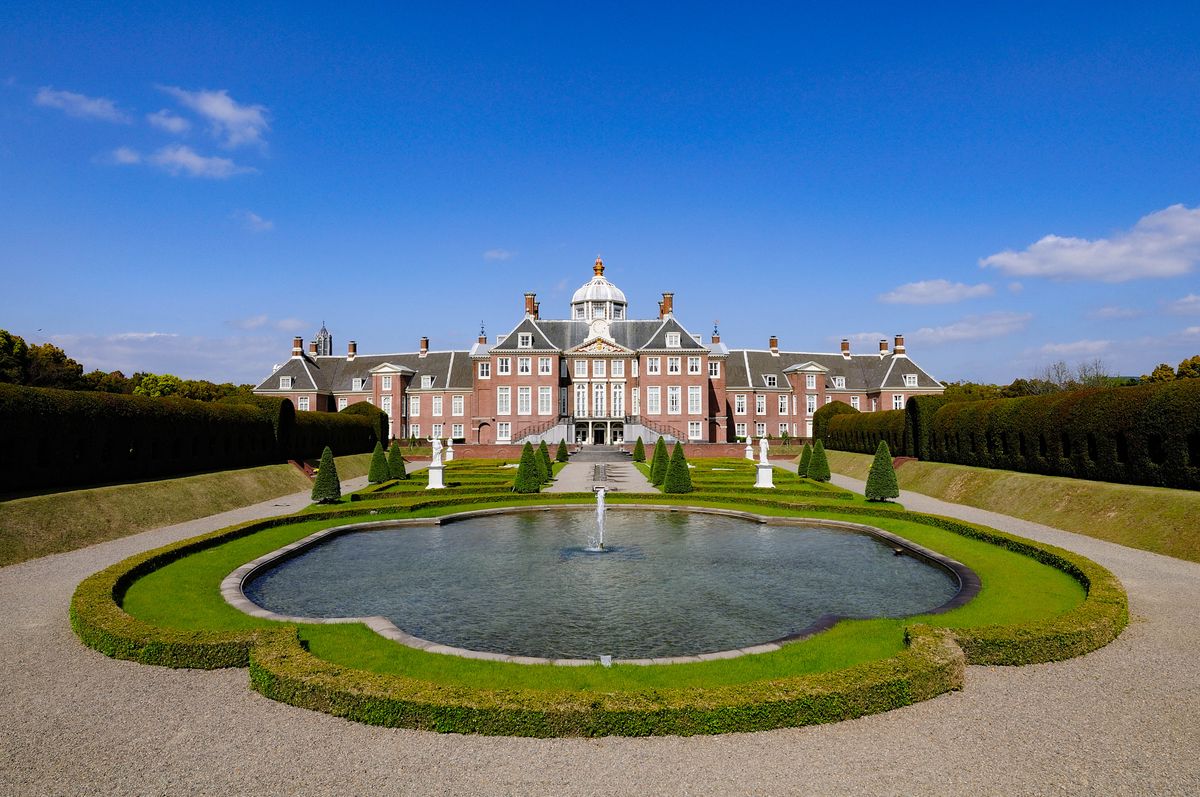
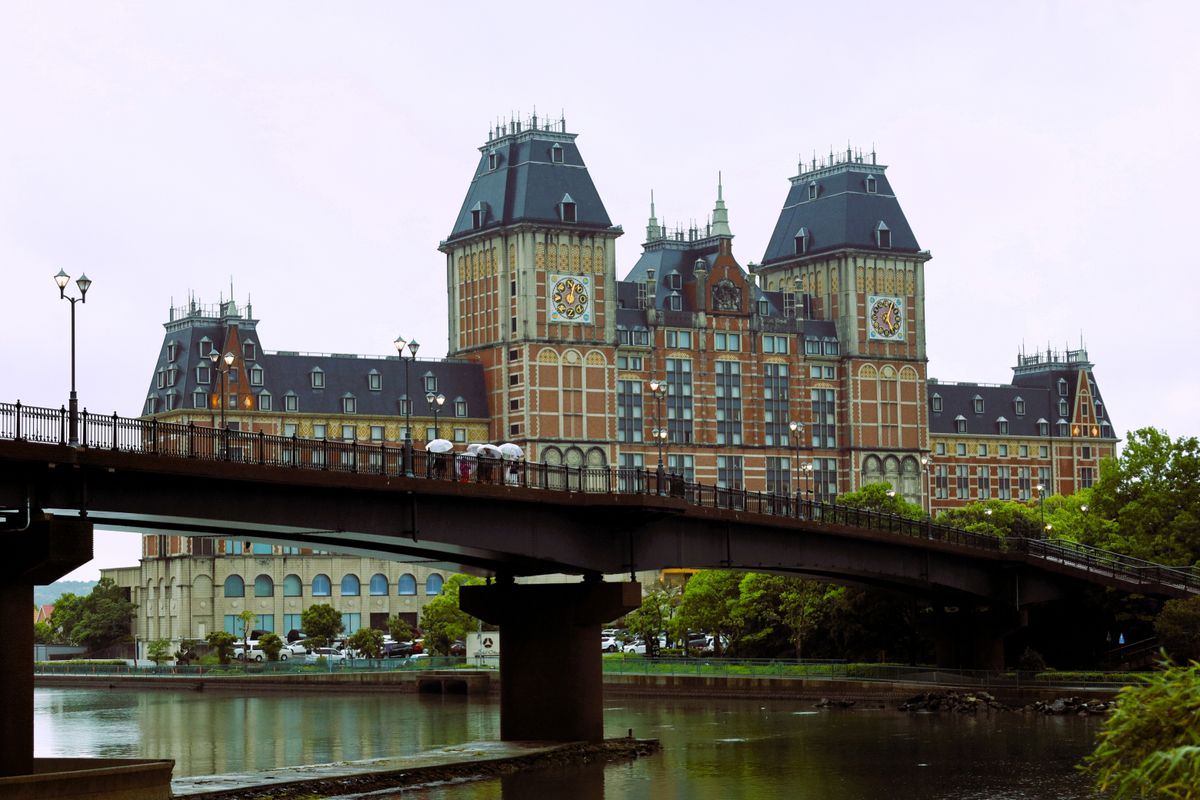
Choose between two dramatically different experiences. For natural and cultural depth: take a high-speed ferry to the Goto Islands (Fukue Island, 90 minutes from Nagasaki Port) — a remote archipelago where ancient churches built by the kakure kirishitan hidden Christians form part of the UNESCO World Heritage “Hidden Christian Sites of Nagasaki.” The beautiful old stone churches standing in fishing villages against the backdrop of the East China Sea create an extraordinary atmosphere of spiritual endurance. For entertainment: Huis Ten Bosch in Sasebo (accessible by bus from Nagasaki) is Japan’s most elaborate European-themed resort — a recreation of a Dutch city with accurate architecture, tulip gardens, and extensive entertainment facilities. Enormous and somewhat surreal, it delights visitors who enjoy the playful Japan-interprets-Holland atmosphere.
Shopping Guide: Nagasaki Souvenirs
Nagasaki’s unique multicultural heritage creates distinctive souvenir options. Castella sponge cake (kasutera) — introduced by Portuguese traders in the 16th century and refined into a uniquely Japanese form over 400 years — is Nagasaki’s most famous food souvenir. Fukusaya and Shooken are the most renowned castella makers, with gift boxes beautifully packaged. Nagasaki champon instant noodle packs are popular food souvenirs capturing the city’s unique culinary heritage. Tortoiseshell craft goods (bekko — traditionally made from real hawksbill turtle shell, now exclusively from synthetic material following conservation laws) are a traditional Nagasaki craft with a 400-year history of Dutch trade influence. Hasami-yaki pottery from Hasami Town near Sasebo — minimalist white porcelain tableware with a 400-year history — has become internationally recognized for its contemporary design and exceptional quality. Colorful Nagasaki lantern festival goods (paper lanterns, Chinese-influenced decorations) celebrate the city’s Chinese heritage year-round.
Family-Friendly Activities in Nagasaki
Dejima‘s reconstructed Dutch trading post is fascinating for older children interested in history — the life-size reconstructions, period costumes worn by guides, and interactive exhibits about the unusual Dutch-Japanese trading relationship create an engaging educational experience. Nagasaki Penguin Aquarium houses the world’s largest variety of penguin species (9 species, 170+ penguins) and has an outdoor area where penguins parade on a beach path — extraordinarily charming for children. Huis Ten Bosch with its extensive grounds, theme park rides, tulip displays, and elaborate illumination events is a full-day family destination particularly popular in spring and during winter illumination seasons. The Nagasaki Electric Tram itself is a family-friendly transportation experience — children enjoy riding the vintage streetcars through the city’s hills and harbor areas.
Solo Travel Tips for Nagasaki
Nagasaki is one of Japan’s most rewarding cities for solo travelers with an interest in history and culture. The city’s hilly topography — traversed by streetcar and on foot — creates a constantly changing visual experience. Solo visitors to the Atomic Bomb Museum and Peace Park find the experience deeply personal; the museum’s respectful and honest presentation invites individual reflection in ways that a group tour cannot replicate. The Goto Islands day trip is perfect for solo travelers — the ferry journey, island cycling, and hidden church discoveries create a complete and deeply satisfying solo adventure. Nagasaki’s izakaya culture in the Shianbashi entertainment district is welcoming to solo diners and offers excellent champon, kakuni (braised pork belly), and local Goto sake in a lively, friendly atmosphere.
Frequently Asked Questions About Nagasaki
How do I get to Nagasaki from Fukuoka or Osaka?
From Fukuoka (Hakata): the Nishikyushu Shinkansen (opened September 2022) connects Takeo-Onsen to Nagasaki in 23 minutes — combined with the Relay Kamome limited express from Hakata to Takeo-Onsen (about 1 hour), total journey is about 1h20m. Alternatively, highway buses from Hakata and Tenjin reach Nagasaki in about 2.5 hours. From Osaka: fly to Nagasaki Airport (90 minutes, JAL/ANA/Starflyer) — the most time-efficient option for the 900-km distance.
Is the Nagasaki Atomic Bomb Museum appropriate for children?
The museum presents difficult historical content including images of bomb victims and descriptions of radiation illness. Most Japan educators recommend the museum for children 10 years and older. The museum’s tone is measured and educational rather than gratuitously graphic — its primary message is one of peace and nuclear abolition. Parents should preview the exhibits and gauge their children’s maturity. For younger children, the Peace Park and Peace Statue outside provide a meaningful experience without the most difficult exhibit content. The museum staff are experienced in supporting emotionally difficult visits for international families.
What are Nagasaki’s hidden Christian sites?
The “Hidden Christian Sites of the Nagasaki Region” were inscribed as UNESCO World Heritage in 2018. The sites document the extraordinary story of Japanese Christians who maintained their faith secretly for over 250 years after the Tokugawa Shogunate banned Christianity nationwide in 1614 (following Hideyoshi’s execution of the 26 Martyrs in 1597) until religious freedom was restored in 1873. The 12 UNESCO sites include churches such as Oura Cathedral in Nagasaki City (built in 1864 for foreign residents, where hidden Christians revealed themselves in 1865), the Goto Island churches, and related historical sites. The human story of religious persistence and cultural syncretism (hidden Christians blended their faith with Buddhist and Shinto practices as camouflage) is one of the most remarkable in Japanese history.
Getting Around Nagasaki and Practical Information
The Nagasaki Electric Tram (streetcar) is the most enjoyable way to navigate central Nagasaki — a flat day pass (¥600) covers unlimited rides on the whole network and reaches most major sights. The Nishikyushu Shinkansen connects Nagasaki to Takeo-Onsen (23 minutes) where passengers transfer to the Kamome limited express for Hakata/Fukuoka (total about 1h10m from Nagasaki). Ferries to the Goto Islands depart from Nagasaki Port throughout the day. Buses connect the city center to Nagasaki Airport (45 minutes). A day-use IC card (Suica or Hayakaken) covers tram, bus, and JR travel within the city efficiently.
Money: Cash is essential at traditional markets, smaller restaurants, and rural onsen facilities. ATMs at 7-Eleven and Japan Post offices accept international cards throughout the prefecture. Major hotels and department stores accept credit cards. Language: English signage is available at major attractions. Staff at tourist information centers near major stations typically speak basic English. Translation apps work well for everyday communication. Tourist Information: Each prefecture’s main train station has a tourist information desk stocking English maps and event schedules.
Nagasaki Prefecture extends beyond its famous city to encompass a remarkable archipelago of outer islands. The Tsushima Islands near the Korean Peninsula harbor the rare Tsushima leopard cat, the endemic Tsushima leopard cat (an endangered subspecies), and ancient fortifications from Japan’s 13th-century defense against Mongol invasions — a uniquely remote and historically layered destination for adventurous travelers. The Hirado Peninsula on Nagasaki’s northwest coast preserves Japan’s earliest documented Portuguese and Dutch trading sites alongside Kakure Kirishitan hidden Christian heritage in a landscape of extraordinary historical density.
Related guides
- Kirishima Travel Guide 2026: A First-Timer’s Guide to Sacred Shrines, Volcanic Trails, and Kyushu’s Best Onsen in Kagoshima
- Takachiho Gorge Travel Guide 2026: Rowboats, the Sea of Clouds, and Japan’s Sacred Myths in Miyazaki
- Aoshima Island and the Nichinan Coast: A First-Timer’s Guide to Miyazaki’s Subtropical Shrines and Devil’s Washboard
Going to Japan? Speak Japanese with confidence.
Hirameki Japanese — camera translate for menus and signs, a two-way conversation mode, and furigana + romaji on every phrase. Free to download with kana charts, conversation mode and starter words; a one-time purchase unlocks everything.
⬇ Get it on the App Store
Plan your Japan trip
Two things every first-timer should book
Some links are affiliate links. If you book through them we may earn a small commission at no extra cost to you.