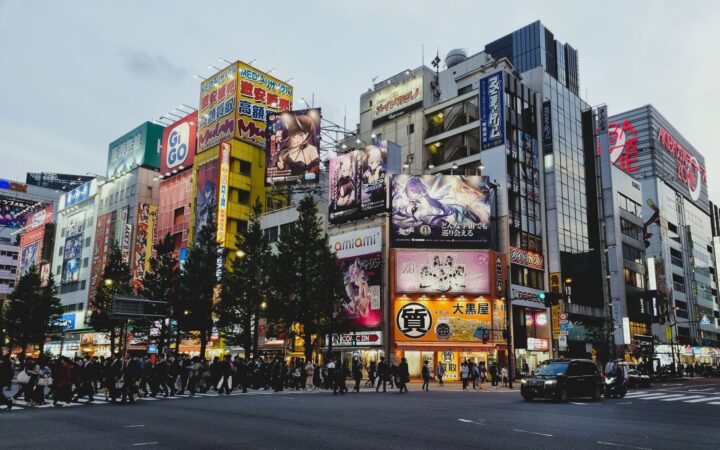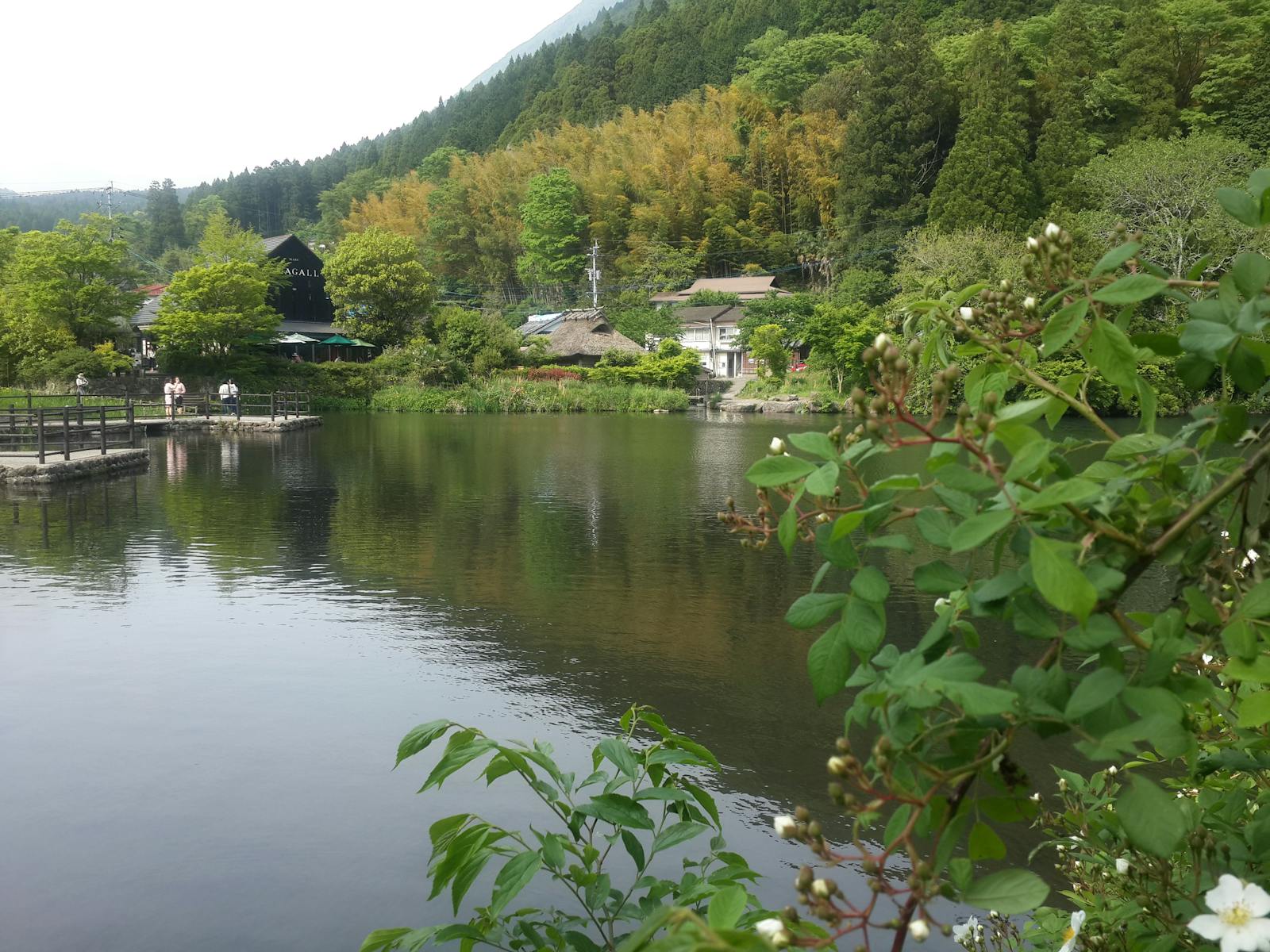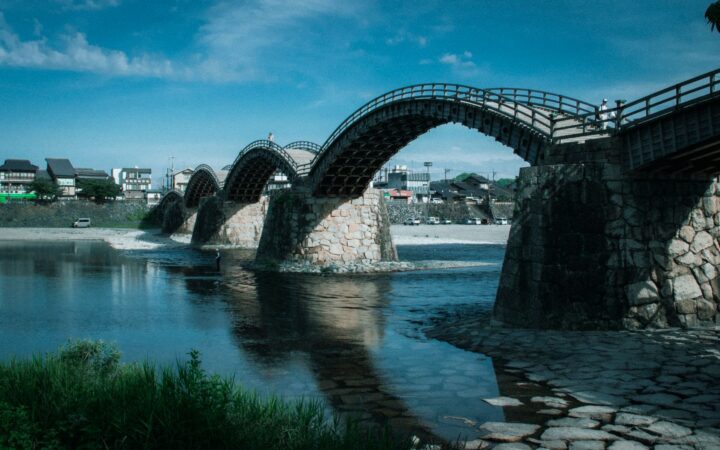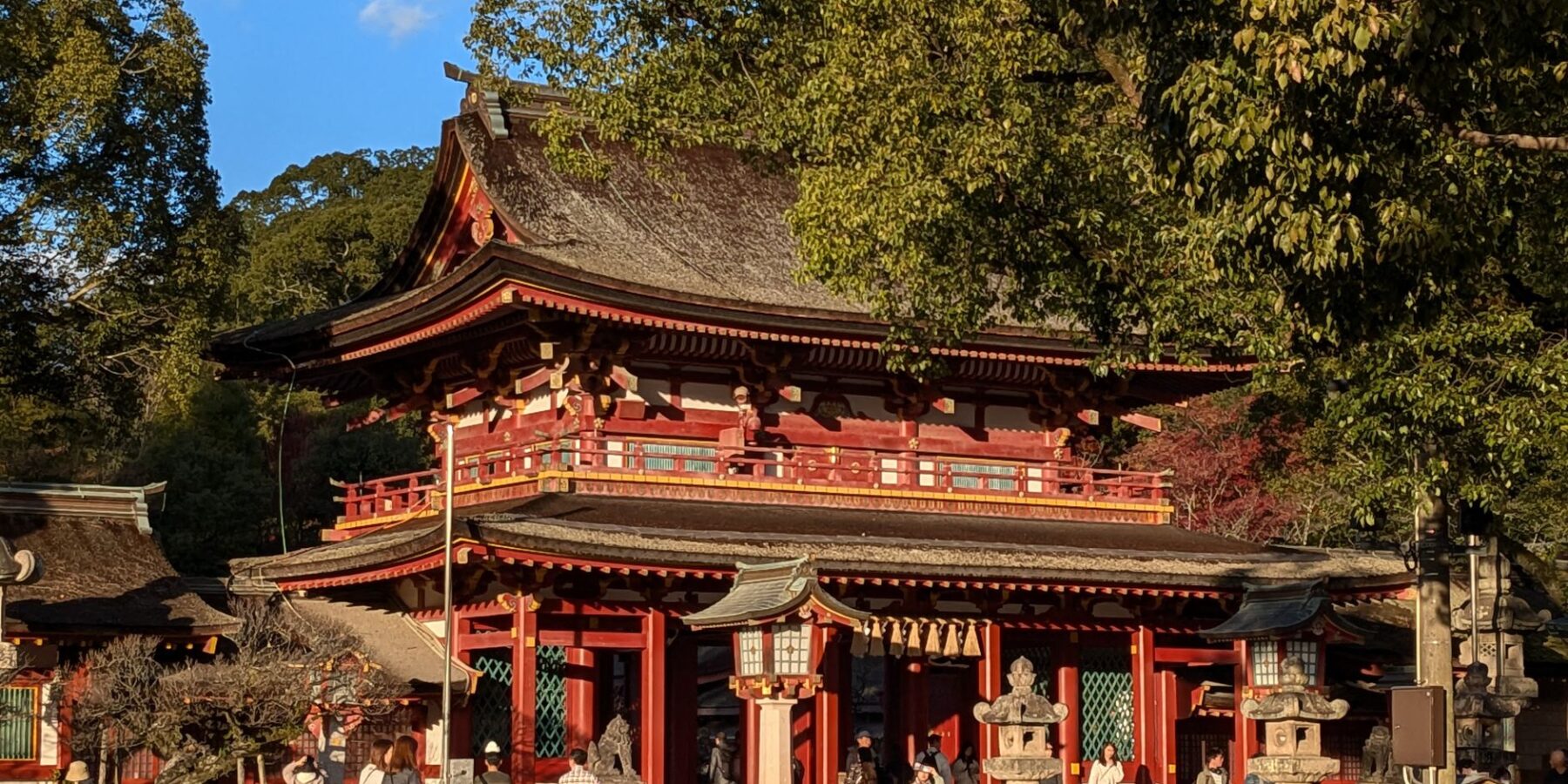
Hidden in the hills of Fukuoka Prefecture, just 40 minutes south of the neon-lit city streets of Hakata, lies one of Kyushu’s most spiritually significant and historically fascinating destinations. Dazaifu (太宰府) is a city shaped by over 1,300 years of history — once the administrative capital of the entire island of Kyushu during the Nara and Heian periods (710–1185 CE), it is today home to the magnificent Dazaifu Tenmangu Shrine, the Kyushu National Museum, beautiful plum-blossom gardens, and a charming covered shopping street lined with the area’s most famous sweet: umegae mochi.
For first-time visitors to Japan, Dazaifu offers something genuinely different from the temple circuits of Kyoto or the skyscraper canyons of Tokyo. Here, history is palpable — you can walk the ruins of ancient government offices, stand before a shrine that has been the focus of millions of prayers for over a millennium, and watch schoolchildren in uniforms clapping their hands in prayer before entrance exams. Dazaifu is where Japan’s reverence for learning, poetry, and the past converge in one beautifully preserved landscape.
This guide covers everything you need to know to plan your Dazaifu visit: how to get there from Fukuoka city, what to see at the Tenmangu shrine and surrounding historical sites, where to try the famous umegae mochi, how to combine Dazaifu with a broader Fukuoka itinerary, the best season to visit, and practical tips for travelling the area. Whether you have three hours or a full day, Dazaifu will leave a lasting impression.
Before you travel, don’t leave home without reliable data coverage. Get your Japan eSIM (Stay connected from day 1) →
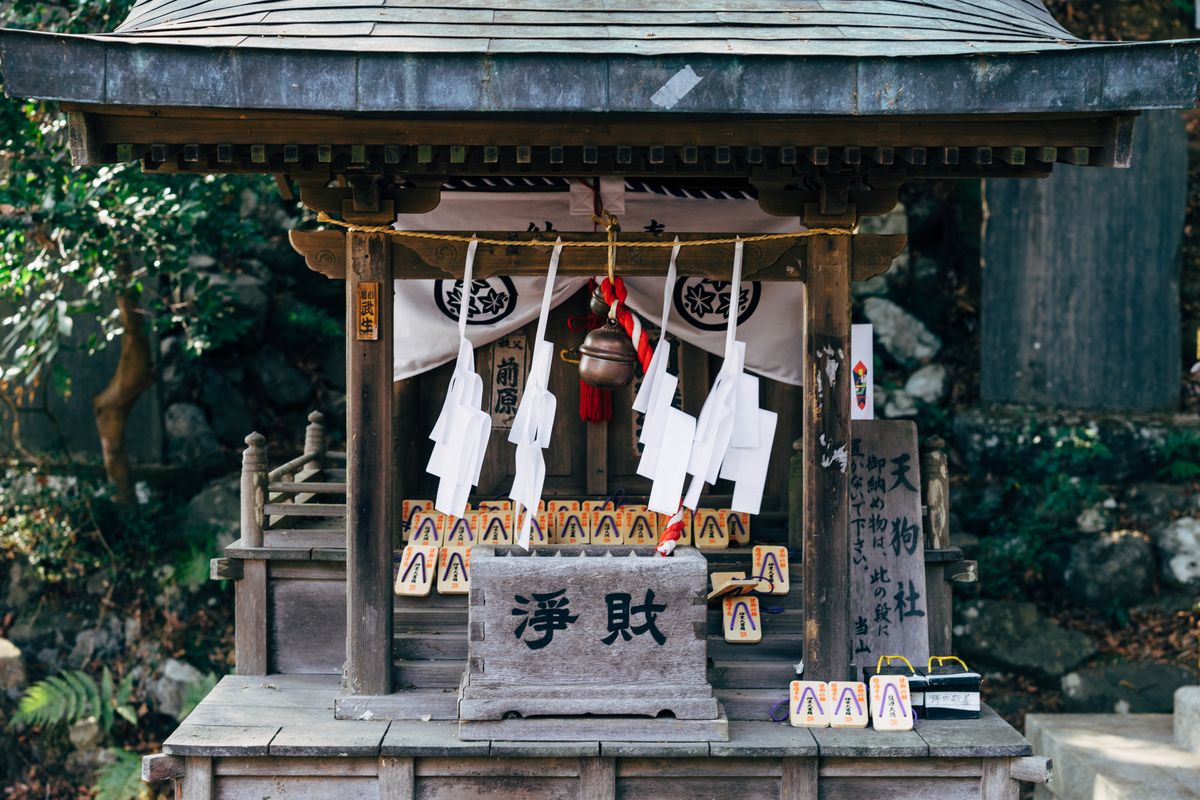
The History of Dazaifu: From Ancient Capital to Sacred Shrine
To understand Dazaifu, you need to understand the man at its heart: Sugawara no Michizane (845–903 CE). Michizane was one of the most brilliant scholars, poets, and politicians of the Heian period. Rising to become a senior government minister — one of the most powerful positions in Japan at the time — he was a favourite of Emperor Uda, a prolific writer of Chinese poetry, and a respected Confucian thinker. But his brilliance attracted enemies.
In 901 CE, Michizane was falsely accused of plotting against the imperial family by the rival Fujiwara clan. He was stripped of his titles and exiled to Dazaifu, then a remote administrative outpost at the edge of the empire, where he served as a deputy governor in name but was effectively a prisoner. He died there two years later in 903 CE, aged 58, broken-hearted and separated from his family and the capital he loved.
What followed his death is one of Japan’s great tales of posthumous vindication. A series of catastrophes — lightning strikes destroying the imperial palace, plague, drought, and the deaths of several of his accusers — were attributed to Michizane’s vengeful spirit. Frightened, the imperial court attempted to appease him by posthumously restoring his titles, then by deifying him as Tenjin (天神), the god of learning and scholarship. A shrine was built at the site of his tomb in Dazaifu, which became the original Dazaifu Tenmangu.
Today, Dazaifu Tenmangu is one of approximately 12,000 Tenmangu and Tenmangū shrines across Japan, all dedicated to Tenjin/Michizane. The Dazaifu shrine is the most important of these, considered the head shrine (sosha) of all Tenmangu. Every year, millions of students come to pray for success in entrance examinations — Michizane’s spirit as a god of learning is perhaps the most actively invoked divine protection in modern Japan.
How to Get to Dazaifu from Fukuoka (Hakata)
By Train (Nishitetsu Railway)
The easiest and most common way to reach Dazaifu from central Fukuoka is via the Nishitetsu (Nishi-Nippon Railroad) train network. From Nishitetsu Fukuoka (Tenjin) Station in central Fukuoka, take the Nishitetsu Omuta Line toward Ogori and change at Nishitetsu-Futsukaichi Station, then board the Dazaifu Line for two stops to Nishitetsu-Dazaifu Station. The entire journey takes approximately 40 minutes and costs ¥410 (approx. USD $2.80) one way.
There is also a direct tourist express train, the Tabito, which runs directly from Nishitetsu Fukuoka (Tenjin) Station to Nishitetsu-Dazaifu Station on weekends, public holidays, and during major tourism seasons. No transfer is required. The journey takes about 35 minutes and costs the same fare. This is the most convenient option for tourists.
Importantly, note that Dazaifu is NOT served by the JR network, so a Japan Rail Pass cannot be used for the Nishitetsu train. You will need to pay the Nishitetsu fare separately using an IC card (Suica, ICOCA, or the local Nimoca card) or cash. IC cards work seamlessly on Nishitetsu.
From Hakata (JR Station)
If you are staying near JR Hakata Station rather than Tenjin, you can take the Fukuoka City Subway Kuko Line from Hakata to Tenjin (about 5 minutes) and board the Nishitetsu there, or take the direct Nishitetsu bus from Hakata Bus Terminal to Dazaifu. Alternatively, take a taxi from Hakata Station directly to Dazaifu (approximately ¥3,000–¥4,000 / USD $20–$27, around 30–40 minutes depending on traffic).
From Fukuoka Airport
Fukuoka Airport is conveniently close to the city centre. From the airport, take the Fukuoka City Subway Kuko Line to Tenjin Station (about 11 minutes, ¥260 / USD $1.80), then connect to the Nishitetsu at Tenjin as described above. Total travel time from Fukuoka Airport to Dazaifu is approximately 55–65 minutes. For a more comfortable transfer with luggage, consider booking a shared taxi. Book airport transfer on Kiwitaxi →
Komachi Sando: The Approach to the Shrine
Stepping off the train at Nishitetsu-Dazaifu Station, you’ll immediately find yourself at the entrance to Komachi Sando (参道) — the long, covered shopping street that leads directly to the torii gate and entrance of Dazaifu Tenmangu Shrine. This is one of the most pleasant and atmospheric approach streets in all of Kyushu, lined on both sides with traditional-style shops, restaurants, and stalls selling local specialities.
The approach is about 800 metres long, and the walk from the station to the shrine gate takes approximately 10–15 minutes at a leisurely pace — though most visitors take considerably longer, pausing to browse the shops and sample the local food. On weekends and during peak season, the street is lively with school students, families, and foreign tourists; on quiet weekday mornings, it has a serene, old-town charm.
Umegae Mochi — The Essential Dazaifu Snack
The most important thing to eat in Dazaifu is umegae mochi (梅ヶ枝餅) — a round, flat rice cake (mochi) filled with sweet adzuki bean paste and pressed with a distinctive plum blossom pattern on its surface. This iconic sweet is deeply tied to the legend of Sugawara no Michizane: according to tradition, an elderly woman known as Jōmyō-ni passed mochi, skewered on a plum branch, to the exiled Michizane, who was suffering in poverty and hunger. After his death and deification, the sweet became an offering at his shrine and, in time, the symbol of Dazaifu’s confectionery culture.
Today, umegae mochi is sold at dozens of shops along Komachi Sando and near the shrine. Each shop makes them fresh throughout the day, cooking them on cast-iron griddles that impart a slightly crispy exterior while keeping the interior soft and pillowy. They are best eaten hot, fresh off the griddle. One umegae mochi typically costs ¥180–¥220 (approx. USD $1.20–$1.50). It’s traditional to eat two or three as you walk the Sando.
A few shops have become particularly famous: Kasanoya and Dazaifu Sando Chaya are long-established names, but honestly most shops along the street produce excellent versions. Look for the shops with the longest queues — they’re usually the freshest. Some shops also offer seasonal variations: matcha-flavoured mochi, strawberry mochi in winter, and yuzu citrus versions in autumn.
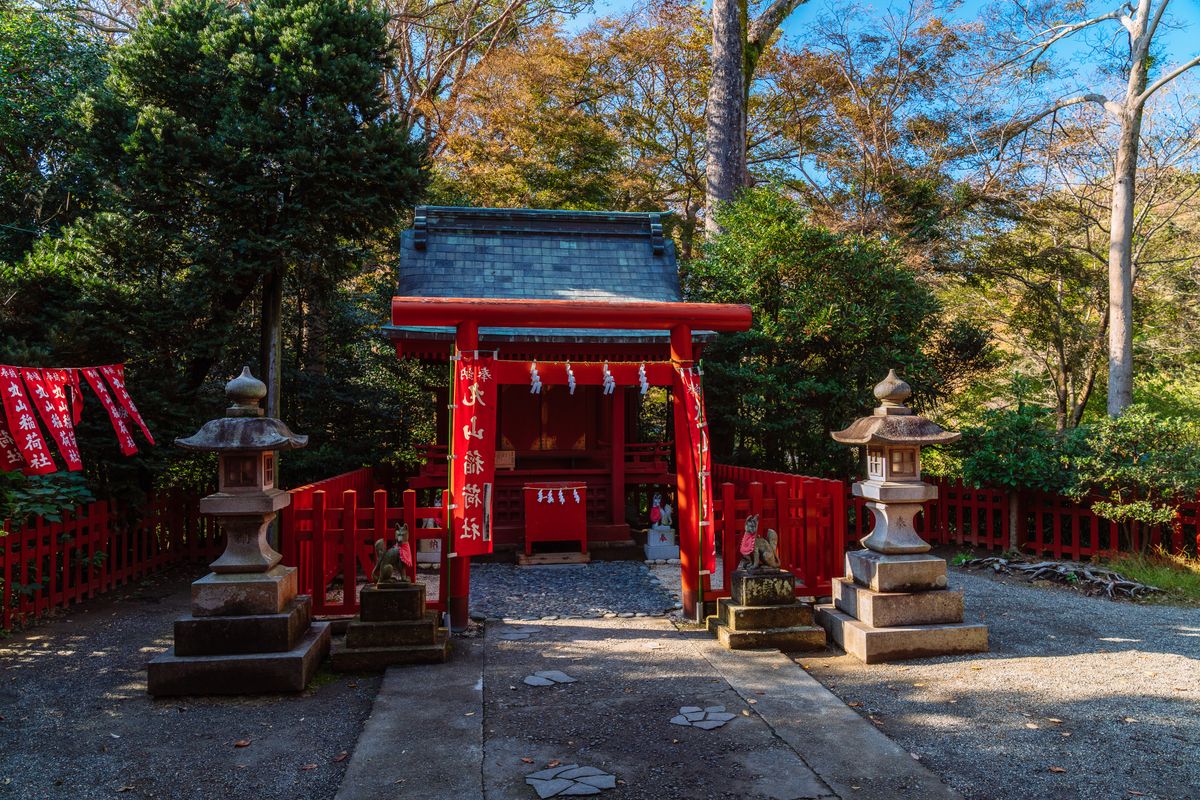
Dazaifu Tenmangu Shrine
The Approach and Grounds
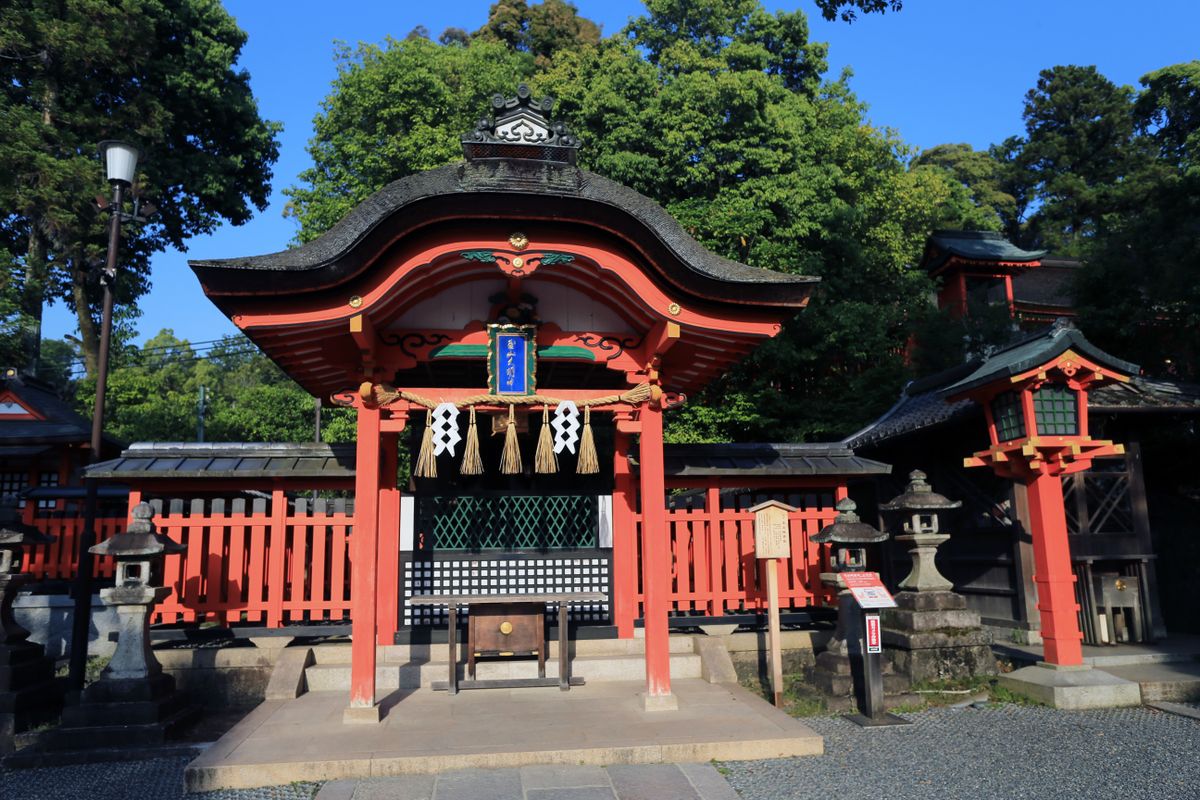
Passing through the main torii gate and over the symbolic arched bridges — representing the past (forward-arched bridge), present (flat bridge), and future (back-arched bridge) — you enter the sacred grounds of Dazaifu Tenmangu Shrine. The approach passes through a dense cedar and camphor forest, past stone lanterns, subsidiary shrines, and the famous plum trees, before reaching the main hall.
Admission to the shrine grounds is free, and the shrine is open year-round. Most of the main precinct can be explored without charge. The inner treasure house museum charges ¥500 (approx. USD $3.40) for entry to its collection of historical artefacts, calligraphy, and offerings presented to the shrine over the centuries.
The Main Hall (Honden)
The current main hall of Dazaifu Tenmangu was built in 1591 and is a designated Important Cultural Property of Japan. Its architectural style is a striking example of gongen-zukuri — a form that connects the inner sanctuary (honden) and the outer worship hall (haiden) via a covered passage, creating a distinctive “H” shaped floor plan. The exterior is decorated with elaborate carvings of phoenixes, dragons, and floral motifs, painted in vermilion, black, and gold.
In front of the main hall stands the tobiume (飛梅, “flying plum”) — a legendary tree said to have uprooted itself from Michizane’s garden in Kyoto and flown overnight to Dazaifu to be near him in exile. This ancient plum tree, now well over 1,000 years old, typically blossoms ahead of all the other plum trees on the shrine grounds — a phenomenon that devotees interpret as evidence of the tree’s supernatural origins.
Praying at Tenmangu: How to Show Respect
If you’d like to pray at the shrine in the traditional manner, follow these steps: approach the main hall, toss a coin into the offertory box (any denomination — ¥5 coins are considered especially lucky as the Japanese word for 5 yen, go-en, is a homophone for “good fortune/connection”), bow twice deeply, clap your hands twice, make your prayer or wish (asking Tenjin’s blessing for success in studies or work is the traditional purpose), and bow once more. Photography of the main hall exterior is generally acceptable; inside the haiden, use your judgment and follow any posted guidelines.
Ema and Omamori
Like all major Japanese shrines, Dazaifu Tenmangu sells ema (wooden votive plaques, ¥500–¥1,000) on which visitors write their wishes and hang them at the shrine, and omamori (protective charms, ¥500–¥1,500) for luck with exams, health, love, travel, and more. The study-success charms (gōkaku omamori) are the most popular, purchased in enormous quantities by students before major examinations. These make excellent, meaningful souvenirs to bring home for family or friends facing important life challenges.
Plum Blossoms at Dazaifu: A February and March Spectacle
Dazaifu’s most stunning visual spectacle, apart from the shrine itself, is the plum blossom season that typically runs from late January through early March. The shrine’s grounds contain approximately 6,000 plum trees of over 200 varieties, planted in honour of Michizane’s famous love of plum blossoms — a recurrent theme in his poetry. When the plum trees bloom simultaneously, the entire shrine precinct becomes a sea of pink, white, and deep crimson.
The annual Tobume Plum Festival (飛梅まつり) is held in late February and celebrates the blooming of the legendary tobume no ume plum tree. The festival includes performances of traditional music, dancing, and poetry, and the shrine grounds are particularly crowded and festive during this time. If you are visiting Japan in February or early March, Dazaifu should be near the top of your itinerary — the plum blossoms typically appear 4–6 weeks before the more famous cherry blossoms, making this an excellent early spring option.
Even outside the plum blossom season, the shrine grounds are beautiful: the camphor and cedar trees are enormous and ancient, the ponds reflect the sky and surrounding greenery, and the atmosphere is consistently peaceful and contemplative.
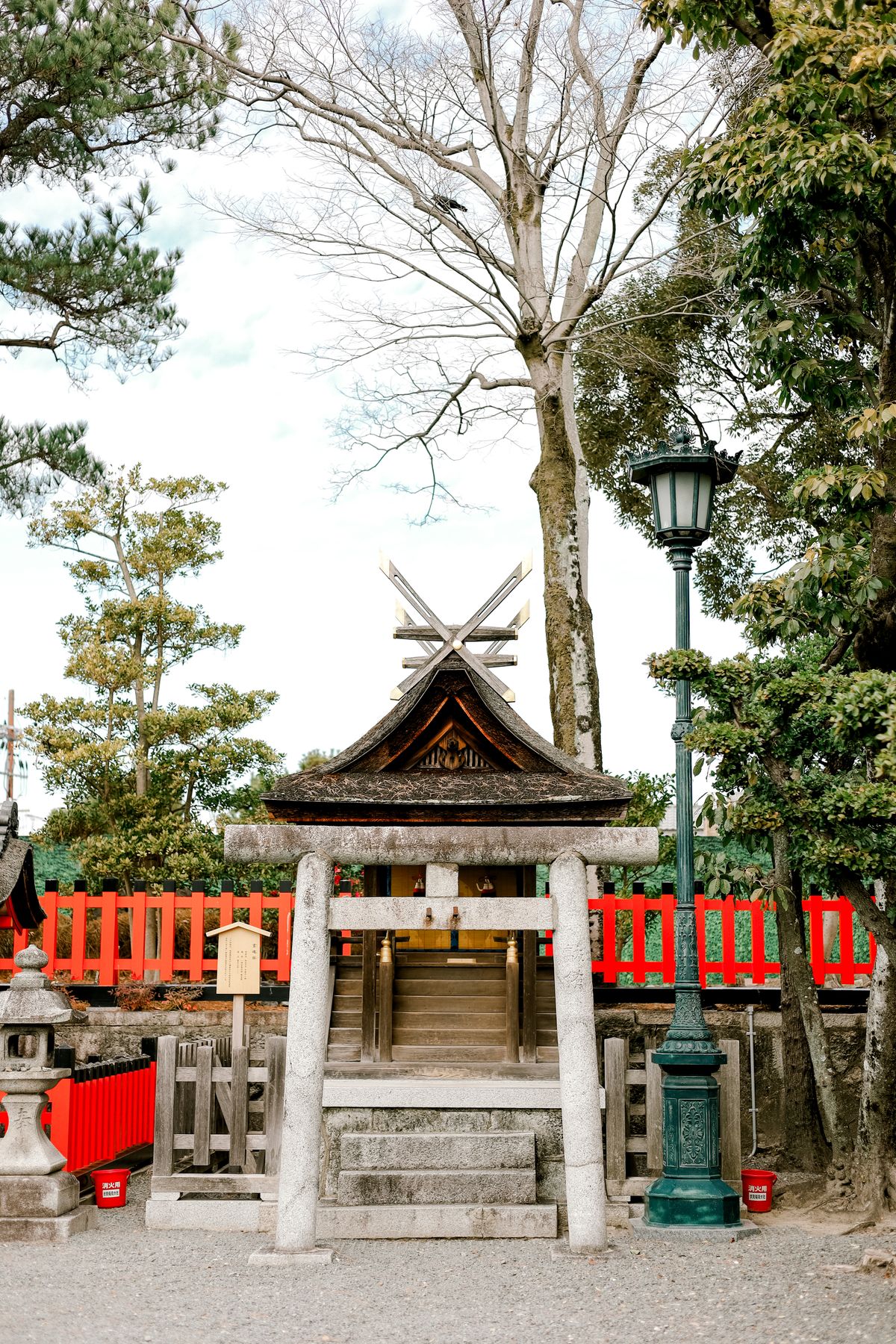
Kyushu National Museum (Kyushu Kokuritsu Hakubutsukan)
A short walk from the rear of Dazaifu Tenmangu — connected by a long escalator tunnel through the hillside — the Kyushu National Museum (九州国立博物館) opened in 2005 and is one of only four national museums in Japan (alongside Tokyo, Kyoto, and Nara). Its focus is on the cultural exchange between Japan and the rest of Asia over the centuries — trade, art, religion, and technology — reflecting Kyushu’s historical role as Japan’s gateway to China, Korea, and Southeast Asia.
The building itself is architecturally striking: a vast, undulating curved roof of blue and green glass and steel that seems to hover above the forested hillside. Inside, the permanent collection covers artefacts from Japan’s Jōmon period through the Edo era, with particularly strong holdings in Chinese and Korean art, Buddhist sculpture, ceramics, and textile. There are also regular special exhibitions.
Admission to the permanent collection (Cultural Exchange Exhibit) is ¥700 for adults (approx. USD $4.80), free for those under 18. Special exhibition fees are separate. The museum is open Tuesday through Sunday, 9:30 am to 5:00 pm (until 8:00 pm on Fridays and Saturdays). It is closed on Mondays (or the following Tuesday if Monday is a public holiday). Allow at least 1.5 to 2 hours for a thorough visit.
Komyozenji Temple: Dazaifu’s Hidden Zen Garden
Just a three-minute walk from the Tenmangu Shrine, Komyozenji Temple (光明禅寺) is one of Dazaifu’s best-kept secrets — often missed by visitors rushing between the shrine and the National Museum, yet one of the most beautiful small Zen temple gardens in Kyushu.
Founded in 1273, Komyozenji belongs to the Rinzai school of Zen Buddhism. Its two main gardens are masterpieces of the karesansui (dry landscape) style. The inner garden — visible from the covered veranda of the temple — represents the ocean and the islands of Japan using raked white gravel and carefully placed mossy stones. The outer garden, known as the “Hikari no Niwa” (Garden of Light), is a lush, deeply green moss garden enclosed by stone walls, where the silence feels almost tangible.
Admission is ¥200 (approx. USD $1.40). Opening hours are 8:00 am to 5:00 pm daily. This is an excellent spot for quiet contemplation, and photography is permitted. Come early in the morning when the moss garden is at its most vibrant and the light is gentle.
Dazaifu Government Ruins (Dazaifu-shi Iseki)
Dazaifu’s role as the administrative capital of Kyushu for over 500 years (from around 660 CE to the late Heian period) left behind extensive ruins that are now preserved as a historical park. The Dazaifu Government Office Ruins (大宰府政庁跡) are located a 20–25 minute walk west of the Tenmangu Shrine.
What remains today are the earthen platforms that once supported the main administrative buildings of the Dazaifu Seicho (Government Office), the largest government complex in Kyushu during the Nara period. Stone bases mark where great wooden pillars once stood, and the scale of the ruins gives you a sense of how impressive the original complex must have been. The site is freely accessible and provides a peaceful, meditative contrast to the busy Tenmangu area.
For those deeply interested in Japanese history, the Dazaifu Tenmangu area also includes several subsidiary sites: the remains of Mizuki (水城), an earthen dam and moat system built in 664 CE to defend against potential Tang Chinese and Silla Korean invasions (one of Japan’s oldest fortifications); and Ōno Castle (大野城), a hilltop fortress from the same era, which can be hiked to for panoramic views over Fukuoka.
What to Eat and Drink in Dazaifu
Umegae Mochi (梅ヶ枝餅)
As described above, this is the essential Dazaifu food experience. Eat at least one (ideally two or three) hot off the griddle as you walk the Sando. Budget around ¥200–¥250 per piece.
Hakata Ramen and Fukuoka Cuisine
Dazaifu itself is relatively small, and the dining options focus mainly on snacks and casual restaurants along the Sando and nearby streets. For a full sit-down meal, most visitors head to Fukuoka city after their Dazaifu visit. Fukuoka is famous for Hakata ramen (tonkotsu pork bone broth, thin straight noodles), mentaiko (spicy pollock roe, which can be found in everything from rice to pasta), mizutaki (a clear chicken hot pot), and yakitori at Fukuoka’s famous open-air yatai street food stalls. See our complete Hakata Ramen Guide for everything you need to know about Fukuoka’s most famous dish.
Dazaifu Sake and Sweets
Along the Sando, several shops sell traditional Japanese confectionery (wagashi) including various regional sweets, preserved plum products, and matcha goods. Look for seasonal items such as sakura mochi in spring and chestnut-filled sweets in autumn. A few shops also sell locally produced sake and shochu (Kyushu’s traditional spirit) which make excellent souvenirs.
Where to Stay: Dazaifu and Fukuoka Accommodation
Dazaifu itself is a relatively small town with limited accommodation options. Most visitors stay in Fukuoka city (Hakata or Tenjin areas) and make the 40-minute train trip to Dazaifu as a day excursion. This is actually the most practical approach, as Fukuoka offers a vast range of hotels at every price point, excellent restaurants, nightlife, and easy connections to the rest of Kyushu and Japan.
In central Fukuoka (Hakata/Tenjin), hotel options range from budget capsule hotels and guesthouses (from ¥3,000–¥6,000 / USD $20–$41 per night) to mid-range business hotels (¥8,000–¥18,000 / USD $54–$123 per night) to international luxury hotels and traditional ryokan (¥20,000+ / USD $136+ per night). Book your hotel on Agoda (Best prices guaranteed) →
If you prefer to stay in a smaller, quieter town close to Dazaifu, consider Futsukaichi Onsen, a small hot spring resort just one Nishitetsu train stop from Dazaifu. Here, several traditional ryokan offer onsen baths and kaiseki dinners at reasonable prices, making it a pleasant overnight alternative to the bustle of Fukuoka city.
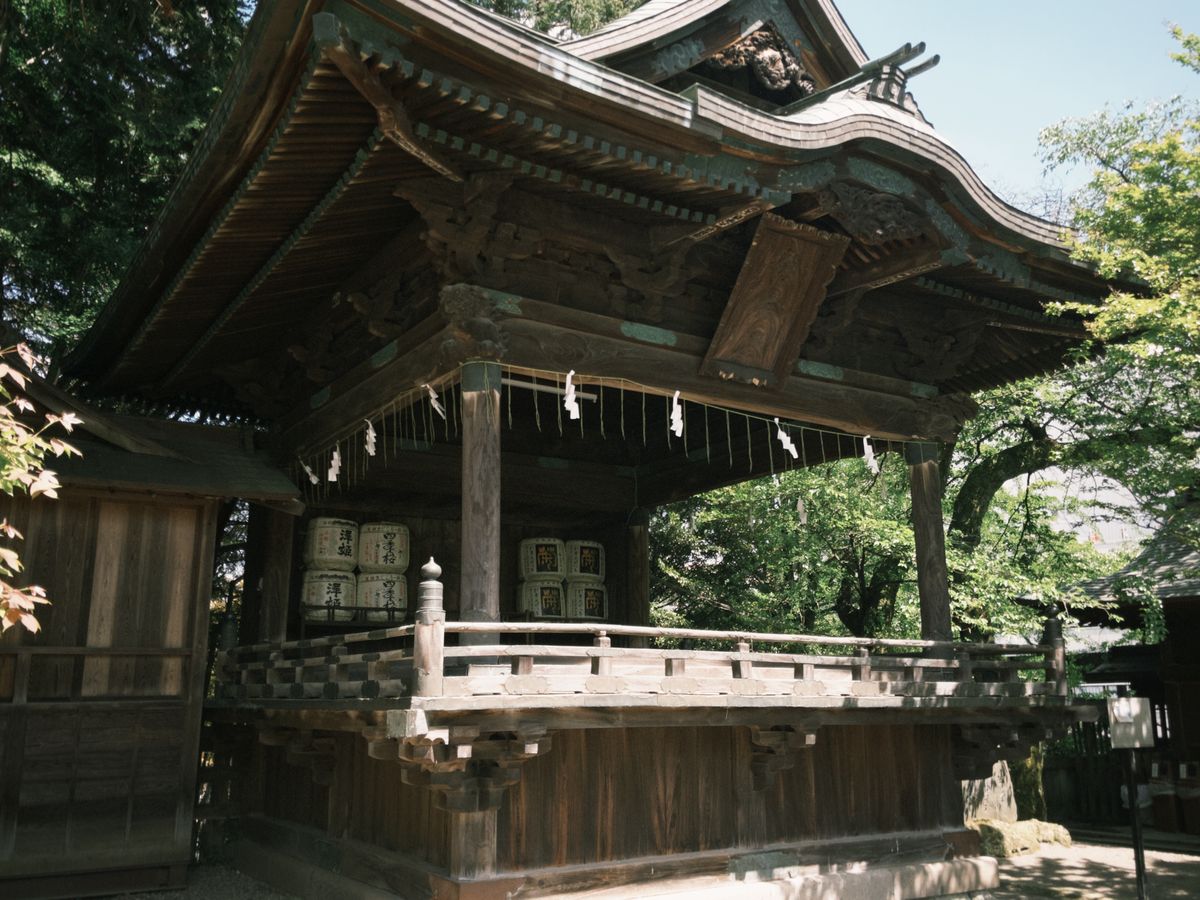
Best Time to Visit Dazaifu
Late January to Early March — Plum Blossoms
This is arguably the best time to visit Dazaifu. The 6,000 plum trees on the shrine grounds bloom in a spectacular display of pink, white, and deep red, and the annual plum festival adds a festive atmosphere. The weather is cool (6–12°C / 43–54°F) but clear, making this ideal for photography. Crowds are significant on weekends but more manageable on weekdays.
Late March to April — Cherry Blossoms
Cherry blossoms follow the plum blossoms and provide another spectacular season. The shrine grounds and surrounding parks have several cherry trees, and the combination of pink sakura with the traditional shrine architecture is beautiful. Golden Week (late April to early May) is the busiest and most expensive period.
November — Autumn Foliage
The maples and ginkgo trees on the shrine grounds and along the Sando turn brilliant red, orange, and yellow in November. This is one of Dazaifu’s quietest and most photogenic seasons, with comfortable temperatures (12–18°C / 54–64°F).
Year-Round
Unlike some Japanese destinations that are essentially defined by one season, Dazaifu is worth visiting at any time of year. The shrine is always active with worshippers, the National Museum has year-round programming, and the Komyozenji garden is particularly beautiful in summer when its mosses are at their most intensely green.
A Suggested Day Itinerary for Dazaifu
Here is a suggested schedule for a full day in Dazaifu, combining the main sights with time for food and relaxation:
9:00 am — Arrive at Nishitetsu-Dazaifu Station. Begin walking the Komachi Sando approach. Stop at an early-opening mochi shop for your first hot umegae mochi of the day.
9:30 am — Enter Dazaifu Tenmangu Shrine grounds. Cross the three bridges and explore the main hall area. Observe or participate in the shrine’s morning prayer routines. Visit the tobume no ume plum tree near the main hall.
10:30 am — Explore the rest of the shrine precinct: the pond garden, subsidiary shrines, and the treasure house museum (¥500).
11:15 am — Take the escalator tunnel through the hill to the Kyushu National Museum. Spend 1.5–2 hours exploring the Cultural Exchange permanent collection and any special exhibition.
1:00 pm — Return via the tunnel to the shrine area. Head back along the Sando for lunch at one of the restaurants (try a set meal featuring regional Fukuoka dishes).
2:00 pm — Walk to Komyozenji Temple for a quiet visit to the karesansui and moss gardens.
2:45 pm — Optional: walk to the Dazaifu Government Ruins for historical context and peaceful reflection.
4:00 pm — Return to the Sando for shopping: omamori study charms, umegae mochi gift boxes, local sake, and wagashi sweets.
5:00 pm — Board the Nishitetsu train back to Fukuoka (Tenjin) for dinner and the city’s famous yatai street food experience.
For broader travel planning across Japan, visit our First-Timer’s Japan Travel Tips and explore all of our recommended Japanese destinations.
Combining Dazaifu with a Fukuoka Itinerary
Dazaifu pairs naturally with a broader Fukuoka city itinerary. Here is how it fits into a typical 2–3 day Fukuoka visit:
Day 1: Arrive in Fukuoka. Explore Hakata — Canal City shopping complex, Tochoji Temple (with Japan’s largest wooden seated Buddha), Kushida Shrine, and the atmospheric Hakata Machiya Folk Museum. Evening dinner in the Nakasu area with tonkotsu ramen.
Day 2: Morning visit to Dazaifu (as described above). Afternoon return to Fukuoka and explore Ohori Park and Fukuoka Castle ruins (Maizuru Park). Evening at one of Fukuoka’s famous yatai (open-air food stall) along the Nakagawa riverside — try yakitori, oden, and gyoza with local beer.
Day 3: Day trip to Yanagawa (45 minutes by Nishitetsu train), a charming canal city where you can drift through the waterways by flat-bottomed punt while the boatman sings traditional songs. Or head to Itoshima Peninsula for a scenic coastline with cafes, beaches, and excellent seafood.
Getting Around Dazaifu
The main sights of Dazaifu — Tenmangu Shrine, the National Museum, Komyozenji Temple, and the Sando — are all within easy walking distance of Nishitetsu-Dazaifu Station. Walking time from the station to the shrine is about 10–15 minutes, and from the shrine to the museum (via escalator) is about 10 minutes.
For more distant sites like the Dazaifu Government Ruins (約25 minutes walk west of the shrine) and Mizuki (further still), cycling is a good option. Several shops near the station rent bicycles for around ¥500–¥1,000 per hour. Taxis are also available near the station. The town is compact and flat near the main sights, making it very walkable.
The entire core area of Dazaifu — shrine, museum, Komyozenji, the ruins — can comfortably be covered on foot in a full day. Wearing comfortable walking shoes is important as some paths are gravel or stone.
Practical Tips for Visiting Dazaifu
- Nishitetsu IC card: Load your Suica, ICOCA, or Nimoca card before boarding Nishitetsu trains — these accept IC cards, and the tap-on/tap-off system is seamless. Cash is always accepted as a backup.
- Buy omamori (charms) for exams early: If visiting with students in your group, the study-success charms (gōkaku omamori) sell out quickly during peak exam-prayer season (November through January). Arrive early if you’re after these popular items.
- Weekday visits are quieter: Weekend crowds at Dazaifu Tenmangu can be substantial, especially on weekends in February (plum blossom season) and November (autumn colours). A Tuesday or Wednesday morning visit is noticeably calmer.
- Photography around the main hall: Photography of the exterior of the main hall (honden) and the general shrine grounds is welcomed. Be respectful around worshippers who are praying — keep noise low and put your phone away while people are at the offertory box.
- Free entry to most areas: The shrine grounds, the plum garden, and the walk up to the National Museum are all free. Paid admissions (Tenmangu treasure house: ¥500; Komyozenji: ¥200; National Museum: ¥700) represent very good value for what is offered.
- Souvenir boxes: Umegae mochi are available boxed (in boxes of 8–10) as gifts, but they are best eaten on the day. If bringing them home as souvenirs, check the expiry date — they are fresh mochi and typically only last 2–3 days. Some vendors offer a longer-lasting packaged version.
- Cash availability: An ATM is available at the Japan Post office near the station, and some shops on the Sando accept IC cards or credit cards, but small stalls and shops are often cash-only, so carry yen.
Budget Guide for a Dazaifu Day Trip
Dazaifu is one of Japan’s most affordable day trips. Here is a realistic budget breakdown for a day trip from Fukuoka:
Nishitetsu train (round trip): ¥820 (approx. USD $5.60)
Dazaifu Tenmangu shrine grounds: Free
Shrine treasure house: ¥500 (approx. USD $3.40)
Kyushu National Museum (permanent collection): ¥700 (approx. USD $4.80)
Komyozenji Temple: ¥200 (approx. USD $1.40)
Umegae mochi (3 pieces): ¥600–¥700 (approx. USD $4–$5)
Lunch on the Sando: ¥1,200–¥2,500 (approx. USD $8–$17)
Omamori charm (optional souvenir): ¥500–¥1,500
Total estimated day budget: ¥4,500–¥7,000 (approx. USD $31–$48)
This makes Dazaifu one of the most cost-effective and rewarding cultural day trips you can make from any major Japanese city. For more budget travel ideas, explore our guide to Japan destinations. For tours that combine Dazaifu with other Kyushu highlights,
Frequently Asked Questions About Dazaifu
Is Dazaifu worth visiting from Fukuoka?
Absolutely — Dazaifu is one of the most rewarding half-day or full-day excursions from Fukuoka city, and it is suitable for all types of travellers. History lovers will appreciate the ancient government ruins and the 1,300-year story of the Tenmangu shrine. Culture enthusiasts will enjoy the Kyushu National Museum. Garden lovers should not miss Komyozenji’s exquisite karesansui and moss gardens. And foodies will be happy with the fresh umegae mochi and the chance to sample Fukuoka’s broader culinary scene on the same trip.
How long does a visit to Dazaifu take?
A focused visit to just the Tenmangu Shrine and a stroll along the Sando can be done in 2–3 hours. To also include the Kyushu National Museum and Komyozenji Temple, allow a full day (6–7 hours). If you add the government ruins and a cycling loop of the surrounding area, plan for a long, full day with an early start.
What is the best thing to buy as a souvenir in Dazaifu?
The most iconic souvenirs from Dazaifu are: (1) Omamori study-success charms from the shrine — meaningful gifts for students or anyone facing a major life challenge; (2) Boxed umegae mochi — the plum-blossom rice cakes, ideally bought from one of the traditional Sando shops; (3) Plum-related products — umeboshi (pickled plum), ume vinegar, plum jam, and confectionery are sold throughout the area and reflect Michizane’s association with plum blossoms; (4) Dazaifu lacquerware and traditional crafts available at select shops along the Sando.
Can I visit Dazaifu with children?
Yes — Dazaifu is an excellent destination for families with children. Children can explore the shrine freely, throw coins into the offertory box, and enjoy eating umegae mochi along the Sando. The Kyushu National Museum has English-language audio guides and interactive exhibits that older children will find engaging. The shrine grounds are spacious and easy to navigate. Young children may particularly enjoy spotting the decorative carvings of animals and mythological creatures on the shrine hall’s exterior.
Is the Japan Rail Pass accepted in Dazaifu?
No. Dazaifu is served by the Nishitetsu Railway, which is a private railway network. JR passes — including the Japan Rail Pass, JR Kyushu Rail Pass, and Fukuoka Area Pass — do not cover Nishitetsu trains. You will need to pay separately, either with an IC card (Suica, ICOCA, Nimoca) or with cash. The fare is very affordable (¥410 one way from Tenjin), so this is not a significant issue for most visitors.
When are the plum blossoms at their peak in Dazaifu?
The peak of the plum blossom season at Dazaifu Tenmangu typically falls between mid-February and early March, though exact timing varies by year and temperature. The legendary tobume no ume tree near the main hall usually blooms first, often as early as late January. The wider grounds reach full bloom in late February. The annual Baikasai (Plum Blossom Festival) is held on 25 February each year, the anniversary of Michizane’s death. For the most current bloom forecasts, check the shrine’s official website or Japan’s seasonal bloom tracking services before your visit.
Are there any other shrines or temples near Dazaifu?
Yes, the Dazaifu area is rich in Shinto shrines and Buddhist temples beyond the Tenmangu. Kanzeonji Temple (観世音寺), a five-minute walk from the government ruins, was founded in 746 CE and houses one of the oldest bell castings in Japan. Its treasure house contains remarkable 8th-century Buddhist sculpture. The small Kaido Shrine (Kaido-jinja) is another peaceful stop. For visitors with a deep interest in early Japanese Buddhism, the Dazaifu area rivals Nara in the density and antiquity of its religious heritage.
Final Thoughts: Why Dazaifu Belongs on Every Kyushu Itinerary
Dazaifu is the kind of place that surprises people. Travellers expecting a quick shrine visit often find themselves staying for a full day, drawn deeper into the story of Sugawara no Michizane, the layered history of the ancient capital, the peaceful geometry of Komyozenji’s gardens, and the sheer, deep beauty of a place that has been considered sacred for over a thousand years.
It is also one of Japan’s most “living” historic sites — not a museum frozen in amber, but a place of active, continuing faith. On any given day, you will see schoolchildren praying for exam success, elderly couples making their annual plum blossom pilgrimage, families bringing newborn babies to receive blessings, and foreign visitors encountering Japanese Shinto culture in one of its most authentic forms.
Whether you spend a few hours or a full day, Dazaifu will give you a richer understanding of Japan than almost anywhere else in Kyushu — and at a fraction of the cost of many comparable cultural experiences. Don’t miss it.
Explore more of Japan’s incredible destinations at japanrealguide.com/destinations/ and find all the tips you need in our First-Timer’s Japan Travel Guide.
Going to Japan? Speak Japanese with confidence.
Hirameki Japanese — camera translate for menus and signs, a two-way conversation mode, and furigana + romaji on every phrase. Free to download with kana charts, conversation mode and starter words; a one-time purchase unlocks everything.

Plan your Japan trip
Two things every first-timer should book
Some links are affiliate links. If you book through them we may earn a small commission at no extra cost to you.