Welcome to Shinjuku: Tokyo’s Most Electrifying Neighbourhood
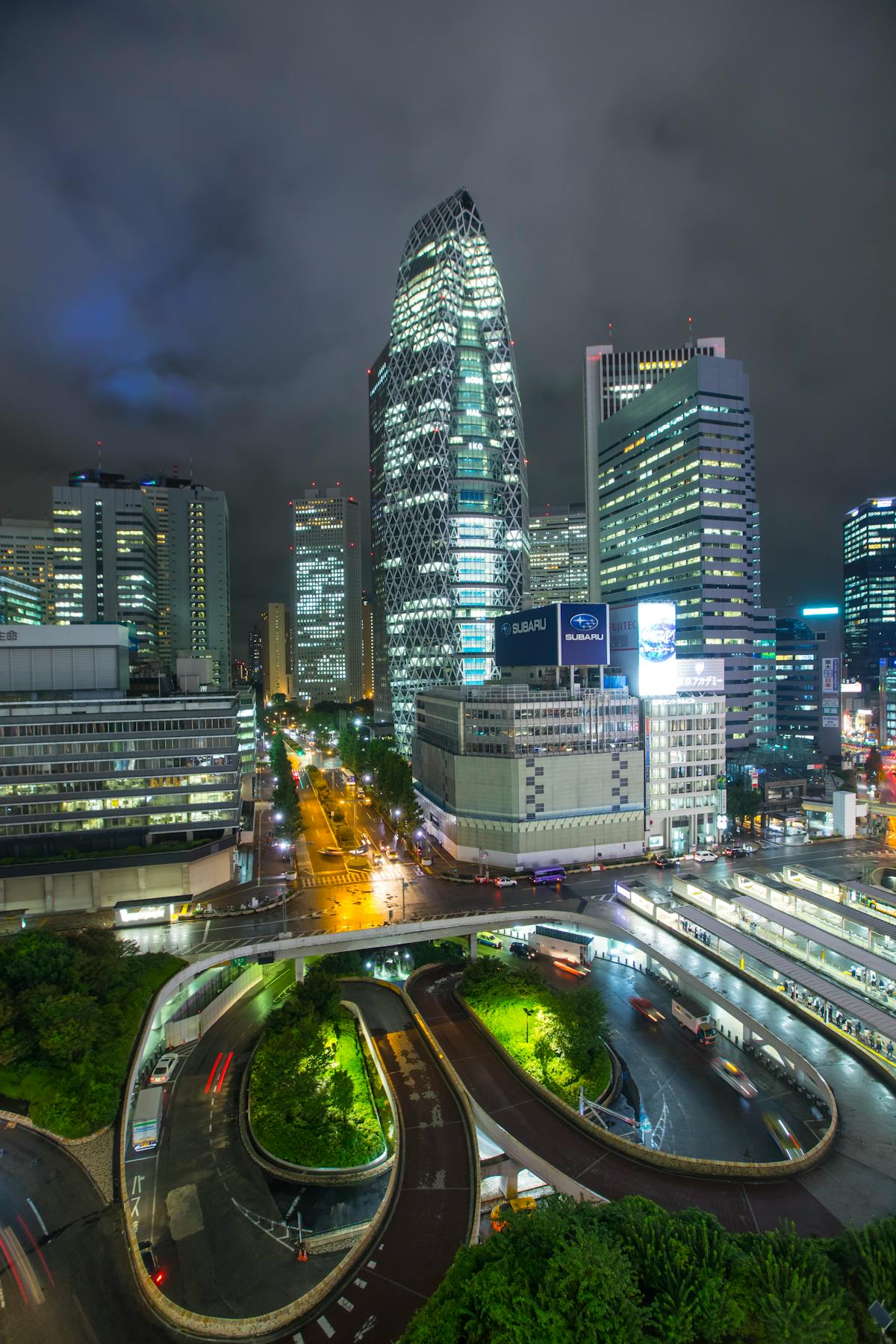
If Tokyo has a beating heart, it is Shinjuku. Spread across a dizzying mix of neon-lit entertainment districts, tranquil garden escapes, towering skyscrapers, and some of the world’s most concentrated izakaya alleyways, Shinjuku is where Japan’s contradictions feel most alive. Within the space of a ten-minute walk, you can stand beneath cherry trees in a manicured garden, squeeze into a tiny six-seat bar where a bartender remembers every regular’s order, or watch the sun set from the 45th floor of a free observation deck.
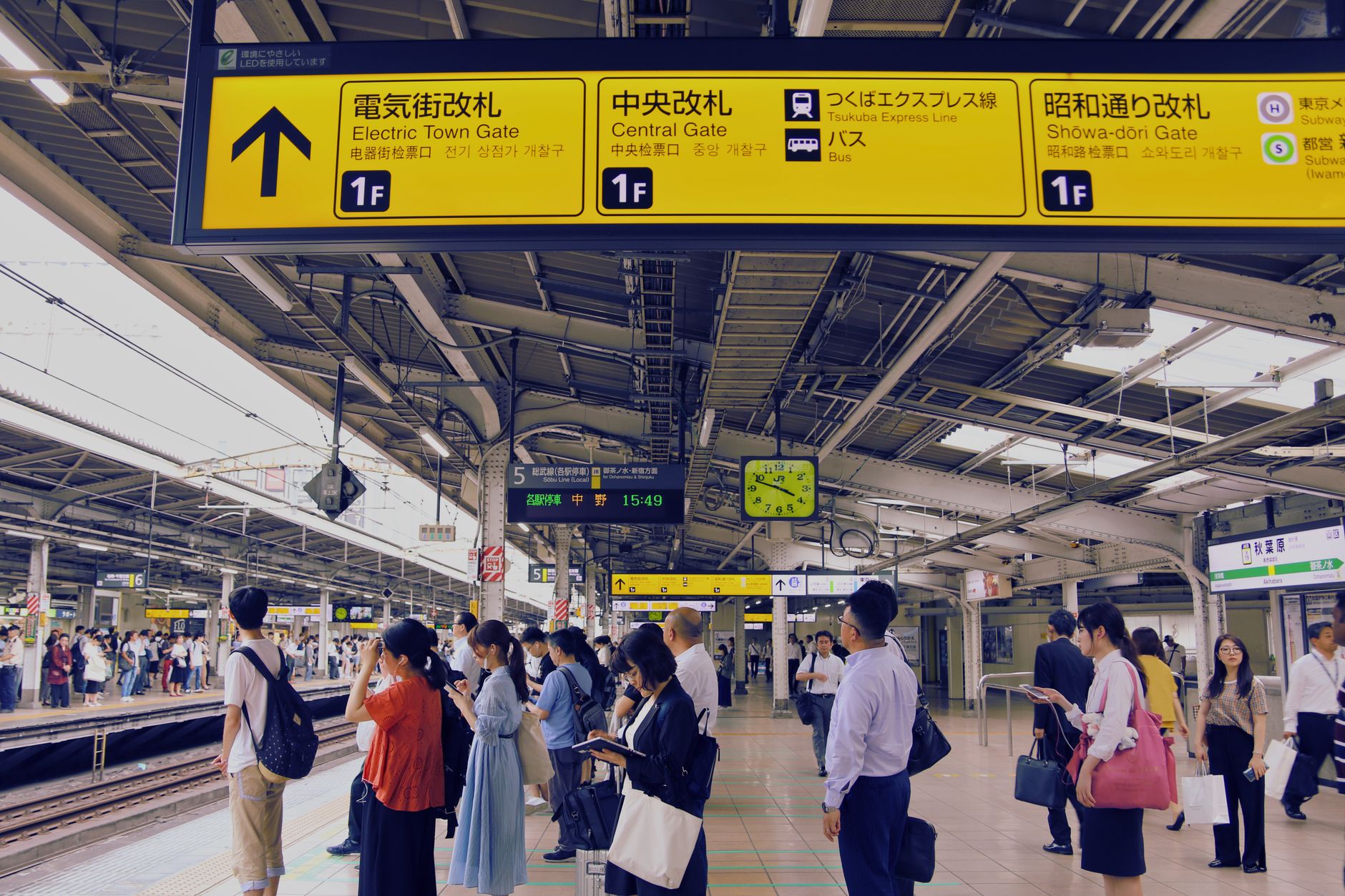
For first-time visitors to Japan, Shinjuku can feel overwhelming at first glance. The station alone — the world’s busiest, with over 3.5 million passengers passing through daily — has more than 200 exits. But beneath the apparent chaos is a neighbourhood that rewards exploration. Once you understand its layers, Shinjuku becomes one of the most exhilarating places in all of Japan.
This complete guide walks you through everything you need to know: how to navigate the area, what to see, where to eat, how to spend an evening in Golden Gai, and practical tips to make your Shinjuku visit genuinely memorable. For a full overview of Tokyo’s many neighbourhoods before you dive into Shinjuku specifically, see our complete Tokyo guide.
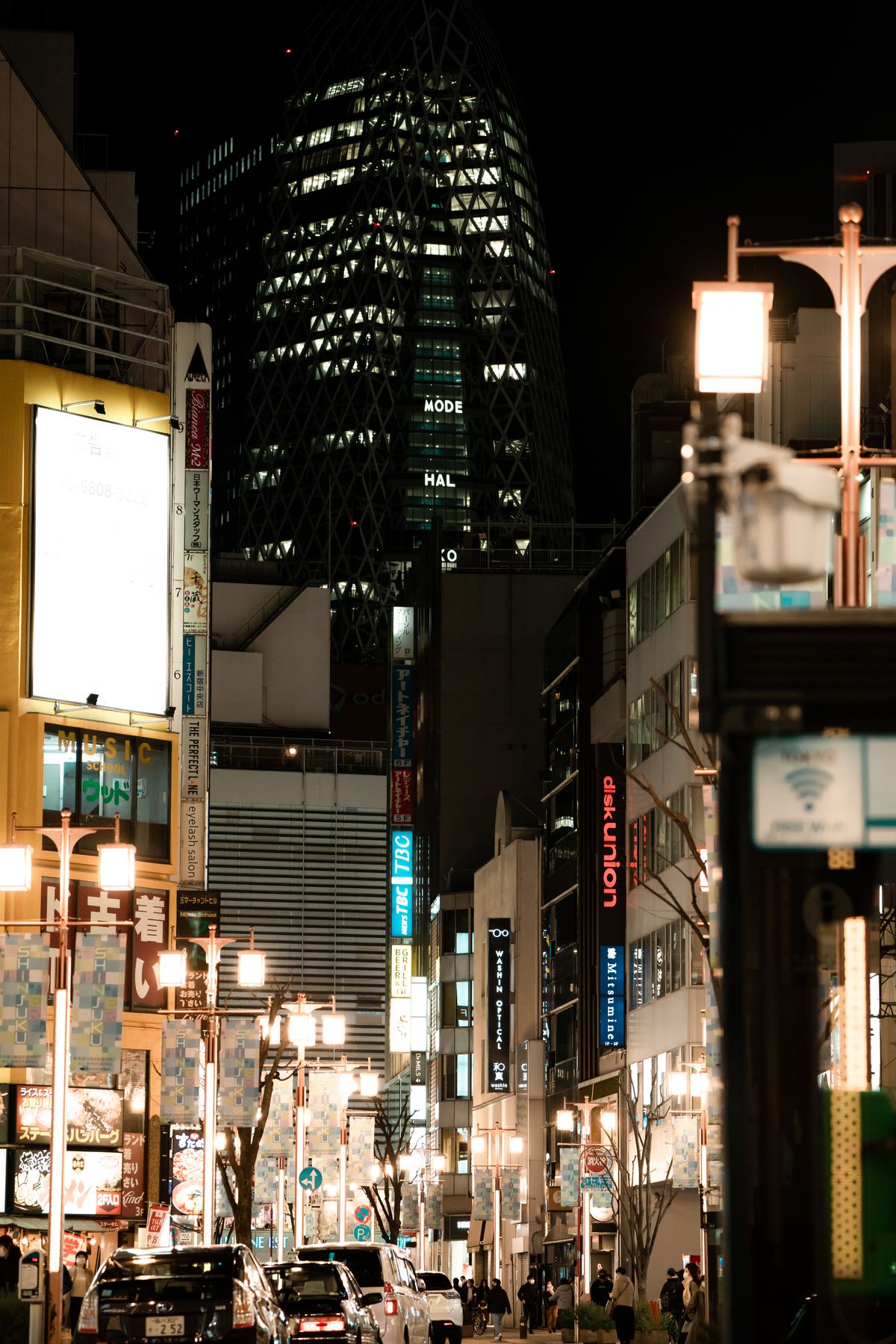
How to Get to Shinjuku
Shinjuku Station is one of Tokyo’s most important transport hubs, serving multiple train and subway lines. Getting here from virtually anywhere in Tokyo is straightforward.
From Tokyo (Narita) Airport
The Narita Express (N’EX) connects Narita International Airport directly to Shinjuku Station in approximately 80 minutes. A reserved-seat ticket costs around ¥3,000 (roughly USD 20) one way, and a return ticket is excellent value at about ¥4,000 (USD 27). Trains run roughly every 30 minutes during peak hours. Alternatively, the Limousine Bus service runs directly to major Shinjuku hotels for around ¥3,200 (USD 21) and takes 60–110 minutes depending on traffic.
Want a more comfortable arrival? Consider booking a private airport transfer. Book airport transfer with Welcome Pickups → — a shared taxi service that is far more affordable than a private cab and takes you door to door.
From Haneda Airport
The Keikyu Line connects Haneda to Shinjuku via a transfer at Shinagawa, taking around 35–45 minutes for approximately ¥640 (USD 4.30). Alternatively, the Tokyo Monorail to Hamamatsucho, then the Yamanote Line to Shinjuku, takes about 50 minutes total and costs around ¥600 (USD 4). Limousine buses from Haneda to Shinjuku run for around ¥1,300 (USD 8.80).
Within Tokyo
The JR Yamanote Line (the green loop line) stops at Shinjuku Station and connects to Shibuya, Harajuku, Ikebukuro, and Akihabara. The Chuo Line runs east to Tokyo Station and west toward Hachioji. The Tokyo Metro Marunouchi and Shinjuku lines also stop here, as do several Toei subway lines. A single journey within the city typically costs ¥170–¥300 (USD 1.15–2.00).
Before your trip, be sure to get a Suica or Pasmo IC card to tap in and out of any train or bus in Tokyo. You can pick one up at any major station, including Shinjuku. Also, don’t forget to stay connected throughout your trip — Get your Japan eSIM (Stay connected from day 1) → so you can navigate maps, translate menus, and share your adventures in real time.
Navigating Shinjuku Station
Shinjuku Station’s sheer scale intimidates even seasoned travellers. A few key exits to know: the East Exit (Higashi-guchi) leads directly to Kabukicho, the entertainment district, and is surrounded by department stores and fast food options. The West Exit (Nishi-guchi) is flanked by skyscrapers housing the Tokyo Metropolitan Government Building and major hotels. The South Exit (Minami-guchi) is closest to Takashimaya Times Square and Shinjuku Gyoen. The New South Exit (Shin-Minami-guchi) is the sleekest and most modern, connecting to the Odakyu and Keio lines.
Top Attractions in Shinjuku
Shinjuku is not a single attraction but a constellation of experiences. Here is what not to miss.
Tokyo Metropolitan Government Building (Tocho)
This iconic twin-towered building on Shinjuku’s west side offers one of the best — and most underrated — free views in all of Tokyo. The North Observatory sits at 202 metres above ground, giving a sweeping panorama across the city. On clear days you can see Mount Fuji floating above the city’s smoggy haze, best spotted in the morning hours between October and February. Hours are 9:00 AM to 10:30 PM (last admission 10:00 PM), and admission is completely free. There is also a small café up top and a souvenir shop stocked with Tokyo-themed gifts. Arrive early on weekends to avoid queues.
Kabukicho: Tokyo’s Entertainment Capital
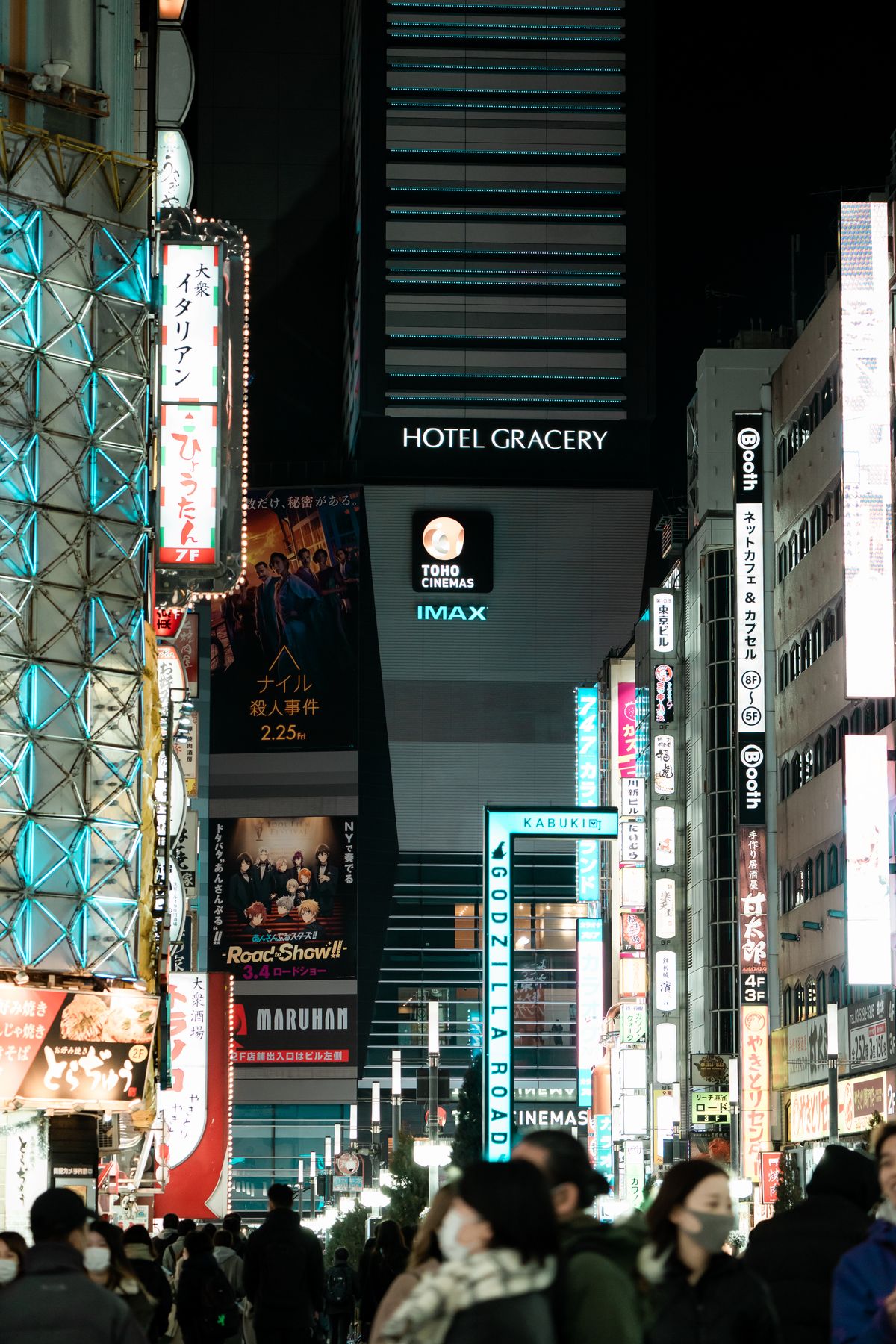
Just north-east of Shinjuku Station’s East Exit lies Kabukicho, Japan’s most famous entertainment district. Covering roughly 0.34 square kilometres, Kabukicho is home to cinemas, karaoke complexes, game centres, hostess and host clubs, and thousands of restaurants and bars. Despite its reputation as Tokyo’s red-light district, the vast majority of Kabukicho is perfectly safe and fascinating for tourists who simply want to experience the neon-lit spectacle.
The centrepiece of Kabukicho today is the Kabukicho Tower (Shinjuku Kabukicho Tower), a 48-storey mixed-use building that opened in 2023. It houses a cinema, hotels, an entertainment facility, and a food hall that stays open late into the night. The surrounding Kabukicho area is best experienced after dark, when every sign blazes to life and the streets fill with a uniquely electric energy.
Golden Gai: Tokyo’s Most Atmospheric Bar District
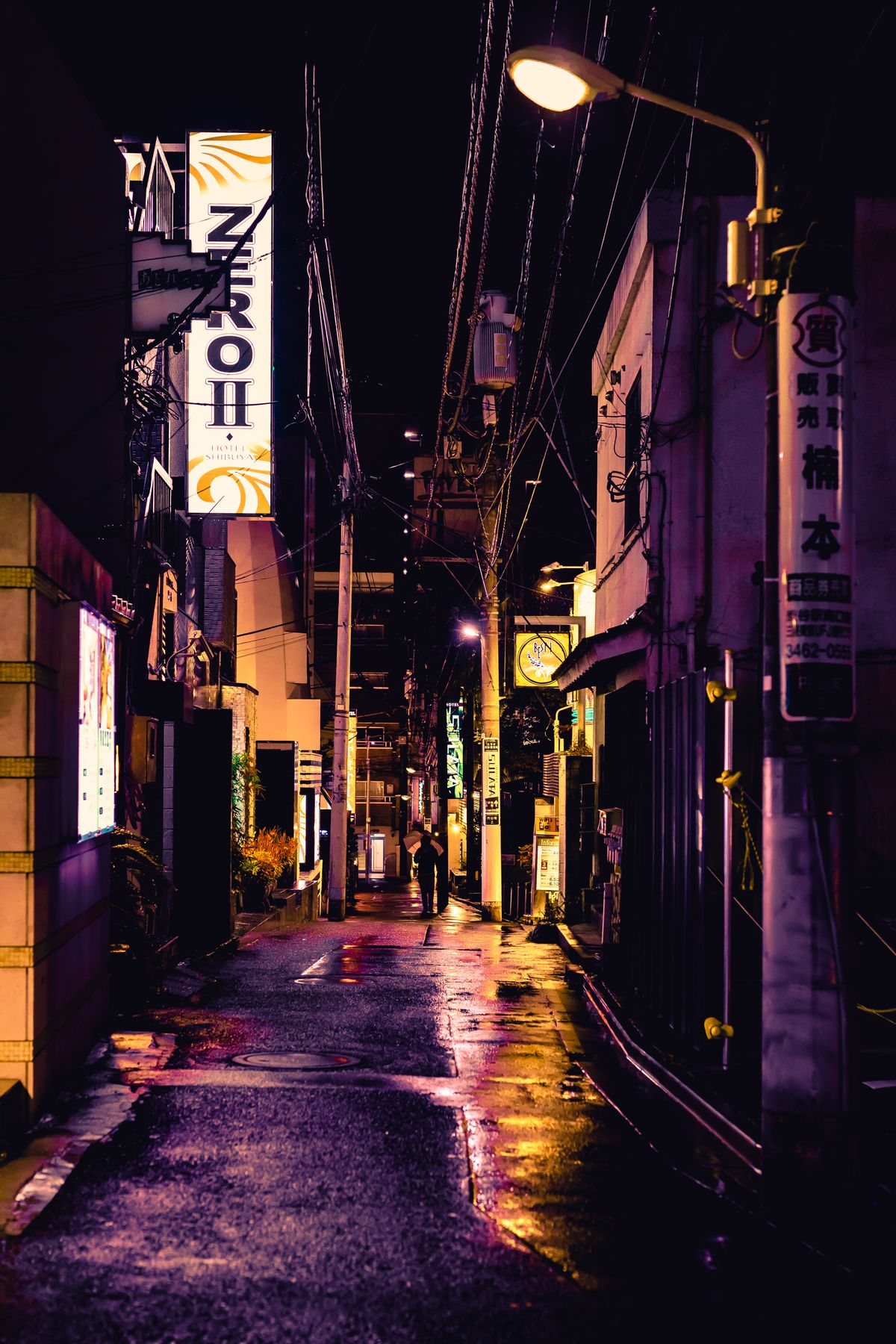
Tucked behind Kabukicho, Golden Gai is one of Tokyo’s most beloved and photographed corners — a cluster of six narrow alleyways containing around 200 tiny bars, most fitting fewer than ten customers at a time. Each bar has its own character: one might specialise in classic rock vinyl, another in whisky and old film posters, another in nothing but jazz and shochu. Many have a door charge (ドアチャージ) of around ¥500–¥1,000 (USD 3.40–6.80) in addition to drink prices, which typically start around ¥700–¥1,000 (USD 4.75–6.80) per drink.
Golden Gai has existed since the post-war era, when the narrow wooden buildings were initially used as black market stalls. Several attempts to redevelop the area have been resisted by locals over the decades, preserving this anachronistic gem against the backdrop of ultra-modern Shinjuku. Some bars welcome tourists enthusiastically; others prefer Japanese-speaking regulars. Look for signs that say “Tourists Welcome” or simply pop your head in and see how the atmosphere feels. The best time to visit is from around 8:00 PM onwards.
Omoide Yokocho (Memory Lane)
Also known as Piss Alley — a less flattering but historically authentic nickname — Omoide Yokocho is a cluster of narrow alleys just north of Shinjuku Station’s West Exit. Dating back to the 1940s and 50s, it houses dozens of tiny yakitori stalls crammed side by side. Smoke billows through the entire lane, skewers sizzle on charcoal grills, and the sound of clinking glasses and laughter fills the air. A visit here is essentially obligatory for anyone coming to Shinjuku.
Expect to pay around ¥400–¥600 (USD 2.70–4.10) per skewer and ¥500–¥700 (USD 3.40–4.75) for a beer or highball. Most stalls open around 5:00 PM and close around midnight. Try chicken skin (kawa), chicken hearts (hatsu), and grilled green pepper (shishito) for a classic yakitori experience. Many stalls have outdoor seating spilling into the lane itself — grab a spot and settle in.
Shinjuku Gyoen National Garden
An oasis of calm amid the urban intensity, Shinjuku Gyoen covers 58.3 hectares and is arguably Tokyo’s most beautiful garden. Originally built as an imperial garden and opened to the public in 1949, it contains a formal French garden, an English landscape garden, and a traditional Japanese garden, all within the same grounds. There is also a large tropical greenhouse, several Japanese teahouses, and a picnic-friendly central lawn beloved by city residents.
The garden is famous for its cherry blossoms, with over 1,000 trees blooming typically from late March to early April. During sakura season, the grounds open early and fill with families and friends having hanami (flower-viewing) picnics — alcohol is not permitted in the garden, which makes it a more serene sakura spot than the rowdier Ueno Park. Admission is ¥500 (USD 3.40) for adults and the garden is open from 9:00 AM to 4:30 PM (closed Mondays, but open on public holidays). The Shinjuku Gate is the most convenient entrance from Shinjuku Station’s South Exit, about a 10-minute walk.
Shinjuku’s Department Stores and Shopping Scene
The east, west and south sides of Shinjuku Station are flanked by some of Japan’s largest and most prestigious department stores. Isetan Shinjuku (on the east side) is widely regarded as one of Japan’s finest department stores, with a basement food hall (depachika) that alone justifies a visit. Takashimaya Times Square near the South Exit spans 14 floors and includes everything from high-end fashion to household goods and a rooftop garden restaurant. Odakyu and Keio department stores connect directly to the station platforms and are enormous in their own right.
For electronics and camera gear, Yodobashi Camera Akiba is in Akihabara, but the main Yodobashi branch in Shinjuku is equally impressive. For fashion at every price point — from luxury European brands to affordable fast fashion — the district covers everything. Don Quijote (Donki), the iconic Japanese discount store, has a large branch in Kabukicho that stays open 24 hours and sells everything from souvenirs to kitchen appliances.
Where to Eat in Shinjuku
Shinjuku is a feast for anyone who loves Japanese food. The concentration of restaurants across every price point and cuisine type is extraordinary, even by Tokyo’s exceptional standards.
Ramen
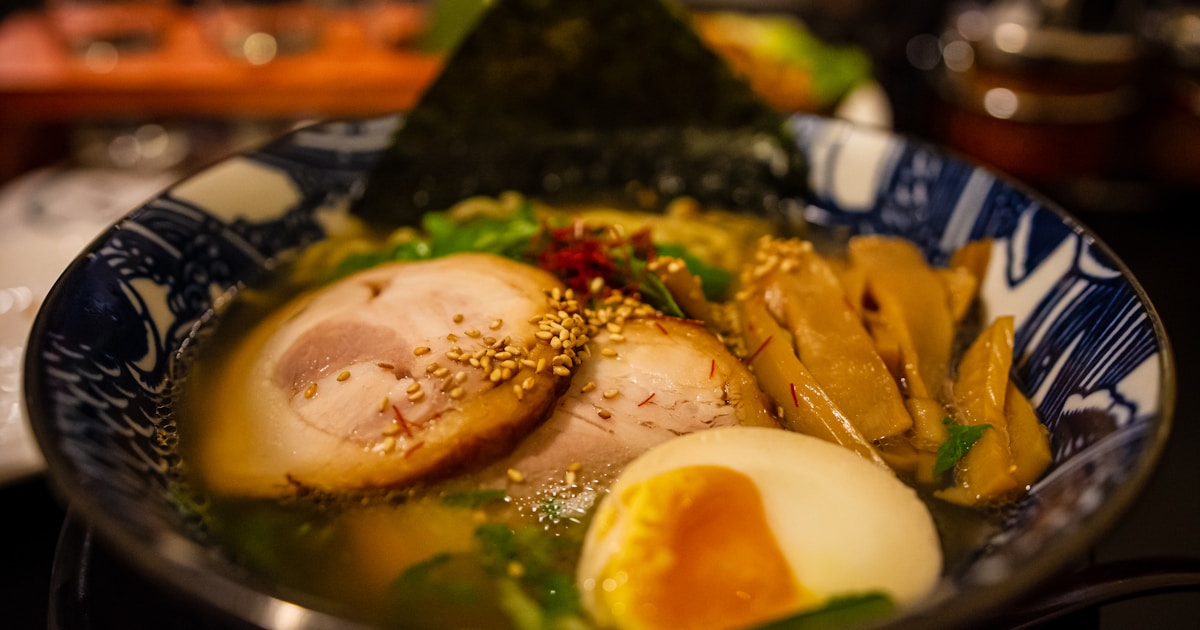
Fuunji in Shinjuku’s Nishi-Shinjuku area is one of Tokyo’s most celebrated tsukemen (dipping noodle) restaurants, serving a rich chicken-based broth with firm noodles. Expect a queue outside most lunch times. A bowl typically costs ¥1,000–¥1,300 (USD 6.80–8.90). Nearby, Fuji-ya is a classic tonkotsu ramen spot open well into the night — perfect after a session in Golden Gai. For a broader look at Japan’s regional ramen styles, see our Japan street food guide.
Sushi and Seafood
The basement floors of Isetan and Takashimaya contain excellent sushi counters and prepared sashimi sets at reasonable prices. For a sit-down experience, the Shinjuku area around Kabukicho has multiple standing sushi (tachigu sushi) restaurants where you can eat outstanding nigiri from around ¥150–¥300 (USD 1.00–2.00) per piece while standing at a counter.
Izakaya and Japanese Gastropubs
Shinjuku is arguably the best izakaya neighbourhood in Tokyo. Torikizoku is a beloved chain offering yakitori skewers at ¥360 (USD 2.45) each — ideal for a casual evening. For something more atmospheric, explore the warren of izakayas on the east side of the station around Kabukicho’s fringes, where you can find kushikatsu, oden, and robatayaki alongside rivers of Sapporo draft beer and shochu highballs.
Budget Eating
For budget travellers, the underground malls beneath Shinjuku Station are lined with affordable options: conveyor-belt sushi (kaiten-zushi) where plates start at ¥110 (USD 0.75), curry houses, soba counters, and tonkatsu restaurants. The Keio Mall and Odakyu Ace underground passages are particularly good hunting grounds. A satisfying lunch can easily be had for ¥600–¥1,000 (USD 4.10–6.80).
Shinjuku Nightlife: A World of Its Own
After dark, Shinjuku transforms into arguably the most diverse entertainment zone in Japan. Whether you want a quiet drink in a dimly lit jazz bar or to dance until 5:00 AM in a club that packs a thousand people onto the floor, Shinjuku has it all.
Golden Gai After Dark
As described above, Golden Gai is Shinjuku’s crown jewel for intimate drinking. From around 9:00 PM onwards, the alleys come alive. Pick a bar that feels right — perhaps one with a theme or music style that appeals to you — and settle in. Conversations with the bartender or fellow patrons often become the highlight of a Tokyo trip. Many bars close around 2:00–3:00 AM.
Kabukicho Clubs and Karaoke
Kabukicho is Tokyo’s premier spot for karaoke, with dozens of karaoke rooms available around the clock. Big Echo and Karaoke-kan are reliable chains. Expect to pay ¥500–¥1,000 (USD 3.40–6.80) per person per hour, with unlimited drinks packages available from around ¥1,500 (USD 10.20) per hour. For clubs, Kabukicho and the surrounding streets host music venues ranging from intimate live music rooms to large dance clubs playing everything from J-pop to techno.
Shinjuku Nichome
A short walk from Kabukicho, Shinjuku Nichome (2-chome) is one of the world’s most famous LGBTQ+ entertainment districts. Packed with over 200 bars and clubs, many of them tiny and welcoming, Nichome is a vibrant, inclusive corner of Shinjuku that gay, lesbian, and trans travellers — and their friends — will find enormously welcoming. Bar Advocates, Arty Farty, and AiiRo Café are among the well-known venues. Most bars in Nichome open from around 8:00 PM and close around 3:00–5:00 AM.
Shopping in Shinjuku: A Complete Guide
Few neighbourhoods in Tokyo — or indeed the world — can match Shinjuku for shopping variety. Whether you are hunting for the latest electronics, traditional Japanese crafts, high-end fashion, or quirky souvenirs, the area around Shinjuku Station delivers on every front.
Department Stores: Japan’s Finest Under One Roof
Japanese department stores (depato) are a cultural institution, and Shinjuku has some of the country’s finest. Isetan Shinjuku is the jewel in the crown: split into the main store (menswear, womenswear, and an extraordinary accessories floor) and a separate men’s building, it consistently ranks among Japan’s best-loved stores. The basement food hall — known as a depachika — is a cathedral of Japanese culinary craft, stocking everything from hand-crafted wagashi (traditional sweets) and artisan chocolates to premium sushi sets and seasonal bento boxes. Budget at least an hour here even if you don’t plan to buy anything.
Takashimaya Times Square near the South Exit is equally impressive in scale, with 14 floors including a Tokyu Hands home goods store, a Kinokuniya international bookshop, and a basement food hall that rivals Isetan’s. The rooftop offers garden views and a cluster of restaurants. Odakyu and Keio Department Stores connect directly to the station concourse and are particularly convenient for quick shopping missions.
Electronics and Cameras
Shinjuku’s west side hosts a large Yodobashi Camera multi-storey store that matches Akihabara’s electronics superstores for comprehensiveness. Cameras, lenses, computers, headphones, household appliances, and gaming consoles are sold across multiple floors. Prices are competitive with or better than online retailers, and foreign visitors can get the 10% consumption tax back on purchases of ¥5,000 or more (before tax) at one store in one day: from November 1, 2026 you pay the full price and show your passport (or a Visit Japan Web QR code where accepted), customs confirms the goods at a kiosk or counter at the airport within 90 days of purchase and before you check your bags, and the store or its refund agent then refunds the tax, sometimes minus a small handling fee. See our step-by-step guide to the new tax-free refund system. A Bic Camera store near the East Exit offers similar range and pricing.
Fashion and Streetwear
Shinjuku’s fashion scene covers every register. Lumine 1 and Lumine 2 (connected to the station) target stylish young women with a curated mix of Japanese and international brands. NEWoMan Shinjuku near the New South Exit is the area’s most design-forward mall, housing Japanese minimalist labels alongside quality food and café spaces. For affordable fast fashion, the enormous Uniqlo flagship near the east exit and GU branches in the station malls cover basics at excellent prices.
Where to Stay in Shinjuku
Staying in Shinjuku puts you within walking distance of extraordinary food, entertainment, and transport connections to every corner of Tokyo. Hotel options range from internationally recognised luxury brands to affordable business hotels and stylish capsule hotels.
Luxury Hotels
The Park Hyatt Tokyo, set in the upper floors of the Shinjuku Park Tower west of the station, is one of Tokyo’s most iconic hotels and the setting for the film Lost in Translation. Rooms start from around ¥70,000 (USD 475) per night but the views and service are unparalleled. The Keio Plaza Hotel, directly adjacent to the Tocho (Metropolitan Government Building), offers excellent views and rates from around ¥25,000 (USD 170) per night. The Hilton Tokyo on the west side is another reliable option at similar price points.
Mid-Range Hotels
The Shinjuku Washington Hotel offers reliable, well-located rooms from around ¥15,000 (USD 102) per night. Citadines Shinjuku Tokyo offers apartment-style accommodation with kitchen facilities, great for longer stays. Several comfortable business hotels in the ¥12,000–¥20,000 (USD 82–136) range cluster within a 10-minute walk of the station.
Budget Stays and Capsule Hotels
FIRST CABIN offers capsule-style accommodation with privacy curtains and personal screens from around ¥6,000 (USD 41) per night. Manga Café (manga kissa) is another unconventional option for solo travellers on an extreme budget — private booths with reclining chairs, unlimited manga, and free drink dispensers from around ¥1,500 (USD 10.20) for eight hours.
For the best hotel prices in Shinjuku and across Tokyo, compare and book through Book your hotel on Agoda (Best prices guaranteed) →.
Day Trips and Nearby Destinations
Shinjuku’s position as a major transport hub makes it an excellent base for day trips across the Kanto region and beyond. The Odakyu Line, which departs from Shinjuku Station’s Odakyu platforms, runs to Hakone — one of Japan’s most popular day trips — in about 75–85 minutes (around ¥1,260/USD 8.50 to Hakone-Yumoto by local express). Hakone offers views of Mount Fuji, ryokan hot springs, open-air museums, and a lake cruise that makes for a spectacular full-day excursion.
The JR Chuo Line heads west from Shinjuku toward Takao-san (Mt. Takao), a popular hiking destination reachable in about 45 minutes (¥660/USD 4.50). The mountain has well-marked trails ranging from a gentle 90-minute route to steeper paths through cedar forest, and a cable car for those who prefer an easy ascent.
For more ideas on exploring Tokyo and beyond, check out our comprehensive guide to Japan’s top destinations.
Shinjuku’s Hidden Side: Neighbourhoods Beyond the Neon
Shinjuku is vast enough to have quieter corners that most tourists miss entirely.
Hanazono Shrine
Tucked behind Kabukicho, Hanazono Shrine is one of central Tokyo’s most atmospheric Shinto shrines. Dating back at least to the 17th century, it sits incongruously among the entertainment district’s bars and clubs. The shrine is particularly lively on Sunday mornings when a flea market takes over the grounds — antiques, vintage clothing, ceramics, and curios at negotiable prices. The shrine itself is free to enter and offers a moment of genuine quietude just minutes from Kabukicho’s chaos.
Shinjuku-Sanchome Bar District
Between Kabukicho and Nichome, the Shinjuku-Sanchome area contains a dense concentration of independent bars and small restaurants. This is where Tokyo’s creative class — musicians, writers, designers — have drunk for decades. The bars here are generally larger than Golden Gai establishments, more varied in style, and somewhat less internationally known, which means fewer crowds and lower prices.
Seasonal Events in Shinjuku
Cherry Blossom Season (Late March–Early April)
Shinjuku Gyoen is one of the finest sakura viewing spots in all of Japan. With over 1,000 trees across multiple varieties, the garden stages a rolling progression of blossoms across several weeks. The no-alcohol rule gives it a more family-friendly character than Ueno Park.
Summer Festivals (July–August)
Hanazono Shrine hosts summer matsuri events in July and August. The Shinjuku Eisa Festival — celebrating the traditional Okinawan Eisa drum dance — typically takes place in late July, with performers in brightly coloured costume dancing through the streets around Kabukicho.
Autumn Foliage (November–Early December)
Shinjuku Gyoen’s autumn colour is arguably as beautiful as its spring blossoms. The garden contains a variety of deciduous trees — including ginkgo, zelkova, and various maples — that turn brilliant shades of amber, gold, and crimson from around mid-November.
Practical Tips for Visiting Shinjuku
- Get a map of Shinjuku Station exits: Download the Shinjuku Station map or use Google Maps to identify which exit puts you closest to your destination before you arrive — it saves enormous confusion once inside.
- Visit Tocho at sunset: The free observation deck of the Tokyo Metropolitan Government Building is spectacular at sunset. Arrive 30 minutes before sunset and grab a window spot.
- Golden Gai etiquette: Many bars have limited space, so entering alone or as a pair is easier than arriving as a large group. Ask before sitting down, respect the door charge system, and do not photograph patrons without permission.
- Shinjuku Gyoen alcohol rules: Unlike many Tokyo parks, Shinjuku Gyoen prohibits alcohol inside the grounds.
- Late-night transport: Tokyo’s trains stop running around midnight. Night buses continue on some routes, but if you plan to stay out very late, budget for a taxi (around ¥1,500–¥3,000 / USD 10–20 for trips within central Tokyo) or book a karaoke room until the first trains restart around 5:00 AM.
- Cash vs cards: Most restaurants in Golden Gai and Omoide Yokocho are cash only. Bring enough yen — ATMs in 7-Eleven convenience stores accept most international cards.
- Avoid rush hour: Shinjuku Station is overwhelmingly busy between 7:30–9:00 AM and 5:30–7:30 PM on weekdays. Plan your movements outside these windows when possible.
Frequently Asked Questions About Shinjuku
Is Shinjuku safe for tourists?
Yes, Shinjuku is very safe for tourists, including solo travellers and women travelling alone. Even Kabukicho is largely safe to walk through at any hour. Exercise standard caution: do not follow persistent touts into unmarked establishments, be aware of inflated prices at hostess and host clubs, and keep your belongings secure in crowded areas.
How long should I spend in Shinjuku?
One full day allows you to cover the major highlights — Shinjuku Gyoen, the Tocho observation deck, Omoide Yokocho, and an evening in Golden Gai. Two days gives you breathing room to explore Kabukicho more thoroughly, do some shopping, or take a day trip to Hakone. Many visitors choose to base themselves in Shinjuku for their entire Tokyo stay given the transport connections.
What is the best time of year to visit Shinjuku?
Spring (late March to early April) is spectacular for cherry blossoms in Shinjuku Gyoen. Autumn (October and November) brings beautiful foliage and crisp, clear weather ideal for the Tocho observation deck views. Summer is hot and humid but lively with festival events. Winter is cooler but clear, with excellent chances of seeing Mount Fuji from high vantage points.
Does Golden Gai welcome foreign tourists?
Most bars in Golden Gai welcome foreign tourists, and many have English menus or visual menus with photos. Some bars prefer regular Japanese customers, and a “Members Only” sign will make this clear. Look for bars with “Welcome” signs, ask politely if they have an English menu, and enjoy the experience without pressure.
What is the door charge system at Golden Gai?
Many Golden Gai bars charge a ¥500–¥1,000 (USD 3.40–6.80) cover charge when you enter, in addition to drink prices. This is standard business practice that helps tiny venues with high rents stay financially viable. The door charge is always communicated upfront. Always ask about charges before sitting down.
Are there vegetarian and vegan dining options in Shinjuku?
Yes, increasingly so. Department store basement food halls at Isetan and Takashimaya offer excellent ranges of prepared foods including vegetable-forward dishes. Many restaurants now list allergens and dietary options in English. Japan’s culinary culture is deeply fish and meat-centric, so confirming with staff before ordering is always advisable.
What is the Shinjuku Robot Restaurant?
The Shinjuku Robot Restaurant permanently closed in 2022. The spectacular robot-and-dancer show that made Kabukicho famous with tourists no longer operates. If you read about it in older guidebooks, note that it no longer exists.
Can I see Mount Fuji from Shinjuku?
Yes, on clear days — typically between October and February — Mount Fuji is visible from the observation deck of the Tokyo Metropolitan Government Building (Tocho) to the west of Shinjuku Station. Morning visits between 9:00–10:00 AM offer the clearest views before afternoon haze builds up. The mountain is approximately 100 km from central Tokyo, and its silhouette is unmistakable when conditions allow.
Getting the Most from Your Shinjuku Experience
Shinjuku rewards those who slow down and look beyond the neon. Some of the best experiences here are hidden in plain sight: a basement jazz bar that has been playing the same records since 1972, a wooden yakitori stall where the chef has been grilling chicken for decades, a corner of Shinjuku Gyoen where the moss-covered stones and raked gravel feel centuries removed from the skyscrapers visible beyond the garden walls.
Come with an open curiosity, a willingness to duck into places that look interesting, and a Suica card loaded with enough credit to hop trains freely. For first-timer guidance to help you plan your wider Japan trip, visit our Japan travel tips for first-timers page — it covers everything from packing to etiquette to budgeting.
Essential Japanese Phrases for Getting Around Shinjuku
Even a handful of Japanese phrases makes a visit to Shinjuku’s more local bars and restaurants notably warmer. Staff in major hotels and department stores will almost always have English-speaking employees available, but the tiny bars of Golden Gai and Omoide Yokocho run almost entirely on Japanese.
- すみません (Sumimasen) — Excuse me. Use this to get a waiter’s attention or to apologise for any confusion.
- これをください (Kore wo kudasai) — I would like this, please. Point at the menu item as you say it.
- おすすめは何ですか (Osusume wa nan desu ka) — What do you recommend? Bartenders and chefs love this question.
- お会計をお願いします (Okaikei wo onegaishimasu) — Could I have the bill, please?
- 英語のメニューはありますか (Eigo no menyu wa arimasu ka) — Do you have an English menu?
- おいしい (Oishii) — Delicious! A word that will delight any chef or bartender you say it to.
- ありがとうございます (Arigatou gozaimasu) — Thank you very much.
- 乾杯 (Kanpai) — Cheers! Raise your glass and make eye contact — it matters in Japan.
Shinjuku vs Other Tokyo Neighbourhoods
Tokyo is a city of neighbourhoods, each with a distinct character. Here is how Shinjuku compares to the major areas most tourists visit.
Shinjuku vs Shibuya
Shibuya is younger, louder, and more fashion-forward. Its famous crossing is spectacular to witness, and the area around Harajuku and Omotesando offers everything from avant-garde street fashion to luxury brand shopping. Where Shinjuku wins is in depth: more dining options, a more diverse nightlife scene (particularly Golden Gai), and significantly better transport connections for day trips. Many visitors wisely base themselves in Shinjuku and make a half-day trip across to Shibuya on the Yamanote Line in about seven minutes.
Shinjuku vs Asakusa
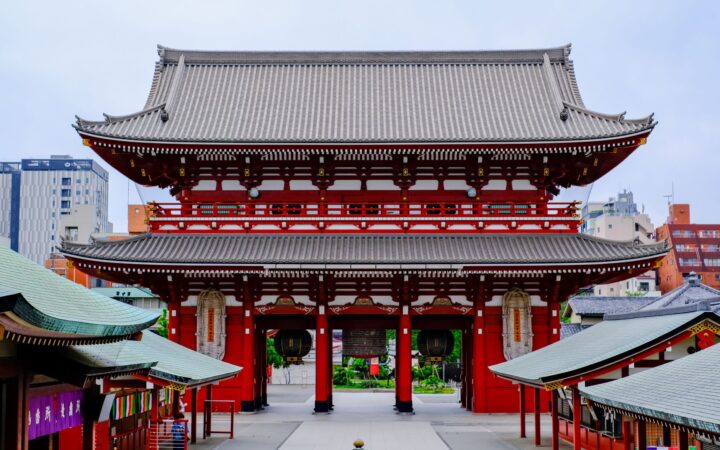
Asakusa is old Tokyo — historic temple streets, rickshaws, traditional craft shops, and a slower atmosphere. It is the neighbourhood of Senso-ji Temple and Nakamise shopping street, offering a completely different pace from Shinjuku’s intensity. The two complement each other perfectly: spend a morning at Senso-ji, then take the Tokyo Metro back to Shinjuku in 30 minutes for an evening in Golden Gai.
Shinjuku vs Ikebukuro
Ikebukuro, about 8 minutes north on the Yamanote Line, is a major commercial hub that is considerably less tourist-focused than Shinjuku. The area has excellent ramen restaurants and somewhat lower hotel prices than Shinjuku. For first-timers, Shinjuku is the more rewarding base, but Ikebukuro makes for an excellent half-day side trip.
Money and Budget Planning for Shinjuku
Japan has a reputation for being expensive, but Shinjuku can accommodate almost any budget if you know where to look. Here is a realistic breakdown of daily costs at different spending levels.
Budget Day (¥5,000–¥10,000 / USD 34–68 per person, excluding accommodation)
Breakfast at a convenience store costs ¥400–¥600. Lunch at a station soba counter or underground food court runs ¥700–¥1,000. The Tocho observation deck is free. Dinner at Omoide Yokocho (four skewers and two beers) comes to ¥2,500–¥3,500. Two drinks at a Golden Gai bar with door charge adds ¥2,000–¥3,000. This amounts to a full, satisfying day for well under ¥10,000.
Mid-Range Day (¥15,000–¥25,000 / USD 102–170 per person, excluding accommodation)
At this budget, you can add a department store lunch at Isetan’s basement food hall (¥1,500–¥2,500), admission to Shinjuku Gyoen (¥500), and a full dinner at a mid-range izakaya (¥3,000–¥5,000 per person including drinks). Shopping adds considerably.
Luxury (¥30,000+ / USD 204+ per person, excluding accommodation)
Tokyo is one of Asia’s great luxury dining cities, and Shinjuku contains multiple Michelin-starred restaurants. A kaiseki meal at a high-end Japanese restaurant costs ¥15,000–¥30,000 (USD 102–204) per person and represents one of the finest dining experiences in the world.
A Brief History of Shinjuku
Shinjuku developed as a post town on the Koshu Kaido road in the early Edo period (17th century), its name meaning “new inn” — a reference to the lodging houses that lined the highway for travellers heading west from Edo. The station opened in 1885 and began transforming the area from a highway stop into a commercial hub. By the early 20th century, Shinjuku had become one of Tokyo’s liveliest entertainment districts.
The Great Kanto Earthquake of 1923 devastated much of eastern Tokyo, and many businesses relocated westward to Shinjuku, which had suffered comparatively less damage. World War II brought near-total destruction through incendiary bombing in 1945, but reconstruction was swift. The post-war black market culture that spawned Omoide Yokocho and the original Golden Gai took root in the late 1940s and 50s.
The construction of the Tokyo Metropolitan Government Building in 1991 cemented Shinjuku’s identity as both an administrative centre and a commercial powerhouse. Today, Shinjuku processes over 3.5 million passengers through its station daily — making it the world’s busiest — and is home to a daytime population that dwarfs many small cities. It is, in many ways, a city within a city, and one of the most compelling urban environments anywhere in the world.
Plan your wider Japan adventure beyond Shinjuku with the help of our Japan travel tips for first-timers — covering everything from packing to etiquette, money, and transport.
Related Tokyo Neighbourhood Guides
Discover more of Tokyo with these related neighbourhood guides: Shibuya and Harajuku’s fashion and crossing, Akihabara’s anime and electronics, Roppongi’s art triangle and nightlife, Ginza and Tsukiji’s market and shopping, and Shimokitazawa’s vintage shops and cafes.
Going to Japan? Speak Japanese with confidence.
Hirameki Japanese — camera translate for menus and signs, a two-way conversation mode, and furigana + romaji on every phrase. Free to download with kana charts, conversation mode and starter words; a one-time purchase unlocks everything.

Plan your Japan trip
Two things every first-timer should book
Some links are affiliate links. If you book through them we may earn a small commission at no extra cost to you.