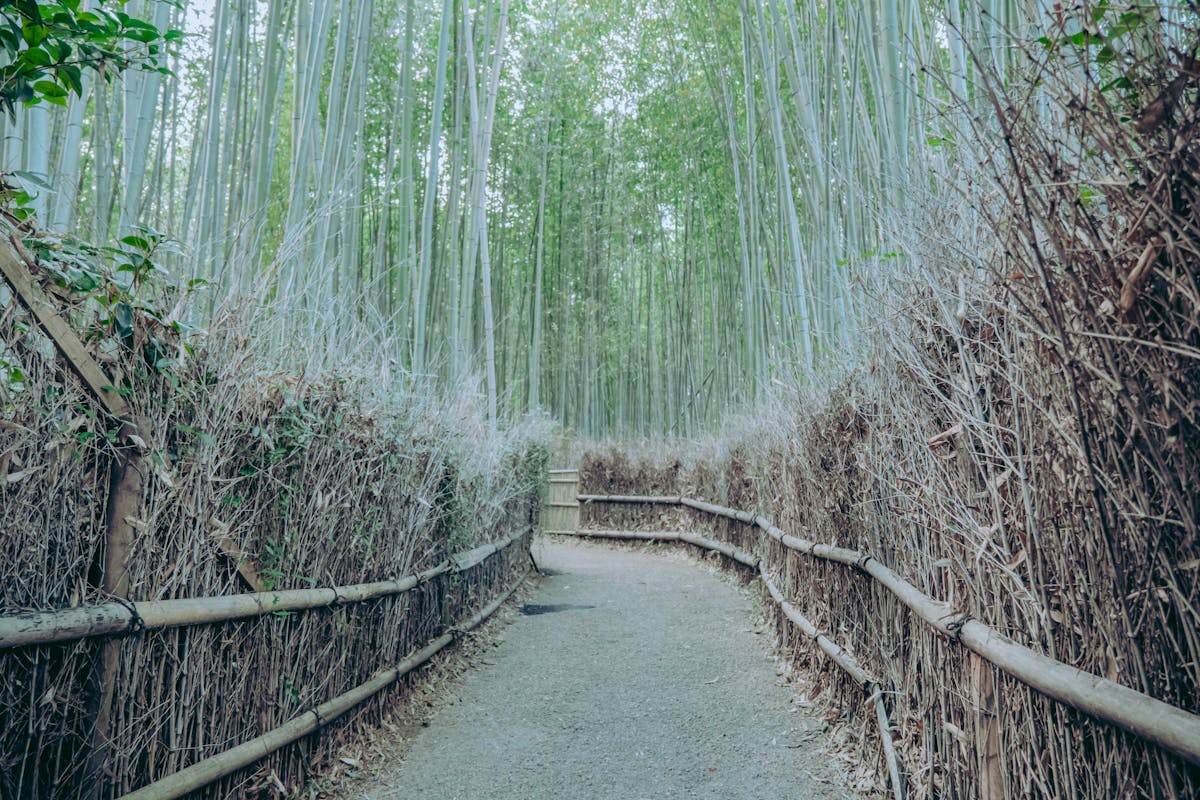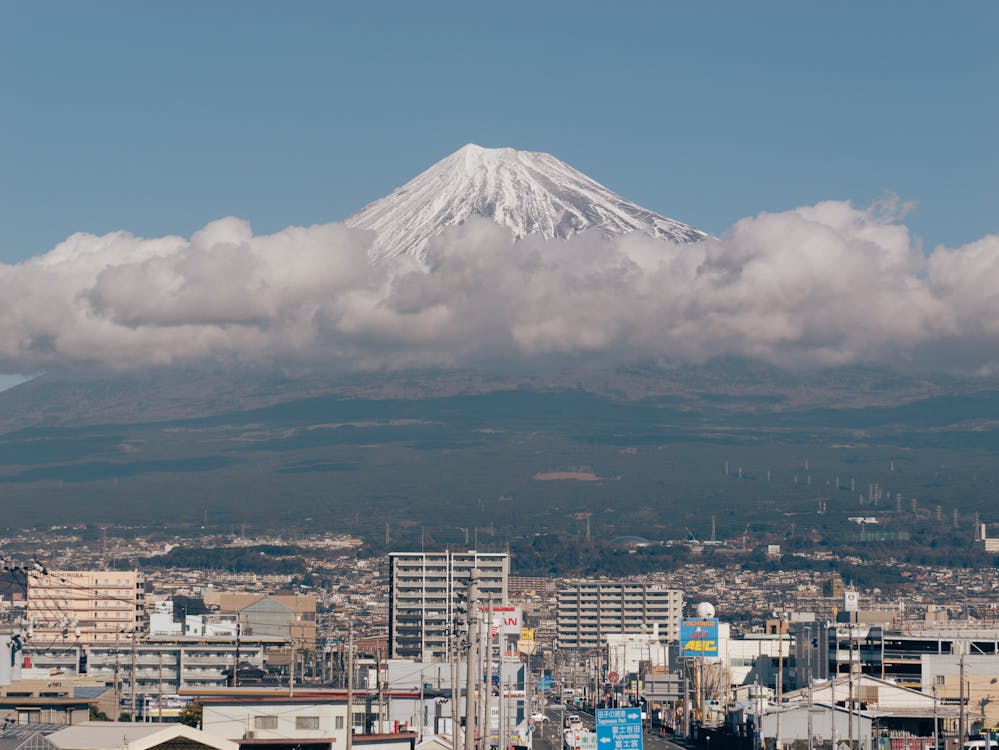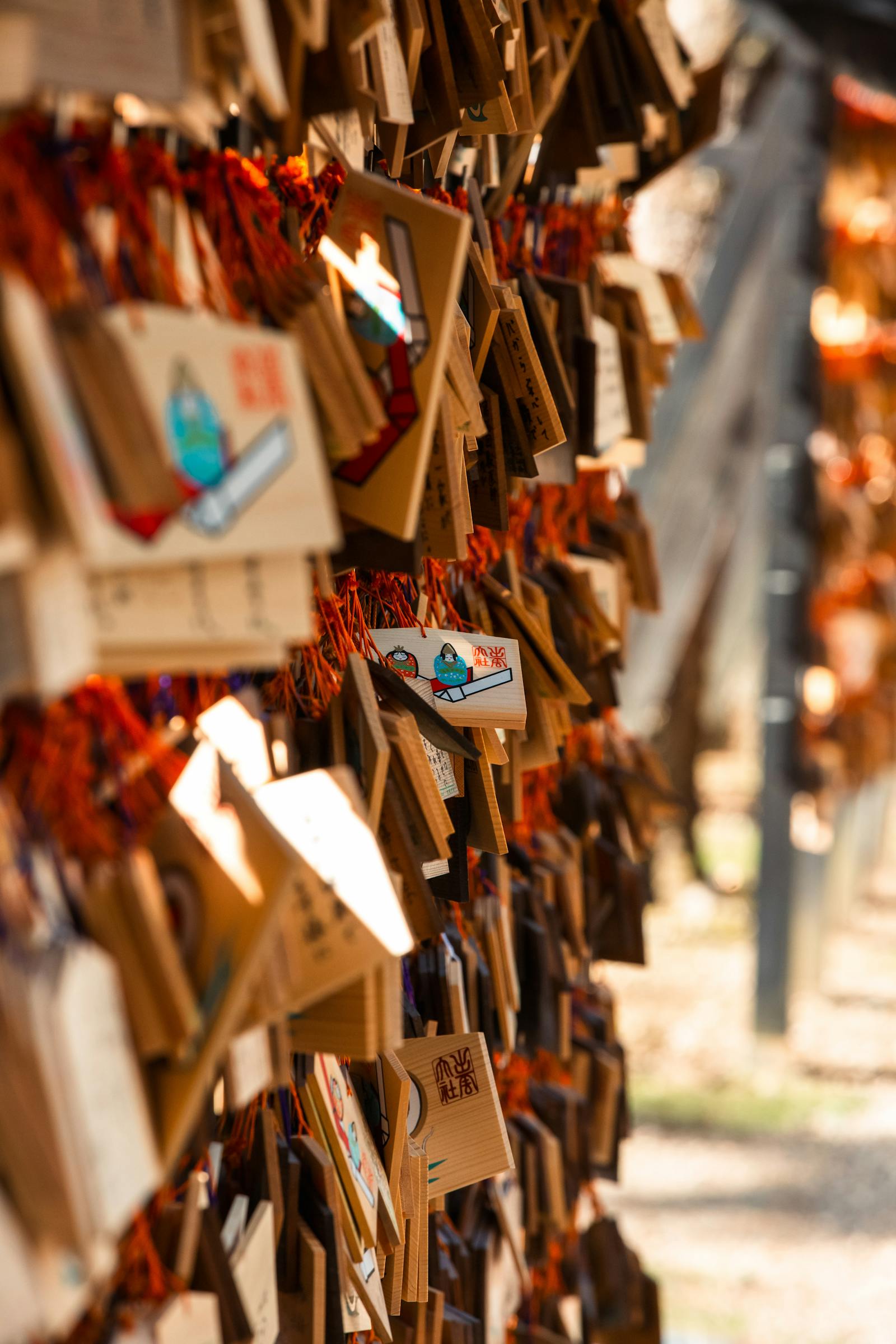
Izumo Taisha, in the quiet coastal prefecture of Shimane on Japan’s western coast, is one of the country’s oldest and most spiritually important Shinto shrines. While many first-time visitors to Japan map their itineraries around Tokyo and Kyoto, those who make the longer journey to Izumo discover something rarer: a place where the country’s ancient origin myths still feel alive in the air, where wooden architecture predates almost every other shrine in Japan, and where, according to legend, the eight million gods of the Shinto pantheon gather once a year for a divine summit.
The Grand Shrine of Izumo is dedicated to Okuninushi, the god of nation-building, marriage, and good relationships. For more than a thousand years, Japanese pilgrims have travelled to this remote part of the San’in coast to ask Okuninushi for guidance, love, and good fortune. The shrine is so closely tied to romance and partnership that, even today, single Japanese visitors come here specifically to pray for a good match. It is one of those places where Japan’s living mythology and its everyday spiritual practice meet in a way that you cannot quite find elsewhere.
This complete guide will walk you through everything a first-time visitor needs to know about Izumo Taisha: the legend behind the shrine, the architecture of its great main hall, how to bow and clap in the unusual local style, when to go for the famous gods’ gathering month, how to get there from Tokyo and Osaka, what to see in the surrounding town, and how to combine Izumo with other destinations in the underexplored Chugoku region.
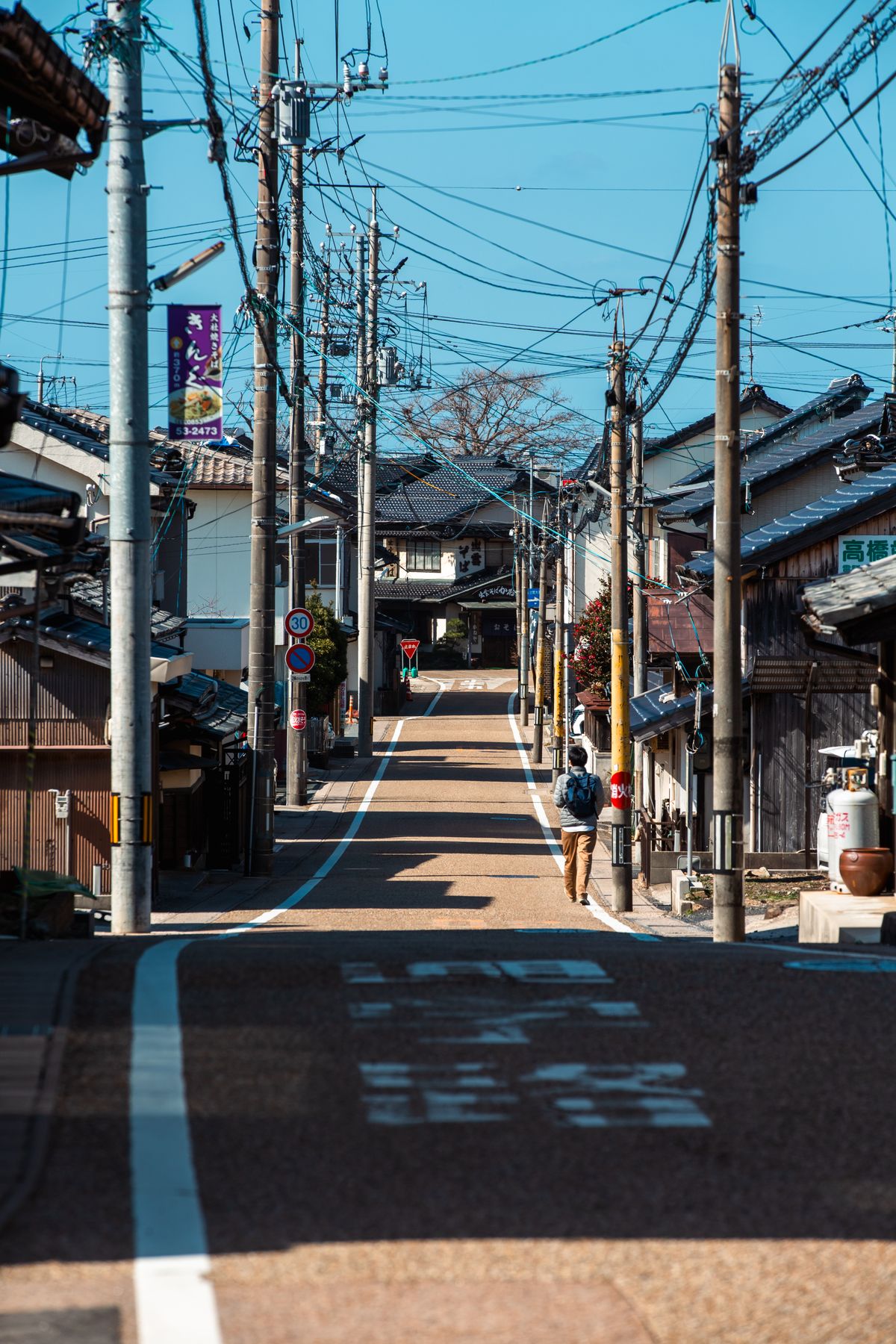
The History and Mythology of Izumo Taisha
To understand why Izumo Taisha matters so deeply in Japanese culture, you need to start with the oldest Japanese written records, the Kojiki and the Nihon Shoki, both compiled in the early eighth century. Both texts describe Izumo as a kind of parallel divine kingdom to that of the imperial deity Amaterasu. The shrine commemorates the moment in mythology when Okuninushi, the original ruler of the land, ceded earthly authority to the descendants of Amaterasu in exchange for the construction of a vast shrine in his honour. That shrine, according to tradition, is what we now call Izumo Taisha.
Although the present buildings date from 1744, ancient records and archaeological evidence suggest that the original main hall may have been one of the largest wooden structures in the world, possibly reaching 48 metres in height, supported on enormous pillars. In 2000, three massive cedar pillars, each made of three trees bound together, were unearthed during a routine excavation, lending credibility to the legends of a giant ancient shrine that towered above the coastal plain.
The God of Good Connections
Okuninushi (大国主) is one of the most beloved figures in the Shinto pantheon, known for kindness, perseverance, and his role in resolving conflicts. Stories about him appear throughout Japan’s earliest mythology, including tales in which he helps a wounded rabbit, marries a princess from the underworld, and ultimately founds the divine state of Izumo. Because of his association with bringing people together, he is venerated as the god of “en-musubi”, literally “tying connections”, and is the most popular deity in Japan for prayers concerning love, marriage, family, and friendship.
Kamiarizuki: The Month When the Gods Come Home
In the traditional Japanese lunar calendar, the tenth month is called “Kannazuki” in most of the country, which means “the month without gods”. The reason, according to belief, is that all eight million Shinto gods leave their home shrines to gather at Izumo. In Izumo itself, the same month is called “Kamiarizuki”, meaning “the month with gods”. During this period, which corresponds roughly to November in the modern solar calendar, special ceremonies welcome the gods and grant them the use of small lodging huts in the shrine precinct. Visiting during this season is one of the most atmospheric experiences in all of Japanese travel.
What to See at Izumo Taisha
The shrine precinct is large and richly layered. A casual visit can be done in 90 minutes, but to absorb the atmosphere properly, plan on at least half a day. Below are the main sights you should not miss.
The Approach (Sando)
Your visit begins at the main torii gate near the town’s tourist area, and from there you walk a long, gently downhill stone path lined with pine trees. This downhill approach is unusual; most Shinto shrines have you ascend toward the deity, but at Izumo, the path descends, symbolising the gods coming down from their high realms to meet you. Take the time to walk slowly. Stop at the small purification fountain near the second torii to rinse your hands and mouth as is customary before approaching a shrine.
The Great Main Hall (Honden)
The centrepiece of the shrine is the Honden, the main hall, built in the ancient “Taisha-zukuri” style, the oldest architectural style of Shinto shrine still in use. The Honden is a designated National Treasure of Japan, with a thatched roof made of layered hinoki cypress bark. Visitors cannot enter the Honden itself but can approach a worship hall directly in front of it. The current Honden was completed in 1744 and is rebuilt with major renovations roughly every 60 years, a process that preserves the ancient construction techniques.
The Famous Shimenawa Ropes
One of the most photographed features of Izumo Taisha is the giant “shimenawa”, or sacred straw rope, that hangs in front of the Kagura-den, the hall used for special performances. The Kagura-den’s shimenawa is one of the largest in Japan, weighing approximately 5.2 tonnes and measuring 13.5 metres long. The thick, twisted rice straw is replaced every six to eight years in a community effort that involves hundreds of volunteers. The size of the rope is a visual reminder of the sheer scale of the spiritual energy believed to flow through this place.
The Worship Style: Two Bows, Four Claps, One Bow
Most Shinto shrines in Japan follow the standard “two bows, two claps, one bow” worship pattern. Izumo Taisha is one of only two shrines (the other being Usa Jingu in Oita) where worshippers perform “two bows, four claps, one bow”. This special style is part of what makes a visit feel different from anywhere else. When you reach the worship hall, drop a coin (a 5-yen piece is traditional, because “go-en” sounds like the word for “connection”), ring the bell if there is one, then perform the four-clap ritual. Visitors are welcome to follow along, and shrine attendants are happy to guide first-timers.
The Stables for the Gods
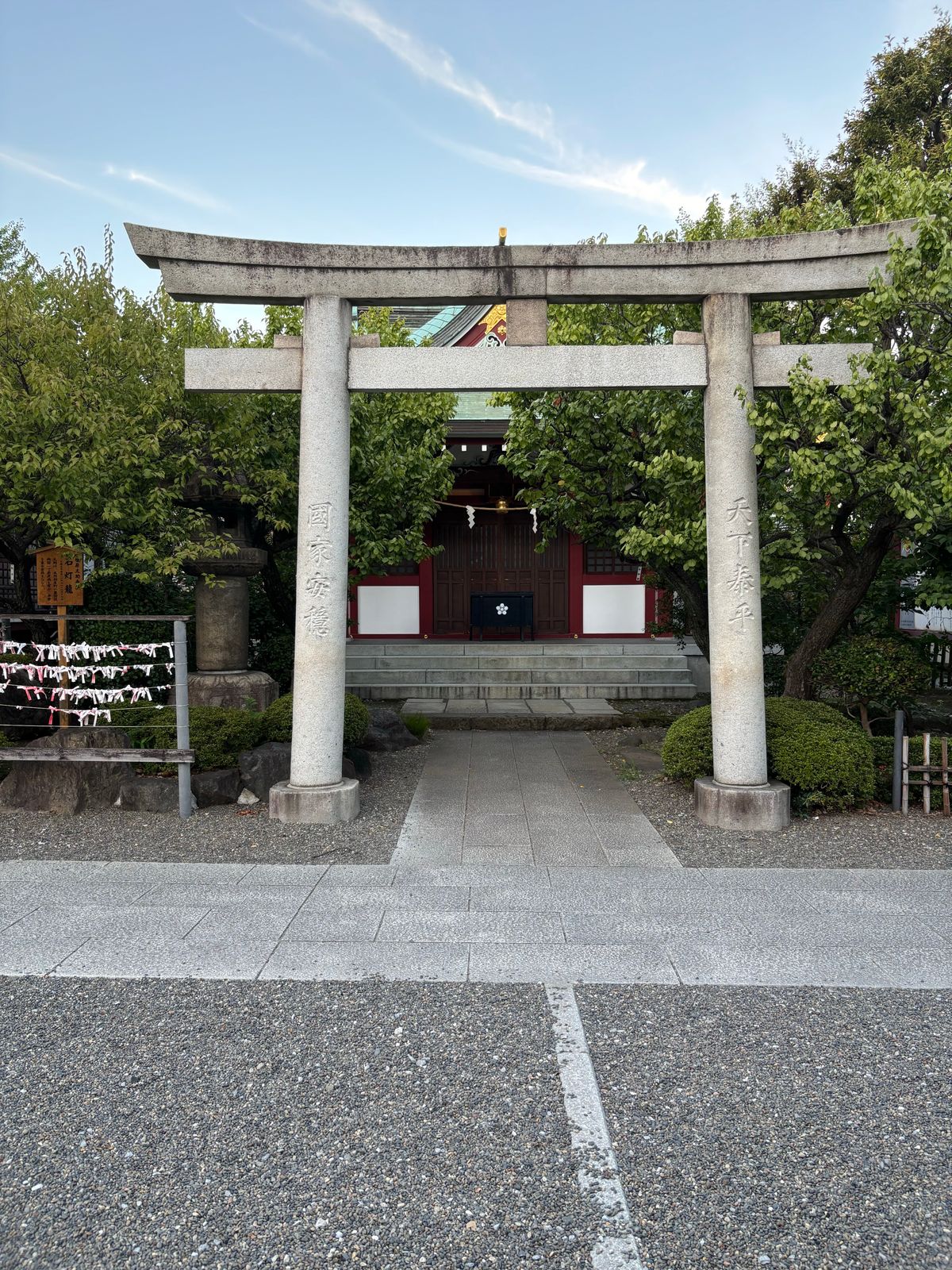
To the east and west of the main hall, you will see two long, low buildings with multiple small doors. These are the “Higashi Jukusha” and “Nishi Jukusha”, lodgings for the gods who come to Izumo during Kamiarizuki. Each door represents a temporary dwelling for one of the eight million visiting deities. Even outside the gods’ month, the buildings are kept clean and ready, and they are one of the most curious sights at the shrine.
The Treasure Museum
Just east of the main precinct, the Shrine Museum displays artefacts excavated from the site, including the three giant pillars discovered in 2000 that are believed to have supported the ancient version of the Honden. The exhibits are well presented with English signage, and entry costs ¥500 (USD $3.40). For history lovers, this is an essential stop and helps put the shrine’s mythology into archaeological context.
Inasa Beach: Where the Gods Arrive
About one kilometre west of the shrine, on the coast of the Sea of Japan, is Inasa-no-hama, the beach where the gods are said to come ashore at the start of Kamiarizuki each year. The small black-rock islet just offshore, with its tiny torii gate, is the visual centre of the welcoming ceremony. Even outside Kamiarizuki, the beach is a beautiful and atmospheric place to watch the sunset over the western sea.
When to Visit Izumo Taisha
The shrine is open year-round and is impressive in every season. Each time of year brings its own atmosphere.
Spring (March to May)
Cherry blossoms bloom in late March and early April around the shrine grounds and along the approach road. The weather is mild, the crowds are moderate, and the trees throughout the precinct burst into delicate pink. Late April brings warm days and clear nights, perfect for slow walking.
Summer (June to August)
The Izumo summer is warm and humid but tempered by sea breezes. The shrine grounds are deeply shaded by ancient pines, so even on hot days the atmosphere is cool and quiet. Summer evenings on Inasa Beach are magical, with bonfires and fishing boats on the horizon. August also brings several local festivals, including the Izumo Daisha Shrine Lantern Festival.
Autumn (September to November)
This is by far the most popular time to visit. From mid-October through November, the maple trees in the shrine precinct and around the wider Shimane area turn brilliant shades of red and gold. November is also the month of Kamiarizuki, when the gods are said to gather, and special ceremonies and crowds fill the precinct. Booking accommodation well in advance is essential during this season.
Winter (December to February)
Winters on the Shimane coast are cold and grey, with frequent rain and occasional snow. The crowds disappear, and the shrine takes on a hushed, monastic atmosphere. For visitors who want to feel the spiritual side of Izumo without distractions, this is the most rewarding season.
How to Get to Izumo Taisha
Izumo is in Shimane Prefecture on Japan’s western coast, in the part of the country known as the “San’in” region. The trip takes some planning, but the journey is part of what makes the shrine feel so special.
From Tokyo
The fastest route from Tokyo is to fly directly to Izumo Enmusubi Airport. JAL and ANA both offer two daily flights from Tokyo Haneda, with a flight time of approximately 90 minutes and fares typically around ¥30,000 (USD $200) one-way. From the airport, a regular shuttle bus serves Izumo Taisha in about 35 minutes for ¥1,070 (USD $7).
The alternative for rail enthusiasts is the long but scenic route: take the Tokaido Shinkansen to Okayama (3 hours 20 minutes), then the limited express Yakumo across the Chugoku mountains to Izumoshi Station (3 hours). The total train journey takes 6 hours 30 minutes and is fully covered by the Japan Rail Pass, making it appealing for travellers who already hold one.
From Kyoto and Osaka
From Osaka, you can take the Sanyo Shinkansen to Okayama (50 minutes), then transfer to the Yakumo limited express to Izumoshi (3 hours). Total travel time is around four hours, all covered by the JR Pass. From Kyoto, the journey is approximately 4 hours 30 minutes.
An overnight option, especially popular with Japanese travellers, is the Sunrise Izumo sleeper train, which departs Tokyo Station at 22:00 and arrives at Izumoshi Station at 9:58 the next morning. Cabin fares start at ¥27,000 (USD $180) and can be booked through any JR Midori-no-Madoguchi ticket office. The Sunrise Izumo is one of the last sleeper trains operating in Japan and is itself a memorable experience.
From Hiroshima
If you are visiting other destinations in western Japan like Hiroshima, the most efficient route to Izumo is by highway bus. The Iwami Express bus runs daily from Hiroshima Station to Izumoshi in about three hours.
From Izumoshi Station to the Shrine
The local train and bus connections from Izumoshi Station to the shrine are well organised. The Ichibata Electric Railway runs a charming heritage line from Izumoshi to Izumo Taisha-mae Station in 23 minutes (¥510 / USD $3.40), depositing you a short walk from the main torii. Buses are also frequent and take about 25 minutes.
Staying Connected
Outside of major cities, mobile coverage in Shimane is generally good but can be uneven in the mountain valleys. A Japan eSIM is the easiest way to ensure you have data for navigation and translation throughout your trip. Get your Japan eSIM (Stay connected from day 1) →
Where to Stay Near Izumo Taisha
Staying near the shrine for at least one night allows you to visit the precinct at early morning when the air is clearest and the precinct is almost empty.
In the Shrine Town
The traditional accommodation closest to Izumo Taisha is a cluster of small ryokans within a 10-minute walk of the main torii. Several have been in business for more than a century and offer the classic experience of tatami rooms, traditional kaiseki cuisine featuring local seafood, and futon beds laid out by the staff. Rates typically run from ¥18,000 to ¥35,000 (USD $120-235) per person including dinner and breakfast. For a curated selection of traditional inns, Find luxury hotels on Ikyu.com →.
In Izumoshi (The Nearest City)
Izumoshi is a small city with a wider range of hotel options, particularly business-class hotels at the train station. The location is convenient if you plan to use Izumoshi as a base for visiting both the shrine and nearby Matsue. Booking online is the most efficient approach. Book your hotel on Agoda (Best prices guaranteed) →.
In Matsue (Castle Town Base)
Matsue, 30 minutes east of Izumo by train, is a beautiful castle town and an excellent alternative base. From here, day trips to Izumo Taisha, Yuushien Garden, and the surrounding lake country are all easy. Matsue has more restaurants and a livelier evening atmosphere than Izumoshi. For budget options, Search hotel deals on Yahoo! Travel →.
Seaside Onsen at Tamatsukuri
Tamatsukuri Onsen, just 20 minutes south of Matsue, is one of Japan’s oldest hot spring resorts and is associated with the local myth of “beautifying water”. Several stunning ryokans line the river that flows through the town. This is a wonderful base for a slower, more contemplative visit to the region.
What to Eat in and Around Izumo
Izumo has a distinctive regional cuisine shaped by its coastal geography and its long pilgrim culture. Eating well in the region is part of the experience.
Izumo Soba
Izumo soba is one of Japan’s three great soba styles, alongside Wanko soba from Iwate and Togakushi soba from Nagano. The local version is dark in colour, with a robust, nutty flavour from buckwheat hulls. The classic local preparation is “warigo soba”, where small portions are stacked in lacquered bowls and eaten with seasonal toppings. The sauce is poured directly over the noodles rather than served on the side. Many soba restaurants line the approach to Izumo Taisha, including some that have been operating for more than a hundred years.
Zenzai (Sweet Red Bean Soup)
Zenzai, a sweet red bean soup with a soft rice cake floating in the centre, is said to have originated in Izumo, where it was originally served as an offering during the Kamiarizuki festival. The local “Izumo Zenzai” is sweeter and more refined than the version you find elsewhere in Japan. Many cafes along the shrine approach specialise in it, and a steaming bowl on a cool day is one of the simple pleasures of an Izumo visit.
Shijimi Clams from Lake Shinji
Lake Shinji, between Izumo and Matsue, produces the most prized shijimi clams in Japan. These tiny brackish-water clams are typically served in miso soup, which is widely available in restaurants throughout the area. The flavour is rich and distinctive, often described as “the taste of the lake”.
Local Sake
Shimane Prefecture has one of the oldest and most respected sake-brewing traditions in Japan, with several major breweries near Izumo. The local style tends to be slightly drier and crisper than central Japanese sake, with bright fruit notes from the regional rice and water. Many breweries offer tastings and tours. For a deeper introduction to Japanese drink culture, our Japan street food and drink guide covers regional specialities across the country.
Wagashi (Traditional Sweets)
The town of Matsue is known throughout Japan for its tea culture and its wagashi, the delicate traditional Japanese sweets often served with green tea. Several venerable wagashi shops near Matsue Castle have been operating for several centuries, and tasting their seasonal creations is a peaceful complement to the spiritual intensity of the shrine.
Combining Izumo Taisha with Other Destinations
Because the journey to Izumo is long, most travellers build it into a multi-day exploration of the San’in region.
Matsue (30 minutes by train)
Matsue is one of Japan’s most beautiful and underrated castle towns. The wooden Matsue Castle is one of only twelve original castles still standing in the country, and a small boat tour around the surviving moat is a peaceful way to spend an afternoon. The Lafcadio Hearn Museum, dedicated to the Greek-born writer who lived in Matsue in the 1890s and helped introduce Japanese culture to the West, is a quiet treasure.
Adachi Museum of Art (45 minutes from Matsue)
The Adachi Museum has won the “Best Japanese Garden in Japan” ranking by a leading specialist publication for more than 20 consecutive years. The garden is intricately maintained and viewed from inside the museum building, where the windows are designed as living picture frames. Combined with a small but exquisite collection of modern Japanese painting, it makes for one of the best garden experiences in Japan.
Iwami Ginzan Silver Mine (90 minutes by train and bus)
This UNESCO World Heritage Site preserves the remains of one of the world’s most important silver mines from the 16th and 17th centuries. The mine produced almost a third of the world’s silver supply at its peak. Today, the area around Omori, the historic mining village, is a charming district of preserved wooden buildings that you can explore on foot or by rented bicycle.
Tottori Sand Dunes (3 hours)
For travellers continuing east, the famous Tottori Sand Dunes are one of Japan’s most unusual landscapes. Combining Izumo, Matsue, and Tottori makes a compact and memorable three or four day San’in itinerary.
Hiroshima and Miyajima (3 hours)
From Izumo, you can also continue south to Hiroshima and the iconic floating torii of Itsukushima Shrine on Miyajima Island. This combination pairs Japan’s two most spiritually moving destinations into a single trip.
Booking a Tour Package
If the logistics of independent travel in the San’in region feel daunting, several Japanese tour operators offer packages that include Izumo, Matsue, and surrounding sights. Book Japan tours and hotels on JTB → or browse multi-day options at Find affordable Japan tour packages →.
Shrine Etiquette: How to Visit Respectfully
Visiting a major shrine like Izumo Taisha is a wonderful opportunity to engage thoughtfully with Japanese religious culture. The basics are simple and you do not need to be a believer to follow them; they are gestures of respect, like removing your shoes when entering a home.
Passing Through the Torii
The torii gate marks the boundary between the everyday world and the sacred precinct. By tradition, you bow slightly before passing through and walk to one side of the central path rather than down the centre, which is reserved for the gods. This is a small gesture that experienced shrine-goers appreciate.
Purification
At the chozuya, the water pavilion near the entrance, take the wooden ladle in your right hand and pour water over your left hand. Switch the ladle to your left hand and rinse your right. Then take a little water in your cupped left palm to rinse your mouth (do not drink directly from the ladle). Finally, hold the ladle vertically to let the remaining water rinse the handle. Replace it where you found it.
Worshipping at the Hall
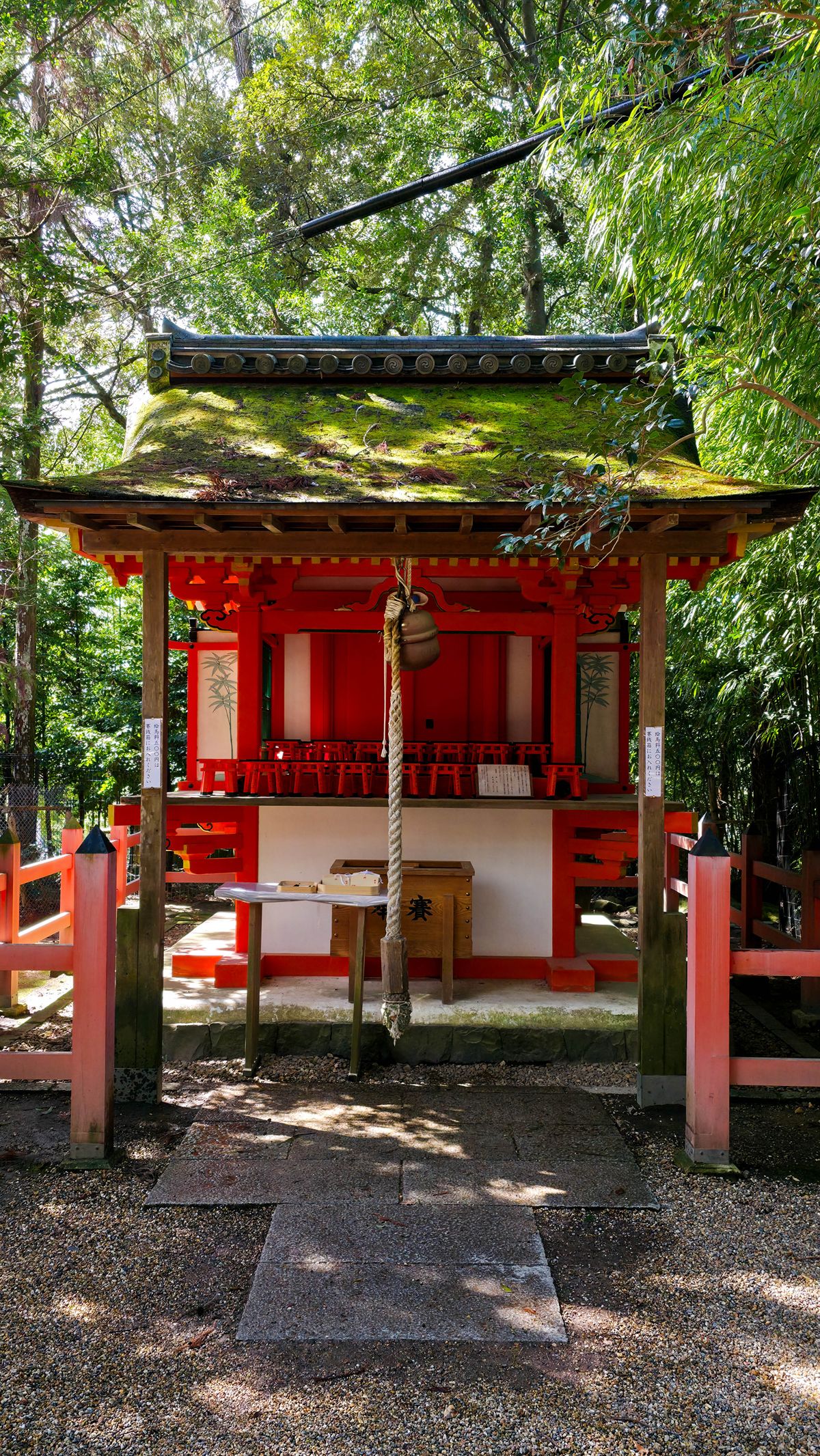
Approach the worship hall slowly. Drop a coin into the offertory box (5-yen coins are traditional for “en-musubi” prayers), ring the bell with the rope if there is one, then perform the Izumo-style worship: two bows, four claps, one final bow. Take a moment of silence to make your wish or prayer. The shrine is also a place where many Japanese pause to express gratitude rather than to ask for something.
Photography
Photography is permitted in most areas of the shrine, but never inside the buildings or during ceremonies. Be mindful of other worshippers, who may be in the middle of prayer or a quiet moment.
Reading More About Etiquette
For a broader introduction to how to behave at shrines, temples, and onsen, our first-timer’s Japan travel tips guide covers the most important customs in detail.
Suggested Itineraries
One-Day Visit from Matsue
Stay overnight in Matsue. Take the morning train to Izumoshi (30 minutes), then a connecting train or bus to Izumo Taisha. Spend three to four hours at the shrine and the surrounding town, with a lunch of warigo soba. In the afternoon, visit the Shrine Museum, walk to Inasa Beach, and return to Matsue for the evening.
Two-Day Deeper Experience
Travel to Izumo from Tokyo or Osaka on day one and stay overnight in one of the traditional ryokan near the shrine. Visit Izumo Taisha very early on day two, when the precinct is at its quietest. Spend the morning exploring the shrine slowly, then have a leisurely lunch in the town. In the afternoon, return to Izumoshi or continue to Matsue.
Three-Day San’in Loop
Combine Izumo with Matsue, the Adachi Museum, and a side trip to Lake Shinji or Tamatsukuri Onsen. This is the itinerary that most reveals the character of the region and is highly recommended for travellers who already have a basic Japan itinerary in mind.
Five-Day Sea of Japan Coastline
For those with more time, link Izumo with the Iwami Ginzan silver mine, the Tottori sand dunes, the city of Tottori itself, and the small fishing villages of the eastern Shimane and western Tottori coasts. This itinerary takes you well off the standard tourist track and offers a glimpse of an older, slower Japan.
Practical Tips for First-Time Visitors
- Visit early in the morning. The shrine opens at sunrise and is at its most atmospheric before 9am. Most tour groups arrive between 10am and 11am.
- Bring a few 5-yen coins. The word for 5 yen, “go-en”, sounds the same as the word for “connection”. Tossing a 5-yen coin into the offertory box is the traditional way to ask Okuninushi for good relationships.
- Carry cash. Many small shops and restaurants near the shrine still prefer cash. Convenience stores in Izumoshi accept cards.
- Wear comfortable walking shoes. The full visit includes a lot of walking on gravel and stone, plus the path down to Inasa Beach.
- Plan around the weather. Shimane is one of the rainier regions in Japan. Pack a light umbrella, especially from June to early July (rainy season) and during winter.
- Try the warigo soba. Skipping the local soba is a missed opportunity. The famous Kanibeya restaurant near the shrine is a good first choice.
- Allocate time for the museum. The Shrine Museum makes the visit far more meaningful and is one of the best small museums in Japan.
- Use the Ichibata Railway. The vintage Ichibata Electric Railway between Izumoshi and Izumo Taisha-mae is a charming experience in its own right.
- Consider an airport transfer. If you are arriving on a tight schedule with luggage, a private airport transfer can save a lot of stress. Book airport transfer with NearMe →
- Bring layers in spring and autumn. Mornings on the coast can be cool even when the afternoon is warm.
- Use an eSIM for travel maps. Reliable mobile internet makes navigating the San’in region much easier. Get Japan eSIM on Saily →
- Visit during Kamiarizuki if you can. The November gathering of the gods is one of the most extraordinary atmospheres in Japanese travel.
- Buy an omamori (charm). The shrine sells beautiful “en-musubi” charms for ¥1,000 (USD $6.70). They make meaningful souvenirs that mark your visit.
- Be silent at the worship hall. Japanese visitors pray quietly and quickly. Loud talking near the hall is considered disrespectful.
Frequently Asked Questions
Why is Izumo Taisha called Japan’s oldest shrine?
Izumo Taisha is mentioned in the Kojiki, Japan’s oldest surviving book, completed in 712 AD. The shrine has been continuously rebuilt on the same site for at least 1,300 years, and archaeological evidence suggests that an even earlier version stood on the site as far back as the seventh century. Other shrines, such as Ise Jingu, are also extremely old, but Izumo Taisha is generally regarded as the most ancient and architecturally distinctive.
Is there an entrance fee?
Entry to the main shrine precinct is free. The Shrine Museum costs ¥500 (USD $3.40). Some auxiliary buildings have small donation boxes but no required fee.
How long do I need at the shrine?
A quick visit takes around 90 minutes. A thoughtful visit, including the museum, Inasa Beach, and lunch in the town, takes most of a day. For a deeply meaningful experience, stay overnight and return at sunrise.
Can I attend a ceremony?
Public ceremonies happen throughout the year, with the most famous being the Kamimukae-sai (greeting of the gods) in November. Smaller blessing ceremonies happen daily and visitors can observe respectfully. For a paid private blessing, you can inquire at the shrine office; it usually costs from ¥5,000 (USD $34) and is a moving experience.
Is the shrine wheelchair accessible?
Most of the main precinct is on level ground and is reasonably accessible. The approach has gentle slopes that can be navigated. The auxiliary buildings and some smaller paths are less accessible. The shrine office can advise on specific concerns.
What language is used at the shrine?
Signage at the main hall and museum is bilingual in Japanese and English. Audio guides in English are available at the museum. Shrine attendants may speak basic English, and many tourist information staff in the surrounding town are bilingual.
Is there a dress code?
There is no strict dress code, but visitors are expected to dress modestly. Avoid revealing clothing. Many Japanese visitors wear smart casual clothing for a shrine visit, and some women wear kimono, especially during November.
Can I visit Izumo Taisha and Ise Jingu on the same trip?
Yes, although they are at opposite ends of the country. Ise Jingu is in Mie Prefecture, about 90 minutes from Nagoya. A combined pilgrimage of both shrines is a traditional Japanese journey and gives a balanced view of the two great strands of imperial and Izumo mythology. Plan two travel days between them.
Are the gods really there during November?
This is a matter of personal belief. The traditional belief, deeply held throughout Japan, is that the gods come to Izumo for the tenth lunar month. Whether you see this as literal or metaphorical, the special ceremonies, the cultural energy, and the historical depth of the gathering make November an unforgettable time to visit.
Is the area safe for solo travellers, including women?
Shimane is one of the safest prefectures in Japan, which is itself one of the safest countries in the world. Solo travellers, including women, can walk freely at all hours, take buses and trains without concern, and stay in traditional inns where the hospitality is famously warm.
The Surrounding Cultural Landscape
Visitors who linger in the Izumo region quickly discover that Izumo Taisha is the most prominent piece of a much wider cultural landscape. Shimane is sometimes called “the cradle of Japanese mythology”, and reminders of that older world are scattered throughout the countryside.
Hinomisaki Lighthouse and Shrine
About 30 minutes by bus from Izumo Taisha, the Hinomisaki cape reaches out into the Sea of Japan. The lighthouse there, built in 1903, is the tallest stone lighthouse in Japan at 43.65 metres and is open to visitors. The cape is also home to Hinomisaki Shrine, a vivid vermilion-painted complex that contrasts dramatically with the austere wooden style of Izumo Taisha. The combination of seascape, traditional lighthouse, and shrine makes for a wonderful half-day outing from the main shrine.
The Stone Statues of Susa Shrine
Further along the coast lies Susa Shrine, dedicated to Susanoo-no-Mikoto, brother of the sun goddess Amaterasu and one of the principal figures of the Izumo mythological cycle. The shrine is small but powerfully atmospheric, surrounded by ancient cedar trees and accessed by a sequence of weathered stone staircases. For travellers serious about exploring the Izumo mythology, a visit here adds depth to the experience at the main shrine.
Kojindani Archaeological Site
In the hills behind Izumo, the Kojindani site has produced one of the most extraordinary archaeological finds in Japan: 358 bronze swords, 16 bronze spearheads, and 6 bronze bells from the Yayoi period (300 BC to 300 AD). Together, the artefacts demonstrate that the Izumo region was a major centre of bronze culture long before the historical period began. The site museum displays the originals and tells the story of how the discovery rewrote the early history of Japan.
Mihonoseki and the Sacred Capes
The fishing village of Mihonoseki, on the eastern tip of the Shimane Peninsula, is home to another important shrine, Miho Jinja, dedicated to Kotoshironushi, son of Okuninushi. The village is one of the most beautiful traditional fishing towns in western Japan, with stone-paved streets and old wooden buildings that have changed little in a century. A combination day trip to Mihonoseki and the Adachi Museum is one of the most rewarding outings in the region.
Traditional Crafts of Izumo
The Izumo region is known for several distinctive traditional crafts, including Izumo washi paper, Izumo silk, and the local pottery tradition centred on the village of Yumura. Several artisan workshops near the shrine welcome visitors and offer brief introductions to their work, sometimes with hands-on experiences for those interested.
Local Festivals and Annual Events
Beyond the famous gathering of the gods in November, Izumo and the surrounding region host a calendar of festivals throughout the year. Catching one of them adds depth to any visit.
Sai-no-Kuni Matsuri (May)
In early May, the Sai-no-Kuni festival celebrates the founding of the local cultural identity, with traditional kagura dance performances on outdoor stages near the shrine. The dances re-enact scenes from the Kojiki mythology and are accessible to visitors who do not speak Japanese, since the performances are intensely visual.
Kamimukae-sai (Mid-November)
The “Greeting of the Gods” ceremony marks the start of Kamiarizuki. The night-time ceremony at Inasa Beach, where torches lead the gods from the shore up to the shrine, is one of the most atmospheric religious events in Japan. The ceremony is open to the public, although the closer viewing areas can be crowded. The exact date is determined by the lunar calendar each year.
Karasade-sai (Late November)
The “Farewell to the Gods” ceremony, which closes Kamiarizuki, is a quieter and more reflective event. After a week of gatherings and meetings inside the shrine precinct, the gods depart for their home shrines around Japan. The ceremony involves singing, the burning of incense, and a procession.
Shogatsu (New Year)
The first three days of January are one of the busiest periods at the shrine, when hundreds of thousands of Japanese visitors come for hatsumode, the first shrine visit of the new year. The atmosphere is festive and intense, with food stalls lining the approach and special blessings offered throughout the day. If you happen to be in Japan over the New Year, a visit to Izumo at this time is a memorable experience, but expect crowds.
Setsubun (February 3)
Setsubun, the traditional change of seasons, brings a small festival to the shrine in early February. Visitors throw roasted soybeans to drive away evil and welcome good fortune for the coming year. The ceremony is family-friendly and a charming local custom to witness.
Day Trip from Hiroshima or Osaka
While Izumo deserves at least one overnight stay, it is technically possible to make it a long day trip from Hiroshima or, with more effort, from Osaka. If your itinerary really cannot accommodate an overnight, here is how to make the most of a day trip.
From Hiroshima
Take the earliest highway bus from Hiroshima Bus Terminal at around 7:00am, arriving at Izumoshi around 10:00am. From there, the Ichibata train brings you to Izumo Taisha-mae by 10:30am. Spend the late morning at the main hall, take an early lunch of warigo soba, and use the afternoon for the museum and Inasa Beach. The return bus departs Izumoshi at around 5:30pm, getting you back to Hiroshima by 8:30pm.
From Osaka
A same-day round trip from Osaka is challenging but doable. Take the 6:00am Shinkansen to Okayama, then the 7:00am Yakumo limited express. You will arrive at Izumoshi just after 10:00am. The same train schedule in reverse gets you back to Osaka around 9:00pm. With only about five hours at Izumo Taisha, it is a tight visit, but it is enough to see the main highlights.
The Better Approach: Overnight
Our strong recommendation is to plan for at least one overnight. The shrine is best seen in early morning light, and an evening walk to Inasa Beach is an unforgettable experience. Even a single night transforms the visit from a tick-the-box outing to a genuine pilgrimage.
Final Thoughts
Izumo Taisha is more than a shrine; it is a window into the most ancient layer of Japanese culture, a place where mythology, architecture, and living religious practice are still intertwined. For first-time visitors who want to understand the spiritual roots of Japan, a journey to Izumo is one of the most rewarding things you can do. It takes effort to get there, and the surrounding region is quiet and slow compared to the major cities, but those qualities are precisely what make the visit feel transformative.
If you are putting together your first Japan itinerary, give serious thought to swapping a few days in a major city for the journey to the San’in coast. You will see a side of the country that most foreign visitors miss, eat regional food that is unlike anything in Tokyo or Kyoto, and stand in a wooden hall whose ancestors have stood there for a thousand years. The gods, if you choose to believe in them, will appreciate the visit. And so, almost certainly, will you.
For more ideas on exploring beyond the well-trodden tourist trail, our destination overview at japanrealguide.com/destinations can help you build an itinerary that captures both the famous landmarks and the quieter, deeper sides of the country. Safe travels, and may your visit to Izumo Taisha bring you all the good connections you are seeking.
Going to Japan? Talk to locals with confidence.
Hirameki Japanese — instant offline translation, camera translation, furigana + romaji, and 314 free flashcards. No login. Works without internet.

Plan your Japan trip
Two things every first-timer should book
Some links are affiliate links. If you book through them we may earn a small commission at no extra cost to you.