Tucked deep into the beech forests of Akita Prefecture, beneath the sacred slopes of Mount Nyuto, lies one of Japan’s most beloved and least-discovered hot spring areas. Nyuto Onsenkyo — literally “Nipple Mountain Hot Spring Village,” named for the rounded peak that watches over the valley — is a cluster of seven historic ryokan inns scattered across the Towada-Hachimantai National Park. For first-time visitors to Japan looking to experience the country’s deeper, quieter side, few places deliver the same atmosphere of pure, unhurried Tohoku magic. This is the Japan of milky white mineral baths steaming in snowdrifts, wooden bath houses older than the Meiji Restoration, and farmhouse dinners served on lacquered trays beside a sunken hearth.
Unlike the famous onsen towns of Hakone or Kusatsu, Nyuto remains genuinely remote. There are no neon signs, no convenience stores within walking distance, and in many of the inns, no televisions, no cell signal, and no Wi-Fi. The reward for travelers willing to make the journey is one of the most authentic ryokan experiences left in the country. This complete first-timer’s guide covers every inn in the area, how to get there from Tokyo, what to pack, the etiquette you need to know, where to eat, and how to plan a stay that will live in your memory long after you leave Japan.
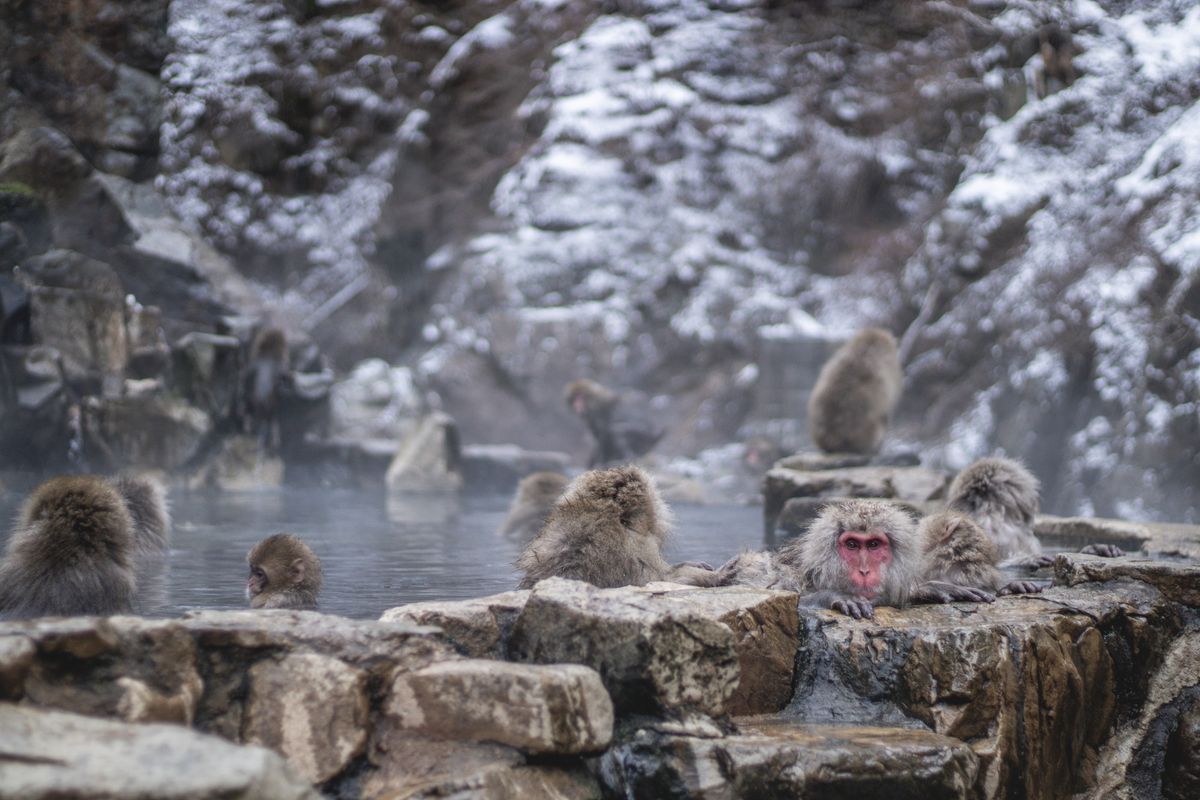
What Is Nyuto Onsen and Why Should You Visit?
Nyuto Onsen (乳頭温泉郷) is not a single hot spring, but a collection of seven independent ryokan inns scattered across roughly five kilometers of forested mountainside in northern Akita Prefecture. Each inn has its own private hot spring source, and each source has a different mineral composition, temperature, and even colour. Some baths are milky white from sulphur, others are tea-coloured from iron, and a few run clear and silken as glass. Locals say a single overnight stay can put you in contact with as many as ten different waters, which is part of why Japanese visitors have made the pilgrimage here for centuries.
The first of the seven inns, Tsurunoyu, was established as an official bathing retreat for the lord of the Akita Domain in 1638 — nearly four hundred years ago. Many of its buildings, with their black tile roofs and weathered cedar walls, still look almost exactly as they did in the Edo period. The other six inns — Taenoyu, Magoroku, Kuroyu, Ganiba, Kyukamura Nyuto Onsenkyo, and Tsurunoyu’s sister property Tsurunoyu Bessho Yamanoyado — opened over the following three and a half centuries, each in its own clearing, each with its own personality.
For first-time visitors to Japan, Nyuto offers something the big cities cannot: a glimpse of the country before tourism, before convenience stores, before highways. It is also one of the best places to experience the Tohoku region’s famously deep snow country, where roofs are reinforced against drifts that can pile two metres high and where a soak in a snowy outdoor bath feels like stepping into a woodblock print.
Quick facts about Nyuto Onsenkyo
- Location: Senboku City, Akita Prefecture, northern Tohoku
- Number of inns: 7 historic ryokan (plus a few small day-bath buildings)
- Elevation: Around 750–800 metres above sea level
- Closest train station: Tazawako Station on the Akita Shinkansen
- Best seasons: All four, but winter (mid-December to early April) is the most iconic
- Typical price for one-night stay with two meals: ¥18,000–¥35,000 per person (US$120–$235)
- Booking horizon: Six months in advance for popular inns, especially Tsurunoyu
How to Get to Nyuto Onsen from Tokyo, Kyoto and Osaka
Despite its remoteness, Nyuto Onsen is surprisingly straightforward to reach thanks to the Akita Shinkansen, which runs directly from Tokyo Station to Tazawako Station, the gateway to the area. The journey is one of the most scenic Shinkansen routes in the country, climbing through the Ou Mountains and skirting the deep blue waters of Lake Tazawa, Japan’s deepest lake.
From Tokyo
The fastest option is the Komachi Shinkansen from Tokyo Station to Tazawako Station. The journey takes about 2 hours and 50 minutes on the fastest services, with one or two trains running every hour. A standard one-way reserved seat costs around ¥17,810 (US$120). If you have a Japan Rail Pass, this entire trip is covered with no surcharge.
From Tazawako Station, the Ugo Kotsu bus runs directly to Nyuto Onsen. The bus stops at all seven inns. The ride takes about 45 minutes to the first inn (Kyukamura) and around 55 minutes to Tsurunoyu, the final stop. A one-way fare is roughly ¥860 (US$5.80), and most inns will offer a free pickup from the bus stop closest to them if you call ahead. From early November to late April, the bus schedule is reduced to four or five services per day, so it pays to check times in advance and coordinate with your inn.
From Kyoto and Osaka
From Kyoto or Osaka, the most efficient route is to take the Tokaido-Sanyo Shinkansen to Tokyo and connect to the Komachi. Total travel time is about 5 hours 30 minutes from Kyoto and 6 hours from Shin-Osaka. A more adventurous option is to fly into Akita Airport (about 90 minutes’ bus to Tazawako) on a domestic flight, which can sometimes be cheaper than the Shinkansen if booked early.
By rental car
Driving gives you the most flexibility, especially if you want to combine Nyuto with the samurai town of Kakunodate or the lakeside hot springs of Tazawako. From Tokyo, allow about 7 to 8 hours via the Tohoku Expressway. Roads in winter are well maintained, but you should reserve a car with winter tyres or 4WD between December and March. Petrol stations are scarce inside the national park, so fill up in Senboku before driving up the mountain.
Need to stay connected on the long ride north? A Japanese eSIM is the easiest way for first-time visitors to get instant mobile data on arrival, with no SIM swapping or queues at the airport counter. Get your Japan eSIM (Stay connected from day 1) → and you’ll be ready to look up bus times the moment you land.
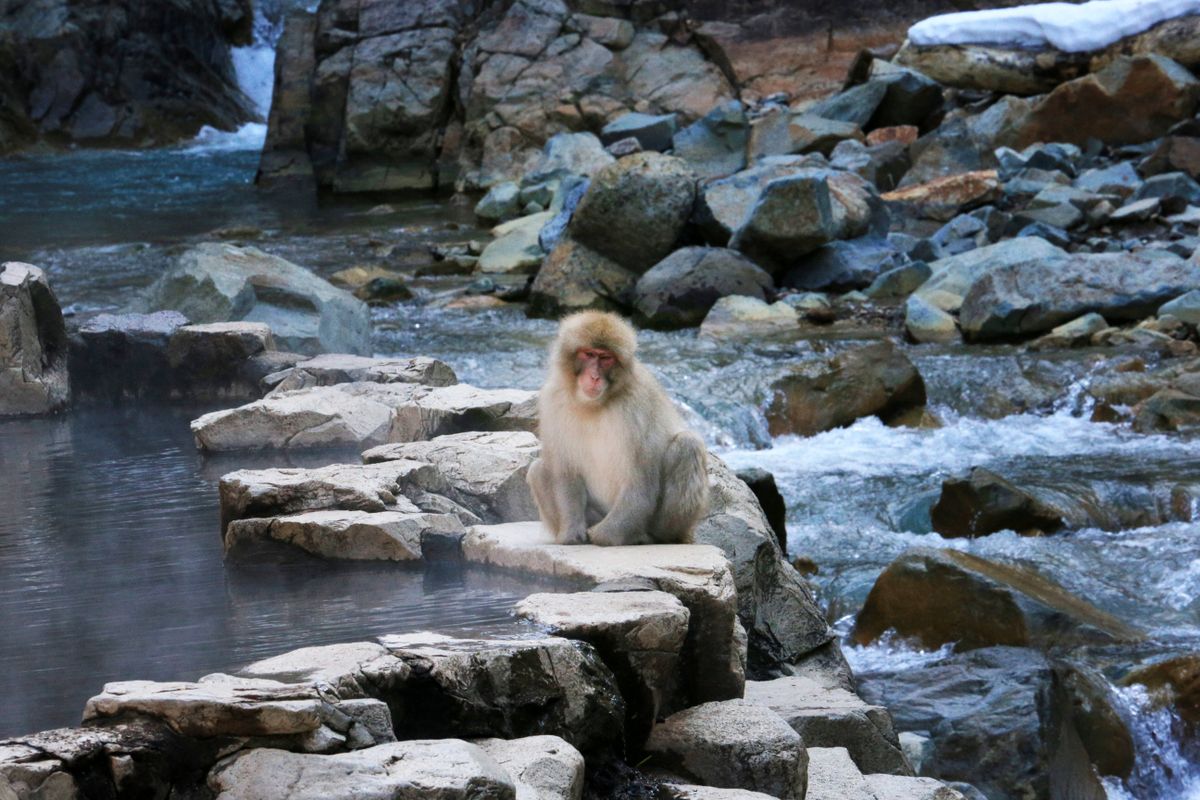
The Seven Inns of Nyuto Onsen: A Complete Guide
Each of the seven inns is independent, but they share a single bath-hopping pass called the Yumeguri-cho (湯めぐり帖) that allows overnight guests at any one inn to visit the baths of all the others. The pass costs ¥2,500 (about US$17) and is valid for one year — most travelers use it during a single multi-day stay.
1. Tsurunoyu (鶴の湯)
The oldest and most photographed inn in the valley, Tsurunoyu is the heart of Nyuto Onsen. Its black-roofed honjin (the original samurai retreat) dates from the early 1600s, and the inn’s signature mixed-gender outdoor bath — a milky white pool the size of a small swimming hole — has appeared in countless guidebooks. Rooms are simple, with a sunken irori hearth in the dining hall where local mountain vegetables and Akita beef are grilled over charcoal.
Tsurunoyu has four separate hot spring sources on site, each with a different chemistry. The main outdoor bath is sulphurous and cloudy; a second is clear and slightly carbonated; the third is bicarbonate-rich and good for the skin; the fourth is iron-bearing and pumpkin coloured. Bath-hopping between them is the single greatest experience the inn offers.
- Price: ¥15,000–¥25,000 per person, two meals included
- Day visits: ¥600, possible from 10:00 to 15:00 (closed Mondays)
- Booking: Up to six months in advance; popular dates sell out within minutes of release
2. Taenoyu (妙乃湯)
Taenoyu is the elegant choice — a smaller, more upscale ryokan that combines traditional architecture with a more polished, almost boutique feel. Its outdoor bath sits on a wooden deck overlooking the Saki River, with the sound of a small waterfall in the background. The inn has two onsen sources: one acidic and bright, the other gentle and clear, and you can switch between them in the same bathing session.
Meals at Taenoyu lean refined: kaiseki-style courses featuring Akita’s renowned hinai-jidori chicken, mountain mushrooms picked nearby, and locally brewed sake. This is one of the few inns in the area with English-speaking staff at the front desk.
3. Magoroku (孫六)
Quietly hidden in a small clearing across a wooden footbridge, Magoroku is the smallest of the seven inns and feels almost like a private mountain hermitage. Its outdoor and indoor baths are simple wooden tubs, and the water is a clear, faintly fizzy sodium-bicarbonate spring that bathers nicknamed “the medicine of the mountain.” The inn has been run by the same family for generations, and meals are served in a single shared dining room.
4. Kuroyu (黒湯)
Kuroyu (literally “Black Bath,” named for the dark waters that bubble up from beneath the inn) is one of the most atmospheric ryokan in Japan. Its rustic wooden buildings perch directly above the spring’s source, and steam rises through the floorboards in winter. The inn is famously open only from mid-April to mid-November — heavy snow makes the access road impassable in winter. The mixed-gender open-air bath here is among the most photogenic in the country.
5. Ganiba (蟹場)
Named after the small mountain crabs that once lived in the nearby stream, Ganiba is best known for its rotenburo — a large, partly forested outdoor bath about a hundred metres from the main building. Guests slip on geta wooden sandals and walk through the trees to reach the bath, which is set into a stone clearing. In autumn, falling maple leaves drift across the surface of the water.
6. Kyukamura Nyuto Onsenkyo (休暇村乳頭温泉郷)
Owned by the Kyukamura national park lodge chain, this is the largest and most modern inn in the area. Rooms have private bathrooms (rare in Nyuto), Western beds are available alongside futon options, and the inn welcomes guests who want a more conventional stay without sacrificing access to the bath circuit. The Kyukamura’s own outdoor bath is excellent, and it is the easiest inn for travelers who don’t speak Japanese.
7. Tsurunoyu Bessho Yamanoyado (鶴の湯別所 山の宿)
A satellite property of Tsurunoyu, the “Yamanoyado” (Mountain Inn) is set slightly downhill from the original, with newer construction but the same traditional design philosophy. It is a quieter option that uses water piped from the Tsurunoyu source and is a good fallback if the main inn is fully booked.
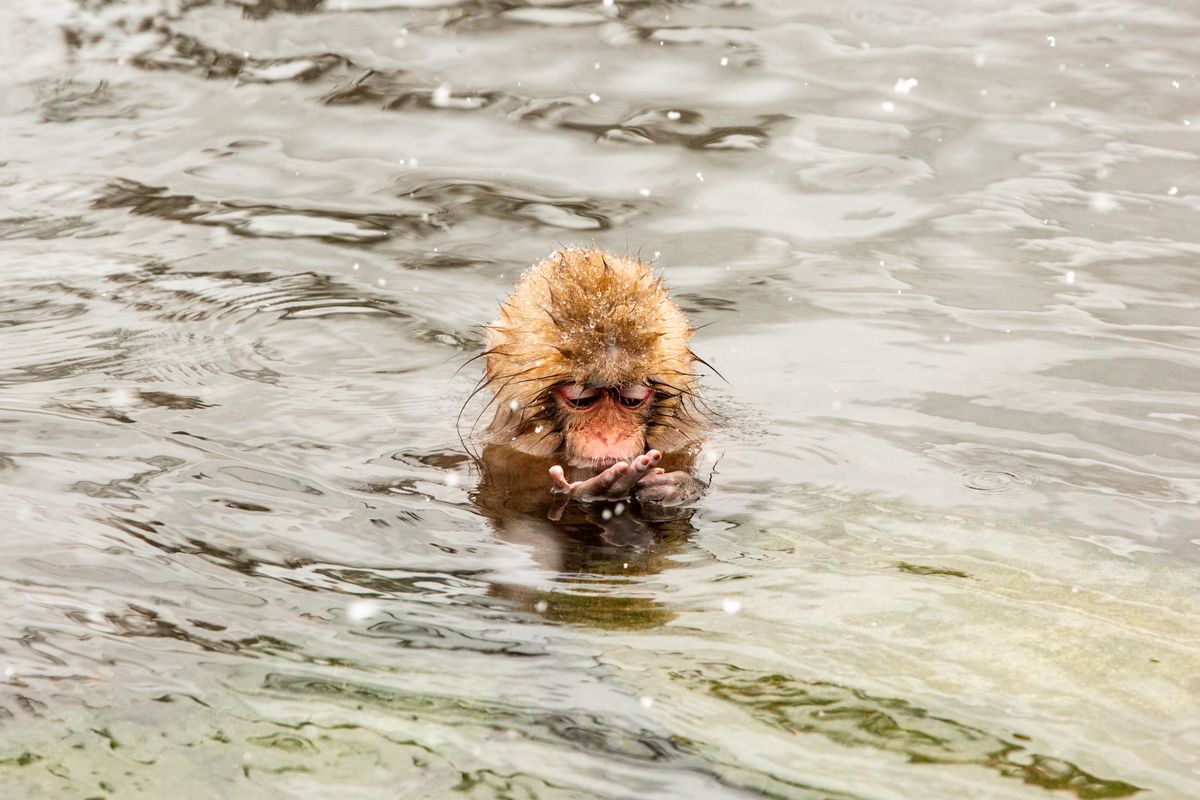
Onsen Etiquette: How to Bathe Like a Local
For first-time visitors to Japan, onsen etiquette can feel intimidating. The rules are simple, however, and respected universally. Following them shows respect for the centuries-old tradition that has kept these inns intact.
Before you enter the water
Onsen baths are not for washing — they are for soaking. You must wash thoroughly before stepping into the water. Each bathing area has a row of low stools and hand-held showers. Sit down, wet yourself, lather with the soap and shampoo provided, rinse completely, and only then approach the bath. The principle is simple: when you enter the water, you should be clean enough to drink it.
Naked bathing is required
Bathing suits, board shorts, and underwear are not permitted in any Japanese onsen, including all of the baths at Nyuto. You bring a small modesty towel (provided by your inn) that you can place on the side of the bath, fold on your head, or use to cover yourself walking between the changing room and the water. The towel never enters the bath itself.
Tattoos and Nyuto Onsen
Japan’s traditional attitude toward tattoos is slowly evolving, but Nyuto remains conservative. Visible tattoos are not allowed at most of the seven inns. Tsurunoyu, Kuroyu, and Ganiba enforce this rule strictly. Kyukamura is the most flexible — small tattoos covered with a waterproof patch are usually accepted there. If you have larger tattoos, consider booking a room with a private bath at Taenoyu or Yamanoyado, or use the inn’s vacant family bath (kashikiri-buro) which can usually be reserved for around ¥1,000 to ¥2,000 for 45 minutes.
Other rules
- Do not splash, swim, or play in the water. Onsen is for quiet soaking.
- Do not bring phones or cameras into the bath area. Photography is strictly forbidden in all bathing zones.
- Tie up long hair so that it does not touch the water.
- Hydrate. The mineral content of Nyuto’s waters is high. A cold glass of water before and after each soak is essential.
- Do not jump from hot to cold if you have heart or circulation issues. Cool down slowly.
If onsen etiquette in general is new to you, our complete guide to Japanese onsen etiquette walks through every detail step by step.
What to Pack and What to Wear
Nyuto Onsen inns provide almost everything you need for a comfortable stay. There is no need to bring towels, soap, shampoo, hairdryers, or yukata robes — these are all in your room. You also do not need to bring slippers or pajamas. Pack only the essentials.
Suggested packing list
- One change of underclothes per day
- Warm socks (the corridors of older inns are wood and can be chilly)
- A light cardigan or sweater for evenings
- Winter visitors: a heavy coat, gloves, hat, and waterproof boots
- Cash (¥30,000–¥50,000 per person for incidentals, drinks, day bath fees, and the Yumeguri-cho pass)
- A small daypack for bath-hopping
- Reading material — no Wi-Fi at most inns
- Reusable water bottle
- Plain bandages for tattoo covers if you have small ones
If you arrive heavy with luggage from your Tokyo or Kyoto leg, consider using Japan’s brilliant takkyubin luggage delivery service to forward your big bags to your next hotel directly. Read our breakdown in the Japan travel tips for first-timers guide for how it works.
What to Eat: The Food of Akita
Akita’s mountain cuisine — known as sansai-ryori or “mountain vegetable cooking” — is one of the great regional food traditions of Japan. Almost everything served at a Nyuto Onsen ryokan dinner comes from within a few kilometres of the inn: foraged ferns, wild mushrooms, river fish, and Akita’s distinctive hinai-jidori chicken.
Signature dishes you’ll encounter
Kiritanpo nabe is Akita’s flagship dish: hot pots filled with charcoal-grilled rice cylinders, hinai-jidori chicken, gobo (burdock root), and mountain mushrooms in a soy-based broth. It is the kind of meal that makes you forget what time of year it is — warming, deeply savoury, and a perfect complement to the bath culture of the region.
Iwana shioyaki — a whole mountain trout salt-grilled on a skewer over a sunken hearth — is a Tsurunoyu specialty. The fish is split open before grilling so the flesh cooks until the skin is golden and slightly crisp.
Inaniwa udon is Akita’s prized regional noodle: thin, ribbon-flat, hand-stretched, and impossibly smooth. It is often served cold with a dipping sauce in summer and hot in a clear dashi broth in winter.
Akita sake is among the finest in Japan. Brands like Aramasa, Kariho, and Ryosen Shuzo all produce sake within an hour of Nyuto, and most inns offer a flight of three or four small cups to compare. The local style is clean, slightly floral, and pairs beautifully with the inn’s mountain-vegetable courses.
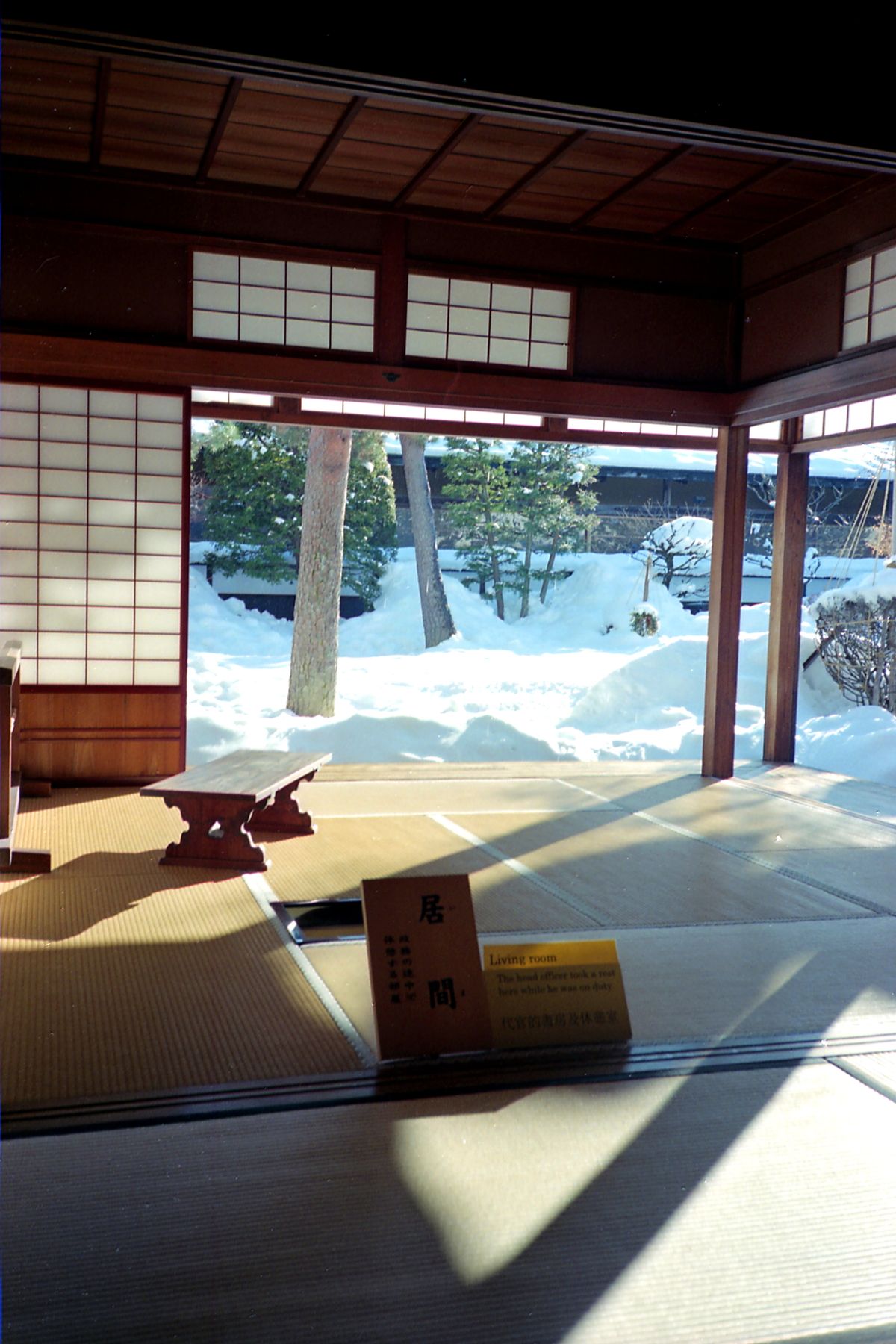
Nyuto Onsen Through the Four Seasons
While Nyuto is most famous in winter, every season offers a different and equally rewarding experience.
Winter (December–March)
This is the iconic season. Snow piles up in soft mounds on the roofs of the inns and on the wooden lanterns lining the bath paths, and the contrast between the steaming sulphur water and the white forest is almost unreal. The downside is the cold — temperatures regularly drop to −10°C (14°F) at night — and reduced bus service. Many travelers consider this trade-off well worth it. If you have any chance of visiting in late February, plan around the Kamakura Snow Festival in nearby Yokote, which adds a stunning second highlight to your trip.
Spring (April–May)
Snow lingers in the forests until early May, and the cherry trees in nearby Kakunodate bloom in late April — usually about ten days later than Tokyo. This is an excellent time to combine a Nyuto stay with the famous samurai-district cherry blossoms. Days are crisp, the inns are less crowded than in winter, and the bath water feels especially good in the cool mountain air.
Summer (June–August)
Temperatures at Nyuto’s elevation are 8–10°C cooler than Tokyo, making it a popular escape from the urban heat. The surrounding forests are deep green, fireflies appear in the streams near Ganiba, and the area’s hiking trails reopen fully. Late July through mid-August is the busiest period as Japanese families travel during the school holiday — book six months ahead for these dates.
Autumn (October–early November)
Many travelers consider this the prettiest time of all. The beech, maple, and oak forests around Nyuto turn brilliant red, orange, and gold from the first week of October. Outdoor baths are dressed in falling leaves, and the chill in the air makes the long soak even more luxurious. The famous Oirase Gorge in nearby Aomori is also at peak colour, and many travelers loop Nyuto with Oirase as part of a Tohoku autumn trip — see our Oirase Gorge complete guide for details.
Things to Do Around Nyuto Onsen
Lake Tazawa (田沢湖)
Just ten kilometres downhill from Nyuto sits Japan’s deepest lake — 423 metres at its deepest point and famously blue. A loop road circles the lake (about 20 kilometres in total), and you can rent bicycles or take the sightseeing boat in the warmer months. The lake’s iconic golden statue of Princess Tatsuko stands on the western shore and is one of Akita’s most photographed spots.
Kakunodate Samurai District
About 30 minutes south of Tazawako is Kakunodate, often called the “Little Kyoto of Tohoku” for its remarkably preserved samurai-era streets. Cherry trees line the old wooden gates and gardens, and a handful of original samurai homes are open to the public. Combining a Nyuto bath retreat with a half-day in Kakunodate makes for a deeply traditional itinerary. For more, see our dedicated Kakunodate travel guide.
Towada-Hachimantai National Park hiking
From late June to mid-October the trails behind Nyuto Onsen are open. The most popular hike is the route up Mount Nyuto itself — about 4 hours round trip from the trailhead, with a relatively easy gradient until the final ridge. The summit offers a spectacular view of Lake Tazawa and the Hachimantai plateau.
Tazawako Ski Resort
From mid-December to early April, the slopes above Lake Tazawa become one of Tohoku’s most underrated ski destinations. Light, dry powder and very short lift lines — much shorter than Niseko or Hakuba — make this a favourite of in-the-know skiers. Many Nyuto inns offer a free shuttle to the resort for guests staying multiple nights.
Where to Stay and Booking Tips
Nyuto Onsen is small. With only seven inns and roughly 250 total rooms on any given night, demand routinely exceeds supply. If you have your heart set on a specific inn — especially Tsurunoyu — you should plan to book the moment your dates open in the reservation system (typically six months before arrival).
How to book
The most reliable method for English-speaking visitors is to use one of the major international booking platforms. Agoda has the deepest inventory of Tohoku ryokan and frequently offers refundable rates, which is useful for trips planned around uncertain Shinkansen schedules in winter. Book your hotel on Agoda (Best prices guaranteed) →
For luxury-end inns (Taenoyu, Yamanoyado), the curated Japanese platform Ikyu.com sometimes has rooms that other sites do not. Find luxury hotels on Ikyu.com →
For multi-night packages that combine Nyuto with neighbouring attractions like Kakunodate cherry blossoms or Tazawako skiing, JTB sells well-priced bundles. Book Japan tours and hotels on JTB →
If your top choice is booked
Don’t despair. The Yumeguri-cho bath-hopping pass means that even if you can’t stay at Tsurunoyu, you can still visit its baths during your stay at any of the other six inns. Booking Taenoyu or Magoroku and walking over to Tsurunoyu for a 45-minute soak is many visitors’ favourite compromise.
Cost Breakdown: What a Nyuto Onsen Trip Actually Costs
Below is a typical cost estimate for one person on a two-night Nyuto Onsen trip from Tokyo (winter prices, mid-range inn).
- Round-trip Komachi Shinkansen Tokyo–Tazawako: ¥35,620 (US$240)
- Bus, both directions Tazawako–Nyuto: ¥1,720 (US$12)
- Two nights at a mid-range inn with two meals daily: ¥48,000 (US$325)
- Yumeguri-cho bath pass: ¥2,500 (US$17)
- Drinks, snacks, day-bath surcharges: ¥5,000 (US$34)
- Optional Kakunodate day trip: ¥3,000 (US$20)
Total per person: approximately ¥95,840 (US$650). Travelers with a Japan Rail Pass save roughly ¥35,000 on transport. Travellers on a tighter budget can drop the cost to about ¥70,000 by choosing Kyukamura (the most affordable inn) and shortening to one night. For more ideas on stretching your yen further, see our budget travel Japan guide.
Sample 3-Day Itinerary: Nyuto Onsen and Akita
Day 1 — Arrival from Tokyo
Morning Komachi Shinkansen from Tokyo to Tazawako (departure 09:08, arrival 11:55). Drop bags at your inn, take a light lunch in the dining hall, and spend the afternoon working your way through the on-site baths. Evening meal at 18:00 (most inns serve at fixed times). After dinner, walk through the snow or under the stars to a second bath.
Day 2 — Bath hopping
Use the Yumeguri-cho pass to visit at least three other inns. A typical loop is Tsurunoyu after breakfast, Ganiba around 11:00, Kuroyu (in season) for an early afternoon dip, and back to your home inn for one more soak before dinner. Save time for a walk on the forest trails between inns — the beech woods in Towada-Hachimantai are spectacular in every season.
Day 3 — Kakunodate and back to Tokyo
Take the morning bus down to Tazawako, then a 20-minute local train to Kakunodate. Spend two to three hours walking the samurai streets and visiting the Aoyagi or Ishiguro residences. Late afternoon Komachi back to Tokyo (or onward to Sendai, see our Sendai guide).
Frequently Asked Questions
Is Nyuto Onsen suitable for first-time visitors to Japan?
Yes, but with caveats. The inns are deeply traditional, English is limited at all but Kyukamura and Taenoyu, and the bath culture requires confidence with onsen etiquette. If this is your first ryokan experience, choose Kyukamura or Taenoyu for an easier introduction. If you’ve already spent time in cities and want to experience Japan’s quieter side, Tsurunoyu and Kuroyu will be the highlights of your trip.
Do I need to speak Japanese to stay at Nyuto Onsen?
No, but a few words help enormously. Most front-desk staff can manage basic English at check-in and check-out. Dinner is usually served family-style with no menu choices to navigate — the inn brings you what they brought everyone, and the food is excellent. Download Google Translate’s offline Japanese pack before you arrive, since cell signal at most inns is unreliable.
When is the best time to visit Nyuto Onsen?
For first-time visitors, late October is the sweet spot: autumn colours peak, the air is crisp but not yet freezing, and the inns are slightly easier to book than at the height of winter. The most spectacular season is mid-January through late February, when snow blankets the entire valley. May and June are quiet, lush, and inexpensive if you don’t mind the occasional cool rain.
Can I visit Nyuto Onsen as a day trip from Tokyo?
Technically yes, but you would be on the train for nearly six hours for a soak of perhaps two hours. We strongly recommend at least one overnight to experience the real magic of the place — the after-dark baths, the kaiseki dinner, and the quiet mornings. If your schedule absolutely demands a day trip, take the first morning Komachi, use the Yumeguri-cho pass to visit two or three inns, eat lunch at Kyukamura’s casual restaurant, and return on the last train south.
Are the baths mixed-gender or separated?
Most baths at Nyuto are separated by gender, but several iconic baths (including the most famous outdoor bath at Tsurunoyu and the rotenburo at Kuroyu and Ganiba) are still mixed-gender, in keeping with old Japanese tradition. Female visitors uncomfortable with mixed-gender bathing can use one of the women-only baths at every inn, or visit the mixed baths during the women-only morning hours (typically 06:00–08:00 at Tsurunoyu). Specific schedules are posted at each inn.
What if I have tattoos?
Visible tattoos are not allowed at Tsurunoyu, Magoroku, Kuroyu, or Ganiba. Kyukamura permits small, covered tattoos. The easiest workaround is to reserve a private family bath (kashikiri-buro) at an inn that has one — most do for around ¥1,000–¥2,000 per 45-minute session — or to choose an inn with a private in-room bath.
Can children stay at Nyuto Onsen?
Yes. Japanese families have brought children to Nyuto for generations, and inns are accustomed to younger guests. Be aware that meals are sometimes too elaborate for very young children (sashimi, fermented vegetables, and so on), and most inns expect children to follow the same quiet evening etiquette as adults. Smaller inns may have minimum age restrictions of around 6 years old.
How does Nyuto Onsen compare to Kusatsu, Hakone, or Beppu?
Kusatsu and Hakone are larger, more developed onsen towns with shops, restaurants, and easier access. Beppu is a hot-spring city with a wider range of bath experiences (sand baths, mud baths, steam baths). Nyuto is smaller, quieter, more remote, and more traditional than any of them. If you want shopping and nightlife, choose Kusatsu or Hakone. If you want to feel like you’ve stepped into a 17th-century woodblock print, choose Nyuto.
What is the address for navigating to Nyuto Onsen?
Use “Tsurunoyu Onsen” (鶴の湯温泉) as your search term in Google Maps for the most central location in the valley. The full address is Sendatsuzawa-50, Tazawako Tazawa, Senboku-shi, Akita-ken 014-1204, Japan. Your inn will give you specific arrival instructions when you book.
Practical Tips for Your Nyuto Onsen Trip
- Book early. Six months in advance is normal for popular inns. For Tsurunoyu’s main building in mid-February, the moment reservations open is the moment they sell out.
- Carry cash. Many inns do not accept foreign credit cards. Stop at a 7-Eleven ATM in Tokyo or Tazawako before you go up the mountain.
- Bring an empty water bottle. Most inns have free spring water for drinking, and mineral content is high — hydrate before, during, and after every soak.
- Reserve airport transfer in advance if you are flying into Akita directly. Direct shuttle services run from Akita Airport to Tazawako and on to Nyuto, but they fill up quickly during ski season. Book airport transfer with NearMe →
- Pack a flashlight or rely on your phone. Paths between buildings at older inns are dim, especially after dinner.
- Bring lightweight ear plugs. Older inns have thin walls and you may hear your neighbours moving around in the early morning.
- Take the Shinkansen rather than driving in winter. The Komachi runs reliably even in heavy snow, while mountain roads occasionally close.
- Consider a guided tour if you have very limited time or low confidence in navigating rural Japan. Several small operators run Tohoku onsen tours with English-speaking guides.
- Cover small tattoos with waterproof bandages from any drugstore in Tokyo before you travel.
- Take it slowly. Most onsen newcomers stay in the water far too long on their first bath. Five to seven minutes per session is plenty, especially when waters are above 42°C.
- Respect quiet hours. Most inns ask guests to keep noise low between 21:00 and 07:00.
Why Nyuto Onsen Is Worth the Journey
There is a particular kind of stillness you encounter only at places like Nyuto Onsen — a stillness made of snow falling on a wooden roof, of distant water bubbling out of the earth, of a cup of warm sake set on a low lacquered table. It is the kind of stillness that Japan’s modern cities, for all their wonders, have crowded out. To find it, you have to travel, and you have to plan ahead. But once you do, the reward is one of the deepest experiences this country can offer the foreign visitor.
From the moment you step off the Komachi onto the icy platform at Tazawako, through the bus winding up into the forest, and into the cedar-scented hallways of your inn, you are travelling back through Japanese time. Centuries of farmers, samurai, poets, and pilgrims have come here for exactly the same reason you have: to wash away the world for a few days, to sit in water older than written history, and to remember what it is to do nothing well.
For more travel ideas across the country, browse our complete Japan destinations guide. If you’re planning a wider Tohoku trip, start with our Iwate and Aomori guides.
Final Thoughts: Planning the Perfect Nyuto Onsen Trip
Nyuto Onsen rewards the kind of traveller who is willing to plan a few months in advance and accept that the destination itself is the entire point of the journey. There is no list of monuments to tick off, no bullet train sprint between sights. The pace of a Nyuto trip is set by the natural rhythm of the body in hot water and the slow procession of meals at a low wooden table.
If you are weighing whether to fit Nyuto into your first Japan itinerary, our honest advice is this: most first-time travellers spend too many days in the cities and not enough in the countryside. A single overnight at a place like Nyuto will reframe everything else you see in Japan, and you will leave with a far more layered understanding of what makes the country unique. The trains are reliable, the inns are well organised, and Tohoku’s people are famously warm to foreign visitors. The hardest step is committing to the booking.
Take that step. Pick a date six months out, secure a room at any of the seven inns, and let everything else fall into place around it. The buses will run on time. The food will be excellent. The water will be hotter than you expected and exactly as old as you hoped. And one quiet morning, perhaps before breakfast, you will sit in a steaming wooden bath and watch snow fall through the cedars, and you will understand, finally, what people mean when they talk about the heart of Japan.
Compare hotel prices for your Tohoku itinerary across multiple platforms before booking — sometimes a small price difference can move you up a category of inn. Search hotel deals on Yahoo! Travel → for a useful second opinion on Japanese ryokan inventory.
Going to Japan? Talk to locals with confidence.
Hirameki Japanese — instant offline translation, camera translation, furigana + romaji, and 314 free flashcards. No login. Works without internet.

Plan your Japan trip
Two things every first-timer should book
Some links are affiliate links. If you book through them we may earn a small commission at no extra cost to you.