For over 2,000 years, Ise Jingu (伊勢神宮) has stood at the very heart of Shinto, the indigenous spiritual tradition of Japan. Tucked into the cedar forests of Mie Prefecture on the Pacific coast of Honshu, Ise Jingu is more than a single shrine — it is a vast complex of 125 individual shrines spread across the city of Ise and the surrounding region, with two main sanctuaries (the Naiku and Geku) at its core. To Japanese people, this is the most sacred place in the country, and yet it remains relatively unknown to first-time foreign visitors, most of whom never venture beyond Tokyo, Kyoto, and Osaka.
That is a missed opportunity. A visit to Ise Jingu offers a rare chance to experience Japanese spirituality on its own terms, in a setting that feels worlds away from the urban density of the rest of Japan. The shrine grounds are blanketed by ancient cypress and cedar forests, the Isuzu River runs clear and cold through the precincts, and the wooden buildings are rebuilt from scratch every 20 years in a ritual that has continued for more than a thousand years. This complete guide explains why Ise Jingu deserves a place on your Japan itinerary, how to plan your visit, what to see, where to stay, and the etiquette that will make your experience richer.
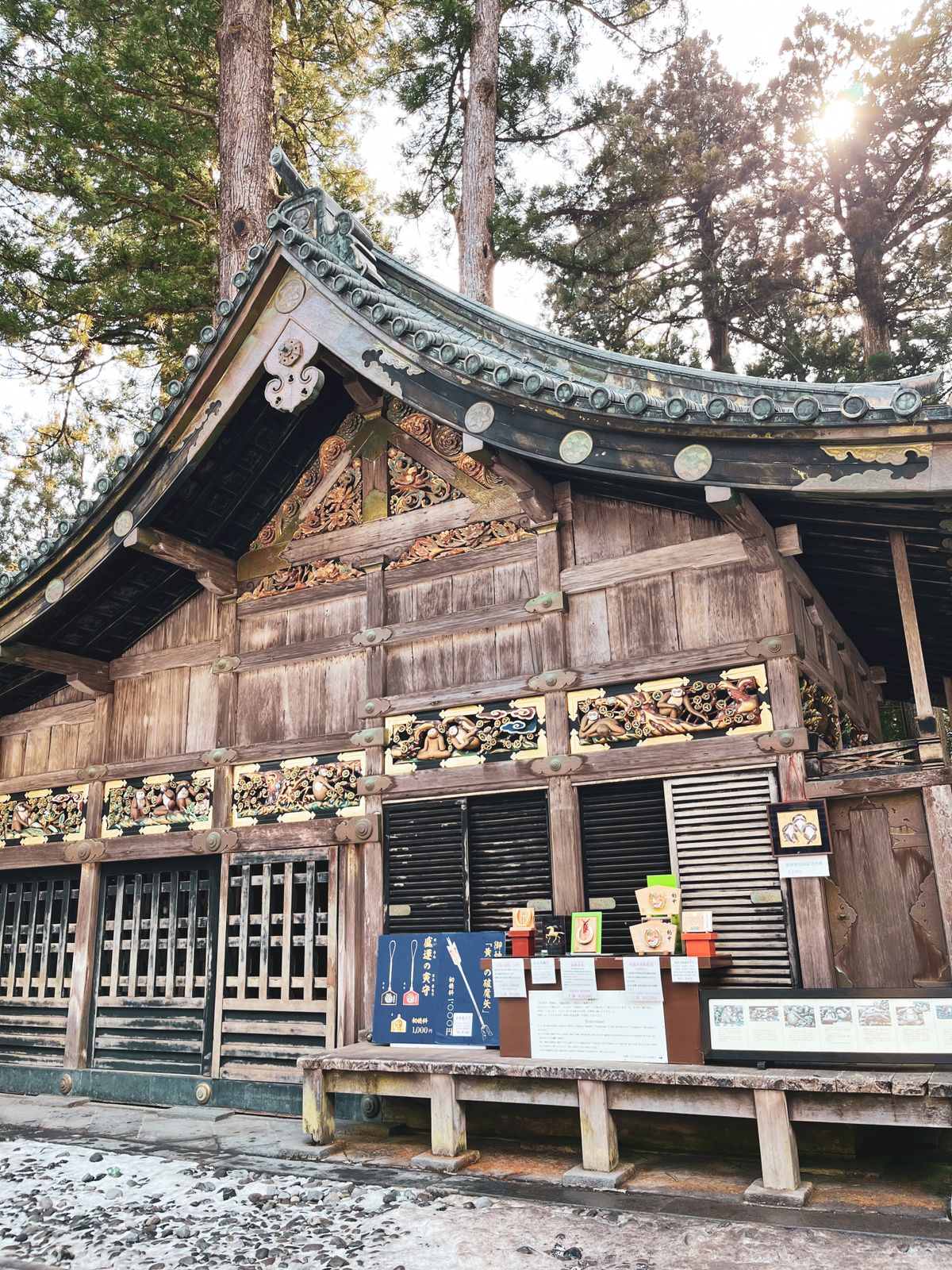
Why Ise Jingu Should Be on Your Japan Itinerary
Visiting Japan without seeing Ise Jingu is a bit like visiting Italy and skipping the Vatican — you have not seen the spiritual heart of the country. Ise Jingu is the home shrine of Amaterasu Omikami, the sun goddess and mythological ancestor of the Japanese imperial line. For centuries, every emperor and empress has paid respects here, and it remains the place where the imperial regalia (specifically, the sacred mirror) is enshrined. Yet despite all this gravitas, the atmosphere at Ise is wonderfully peaceful, welcoming, and accessible to all visitors regardless of religion or background.
The journey to Ise rewards travelers with a different kind of Japan: small, friendly cities, traditional inns, fresh seafood from Ise Bay, and one of the most beautiful coastal landscapes in the country in the Ise-Shima National Park. Combined with the nearby pearl-diving culture of Toba, the spiritual mountain pilgrimage of Mount Asama, and the seaside resort town of Kashikojima, an Ise trip becomes a multi-day, multi-layered experience.
Who Ise Jingu Is Best For
Ise suits visitors interested in Japanese culture, religion, and architecture. It is also fantastic for travelers who want a slower, less crowded experience after a few days in Tokyo or Kyoto. Older travelers love the gentle pace and gracious hospitality of the area, while younger visitors enjoy the food, the shopping streets near the shrines, and the chance to combine Ise with the beaches and pearl islands of Mie. Travelers practicing Shinto, Buddhism, or other spiritual paths often describe Ise as one of the most moving destinations in Japan.
Understanding Ise Jingu: Naiku, Geku, and 125 Shrines
To make the most of your visit, it helps to understand the structure of Ise Jingu. The complex is divided into two main shrines, plus 123 auxiliary shrines spread across Ise City and the surrounding region.
The Geku (Outer Shrine)
The Geku, formally known as Toyouke-Daijingu, sits closer to JR Ise-shi Station and is traditionally visited first. It is dedicated to Toyouke Omikami, the goddess of agriculture, industry, and food. According to legend, Toyouke was brought to Ise approximately 1,500 years ago specifically to provide sacred meals to Amaterasu. The Geku is reached by a short walk from the station, and its forest paths immediately set the mood: tall cedars, the sound of gravel underfoot, and a sense of stepping outside the modern world.
The Naiku (Inner Shrine)
The Naiku, formally known as Kotaijingu, is the most sacred site in Shinto. It enshrines Amaterasu Omikami and contains one of the three Imperial Regalia of Japan, the Yata-no-Kagami (sacred mirror). The Naiku is about 6 km southeast of the Geku and is reached either by a 15-minute bus ride or by car. The approach is across the famous Uji Bridge (Uji-bashi), a stunning wooden bridge that crosses the Isuzu River and is rebuilt every 20 years along with the main sanctuaries.
The Sengu Ritual (Shikinen Sengu)
The single most remarkable thing about Ise Jingu is the Shikinen Sengu, the ritual reconstruction of the entire shrine complex every 20 years. Since the year 690 AD, the main buildings of both the Naiku and the Geku have been rebuilt on adjacent plots of land, with the original buildings carefully dismantled and the timber recycled for use at smaller shrines around Japan. The most recent reconstruction took place in 2013, and the next is planned for 2033. This thousand-year tradition keeps both the carpentry skills and the spiritual freshness of the shrine alive across generations.
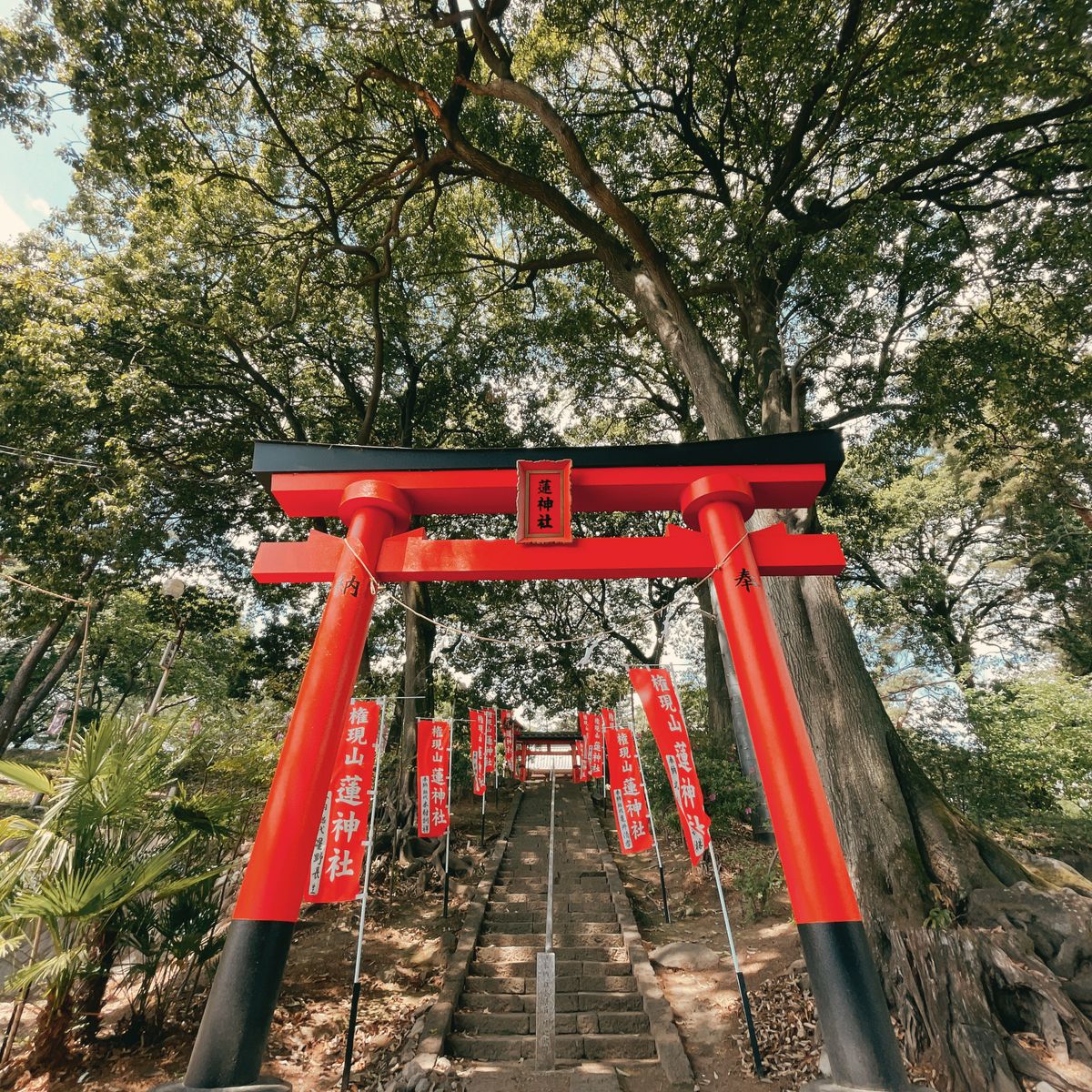
How to Get to Ise Jingu
Ise is well connected to the rest of Japan thanks to its location on the Kintetsu Railway network, which links the area to Osaka, Kyoto, and Nagoya. Train is by far the easiest option for most foreign visitors, and journeys are scenic, comfortable, and frequent.
From Tokyo to Ise
From Tokyo, the fastest route is to take the Tokaido Shinkansen to Nagoya (about 1 hour 35 minutes), then transfer to the Kintetsu Limited Express from Kintetsu-Nagoya Station to Iseshi or Ujiyamada Station (about 1 hour 20 minutes). Total travel time is approximately 3 hours, with one-way fares of around ¥13,000 to ¥15,000 (USD $87 to $100). The Japan Rail Pass covers the Tokaido Shinkansen segment but not the Kintetsu trains, so you will pay the Kintetsu portion separately (around ¥3,300 / USD $22).
From Osaka to Ise
From Osaka, take the Kintetsu Limited Express from Osaka-Namba Station directly to Iseshi or Ujiyamada Station. The journey takes about 2 hours and costs roughly ¥3,500 (USD $23). This is one of the most pleasant train rides in Japan, with views of countryside, rivers, and the Pacific coastline.
From Kyoto to Ise
From Kyoto, the Kintetsu Limited Express runs from Kintetsu-Kyoto Station to Iseshi via Kashikojima, taking about 2 hours. Many travelers combine Kyoto and Ise as part of a wider Kansai trip because of the convenient direct service.
From Nagoya to Ise
Nagoya is the closest major hub, with the Kintetsu Limited Express taking about 1 hour 20 minutes (one-way roughly ¥3,000 / USD $20). If you are flying into Chubu Centrair International Airport (NGO), Ise is a comfortable half-day journey by train.
Getting Between the Shrines
The Geku is a 5 to 10 minute walk from Iseshi Station. To reach the Naiku, take Mie Kotsu bus number 51 or 55 from Iseshi Station or directly from the Geku stop. The Geku-to-Naiku bus takes about 15 minutes and costs ¥440 (USD $3). Walking between the two shrines is possible but takes about 1.5 hours and is best suited to those who enjoy a long stroll.
For the easiest start to your trip, book your accommodation in advance — the area fills up quickly during major holidays and the November autumn season. Book your hotel on Agoda (Best prices guaranteed) → — Ise has everything from modern business hotels near the station to traditional ryokan in the Futami coastal area.
Visiting the Geku: Practical Walkthrough
The Geku is traditionally visited first, in keeping with centuries-old custom. Plan around 60 to 90 minutes for a relaxed visit.
Entering the Geku
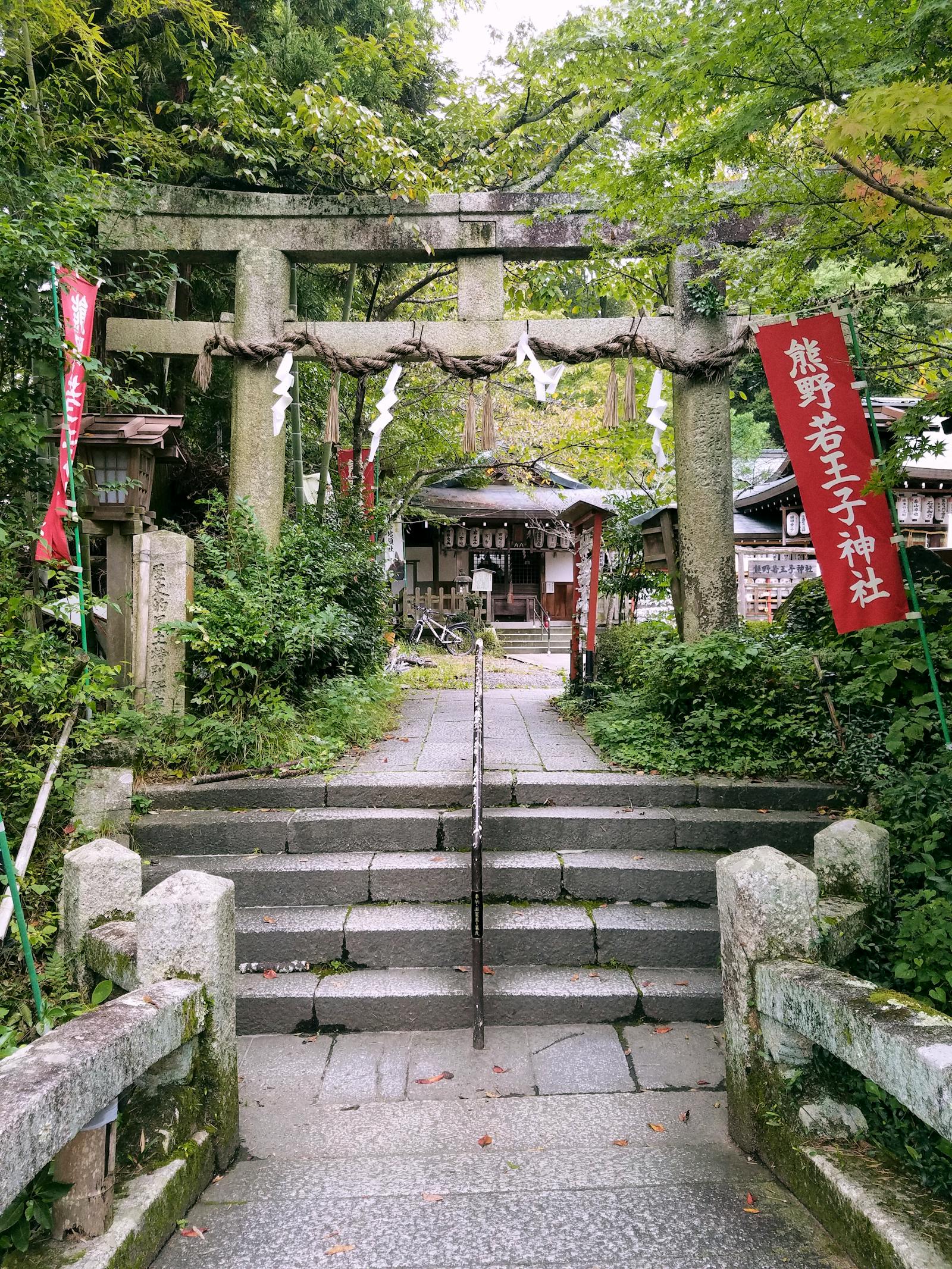
From Iseshi Station, walk straight along Geku-sando (the approach road), which is lined with small souvenir shops, sweet stores, and casual restaurants. You will reach the first torii gate within 10 minutes. Bow slightly before passing through the torii, and walk along the side of the central path rather than down the middle, which is reserved for the gods (kami).
Purification at the Temizuya
At the chozuya (purification fountain), use the bamboo ladle to rinse your left hand, then your right hand, then transfer a little water to your left hand and rinse your mouth (do not put the ladle to your lips), then finally rinse the ladle handle. This is the formal practice. Many visitors now do an abbreviated version, but doing the full ritual is a beautiful way to mark your arrival.
Main Sanctuary Approach
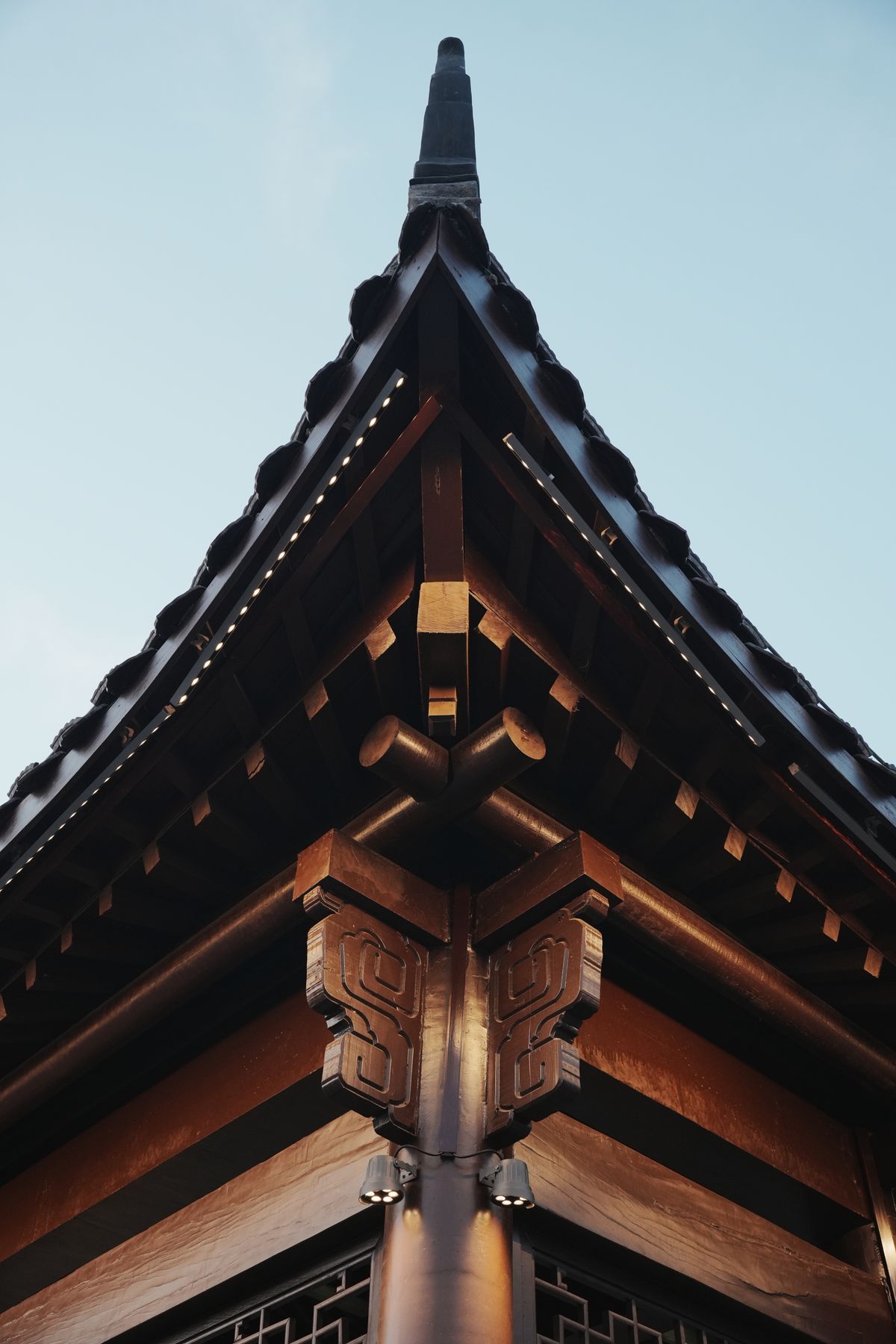
The path continues through ancient cedars for another 15 minutes until you reach the main sanctuary precincts. As you approach the Goshoden (the inner sanctuary), notice the wooden roof beams styled in the unique shimmei-zukuri architectural form, which predates and avoids the Chinese influences of most Japanese temple architecture. Photography is permitted in the outer areas but is forbidden once you pass the inner gate.
Offering Prayers
At the main hall, the customary practice is: bow twice, clap twice, bow once more, and then make your prayer in silence. There is no need to drop coins as you would at smaller shrines (and the offering box here is not for monetary offerings — the shrine is supported by other means). After paying respects, walk back along the side of the path and exit through the torii, turning briefly to bow once toward the sanctuary before leaving.
Visiting the Naiku: The Heart of Shinto
After visiting the Geku, take the bus 15 minutes south to the Naiku, where the spiritual heart of Japan beats most strongly. Plan at least 2 to 3 hours here, including walking time, photo stops, and the Oharaimachi shopping street just outside the shrine.
The Uji Bridge
The Naiku is entered across the Uji-bashi, an exquisite arched wooden bridge that spans the clear Isuzu River. Made entirely of hinoki cypress wood without nails (held together by traditional joinery), the bridge is rebuilt every 20 years along with the main shrine buildings. The wooden boards are 21 meters wide and 101 meters long. Bow slightly before crossing.
The Mitarashi (River Purification)
Instead of the standard chozuya, the Naiku offers the option of purifying yourself in the Isuzu River itself at the Mitarashi (Mitarai), a beautiful stone-paved area on the river bank. Crouch down and rinse your hands in the cool river water. This is one of the most atmospheric moments of any shrine visit in Japan.
The Sacred Forest
The walk from the Uji Bridge to the main sanctuary takes you through some of the most majestic forest in Japan. The trees here are managed by the shrine and have stood for centuries, providing the timber used in the periodic reconstructions. The grove is so peaceful that birdsong becomes almost dreamlike, and the temperature drops several degrees beneath the canopy — a blessed relief in summer.
The Main Sanctuary
The Naiku’s main sanctuary, the Kotaijingu Goshoden, sits on an elevated platform behind four layers of wooden fences. Only the high priest, the imperial family, and certain officials are permitted to enter the inner precinct. Regular visitors stop at the outer fence and offer prayers from there. Even from a distance, the proportions and quality of the carpentry are extraordinary. The thatched roof, golden katsuogi (decorative roof timbers), and chigi (crossed roof poles) are unique to the Ise architectural style.
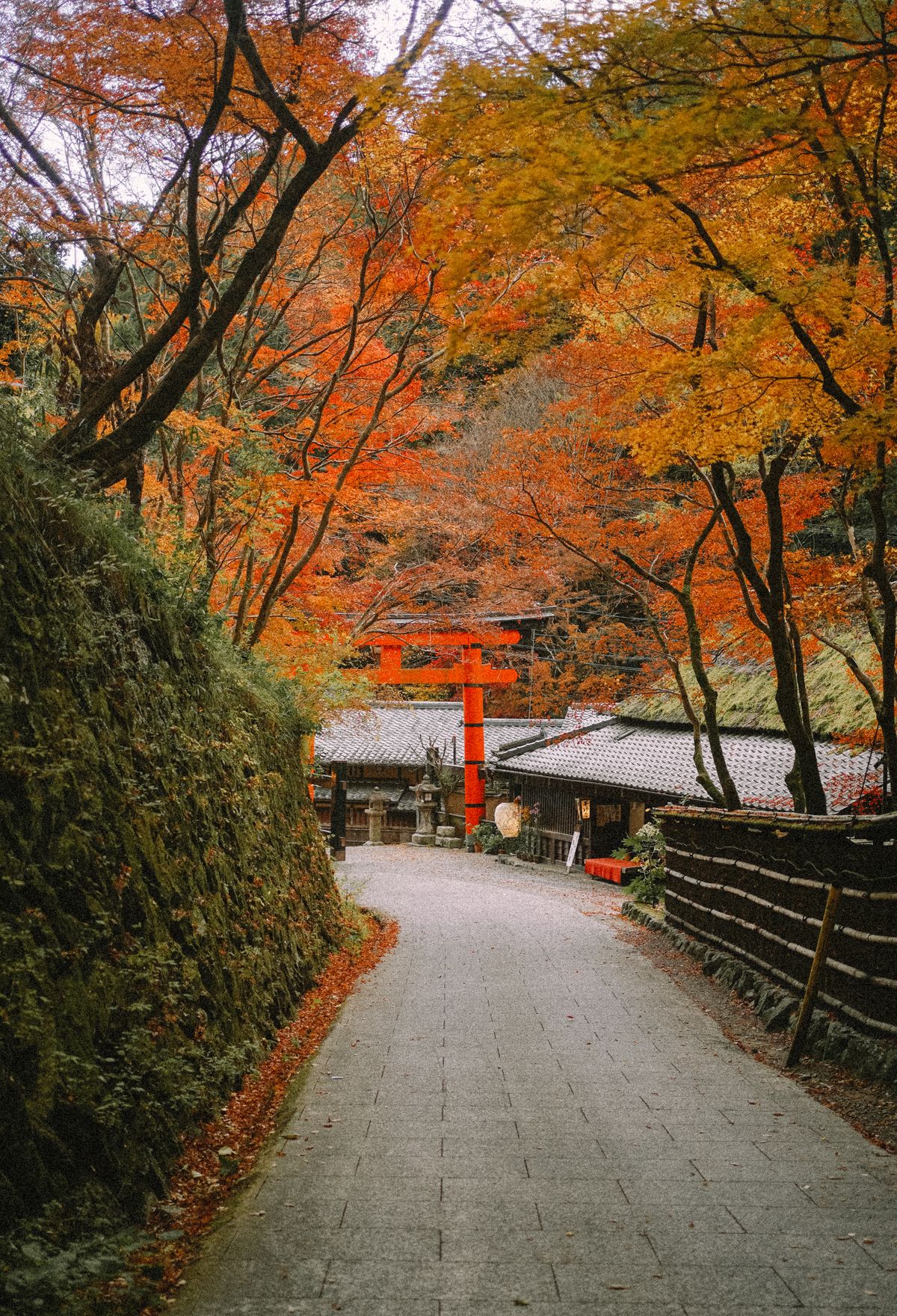
Oharaimachi and Okage Yokocho
Just outside the Naiku, Oharaimachi is a 800-meter-long historic shopping street lined with traditional shops and restaurants in beautifully preserved Edo and Meiji-era wooden buildings. This is one of the most enjoyable strolls in Japan, with delicious food and elegant souvenirs at every turn.
Akafuku Mochi
The most famous treat in Oharaimachi is Akafuku, a soft pillow of mochi (rice cake) topped with sweet red bean paste. The original Akafuku honten (head store) opened in 1707 and still serves the same recipe today. A set of three Akafuku with a cup of green tea costs around ¥300 (USD $2) and is best enjoyed in the tatami room overlooking the Isuzu River.
Okage Yokocho
Halfway down Oharaimachi, you will find Okage Yokocho, a network of side alleys built in 1993 to evoke the feeling of a pilgrim’s town from the Edo period (1603-1868). Shops sell traditional crafts, including handmade chopsticks, paper lanterns, ceramics, and woodblock prints. There are also several restaurants serving Ise specialties such as Ise udon (thick, soft udon noodles in a dark sweet-savory sauce) and tekone-zushi (vinegared rice topped with marinated bonito sashimi).
Local Sake
Mie is one of Japan’s underrated sake-producing prefectures, and Oharaimachi has several tasting shops where visitors can sample local brews for as little as ¥500 (USD $3.30) for a flight of three glasses. Try the brews from Hanzo or Onikoroshi for a taste of the region.
The Inner Auxiliary Shrines
Within the Naiku precincts you will find several smaller auxiliary shrines that many visitors miss. Take the time to visit them, as each has its own special spiritual significance.
Aramatsuri-no-Miya
This is the most important of the auxiliary shrines, enshrining the “rough soul” (aramitama) of Amaterasu. The path here turns to the right just past the main sanctuary and leads through more dense forest. Many Japanese visitors come here to pray for major life changes or new endeavors.
Kazahinomi-no-Miya
Dedicated to the gods of wind, this shrine is said to have repelled Mongol invasions in the 13th century. The shrine is small but atmospheric, sitting beside a clear stream.
Other Auxiliary Shrines
The Geku has its own collection of auxiliary shrines including Tsuchinomiya, Takanomiya, and Tsukiyomi-no-Miya. Visiting all of them takes at least a full day and is best for repeat visitors who want to deepen their experience. For a first visit, focus on the two main shrines and one or two auxiliaries.
Where to Stay in Ise
Most visitors stay one or two nights in the Ise area. Here are the main options to consider.
Around Iseshi Station
For convenience, the area around Iseshi Station has several modern business hotels and a few mid-range options. These are ideal for travelers who want to walk to the Geku and to bus stops for the Naiku. Expect rates of ¥7,000 to ¥14,000 (USD $47 to $93) per night for a basic single or twin room.
Futami
About 10 minutes east of Ise by JR train, Futami is a small coastal town famous for the Meoto Iwa (Wedded Rocks), two sacred rocks linked by a sacred rope. Several traditional ryokan along the Futami coast offer ocean views, hot spring baths, and seafood kaiseki dinners. This is the most atmospheric place to stay for first-timers seeking a classical Japanese ryokan experience near Ise.
Toba and Kashikojima
For a longer Ise-Shima trip, stay in Toba or Kashikojima on the way out toward the Ise-Shima National Park. These coastal resort towns offer some of the best seafood ryokan in Japan, including Mikimoto Pearl Island accessibility from Toba and luxury resorts on the islands and inlets of the Ago Bay.
For ryokan in particular, you can compare options across major Japanese booking sites. Find luxury hotels on Ikyu.com → — this is a Japanese-focused platform with strong inventory in the Ise-Shima area.
Best Time to Visit Ise Jingu
Ise Jingu is open all year and is beautiful in every season, though some times of year offer more rewarding experiences than others.
New Year (Late December to Early January)
The first three days of January are by far the busiest at Ise, when over a million Japanese pilgrims arrive for hatsumode (the first shrine visit of the new year). Lines can be hours long. Avoid this period unless witnessing this national tradition is itself your goal.
Spring (March to May)
Cherry blossoms bloom in late March and early April, and the forest comes alive with new green growth. Temperatures are pleasant for walking, and the crowds are moderate. Late April through May is one of the best windows for a relaxed visit.
Summer (June to August)
Summer is hot and humid in Ise, but the deep forest of the Naiku stays surprisingly cool. Mid-summer is also when the Tsukinami-sai monthly festival is held, and the local oysters and seafood are in season. The Ago Bay area is exceptionally beautiful in summer.
Autumn (October to November)
Autumn is the most photogenic season at Ise. The maples and ginkgo trees around the shrine paths turn red and gold, the air is crisp, and the crowds are smaller than in spring. The first half of November is the sweet spot for foliage.
Winter (December to February)
Winter is quiet and contemplative, with the bare trees showing the structure of the forests around the shrines. Snow is uncommon at Ise itself but does occasionally dust the buildings, creating beautiful conditions for photographers. The Tsukinami-sai winter festival in December is one of the most sacred events on the shrine calendar.
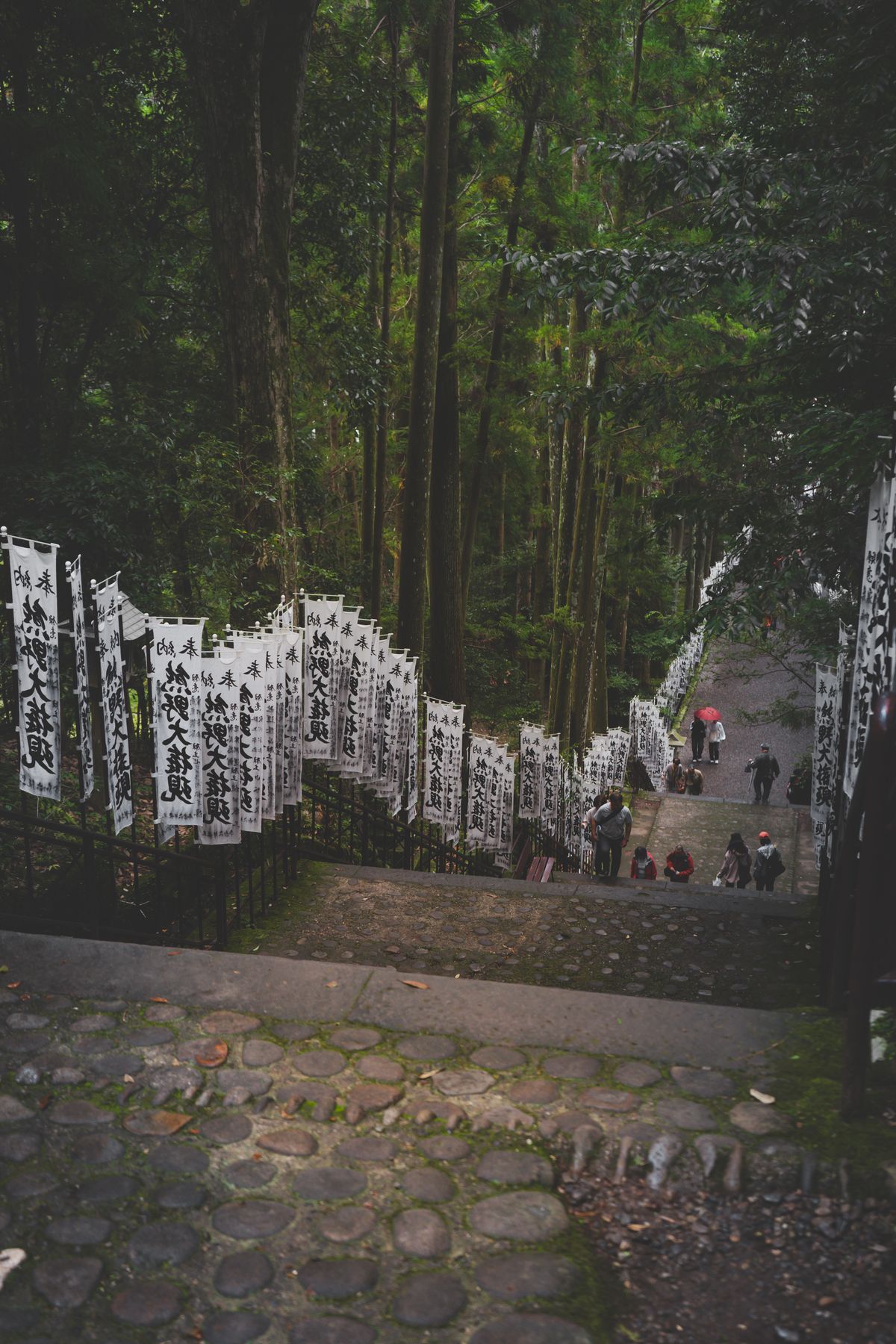
Beyond the Shrines: Mie Prefecture Highlights
Once you have visited Ise Jingu itself, Mie Prefecture offers some of Japan’s most rewarding coastal and rural travel.
Meoto Iwa (Wedded Rocks)
About 15 minutes by train from Iseshi Station, the Meoto Iwa are two sea rocks bound together by a sacred shimenawa rope, said to represent the union of the creator gods Izanagi and Izanami. The rocks are framed against sunrise from May to July, which makes for some of the most iconic photographs in Japan. The site is free to visit. Don’t miss the nearby Futamiokitama Shrine, which sells charming frog-shaped charms.
Toba and Mikimoto Pearl Island
About 15 minutes further along the coast, Toba is the home of cultured pearls. Mikimoto Pearl Island, a small islet accessible by a footbridge from central Toba, is where Mikimoto Kokichi first successfully cultivated pearls in 1893. The island has a museum, a working pearl farm, and live demonstrations by ama (female free-divers) who still dive for shellfish today. Admission is ¥1,650 (USD $11).
Ise-Shima National Park and Ago Bay
South of Toba, the Ise-Shima National Park covers a dramatically convoluted coastline of inlets, peninsulas, and small islands. The classic experience is a boat cruise on Ago Bay, where pearl farms float in calm waters. The 2016 G7 summit was hosted at the Shima Kanko Hotel on Ago Bay, giving the area a brief moment of global fame.
Hinjitsukan
If you have a serious interest in traditional Japanese architecture, the Hinjitsukan in Futami is a national cultural property dating from 1887. The wooden building once welcomed Meiji-era statesmen and foreign dignitaries and is now open for tours. Admission is ¥310 (USD $2).
Food and Local Specialties of Ise
Mie’s coastal location and rich agricultural plains make it one of Japan’s best regional food destinations.
Ise Udon
Unlike the springy udon of Sanuki (in Kagawa), Ise udon are thick, soft, and almost dumpling-like, served in a small pool of dark, sweet-savory tamari soy sauce broth. It is a famously divisive dish — love it or hate it — but trying it once is essential. Look for it in restaurants along Oharaimachi.
Tekone-zushi
A sushi specialty originally created by fishermen at sea, tekone-zushi consists of vinegared rice topped with slices of marinated bonito sashimi. The dish is hearty, simple, and deeply satisfying. The traditional version is rougher than refined Tokyo sushi but bursts with the flavor of fresh fish and soy-mirin glaze.
Matsusaka Beef
Matsusaka beef is one of Japan’s three most famous wagyu beef varieties, often considered the most marbled and luxurious of all. Raised in Mie’s Matsusaka area, the cattle are fed beer, massaged daily, and walked carefully. A 100g portion of steak can cost ¥7,000 to ¥15,000 (USD $47 to $100), but the experience is unforgettable. Several restaurants in Ise and Tsu serve Matsusaka beef in more affordable formats such as sukiyaki or rice bowls.
Ise-Shima Oysters and Lobster
Ise Bay is famous for cultured oysters in winter (December to March) and the Ise-ebi spiny lobster from autumn through spring. Many Toba and Futami ryokan serve lavish seafood spreads with these specialties as the centerpiece.
Akafuku Mochi
As mentioned, this is the iconic souvenir of Ise. A wooden box of 8 pieces costs around ¥1,000 (USD $7) and travels well, though it is best eaten within a couple of days.
Spiritual Etiquette: How to Behave at Ise Jingu
Ise is a working religious site visited by millions, so observing a few basic forms of respect makes your visit better and shows consideration for others.
Bowing at the Torii
Before passing through each torii gate, pause and bow slightly. When leaving, turn around once you are through the torii and bow again toward the sanctuary.
Walking on the Side of the Path
The central line of the sando (approach path) is reserved for the gods. Walk on either side instead. This is a small touch that shows real cultural respect.
Photography Rules
Photography is permitted in most outer areas, but is strictly forbidden once you enter the inner gate of the main sanctuary. Look for signs indicating the boundary, and put your camera away when you cross it.
No Coins, No Bells
Unlike many Japanese shrines, the main sanctuaries at Ise do not have suzu (bells) for visitors to ring, and no money is offered. Simply make your prayer in silence with the two bows, two claps, one bow sequence.
Quiet Voices and Phones
Speak softly within the shrine precincts and silence your phone. This is not a museum but an active sacred space.
Sample Itineraries for Visiting Ise Jingu
How much time you spend in Ise depends on your wider plans. Below are three sample itineraries to match different travel styles.
The Half-Day Visit (For Time-Pressed Travelers)
If you only have a few hours, arrive at Iseshi Station, walk to the Geku for a one-hour visit, then take the bus to the Naiku for a two-hour visit including Oharaimachi. Eat Akafuku mochi and Ise udon for lunch, then catch the late afternoon train back. This is feasible as a day trip from Nagoya, Osaka, or even Kyoto.
The Classic 1-Night Trip
This is the recommended option for first-time visitors. Arrive in Ise in the morning and visit the Geku. Have lunch on Oharaimachi, then visit the Naiku in the early afternoon when light filters through the forest. Move to Futami in the late afternoon, check into a ryokan, and enjoy a kaiseki dinner. The next morning, watch sunrise at Meoto Iwa, then return to Ise or continue your journey.
The Ise-Shima 3-Day Trip
For the full experience, plan three days. Day 1 covers the Geku and the Naiku with an overnight in Futami. Day 2 explores Toba, Mikimoto Pearl Island, and the coastal villages, ending with a ryokan stay in Toba or Kashikojima. Day 3 enjoys an Ago Bay boat cruise and a visit to one of the islands before continuing on to your next destination. This itinerary works well combined with a wider trip through Kyoto, Nagoya, or Osaka.
Practical Tips for Visiting Ise Jingu
- Both shrines open before sunrise and close after sunset (approximately 5:00 AM to 7:00 PM, with seasonal variation). Early morning is the most peaceful time to visit.
- Wear comfortable walking shoes — the paths are gravel and can be uneven in places.
- Dress modestly. Casual clothing is fine, but avoid beachwear or excessively short skirts. Carry a light jacket even in summer for the shaded forest paths.
- There are no admission fees to either shrine, but small donations are appreciated.
- Cash is essential at small shops in Oharaimachi. Many vendors do not accept credit cards. ATMs are available at convenience stores in Ise.
- Free Wi-Fi is available at the visitor centers and many cafes in Oharaimachi. Bring an eSIM for reliable coverage elsewhere.
- Bus passes from the Mie Kotsu “CAN Bus” let you ride all day for around ¥1,000 (USD $7) — great value if you plan to hop between the Geku, the Naiku, Futami, and Toba.
- Avoid the first three days of January unless you specifically want to experience hatsumode crowds.
- The Yamato language inscriptions and the wooden architecture are designed in a way that predates Chinese Buddhist influence — this is rare even within Japan.
- Aim to visit the Geku first, then the Naiku, in keeping with the centuries-old practice.
Combining Ise Jingu with the Rest of Japan
Ise pairs beautifully with several common Japan itineraries. From Kyoto, Ise is a short detour that adds a profound spiritual dimension to a Kansai trip. From Nagoya, Ise is the most rewarding nearby destination outside the city. From Osaka, the direct Kintetsu Limited Express makes Ise an easy weekend or two-night escape. If you are already planning to visit Kumano Kodo’s pilgrimage trails (also in Mie and Wakayama), pairing those with Ise creates a powerful itinerary of sacred Japan that few foreign visitors ever experience.
For practical guidance on transportation around Japan, see our complete Shinkansen guide. For overall first-timer essentials, our Japan Travel Tips for First-Timers post covers the etiquette, transport cards, and culture you need to know. To explore more of Japan’s regional spiritual sites, our destinations hub has guides to every major area.
For travelers who like the cultural side of Japan, the Kumano Kodo pilgrimage trails in nearby Wakayama and Mie make a natural addition to your trip. Both Ise and the Kumano Kodo are part of the wider sacred-mountain landscape of central Japan and were historically connected by pilgrim routes that some hikers still walk today. Pair this with a stay in a Buddhist temple lodging on Koyasan to explore the Shinto and Buddhist sides of Japanese spirituality back-to-back.
Travel between Ise and other destinations is best done by Kintetsu Limited Express. The trains are comfortable, with reserved seats, large windows, and adequate luggage space. Reservations are recommended on weekends and in autumn. Many lines also offer special “Shimakaze” luxury services with private compartments and panoramic cars, especially scenic for the trip between Osaka, Nagoya, and Ise.
Whether you arrive by train or rental car, having a stable internet connection makes the trip easier — especially for navigating bus timetables and finding restaurants in Oharaimachi and Okage Yokocho. Get your Japan eSIM (Stay connected from day 1) → covers all of Mie and works seamlessly with iPhone and most Android devices.
The Spiritual Significance of Ise Jingu in Japanese Culture
To understand why Ise Jingu matters so much to Japan, it helps to know a little about Shinto and its connection to the imperial line. Shinto is Japan’s indigenous religion, a tradition without sacred scriptures, founders, or formal dogma. Instead, it venerates kami, divine spirits that inhabit nature, ancestors, and important places. Ise Jingu is the home shrine of Amaterasu Omikami, the sun goddess from whom the imperial line claims descent. For over 1,500 years, the imperial family has personally maintained ties to this shrine through formal visits, offerings, and the priestly office of the Saio (a princess who served as the chief priestess for centuries).
This combination of antiquity and ongoing living tradition makes Ise unique. The shrine has never been just a museum or a tourist attraction. It is the heart of an ongoing spiritual relationship between the Japanese people, their imperial family, and the natural world. The 20-year reconstruction cycle, the careful selection of cypress trees from sacred forests, the rotation of priests, and the year-round festival calendar are all part of a continuous renewal. For visitors, the most powerful aspect of Ise is precisely this sense that nothing is preserved as a relic — everything is alive, in process, and being lived right now.
Frequently Asked Questions
Is there an entrance fee to Ise Jingu?
No. There is no admission fee to either the Geku or the Naiku. Visitors are welcome to make a small donation if they wish, but it is not expected.
How long should I spend at Ise Jingu?
Plan at least half a day for both the Geku and Naiku. A full day is ideal so you have time to enjoy Oharaimachi, the auxiliary shrines, and a leisurely lunch. For the complete Ise-Shima experience including the coastal areas, plan 2 to 3 days.
Can foreigners enter Ise Jingu?
Absolutely. Ise Jingu welcomes visitors of all backgrounds and faiths. The shrine is designed for everyone, not just Japanese citizens. The only restrictions apply to the innermost sanctuaries, which are off limits to all visitors (Japanese or foreign) except certain priests and members of the imperial family.
What should I wear to Ise Jingu?
Comfortable, modest clothing is fine. Walking shoes are essential because the paths are gravel and can be uneven. There is no formal dress code for ordinary visitors, but it is best to avoid beachwear, excessively short skirts, or aggressive logos.
Can I take photographs at Ise Jingu?
Yes, in the outer areas. Photography is allowed along the approach paths, at the torii gates, and around the bridge and river. However, photography is forbidden once you cross the inner gate at either main sanctuary. Look for signs and follow the lead of other visitors.
Is Ise Jingu a good day trip from Kyoto or Osaka?
It is feasible as a long day trip, especially from Osaka (about 2 hours each way). However, you will get much more from a 1-night stay, especially if you can enjoy a ryokan in Futami or Toba. A day trip from Kyoto adds another half-hour of travel each way.
What is the difference between the Geku and the Naiku?
The Geku (Outer Shrine) is dedicated to Toyouke, the goddess of food and agriculture, and is traditionally visited first. The Naiku (Inner Shrine) is dedicated to Amaterasu, the sun goddess, and is the most sacred site in Shinto. Both are about 6 km apart and connected by frequent buses.
Why are the buildings rebuilt every 20 years?
This is the Shikinen Sengu, a tradition that has continued since 690 AD. The reconstruction ensures that the carpentry skills, materials sourcing, and ritual practices are passed continuously across generations. It also reflects the Shinto sense of constant renewal and the freshness of sacred space. The next reconstruction is planned for 2033.
Are children welcome at Ise Jingu?
Yes, families with children are welcome. Strollers can navigate most of the paths, although the bridge and some forest tracks are gravel. The Oharaimachi shopping street is particularly fun for kids, with food samples, traditional sweets, and games. Keep voices low in the shrine precincts.
Is Ise Jingu accessible for travelers with mobility limitations?
Mostly yes. The main paths are wheelchair-accessible, though they are gravel rather than smooth pavement. There are accessible toilets at the visitor centers. The Uji Bridge and the Mitarashi river area can be visited from the side rather than crossed. Local guides can arrange accessibility-focused tours on request.
Can I stay overnight at Ise Jingu?
Not at the shrine itself, but there are many ryokan and hotels in Ise City, Futami, and Toba within easy reach. For an authentic experience, a small ryokan in Futami within walking distance of Meoto Iwa is one of the most atmospheric options.
Final Thoughts on Ise Jingu
Ise Jingu rewards visitors with a perspective on Japan that you can find nowhere else. The combination of ancient tradition, living spiritual practice, exquisite carpentry, dense forest, and warm regional culture creates a destination that lingers in the memory long after you leave. For first-time visitors who have already covered the Tokyo-Kyoto-Osaka route, or for repeat travelers looking for something deeper, Ise is one of the most rewarding additions you can make to any Japan trip.
Take your time when you visit. Walk slowly through the forest paths. Pause at the torii gates. Drink the cool air, watch the river flow past the Mitarashi, and allow yourself to feel the rhythm of a place where humans and nature have worked together in sacred relationship for over 2,000 years. Whatever your beliefs or background, Ise Jingu offers something genuinely irreplaceable in the modern world — and it makes for one of the most quietly profound travel experiences in Japan.
Going to Japan? Talk to locals with confidence.
Hirameki Japanese — instant offline translation, camera translation, furigana + romaji, and 314 free flashcards. No login. Works without internet.

Plan your Japan trip
Two things every first-timer should book
Some links are affiliate links. If you book through them we may earn a small commission at no extra cost to you.