Why Hirosaki Castle Should Be on Every Japan Itinerary
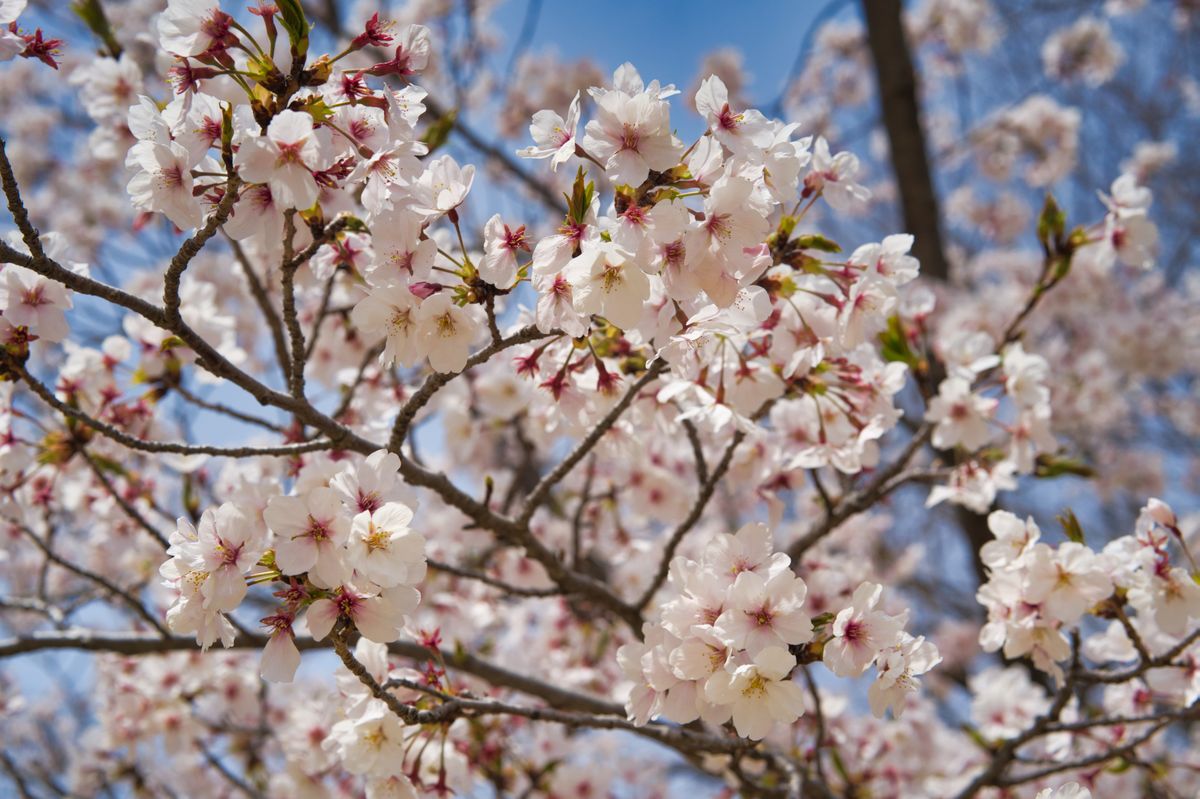
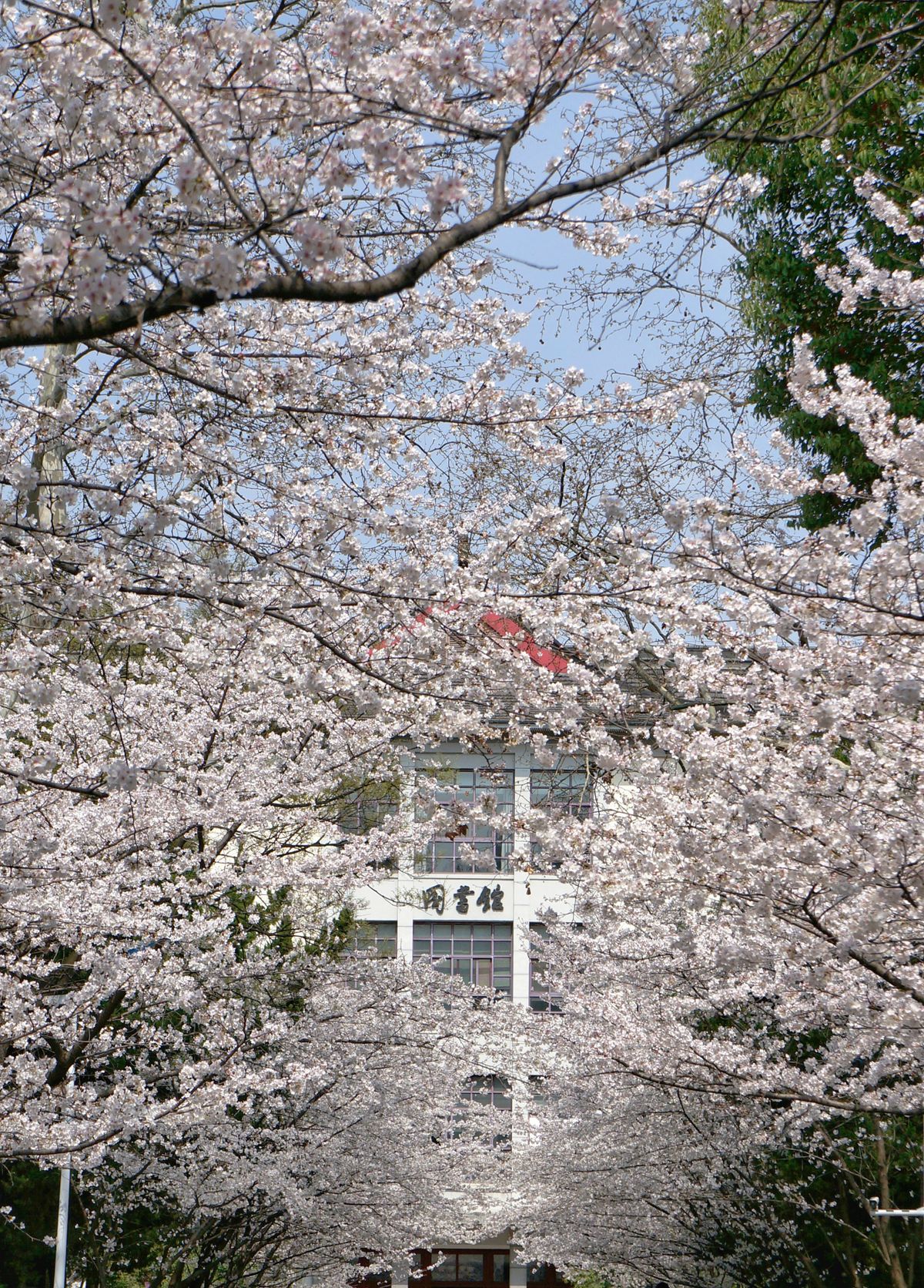
If you’ve been dreaming of seeing cherry blossoms in Japan, you’ve probably already pictured yourself strolling beneath pink petals in Kyoto or Tokyo. But tucked away in the northern Tohoku region of Honshu, Hirosaki Castle and its sprawling park offer what many Japan travelers — including long-time visitors — describe as the single most breathtaking cherry blossom experience in the entire country.
Hirosaki (弘前) is the kind of destination that rewards travelers willing to venture off the well-worn tourist trail. It’s not famous in the way that Kyoto or Nikko is famous. There are no bullet trains pulling directly into the city centre, no armies of selfie sticks crowding the main viewpoints every hour of the day. What Hirosaki has instead is around 2,600 cherry trees, one of only twelve surviving original castles in all of Japan, a genuinely warm local culture built around apple orchards and Tsugaru folk traditions, and a moat so thick with pink petals during peak bloom that it looks like it has been paved in flowers.
This guide covers everything first-time foreign visitors need to know before making the trip: how to get there, what to see beyond the castle park, where to eat Aomori’s spectacular local food, where to stay, and exactly when to visit for maximum impact. Whether you’re planning a dedicated trip to Hirosaki or considering it as part of a wider Tohoku journey, this guide will help you plan the most memorable version of your visit.
A Brief History of Hirosaki Castle
Hirosaki Castle — known in Japanese as Hirosaki-jo (弘前城) — was originally constructed in 1611 under the orders of Tsugaru Tamenobu, the first lord of the Tsugaru Domain. The original five-storey main tower burned down in 1627, just sixteen years later, after being struck by lightning, and for nearly two centuries the castle stood incomplete. It wasn’t until 1810 that the current three-storey tower was rebuilt, and it is this structure that stands in the park today.
What makes Hirosaki so remarkable in a country filled with castle reconstructions is simple: it is one of only twelve original donjon (castle towers) left in Japan. The rest, including famous examples like Osaka Castle and Nagoya Castle, have been reconstructed in concrete at various points throughout the 20th century following wartime destruction or fires. Hirosaki’s tower, built using traditional Edo-period carpentry techniques, is the genuine article — more than 215 years old and still standing.
The castle is designated a National Important Cultural Property and its grounds are a National Historic Site. During the Edo period (1603–1868), it served as the administrative headquarters of the Tsugaru clan, who ruled their domain with considerable autonomy. The Tsugaru region is also famous for the Tsugaru shamisen — a vigorous, virtuosic style of folk music that originated in this region and remains one of Aomori’s most celebrated cultural exports.
Today the castle grounds have been transformed into Hirosaki Park, one of Japan’s most celebrated public spaces, drawing around two million visitors annually during cherry blossom season alone. There is currently an ongoing restoration project to move the castle tower a short distance so that its stone foundation can be structurally repaired. The tower has been temporarily relocated to a slightly different position within the park — which actually provides new and previously impossible photographic angles — and is expected to return to its original position by the late 2020s.
Hirosaki’s Cherry Blossoms: Why They’re Different
Japan has countless famous cherry blossom spots, from the Philosopher’s Path in Kyoto to Ueno Park in Tokyo. So what makes Hirosaki stand apart from all of them? The answer comes down to three things: the sheer concentration of trees, the extended bloom period, and the famous hanaikada — the “flower raft” effect on the castle moat.
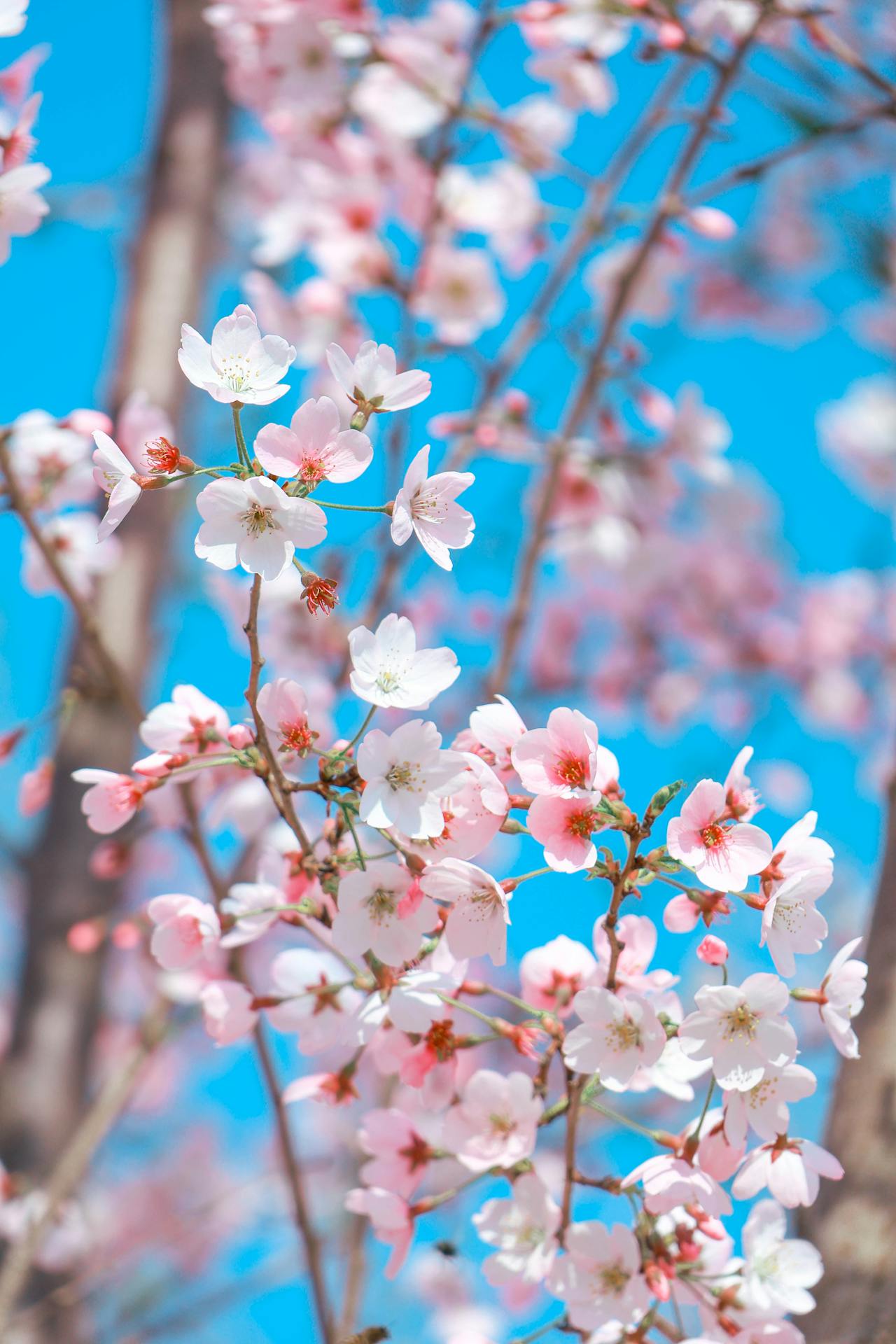
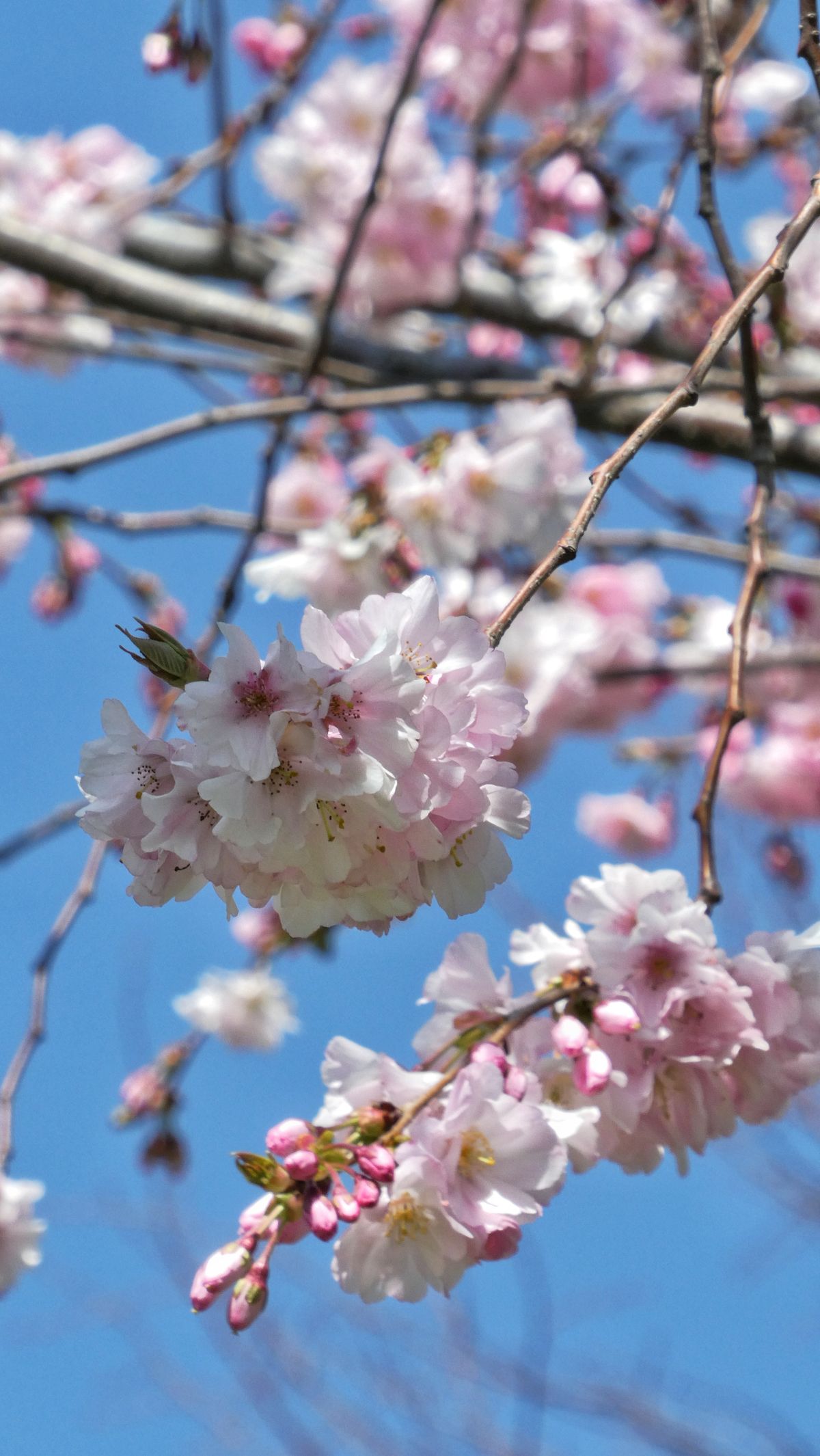
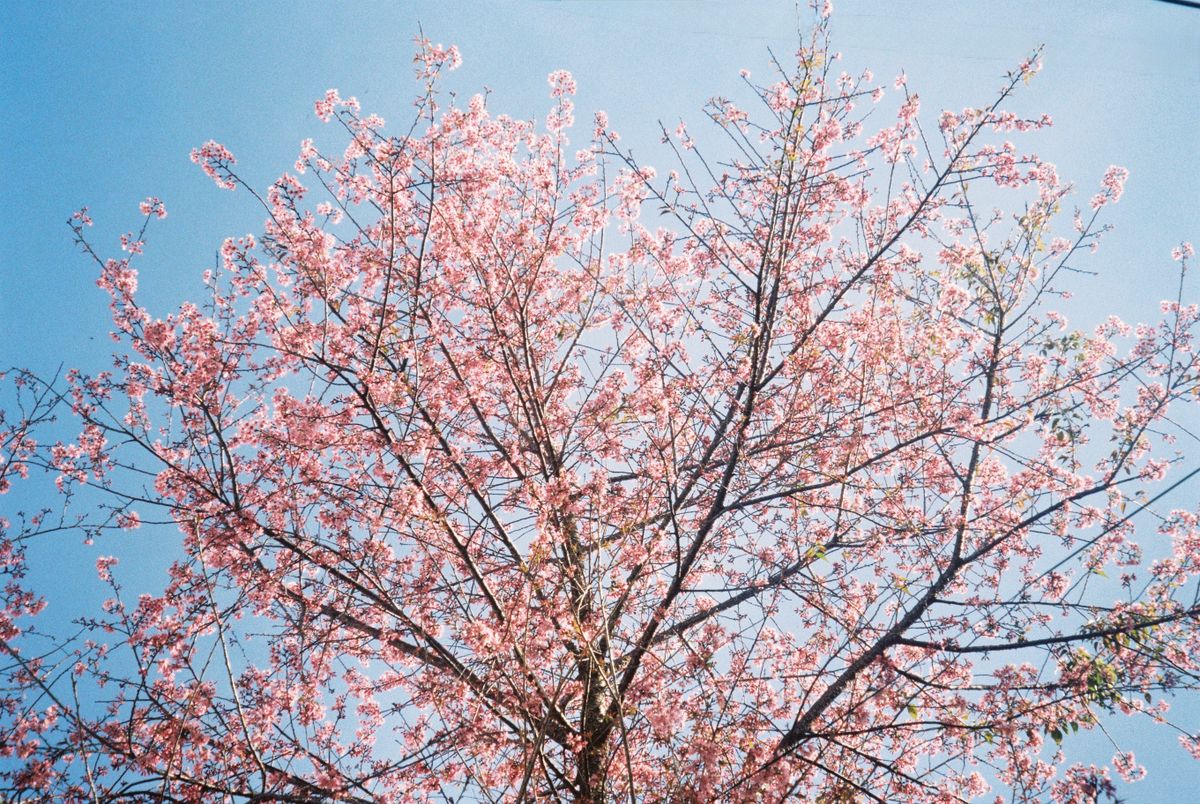
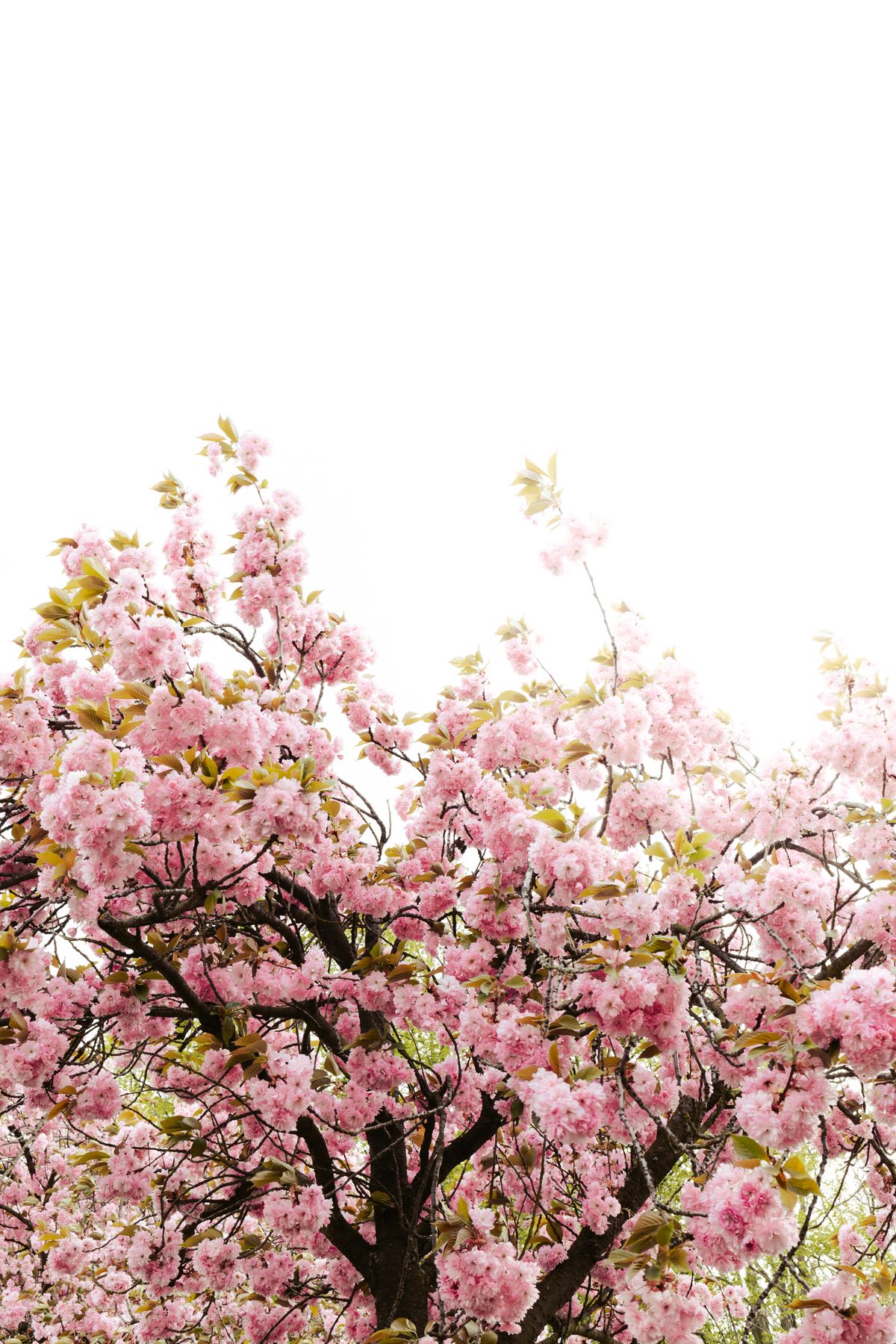
The park contains approximately 2,600 cherry trees across 49 different varieties. The most common is the Somei Yoshino, which produces the classic pale pink flowers most people associate with sakura, but the park also features striking deep-pink Yaezakura (double-petal varieties), graceful weeping cherry trees (shidarezakura), and several late-blooming varieties that extend the season to nearly three full weeks — far longer than most viewing spots in Japan, which typically peak for only about ten days before the petals fall.
The hanaikada phenomenon happens in the days after peak bloom, when fallen petals gather on the surface of the outer moat and are gradually pushed by the wind into dense, drifting carpets of pink. It is arguably even more photogenic than full bloom — an ethereal, almost dreamlike pink sea surrounding the ancient stone walls of the castle. This usually occurs roughly five to seven days after peak bloom, meaning you have a generous window to catch one or the other (or both) depending on your arrival timing.
When Do the Cherry Blossoms Peak at Hirosaki?
Hirosaki’s cherry blossoms typically peak in late April to early May — noticeably later than Tokyo’s famous blooms, which usually peak in late March or early April. This is because Hirosaki is located much further north, in Aomori Prefecture at the northern tip of Honshu, where spring arrives more slowly. The later bloom timing actually makes Hirosaki an ideal addition to a Japan trip that includes Tokyo, since you can experience cherry blossoms in Tokyo first, then travel north to catch Hirosaki at its peak.
As a general guide to timing your visit:
- Late April (around April 20–30): Peak Somei Yoshino bloom. This is typically the most crowded period and the best time to see the castle framed by clouds of full blossoms against bright spring skies.
- Early May (around May 1–7): Late-blooming varieties come into colour. The hanaikada petal raft on the moat is visible. Spring weather is at its most comfortable and warm.
- Mid-May: The park transitions into lush green foliage. Crowds thin considerably and the atmosphere becomes more tranquil and pleasant for leisurely walks.
The Hirosaki Cherry Blossom Festival (弘前さくらまつり) is held annually throughout the bloom period. Entry to the inner park during the festival costs ¥320 (approximately USD $2.10) for adults. Outside the festival, the outer park is free to enter year-round.
Getting to Hirosaki: Transport Options from Tokyo and Beyond
Hirosaki is located in the southwest of Aomori Prefecture in the Tohoku region of northern Honshu. It’s not the most immediately accessible destination from Tokyo, but the journey is straightforward and the Tohoku Shinkansen makes it very manageable for a weekend or multi-day trip.
From Tokyo by Shinkansen
The most common route involves taking the Tohoku Shinkansen from Tokyo Station (or Ueno Station) north to Shin-Aomori, then transferring to a JR Ou Line Limited Express train for the short run south to Hirosaki. Total journey time is approximately 3 hours and 20 minutes to 3 hours and 50 minutes door-to-door, depending on the Shinkansen service.
- Tokyo → Shin-Aomori (Hayabusa Shinkansen): Approximately 3 hours. Cost: around ¥17,000–¥18,000 (USD $113–$120) for a reserved seat in standard class.
- Shin-Aomori → Hirosaki (Limited Express): Approximately 35 minutes. Cost: approximately ¥950 (USD $6.30).
Round-trip Shinkansen fares from Tokyo alone exceed ¥34,000 (USD $226), which makes a Japan Rail Pass potentially very good value if your itinerary includes multiple long-distance journeys. Both the Tohoku Shinkansen and the Limited Express from Shin-Aomori to Hirosaki are covered by the pass. During cherry blossom season especially, book reserved Shinkansen seats well in advance — trains fill up quickly.
Before you travel, make sure you have a reliable way to stay connected. Having your own mobile data connection is invaluable for navigating train schedules, translating menus, and using maps — especially when travelling through regions where English signage is less common than in Tokyo or Kyoto.
Get your Japan eSIM (Stay connected from day 1) →
From Sendai
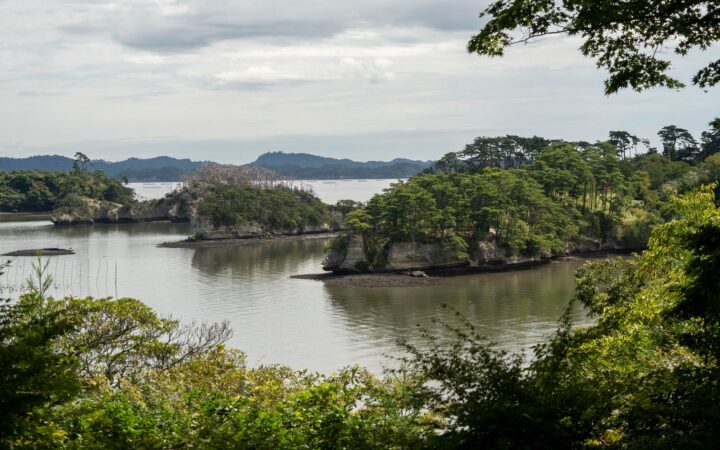
Sendai is the Tohoku region’s largest city and a popular base for exploring the area. From Sendai, the Shinkansen north to Shin-Aomori takes about 90 minutes, followed by the 35-minute Limited Express to Hirosaki. Combining Sendai, Matsushima (one of Japan’s three iconic scenic views), and a journey north to Hirosaki makes for a wonderful Tohoku circuit with excellent variety.
From Aomori City
Aomori City — the prefectural capital — is just 35 to 40 minutes from Hirosaki by JR Ou Line train (fare: approximately ¥680 / USD $4.50). Many visitors choose to base themselves in Aomori City and take day trips to Hirosaki, which works very well outside peak cherry blossom period. During peak bloom, however, staying in Hirosaki itself is far more convenient.
By Air
The nearest airport is Aomori Airport (AOJ), which receives domestic flights from Tokyo Haneda (about 75 minutes), Osaka Itami, and Sapporo New Chitose. From Aomori Airport there are limousine buses directly to Hirosaki Station (approximately 55 minutes, around ¥1,400–¥1,600 for adults). Budget flights can sometimes make the air option more cost-effective than the Shinkansen, particularly if booked well in advance through a fare comparison site.
Exploring Hirosaki Park: A Complete Walkthrough
Hirosaki Park covers approximately 49 hectares and is divided into inner and outer sections connected by paths along three concentric moats. Understanding the layout before you arrive will help you make the most of your time, especially during busy festival periods when the inner park can become genuinely crowded around midday.
The Inner Park and Castle Area
The inner park is entered through one of the historic original gates, the most photogenic of which is the Otemon Gate — a two-storey wooden gate dating from the Edo period. Entry to the inner park area costs ¥320 (USD $2.10) for adults during the Cherry Blossom Festival.
Within the inner park you’ll find the castle tower itself (additional ¥310 / USD $2.10 to enter the interior museum), the inner moat where the hanaikada petal raft forms, and the Ninomaru second enclosure — a broad open area with particularly dense cherry planting that is ideal for spreading out a hanami picnic blanket and spending a leisurely hour or two.
The castle tower interior contains a well-presented museum covering the history of the Tsugaru clan, the castle’s construction and fires, and the cultural heritage of the region. The upper floor offers views over the park and city. Allow 30–45 minutes for the interior visit.
The Outer Park and Western Moat
Beyond the inner enclosure, the outer park areas are free to access year-round. The western outer moat is lined with weeping cherry trees (shidarezakura) whose trailing branches arch dramatically over the water, heavy with blooms in late April. This section is particularly beautiful during the evening illuminations, when the pale pink curtains of blossom are lit from below and reflected in the still dark water.
Evening illuminations during the Cherry Blossom Festival typically run from dusk until around 10 pm. Arriving at the park around 6–7 pm captures both the last of the natural light and the beginning of the illuminations in a particularly atmospheric way.
Beyond the Castle: Sights and Experiences in Hirosaki
Hirosaki has considerable depth beyond its famous castle park. The city has the character of a cultured regional capital — a little like a smaller, quieter Kyoto — with a strong identity rooted in its history as an Edo-period castle town and its distinctive Tsugaru arts traditions.
Hirosaki Neputa Village
Located a five-minute walk from the park’s main entrance, Neputa Village is a year-round cultural centre dedicated to Hirosaki’s most famous festival, the Neputa Festival held every August. The facility displays enormous fan-shaped lantern floats (neputa) — some standing over five metres tall, painted with fierce warrior scenes — alongside hands-on craft workshops and live Tsugaru shamisen performances that run several times daily. Admission: ¥600 (USD $4). This is one of the best places in Japan to experience vibrant regional folk culture in a calm, accessible setting outside of peak festival season.
Meiji and Taisho-Era Western Architecture
Hirosaki has an exceptional concentration of Western-style Meiji and Taisho-era buildings, a legacy of the city’s enthusiastic adoption of Western influence in the late 19th century. Walking through the streets near the park, you’ll encounter brick churches, Victorian-style government offices, and Western-influenced school buildings that feel entirely out of place in the Japan most visitors expect — and are all the more charming for it. The tourist information centre at Hirosaki Station provides a free English architectural walking map.
Nakamachi Buke-yashiki Samurai District
Just north of the park lies a preserved samurai residential district with traditional earthen walls (dobei), gates, and carefully maintained traditional residences. The Ito Residence — the best-preserved of the old samurai houses — is open to visitors for ¥200 (USD $1.30). Walking the quiet lanes in the early morning, when very few other tourists are around, gives a genuine sense of the feudal-era city that once surrounded the castle.
Aomori Apple Orchards
Aomori Prefecture is Japan’s undisputed apple capital, producing approximately 60% of the entire national harvest. The farmland surrounding Hirosaki is covered with apple orchards that are stunning in their own right during apple blossom season (mid-May, when the cherry blossoms have faded) and during harvest season (October through November). Several farms welcome visitors for hands-on apple picking, typically charging ¥500–¥1,500 (USD $3.30–$10) per person for a picking experience that includes the right to take home a bag of freshly picked fruit. The tourist information office at Hirosaki Station can provide a current list of participating farms and directions.
Where to Eat in Hirosaki
Aomori’s food culture is among the most distinctive in Japan. The combination of rich cold-water seafood from Mutsu Bay, excellent mountain vegetables from the Tohoku highlands, Japan’s finest apples, and a strong tradition of hearty winter cooking makes this one of the country’s most rewarding culinary regions for adventurous eaters.
Tsugaru Soba
Tsugaru soba is a hearty, rustic style of buckwheat noodle dish specific to the Tsugaru region, typically served in a clear dashi broth with seasonal toppings. A bowl costs ¥700–¥1,200 (USD $4.60–$8) at restaurants near the castle.
Hotate Scallops and Seafood
Aomori Prefecture’s Mutsu Bay produces scallops (hotate) renowned for their exceptional sweetness and size. At izakaya throughout Hirosaki, find scallops grilled in the shell with butter and soy sauce — one of the best two-ingredient dishes anywhere in Japan. Also seek out fresh sea urchin (uni) from Aomori’s cold waters, which is rich and custard-like, and various local fish preparations.
Apple-Based Foods
With Aomori producing 60% of Japan’s apples, apple-themed foods are everywhere: apple soft cream ice cream, apple pie in numerous styles, apple cider vinegar drinks, apple curry, and freshly pressed juice from local orchards. The apple soft cream available in the park during the festival is subtly tart and fragrant in a way that mass-produced apple flavourings rarely achieve — seek it out.
Hanami Festival Food Stalls
During the Cherry Blossom Festival, dozens of food stalls set up throughout the park offering yakitori, corn on the cob, grilled scallops, and locally brewed apple cider. Eating on a picnic blanket beneath the blossoms — hanami — is one of the most quintessentially Japanese spring experiences. Budget ¥500–¥2,000 (USD $3.30–$13.30) for a good spread from the stalls.
Where to Stay in Hirosaki
Accommodation in Hirosaki ranges from simple business hotels near the station to traditional ryokan with tatami rooms and multi-course kaiseki dinners. During cherry blossom season, rooms book out months in advance — book as early as possible, ideally two to three months before your intended dates for peak festival weekends.
Near the Castle Park
Staying within walking distance of the park during cherry blossom season means arriving before the main crowds and returning for evening illuminations without transport. A handful of hotels and traditional inns operate in the Shimamachi and Omachi areas within 15–20 minutes’ walk of the main gate. During peak festival period, expect to pay ¥9,000–¥20,000 (USD $60–$133) per night for mid-range accommodation.
Near Hirosaki Station
Most business hotels cluster around Hirosaki Station, approximately a 20-minute walk or 5-minute taxi ride (¥700–¥900 / USD $4.60–$6) from the park. National chains here offer good value and typically have basic English-language service. Off-season prices can be as low as ¥5,000–¥7,000 (USD $33–$46) per night.
For the widest selection of accommodation across all price ranges:
Book your hotel on Agoda (Best prices guaranteed) →
Day Trips from Hirosaki
Hirosaki makes an excellent base for wider Aomori exploration. Several outstanding destinations are within easy day-trip range by train or bus.
Aomori City
The prefectural capital is just 35 minutes away and has two world-class attractions worth combining: the Nebuta Museum WA RASSE (entry ¥620 / USD $4.10), which displays spectacular illuminated parade floats from Aomori’s famous summer festival year-round, and the Sannai-Maruyama Site, a remarkably preserved Jomon-period settlement dating back 5,500 years and now a UNESCO World Heritage Site. A full day comfortably covers both.
Oirase Gorge and Lake Towada
Approximately 90 minutes from Hirosaki by bus, the Oirase Gorge is a 14-kilometre walk through primordial beech and oak forest following a crystal-clear mountain stream through mossy rocks and waterfalls. Spectacular in all four seasons, with a completely different character in spring (fresh green), summer (deep shade), autumn (blazing foliage), and winter (ice and snow). At the gorge’s end lies Lake Towada, one of Japan’s largest caldera lakes. Allow a full day for both.
Tsugaru Scenic Railway
For a quintessentially rural Japan experience, the Tsugaru Railway — one of Japan’s few remaining non-electrified rural lines — runs through apple orchard and paddy field country northwest of Hirosaki. In winter it operates a special heated passenger car warmed by coal-burning stoves, which has become beloved by domestic tourists. A one-way fare costs around ¥1,100 (USD $7.30).
Practical Tips for Visiting Hirosaki
Getting Around the City
The main sights around the park are easily walkable. Hirosaki has a convenient free loop bus (Dotemachi-Omachi Loop) connecting the station, the castle park, and the main sightseeing areas. A one-day city bus pass costs ¥500 (USD $3.30). Rental bicycles from shops near the station cost ¥500–¥800 (USD $3.30–$5.30) per day.
Best Times to Visit the Park to Avoid Crowds
Visit before 9 am or after 6 pm for the best experience. Weekdays during the festival period are noticeably less congested than weekends. The north side of the inner moat typically offers the most unobstructed views of the hanaikada without competing crowds.
Weather and What to Pack
Late April in Hirosaki is genuinely cold. Daytime highs range from 10–16°C (50–61°F) and evening temperatures can drop to 4–7°C (39–45°F). Pack a warm mid-layer and a wind-resistant outer layer. An umbrella is advisable — spring showers are common, and the castle viewed through soft rain has a particularly ethereal, atmospheric quality.
Cash and ATMs
Many smaller restaurants and all park food stalls operate on a cash-only basis. Japan Post ATMs and 7-Eleven ATMs in Hirosaki reliably accept international cards. Carry at least ¥10,000–¥15,000 (USD $66–$100) in cash during the festival period.
Hirosaki as Part of a Wider Tohoku Itinerary
The Tohoku region is consistently one of Japan’s most undervisited areas relative to its remarkable attractions, and Hirosaki is an ideal anchor for a broader northern circuit. A popular 5-night Tohoku route during cherry blossom season covers Sendai, Matsushima, Hiraizumi’s UNESCO temples, Morioka’s ramen and castle, and Hirosaki’s blossoms — all using JR rail pass-covered services. For broader Japan trip planning and first-timer advice, see our comprehensive guide for first-time visitors to Japan and browse all Japan destinations on this site.
Frequently Asked Questions About Hirosaki Castle
Is Hirosaki worth visiting if I’m not going during cherry blossom season?
Absolutely yes. While cherry blossom season draws the most visitors, Hirosaki has compelling reasons to visit year-round. The Hirosaki Neputa Festival in early August is one of Aomori Prefecture’s great summer festivals. October and November bring excellent autumn foliage throughout the park. The February Snow Lantern Festival, with hundreds of glowing ice lanterns surrounding a snow-covered castle, is hauntingly beautiful. And the castle itself — one of only twelve original donjon in all of Japan — is always worth seeing regardless of season.
How long should I spend in Hirosaki?
Two full days is the ideal minimum during cherry blossom season. This allows you to explore the park at a relaxed pace during both daytime and evening illuminations, visit nearby cultural attractions like Neputa Village and the samurai district, and experience the hanami atmosphere without feeling rushed. If extending to three days, a day trip to Aomori City or the Oirase Gorge is an excellent addition. For visitors short on time, one long day from Aomori City is manageable, though you’ll feel you’re rushing.
What is the entrance fee for Hirosaki Castle Park?
The outer park is free to enter at all times. During the Cherry Blossom Festival (typically late April to early May), entry to the inner park costs ¥320 (USD $2.10) for adults and ¥100 (USD $0.65) for children. Entry to the castle tower interior museum costs an additional ¥310 (USD $2.10) for adults. Outside the festival period, the inner park is free, with only the castle tower museum charging admission.
What is the hanaikada and when can I see it?
The hanaikada (花筏, literally “flower raft”) is the beautiful phenomenon that occurs a few days after peak cherry blossom bloom at Hirosaki. As Somei Yoshino petals fall from the trees surrounding the inner moat, they accumulate on the water’s surface and are pushed by gentle wind into dense, drifting carpets of pink. The result is a moat that appears paved with flowers — widely regarded as one of the most photogenic sights anywhere in Japan during spring. It typically appears approximately 4–7 days after peak bloom and lasts for several days depending on weather conditions.
Is the Japan Rail Pass useful for getting to Hirosaki?
Yes, highly so. The round-trip Shinkansen fare from Tokyo to Shin-Aomori alone exceeds ¥34,000 (USD $226). Both the Tohoku Shinkansen (Tokyo to Shin-Aomori) and the Limited Express from Shin-Aomori to Hirosaki are fully covered by the JR Pass. If your itinerary includes multiple Shinkansen journeys, the pass likely pays for itself. For a detailed analysis, see our guide: Is the Japan Rail Pass Worth It?
Are there English signs and information at the park?
Yes. The main sights within Hirosaki Park have bilingual signage, and the castle tower museum has English-language information panels. The tourist information office at Hirosaki Station has English-speaking staff and provides free maps and brochures in English. Most hotels near the castle have at least basic English-speaking staff at reception.
Can I see cherry blossoms at Hirosaki if Tokyo’s blossoms have already finished?
This is one of Hirosaki’s great advantages for Japan travellers. Tokyo’s cherry blossoms typically peak in late March to early April, while Hirosaki’s peak comes approximately three to four weeks later in late April. You can potentially experience cherry blossom season twice in one Japan trip: catching Tokyo’s famous sakura first, then travelling north to Hirosaki for round two. It is the ideal Japanese spring itinerary for blossom enthusiasts.
What should I do if it rains during the cherry blossom festival?
Don’t despair — rain can actually produce the most beautiful and atmospheric cherry blossom photographs, with soft light, misty backgrounds, and petals clinging to wet branches before falling. Pack an umbrella (not a clear plastic one, which can appear in photos) and embrace the weather. Rainy days also mean significantly fewer crowds in the park, which makes it easier to find space for a quiet contemplative walk beneath the trees. Combine a rainy park visit with indoor time at the castle tower museum, Neputa Village, or one of the city’s excellent cafes and restaurants.
Is Hirosaki safe for solo travelers?
Hirosaki is extremely safe for solo travelers, as Japan generally is. The city is small enough to be easy to navigate without getting lost, but large enough to have all the facilities a traveler needs. Solo female travelers will find Hirosaki as comfortable and safe as any other Japanese city. The main tourist areas around the castle are well-lit even late at night during the festival illuminations, and the local population is accustomed to seeing foreign visitors, particularly during cherry blossom season. Language is not a significant barrier in the main tourist areas — key signs are bilingual and the tourist information office at the station provides English support.
What luggage storage options are available in Hirosaki?
Hirosaki Station has coin lockers available on a first-come, first-served basis (¥400–¥700 / USD $2.60–$4.60 per day depending on locker size). During the peak cherry blossom festival period, these lockers fill up quickly, particularly on weekends. If you’re arriving from elsewhere and want to explore the park before checking into your accommodation, arrive early and secure a locker promptly on arrival, or ask your hotel if they can store your bags before check-in (most Japanese hotels will accommodate this request).
Getting to Japan: Airport Transfer Tips
Most international visitors to Japan arrive at Tokyo Narita or Tokyo Haneda airports, then travel onward by Shinkansen. Connecting your airport arrival to your hotel or train station can involve navigating unfamiliar transport networks while carrying heavy luggage. A private or shared airport transfer service eliminates this complexity and gets you to your first destination efficiently and comfortably.
Book airport transfer on Kiwitaxi →
Photography Guide: Getting the Best Shots at Hirosaki Castle
Hirosaki Castle is one of the most photographed locations in Japan during cherry blossom season, and for good reason. But getting images that truly capture the atmosphere rather than simply documenting “I was here” requires a bit of planning and some early starts.
Best Spots for Photography
The most iconic shot at Hirosaki is the castle tower framed by blossoming cherry trees, taken from inside the inner moat area. This angle works best in the morning when the light comes from the east and the sky is clear. The north-facing inner moat also provides the best conditions for photographing the hanaikada, as the trees on the north bank shed their petals into a relatively sheltered section of water where they accumulate most densely.
The western outer moat lined with weeping cherry trees is another unmissable photo location. The branches arch dramatically over the water, creating tunnel-like corridors of blossom that are exceptional at dawn before the crowds arrive. Evening illuminations give the weeping trees a particularly romantic, lantern-lit atmosphere that photographs beautifully even with a smartphone in night mode.
Golden Hour and Blue Hour at the Castle
Sunrise at Hirosaki during cherry blossom season occurs around 5:00–5:30 am in late April. The park gates open at 7 am, meaning you won’t catch the very first light from inside the park, but the 7–8 am hour is still excellent — soft, warm directional light, very few visitors, and the extraordinary quiet of a Japanese morning before the day’s crowds arrive. Plan to be at the gate when it opens if you’re serious about photography.
Blue hour (the 20–30 minutes just after sunset, when the sky turns deep blue but isn’t completely dark) combined with the festival illuminations creates a shooting window where the illuminated trees appear against a rich blue sky rather than pitch black — a genuinely magical colour combination that most visitors miss entirely because they’ve gone home before it happens.
Smartphone vs Camera
Modern smartphones with computational photography handle the bright contrasts of blossom-against-sky remarkably well in daylight. For the evening illumination shots, a dedicated camera with manual exposure control will give you significantly better results, as the challenge of balancing bright lights against dark shadows is where smartphone auto-exposure tends to struggle. Bring a small travel tripod for any low-light work — even a lightweight mini-tripod will make a significant difference to sharpness in the evening illumination conditions.
The Tsugaru Shamisen Experience
No visit to Hirosaki is complete without experiencing Tsugaru shamisen — the electric, virtuosic style of three-stringed folk music that was born in the Tsugaru region and is now one of Japan’s most celebrated folk music traditions. Unlike the refined, carefully measured shamisen of Kabuki and Bunraku theatre, Tsugaru shamisen is played with fierce, improvisational energy. The strings are struck hard, the tempo is driving, and the best performers achieve a level of technical skill that has to be heard live to be fully appreciated.
Tsugaru Shamisen live performances are held multiple times daily at Neputa Village near the castle park (included with the ¥600 admission). You can also hear it at certain restaurants and at scheduled events within the park during the Cherry Blossom Festival. If shamisen music interests you, Hirosaki is one of the few places in Japan where you can hear the real regional tradition performed live in an accessible setting rather than in a formal concert hall.
For those who want to go deeper, a small number of local musicians offer introductory shamisen lessons for visitors. These sessions typically last 30–60 minutes and require advance booking through the tourist information centre. The experience of plucking the heavy strings of a real shamisen — getting a feel for why the music sounds the way it does — is a surprisingly memorable cultural encounter that few tourists in Japan seek out.
Final Thoughts: Why Hirosaki Belongs on Your Japan Itinerary
Japan has no shortage of iconic destinations, and for first-time visitors the pull of Tokyo, Kyoto, and Osaka is entirely understandable. But one of the things that seasoned Japan travellers consistently say is that the places they remember most vividly are often not the most famous ones. They’re places like Hirosaki — where the crowds are manageable, the cultural heritage is genuine and living, the food is surprising and delicious, and the natural spectacle — those 2,600 cherry trees, that flower-petalled moat, that original 215-year-old castle — is as breathtaking as anything the country has to offer.
If you’re visiting Japan in late April or early May, please don’t miss Hirosaki Castle. Plan your timing carefully, book your accommodation early, and give yourself at least two full days to experience everything the city has to offer. The journey is longer than a hop between Tokyo and Kyoto, but the reward is one of Japan’s most authentic, beautiful, and genuinely moving travel experiences.
For more Japan destination guides, first-timer advice, and travel inspiration, explore our complete collection of Japan destinations.
Going to Japan? Speak Japanese with confidence.
Hirameki Japanese — camera translate for menus and signs, a two-way conversation mode, and furigana + romaji on every phrase. Free to download with kana charts, conversation mode and starter words; a one-time purchase unlocks everything.

Plan your Japan trip
Two things every first-timer should book
Some links are affiliate links. If you book through them we may earn a small commission at no extra cost to you.