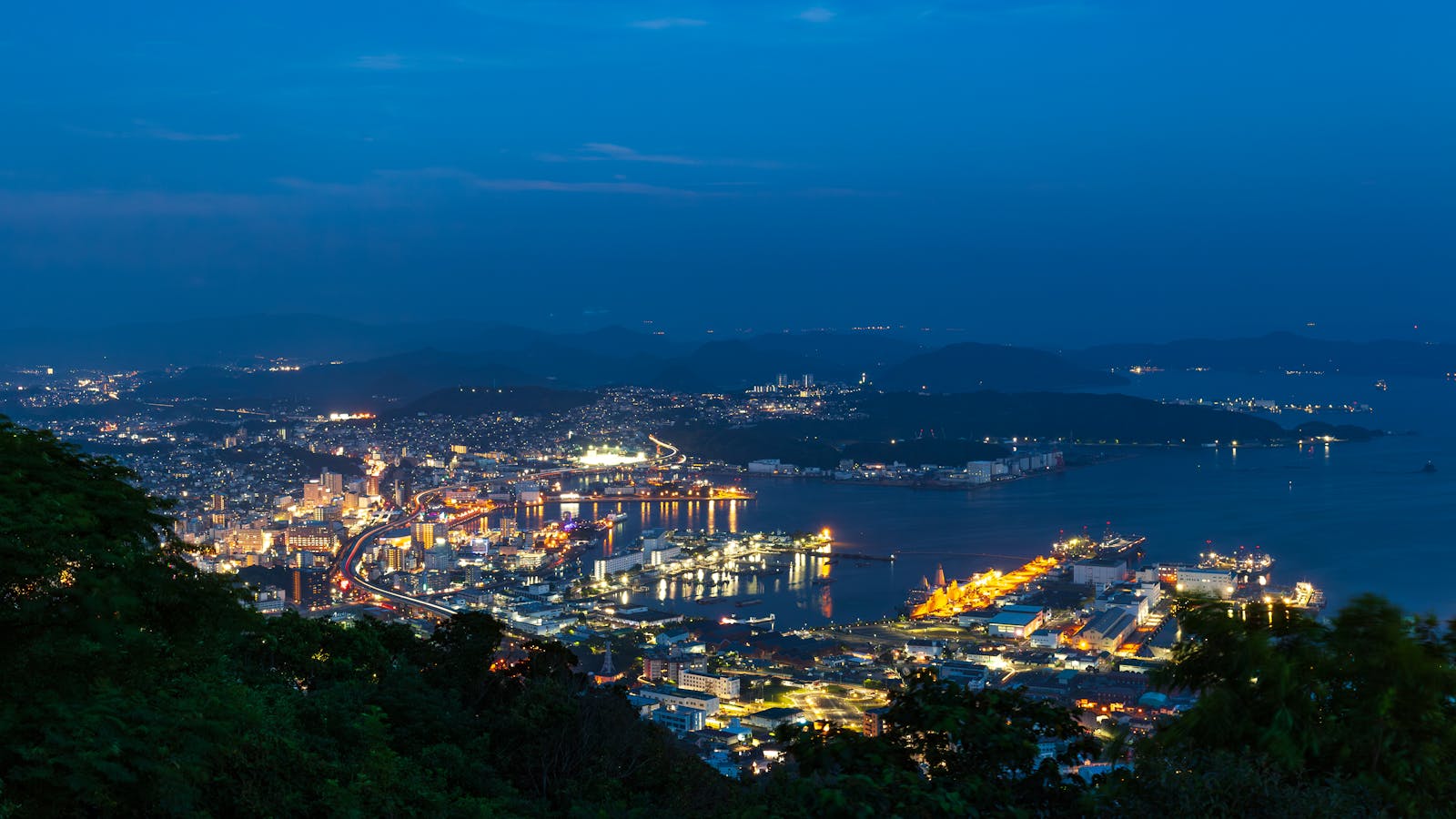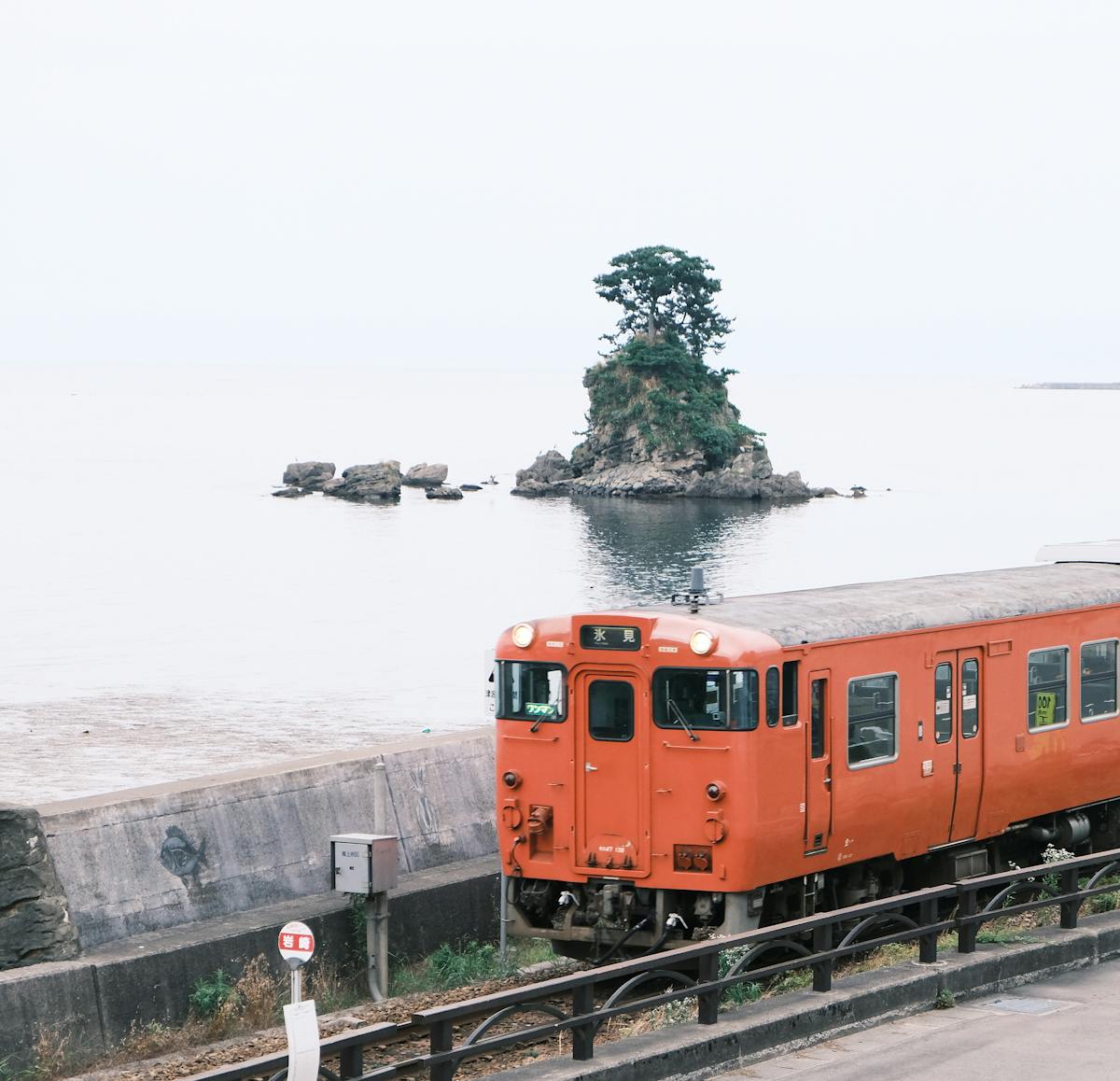
Most first-time visitors to Japan plan their Kyushu trip around Fukuoka, with its tonkotsu ramen and buzzing Tenjin nightlife. But just over an hour to the west sits one of the island’s most rewarding and surprisingly overlooked towns: Karatsu. This is a place where a white-walled castle rises straight out of the sea, where centuries-old pottery kilns still fire wabi-sabi tea bowls prized by collectors worldwide, and where a five-kilometre wall of a million pine trees lines a sweeping bay. Add one of Japan’s most thrilling autumn festivals and a nearby fishing port famous for the freshest squid you will ever eat, and you have a destination that feels like a well-kept secret hidden in plain sight.
Karatsu (pronounced kah-rah-tsu) sits on the northern coast of Saga Prefecture, facing the Sea of Japan. For centuries it was a gateway between Japan and the Asian mainland, a heritage you can still taste in its ceramics and feel in its atmosphere. This guide is written for complete first-timers to Japan who want to escape the crowds of the big cities and experience a slower, deeper, more local side of the country. We will cover exactly how to get there, what to see, where to eat, where to stay, and how to plan your time, all with practical prices, journey times and booking tips so you can travel with confidence.
Why Visit Karatsu? A Castle Town That Feels Truly Local
If you have already pencilled in Tokyo, Kyoto and Osaka, Karatsu offers something those cities cannot: space to breathe. There are no jostling tour groups at the castle, no queue systems at the pottery galleries, and no need to book restaurants weeks in advance. Yet the quality of what you experience here is world-class. The town’s identity rests on three pillars that have shaped it for hundreds of years: the castle, the pottery and the sea.
Karatsu’s name literally means “Tang Port” or “China Port,” a reminder that this was once the closest point of departure for envoys, monks and merchants travelling to and from the continent. That outward-facing history gave the town its ceramics tradition, brought by Korean potters, and its cosmopolitan confidence. Today Karatsu is compact enough to explore on foot or by bicycle, friendly enough that shopkeepers will happily explain their craft, and scenic enough that you will want to linger by the bay at sunset. It works beautifully as a day trip from Fukuoka, but stay overnight and you will discover a town that quietly rewards the curious traveller.
Before we dive into the sights, here is one piece of advice that applies to every corner of Japan: staying connected makes everything easier. Train times, restaurant reservations, translation and maps all depend on having data the moment you land. Sorting out a Japan eSIM before you fly means you step off the plane already online, with no fumbling for a physical SIM card or hunting for airport Wi-Fi.
Get your Japan eSIM (Stay connected from day 1) →
How to Get to Karatsu
Karatsu’s biggest practical advantage is how easy it is to reach from Fukuoka, the main hub of Kyushu. Most international visitors fly into Fukuoka Airport (FUK), which is remarkably close to the city centre, or arrive at Hakata Station by shinkansen from Honshu.
From Fukuoka by Train
The simplest route is the JR Chikuhi Line, which connects Fukuoka and Karatsu directly. Some trains run all the way through from Fukuoka Airport via Hakata Station and the city subway, continuing onto the Chikuhi Line without a change. The one-way ride from Hakata Station to Karatsu Station takes about 90 minutes and costs around ¥1,290 (roughly US$8.50). This is a local commuter line rather than an express, so you will see suburbs give way to rice paddies and finally the glittering coastline as you approach Karatsu, with the train hugging the sea for the final stretch.
Because the subway and Chikuhi Line are connected, you can board at Fukuoka Airport Station, ride through the heart of Fukuoka, and reach Karatsu without changing trains on many services, which is wonderfully convenient when you are jet-lagged and travelling with luggage. Always double-check the destination on the platform display, as not every train runs the full through-service.
From Fukuoka Airport by Car or Transfer
If you are arriving with a lot of luggage, travelling as a family, or simply want to skip the train transfers after a long-haul flight, a private airport transfer is the most comfortable option. The drive from Fukuoka Airport to Karatsu takes around 60 to 75 minutes via the expressway. A door-to-door shared transfer takes the stress out of navigating an unfamiliar transit system on your first day.
Book airport transfer with NearMe →
By Japan Rail Pass
The JR Chikuhi Line and JR Karatsu Line are both covered by the nationwide Japan Rail Pass and by regional JR Kyushu passes, so if you are already travelling on a rail pass your journey to Karatsu may be effectively free. If you are weighing up whether a pass makes sense for your overall trip, it is worth running the numbers before you buy, since the right pass can save a great deal on a Kyushu-wide itinerary.
For first-timers, the key takeaway is this: Karatsu is genuinely easy to reach. You do not need to rent a car, and you do not need advanced planning. A morning departure from Fukuoka has you exploring the castle by lunchtime.
Karatsu Castle: A Seaside Fortress with Sweeping Views
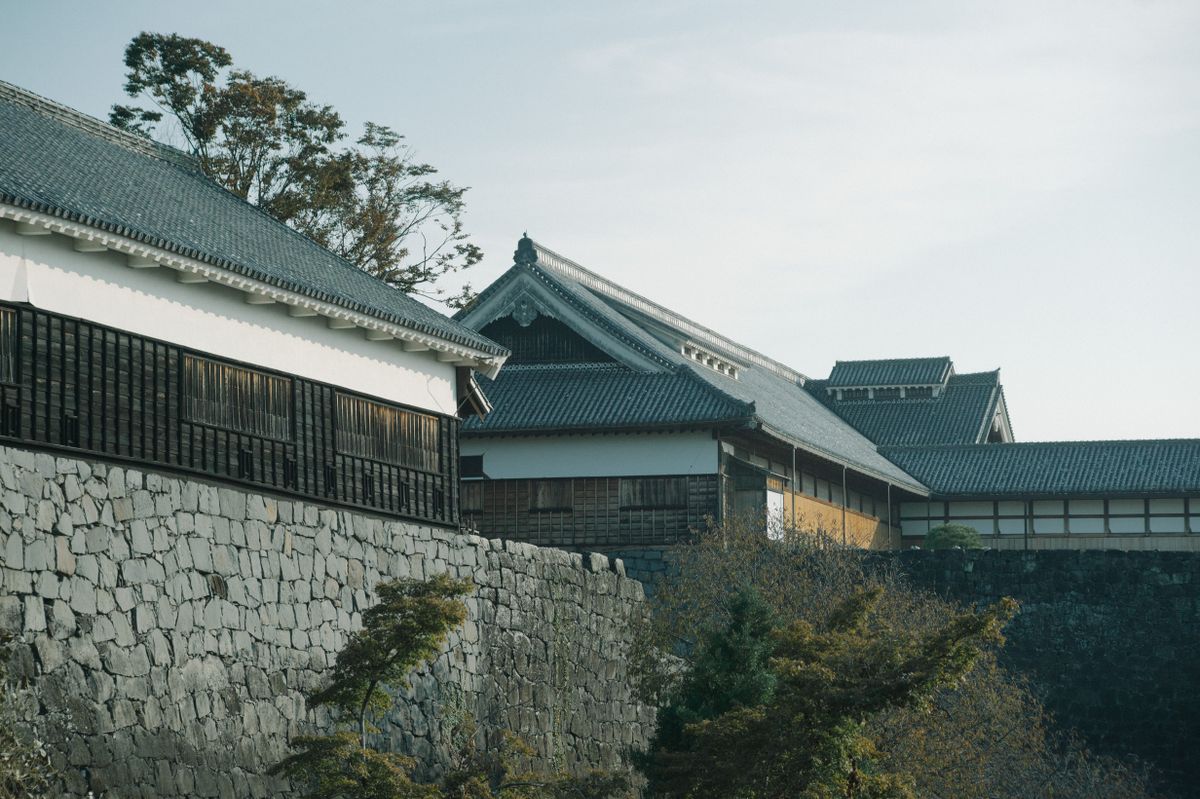
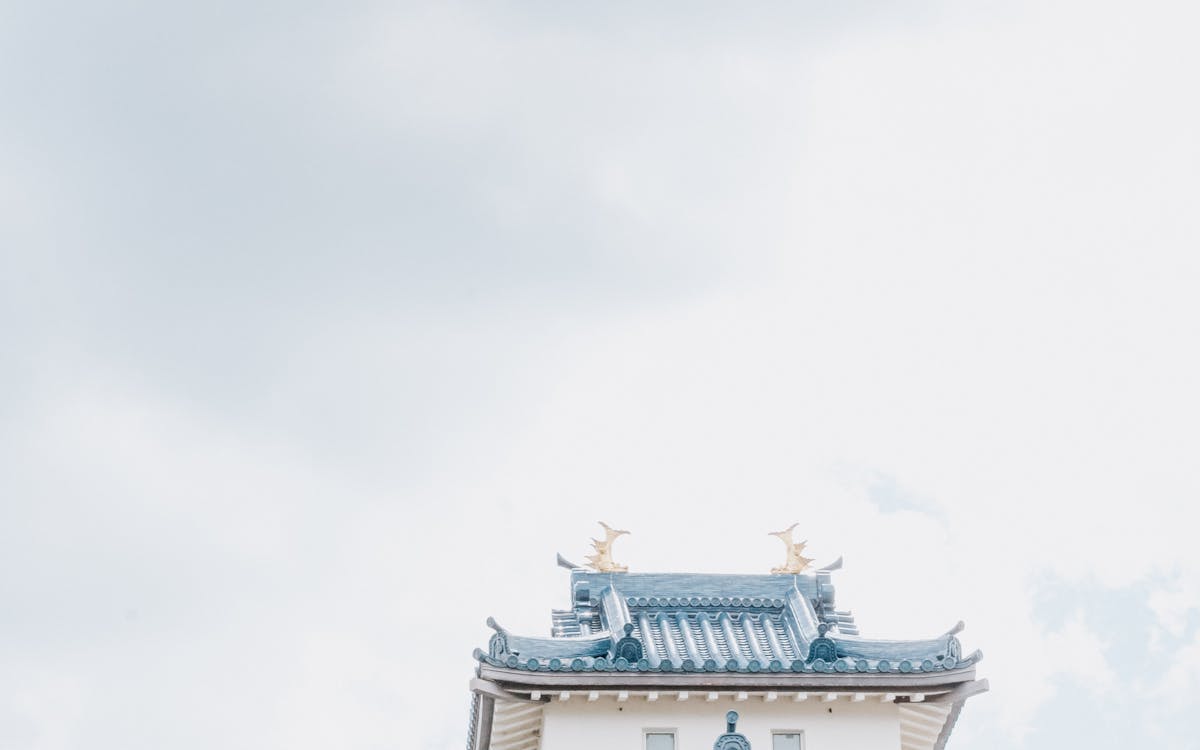
The town’s most photographed landmark is Karatsu Castle, perched dramatically on Mitsushima hill where the Matsuura River meets the sea. Its graceful white keep, set against the blue of Karatsu Bay, has earned it the affectionate nickname Maizuru-jo, or Dancing Crane Castle, because the spread of pine-clad land on either side is said to resemble a crane with outstretched wings.
The original castle was completed in 1608 by Terazawa Hirotaka, a local lord, during the early Edo Period. Like many Japanese castles, the keep you see today is not the original wooden structure but a ferroconcrete reconstruction, built in 1966. While purists sometimes lament these modern rebuilds, the reconstruction houses a genuinely interesting museum charting the castle’s history and the development of Karatsu ceramics, and the view from the top floor observation deck is worth the climb on its own.
Hours, Prices and Practical Details
Karatsu Castle is open daily from 9:00 to 17:00, with last entry at 16:40, and is closed only from 29 to 31 December for the New Year period. Admission is ¥500 (about US$3.30) for adults. There is also an optional elevator that carries you up the castle hill for an extra ¥100, a small luxury well worth it on a hot summer day or if you have tired legs. Children’s tickets are discounted, making this an affordable stop for families.
From the top of the keep you get a panoramic sweep of the bay, the long ribbon of the Niji-no-Matsubara pine grove, and the town spread out below. The castle grounds are also a popular cherry blossom spot in spring and are wrapped in wisteria in late April and early May, so time your visit for late March to early May if you want the fortress framed by flowers. Allow around 60 to 90 minutes for the castle and its museum.
Karatsu-yaki: The Quietly Famous Art of Karatsu Pottery
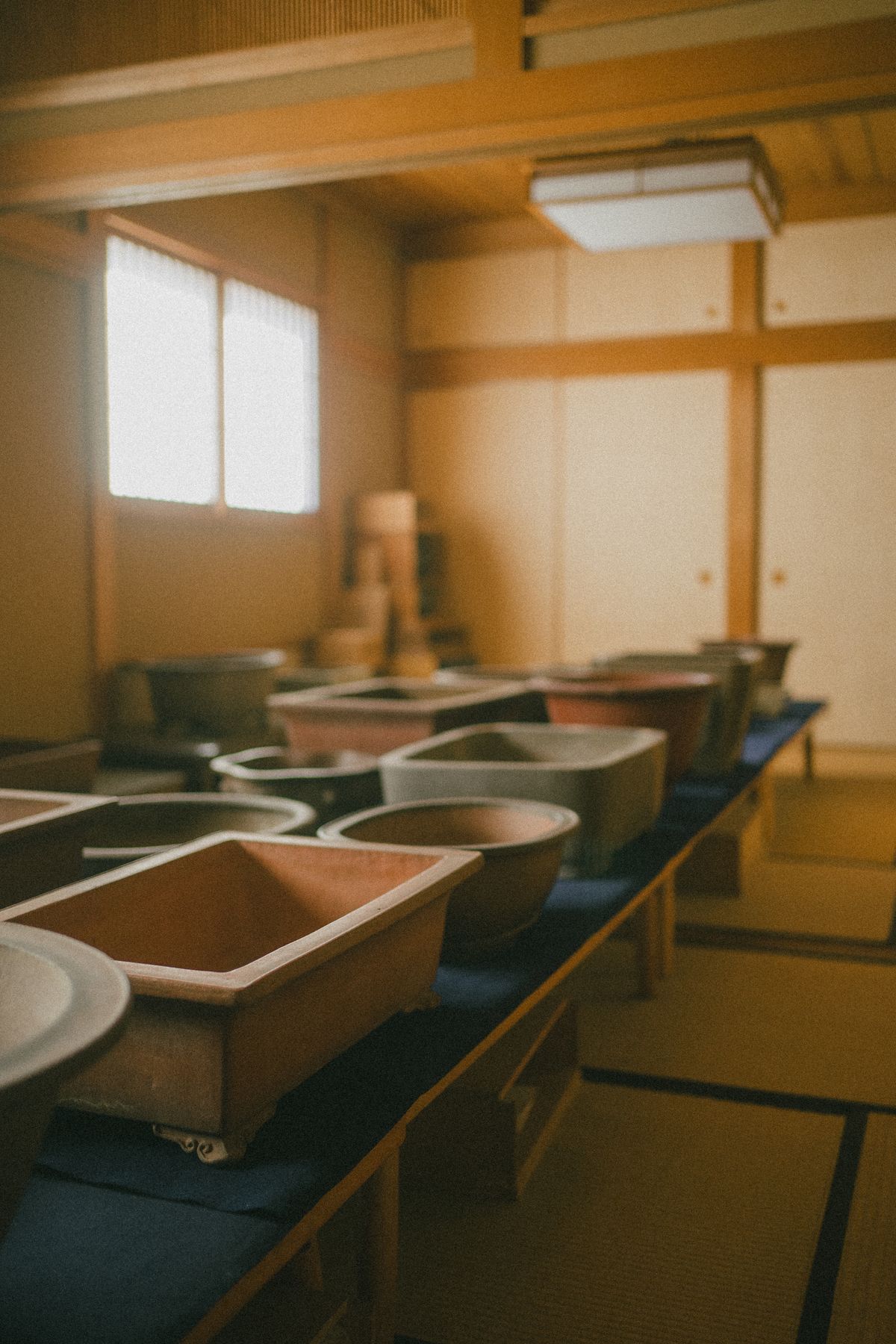
If there is one thing that puts Karatsu on the map for connoisseurs, it is pottery. Karatsu-yaki, or Karatsu ware, is one of the most respected ceramic traditions in all of Japan. There is even an old saying among tea ceremony practitioners that ranks the finest tea bowls as “Raku first, Hagi second, Karatsu third,” placing Karatsu among the absolute elite of Japanese ceramics.
The tradition traces back to the late 16th century, when Korean potters settled in the area and brought advanced kiln techniques with them. What makes Karatsu ware so beloved is its restraint. Rather than bright colours or elaborate decoration, Karatsu pieces celebrate earthy glazes, subtle iron-brushwork motifs, and the natural imperfections that embody the Japanese aesthetic of wabi-sabi, the beauty of the rustic and imperfect. A simple Karatsu tea bowl can feel quietly profound in the hand.
Where to See and Buy Karatsu Ware
You do not need to be a collector to appreciate it. A good first stop is the pottery gallery inside the Furusato Kaikan Arpino complex, conveniently located right next to Karatsu Station. The gallery outlines the history of the craft, displays many beautiful pieces, and even lets visitors try their hand at painting their own pottery, a lovely souvenir activity for families and couples alike.
Beyond the gallery, the town is dotted with independent kilns and workshops where you can watch artisans at work and buy directly from the maker. Prices range enormously, from a few hundred yen for a simple small dish to many tens of thousands of yen for a master’s signed tea bowl, so there is something for every budget. Buying a piece directly from the kiln, wrapped carefully for your suitcase, is one of the most meaningful souvenirs you can bring home from Japan, far more personal than anything from an airport gift shop.
Niji-no-Matsubara: The Rainbow Pine Grove
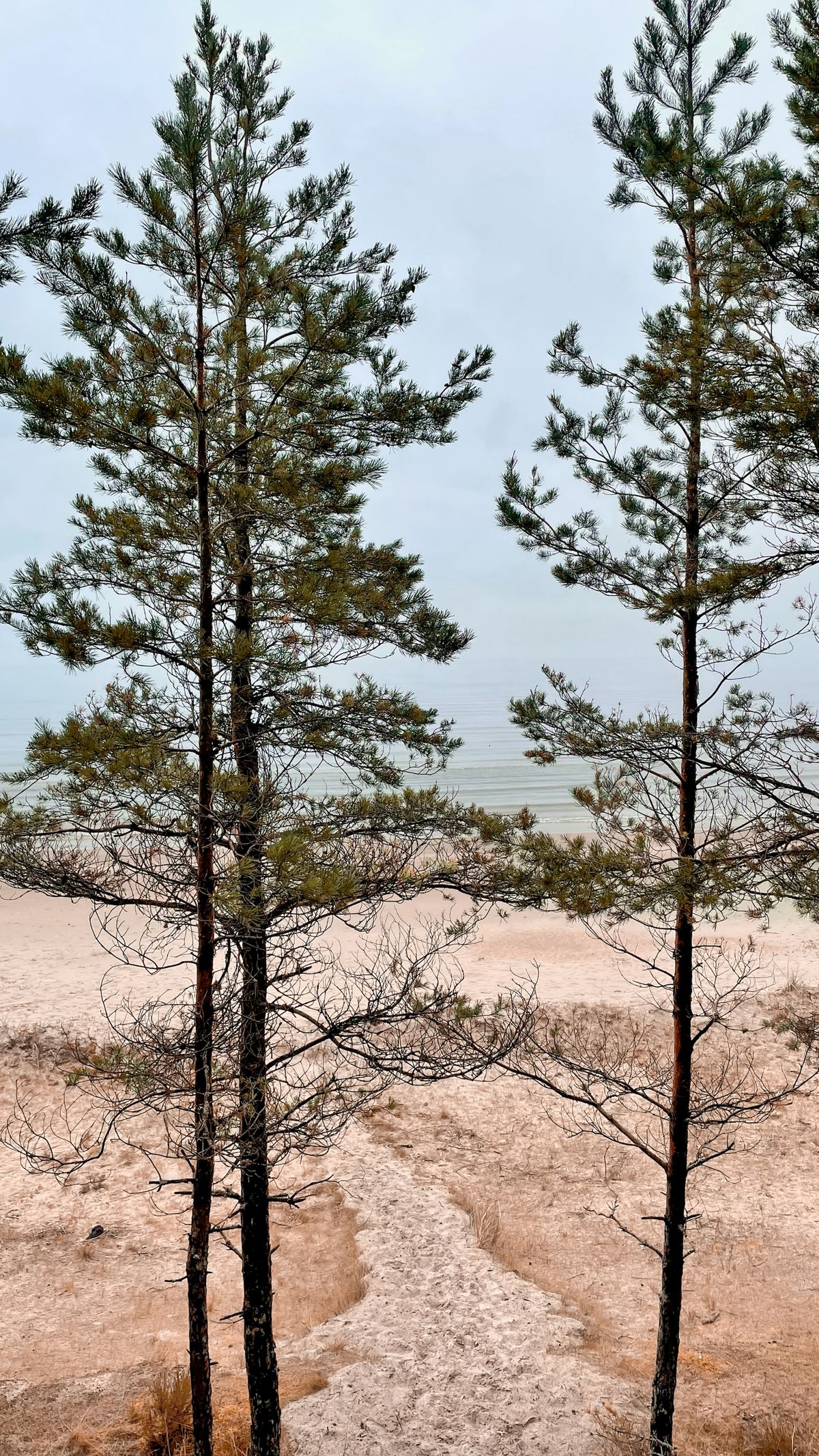
Curving gently along the shore of Karatsu Bay is Niji-no-Matsubara, the Rainbow Pine Grove, a five-kilometre stretch of around one million black pine trees. The name comes from the way the grove arcs along the coastline like a rainbow when seen from above. It is officially recognised as one of Japan’s three great pine groves, alongside Miho-no-Matsubara in Shizuoka (famous for its views of Mount Fuji) and Kehi-no-Matsubara in Fukui Prefecture.
The grove is not just scenic; it has a practical history. The pines were planted during the early Edo Period, on the orders of the local lord, to act as a natural windbreak and seawall protecting the farmland and town behind it from salt spray and coastal storms. Centuries later, those same trees form a cool, fragrant green tunnel that is wonderful to walk, cycle or simply drive through. A road runs the length of the grove, and there are spots to pull over, stroll among the gnarled trunks, and step out onto the sandy beach.
For the best perspective, head up to the Kagamiyama Observation Deck (more on that below), from where the full rainbow curve of the grove reveals itself. In summer the adjacent beaches are popular for swimming, and the whole area is a favourite for picnics. Renting a bicycle in town is a fantastic way to combine the castle, the grove and the beach into one breezy, low-cost afternoon.
Kagamiyama Observatory and the View Over the Bay
For the single best view in Karatsu, make your way to the top of Mount Kagamiyama, a flat-topped 284-metre hill just outside the town centre. Around the summit there is a spacious park planted with seasonal flowers, along with shops selling Karatsu-yaki ceramics and local snacks. The Kagamiyama Observation Deck at the north-western end of the park looks out over the entire sweep of the Niji-no-Matsubara pine grove, Karatsu Bay and the town beyond, a genuinely breathtaking panorama, especially in the soft light of late afternoon.
Mount Kagamiyama also carries a romantic legend. It is associated with the tale of Sayohime, a noblewoman who, according to local lore, waved her scarf from the summit in grief as her beloved sailed away to the continent, eventually turning to stone in her sorrow. Whether or not you know the legend, the view alone justifies the trip. You can reach the summit by car, taxi or local bus; there is no train, so factor in transport time if you do not have your own wheels.
The Karatsu Kunchi Festival: Giant Floats and Roaring Crowds
If you can time your visit for early November, you will witness one of the most spectacular festivals in all of Kyushu: the Karatsu Kunchi. Held every year from 2 to 4 November, this autumn festival is the grand celebration of the Karatsu Shrine, and it has been designated an Important Intangible Folk Cultural Property of Japan and is part of a UNESCO-recognised group of Japanese float festivals.
The stars of the show are fourteen enormous hikiyama, lacquered festival floats built in the 19th century in the shapes of lions, dragons, samurai helmets, sea bream and a mythical phoenix. Some stand over six metres tall and weigh several tonnes. Teams of men in matching happi coats haul these towering creations through the streets to the rhythmic chant of “Enya! Enya!” accompanied by flutes, drums and gongs. The climax sees the floats dragged across a sandy stretch near the shrine, their wheels sinking into the sand as the crews strain to keep them moving, a feat of raw human effort that whips the crowd into a frenzy.
Seeing the Floats Year-Round
If your trip does not coincide with the festival, you can still admire the floats at the Karatsu Hikiyama Exhibition Hall, located in the same Furusato Kaikan Arpino complex beside the station. The hall stores and displays all fourteen hikiyama, letting you appreciate their craftsmanship and scale up close at any time of year. It is an inexpensive and family-friendly stop, and it gives wonderful context if you plan to return for the festival itself one day. During the festival period, central Karatsu becomes extremely busy and accommodation books out months ahead, so plan early if November is your target.
Yobuko: Morning Market and the Freshest Squid in Japan
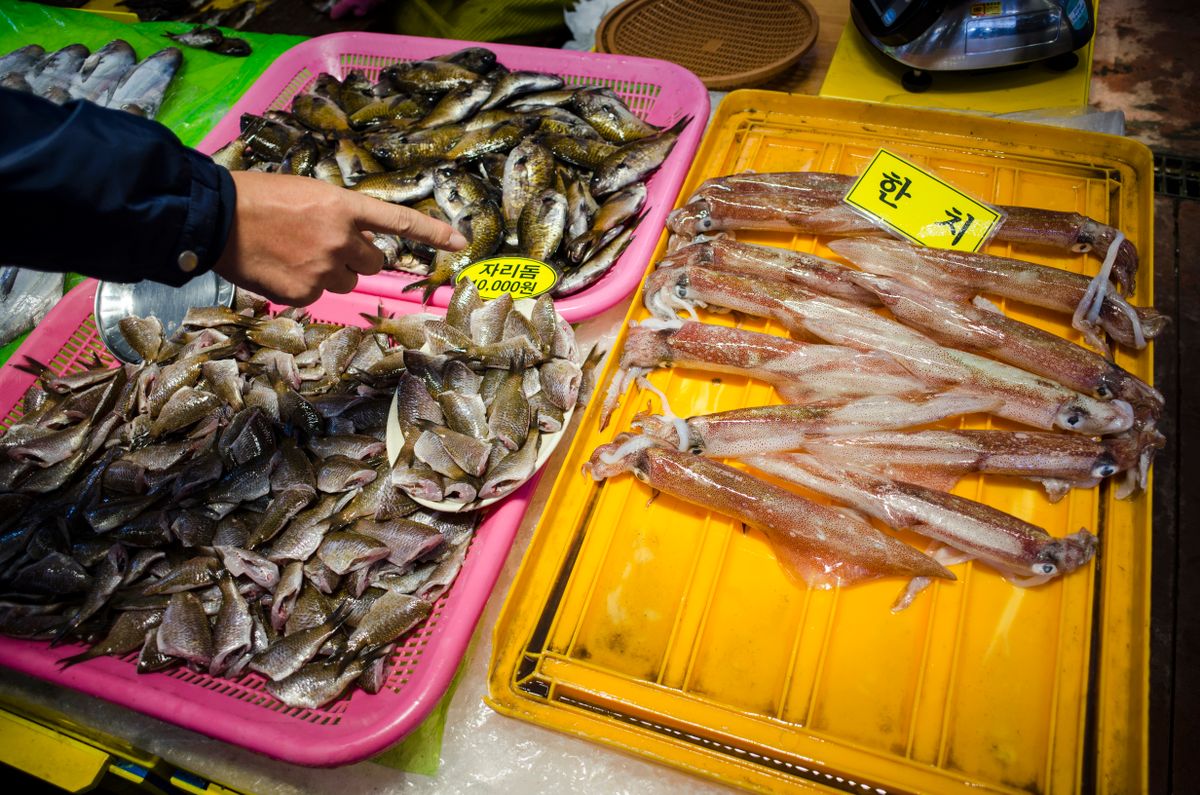
About 30 minutes by car or bus from central Karatsu lies the small fishing port of Yobuko, home to one of the most celebrated morning markets in the country. The Yobuko Asaichi is held daily along a 200-metre street, and with over a century of history it is ranked alongside the morning markets of Takayama and Wajima as one of Japan’s top three. Stalls run by local fishing families and farmers sell dried fish, seasonal vegetables, pickles and fresh seafood, and the friendly haggling and chatter make it a wonderful slice of everyday Japanese life.
But the real reason food lovers make the pilgrimage to Yobuko is the squid. Known as ika in Japanese, Yobuko squid is so fresh that it is often served ika no ikizukuri, sliced while still translucent and almost moving on the plate, its flesh sweet, crisp and utterly unlike anything you may have tried elsewhere. The legs are frequently taken away and tempura-fried as a second course. Even if live squid is not your style, the grilled and dried versions are spectacular. Eating squid at a harbour-side restaurant in Yobuko, looking out over the boats that caught it that morning, is a quintessential Kyushu food experience.
If you love discovering regional specialities like this, you may enjoy planning more of your trip around Japan’s incredible food culture, which differs dramatically from region to region.
Where to Stay in Karatsu
While many visitors treat Karatsu as a day trip, staying overnight lets you enjoy the bay at sunset, eat a leisurely seafood dinner, and explore at a relaxed pace. Accommodation in Karatsu spans a comfortable range, from business hotels near the station to traditional ryokan and seaside resorts with hot-spring baths.
For convenience, look for hotels within walking distance of Karatsu Station, which puts you close to the castle, the pottery gallery and the float exhibition hall. For a more memorable experience, consider a coastal ryokan where you can soak in an onsen bath and enjoy a multi-course kaiseki dinner showcasing local seafood. Comparing options and prices in advance is the best way to secure a good rate, especially in cherry blossom season and around the November festival.
Book your hotel on Agoda (Best prices guaranteed) →
What and Where to Eat in Karatsu
Karatsu’s cuisine is defined by its position between the sea and the rich farmland of Saga. Seafood is the headline act, from the squid of Yobuko to seasonal sashimi, but the area is also known for Saga beef, one of Japan’s premium wagyu brands, which rivals the more famous Kobe and Matsusaka beef.
Local specialities to seek out include Karatsu burger, a beloved retro-style hamburger sold from a famous food truck near the pine grove, and Saga’s prized strawberries and seasonal vegetables. Sweet-toothed travellers should try matsuro-zushi or local wagashi sweets, often served beautifully on Karatsu-yaki dishes. Dining in Karatsu is relaxed and affordable compared with the big cities: a generous seafood lunch set can cost ¥1,500 to ¥3,000 (about US$10 to US$20), while a splurge kaiseki dinner at a ryokan might run ¥8,000 or more per person. Many smaller restaurants are cash-only, so carry some yen.
Suggested Karatsu Itineraries
The Classic Day Trip from Fukuoka
If you only have one day, Karatsu still delivers. Take a mid-morning train from Hakata or Fukuoka Airport, arriving around late morning. Walk from the station to Karatsu Castle (about 20 to 25 minutes, or a short taxi ride) and explore the keep and its museum, soaking in the bay views from the top. Afterwards, stroll along the edge of the Niji-no-Matsubara pine grove and have a seafood lunch in town. Spend the early afternoon at the pottery gallery and float exhibition hall near the station, perhaps picking up a Karatsu-yaki souvenir, then catch an afternoon train back to Fukuoka in time for dinner. It is a relaxed, satisfying day that pairs perfectly with a Fukuoka city base.
The Two-Day Slow Itinerary
With an overnight stay you can add Yobuko and Kagamiyama to the mix. Day one mirrors the day trip but at a gentler pace, finishing with a sunset walk along the bay and a seafood dinner. On day two, head out early to the Yobuko Morning Market for the famous squid, then drive or bus up to the Kagamiyama Observation Deck for the spectacular panorama over the pine grove and bay. If you have time and your own transport, the surrounding coastline and the kilns of nearby pottery villages reward unhurried exploration. This pace turns Karatsu from a checklist stop into a genuine highlight of your Kyushu trip.
Practical Tips for Visiting Karatsu
- Carry cash. Many smaller restaurants, market stalls and independent kilns are cash-only. Withdraw yen at a post office or convenience-store ATM before you arrive, as options are limited in Yobuko.
- Consider a bicycle. Central Karatsu, the castle and the pine grove are all close together and pleasantly flat, making cycling the ideal way to get around. Ask at the station or your hotel about rentals.
- Time it for spring or autumn. Cherry blossoms wrap the castle in late March to early April, while the Karatsu Kunchi festival lights up the town from 2 to 4 November. Both are magical but busy.
- Book festival accommodation early. Rooms in and around Karatsu sell out months in advance for the November festival. If those dates are your goal, reserve as soon as your plans are firm.
- Check through-train destinations. Not every Chikuhi Line train runs the full subway-to-Karatsu through-service, so confirm the destination on the platform display.
- Pack layers. The coastal breeze can be cool even on sunny days, especially up at Kagamiyama and along the exposed pine grove.
- Stay connected. Train schedules, maps and translation apps are essential here, so make sure your phone has data from the moment you land.
A Brief History of Karatsu: Japan’s Window to the Continent
To understand Karatsu, it helps to know a little of its past. For much of Japanese history, this stretch of the Saga coast was the country’s main maritime gateway to the Asian mainland. The very name Karatsu, written with characters meaning “Tang Port,” reflects centuries of contact with China and the Korean Peninsula. Envoys, Buddhist monks, traders and craftsmen passed through here, and ideas, religion, technology and art flowed into Japan along these sea routes.
That outward-facing position shaped the town profoundly. In the late 16th century, the warlord Toyotomi Hideyoshi built his vast Nagoya Castle (not to be confused with the more famous Nagoya in central Japan) on the nearby Higashi-Matsuura Peninsula as the staging ground for his campaigns on the Korean Peninsula. The ruins of that enormous fortress, once one of the largest castles in all of Japan, still sprawl across the headland and can be visited today, with an excellent museum nearby exploring the long history of exchange between Japan and Korea. It was during this era that Korean potters came to the region, planting the seeds of the Karatsu-yaki tradition that endures to this day.
The town castle you see now was raised in the early Edo Period, when the Terazawa clan governed the area and the long pine grove was planted to tame the coastal winds. Through the centuries Karatsu remained a prosperous port and castle town, and although the modern city is quiet by Japanese standards, that deep layering of history is everywhere, in the kilns, the shrine festival, the street plan and the proud local identity.
Getting Around Karatsu Once You Arrive
Karatsu is a compact and walkable town, which is part of its charm. The main sights in the centre, including the castle, the pottery gallery and the Hikiyama float exhibition hall, are all within a comfortable walk or short taxi ride of Karatsu Station. From the station to the castle is roughly 20 to 25 minutes on foot, an easy and pleasant stroll that takes you through the town and towards the water.
For covering a little more ground, bicycles are ideal. The flat terrain and the seafront road along the Niji-no-Matsubara pine grove make for relaxed, scenic cycling, and rentals are usually available near the station or through hotels. If you want to reach Yobuko, Kagamiyama or the Nagoya Castle ruins, you will need a bus, taxi or rental car, as these lie outside the easily walkable core. Local buses connect the main outlying sights but can be infrequent, so check timetables in advance and build in some flexibility. For families or groups, a half-day taxi charter or rental car can make these outlying spots far easier to combine.
Karatsu on a Budget: What Things Cost
One of the joys of travelling in regional Japan is how reasonable it can be compared with Tokyo or Kyoto. Here is a rough guide to typical costs in Karatsu to help you plan, all approximate and subject to change:
- Train from Fukuoka (Hakata to Karatsu, one way): around ¥1,290 (about US$8.50)
- Karatsu Castle admission: ¥500 for adults, plus an optional ¥100 for the hillside elevator
- Pottery gallery and float exhibition hall: modest entry fees, generally a few hundred yen each
- Seafood lunch set: roughly ¥1,500 to ¥3,000 (about US$10 to US$20)
- Yobuko squid course meal: from around ¥3,000 upwards depending on the catch and presentation
- Business hotel near the station: often ¥7,000 to ¥12,000 per night
- Coastal ryokan with onsen and kaiseki dinner: typically ¥15,000 to ¥30,000 or more per person
- Karatsu-yaki souvenir dish: from a few hundred yen for a simple piece
All in, a day trip from Fukuoka including transport, castle entry and a good seafood lunch can be done comfortably for well under ¥6,000 per person, making Karatsu excellent value as well as a beautiful experience. If you are travelling Japan on a careful budget, regional towns like this stretch your money far further than the headline cities while delivering experiences you simply cannot find elsewhere.
Search hotel deals on Yahoo! Travel →
Beyond Karatsu: Nearby Day Trips and Detours
Karatsu makes a fine base or stepping stone for exploring the wider Higashi-Matsuura Peninsula and the rest of Saga Prefecture. The Nagoya Castle ruins and museum, mentioned above, are a fascinating half-day for history lovers, with sweeping views over the sea towards the islands that dot the coast. The nearby Yobuko area also offers boat trips out to see dramatic sea caves and rock formations, weather permitting.
Further afield, Saga Prefecture is famous for its other pottery towns, Arita and Imari, whose porcelain traditions complement Karatsu’s earthier stoneware and make for an irresistible itinerary for ceramics enthusiasts. The hot-spring resort of Ureshino, known for its skin-softening waters and green tea, is another rewarding Saga stop. With a rail pass or rental car, you can string several of these together into a memorable few days that very few foreign visitors ever experience.
Karatsu Through the Seasons
Like much of Japan, Karatsu wears a different face in every season, and knowing what to expect helps you plan the perfect visit. In spring, the castle grounds erupt in cherry blossoms in late March and early April, followed by cascades of purple wisteria into early May. The weather is mild, the pine grove is fresh and green, and it is arguably the most photogenic time to come. This is also a comfortable season for cycling between the castle, the grove and the beach.
Summer brings warm, humid days and lively beaches along the Niji-no-Matsubara coast, where families swim and picnic beneath the pines. It can be hot, so carry water and sun protection, and take advantage of the cooling sea breeze. Summer evenings by the bay are particularly lovely, and the long daylight hours give you more time to explore.
Autumn is, for many, the ideal time to visit. The heat softens, the skies clear, and in early November the town explodes into life for the Karatsu Kunchi festival. Even outside the festival dates, the crisp air and gentle light make October and November wonderful for sightseeing and photography. Winter is the quietest season, cool and sometimes blustery off the Sea of Japan, but it rewards visitors with empty attractions, steaming bowls of seasonal seafood, and the simple pleasure of a hot-spring soak while the wind whistles outside.
What to Pack for Karatsu
For a smooth visit, pack comfortable walking shoes, since you will cover ground on foot between the station, castle and grove. Bring layers and a light windproof jacket, as the coast can be breezy in any season. Carry a reusable water bottle, sun protection in the warmer months, and a small amount of cash for market stalls and smaller eateries. A compact bag for carrying a carefully wrapped pottery souvenir home is a thoughtful addition. Finally, make sure your phone is charged and connected, with offline maps downloaded as a backup for the outlying spots where signal can occasionally be patchy.
Frequently Asked Questions
Is Karatsu worth visiting for first-time travellers to Japan?
Absolutely. Karatsu offers a relaxed, authentic and uncrowded counterpoint to the big cities, with a striking seaside castle, world-class pottery, beautiful coastal scenery and excellent seafood, all within easy reach of Fukuoka. It is especially rewarding if you want to experience a more local side of Japan without complicated logistics. As a half-day or full-day trip from Fukuoka, it is one of the most accessible hidden gems in Kyushu.
How long should I spend in Karatsu?
A full day is enough to see the castle, the pottery gallery, the float exhibition hall and the pine grove at a comfortable pace. If you want to add the Yobuko Morning Market and the Kagamiyama viewpoint, or simply slow down and enjoy a seafood dinner and an onsen, stay one night. Two days is ample for everything the area offers.
What is the best time of year to visit Karatsu?
Spring (late March to May) brings cherry blossoms and wisteria around the castle and pleasant walking weather. Autumn (October to November) offers comfortable temperatures and, in early November, the spectacular Karatsu Kunchi festival. Summer is warm and good for the beaches along the pine grove, while winter is quieter, cooler and ideal for hot-spring lovers who do not mind brisk sea air.
Can I do Karatsu as a day trip from Fukuoka?
Yes, and it is one of the most popular day trips from Fukuoka. Direct trains on the JR Chikuhi Line connect the two in about 90 minutes for around ¥1,290 one way, with some services running through from Fukuoka Airport via Hakata without a transfer. Leave in the morning and you will have plenty of time for the main sights before returning for dinner.
Do I need to speak Japanese to visit Karatsu?
No. While Karatsu is more local than the major tourist cities and English is less widely spoken, you can manage perfectly well with a translation app, basic politeness and a smile. Train stations and major attractions have English signage, and the friendly locals are used to helping visitors. Having mobile data for translation makes the experience smooth and stress-free.
Is Karatsu pottery expensive to buy?
It spans every budget. Simple small dishes and cups can be found for a few hundred to a couple of thousand yen, making lovely affordable souvenirs, while signed pieces by master potters can cost tens of thousands of yen or more. Buying directly from a kiln or the pottery gallery means you can find something beautiful at almost any price point, carefully wrapped for travel.
Final Thoughts: A Quietly Unforgettable Corner of Kyushu
Karatsu rewards travellers who are willing to step just slightly off the well-trodden path. In a single compact, walkable town you can climb a crane-shaped castle above a sparkling bay, hold a centuries-old pottery tradition in your hands, walk beneath a million wind-sculpted pines, and taste squid so fresh it almost glistens. Add the thunder of the Karatsu Kunchi floats in November and you have a destination that lingers in the memory long after the bigger, busier cities blur together.
If you are planning a wider Kyushu adventure, pair Karatsu with nearby Fukuoka for food and city life, and browse our full list of Japan destinations to build the rest of your route. For broader Saga context and other corners of the prefecture, see our Saga travel guide. However you plan it, make sure you arrive online and ready to explore.
Get your Japan eSIM (Stay connected from day 1) →
Going to Japan? Talk to locals with confidence.
Hirameki Japanese — instant offline translation, camera translation, furigana + romaji, and 314 free flashcards. No login. Works without internet.

Plan your Japan trip
Two things every first-timer should book
Some links are affiliate links. If you book through them we may earn a small commission at no extra cost to you.