Matcha Guide: History, Etiquette, and the Best Matcha Experiences in Japan
You’ve probably seen matcha lattes at coffee shops in your home country. That bright green powder whisked into hot milk has become a global phenomenon. But if you’re visiting Japan for the first time, you’re about to discover something transformative: authentic matcha isn’t a trendy beverage flavor. It’s a spiritual practice, a cultural anchor, and one of the most profound gastronomic experiences Japan offers.
For centuries, matcha has been central to Japanese Zen Buddhism. Buddhist monks drank matcha to stay alert during meditation. Samurai valued it for focus before battle. Today, the tea ceremony remains one of the most important cultural practices in Japan, and matcha is its beating heart.
This guide is designed for first-time foreign visitors who want to understand matcha authentically—where it comes from, how to prepare it correctly, proper etiquette, and where to experience the best matcha in Japan. By the end, you’ll understand why a small bowl of green powder whisked with water can be more meaningful than a meal.
What is Matcha? The Foundation
Matcha is a finely ground powder made from specially cultivated green tea leaves. Unlike regular green tea where you steep leaves in water then discard them, matcha is consumed entirely—you ingest the whole leaf, meaning you consume more nutrients, caffeine, and flavor intensity.
The word “matcha” literally means “powdered tea” in Japanese. But the name doesn’t capture the complexity. True matcha is:
- Shade-grown – For the last 20-30 days before harvest, tea plants are shaded from direct sunlight. This increases chlorophyll production, creating the signature bright green color and enhancing the umami flavor compounds called L-theanine.
- Hand-picked – Only the youngest, most tender leaves and leaf buds are selected. Matcha from the first spring harvest (shincha) is the most prized and expensive.
- Stone-ground – Dried leaves are ground between stones into an impossibly fine powder. A single bowl of matcha uses only about 2 grams of powder, roughly two small scoops.
- Ceremonial or culinary grade – Ceremonial matcha is the highest quality, used for tea ceremonies. Culinary matcha is slightly lower grade and used for lattes, desserts, and baking.
The final powder is vibrant green, finely textured (finer than powder), and has a fresh, slightly grassy aroma with subtle sweetness.
Matcha vs. Regular Green Tea
Many first-timers confuse matcha with regular Japanese green tea (sencha). Here’s the critical difference:
- Sencha: Leaves are steeped in hot water, then removed. You drink flavored water but miss the nutrients from the leaf itself.
- Matcha: Powder is whisked directly into water. You consume the entire leaf, making it more nutritious and more flavorful.
Matcha is more intense, more ceremonial, and requires skill to prepare well. Sencha is everyday tea—accessible and relaxing. Both are wonderful, but they’re fundamentally different experiences.
The History and Culture of Matcha
Understanding matcha’s history transforms how you experience it. You’re not just drinking tea—you’re participating in a tradition stretching back over 1,000 years.
Origins in China, Refinement in Japan
Whisked powdered tea developed in China during the Song Dynasty (960-1279), where Zen monks used it as a meditation aid. The Japanese monk Eisai brought the practice back to Japan in 1191.
For centuries, matcha remained a luxury of Buddhist temples and the imperial court. Only the wealthiest could afford shade-grown tea leaves. During the 15th century, a Zen Buddhist priest named Murata Shuko formalized the tea ceremony into a spiritual practice, establishing principles still followed today.
The Tea Ceremony (Chanoyu)
The Japanese tea ceremony isn’t casual. It’s a highly choreographed ritual emphasizing:
- Harmony (wa) – Balance between host, guests, and surroundings
- Respect (kei) – Reverence for the tea, tools, and guests
- Purity (sei) – Both physical cleanliness and spiritual purification
- Tranquility (jaku) – Peace and mindfulness throughout
Every movement is intentional. The host doesn’t just prepare matcha—they whisper, bow, and move with precise grace. Guests don’t simply drink tea—they appreciate the ceramic bowl’s glaze, notice seasonal flowers in the alcove, and engage in meaningful silence.
Participating in a traditional tea ceremony is one of the most profound cultural experiences Japan offers first-time visitors. It’s meditative, humbling, and unforgettable.
Matcha in Modern Japan
While tea ceremonies remain important, contemporary Japan has embraced matcha in new ways. You’ll find matcha lattes in Tokyo coffee shops, matcha ice cream on Kyoto streets, and matcha Kit Kats in convenience stores. This might feel like cultural dilution, but most Japanese see it differently: matcha is thriving, reaching new people, evolving while maintaining tradition.
How to Prepare Matcha: The Right Way
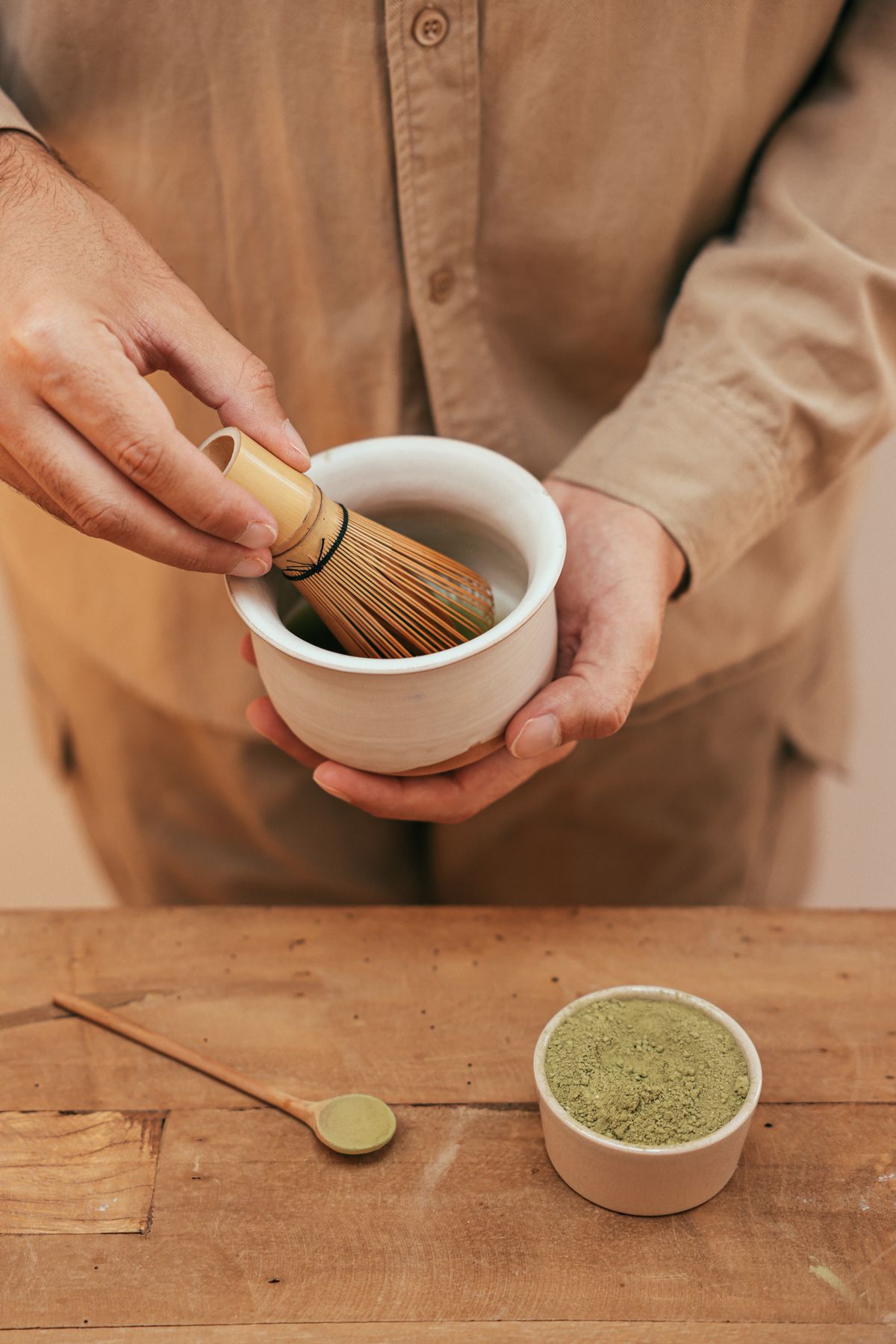
Preparing matcha correctly is a skill. Many overseas matcha drinks taste bitter, chalky, or underwhelming because they’re prepared poorly. Here’s how to do it right.
What You Need
- Ceremonial-grade matcha powder – Not culinary grade. Quality matters enormously. Look for bright green color (not dull or brownish). Price: ¥1,500-5,000 ($11-36 USD) for a small tin (30 grams)
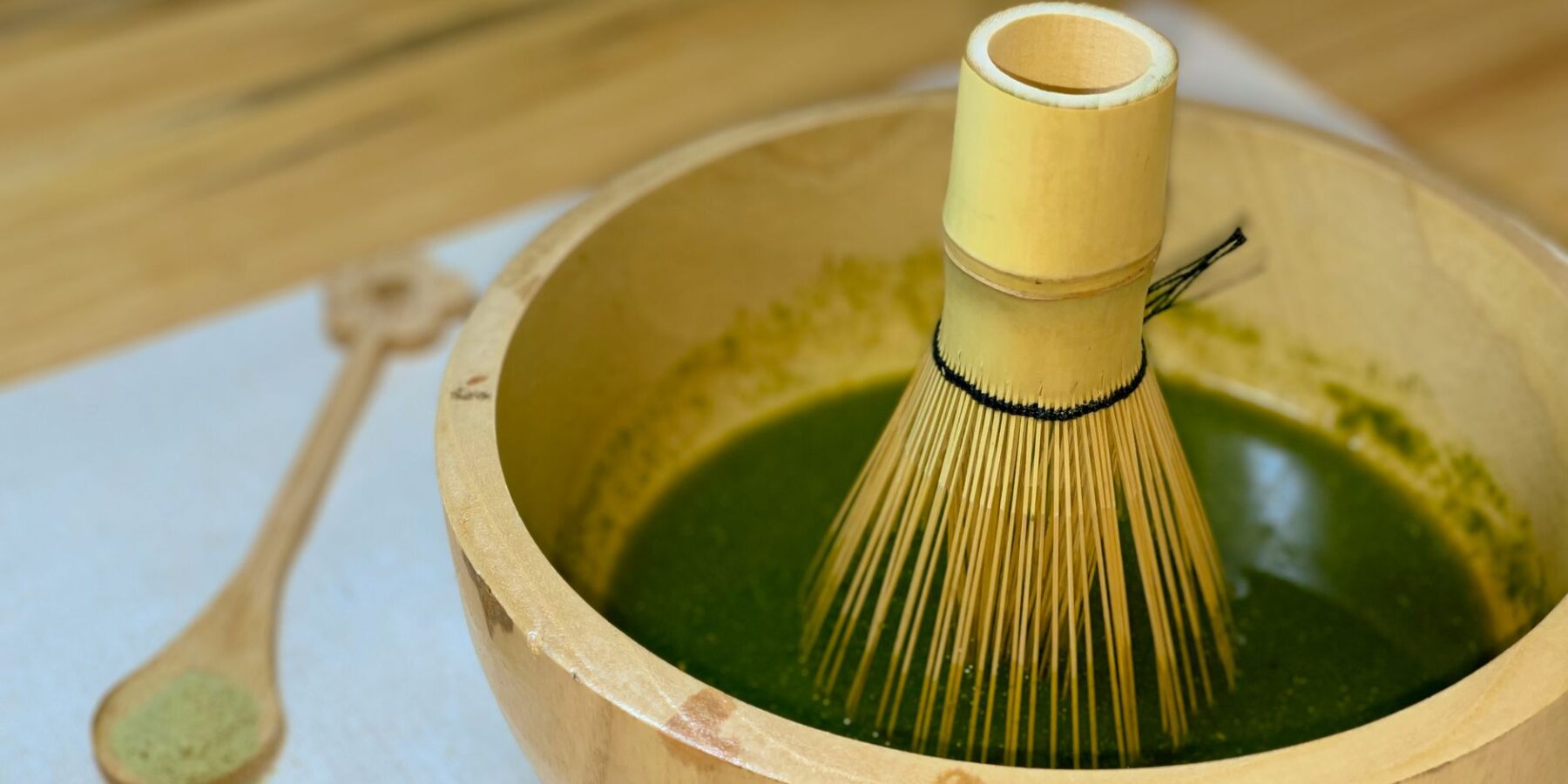
- Bamboo whisk (chasen) – Traditional tool with many tines. Price: ¥800-2,000 ($5.70-14 USD)
- Ceramic bowl (chawan) – Wide, slightly deep. Price: ¥2,000-8,000+ ($14-57 USD) depending on artistry
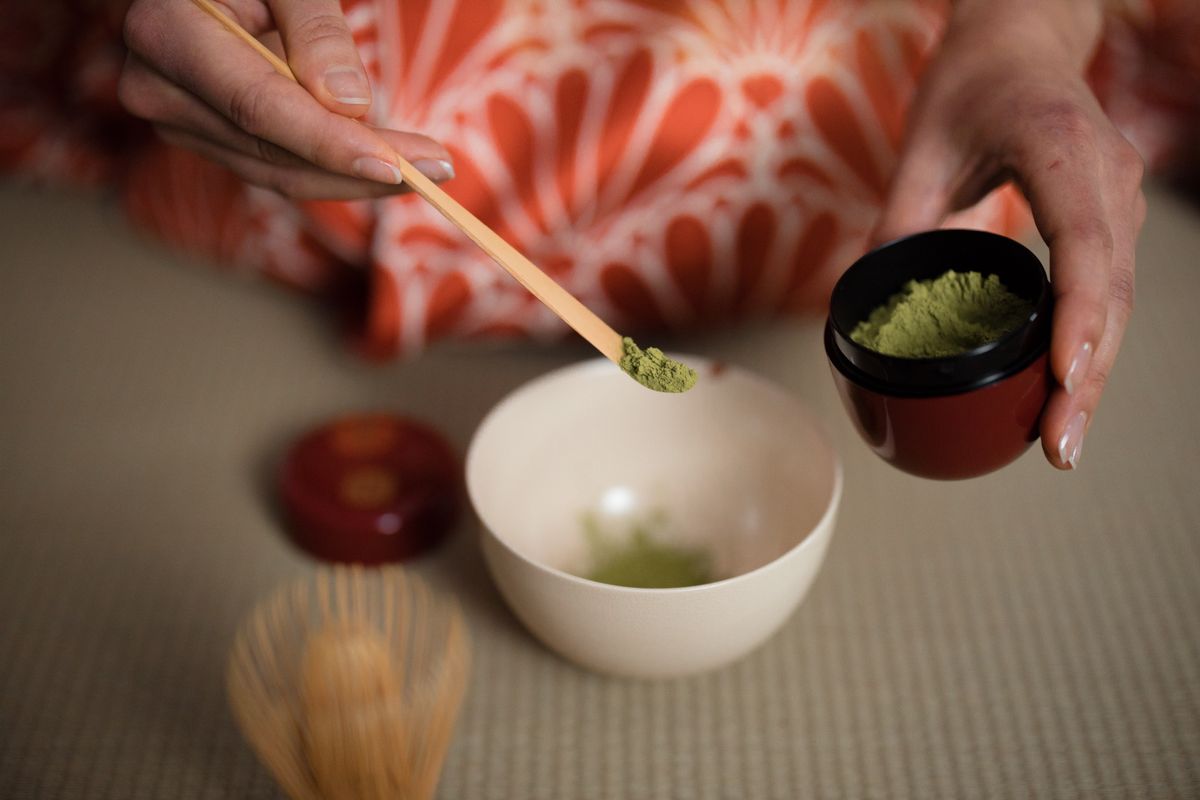
- Bamboo scoop (chashaku) – For measuring matcha. Price: ¥500-1,500 ($3.50-11 USD)
- Strainer or sifter – To remove lumps. Price: ¥300-1,000 ($2-7 USD)
- Hot water – 70-80°C (158-176°F), NOT boiling
Step-by-Step Preparation
Step 1: Heat the bowl – Pour a little hot water into the bowl, swish it around, then discard. This warms the ceramic and prevents your matcha from cooling too quickly.
Step 2: Sift the matcha – Use a fine strainer to sift 1-2 teaspoons (roughly 1-2 chashaku scoops) of matcha powder into the warm bowl. This removes lumps and aerates the powder. Lumps are the enemy of good matcha.
Step 3: Add hot water – Pour 60-80ml (2-3 fluid ounces) of water heated to 70-80°C into the bowl. This is critical—boiling water burns matcha, creating a bitter taste. If you don’t have a thermometer, let boiled water cool for 3-5 minutes.
Step 4: Whisk with intention – Using the bamboo whisk, whisk vigorously in a zigzag motion for 10-15 seconds. The goal is to create a smooth, slightly frothy mixture with no lumps. The foam should be fine and creamy, not bubbly like hot chocolate.
Step 5: Drink immediately – Matcha is best consumed immediately. The flavor, aroma, and texture fade quickly. Hold the bowl with both hands, appreciate the color and aroma, then sip slowly.
Common Mistakes
Using boiling water: This creates a bitter, astringent taste. Let water cool first.
Not whisking enough: Lumpy matcha tastes chalky and unpleasant. Whisk thoroughly until smooth.
Whisking too gently: You need vigor to create the foam. Don’t be timid.
Using old or culinary-grade matcha: Quality directly affects taste. Use fresh, ceremonial-grade powder.
Waiting too long to drink: Matcha loses its magic within minutes. Drink it while it’s still vibrant and frothy.
Where to Experience Matcha in Japan
Kyoto: The Matcha Capital
If you visit anywhere in Japan for matcha, go to Kyoto. This city is the beating heart of matcha culture. The nearby Uji region produces some of the world’s finest matcha. Kyoto has over 1,000 temples, many with tea ceremony experiences, plus dozens of matcha tea houses.
Tea Ceremony Experience
What to expect: You’ll be guided through a formal tea ceremony, usually lasting 30-60 minutes. You’ll sit in a traditional room, watch (and learn from) the host’s precise movements, and receive a bowl of matcha prepared in front of you. Often includes matcha snacks. This is deeply meditative and unforgettable.
Where to do it:
- Okutan Kiyomizu – Famous tea house in historic Higashiyama district. Price: ¥3,000-5,000 ($21-36 USD). Phone: +81-75-541-9788. No reservations—arrive early.
- Matcha DNA – Modern tea experience in central Kyoto. More casual than traditional ceremony. Price: ¥2,500-4,500 ($18-32 USD). Website: matchadna.com
- En Tea Room – Intimate space focusing on education. Price: ¥5,000-8,000 ($36-57 USD). Book via Airbnb Experiences.
- Temple ceremonies – Many Kyoto temples offer matcha ceremonies. Ryoanji Temple (famous for its rock garden) and Tenryu-ji Temple both have matcha services. Price: ¥1,000-2,500 ($7-18 USD). No advance booking needed.
Matcha Shops and Cafes
Matcha lattes: Kyoto has excellent modern matcha cafes. Price: ¥800-1,500 ($5.70-11 USD) for a latte.
Matcha ice cream: A Kyoto specialty. Popular shops include Tsukiji Matcha and Matcha Cafe Maiko. Price: ¥600-1,200 ($4.30-8.50 USD).
Traditional matcha sweets: Wagashi (traditional Japanese sweets) paired with matcha. Price: ¥500-2,000 ($3.50-14 USD) depending on complexity.
Uji Day Trip
For the ultimate matcha experience, visit Uji, a small town 30 minutes south of Kyoto by train. This is where the finest matcha is grown. Walk through tea plantations, visit matcha museums, and drink matcha at source. Many shops offer matcha tasting experiences where you try multiple grades. Price for tastings: ¥1,500-4,000 ($11-29 USD).
Tokyo: Modern Matcha Culture
Tokyo offers excellent matcha experiences, though they’re more contemporary than traditional. The cafe culture is vibrant.
Recommended spots:
- Matcha Reserve (Aoyama) – Hip matcha bar. Lattes: ¥1,200-1,800 ($8.50-13 USD)
- Encha Tea House (Shibuya) – Organic matcha focus. Lattes: ¥1,400-2,000 ($10-14 USD)
- Ippuku – Izakaya (bar) in Yotsuya with excellent matcha cocktails. Price: ¥800-1,500 ($5.70-11 USD)
Other Matcha Destinations
Nara: A quieter alternative to Kyoto with temples and tea ceremony experiences. Price: ¥2,000-4,000 ($14-29 USD).
Kanazawa: Historic city with excellent tea culture. Some tea houses specialize in matcha paired with Kaga Cuisine sweets.
Hakone: Mountain resort town near Mt. Fuji. Several ryokans offer matcha experiences as part of their programs.
Matcha Etiquette: What First-Timers Must Know
During a Tea Ceremony
Remove shoes – You’ll sit on tatami mats. Always remove shoes in the entry area. Socks are fine.
Bow respectfully – When the host offers you matcha, bow slightly. When you receive the bowl, bow again. Bowing isn’t submissive—it’s a gesture of gratitude.
Sit properly – Sit in seiza (on your knees with legs folded). If this is painful, the host will allow you to sit cross-legged. Don’t sit casually.
Admire before drinking – When you receive the matcha bowl, take a moment to appreciate the ceramic’s glaze, color, and texture. This is part of the experience. You might comment, “Kekkou na chawan desune” (What a lovely bowl).
Drink all of it – Don’t leave matcha in the bowl. Drink it all, even if it’s slightly bitter. Leaving it is disrespectful to the host’s effort.
Rotate the bowl – Before drinking, rotate the bowl 180 degrees twice. This is traditional etiquette—you’re offering the front of the bowl (the pretty side) to your guest.
Slurp slightly – Unlike regular tea, matcha should be consumed in 3-4 sips. A slight slurping sound is fine and even appreciated.
Compliment the host – After finishing, say “Gochisousama deshita” (Thank you for the meal/beverage). This is polite and expected.
At a Casual Matcha Cafe
Casual matcha experiences have relaxed etiquette. You can:
- Drink however you like (no slurping rules)
- Take photos (good matcha cafes expect this)
- Ask questions about the matcha
- Sip slowly and enjoy the experience without formal structure
Matcha’s Health Benefits: What Science Says
You’ve probably heard that matcha is healthy. What’s actually true?
L-theanine: Matcha contains this unique amino acid, which promotes calm focus without drowsiness. Studies show it increases alpha brain waves associated with relaxed alertness. A typical matcha bowl contains 25-70mg of L-theanine.
Caffeine: A matcha bowl contains about 25-50mg of caffeine—less than coffee (95mg per cup) but more than regular green tea. This caffeine + L-theanine combination creates sustained focus without jitters.
Antioxidants: Matcha is rich in catechins, powerful antioxidants. You consume the whole leaf, so you get more antioxidants than steeped green tea.
Chlorophyll: The shade-growing process increases chlorophyll, which supports detoxification and has anti-inflammatory properties.
The reality: Matcha is genuinely nutritious, but it’s not a miracle cure. Drink it for the flavor and ritual, not because you think it will transform your health. The stress reduction from the mindful preparation and consumption might be matcha’s greatest benefit.
Matcha Beyond Tea: Desserts and Culinary Uses
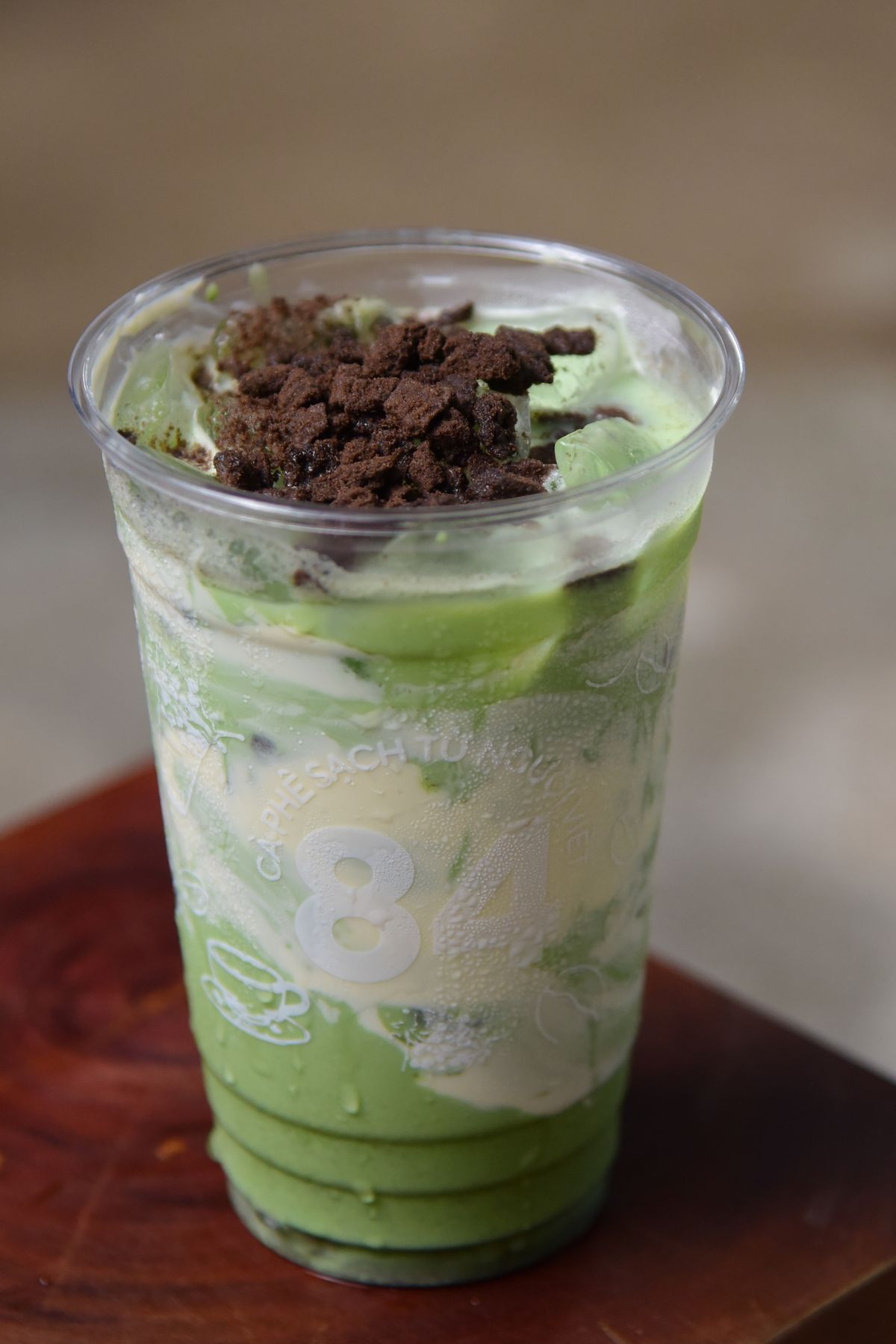
Matcha appears throughout Japanese cuisine and sweets. First-time visitors should try:
Matcha ice cream (matcha aisu): Creamy, slightly bitter, with floral notes. Price: ¥600-1,500 ($4.30-11 USD).
Matcha Kit Kat and chocolate: Japan produces some of the world’s best matcha chocolate. Available in convenience stores. Price: ¥300-800 ($2-5.70 USD).
Matcha soba: Buckwheat noodles made with matcha powder. Served cold or hot. Price: ¥1,000-2,000 ($7-14 USD).
Matcha cheesecake and donut: Popular desserts in Tokyo and Kyoto. Price: ¥400-1,500 ($2.80-11 USD).
Matcha wagashi: Traditional sweets paired with matcha. These are delicate, subtly sweet, and beautifully presented. Price: ¥500-2,000 ($3.50-14 USD).
Matcha latte: While westernized, Japanese matcha lattes with proper technique are excellent. Price: ¥1,000-1,800 ($7-13 USD).
Buying Matcha to Take Home
You’ll want to bring matcha home. Here’s how to do it right:
Where to buy: Department stores (Takashimaya, Mitsukoshi), specialty tea shops in Kyoto/Uji, or reputable online shops. Avoid convenience store matcha—quality is poor.
What to buy: For home preparation, buy ceremonial-grade matcha in a small tin (30 grams). Price: ¥2,000-6,000 ($14-43 USD) in Japan. This will last 15-20 bowls.
Quality indicators: Look for bright green color (not dull), fine texture, and Japanese origin (Uji, Nishio, Yame, or Shizuoka are reputable regions). Read the label. Export products may say “ceremonial grade,” while Japanese tins often state the origin (e.g., Uji) and whether it is meant for usucha or koicha.
Storage: Keep matcha in an airtight container away from light and heat. Properly stored, it lasts 6-12 months.
Price reality: Quality matcha isn’t cheap. Premium ceremonial matcha costs ¥3,000-8,000+ ($21-57 USD) for a small tin. This reflects the labor-intensive harvesting and stone-grinding process. Cheaper matcha tastes like grass. Invest in quality.
FAQ: Common Matcha Questions
Is matcha better than coffee?
Different experiences. Coffee is stimulating and sharp. Matcha provides calm focus. For first-timers, try both and see which resonates. Neither is objectively “better.”
Can I drink matcha on an empty stomach?
You can, but many people find the slight bitterness more pronounced without food. Eat a light snack first, or enjoy matcha after a meal.
How much matcha is safe to drink daily?
One to three bowls daily is safe for most people. Each bowl contains about 25-50mg of caffeine, so three bowls is equivalent to one cup of coffee. If you’re sensitive to caffeine, drink less.
What if I don’t like the taste?
Matcha tastes grassy, slightly bitter, and umami-forward. Some people love it immediately; others need time to develop a taste. Try high-quality matcha first—poor-quality matcha tastes chalky and worse. If you still don’t enjoy it, that’s fine. Try matcha desserts or lattes instead.
Is matcha the same everywhere?
No. Matcha quality varies enormously. Premium ceremonial matcha from Uji is buttery and sweet. Budget culinary matcha tastes bitter and chalky. Origin, freshness, and grade matter hugely. This is why buying from reputable sources in Japan (rather than overseas) is worthwhile.
Do I really need special equipment?
For a tea ceremony, yes—using traditional tools is part of the ritual and respect. For casual home enjoyment, you can improvise with a small whisk or even a fork, but the experience won’t be as good. If you love matcha, invest in proper equipment.
Can I make matcha ahead of time?
No. Matcha should be consumed immediately after whisking. The flavor, aroma, and foam quality fade quickly. If you need matcha later, prepare a fresh bowl then.
Practical Booking and Planning Information
Getting to Kyoto for Matcha
Kyoto is most easily reached from Tokyo via Shinkansen (bullet train). The journey takes 2 hours 15 minutes (¥13,320 / $95 USD one-way). A Japan Rail Pass covers this journey.
From Kyoto Station, most tea houses are a 15-20 minute taxi or bus ride away. Alternatively, walk to the Higashiyama district for traditional tea rooms.
Booking Tea Ceremonies
Walk-ins work at many tea houses, but booking ahead guarantees a spot and often gives you a better experience. Book through:
- Your ryokan or hotel concierge
- Viator or GetYourGuide (online tour platforms)
- Directly via phone (call your hotel for assistance with Japanese)
- Airbnb Experiences
Allow 30-60 minutes for a proper experience. Expect to pay ¥2,000-8,000 ($14-57 USD).
Best Time to Visit
Matcha is available year-round, but premium new-crop matcha (shincha) is available only in spring (April-May). If possible, visit Japan during this season for the finest matcha.
Affiliate Links for Your Matcha Journey
To experience matcha in Kyoto, start with accommodation near cultural sites:
Book your Kyoto hotel on Agoda (Best prices guaranteed) →
For a true immersive experience, stay in a traditional ryokan with matcha ceremony included:
Find traditional ryokans on Agoda →
Book matcha experiences and tours easily:
Stay connected while exploring matcha shops and tea houses:
Get your Japan eSIM (Stay connected from day 1) →
Final Thoughts: Why Matcha Matters
Matcha might seem like a small thing—powdered tea, a ceremonial tradition, a fashionable beverage. But when you sit in a quiet Kyoto tea house, watch a host’s precise movements, receive a bowl of matcha, and drink it slowly while gazing at a garden, you understand something profound about Japan.
This culture values:
- Intentionality over speed
- Craft and mastery
- Respect for ritual
- Finding profound beauty in simplicity
Matcha teaches these lessons in a single bowl. That’s why first-time visitors remember it for life. Not because the taste is trendy, but because the experience changed how they think about slowing down, paying attention, and finding meaning in everyday moments.
When you return home and someone hands you a matcha latte made with artificial flavoring and boiling water, you’ll smile. You’ll remember Kyoto. And you’ll know the difference between a product and a practice.
Related guides
- How to Read a Japanese Restaurant Menu (Even With Zero Japanese)
- Essential Japanese Phrases for Travelers (and How to Read Menus on the Spot)
- Aomori Nebuta Festival Guide 2026: A First-Timer’s Guide to Japan’s Giant Glowing Floats and How to Dance in the Parade
Going to Japan? Speak Japanese with confidence.
Hirameki Japanese — camera translate for menus and signs, a two-way conversation mode, and furigana + romaji on every phrase. Free to download with kana charts, conversation mode and starter words; a one-time purchase unlocks everything.

Plan your Japan trip
Two things every first-timer should book
Some links are affiliate links. If you book through them we may earn a small commission at no extra cost to you.