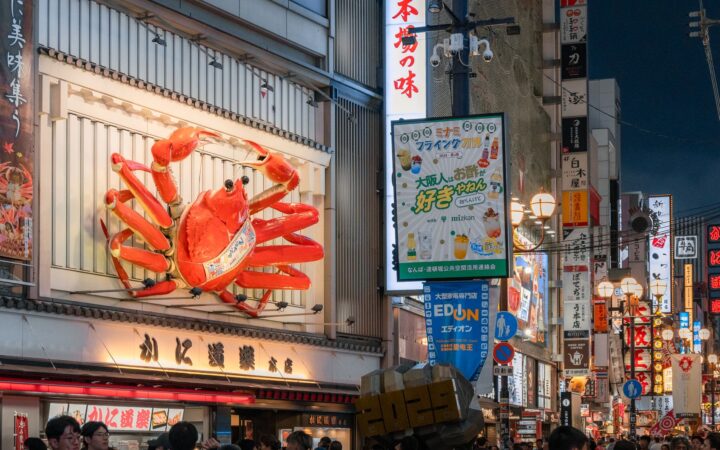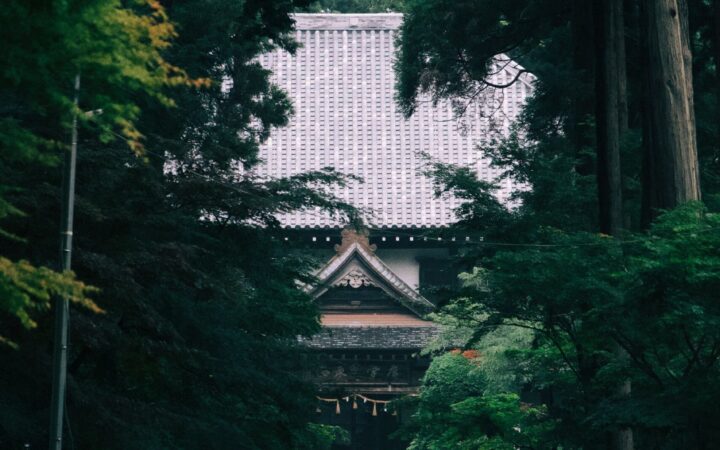
Kanazawa Food Guide: Omicho Market, Kaga Cuisine and Seasonal Delicacies
When planning your first visit to Japan, you’ll hear about Tokyo’s bustling ramen shops, Kyoto’s refined kaiseki traditions, and Osaka’s street food explosion. But many first-time visitors overlook one of Japan’s most exciting culinary destinations: Kanazawa, the capital of Ishikawa Prefecture in central Japan.
Kanazawa’s food culture is unlike anywhere else in Japan. Known as Kaga Cuisine (加賀料理), this distinct culinary tradition blends centuries of samurai influence, seasonal mountain and sea ingredients, and meticulous presentation techniques. Whether you’re browsing the chaotic stalls of Omicho Market, sitting at an intimate sushi counter, or sampling dishes in a ryokan, Kanazawa will transform how you think about Japanese food.
This guide is designed for first-time foreign visitors who want to eat authentically in Kanazawa without confusion or hesitation. You’ll learn what to order, where to go, prices in both yen and USD, and practical tips for navigating this extraordinary food city.
What is Kaga Cuisine? The Soul of Kanazawa’s Food Culture
Kaga Cuisine originated during the Edo period (1603-1868) when Kanazawa was ruled by the powerful Maeda clan, one of Japan’s richest feudal lords. With enormous wealth and access to the best ingredients from the Sea of Japan, the Maeda court developed an elaborate culinary tradition that valued both taste and visual beauty.
Unlike Kyoto’s kaiseki, which emphasizes simplicity and minimalism, Kaga Cuisine celebrates abundance and richness. Dishes feature multiple preparations of the same ingredient, generous use of sesame, miso, and nuts, and an emphasis on seasonal ingredients that change throughout the year. The result is food that feels luxurious yet approachable—exactly what first-time visitors crave.
Key characteristics of Kaga Cuisine:
- Abundant use of local seafood from the Sea of Japan (crab, squid, white fish, sea urchin)
- Mountain vegetables and mushrooms from nearby Noto Peninsula and Japanese Alps
- Multiple sesame-based sauces and miso preparations
- Gold leaf garnishing (a Kanazawa tradition dating back centuries)
- Careful seasonal alignment—each dish reflects the time of year
- Emphasis on texture contrasts and careful plating
When you eat Kaga Cuisine in Kanazawa, you’re not just eating a meal—you’re experiencing the refined tastes of samurai nobility. This awareness makes every bite feel special.
Omicho Market: The Heart of Kanazawa’s Food Scene
If you visit only one food market in Japan beyond Tokyo’s Tsukiji, make it Omicho Market (近江町市場) in Kanazawa. This market, around 300 years old, is the emotional and practical center of Kanazawa’s food culture, where locals have shopped for generations and tourists discover authentic, energetic Japan.
What to Expect at Omicho Market
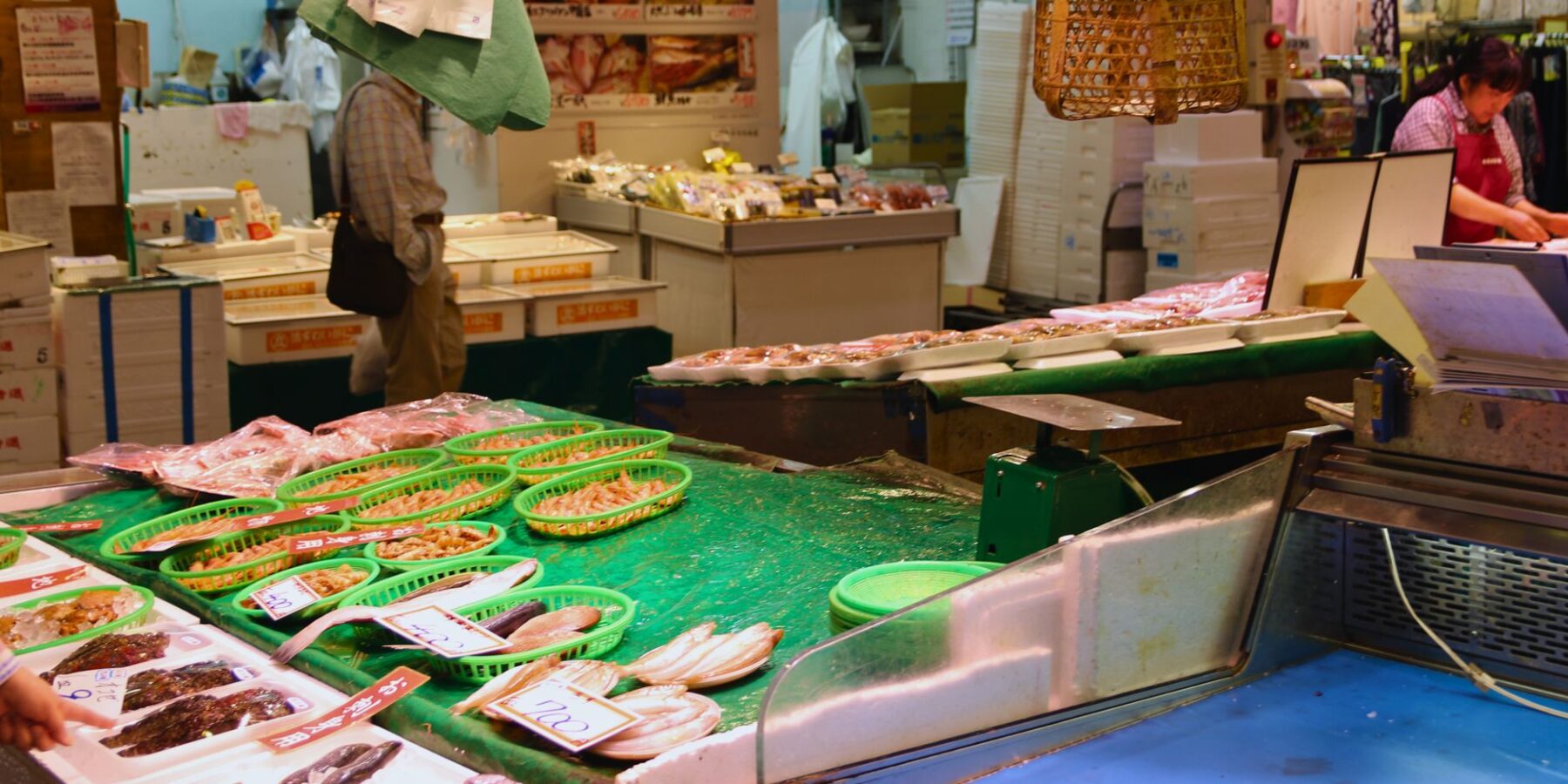
Omicho stretches for about 180 meters through narrow covered passages lined with 170+ vendors. The market is organized into sections, though it feels beautifully chaotic on first visit. You’ll encounter:
- Fresh Seafood Stalls – Entire displays of local crab (kani), squid (ika), sea urchin (uni), fish roe (ikura), and white fish
- Vegetable Vendors – Seasonal vegetables from mountain regions, often picked that morning
- Dried Goods Shops – Nori (seaweed), kombu, dried mushrooms, and specialty ingredients
- Prepared Foods – Vendors selling grilled seafood, seaweed snacks, marinated vegetables
- Casual Restaurants – Small eateries where you can eat fresh bowls and sets immediately
Best Time to Visit
Morning (8:00 AM – 11:00 AM): The market is most energetic and freshest. Vendors are still setting up their best displays. This is ideal for photography and experiencing authentic market culture.
Afternoon (2:00 PM – 5:00 PM): Slightly less crowded. Good if you want a more relaxed experience, though some vendors close by 4:00 PM.
Avoid evenings after 6:00 PM—most vendors have closed and the market feels dead.
What to Buy and Eat at Omicho
Uni Don (Sea Urchin Rice Bowl) – Price: ¥2,500-4,500 ($18-32 USD) at restaurant stalls. The orange uni from the Sea of Japan is some of the best you’ll eat. It’s creamy, sweet, and melts on your tongue. Look for stalls with queues—that’s where locals eat.
Grilled Scallop (Hotate Yaki) – Price: ¥800-1,500 ($5.70-11 USD) per skewer. Vendors grill massive fresh scallops over charcoal right in front of you. They brush them with butter and soy—it’s addictive. The scallop should be tender and still slightly sweet.
Fresh Crab (Kani) – Price: ¥3,000-8,000+ ($21-58 USD) depending on size. Kanazawa is famous for snow crab (zuwai gani), sold locally as large male Kano gani and smaller female kobako gani. You can buy raw crab to take back to your ryokan, or eat it at restaurant stalls. Many stalls will crack it open and serve it with mayo or salt.
Squid Sashimi (Ika Sashimi) – Price: ¥1,500-2,500 ($11-18 USD). Fresh squid is sliced paper-thin and served with a soy-vinegar dip. The texture is tender and slightly chewy—nothing like frozen squid you might have tried elsewhere.
Seaweed Snacks (Nori Arare) – Price: ¥800-1,500 ($5.70-11 USD) per package. These crispy, seaweed-wrapped crackers are a Kanazawa specialty. They’re perfect souvenirs and taste incredible with sake.
Fresh Vegetables – Prices vary but usually ¥500-2,000 ($3.50-14 USD). If you’re staying in a kitchen-equipped accommodation, buying fresh vegetables is a great way to eat cheaply. Kanazawa’s mountain vegetables are exceptional.
Where to Eat in Kanazawa: Restaurants and Price Ranges
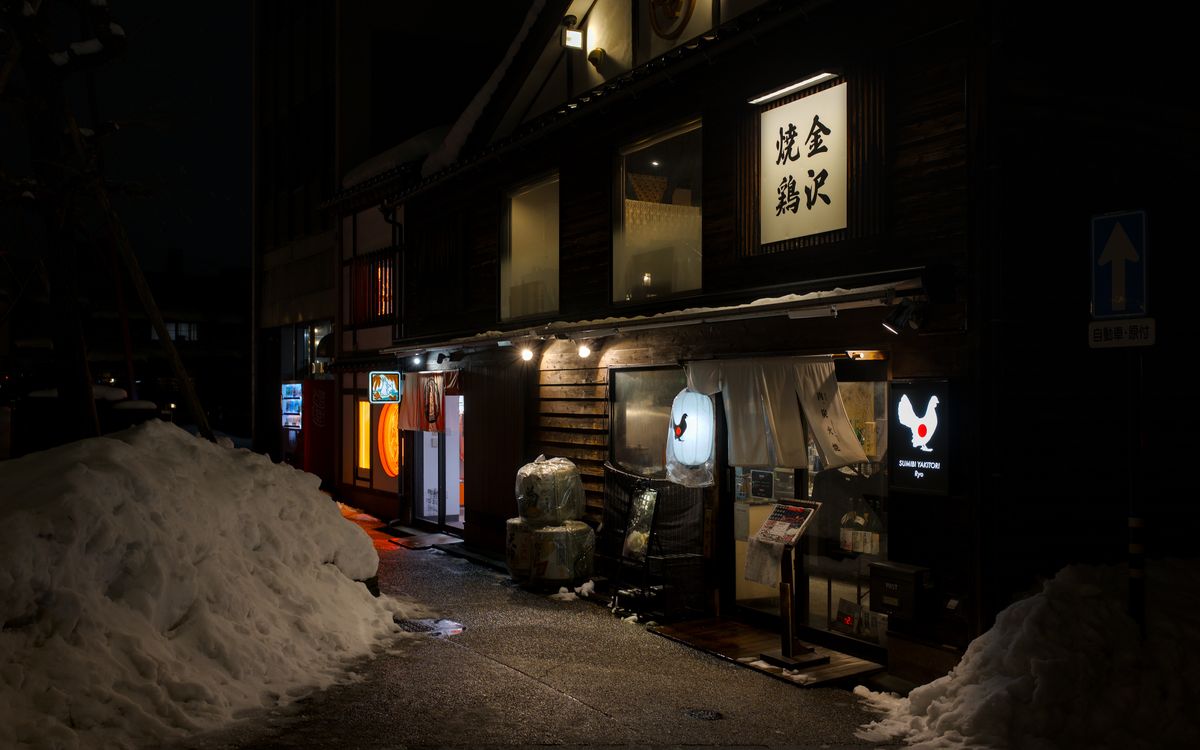
Budget-Friendly Eats (¥1,000-3,000 / $7-21 USD)
Ramen and Udon Shops – Kanazawa has excellent local ramen styles. The Hokuriku chain 8ban Ramen, known for its vegetable-topped bowls, is a local favorite. Price: ¥800-1,200 ($5.70-8.50 USD).
Donburi (Rice Bowl) Shops – These casual eateries serve generous bowls of rice topped with seafood, meat, or vegetables. Oyakodon (chicken and egg) costs ¥900-1,300 ($6.40-9.30 USD). Seafood versions are slightly pricier at ¥1,500-2,500 ($11-18 USD).
Conveyor Belt Sushi – Kanazawa has excellent kaiten sushi (rotating sushi bars). Most plates cost ¥150-400 ($1-3 USD) per piece. A satisfying meal of 10-15 pieces costs ¥2,000-3,500 ($14-25 USD). Look for Sushiro or Kura Sushi chains for consistent quality.
Mid-Range Dining (¥5,000-10,000 / $35-70 USD)
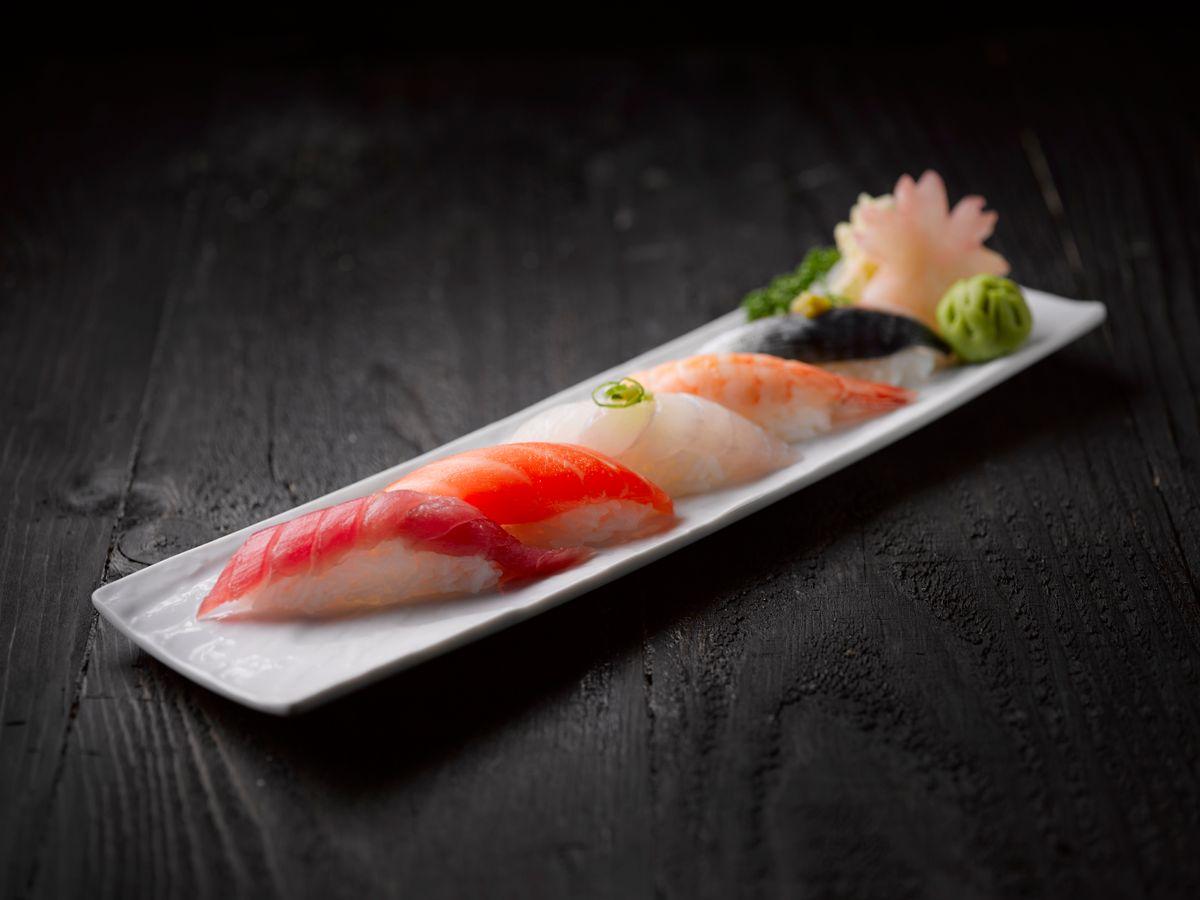
Casual Sushi Restaurants – Non-conveyor belt sushi offers higher-quality fish and more attentive service. You’ll sit at a counter watching the sushi chef work. Dinner courses typically cost ¥6,000-10,000 ($42-70 USD). Popular spots include traditional neighborhood sushi bars in the Katamachi and Korinbo districts.
Kaga Cuisine Lunch Sets – Many mid-range restaurants serve Kaga Cuisine at lunch for ¥5,000-8,000 ($35-56 USD), which is far cheaper than dinner pricing. These typically include a main dish, seasonal vegetables, miso soup, rice, and dessert. This is the best value way to experience Kaga Cuisine.
Seafood Grilling Restaurants (Robatayaki) – Casual places specializing in grilled and simmered seafood. Order à la carte or choose a set. Expect ¥5,000-8,000 ($35-56 USD) per person.
Fine Dining / Ryokan Kaiseki (¥12,000-25,000+ / $85-180+ USD)
Ryokan Dinner Courses – If you stay in a traditional ryokan (Japanese inn) in Kanazawa, dinner is typically a multi-course Kaga Kaiseki meal included with your room. These courses showcase the finest seasonal ingredients and traditional preparations. Prices range from ¥12,000-25,000 ($85-180 USD) per person depending on the ryokan’s prestige.
High-End Sushi Omakase – Exclusive sushi restaurants where the chef prepares each piece to order while you sit at the counter. These experiences cost ¥15,000-30,000+ ($107-215+ USD) per person and require reservations, often weeks in advance.
Kaga Kaiseki Specialty Restaurants – Dedicated restaurants serving elaborate Kaga Cuisine multi-course dinners. These are the most expensive experiences (¥20,000-40,000+ / $143-286+ USD per person) but offer the deepest culinary experience. Book via your hotel concierge.
Seasonal Specialties: What to Eat When You Visit
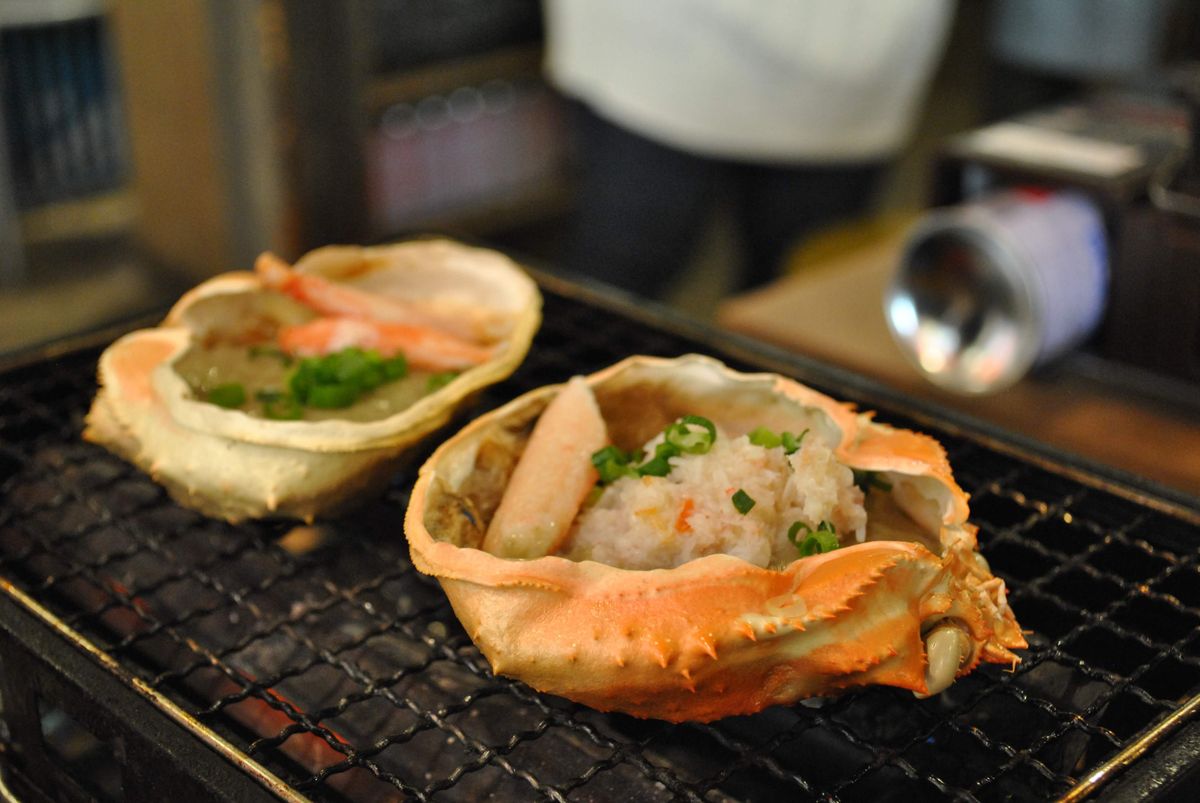
Kaga Cuisine changes with the seasons. When you visit Kanazawa, prioritize what’s in season for the best experience and quality.
Spring (March-May)
Bamboo Shoots (Takenoko) – Freshly dug shoots served grilled or in soups. Tender and slightly sweet.
Spring Vegetables – Mountain vegetables like bracken (warabi) and royal fern (zenmai).
Cherry Shrimp (Sakura Ebi) – Tiny pink shrimp available in late April and May. Often served as a topping or in dashi broth.
Summer (June-August)
Sweetfish (Ayu) – A delicate river fish grilled whole. Kanazawa’s rivers produce exceptional ayu. The flavor is light and floral.
Summer Vegetables – Eggplant, cucumber, and zucchini appear in grilled and pickled preparations.
Unagi (Eel) – While available year-round, summer is peak season. Grilled eel with sweet soy glaze (unagi kabayaki) is energizing in hot weather.
Autumn (September-November)
Crab (Kani) – THIS IS PEAK SEASON. Snow crab fishing begins in November. If you visit autumn, crab must be your priority. Fresh crab sashimi, grilled crab, and crab miso soup dominate menus.
Mushrooms – Matsutake, enoki, and shiitake appear in soups, grilled preparations, and rice dishes.
Chestnuts (Kuri) – Sweet and buttery, chestnuts appear in rice dishes and desserts.
Winter (December-February)
Red Snow Crab (Zuwai Gani) – THE ULTIMATE KANAZAWA EXPERIENCE. Crab season peaks December-February. The sweet, succulent meat is at its best. Prioritize eating crab in every form: sashimi, grilled, in hot pot, in miso soup.
Oysters (Kaki) – Grilled with butter or served raw. Winter oysters are plump and briny.
Root Vegetables – Daikon, burdock, and lotus root simmer in miso-based broths and braises.
Practical Tips for Eating in Kanazawa
Money and Payment
Cash is essential at Omicho Market and small restaurants. While larger establishments accept cards, many market vendors and small sushi bars operate cash-only. Visit a 7-Eleven or convenience store ATM to withdraw cash using your home debit card.
Budget per day for food:
- Budget traveler: ¥3,000-5,000 ($21-35 USD) – cheap eats and market food
- Mid-range: ¥7,000-12,000 ($49-85 USD) – mix of casual restaurants and one nice meal
- Splurging: ¥15,000+ ($107+ USD) – kaiseki dinner and premium sushi
Language and Ordering
Most Omicho vendors and casual restaurants won’t speak English. Download the Google Translate app and take screenshots of menus. Many restaurants now have English menus or iPad ordering systems, but it’s not guaranteed.
At Omicho Market stalls, pointing works fine—they’ll understand what you want and prepare it quickly.
Dining Etiquette
At sushi restaurants: Don’t ask for wasabi or soy sauce—let the sushi chef season the fish. If you want extra, it’s acceptable to ask, but the chef’s seasoning is part of the experience.
At ramen and udon shops: Slurping is expected and encouraged. It aerates the noodles and enhances flavor perception.
At market stalls: Be courteous and move along after eating to make room for others. Vendors appreciate quick, polite interactions.
Tipping: Never tip in Japan. It’s not part of the culture and can be confusing. Service charges are included in prices.
Getting to Kanazawa
Kanazawa is best reached by Shinkansen (bullet train) from Tokyo or Kyoto. The journey takes about 2.5 hours from Tokyo (JR East raised fares in March 2026, so check the current one-way price), and from Kyoto you change to the Shinkansen at Tsuruga, where the line has ended since March 2024. Book tickets at JR stations or use Japan Rail Pass if you hold one.
Getting around Kanazawa: The city is compact and walkable. Omicho Market is a 10-minute walk from Kanazawa Station. Many restaurants are clustered in the Katamachi and Korinbo districts, about a 25-30 minute walk or a short bus ride from the station. Use a Suica card for buses and trains.
Booking Restaurants
For casual places, walk-ins are fine. For fine dining and ryokan meals, book ahead through your hotel concierge or use Tabelog (the Japanese version of Yelp). Ryokan bookings should be made 1-2 weeks in advance.
Must-Try Dishes: The Kanazawa Food Checklist
Before you leave Kanazawa, make sure you’ve eaten these essential dishes:
- Jibuni – A vegetable and duck braise cooked in layers. It’s the signature Kaga dish.
- Gara Ebi – Pink shrimp served raw with salty seaweed. An elegant appetizer.
- Tai no Karamushi – Sea bream steamed with sake and wrapped in Japanese washi paper.
- Kani Gani (Crab) in any form – Raw, grilled, or in soup—you must eat it.
- Kuzushi Don – A mixed sushi bowl with multiple types of fresh seafood.
- Ozoni – A celebratory clear soup with vegetables and seafood, served especially in January.
- Soba with Matcha – Green tea buckwheat noodles unique to Kanazawa.
- Kaga Vegetable Tempura – Seasonal vegetables lightly battered and fried until crispy.
FAQ: Your Kanazawa Food Questions Answered
Do I need to book Omicho Market in advance?
No. Omicho Market is open daily and doesn’t require reservations. Just show up in the morning (8:00-11:00 AM is ideal) and explore. However, if you want to eat at one of the small restaurant stalls inside, arriving before noon ensures you get a seat.
Is Kanazawa food spicy?
Kaga Cuisine is generally mild and not spicy. The emphasis is on showcasing ingredient flavor, not heat. If you dislike spicy food, you’ll be comfortable in Kanazawa. If you crave spice, request it and chefs will accommodate.
How much should I budget for eating well in Kanazawa?
A realistic budget for a good food experience: ¥10,000-15,000 ($70-107 USD) per day per person if you eat breakfast cheap, lunch at a market stall or casual restaurant, and splurge on one nice dinner. You can eat cheaper or more expensively, but this balances quality with cost.
Can I eat raw seafood if I’m worried about sushi/sashimi?
Kanazawa’s seafood is extremely fresh and safe. Japanese health standards are rigorous. If you have genuine concerns, eat cooked seafood—there’s plenty of it (grilled fish, tempura, steamed dishes).
Are there vegetarian options in Kanazawa?
Yes. Many restaurants offer vegetable-focused dishes (mountain vegetables, miso soup, vegetable tempura). Communicate clearly with restaurant staff that you don’t eat meat or fish. Most places will accommodate.
What’s the best sake to try in Kanazawa?
Ishikawa Prefecture produces exceptional sake. Try local brands like Tengumai (Shata Shuzo), Kikuhime, Manzairaku, and Fukumasamune. These are available at restaurants, and many have tasting experiences. A small glass costs ¥500-1,200 ($3.50-8.50 USD).
Should I eat breakfast in Kanazawa?
Yes. Many small restaurants serve excellent breakfast sets (kaiseki-style breakfast with rice, miso soup, grilled fish, pickles, and eggs) for ¥1,500-3,000 ($11-21 USD). Eat breakfast, then visit Omicho in the late morning when you’re ready for your next meal.
How long should I spend in Kanazawa for food?
Ideally 2-3 days. This gives you time to visit Omicho Market, eat at casual restaurants, and experience at least one nice dinner. One day is possible but feels rushed. Four days is luxurious and allows for deeper exploration.
Affiliate Booking Links
Ready to experience Kanazawa’s food culture? Start by booking your accommodation:
Book your hotel on Agoda (Best prices guaranteed) →
For the ultimate Kaga Cuisine experience, stay in a ryokan where dinner is included:
Find luxury ryokans on Agoda →
Make sure you stay connected with reliable data throughout your trip:
Get your Japan eSIM (Stay connected from day 1) →
Final Thoughts: Why Kanazawa Deserves Your Attention
Kanazawa isn’t Japan’s most famous food city, but for first-time visitors willing to venture beyond Tokyo and Kyoto, it offers something profound: authentic, accessible, and delicious food culture rooted in centuries of tradition. Omicho Market feels chaotic at first, then becomes deeply familiar. Kaga Cuisine feels formal, then becomes comforting. The people are genuinely welcoming.
When you return home and friends ask about your Japan trip, they’ll hear about the temples and castles. But you’ll remember the moment you bit into a piece of Kanazawa crab so fresh and sweet it needed nothing else, the warmth of a seasoned sushi chef, the energy of a market vendor handing you a grilled scallop on a stick, still dripping with butter.
That’s Kanazawa. That’s worth the trip.
Related guides
- Kanazawa Travel Guide 2026: A First-Timer’s Guide to Kenrokuen, Geisha Districts, Samurai Streets and Sea of Japan Seafood
- Eiheiji Temple Guide: Japan’s Most Sacred Zen Monastery in Fukui (Complete 2026 Guide)
- Jigokudani Snow Monkey Park: A First-Timer’s Guide to Nagano’s Bathing Monkeys and Onsen Towns
Going to Japan? Speak Japanese with confidence.
Hirameki Japanese — camera translate for menus and signs, a two-way conversation mode, and furigana + romaji on every phrase. Free to download with kana charts, conversation mode and starter words; a one-time purchase unlocks everything.

Plan your Japan trip
Two things every first-timer should book
Some links are affiliate links. If you book through them we may earn a small commission at no extra cost to you.