Roppongi has a reputation that arrives before you do. For decades it was known as Tokyo’s after-dark playground, the neighborhood where embassies, expats, and night owls collided. But the Roppongi of today is something more interesting and far more rewarding for a first-time visitor: it is the cultural heart of central Tokyo, home to three world-class art museums, two of the city’s best observation decks, beautifully designed shopping complexes, leafy gardens, and some of the most reliable international dining in Japan. You can spend a morning in front of a Van Gogh, an afternoon looking down on the entire Kanto plain from 250 meters up, and an evening bouncing between izakaya, rooftop bars, and ramen counters — all within a ten-minute walk.
This guide is written for travelers visiting Roppongi for the first time. It explains exactly how to get there, what the neighborhood is genuinely good for, how much the major attractions cost in both Japanese yen and US dollars, when to go, where to eat, and how to avoid the handful of tourist traps that still linger from Roppongi’s rowdier past. Whether you have three hours between other Tokyo plans or a full day to give the area, you will leave knowing how to make the most of it.
If you are still mapping out your wider trip, it helps to read this alongside our broader Tokyo destination hub and our guide to Tokyo’s neighborhoods, both of which put Roppongi in context next to Shinjuku, Shibuya, and Ginza.
Why Visit Roppongi?
Most first-time visitors to Tokyo build their itineraries around the obvious icons — the Shibuya Scramble, Senso-ji in Asakusa, the electronics canyons of Akihabara. Roppongi rarely makes the top of the list, and that is precisely why it is worth your time. It offers a concentrated, walkable slice of contemporary Tokyo that feels polished and grown-up without being stiff. The area is anchored by two enormous mixed-use developments, Roppongi Hills and Tokyo Midtown, each a small city of its own with museums, gardens, restaurants, cinemas, and observation decks stacked into glass towers.
The single best reason to come is art. Roppongi is the apex of what locals call the “Art Triangle” — the Mori Art Museum, the National Art Center, and the Suntory Museum of Art, three institutions within walking distance of one another that together host a rotating slate of blockbuster exhibitions. On any given week you might find a major retrospective, a cutting-edge digital installation, and a quiet show of lacquerware or tea-ceremony objects, all a few hundred meters apart.
The second reason is the view. Roppongi sits on elevated ground, and its two observation decks — Tokyo City View atop Mori Tower and the seasonal open-air deck above it — deliver arguably the best panorama in the city, with Tokyo Tower glowing in the foreground and, on clear days, Mount Fuji on the horizon. The third reason is convenience: Roppongi is centrally located, well connected by two subway lines, and packed with the kind of international dining and late-night options that are genuinely useful when jet lag has you wide awake at 11 p.m.
How to Get to Roppongi
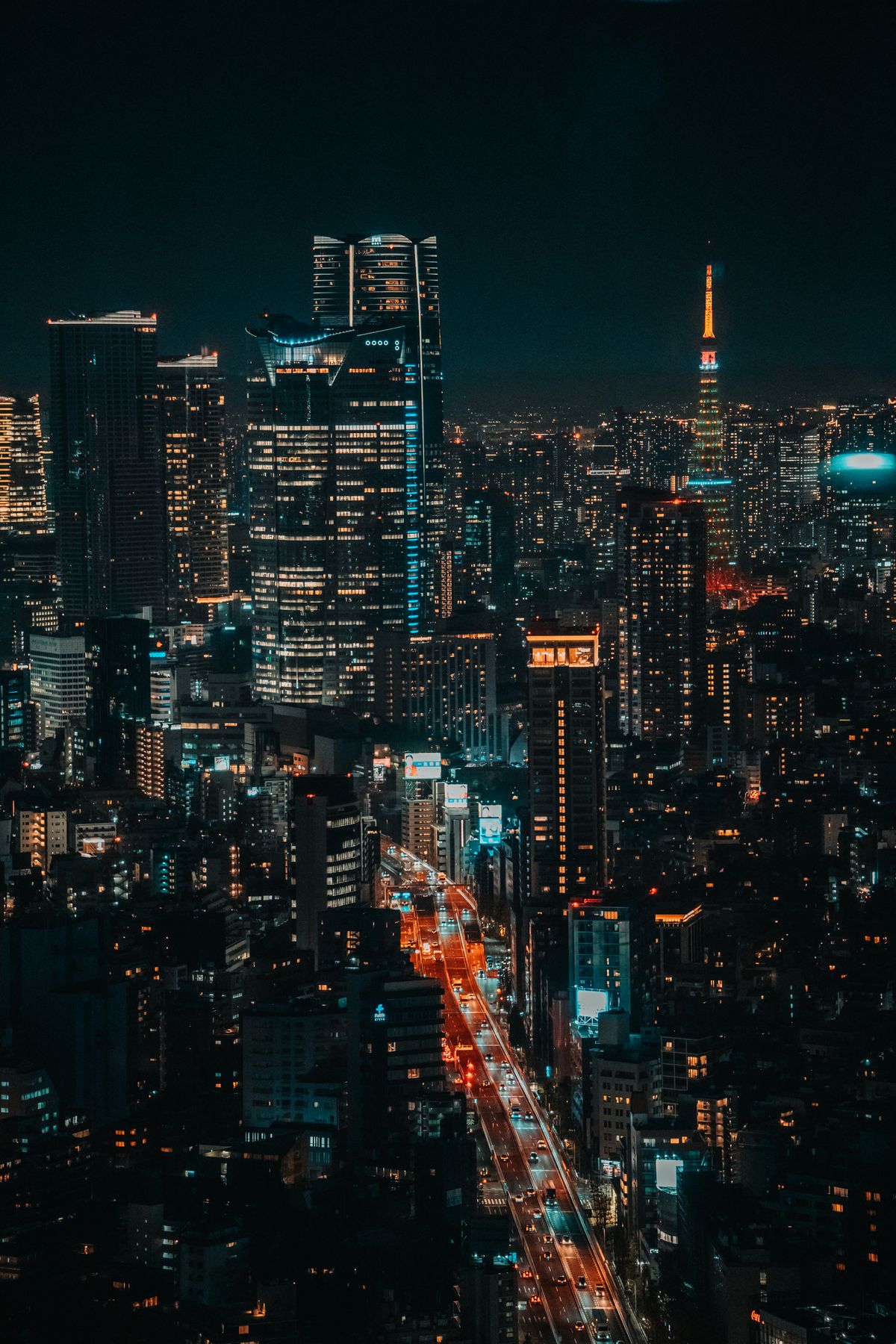
Roppongi is served by two subway lines, which makes it easy to reach from almost anywhere in central Tokyo. The Tokyo Metro Hibiya Line stops at Roppongi Station and connects directly to Ginza, Tsukiji, and Ueno. The Toei Oedo Line also stops at Roppongi and is useful for reaching Shinjuku and the western side of the city. A typical subway ride within central Tokyo costs ¥180–¥280 (roughly US$1.20–$1.90), and journeys rarely take more than 20 minutes from the major hubs.
From Shibuya, the fastest route is the Hibiya Line or a short taxi ride; the two neighborhoods are only about 2.5 kilometers apart. From Shinjuku, take the Oedo Line directly to Roppongi in about 10 minutes. From Tokyo Station, transfer to the Hibiya Line at Ginza or Hibiya. To navigate the subway smoothly, pick up a Suica or PASMO IC card — you simply tap in and out, and the same card works on buses and at convenience stores. Our first-timer travel tips guide walks through exactly how to buy and load one.
If you are arriving straight from Narita or Haneda Airport with luggage, the subway with multiple transfers can be a hassle. Narita is around 70 kilometers away and Haneda about 18 kilometers. A door-to-door shared airport transfer can be far less stressful than dragging suitcases through subway stairwells, especially after a long-haul flight. Services like NearMe airport shuttle offer fixed-price shared rides between the airports and central Tokyo hotels, which is a practical option if Roppongi is your first stop. Expect roughly ¥5,000–¥7,000 (about US$33–$47) per person depending on the airport and time of day — comparable to the train once you factor in convenience and luggage.
Once you are in the neighborhood, everything is walkable. Roppongi Hills, Tokyo Midtown, the three art museums, and Tokyo Tower are all within a 15-minute walk of Roppongi Station, and the area is flat enough that you will not need to take a single additional train once you arrive.
The Art Triangle: Mori, National Art Center, and Suntory
The reason serious culture lovers make a beeline for Roppongi is the Art Triangle (Roppongi Art Triangle, sometimes abbreviated “rat” on local signage). Three major museums sit within a comfortable walk of each other, and each has a distinct personality. If you only do one thing in Roppongi, make it this.
Mori Art Museum
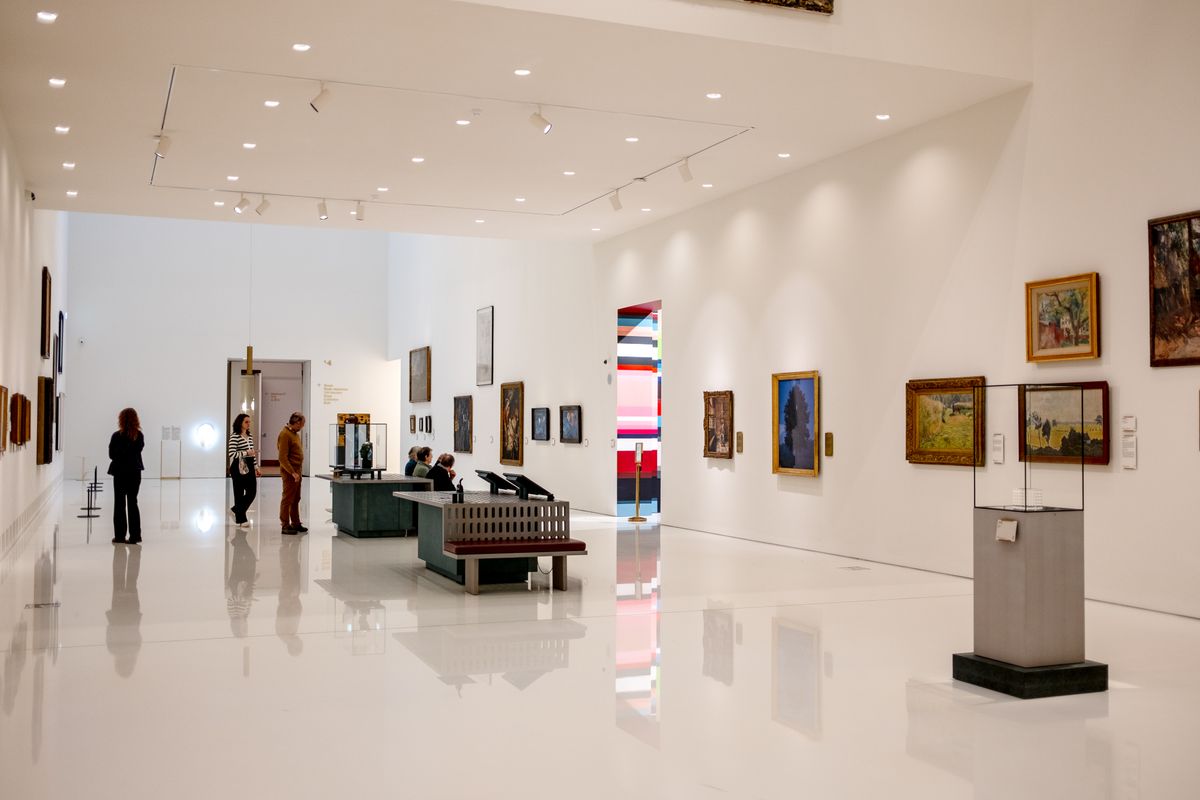
Perched on the 53rd floor of Mori Tower in Roppongi Hills, the Mori Art Museum is one of the highest art museums in the world and the most consistently exciting of the three. It focuses on contemporary and modern art, with ambitious exhibitions that range from large-scale installations to architecture, design, and Asian contemporary art. Because it is so high up, a visit naturally pairs with the Tokyo City View observation deck on the same level. General admission to the Mori Art Museum typically runs ¥1,800–¥2,000 (about US$12–$13) for adults, and combination tickets that include the observation deck offer better value. The museum stays open late — usually until 10 p.m. — which makes it a brilliant evening activity.
The National Art Center, Tokyo
A short walk away, the National Art Center is unmistakable: a vast undulating glass facade designed by Kisho Kurokawa, with no permanent collection at all. Instead it is one of Japan’s largest exhibition spaces, hosting a rotating program of major shows, from Impressionist blockbusters to design retrospectives and the enormous open-call exhibitions of Japanese art associations. Entry to the building and its dramatic atrium is free; you only pay for the specific exhibitions you choose to enter, which usually cost ¥1,500–¥2,000 (about US$10–$13). The ground-floor cafe beneath a giant inverted cone and the excellent gift shop are worth a look even if you do not buy a ticket.
Suntory Museum of Art
Inside Tokyo Midtown, the Suntory Museum of Art is the quietest and most traditional of the three, dedicated to Japanese decorative arts — lacquerware, ceramics, glass, textiles, and tea-ceremony objects — presented with the understated elegance you would expect from a museum designed by Kengo Kuma. Admission generally costs ¥1,500–¥1,800 (about US$10–$12) depending on the exhibition. It is the perfect counterpoint to the contemporary energy of the Mori: cool, calm, and deeply Japanese.
Practical tip: the three museums offer a shared discount — keep your ticket stub from one and you usually receive a small reduction at the others on the same or following visit. Check the current exhibitions before you go, because the lineup changes every couple of months and a great show at one museum can be the deciding factor for your whole day.
Roppongi Hills and the Tokyo City View Observation Deck
Roppongi Hills is the development that put modern Roppongi on the map. Opened in the early 2000s, it is a self-contained urban complex built around the 54-story Mori Tower, with shops, restaurants, a cinema, a TV studio, the Mori Art Museum, gardens, and the Tokyo City View observation deck. It is the kind of place where you can easily lose three hours without realizing it.
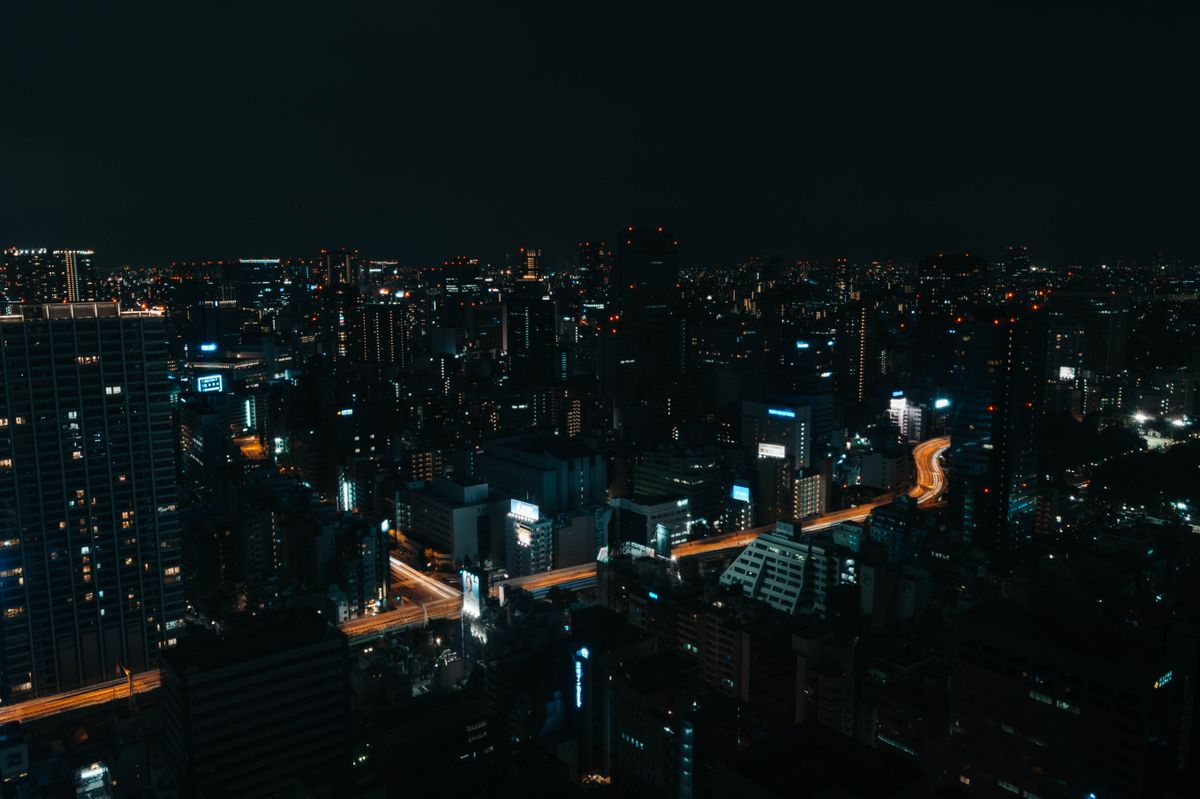
The Tokyo City View indoor observation deck sits on the 52nd floor at about 250 meters above ground, wrapping all the way around the tower for a true 360-degree panorama. From here Tokyo Tower glows orange in the near distance, the skyscrapers of Shinjuku cluster on the horizon, and on clear winter days you can pick out the silhouette of Mount Fuji to the southwest. General admission is typically ¥2,000 (about US$13) for adults, and many visitors buy the combination ticket that bundles the deck with the Mori Art Museum for a few hundred yen more — excellent value given they are on the same floor.
Weather permitting, you can pay a small additional fee (around ¥500–¥800, roughly US$3–$5) to access the open-air Sky Deck on the rooftop helipad — one of the only true open-air observation decks in Tokyo, with nothing between you and the skyline but a railing. It is unforgettable at sunset, when the city shifts from gold to electric blue. Note that the Sky Deck closes in bad weather and high winds, so it is worth checking conditions before you commit.
When to go: the deck is spectacular both day and night, but the magic hour is the 30 minutes before and after sunset, when you get the city in daylight, the sunset itself, and the illuminated skyline in a single visit. Arrive about an hour before sunset to claim a good west-facing spot. Compared with the more famous Shibuya Sky and Tokyo Skytree, Tokyo City View is often less crowded and, many visitors feel, offers a more beautiful composition because Tokyo Tower anchors the foreground.
Down at ground level, do not miss Mohri Garden, a small but lovely traditional Japanese garden tucked beside the tower with a pond, seasonal plantings, and a giant bronze spider sculpture (“Maman” by Louise Bourgeois) looming nearby — a wonderfully Roppongi juxtaposition of old and new.
Tokyo Midtown and Its Gardens
A few minutes’ walk north, Tokyo Midtown is Roppongi Hills’ more refined sibling. Anchored by the Midtown Tower, it leans toward design, wellness, and high-end retail, with a calmer and more spacious feel. Inside you will find the Suntory Museum of Art, the design-focused 21_21 Design Sight gallery (a striking Tadao Ando building partly buried underground), and a roster of excellent restaurants and cafes.
The real surprise at Tokyo Midtown is the greenery. Behind the towers stretches Hinokicho Park and a generous lawn that connects to the grounds of the Midtown complex, giving you a rare expanse of open space in central Tokyo. In spring the cherry trees along the adjacent avenue and within the park make this one of the better central hanami (blossom-viewing) spots, and in winter the area hosts one of Tokyo’s most beautiful illumination displays, with a vast field of blue LED lights. Both are free to enjoy.
21_21 Design Sight is well worth the modest entry fee (typically ¥1,200–¥1,400, about US$8–$9) if you have any interest in product design, graphics, or architecture; its exhibitions are thoughtful, hands-on, and unlike anything else in the city. Even if you skip the galleries, Tokyo Midtown is a pleasant, low-stress place to rest, eat well, and use a clean restroom — never underestimate how valuable that is on a long day of sightseeing.
Tokyo Tower: The View from Roppongi
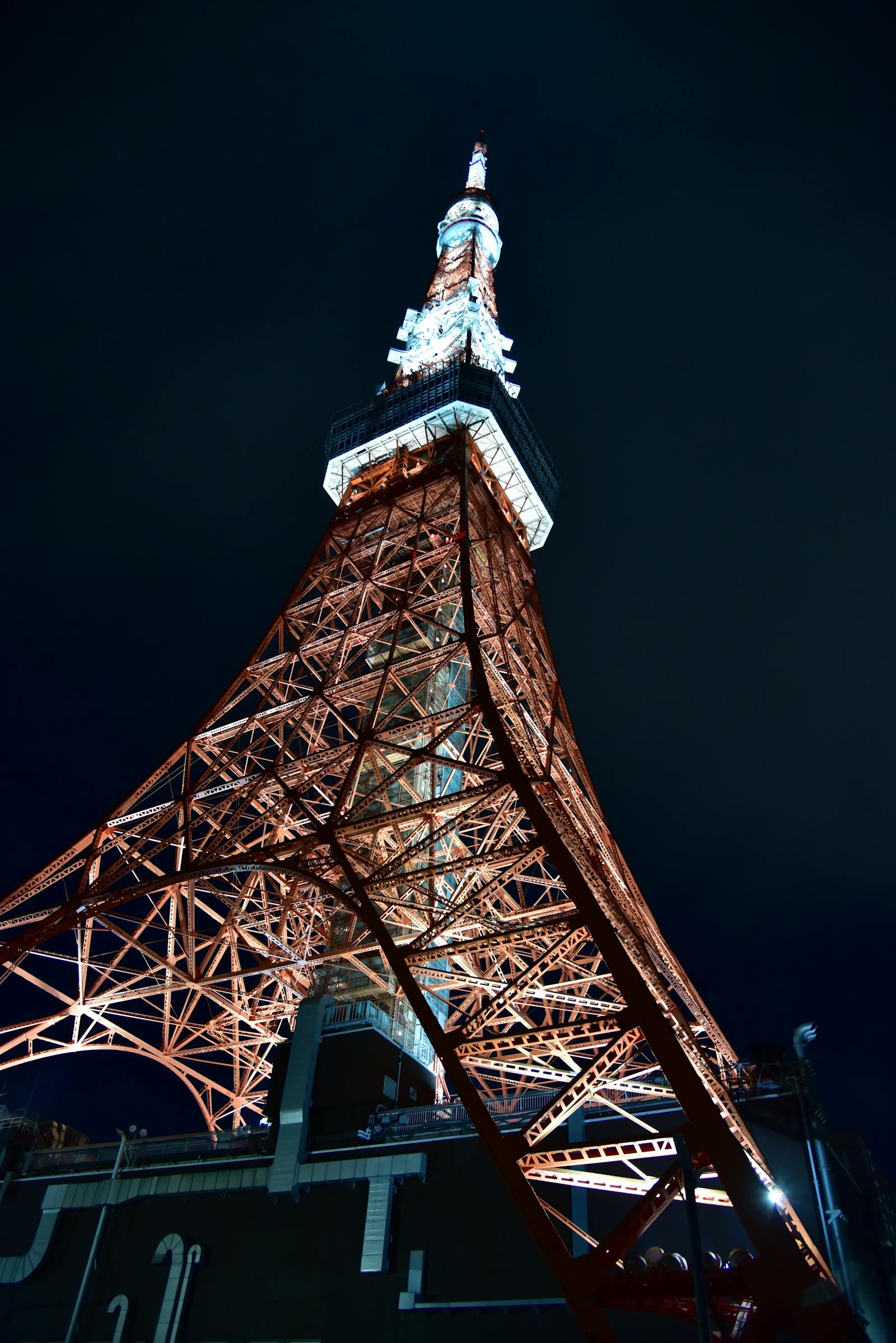
Roppongi is the best neighborhood from which to appreciate Tokyo Tower, the 333-meter orange-and-white lattice tower that has been the symbol of the city since the late 1950s. While Tokyo Skytree is taller, Tokyo Tower is more beautiful, and from Roppongi’s elevated streets and observation decks it dominates the skyline.
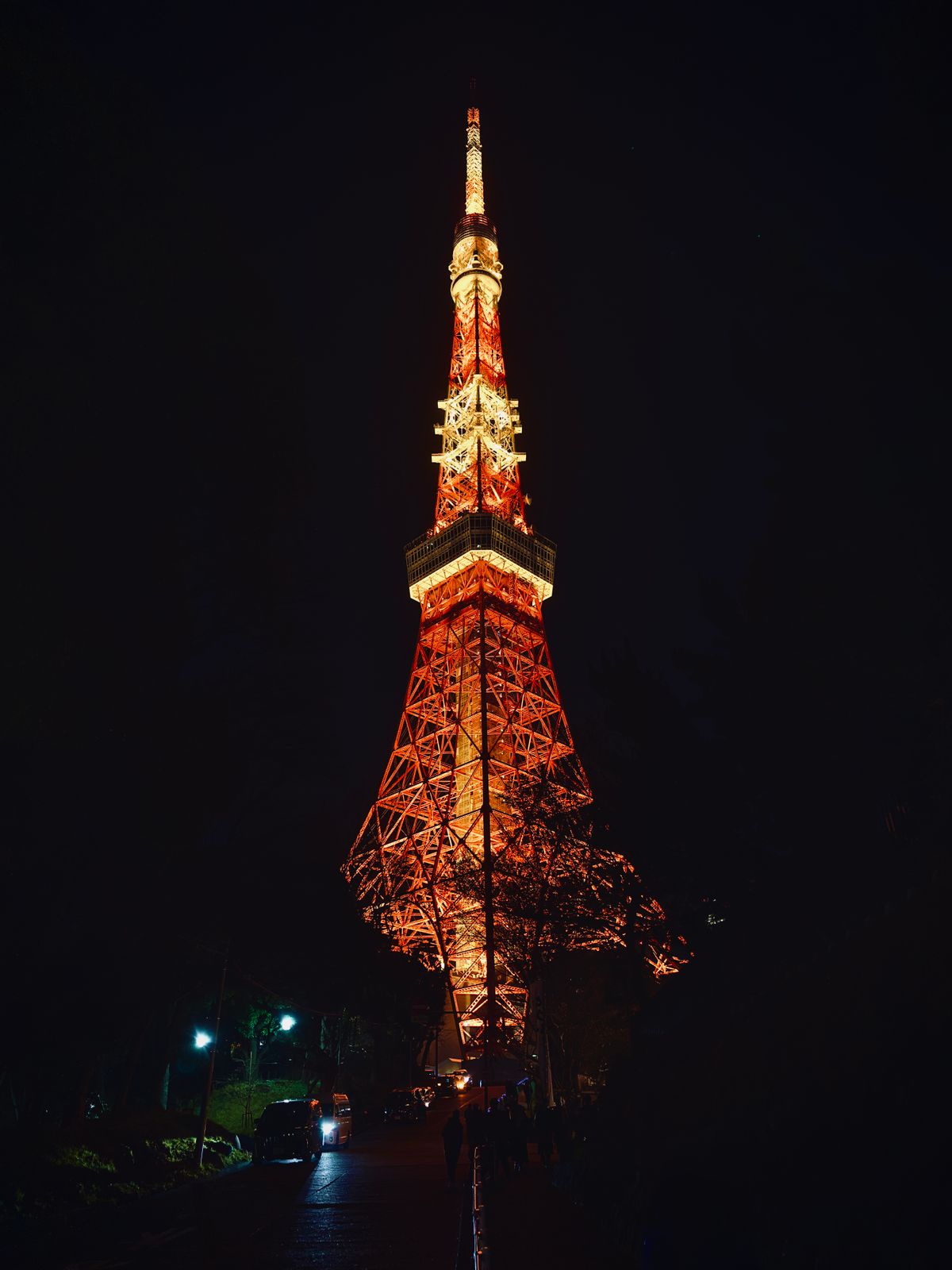
It is an easy 15-minute walk from Roppongi Station to the base of Tokyo Tower, and the approach through the quiet streets of the Azabudai and Shiba areas is pleasant. You can simply admire it from outside for free — the area around the base, including the leafy grounds of Zojo-ji Temple just beyond, offers postcard views with the temple’s traditional gate framing the modern tower. If you want to go up, the Main Deck at 150 meters costs around ¥1,500 (about US$10) for adults, and the higher Top Deck tour at 250 meters runs about ¥3,000 (about US$20) and is best reserved in advance.
For photographers, the stretch of streets between Roppongi Hills and Tokyo Tower offers several spots where the tower appears framed between buildings, glowing at the end of the road. After dark the tower is illuminated — warm orange on most nights, with special color schemes for seasons and events — and it is genuinely one of the most romantic sights in the city.
Where to Eat in Roppongi
Roppongi has one of the densest concentrations of restaurants in Tokyo, spanning everything from cheap ramen to Michelin-starred sushi, and a notably international range thanks to the embassies and expat community. This is a place where you can reliably find excellent non-Japanese food if you have been eating rice for two weeks straight, as well as some of the best Japanese dining in the city.
For a quick, satisfying meal, the ramen and gyoza shops scattered around the station deliver a steaming bowl for ¥900–¥1,300 (about US$6–$9). For something more memorable, Roppongi is full of izakaya — Japanese gastropubs where you order a series of small plates alongside beer, sake, or highballs. A typical izakaya dinner with a few drinks runs ¥3,000–¥5,000 (about US$20–$33) per person, and it is the most enjoyable way to eat in the neighborhood. Inside Roppongi Hills and Tokyo Midtown you will find polished restaurants with reliable quality, good English menus, and beautiful views, ideal if you want a stress-free dinner with a skyline backdrop.
At the higher end, Roppongi and the adjacent Nishi-Azabu district hold a remarkable number of Michelin stars, including some of Tokyo’s most celebrated sushi, tempura, and kaiseki restaurants. These require advance reservations — often weeks ahead, sometimes through your hotel concierge — and budgets that start around ¥20,000 (about US$130) per person and climb steeply. If you are interested in a guided food experience rather than navigating reservations yourself, curated tours and dining experiences can be a stress-free way in; our Japan food experiences guide covers what is available and how to book.
For breakfast or a caffeine fix, the cafes inside both major complexes are excellent, and the area has a strong specialty-coffee scene. A pour-over and pastry will run about ¥800–¥1,200 (US$5–$8). One practical note: many of the very best restaurants are tucked into upper floors of unmarked buildings, identified only by a small sign and an elevator. Do not be put off — some of the most rewarding meals in Roppongi are found exactly this way.
Roppongi Nightlife: What to Know
No honest guide to Roppongi can skip its nightlife, which is the source of both its fame and its mixed reputation. Roppongi is one of Tokyo’s primary nightlife districts, with clubs, bars, and live-music venues that stay open until dawn. For travelers, it offers something the rest of Tokyo largely does not: a high concentration of venues with English-speaking staff and an international crowd, which can make it an easy place to go out on your first night in Japan.
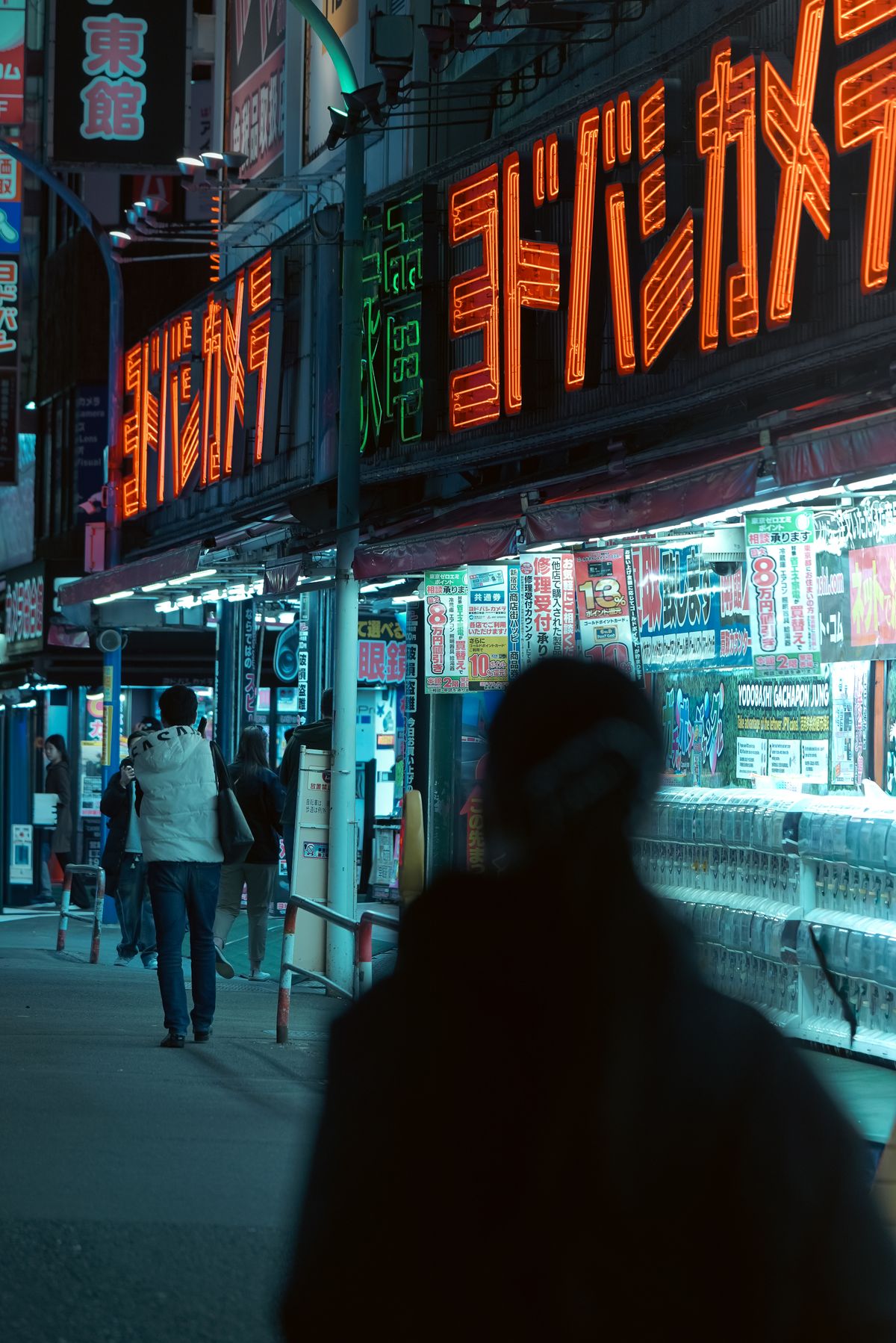
That said, Roppongi nightlife requires a little street smarts. The area around the main Roppongi Crossing has long been known for aggressive touts who stand on the street trying to lure tourists into bars and clubs with promises of cheap drinks or “free” entry. These venues are best avoided entirely — they are notorious for inflated bills, hidden charges, and worse. The rule is simple and effective: never follow a tout off the street, and never enter a bar you were pulled into. Tokyo’s reputable bars and clubs do not need to recruit customers from the sidewalk.
Stick to well-reviewed venues you have chosen in advance, rooftop bars in the major hotels and towers, craft-cocktail bars, and the polished lounges inside Roppongi Hills and Tokyo Midtown, and you will have a great, safe night out. The rooftop and high-floor bars in particular are a Roppongi specialty — a single beautifully made cocktail (¥1,500–¥2,500, about US$10–$17) buys you a window seat above the glittering city. If clubbing is your goal, a handful of large, long-running clubs anchor the scene; entry typically costs ¥2,000–¥4,000 (US$13–$27), often including a drink or two.
If you are not a night-out person, you can experience the best of Roppongi after dark simply by timing your observation-deck visit for the evening and having a relaxed dinner with a view. The neighborhood rewards night owls but does not require you to be one.
Where to Stay in Roppongi
Roppongi is an excellent base for first-time visitors who want to be central, well connected, and surrounded by dining and nightlife. It is particularly good if you value being near the airport-limousine bus stops, international restaurants, and two subway lines, and if you do not mind a livelier neighborhood at night. Families and quieter travelers sometimes prefer nearby Akasaka or Azabu, which are a short walk away and calmer, while still being close to everything Roppongi offers.
Accommodation in the area spans the full range. At the top end, Roppongi and the surrounding Azabudai district hold some of Tokyo’s most prestigious luxury hotels, with rooms that frame Tokyo Tower from the bath and service that defines the genre; expect ¥60,000 (about US$400) per night and up. Mid-range business and boutique hotels cluster around the station and offer clean, compact, well-located rooms for roughly ¥18,000–¥30,000 (about US$120–$200) per night. Budget travelers will find a handful of hostels and capsule hotels within walking distance, with dorm beds and capsules from around ¥4,000–¥7,000 (US$27–$47).
Because Roppongi is a high-demand area, booking ahead pays off, especially during cherry-blossom season and autumn. It is worth comparing rates across a couple of platforms before you commit. Agoda tends to have strong coverage of Tokyo hotels across every price band and is a good place to start a search for Roppongi, Akasaka, and Azabu properties. Whichever site you use, filter for properties within a 10-minute walk of Roppongi or Roppongi-Itchome stations so you are never far from the subway.
For a wider view of how Roppongi compares with other parts of the city as a place to sleep, see our Tokyo neighborhoods guide, which breaks down the best areas to stay by travel style and budget.
Best Time to Visit Roppongi
Roppongi is a year-round destination because so much of what makes it special is indoors — museums, observation decks, restaurants, and bars are all weatherproof. That said, a few seasons stand out. Spring (late March to early April) brings cherry blossoms to Tokyo Midtown, Mohri Garden, and the avenues around the complexes, and the mild weather is ideal for walking to Tokyo Tower and Zojo-ji. Autumn (November) delivers crisp air, golden ginkgo trees, and the clearest skies of the year, which means the best odds of seeing Mount Fuji from the observation decks.
Winter is underrated in Roppongi. The cold months bring the lowest humidity and sharpest visibility for skyline views, and from roughly mid-November through December both Roppongi Hills and Tokyo Midtown stage elaborate illumination displays that are among the most beautiful in Tokyo — and completely free to walk through. Summer (June to August) is hot and humid, and the rainy season in June can be wet, but this is exactly when Roppongi’s air-conditioned museums and indoor attractions become most appealing.
As for time of day, aim to arrive in the afternoon. Tour the Art Triangle while the museums are open, time your observation-deck visit for sunset, have dinner with a view, and let the neighborhood carry you into the evening. The Mori Art Museum and Tokyo City View both stay open late, which makes this rhythm easy and unhurried.
Practical Tips for Visiting Roppongi
A few specific, hard-won tips will make your Roppongi visit smoother:
- Buy combination tickets. The Mori Art Museum and Tokyo City View are on the same floor; the combo ticket saves money and time versus buying each separately.
- Go up at sunset, not noon. Arrive at the observation deck about an hour before sunset for daylight, golden hour, and the illuminated city in one visit.
- Ignore the street touts. Never follow anyone who approaches you on the street offering cheap drinks or club entry. Choose your bars in advance.
- Carry some cash. Tokyo is increasingly card-friendly, but smaller izakaya, ramen counters, and bars may be cash-only. Keep a few thousand yen on hand.
- Use an IC card. A Suica or PASMO makes the subway effortless and also works at convenience stores and vending machines.
- Check current exhibitions. The museums change shows every couple of months; a quick look at what is on can shape your whole day.
- Stay connected. Real-time maps, train times, and restaurant reviews are essential here. A prepaid travel Japan eSIM gives you data the moment you land, with no need to hunt for a SIM counter — useful when you want to look up a museum’s late-night hours or a bar’s exact location on the fly.
- Wear comfortable shoes. Despite being compact, Roppongi involves a lot of walking between towers, museums, and Tokyo Tower, often across multiple levels.
- Restrooms and rest stops are easy. Both Roppongi Hills and Tokyo Midtown have clean public restrooms, seating, and cafes — use them as comfortable home bases during the day.
A Suggested Half-Day and Full-Day Roppongi Itinerary
If you have a half day, start at Roppongi Hills in the early afternoon. Spend an hour or more in the Mori Art Museum, then step across to the Tokyo City View deck on the same level. Stroll down to Mohri Garden, walk 15 minutes to Tokyo Tower and Zojo-ji Temple for photos, then loop back for an izakaya dinner. That single arc covers art, the best view in the city, an iconic landmark, and great food in about five hours.
With a full day, add the other two points of the Art Triangle. Begin at the National Art Center when it opens, walk to the Suntory Museum of Art inside Tokyo Midtown, and have lunch in Midtown with a wander through Hinokicho Park. Spend the afternoon at Roppongi Hills and the Mori, time the observation deck for sunset, and finish with dinner and a rooftop cocktail. It is one of the most satisfying single-neighborhood days in Tokyo, and it never requires another train.
Roppongi also works beautifully as the cultural anchor of a longer Tokyo trip. Pair it with a morning in nearby Ginza and Tsukiji, an afternoon in Shibuya, or a day trip out of the city — our destinations hub has detailed guides to dozens of places within easy reach of central Tokyo.
Frequently Asked Questions About Roppongi
Is Roppongi safe for tourists?
Yes. Roppongi is as safe as the rest of Tokyo during the day and evening, and the museums, shopping complexes, and restaurants are completely family-friendly. The only real caution is the late-night bar scene around Roppongi Crossing, where street touts try to lure tourists into overpriced or scam bars. As long as you never follow a tout off the street and choose your venues in advance, you will have no problems. Violent crime is extremely rare; the risk is purely financial and entirely avoidable.
How much time should I spend in Roppongi?
Plan for at least half a day to enjoy one major museum, an observation deck, and a meal without rushing. If you are an art lover or want to cover the full Art Triangle plus Tokyo Tower, a full day is well justified. Many visitors find Roppongi works best as an afternoon-into-evening destination, arriving around 2 or 3 p.m. and staying through dinner.
Is Roppongi worth visiting for first-timers?
Absolutely, especially if you enjoy art, architecture, skyline views, or international dining. It offers a polished, walkable, grown-up side of Tokyo that complements the busier icons like Shibuya and Asakusa. If your interests are strictly traditional temples and old Japan, you might prioritize Asakusa or Kyoto first, but even then Roppongi’s observation decks and Tokyo Tower views are hard to beat.
What is the best observation deck in Roppongi?
Tokyo City View on the 52nd floor of Mori Tower in Roppongi Hills is the main indoor deck, offering a 360-degree panorama with Tokyo Tower in the foreground. When weather allows, the open-air Sky Deck on the rooftop above it is the highlight — one of the only true open-air decks in Tokyo. Combined with the Mori Art Museum on the same floor, it is the single best-value experience in the neighborhood.
How do I get from Roppongi to Shibuya or Shinjuku?
Shibuya is about 2.5 kilometers away and reachable in roughly 10 minutes by the Hibiya Line plus a short transfer, by bus, or by a quick taxi (¥1,000–¥1,500, about US$7–$10). Shinjuku is a direct 10-minute ride on the Toei Oedo Line from Roppongi Station. Both are easy, and an IC card makes the journey seamless.
Are the Roppongi museums in English?
Yes. The Mori Art Museum, National Art Center, and Suntory Museum of Art all provide English signage, and major exhibitions usually include English captions or audio guides. Staff are accustomed to international visitors, and ticketing is straightforward. The 21_21 Design Sight gallery in Tokyo Midtown also offers English support for its exhibitions.
Can I visit Roppongi on a budget?
Yes. Much of Roppongi’s appeal is free or cheap: walking the complexes, Mohri Garden and Hinokicho Park, the winter illuminations, the National Art Center’s free atrium, and admiring Tokyo Tower from the outside. Ramen and gyoza meals are inexpensive, and you can soak up the skyline from a single drink at a high-floor bar instead of paying for the deck. For more ways to save across the city, see our budget travel guide.
Shopping and Design in Roppongi
Roppongi is not a bargain-hunting district like Ueno or a fashion district like Harajuku — its retail leans toward design, lifestyle, and quality over quantity. Both Roppongi Hills and Tokyo Midtown house carefully curated shops selling Japanese craft, homeware, stationery, and fashion, and they are excellent places to find genuinely good souvenirs that are not the usual airport keychains. The museum shops in particular are a highlight: the gift stores at the Mori Art Museum, the National Art Center, and 21_21 Design Sight stock beautifully designed books, prints, ceramics, and objects that double as meaningful gifts.
For design lovers, Tokyo Midtown is home to the Tokyo outpost of several flagship design brands and a rotating calendar of design events, and the broader Roppongi area hosts the annual Roppongi Art Night, an all-night arts festival that turns the streets into open-air galleries. Even outside festival times, public art is everywhere here — the “Maman” spider at Roppongi Hills, sculptures dotted around Tokyo Midtown, and rotating installations in the plazas — so a simple walk between the towers becomes a free outdoor exhibition.
Prices in these complexes reflect their upscale positioning, but you do not need to spend a yen to enjoy them. Browsing the design shops, photographing the architecture, and people-watching from a plaza bench are all part of the Roppongi experience.
Azabudai Hills and the Changing Skyline
Roppongi’s neighborhood keeps evolving. Just south of Roppongi proper, the recently completed Azabudai Hills development has added one of the tallest skyscrapers in Japan, along with a new cluster of shops, restaurants, a teamLab digital-art museum, and green public spaces. It is an easy walk from Roppongi Station and pairs naturally with a visit to the area, giving you yet another observation point and a glimpse of how central Tokyo is reinventing itself vertically.
The digital-art museum in particular has become a major draw, offering immersive, room-scale installations that are completely different from the traditional museums of the Art Triangle — a reminder that Roppongi sits at the cutting edge of how art is experienced. If your schedule allows, adding Azabudai Hills to a Roppongi day gives you the full arc of Tokyo creativity, from classical Japanese decorative arts at the Suntory to digital immersion just down the hill. Reserve digital-museum tickets in advance, as timed entry slots sell out.
How Roppongi Compares to Other Tokyo Nightlife Districts
First-timers often wonder how Roppongi stacks up against Shinjuku’s Golden Gai and Kabukicho, or Shibuya’s younger club scene. The short version: Roppongi is the most international and the easiest for non-Japanese speakers, with the largest concentration of English-friendly bars and clubs. Shinjuku offers more atmospheric, tightly packed tiny bars and a grittier, more local feel. Shibuya skews younger and more music-driven. If it is your first night in Tokyo and you want an easy, social evening out, Roppongi is the gentlest introduction — just remember the rule about ignoring touts. For a more local, hidden-bar experience later in your trip, you might venture to Shinjuku’s Golden Gai instead.
Final Thoughts
Roppongi is the part of Tokyo that surprises people. The neighborhood’s old reputation as a rowdy nightlife strip has been thoroughly eclipsed by its transformation into the city’s cultural high ground — three superb museums, two of the best observation decks in Japan, beautifully designed public spaces, and a dining scene that ranges from ¥1,000 ramen to some of the finest restaurants in the world. For a first-time visitor, it is the easiest place in Tokyo to experience contemporary art, a jaw-dropping skyline, and a great meal in a single afternoon, with everything within walking distance.
Come in the afternoon, lose yourself in an exhibition, ride up to the deck as the sun drops behind the towers, and let the evening unfold over dinner with Tokyo Tower glowing outside the window. Avoid the street touts, carry a little cash, keep your data connected, and Roppongi will give you one of the most memorable days of your trip. For everything else you will need to plan a smooth visit to the capital, our Tokyo hub and first-timer tips are the perfect companions.
🗾 Planning your trip? Get our free 7-Day Japan Itinerary (PDF)
Day-by-day Tokyo → Kyoto → Osaka plan with real prices and essential phrases — sent straight to your inbox.
Going to Japan? Talk to locals with confidence.
Hirameki Japanese — instant offline translation, camera translation, furigana + romaji, and 314 free flashcards. No login. Works without internet.

Plan your Japan trip
Two things every first-timer should book
Some links are affiliate links. If you book through them we may earn a small commission at no extra cost to you.