Tokyo has two Disney parks — Tokyo Disneyland and Tokyo DisneySea — and choosing between them is one of the most common questions among first-time visitors to Japan. The short answer: DisneySea is the more unique and arguably the better park for adults, while Disneyland is the more family-oriented classic with more rides suitable for younger children. But the full answer depends on your priorities, group composition, and what you want from a Disney day. This guide covers everything you need to decide — and how to make the most of whichever park you choose.
Overview: Tokyo Disneyland vs Tokyo DisneySea
Tokyo Disneyland opened in 1983 — the first Disney park outside of the United States — and is the second-most visited theme park in the world (after Magic Kingdom in Florida). It follows the classic Disneyland layout with seven themed lands: World Bazaar, Adventureland, Westernland, Critter Country, Fantasyland, Toontown, and Tomorrowland. The park feels unmistakably Disney — familiar, immersive, and polished — but with distinctly Japanese touches.
Tokyo DisneySea opened in 2001 and is widely considered the most ambitious Disney park ever built. Unlike any other Disney park in the world, DisneySea has no direct equivalent — it exists only in Tokyo. The park is built around an elaborate Mediterranean harbour and is divided into seven themed “ports of call”: Mediterranean Harbor, Mysterious Island (inside an active volcano), Mermaid Lagoon, Arabian Coast, Lost River Delta, Port Discovery, and American Waterfront. A new eighth area, Fantasy Springs, opened in June 2024 — an extraordinary realm featuring frozen castles, magical forests, and Peter Pan’s Neverland.
Key Differences Between the Two Parks
Rides and Attractions
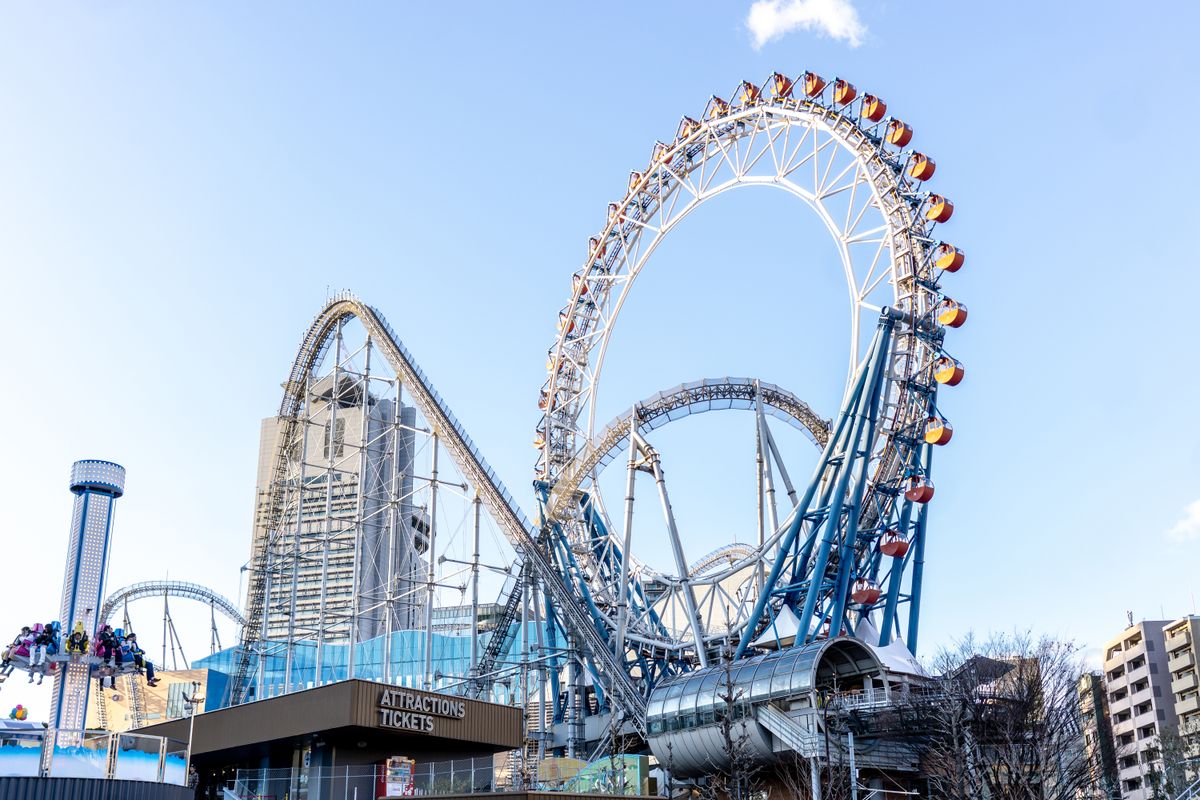
Tokyo Disneyland highlights: Space Mountain (classic indoor rollercoaster), Haunted Mansion (ghost-filled mansion ride, an October favourite), Big Thunder Mountain (outdoor mine train coaster), Splash Mountain (flume ride), “it’s a small world” (gentle boat ride beloved by young children), Star Wars: Hyperspace Mountain, and the iconic Cinderella Castle. The park also has a parade route — Disney’s classic colourful parades that have been thrilling visitors since 1983.
Tokyo DisneySea highlights: Tower of Terror (free-fall elevator inside a crumbling hotel — one of the world’s great theme park experiences), Indiana Jones Adventure (jeep ride through an ancient temple), Journey to the Center of the Earth (high-speed underground journey through volcanic caverns — DisneySea’s signature ride), Soaring: Fantastic Flight (IMAX hang-glider simulation over world landmarks), 20,000 Leagues Under the Sea (classic submarine voyage), and the new Fantasy Springs area with Rapunzel’s Forest, Frozen Kingdom, and Peter Pan’s Never Land.
Verdict on rides: DisneySea wins for adults and thrill seekers. The Tower of Terror and Journey to the Center of the Earth in particular are world-class experiences that cannot be found anywhere else. Disneyland wins for young children and families with kids under 8.
Atmosphere and Design
Disneyland’s design is beautiful and classic — Cinderella Castle is genuinely magical, and the park has the warm, nostalgic Disney feeling that millions of people grew up with. However, the themed lands are relatively familiar to anyone who has visited a Disney park elsewhere in the world.
DisneySea’s design is extraordinary — it is arguably the most elaborately designed theme park in the world. The Mediterranean Harbor, with its detailed Venetian-style buildings, gondolas, and working waterways, feels like a real place rather than a stage set. The Mysterious Island area (inside a volcanic crater) is stunning. The attention to architectural detail throughout the park is astonishing. Even visitors who are not theme park enthusiasts often find themselves impressed by the sheer quality of the design.
Verdict on atmosphere: DisneySea, without question, for adult visitors. It is a genuinely extraordinary work of design and immersive storytelling.
Food
Both parks have exceptional food by theme park standards — Japan’s food culture permeates even the Disney parks. However, DisneySea has a slight edge with its more sophisticated dining options. The Magellan’s restaurant inside the Fortress Explorations area of Mediterranean Harbor serves excellent full-service dining with wine (reservation required, but spectacular). The Vulcania restaurant inside Mysterious Island does a genuine hot stone-cooked meal.
At Disneyland, the various themed restaurants and food courts are excellent. The Annette’s Diner in the American Waterfront area (DisneySea) is outstanding for burgers and milkshakes. Both parks serve Japan-exclusive Disney food items: Turkey Legs, black sesame buns, themed character foods, and seasonal limited items that queue for 45–60 minutes at peak times.
Crowds and Wait Times
Both parks are extremely popular. Tokyo Disneyland and DisneySea are consistently among the most visited theme parks globally, with annual attendance of 12–15 million each in normal years. Wait times for popular attractions regularly reach 90–120 minutes during busy periods. This is unavoidable, but can be managed with good strategy.
DisneySea tends to have slightly shorter average wait times than Disneyland, partly because it attracts more adult visitors who are more willing to use Disney Premier Access (paid skip-the-line) passes. Disneyland’s most popular rides (Space Mountain, Big Thunder Mountain) consistently have the longest waits.
Disney Premier Access (Paid Priority Boarding)
Tokyo Disney Resort uses a paid priority boarding system called Disney Premier Access, which allows you to reserve a specific time slot for key attractions without waiting in the standby queue. Premier Access costs ¥1,500–¥2,500 per person per attraction and is purchased via the Tokyo Disney Resort app.
For DisneySea, the most worth purchasing are: Tower of Terror, Journey to the Center of the Earth, and (during peak periods) Soaring. For Disneyland: Space Mountain and Haunted Mansion. If you are visiting during school holidays or weekends, budgeting ¥3,000–¥5,000 per person for two Premier Access passes significantly improves the day.
Best Time to Visit Tokyo Disney Parks
Least crowded: Weekdays in January–February (after New Year’s holidays), weekdays in late June (rainy season — rain keeps crowds away), and late September weekdays. If you visit on a rainy weekday in June, you may find wait times of 20–30 minutes for rides that normally queue for 90.
Most crowded: Japanese school holidays — Golden Week (late April to early May), Obon week (mid-August), Christmas and New Year’s (December 23 to January 3), and spring break (late March to early April). During these periods, the park can reach capacity and stop accepting new visitors by 10:00–11:00.
Seasonal events: Halloween (September–October) and Christmas (November–December) are the two most popular seasonal events, with special decorations, costumes, and limited parade content. These are worth experiencing if you visit during those months, but expect maximum crowds.
Getting to Tokyo Disney Resort
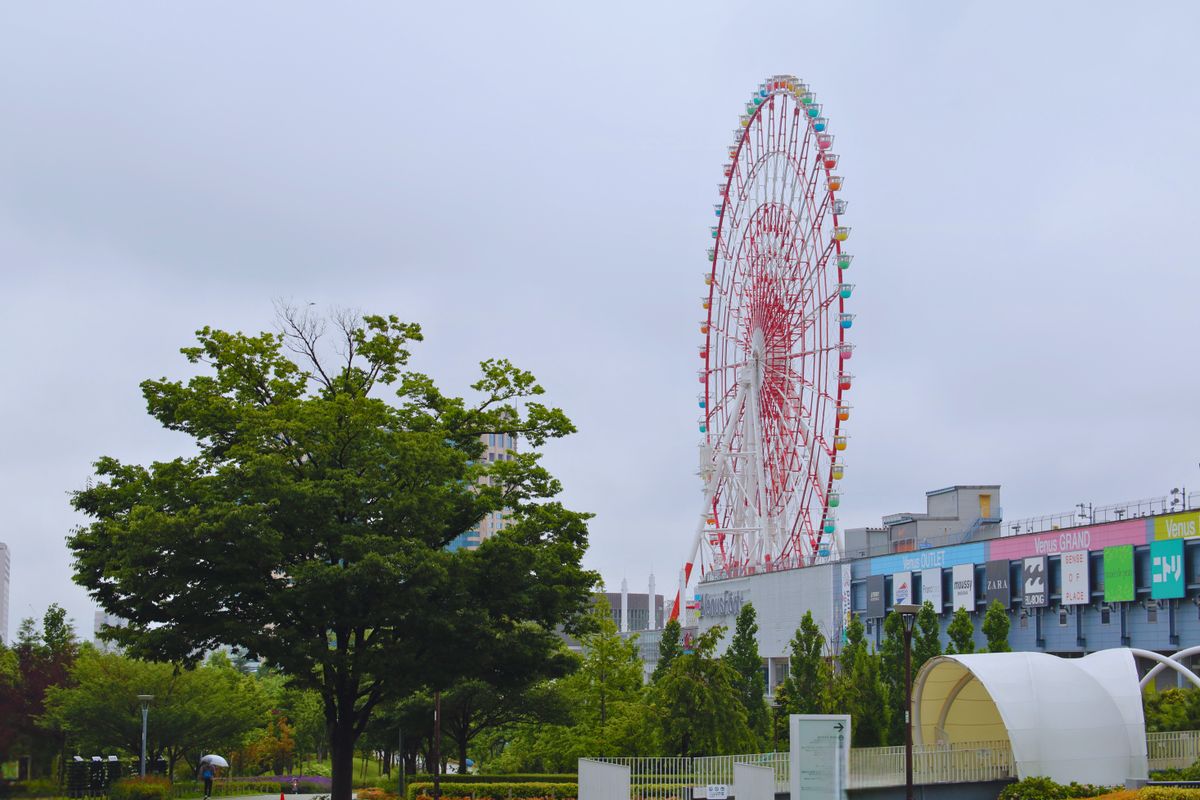
Tokyo Disney Resort is located in Urayasu, Chiba — not technically inside Tokyo but very easily accessible from central Tokyo. From central Tokyo, take the JR Keiyo Line from Tokyo Station to Maihama Station (approximately 15 minutes, ¥222). The resort entrance and park bus hub are directly connected to Maihama Station. The Disney Resort Line monorail (¥260 per ride or ¥700 day pass) connects Maihama Station to both parks and the resort hotels.
From Shinjuku or other western Tokyo stations, the Disney Resort Liner bus (approximately 40 minutes) is convenient and scenic. Note that the standard Japan Rail Pass covers the JR Keiyo Line to Maihama but not the Disney Resort Line monorail.
Ticket Prices and How to Book
As of 2025–2026, day passport tickets are priced on a tiered system based on date and expected demand:
Weekday Tier 1 (low demand): ¥7,900 adult, ¥5,300 junior (ages 12–17), ¥4,700 child (ages 4–11)
Weekday Tier 3 (standard): ¥8,900 adult, ¥5,900 junior, ¥5,300 child
Weekend/Holiday Tier 5: ¥10,900 adult, ¥7,400 junior, ¥6,400 child
Tickets must be purchased online in advance via the Tokyo Disney Resort website or app. Walk-up ticket sales are not available — you must book before arrival. International visitors can purchase through travel agents or via the official website with an overseas credit card.
Should You Visit Both Parks?
If you have two days, absolutely yes — the parks are so different that experiencing both is genuinely worthwhile. If you only have one day, the decision depends on your group: adults → DisneySea; families with young children → Disneyland; first-time Disney visitors → Disneyland for the classic experience. Most experienced Disney visitors who have been to multiple Disney parks worldwide rate DisneySea as the best park they have ever visited.
Practical Tips for Tokyo Disney Parks
Download the Tokyo Disney Resort app before you go. The app is essential for purchasing Disney Premier Access, checking real-time wait times, and making restaurant reservations. Connect your ticket in advance. The app is available in English.
Arrive at park opening: Both parks open at 8:00–9:00 depending on the season. Being at the gate 30 minutes before opening gives you first access to the most popular rides before queues build.
Bring rain gear: Tokyo weather is unpredictable. A light packable raincoat takes up almost no space and keeps you dry if the weather turns. Many rides operate regardless of rain.
Japan-only Disney merchandise: Tokyo Disney Resort sells Japan-exclusive merchandise — Duffy and Friends (bears and companion characters unique to Tokyo DisneySea), limited-edition Popcorn buckets, and seasonal character goods. If you want Disney merchandise, buy it here — it will not be available anywhere else.
Duffy and Friends: A Disney character created specifically for Tokyo DisneySea. The bear Duffy and his friends (Gelatoni the cat, Stella Lou the bunny, etc.) have enormous fan followings in Japan. The DisneySea area dedicated to these characters (Waterfront Park area) is exceptionally popular and usually crowded.
Frequently Asked Questions
Q: Which park is better for adults without children?
A: DisneySea is the clear choice. Its theming is more sophisticated, its headline attractions (Tower of Terror, Journey to the Center of the Earth, Soaring) are more impressive for adult sensibilities, and the overall atmosphere — particularly the Mysterious Island and Mediterranean Harbor areas — is extraordinary. Many non-Disney fans who visit DisneySea are genuinely astonished by the quality of the experience.
Q: How many days do you need for each park?
A: One full day per park is the standard recommendation. One very long, well-organised day (arriving at opening, using Premier Access efficiently) can cover most of the major attractions at either park. Two days per park is ideal if you want a relaxed experience and time to revisit favourite attractions.
Q: Can you visit both parks on the same day?
A: No — tickets are park-specific and park-hopping between the two parks on the same day is not offered by Tokyo Disney Resort (unlike some other Disney properties worldwide).
Q: Is Fantasy Springs worth the extra ticket cost?
A: Fantasy Springs (the new eighth area at DisneySea) has a separate ticketing element. Some of the most popular attractions within it require a Disney Premier Access purchase. The area is extraordinary — the Frozen, Rapunzel, and Peter Pan areas are among the most elaborately themed spaces in any Disney park worldwide. If you are visiting DisneySea, allocating ¥2,000–¥3,000 for Fantasy Springs Premier Access is highly recommended.
Q: Is the Japan Rail Pass useful for getting to Tokyo Disney?
A: The JR Pass covers the JR Keiyo Line to Maihama Station, which is the main access point for both parks. If you already have a JR Pass, you do not need to buy a separate ticket for this journey. The Disney Resort Line monorail (connecting parks and hotels within the resort) is not covered.
Final Thoughts
The debate between Tokyo Disneyland and Tokyo DisneySea is ultimately one of the most enjoyable debates in travel. Both parks are world-class — the question is which world you want to inhabit for the day. For a first-timer, the familiar magic of Disneyland is compelling. For the discerning adult visitor, DisneySea is one of the most remarkable creative achievements in the history of theme parks. If your schedule allows, do both.
Related guides
- Narita & Haneda Airport to Tokyo: The Complete Access Guide
- Best eSIM for Japan (2026): Honest Comparison for Travelers
- Suica vs Pasmo: The Complete Guide to Japan’s IC Cards (2026)
Going to Japan? Talk to locals with confidence.
Hirameki Japanese — instant offline translation, camera translation, furigana + romaji, and 314 free flashcards. No login. Works without internet.

Plan your Japan trip
Two things every first-timer should book
Some links are affiliate links. If you book through them we may earn a small commission at no extra cost to you.