In this guide
- How Tokyo’s layout actually works
- Best areas, honestly compared
- Which area for which budget
- When to book & common mistakes
- FAQ
How Tokyo’s layout actually works
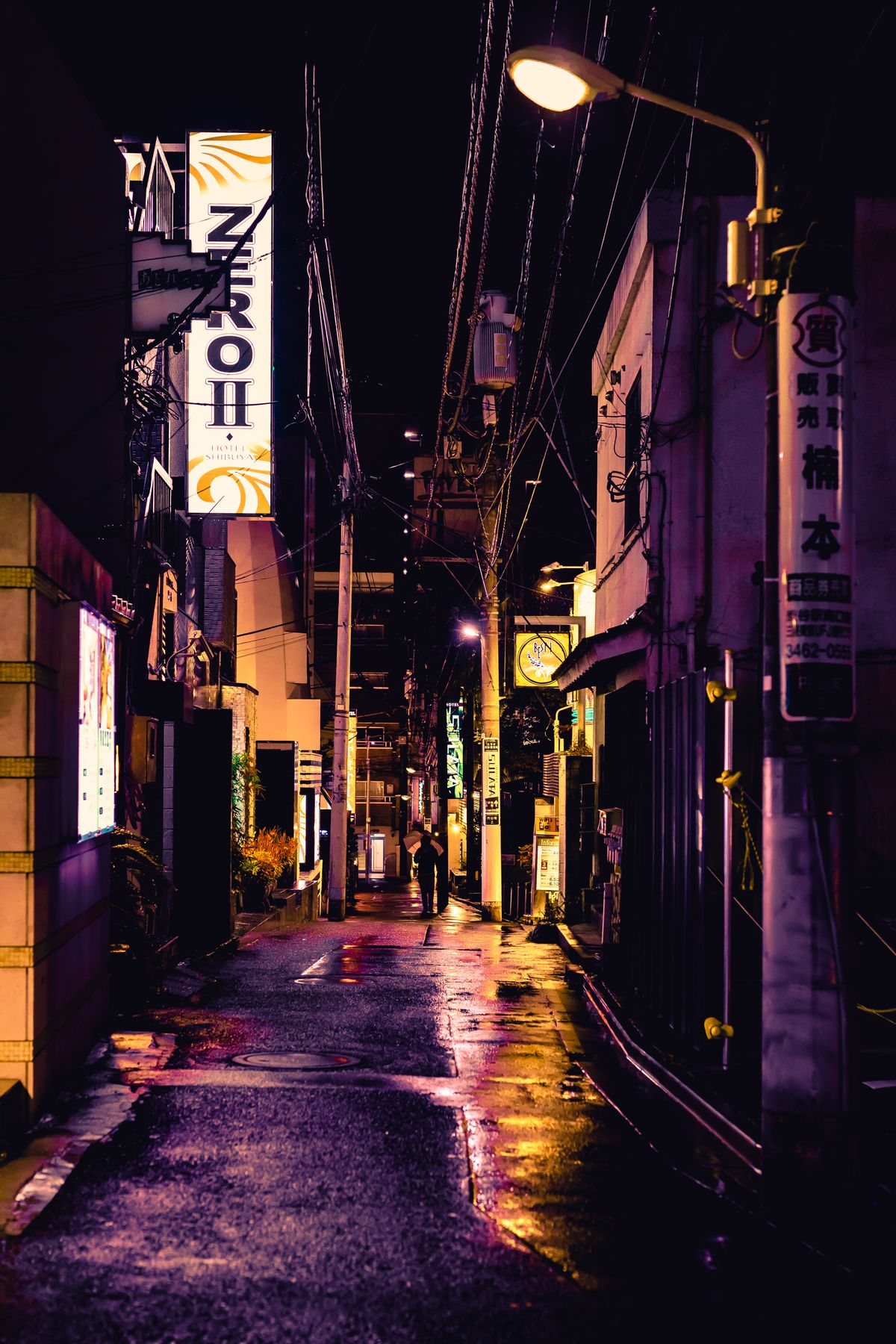
Tokyo doesn’t have one center — it has several, strung along the JR Yamanote loop line. That’s good news: you don’t need the “perfect” location, you need a hotel near a Yamanote line station. From there, everything in this city is 10–30 minutes away. Landing at Narita or Haneda? See our airport access guide to pick an area that’s easy to reach with luggage.
Best areas, honestly compared
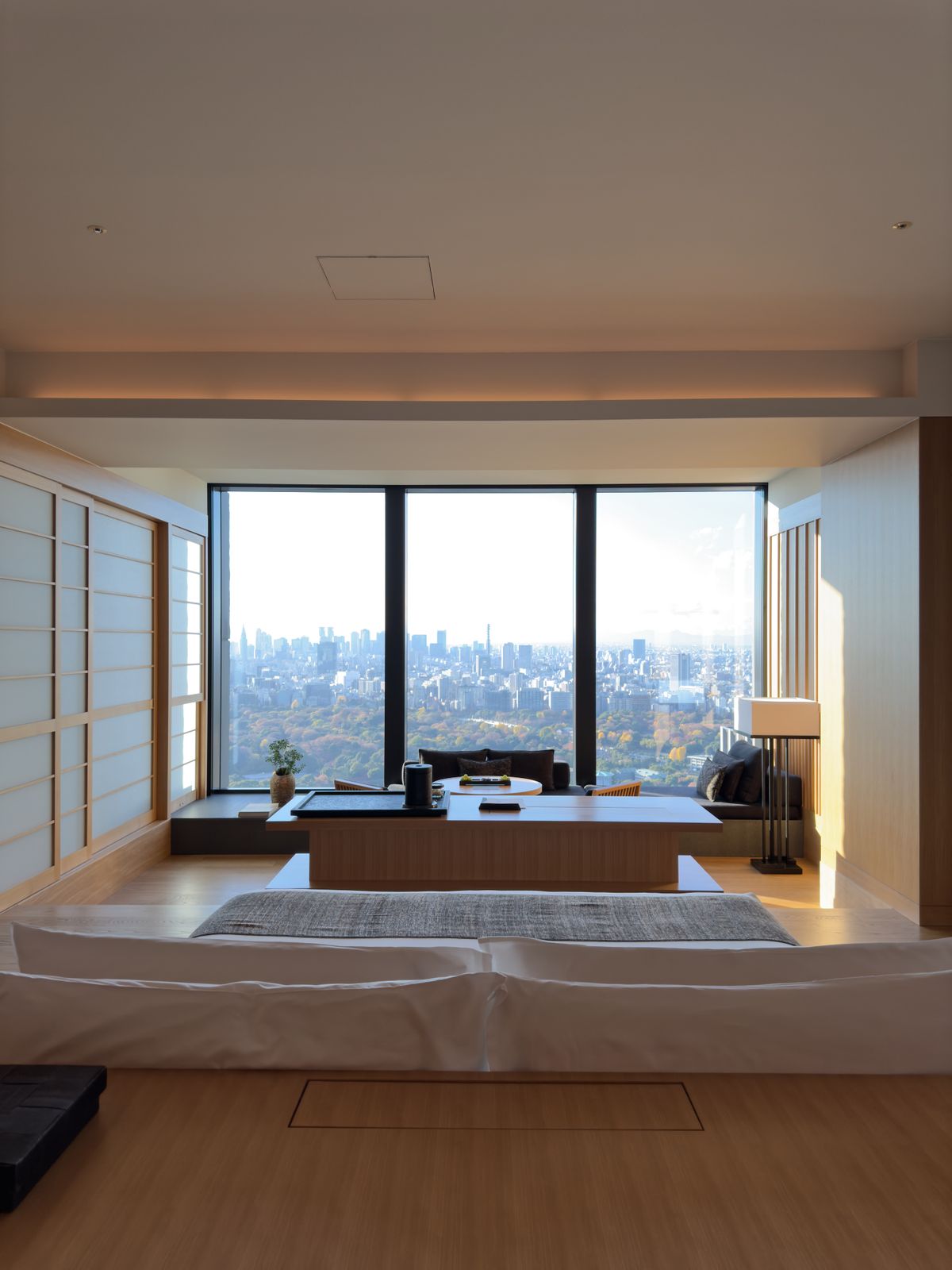
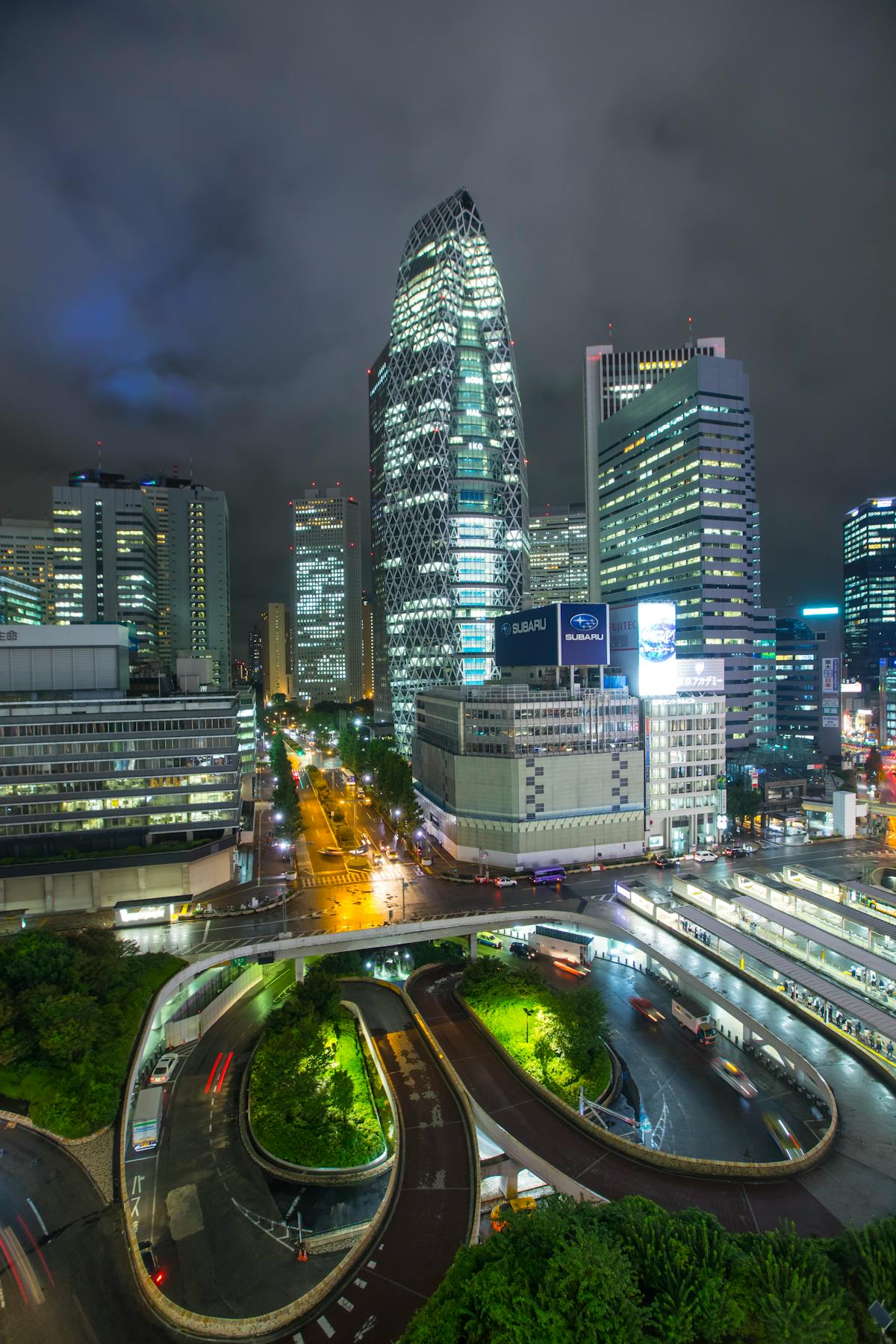
- Shinjuku — the safest all-round pick. Huge station (airport buses and trains stop here), endless food, Golden Gai and Omoide Yokocho at night, Gyoen park in the morning. Downside: the station is a maze — give yourself time on day one.
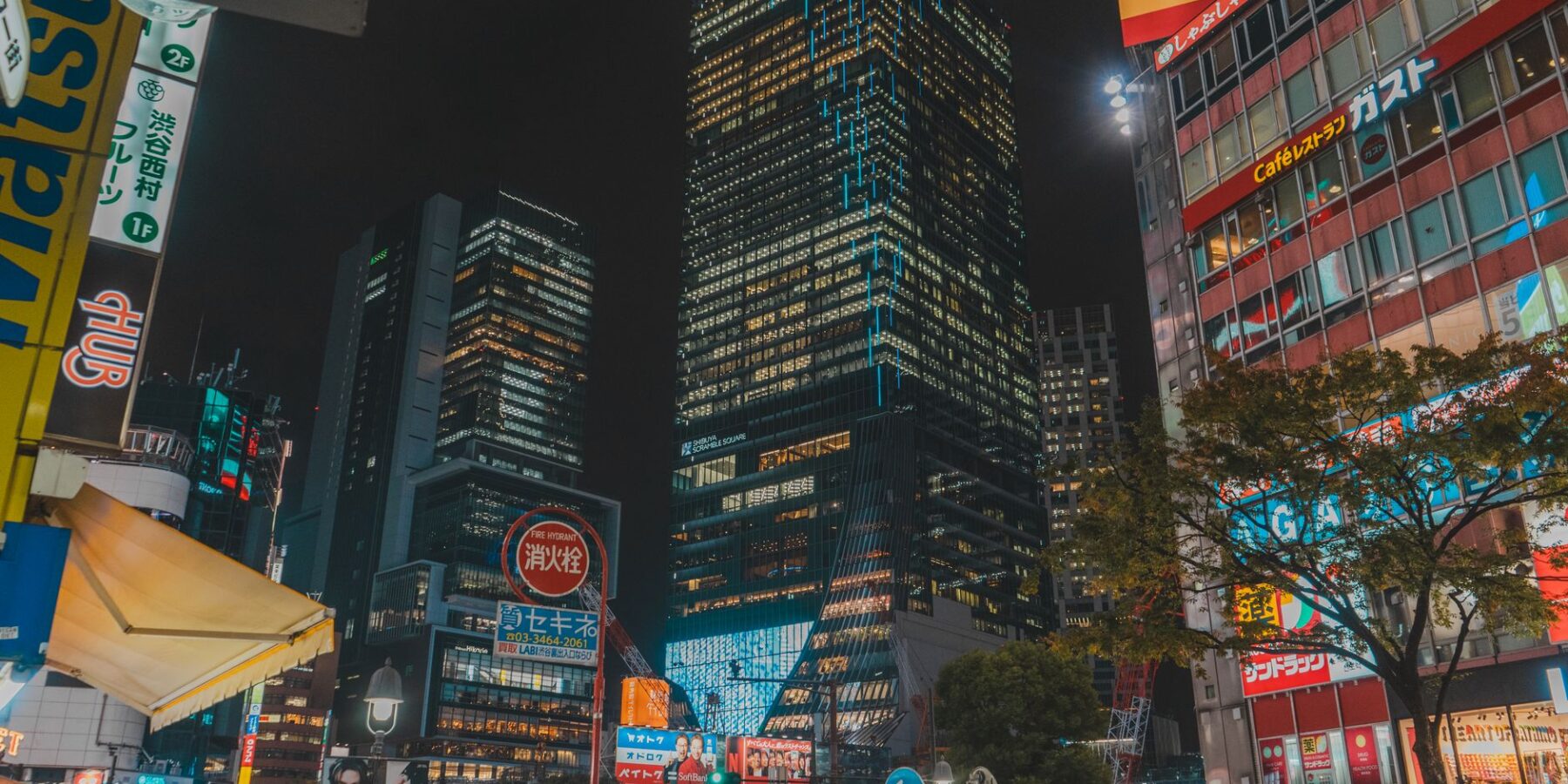
- Shibuya — scramble crossing, youth fashion, nightlife. Similar convenience to Shinjuku with a younger pulse. Hotels skew newer and pricier.
- Tokyo Station / Marunouchi — polished, quiet at night, and the spot if you’ll ride the shinkansen to Kyoto: you roll out of bed onto the platform. Business-hotel value can be excellent on weekends.
- Asakusa — old Tokyo: Senso-ji, riverside walks, ryokan-style stays at hotel prices. Quieter at night and a little removed from the west side, but the value is the best in central Tokyo.
- Ueno — parks, museums, zoo, and direct Skyliner access from Narita. Great family and value base; see our family travel guide.
- Ginza — upscale shopping and dining, walkable to Tokyo Station. Pick it for a treat stay, not for value.
- Shinagawa — not exciting, but on both the shinkansen and the Haneda line. A practical first or last night if you have an early flight.
Which area for which budget
| Budget per night (double) | Best areas | What you get |
|---|---|---|
| Under ¥12,000 | Asakusa, Ueno | Clean business hotels, hostels with private rooms |
| ¥12,000–25,000 | Shinjuku, Shibuya, Shinagawa | Solid 3–4* chains (Tokyu Stay, Mitsui Garden, JR East hotels) |
| ¥25,000+ | Marunouchi, Ginza | Full-service and luxury, big-view rooms |
Prices move with demand, so compare the same dates across two areas on Agoda before you decide. Traveling on a tighter budget overall? Our Japan budget guide and capsule hotel guide cover the cheaper end.
When to book & common mistakes
Book 1–2 months ahead for normal dates, 3+ months for cherry blossom (late March–early April), autumn foliage (November) and New Year. Three mistakes we see constantly: booking far from a Yamanote station to save ¥2,000 (you’ll spend it in time and metro fares), changing hotels mid-stay within Tokyo (pointless — the train is faster than checkout), and leaving day one unplanned after a long flight — land, get your Suica and eSIM sorted, and keep the evening easy. Planning the whole trip? Start from our 7-day itinerary.
Frequently asked questions
What is the best area to stay in Tokyo for first-timers? Shinjuku for convenience and atmosphere; Tokyo Station/Marunouchi if you’re doing shinkansen day trips.
Is Shinjuku or Shibuya better? They’re similar in convenience. Shinjuku is bigger with more variety; Shibuya feels younger. You can’t really go wrong.
Where should I stay in Tokyo on a budget? Asakusa and Ueno offer the best value while staying central and well-connected.
Should I stay near Narita or Haneda airport? Only for a very early flight. Otherwise stay central — both airports are 30–90 minutes from town.
Going to Japan? Talk to locals with confidence.
Hirameki Japanese — instant offline translation, camera translation, furigana + romaji, and 314 free flashcards. No login. Works without internet.

Plan your Japan trip
Two things every first-timer should book
Some links are affiliate links. If you book through them we may earn a small commission at no extra cost to you.