Why Japan is the World’s Best Ski Destination
Japan has quietly become one of the most sought-after ski destinations on earth, and for good reason. The country receives some of the highest snowfall totals in the world — a phenomenon locals call Japow — with certain resorts in Hokkaido and the Japanese Alps recording 10 to 15 metres of snow per season. That’s roughly double what you’d expect in the Alps or most North American resorts. Add in world-class onsen (hot springs) at the base of almost every mountain, affordable lift passes, incredible food, and a culture of genuine hospitality, and it is easy to understand why international ski visitors have been flocking to Japan in record numbers.
For first-time visitors, navigating Japan’s ski scene can feel overwhelming. Do you go to Hokkaido or the Japanese Alps? Should you book a ski-in ski-out chalet or a traditional ryokan? Is it easy to rent gear? This guide covers everything you need to know to plan the perfect ski trip to Japan in 2025–2026.
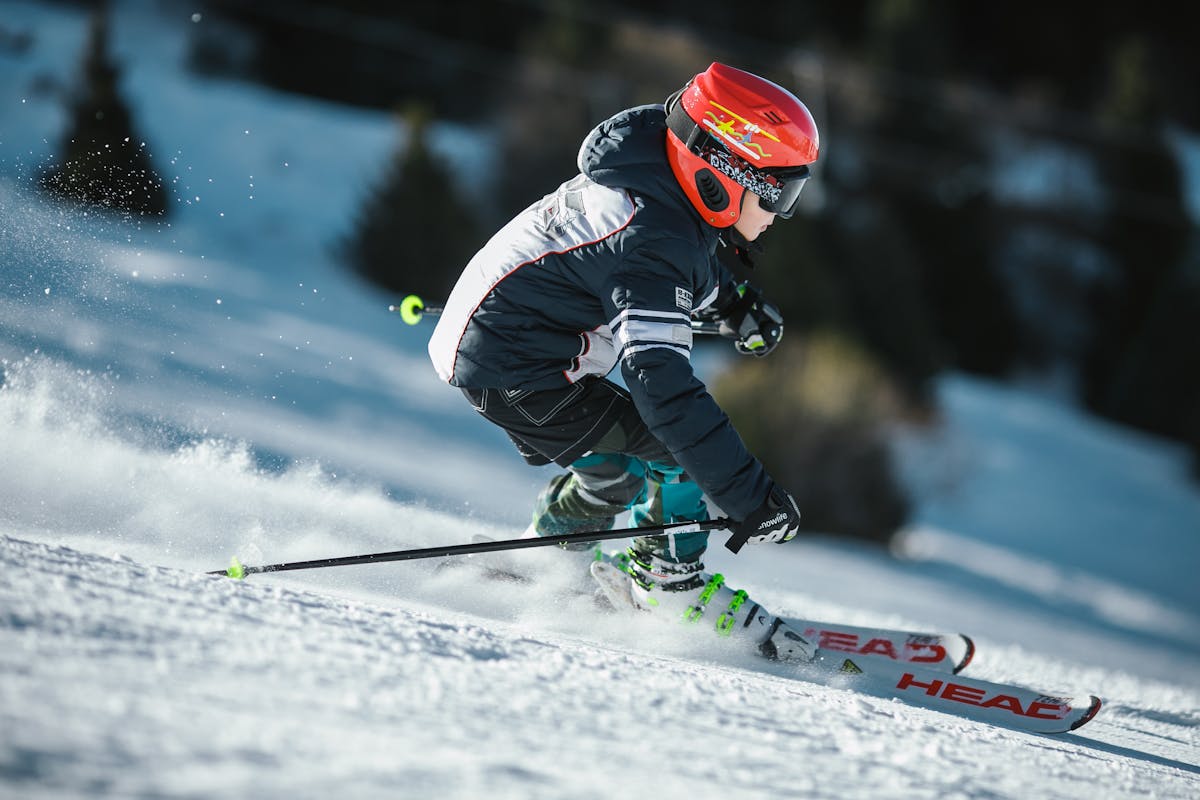
Top 5 Ski Resorts in Japan
1. Niseko, Hokkaido — Japan’s Most Famous Resort
Niseko is unquestionably Japan’s most internationally recognised ski destination. Located on the island of Hokkaido in northern Japan, it sits at the base of Mount Annupuri and receives an extraordinary amount of snowfall — often more than 15 metres per season, making it one of the snowiest places on earth. The resort is actually a collection of four interconnected ski areas: Niseko Grand Hirafu, Niseko Village, Annupuri, and Hanazono, together known as Niseko United. A single All Mountain pass (around ¥7,500 to ¥9,000 per day depending on the season) gives you access to all four areas.
Niseko has developed a very international atmosphere over the past two decades, largely driven by Australian tourists who first discovered it in the early 2000s. English is widely spoken at ski schools, rental shops, and restaurants. The après-ski scene is lively, and the range of accommodation — from budget hostels to five-star hotels and luxury private chalets — is impressive. One highlight of skiing in Niseko is the off-piste access: guided cat-ski tours take you into untracked powder forests that feel completely wild.
Getting to Niseko: Fly into Chitose Airport (New Chitose Airport, CTS) from Tokyo (Haneda or Narita, ~1.5 hours), then take the Resort Liner Express bus (approximately ¥3,500, 2.5 hours) or a train to Niseko Station.
Best for: First-time Japan skiers, powder hounds, families, groups who want full facilities and English-speaking services.
2. Hakuba Valley, Nagano — The Alps of Japan
Hakuba is to the Japanese Alps what Chamonix is to the French Alps — a sprawling, dramatic mountain valley packed with world-class ski terrain. Located in Nagano Prefecture (the same prefecture that hosted the 1998 Winter Olympics), Hakuba Valley comprises 10 interconnected ski resorts stretching over a 20-kilometre valley. The most popular are Happo-one, Iwatake, and Goryu/47. A Hakuba Valley All-Area pass costs around ¥7,000 per day and unlocks more than 200 runs across the valley.
Hakuba tends to receive slightly less snowfall than Niseko but more varied terrain, including some genuinely challenging steep and technical runs. Happo-one’s Super Combined course was used for the 1998 Olympics downhill events and remains one of Japan’s most exciting descents. The village has a strong European ski town feel, with Swiss-style chalets, fondue restaurants, and wine bars mixed in among traditional Japanese izakayas and ramen shops.
Getting to Hakuba: Take the Shinkansen from Tokyo to Nagano Station (about 1.5 hours, ¥7,300 one way), then connect by bus to Hakuba (about 1 hour, ¥1,700). The whole journey takes about 2.5 to 3 hours from central Tokyo.
Best for: Intermediate and advanced skiers, those who want a mix of Japanese and European ski culture, travellers combining skiing with Tokyo or Kyoto.
3. Furano, Hokkaido — Untouched Powder and Cherry-Friendly Slopes
While Niseko gets the international headlines, Furano is where many powder connoisseurs quietly head. Located in the centre of Hokkaido, Furano Ski Resort is a single, well-designed mountain with 23 runs spread across two peaks: Kitanomine Zone and Furano Zone. The snowfall here is consistently deep and famously dry, meaning the powder floats like smoke underfoot. Lift passes cost approximately ¥6,500 per day, making it somewhat more affordable than Niseko.
Furano is best known among Japanese skiers for its superb groomed runs and its lack of crowds compared to Niseko. The town itself is charming — most famous for its lavender fields in summer, Furano transforms into a cosy ski town in winter, with excellent local restaurants serving Hokkaido dairy products, fresh seafood, and hearty miso ramen. Many visitors combine Furano with nearby Biei (a 30-minute bus ride) for a picturesque Hokkaido countryside day trip.
Getting to Furano: Fly to Chitose Airport, then take the JR Furano Line from Sapporo to Furano Station (about 2 hours). Furano ski resort is a short taxi ride or shuttle bus from the station.
Best for: Intermediate skiers wanting genuine powder without Niseko crowds, snowboarders, couples, those on a tighter budget.
4. Nozawaonsen, Nagano — The Classic Japanese Ski Village
If you want the most authentically Japanese ski experience, Nozawaonsen is hard to beat. This small village in Nagano Prefecture has been a ski resort since 1913, making it one of the oldest in Japan. What sets it apart from more commercially developed resorts is its 13 free public bathhouses (known as soto-yu), its narrow winding streets, and its atmosphere that feels entirely Japanese rather than international. Very few visitors speak English compared to Niseko, which for many travellers is precisely the appeal.
The ski area itself is excellent — 73 runs across a variety of terrain, with the longest run stretching 10 kilometres from the 1,650-metre summit down to the village. Powder conditions here are superb, and the forest areas offer great tree skiing for those who know what they’re doing. Lift passes cost around ¥5,500 per day, making Nozawaonsen one of the most affordable premium ski resorts in Japan.
Getting to Nozawaonsen: Take the Hokuriku Shinkansen from Tokyo to Iiyama Station (about 1.5 hours, ¥8,000), then a shuttle bus to the village (15 minutes). The journey is straightforward and well-signed.
Best for: Travellers wanting a genuinely traditional Japanese experience, budget-conscious skiers, those interested in Japanese onsen culture, intermediate-to-advanced skiers.
5. Myoko Kogen, Niigata — The Hidden Gem
Myoko Kogen in Niigata Prefecture is one of Japan’s best-kept secrets. The area encompasses several ski resorts, with Akakura Onsen, Ikenotaira Onsen, and Myoko Suginohara being the most popular. Snowfall in Myoko is exceptional — the resort sits on the Sea of Japan side of the mountains, where cold air masses pick up moisture and dump enormous quantities of snow on the slopes. Average annual snowfall often exceeds 10 metres.
Myoko has traditionally been a favourite of Japanese powder skiers who want to avoid the Niseko crowds, and it has been gaining international attention in recent years. The villages surrounding the resorts have a wonderfully relaxed, old-school atmosphere, with ryokan inns, small restaurants, and onsen facilities that feel completely unspoiled. Lift passes are approximately ¥5,000 per day.
Getting to Myoko: Take the Shinkansen from Tokyo to Myoko Kogen Station on the Hokuriku Shinkansen line (about 1 hour 40 minutes, ¥7,500). Most resorts offer shuttle buses from the station.
Best for: Off-piste enthusiasts, backcountry skiers, travellers wanting to discover a lesser-known resort, budget-conscious visitors.
Best Time to Visit Japan for Skiing
Japan’s ski season typically runs from late December through March, with peak powder conditions in January and February. Here is a breakdown of each month:
December (late December): The season opens at most resorts around December 20–25. Snow cover is building but can be patchy at lower elevations. Prices are high around Christmas and New Year’s (December 28 to January 3) — this is the busiest and most expensive period of the ski year in Japan. Book accommodation three to six months in advance if you plan to travel over the holidays.
January: This is widely considered the best month for powder skiing in Japan. Snowfall is at its heaviest, temperatures are at their coldest (ensuring dry powder), and the holiday crowds from New Year’s have dispersed. January is the sweet spot for powder hunters. Expect temperatures of -5°C to -15°C at mountain elevations.
February: Excellent conditions continue through February. This is the second peak month, with reliably deep powder and the added bonus of slightly longer daylight hours than January. The Sapporo Snow Festival (usually first week of February) is a bonus for those visiting Hokkaido.
March: Snow conditions can be excellent in early March, particularly in Hokkaido where spring arrives later. By mid-to-late March, some lower resorts begin to close as temperatures rise. Spring skiing (spring corn snow) is popular with some visitors who prefer a more relaxed atmosphere and lower prices.
How to Get to Japan’s Ski Resorts
Most international visitors arrive at either Tokyo (Narita or Haneda airports) or Osaka (Kansai International Airport). From Tokyo, you have excellent access to both the Japanese Alps (Nagano-based resorts) and Hokkaido (Niseko, Furano). From Osaka, the Alps resorts are more accessible.
Tokyo to Hokkaido resorts (Niseko, Furano): Fly from Tokyo Haneda or Narita to New Chitose Airport (CTS) in Sapporo (1 hour 30 minutes, typically ¥8,000–¥20,000 return). Then take resort buses or trains from Sapporo or Chitose to the resort of your choice.
Tokyo to Alps resorts (Hakuba, Nozawaonsen, Myoko): Take the Shinkansen from Tokyo Station. The JR Pass covers Shinkansen travel on most routes, though the Hokuriku Shinkansen to Nagano is not covered by the standard JR Pass (you would need a regional pass or pay separately). Journey times range from 1.5 to 2 hours.
If you plan to ski at multiple resorts, a Japan Rail Pass can be excellent value, particularly for the Tokyo-to-Alps routes. However, for Hokkaido-only trips, a separate Hokkaido rail pass or domestic flights may work out cheaper.
Equipment Rental and Ski Lessons
Equipment rental is widely available at all major Japanese ski resorts and is generally excellent quality. Most rental shops carry modern skis and snowboards from major brands including Salomon, Rossignol, and Head. Expect to pay ¥3,000–¥5,000 per day for a full ski rental set (skis, boots, poles) or ¥3,500–¥5,500 for a snowboard set.
Many shops also rent ski clothing (jacket, trousers, gloves, goggles) for an additional ¥1,500–¥2,500 per day, which is useful if you are travelling without bulky ski gear. Helmets are increasingly available and recommended — they cost around ¥500–¥1,000 extra to rent.
Ski schools operate at all major resorts, with English-speaking instructors available at international-oriented resorts like Niseko and Hakuba. Group lessons (typically 2–3 hours) cost ¥5,000–¥8,000 per person. Private lessons range from ¥15,000–¥25,000 for a half day. Japanese ski instructors are known for their patience and technical precision, making Japanese ski schools genuinely excellent for beginners.
The Onsen Experience After Skiing
One of the great joys of skiing in Japan is the onsen (hot spring bath) experience. After a long day on the mountain, soaking in a hot mineral bath is one of life’s genuine pleasures. Almost every ski resort and village in Japan has onsen facilities — from private hotel baths to large communal bathhouses. Nozawaonsen’s 13 free public bathhouses are legendary among ski travellers.
Basic onsen etiquette for first-timers: you shower completely before entering the bath, tattoos are prohibited at many facilities (check in advance), you enter without swimwear, and you do not submerge your towel in the water. Large resort hotels typically have private onsen rooms (kazoku-buro) that can be booked by families or couples — ideal if you are not comfortable with communal nudity.
Where to Stay at Japanese Ski Resorts
Ski-in ski-out chalets and lodges: The most convenient option, available at Niseko and increasingly at Hakuba. Prices range from ¥8,000–¥25,000 per person per night depending on the property. Many international-grade properties at Niseko now charge luxury rates that rival Whistler or Verbier.
Traditional ryokan with onsen: The quintessentially Japanese option. Ryokan typically include dinner and breakfast (half board), with prices ranging from ¥12,000–¥40,000 per person per night. The meals are elaborate multi-course affairs featuring local ingredients — staying in a ryokan is an experience in itself, not just accommodation.
Pensions (Western-style guesthouses): Common in Hakuba and Nozawaonsen, pensions are run by Japanese families and offer a halfway point between a Western hotel and a ryokan. Very good value, typically ¥6,000–¥12,000 per person with meals.
Budget hostels and dormitory accommodation: Available at most resorts, particularly in Niseko and Hakuba. Dorm beds start from around ¥3,500–¥5,000 per night, making Japan’s ski resorts accessible even on a tight budget.
What to Eat at Japanese Ski Resorts
The food at Japanese ski resorts is one of the unexpected highlights of the trip. Mountain restaurants serve a wide variety of Japanese comfort foods perfectly suited to cold weather:
Ramen: A bowl of thick Sapporo miso ramen or rich tonkotsu ramen at a mountain hut after a morning of powder skiing is one of the great simple pleasures of a Japan ski trip. Prices range from ¥800–¥1,500 per bowl.
Curry rice (kare raisu): The classic Japanese ski lunch. Thick, fragrant curry served over steamed rice is warming, filling, and cheap — typically ¥900–¥1,400.
Karaage (Japanese fried chicken): Crispy pieces of fried chicken seasoned with soy and ginger, often sold at mountain food stalls. About ¥400–¥700 for a portion.
Hokkaido dairy products: If you are skiing in Hokkaido, do not miss the local soft serve ice cream (even in winter — it is that good), the fresh butter and cheese, and the corn soup served in vending machines at Niseko.
Many village restaurants also serve izakaya-style food in the evenings — small shared plates, grilled skewers, and cold beer or hot sake.
Budget Breakdown for a Japan Ski Trip
Here is a realistic daily budget breakdown for a Japan ski trip (costs per person per day):
Budget option (~¥15,000–¥20,000/day): Hostel dorm (¥4,000) + lift pass (¥5,500) + rental gear (¥3,000) + meals (¥3,000–¥5,000). Total: approximately ¥15,000–¥17,000.
Mid-range (~¥25,000–¥40,000/day): Pension or basic hotel (¥10,000–¥15,000 with meals) + lift pass (¥7,000) + rental (¥4,000) + extras (¥2,000). Total: approximately ¥23,000–¥30,000.
Luxury (~¥60,000+/day): Ski-in ski-out chalet or luxury onsen hotel (¥25,000–¥50,000) + premium lift pass (¥8,000) + private lesson (¥15,000) + dining (¥5,000+). Total: ¥53,000 and up.
International flights to Japan from Europe typically cost ¥80,000–¥150,000 return (£400–£750). From Australia, expect ¥50,000–¥100,000 return. Domestic flights between Tokyo and Hokkaido cost approximately ¥8,000–¥20,000 return if booked in advance.
Practical Tips for Skiing in Japan
Book accommodation early: Good accommodation at Niseko and Hakuba sells out months in advance, especially for Christmas, New Year’s, and the peak January–February powder season. Aim to book at least three months ahead.
A word on insurance: ski injuries are the classic uninsured-traveler story, and a broken wrist with imaging can cost more than your flights. If your home policy does not cover snow sports abroad, check whether a traveler plan like SafetyWing fits your trip before you fly.
Bring or buy a warm base layer: Japanese resorts can be very cold, especially in Hokkaido (-15°C or colder is not unusual). Good thermal base layers make a significant difference to comfort. Base layers are sold at resort shops and at sports stores in Japanese cities.
Download Google Maps offline: Mountain villages can have patchy data signal. Download offline maps for your resort town before leaving the city.
IC Cards for city transport: If you are combining your ski trip with city sightseeing, an IC Card (Suica, ICOCA) is essential for trains, buses, and convenience stores. They can be loaded at any ATM or station. Read more in our Japan First-Timer’s Tips guide.
Stay ski-in ski-out if possible: Walking in ski boots on icy village streets in the dark is nobody’s idea of fun. If budget allows, choosing accommodation within direct ski access of the lifts makes a huge difference to your day.
Off-piste safety: Japanese mountains can be avalanche-prone, particularly in Hokkaido. Only ski off-piste with a qualified guide and always carry an avalanche transceiver (beacon) and probe.
Frequently Asked Questions
Q: Is it expensive to ski in Japan?
A: Japan is actually quite competitive with European and North American ski resorts in terms of cost. Lift passes tend to be slightly cheaper than in the Alps, and meals at mountain restaurants are significantly more affordable. The main costs are international flights and accommodation. On a budget of ¥25,000–¥35,000 per person per day (including accommodation), you can have an excellent trip.
Q: Do I need to speak Japanese to ski in Japan?
A: At international resorts like Niseko and Hakuba, English is widely spoken. At more traditional resorts like Nozawaonsen, Furano, and Myoko, English is less common, but staff at ski schools and rental shops usually have enough English to help with practical matters. Learning a few phrases (arigatou gozaimasu — thank you; sumimasen — excuse me) is always appreciated.
Q: Can beginners ski in Japan?
A: Absolutely. All major resorts have dedicated beginner areas with gentle slopes, and Japanese ski schools are excellent. Niseko in particular has superb beginner terrain with patient, professional instructors. The rental gear is modern and well-maintained.
Q: What is the best resort for families?
A: Hakuba and Niseko are both excellent for families. Hakuba has particularly good family infrastructure, with childcare facilities, kids’ ski areas, and a wide range of accommodation. Niseko is also very family-friendly, with English-speaking staff making logistics easier for international visitors.
Q: Can I combine skiing with other Japan travel?
A: Yes — and this is one of the great advantages of skiing in Japan. You can easily combine a ski week in Hakuba or Nozawaonsen with time in Tokyo (2 hours by Shinkansen), or visit Kyoto and Osaka before heading to the mountains. Niseko is a bit more remote, but Sapporo is nearby and well worth a day trip for its food scene and Sapporo Beer Museum.
Q: What is the snow like in Japan?
A: Japan is famous for its exceptionally light, dry powder snow, especially in Hokkaido. The powder floats and does not pack down like the wetter snow common in Europe. Most experienced skiers who visit Japan for the first time are astonished by the quality of the snow. Even after several days without fresh snowfall, piste conditions in Japan tend to remain excellent.
Final Thoughts
Japan offers a ski experience unlike anywhere else in the world — extraordinary powder, beautiful mountain scenery, world-class food, and the unique pleasure of combining a day on the slopes with an evening soaking in a natural onsen. Whether you choose the international atmosphere of Niseko, the dramatic terrain of Hakuba, the unspoiled charm of Nozawaonsen, or the hidden powder fields of Furano and Myoko, you are unlikely to be disappointed. Japan’s ski resorts reward repeat visits too — once you have experienced Japow, it is very hard to go back to anywhere else.
Related guides
- Hakodate Travel Guide: A First-Timer’s Guide to the Night View, Morning Market and Hokkaido’s Historic Port City
- Hokkaido Food Guide: Seafood, Soup Curry, Ramen, Crab and Dairy Delights
- Shiretoko National Park: Exploring Japan’s Last Great Wilderness in Hokkaido
Going to Japan? Talk to locals with confidence.
Hirameki Japanese — instant offline translation, camera translation, furigana + romaji, and 314 free flashcards. No login. Works without internet.

Plan your Japan trip
Two things every first-timer should book
Some links are affiliate links. If you book through them we may earn a small commission at no extra cost to you.