Capsule hotels are one of Japan’s most iconic inventions — and one of the most misunderstood by first-time visitors. The concept is simple: instead of a room, you sleep in a compact individual pod (typically 2 metres long by 1 metre wide and 1.2 metres tall), which contains a bed, reading light, power outlet, and sometimes a small television. Shared bathrooms, showers, and common areas are nearby. For budget-conscious travellers, or anyone who wants a genuinely Japanese experience, capsule hotels are excellent value and surprisingly comfortable.
This guide covers everything you need to know about capsule hotels in Japan: what to expect, which are the best, how much they cost, and the practical details that first-timers always want to know.
What is a Capsule Hotel?
The world’s first capsule hotel — the Capsule Inn Osaka, designed by architect Kisho Kurokawa — opened in 1979. The original concept was to provide affordable, efficient accommodation for businessmen who had missed the last train home. You simply checked in, stowed your belongings in a locker, had a shower (many capsule hotels also offered traditional Japanese baths), and slept in your pod before heading back to the office in the morning.
The concept has evolved significantly. Modern capsule hotels range from bare-bones budget pods costing ¥2,500 per night to dramatically designed boutique experiences with premium mattresses, ambient lighting systems, and artisan coffee in the communal lounge. The “pod hotel” concept pioneered in Japan has now spread worldwide, but nowhere does it as well as in its country of origin.
Best Capsule Hotels in Japan
Nine Hours (東京・大阪・京都)
Nine Hours is the premium name in Japanese capsule hotels and has become a design landmark. The brand takes its name from the nine-hour sleep cycle (one hour to wind down, seven hours’ sleep, one hour to wake up and prepare). The aesthetic is clinical and beautiful — white capsule pods, precise lighting, designer Aesop toiletries in the showers, and a philosophy of extreme simplification. Everything unnecessary has been removed. Everything that remains is exactly right.
Nine Hours locations are scattered across Japan, with particularly popular sites near Tokyo’s Narita Airport (extremely convenient for early flights or late arrivals), Shinjuku in Tokyo, Akasaka in Tokyo, and Kyoto Station. Prices range from ¥3,500 to ¥6,000 per night depending on location and gender-specific floor. Note: Nine Hours separates men and women on different floors; single-gender bookings only per floor.
The Millennials (Shibuya / Kyoto)
The Millennials is a step up from traditional capsule hotels — it bills itself as a “smart pod hotel” and targets younger travellers with stylish design. The pods are slightly larger than average, with motorised adjustable positions (recline, TV-watching mode, sleeping mode), USB charging, and WiFi. The lounge areas are social and well-designed, with events and bar service in the evenings. Prices are ¥5,000–¥8,000 per night, making it mid-range but well worth the premium for the experience.
Book and Bed Tokyo (Shinjuku / Ikebukuro / Asakusa)
Book and Bed is one of Japan’s most creative accommodation concepts: a cross between a capsule hotel and a library. You sleep in pods embedded within floor-to-ceiling bookshelves, surrounded by thousands of real books. The pods are styled as reading nooks, with a small light and a curated selection of books in both Japanese and English. It is genuinely charming and extraordinarily photogenic. Prices start from ¥3,800 per night.
First Cabin (Multiple Locations)
First Cabin occupies a middle ground between budget capsules and business hotels, with pods styled as airline first-class cabins — significantly larger than standard capsules at approximately 2 × 2.4 metres. The doors close fully (unlike many standard capsule curtains), providing more privacy and noise isolation. Excellent value for single travellers who want comfort without paying business hotel prices. Prices range from ¥5,000 to ¥8,000 per night. Locations include Shibuya, Akihabara, Higashi-Shinjuku, and Osaka.
Capsule Hotel Anshin Oyado (Shinjuku / Shibuya)
A reliable mid-range option in central Tokyo, popular with businessmen and budget travellers alike. The pods are well-maintained, the lounge areas are clean and functional, and the in-house onsen is a genuine highlight. Prices typically ¥3,500–¥5,000 per night depending on day of week.
What to Expect Inside a Capsule Hotel
Check-in process: Most modern capsule hotels have automated check-in kiosks where you scan your booking QR code, pay any remaining balance, and receive a locker key or key card. The process is fast and contactless. You remove your shoes at the entrance and wear slippers provided by the hotel throughout the facility.
Lockers: All capsule hotels provide luggage lockers of varying sizes. Standard lockers hold a carry-on bag; large lockers (often available at extra cost, typically ¥500–¥1,000) accommodate full-size suitcases. Valuables should be kept in the smaller personal locker assigned to your pod.
The pod itself: Standard pods contain a mattress (quality varies from basic to very good at premium hotels), a pillow and duvet or blanket, a reading light, at least one power outlet and USB port, and usually a mirror and small storage shelf. Most pods have a curtain or sliding blind for privacy rather than a door, though premium options have full closing doors. WiFi is standard throughout.
Bathrooms and showers: Shared bathroom facilities are the norm. Premium capsule hotels have individually timed shower booths (you book a slot), while budget options have open-access shower rooms. Many capsule hotels, particularly in Tokyo and Osaka, have traditional Japanese bath facilities (sentofu or private shower booths) included in the price. Towels are provided or can be rented for ¥100–¥300.
Common areas: Most capsule hotels have a lounge or social space with seating, vending machines, and sometimes a small café or bar. Coin-operated laundry is standard at almost all capsule hotels — very useful for longer stays or active travellers who need to wash gear.
Are Capsule Hotels Good for Women?
Many capsule hotels in Japan are male-only, a legacy of the original businessmen’s accommodation concept. However, the industry has changed significantly. Many modern capsule hotels are mixed-gender or have dedicated women-only floors with enhanced privacy and separate bathroom facilities. Nine Hours, The Millennials, Book and Bed, and First Cabin all welcome female guests on dedicated women’s floors.
Women-only floors typically have better-quality amenities — improved shower facilities, higher-quality bath products, and a greater emphasis on privacy. Some capsule hotels aimed specifically at female travellers (such as CABAÑA in Tokyo) have particularly thoughtful design with beauty counters, better lighting, and additional storage space.
Capsule Hotel Rules and Etiquette
No outdoor shoes past the entrance: Remove shoes at the entrance and switch to hotel slippers. This is Japan-wide etiquette but particularly strict at capsule hotels.
Quiet hours: Most capsule hotels enforce quiet hours from 22:00–07:00 or similar. This means no phone calls or video watching without headphones inside the pod area. Most people use headphones as a matter of course.
No guests: Capsule hotels are single-occupancy only. Bringing a visitor into the pod area is not permitted.
No alcohol inside pods: Drinks (including alcohol from the vending machines) must stay in common areas. Eating inside pods is also typically prohibited.
Bag rules: Many hotels limit what you can take to your pod — usually just a small personal bag for overnight essentials. Larger luggage stays in your locker. Follow the hotel’s specific rules.
How Much Do Capsule Hotels Cost in Japan?
Capsule hotels are categorically one of Japan’s best accommodation values. Here is the current price range:
Budget (~¥2,500–¥3,500/night): Basic pods in older-style capsule hotels, typically near major stations in Tokyo, Osaka, or Kyoto. Clean and functional, but minimal amenities.
Mid-range (~¥3,500–¥6,000/night): Modern design, good shower facilities, some with in-house baths. Nine Hours Narita Airport falls in this range. Excellent value.
Premium (~¥6,000–¥10,000/night): Boutique pod hotels like The Millennials, BnA_WALL, or First Cabin’s premium options. Better mattresses, enhanced amenities, social programming.
Compare these prices against Tokyo business hotel rates (typically ¥10,000–¥20,000 per night for a standard room) and capsule hotels represent extraordinary value for solo travellers.
Where to Find the Best Capsule Hotels
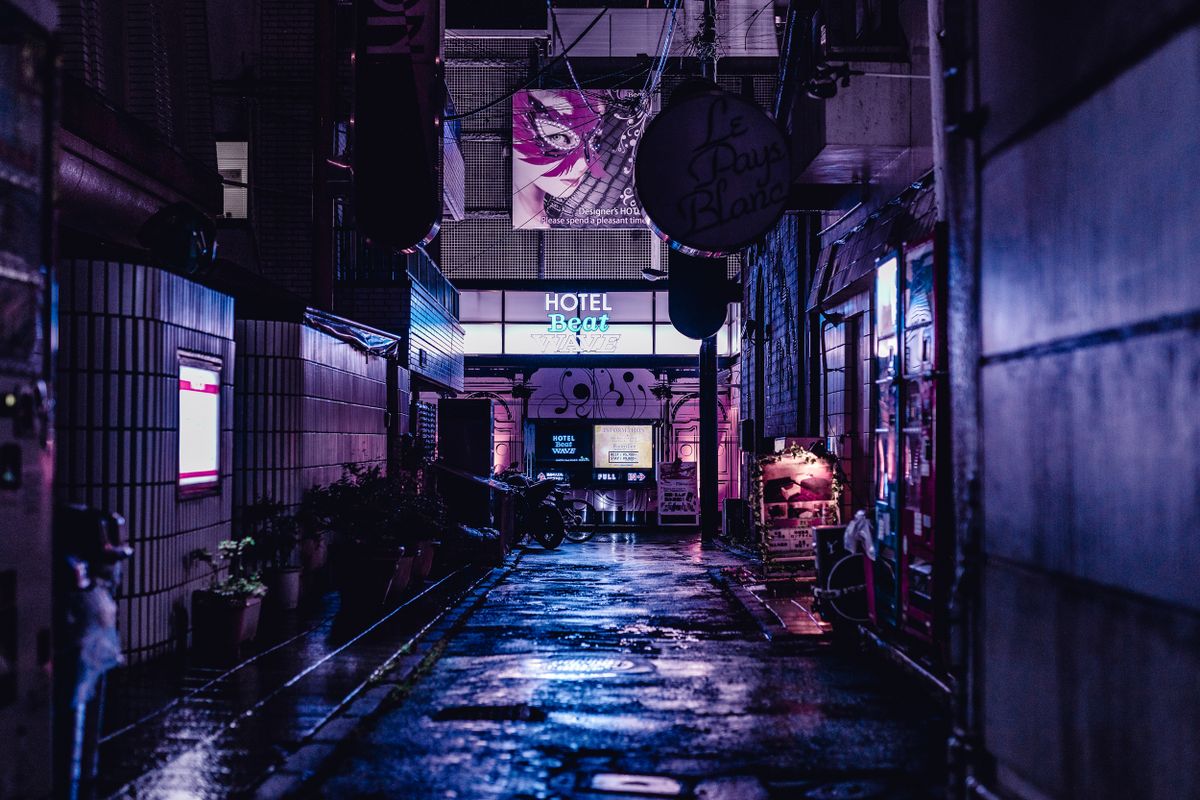
The highest concentration of capsule hotels is in:
Tokyo: Shinjuku and Shibuya have the highest density of quality capsule hotels. Akihabara, Asakusa, and Ueno also have options at a range of prices. Nine Hours at Narita Airport is excellent for pre- or post-flight stays.
Osaka: The Shinsaibashi and Namba districts have numerous options. Osaka capsule hotels tend to be slightly cheaper than Tokyo equivalents.
Kyoto: Smaller selection than Tokyo or Osaka, but good options near Kyoto Station. Nine Hours Kyoto Station is particularly convenient.
Booking platforms: Hostelworld, Booking.com, and Japanese platform Jalan all list capsule hotels. Direct booking via the hotel’s website is sometimes cheaper and avoids booking fees.
Practical Tips for First-Time Capsule Hotel Guests
Bring earplugs: Even in quiet hours, shared sleeping environments generate noise — other guests moving, curtains opening and closing. A good set of earplugs is essential for light sleepers.
Pack a small bag for your pod: Put everything you need for the night (toiletries, phone charger, change of clothes) in a small backpack or tote bag before checking in. Retrieving things from a locker in your pyjamas at midnight is not ideal.
Arrive at a reasonable hour: Some capsule hotels have a fixed check-in window (e.g., 16:00–23:00) and will not hold your booking if you arrive later. Check policies when booking.
Confirm smoking policy: Japan still has smoking-designated areas in many hotels. Check whether the capsule hotel you book is fully non-smoking or has designated floors.
Frequently Asked Questions
Q: Are capsule hotels clean?
A: Modern capsule hotels are immaculately clean — Japan’s hospitality culture demands it. Bedding is changed between guests, pods are wiped down, and bathrooms are cleaned multiple times per day. Basic older capsule hotels vary in quality; read recent reviews before booking.
Q: Can couples stay in capsule hotels?
A: Standard capsule hotels are single-occupancy only — couples would book separate pods (which may be on different floors if the hotel has gender-separated areas). Some newer pod-style boutique hotels have double pods or shared rooms available, but these are exceptions rather than the rule.
Q: Are capsule hotels safe?
A: Yes. Capsule hotels in Japan have secure locker systems, and theft is extremely rare. The culture of trust that pervades Japan in general applies fully here. Keep valuables in your assigned personal locker as a matter of basic sense.
Q: Can I stay multiple nights at a capsule hotel?
A: Yes — many travellers stay for 3–7 nights, particularly at better-equipped hotels with laundry facilities. Long-stay discounts are sometimes available.
Q: What if I’m claustrophobic?
A: Traditional capsule pods are genuinely small and may not suit claustrophobic travellers. Consider First Cabin’s larger “first-class cabin” pods, or book through a platform that provides interior photographs to assess pod dimensions before deciding.
Final Thoughts
Capsule hotels represent Japan at its most creatively Japanese: a practical problem (affordable urban accommodation) solved with extraordinary design ingenuity. Whether you stay in a basic pod for ¥2,800 or splurge on The Millennials for ¥7,000, you will come away with a story worth telling and an appreciation for a hospitality culture that treats efficiency and elegance as the same thing. At least one night in a capsule hotel should be on every Japan itinerary.
Related guides
- Best Ryokan in Japan: How to Book, What to Expect, and Top Destinations
- Best Hotels in Tokyo 2026: From Budget Capsules to 5-Star Luxury
- Narita & Haneda Airport to Tokyo: The Complete Access Guide
Going to Japan? Talk to locals with confidence.
Hirameki Japanese — instant offline translation, camera translation, furigana + romaji, and 314 free flashcards. No login. Works without internet.

Plan your Japan trip
Two things every first-timer should book
Some links are affiliate links. If you book through them we may earn a small commission at no extra cost to you.