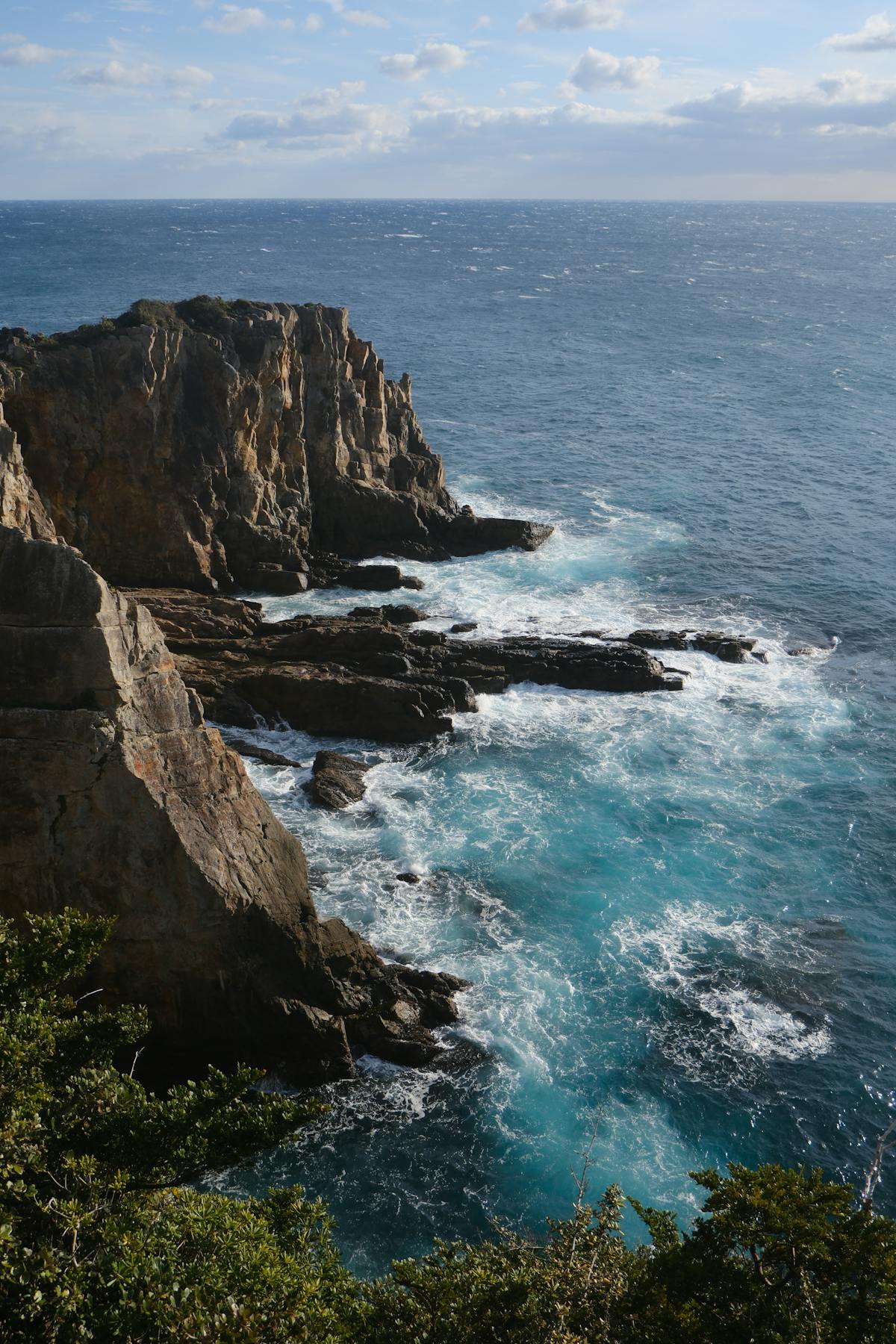
At the southernmost tip of Shikoku, where the Pacific Ocean meets rugged cliffs and subtropical jungle, lies one of Japan’s most dramatic and undervisited landscapes. Cape Ashizuri (足摺岬) juts defiantly into the ocean from the coast of Kochi Prefecture — a forested headland crowned by a striped lighthouse, ancient temples, and camellias so thick they create their own microclimate. Inland, the Shimanto River (四万十川) — Japan’s “last clear stream” — meanders 196 kilometres through terraced valleys and forests, so clean and undammed that locals still catch sweetfish and river eel by hand net in its shallows.
Together, these two destinations form the heart of southern Kochi’s wild natural character — a Japan entirely unlike the packaged cultural experiences of Kyoto or the neon geometry of Tokyo. This is a land of pilgrims, fishers, and farmers; of ocean spray and river mist; of temple bells ringing through forest trails at dawn. It rewards slow travel, curiosity, and a willingness to get slightly lost on a road that follows a river you never want to leave.
This guide covers everything you need to know to visit Cape Ashizuri and the Shimanto River — how to get there, what to see, where to stay, what to eat, and how to build a trip that does justice to one of Shikoku’s greatest natural and cultural treasures.
Why Cape Ashizuri and the Shimanto River?
Kochi Prefecture is already one of Shikoku’s most distinctive regions — famous for its tataki bonito cuisine, its independent-minded history, and the samurai-era reformer Ryoma Sakamoto who was born here. But the southern part of the prefecture, the area around Tosashimizu and Shimanto City, is even less visited than the prefecture capital and arguably more rewarding for travellers seeking something genuinely off the tourist trail.
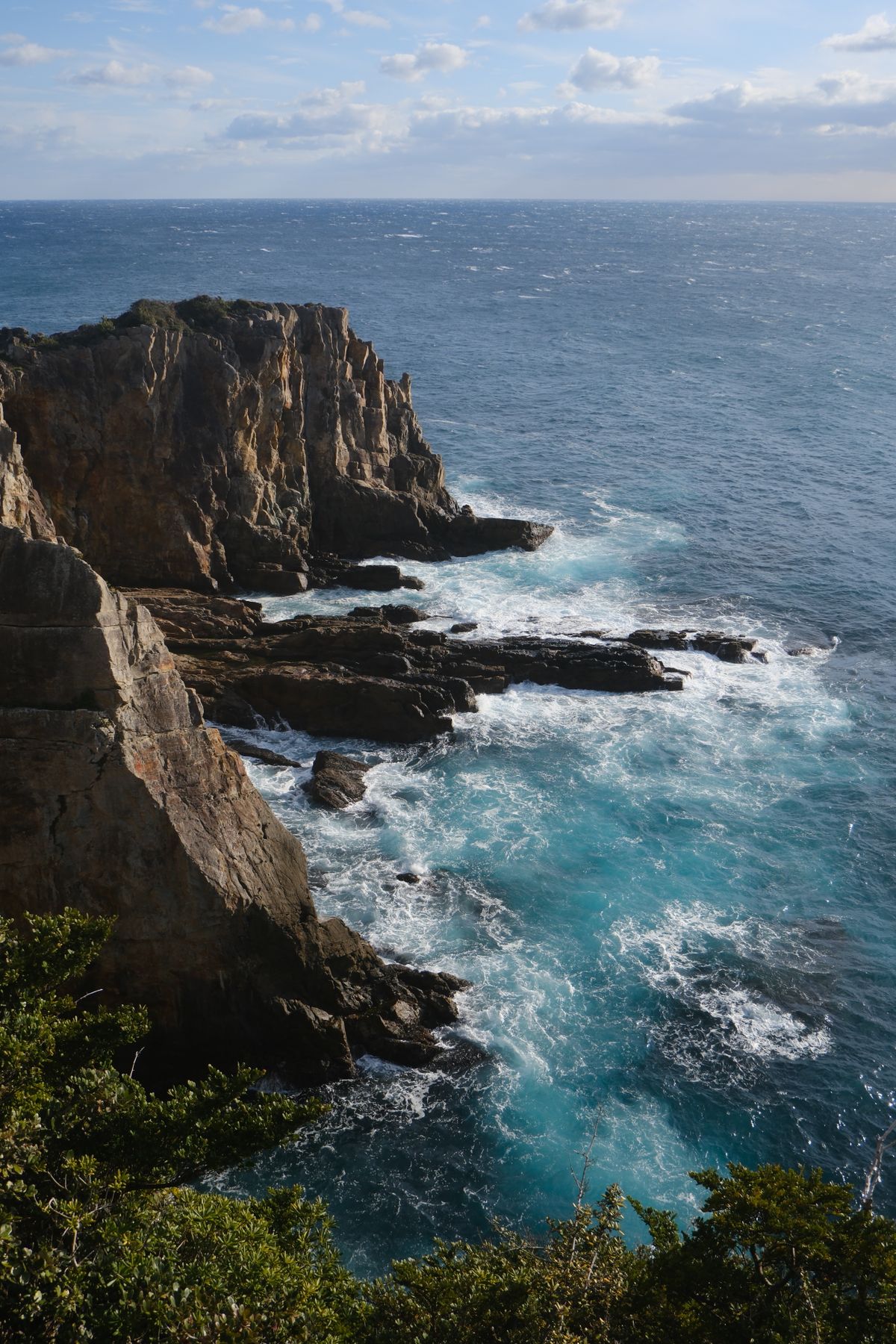
Cape Ashizuri holds the distinction of being the southernmost point of Shikoku, making it the end of the road in a very literal sense for many visitors. For pilgrims walking the Shikoku 88 Temple Circuit (Ohenro), Kongofuku-ji Temple at the cape is Number 38 — a significant waystation where walkers rest, pray, and contemplate the distance they’ve come and the distance still ahead. The cape’s setting is extraordinary: subtropical trees lean over rocky cliffs, waves explode against the headland in great white plumes, and the lighthouse at the tip creates an almost cinematic focal point above it all.
The Shimanto River tells a different kind of story. In a country where almost every major river has been dammed, straightened, or otherwise domesticated by infrastructure, the Shimanto stands as a rare exception — a free-flowing river that remains largely as nature made it. Local communities have protected it fiercely, and the result is a river of unusual ecological richness: ayu (sweetfish), unagi (freshwater eel), river shrimp, and dozens of bird species inhabit its banks. The characteristic chinkabashi — low submersible bridges that allow floodwaters to flow over them rather than breaking the structure — are unique to this river, and they’ve become an iconic symbol of the Shimanto’s relationship with its environment.
Coming here requires some planning and some patience. But what you’ll find is a Japan that moves at the rhythm of tides and harvests rather than transit timetables — and that’s an experience worth every kilometre of the journey.
How to Get to Cape Ashizuri and the Shimanto River
Southern Kochi is remote by Japanese standards, and reaching it requires either a combination of train and bus travel or a rental car. The rental car option gives significantly more flexibility and is strongly recommended for anyone planning to explore both destinations properly.
By Train and Bus
From Kochi City, the JR Limited Express Ashizuri runs along the Tosa Kuroshio Railway toward Nakamura Station (Shimanto City) and Sukumo Station, taking approximately 2.5–3 hours. This service connects with buses to Cape Ashizuri from Tosashimizu Station (about 45 minutes by bus from the cape). There are only a handful of buses daily, so check the timetable carefully and plan accordingly. The Japan Rail Pass does not cover the Tosa Kuroshio Railway — you’ll need to purchase a separate ticket for this section. Consider the Shikoku Rail Pass instead if you’re spending several days on the island.
By Rental Car
The most practical approach is to rent a car from Kochi City or arrive by shinkansen and Anpanman Train from Osaka, pick up a rental in Kochi, and drive south on Route 56 toward Shimanto City, then continue southwest to the cape. The full drive from Kochi City to Cape Ashizuri takes about 3 hours on winding but well-maintained roads. Having a car allows you to stop at viewpoints along the river, explore the chinkabashi bridges at your own pace, and reach the cape in the morning before tour buses arrive.
For those flying into Kochi Ryoma Airport, NearMe offers airport transfer services that can take you from the airport to your first stop with luggage in tow. For accommodation across the region, Agoda lists properties in Tosashimizu and Shimanto City including riverside guesthouses and minshuku near the cape.
Cape Ashizuri: Japan’s Dramatic Southern Tip
Kongofuku-ji Temple (Temple 38 of the Shikoku Pilgrimage)
Kongofuku-ji (金剛福寺) is one of the most remote and atmospheric temples on the entire Shikoku pilgrimage circuit. Founded, according to tradition, by the Buddhist monk Kukai (Kobo Daishi) in the 9th century, the temple sits within a forest of giant camphor trees at the base of the cape. Its approach is shaded and cool even in summer, the stone lanterns mossy and ancient. The main hall houses a Senju Kannon (Thousand-Armed Kannon) and is frequently visited by white-robed pilgrims who have walked for weeks to reach this spot.
For non-pilgrim visitors, Kongofuku-ji offers a peaceful and genuinely moving atmosphere. The combination of ancient cedar and camphor trees, the sound of bells, the sight of tired pilgrims sitting in meditation — it all creates an experience quite different from the grander and more touristy temples of Kyoto. Admission is ¥500 (approximately $3.50 USD). Open 7:00am–5:00pm daily.
Cape Ashizuri Lighthouse and Walking Trail
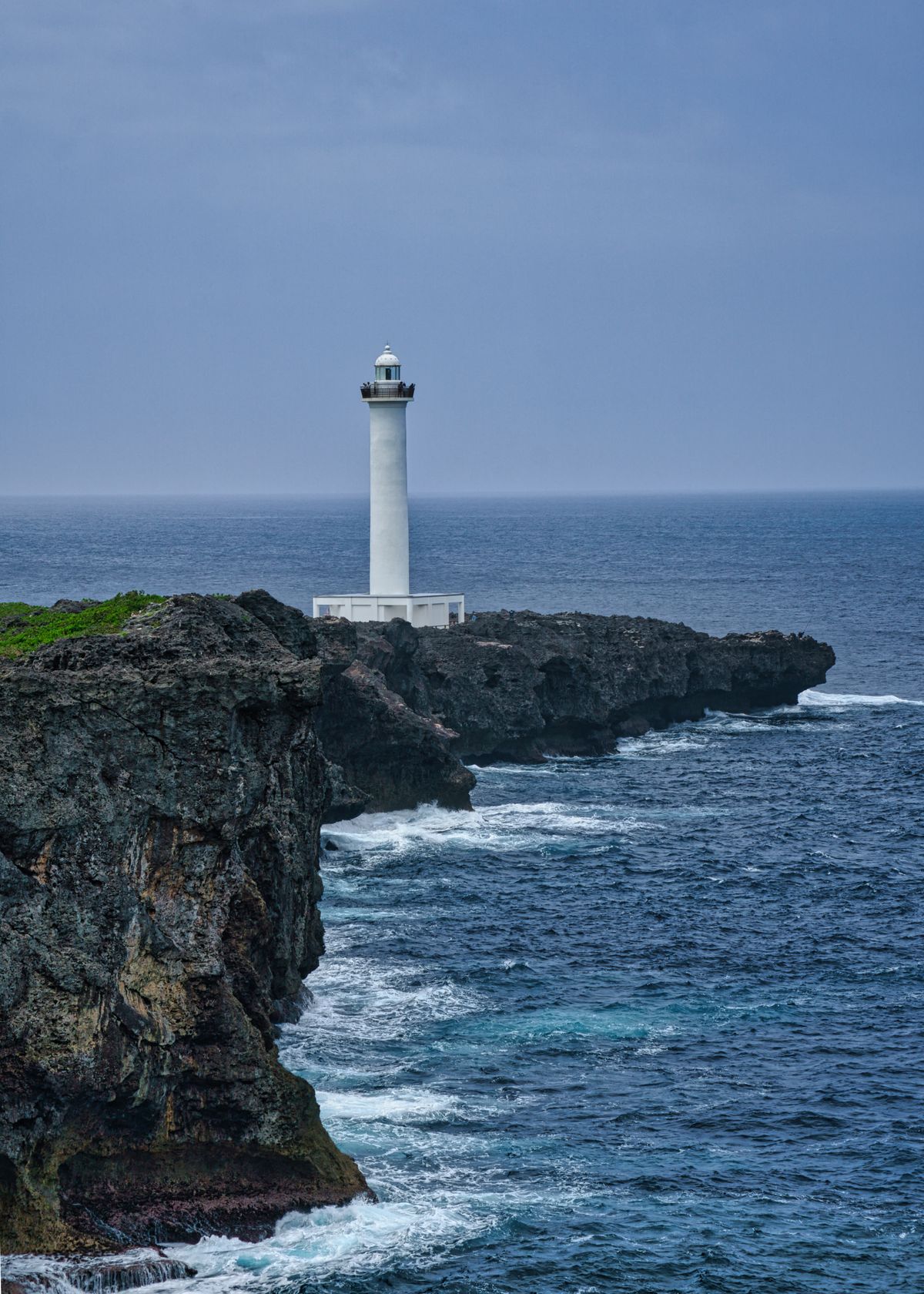
The Ashizuri Lighthouse has guided ships through the Bungo Channel and into the Pacific since 1914. It stands on a promontory above sheer cliffs, striped in the Japanese maritime tradition of white-and-black alternating bands. From the lighthouse platform (when accessible), the view extends south over open ocean with no land between here and Antarctica — a vertiginous sense of being at the edge of the world.
A circular walking trail of approximately 3 km loops around the cape’s headland, winding through camellia forest, past tidal rock formations, and along clifftop viewpoints where the spray reaches the path on rough days. The camellias bloom from December to March, creating a spectacular floral display along the trail. In spring and summer, the deep green of the subtropical vegetation provides a vivid contrast against the white water crashing below. Allow 1 to 1.5 hours for the full loop.
John Manjiro Museum
One of Kochi Prefecture’s most remarkable historical figures was born near Cape Ashizuri: Nakahama Manjiro (1827–1898), known in the West as John Manjiro. As a teenage fisherman, Manjiro was shipwrecked on a remote island in the Pacific and rescued by an American whaling ship. He became the first Japanese person to live in the United States, was educated in Massachusetts, and returned to Japan with knowledge of Western technology and navigation that would later help open the country to foreign trade during the Meiji period.
The John Manjiro Museum in Tosashimizu City tells this extraordinary story through original letters, maps, and objects from Manjiro’s time in America. It’s a small museum but a fascinating one — particularly for visitors who didn’t know Japan had its own story of a castaway who bridged two worlds. Admission is ¥500 (approximately $3.50 USD). A short walk from Tosashimizu station area.
Tatsukushi Marine Park and Glass-Bottom Boats
A few kilometres east of Cape Ashizuri, Tatsukushi Marine Park offers a different perspective on the area’s natural wonders. The coastline here features unusual hexagonal basalt columns known as tatami rocks — formed by ancient volcanic activity — and the clear waters reveal colourful marine life including coral, tropical fish, and sea turtles.
Glass-bottom boat tours operate from the marine park, allowing visitors to observe the underwater world without getting wet. The tour duration is approximately 30 minutes and costs around ¥1,500 (approximately $10.50 USD) per person. The marine park also has an aquarium and diving facilities for certified divers. A seasonal highlight is the presence of whale sharks in the waters offshore — ask at the marine park about current sightings when you visit.
The Shimanto River: Japan’s Last Clear Stream
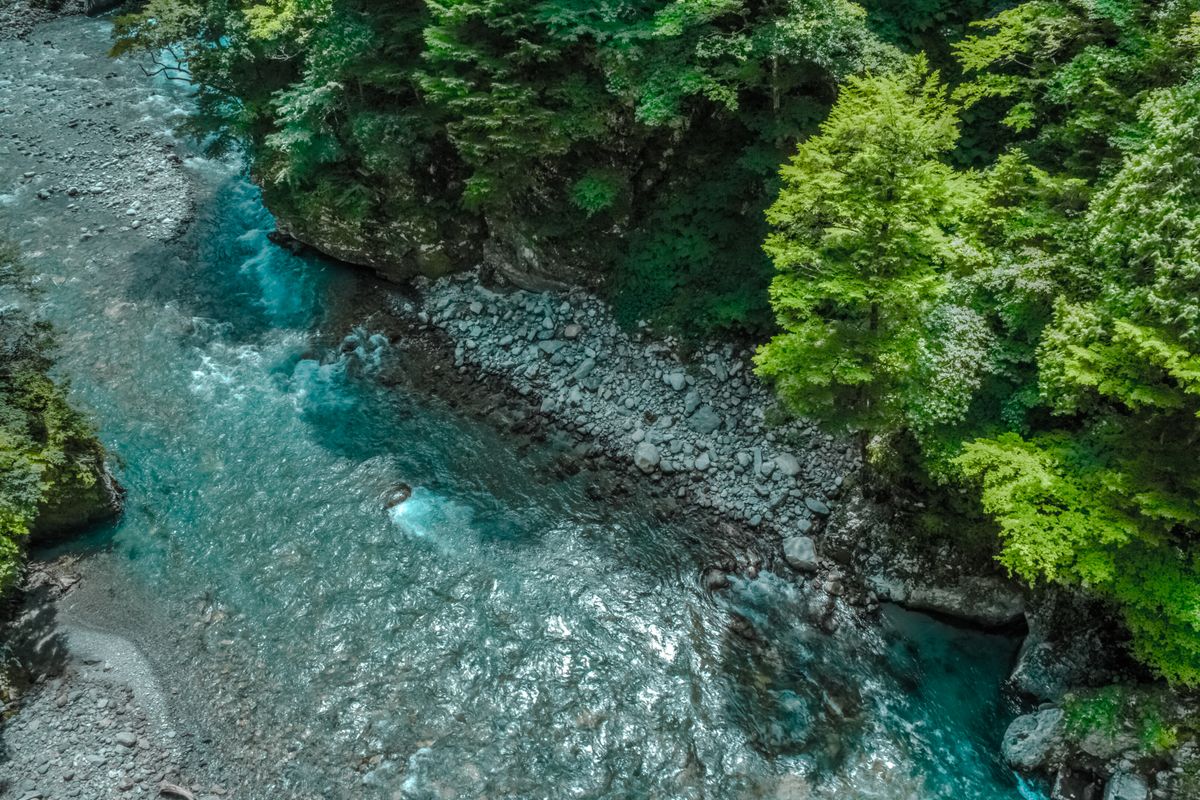
Flowing 196 kilometres from the mountains of western Kochi to the Pacific coast near Shimanto City, the Shimanto River is Japan’s longest free-flowing river — a distinction that makes it something of a national treasure. Unlike virtually every other major river in Japan, the Shimanto has been largely spared the concrete channelisation and upstream damming that have transformed most of the country’s waterways into engineering infrastructure. The result is a river that still behaves like a river: flooding its banks in heavy rain, running low in drought, supporting a rich ecosystem, and shaping the landscape around it with patient geological patience.
The Chinkabashi — Submersible Bridges
The Shimanto’s most photographed and most distinctive feature is its network of chinkabashi (沈下橋) — literally “sinking bridges.” These low, railing-less concrete spans are designed to go underwater during floods rather than resist the current. Because they offer no resistance, they survive flood seasons that would destroy conventional bridges, and when the water recedes, they reappear perfectly intact.
There are 22 chinkabashi along the Shimanto, ranging from tiny single-lane footbridges to longer crossings used by local traffic. The most photographed is the Iwama Chinkabashi near Shimanto City (Nakamura), where the river bends in a wide arc and the bridge is reflected in calm water below. Stopping on a chinkabashi at dawn or dusk — the mist rising from the river, no guardrails between you and the water — is one of the most atmospheric experiences in Shikoku.
River Activities: Canoeing, Fishing, and River Cruises
Several companies based in Shimanto City offer canoe and kayak rentals on the Shimanto River, with guided half-day or full-day tours taking paddlers through the most scenic stretches of the valley. The pace is gentle — the river’s current is slow in most sections — and the views from water level reveal a Japan of bamboo forests, herons, and thatched farmhouses that feels genuinely timeless. Half-day tours cost approximately ¥4,000–¥6,000 ($28–$42 USD) per person, including equipment.
Ayu fishing is the other major river activity. Sweetfish season runs from June to September, and traditional fishing methods using hand nets, cormorant fishing, or small seine nets are practised along the river. Some guesthouses can arrange for guests to join local fishers on their morning rounds — an experience that requires an early start (usually before 5am) but rewards it with extraordinary insight into a way of life almost unchanged for centuries.
For those who prefer a drier experience, river cruises on flat-bottomed boats operate in summer from Nakamura City, taking passengers downstream through the valley and back. The boat captain typically provides commentary (in Japanese) on local history, ecology, and the traditional fishing techniques practised along the route.
Shimanto City (Nakamura) — Base for River Exploration
Nakamura, now officially called Shimanto City, is the main urban hub for the river area — though “urban” is relative in this context. It’s a compact, friendly city with a handful of good restaurants, local shops, and a small historical district centred on a reconstructed Nakamura Castle. The city’s layout was modelled on Kyoto’s grid pattern by a displaced Kyoto aristocrat in the 15th century, earning it the nickname “Tosa’s Little Kyoto” — though the resemblance is more conceptual than visual today.
The Shimanto River Museum in Nakamura has English-language displays on the river’s ecology, the chinkabashi tradition, and the local fishing culture. It’s a good orientation stop before heading out to explore the river itself. The museum is free and open Tuesday to Sunday.
Whale Watching off Cape Ashizuri
The waters off Cape Ashizuri lie along the migration route of several whale and dolphin species, making this one of Shikoku’s most accessible whale watching locations. Humpback whales pass through the area in winter and early spring (December to April), while various dolphin species can be seen year-round. Sperm whales — the largest of the toothed whales — are occasionally spotted in the deeper waters offshore.
Several operators in Tosashimizu and Sukumo run whale watching tours from late autumn through spring, with tour duration typically 3–4 hours. Booking in advance is essential, particularly during peak humpback season in February and March. The trips are weather-dependent — the Pacific swell can make the experience challenging for those prone to seasickness, so take appropriate precautions if needed. Tour prices typically run ¥6,000–¥8,000 (approximately $42–$56 USD) per person.
What to Eat in Southern Kochi
Kochi Prefecture is one of Japan’s great food cultures, and the southern part of the prefecture offers a particularly rich and seafood-focused dining experience.
Katsuo no Tataki (Seared Bonito)
Kochi’s signature dish is katsuo no tataki — fresh bonito lightly seared over straw (not charcoal), sliced thick, and served with garlic, ginger, spring onion, and ponzu dressing. The straw-fire technique imparts a light smokiness to the exterior while leaving the centre raw and silky. In southern Kochi, the bonito arrives directly from local boats, making the quality exceptional. This is one of the best places in Japan to eat tataki at its freshest.
Shimanto River Seafood
The river provides several delicacies unique to this area. Unagi (freshwater eel), grilled over charcoal and lacquered with sweet tare sauce, is served at several riverside restaurants in Nakamura. Tenryu (sweetfish, also called ayu) from the river appears on menus from June to September, typically salt-grilled on skewers and served with river shrimp tempura. Shimanto shijimi (river clams) appear in miso soup and clear broth preparations that showcase the delicate flavour of the freshwater shellfish. For an exceptional meal that samples several of these at once, look for restaurants serving sawachi ryori — Kochi’s traditional communal feast, in which a vast lacquer platter holds a colourful spread of local seafood, vegetables, and preserved foods for the whole table to share.
Yuzukomachi Citrus Products
Kochi Prefecture produces the majority of Japan’s yuzu — a fragrant citrus fruit used in ponzu, pastry, sake, and a dozen other forms. In the markets of Nakamura and Tosashimizu, you’ll find yuzu marmalade, yuzu sake, yuzu miso, and yuzu daifochi (rice cakes). The citrus is sharp, aromatic, and intensely flavoured — nothing like a lemon or lime. Local sake breweries sometimes produce yuzu shu (yuzu liqueur) that pairs beautifully with seafood.
Where to Stay Near Cape Ashizuri and the Shimanto River
Accommodation in southern Kochi is smaller-scale and more personal than in major tourist cities — which is part of the appeal. Guesthouses and minshuku run by local families are common, and staying in one typically means a home-cooked dinner featuring the day’s catch and vegetables from the garden.
In the Cape Ashizuri area, the main accommodation hub is Tosashimizu City. Several small hotels and minshuku sit on the hillside between the cape and the town, with ocean views and easy access to the walking trail. Larger resort-style accommodation is available a short drive away at Tatsukushi Beach.
On the Shimanto River, Nakamura (Shimanto City) is the main base, with a range of business hotels and ryokan. For the most atmospheric option, look for guesthouses and farmhouses directly on or near the riverbank — waking to the sound of the Shimanto and watching the morning mist lift from the water is an experience that justifies any inconvenience in booking.
Browse available accommodation via Agoda’s Shimanto City listings or use NEWT’s tours and experience packages to find guided river and coastal experiences bundled with accommodation. Booking 2–3 months in advance is advisable during the whale watching season and summer canoeing period.
Practical Tips for Visiting Southern Kochi
Getting around: A rental car is by far the most practical way to explore both Cape Ashizuri and the Shimanto River. Bus services exist but are infrequent. If you’re relying on public transport, concentrate on one destination per visit rather than trying to cover both.
Staying connected: Mobile signal can be intermittent on the rural roads between the cape and the river. Download offline maps (Google Maps or Maps.me) before departing from Nakamura or Tosashimizu. For reliable data coverage across Shikoku, an eSIM from JAPAN&GLOBAL is recommended — activate it before you leave the city and enjoy coverage on the mountain roads and coastal highways.
Best season: Year-round, but each season has a highlight. Winter (December–March) is whale watching season and camellia blooming time at the cape. Spring (April–May) brings fresh green foliage and mild temperatures. Summer (June–September) is canoe season and ayu fishing. Autumn (October–November) turns the Shimanto valley in soft golden tones. Summer humidity is intense — bring lightweight, moisture-wicking clothing and plenty of sunscreen.
Currency: Many restaurants and guesthouses in this area are cash-only. Stock up on yen in Kochi City before heading south, as ATM access in smaller towns can be limited to Japan Post Office branches with variable hours.
Pilgrimage etiquette at Kongofuku-ji: The Shikoku pilgrimage is still actively walked by thousands of people each year. At the temple, be respectful of pilgrims who may be resting, praying, or completing stamp-book rituals. Photography inside the main hall requires discretion. If you encounter pilgrims (ohenro-san) on the road, a nod or brief greeting is customary — the tradition of o-settai (offering gifts of food or drink to pilgrims) is still practised by local residents and is a charming expression of the region’s spiritual culture.
How Southern Kochi Fits into a Shikoku Itinerary
Southern Kochi works best as part of a wider Shikoku trip rather than a standalone destination. From Kochi City, you might spend two or three days exploring the Shimanto and the cape before looping back north via Matsuyama (Dogo Onsen, Matsuyama Castle), the Iya Valley in Tokushima (vine bridges, mountain villages), or the Shimanami Kaido cycling route between Shikoku and Honshu.
Our guide to Japan’s full range of destinations includes extensive coverage of Shikoku’s other hidden gems, and our Japan first-timer tips offer practical preparation advice for navigating rural Japan with confidence. For travelling between Shikoku and the rest of Japan by high-speed rail, the Japan Shinkansen guide explains connections from Okayama (the closest shinkansen stop to Shikoku) into the island’s rail network.
Frequently Asked Questions About Cape Ashizuri and the Shimanto River
How long should I spend at Cape Ashizuri?
Most visitors spend half a day at the cape itself — enough time to walk the 3 km coastal trail, visit Kongofuku-ji Temple, see the lighthouse, and perhaps stop at the John Manjiro Museum or Tatsukushi Marine Park. However, if you’re interested in whale watching, you’ll need to build in at least a morning or afternoon for a boat tour. A full day in the Tosashimizu area, combining the cape, Tatsukushi, and a good seafood dinner, is an ideal allocation.
Is the Shimanto River suitable for beginner kayakers or canoeists?
Yes. The Shimanto’s main course is calm and suitable for beginners in most sections, particularly around Nakamura and the chinkabashi areas popular with tourists. Guided tour operators provide instruction and appropriate equipment. Children above 5–6 years are generally welcome on family paddling tours. The river’s depth and current vary seasonally — summer after typhoon rains can make conditions more challenging, so always check with the operator about current river conditions before booking.
Can I walk on the chinkabashi bridges?
Yes — most of the chinkabashi are open to pedestrians as well as vehicles (though you should check each bridge’s status, as some are vehicle-only or may be closed during flood season). Walking out to the middle of a chinkabashi at sunrise, with the river flowing silently around you and mist rising from the surface, is one of the most peaceful experiences in Shikoku. There are no guardrails, so supervise children carefully and don’t attempt the bridges during or immediately after heavy rain when water levels are elevated.
Is Cape Ashizuri accessible without a car?
Yes, but with significant inconvenience. Buses run from Tosashimizu to the cape (roughly 45 minutes, with only a few services daily), and there are infrequent bus connections from Nakamura/Shimanto City to Tosashimizu. The challenge is that the limited bus schedule makes it difficult to combine cape sightseeing with Shimanto River activities in a single day without a car. For a car-free visit, consider focusing one full day exclusively on the cape and a separate day on the river, staying overnight in each area.
Are there facilities at Cape Ashizuri for families with children?
Yes. The cape walking trail is manageable for older children (5 and up), though the clifftop sections require supervision. Tatsukushi Marine Park’s glass-bottom boat tours are well suited to children and are typically a highlight for younger visitors. Kongofuku-ji Temple is calm and child-friendly. The Shimanto River canoeing activities also welcome families with children. The main limitation is food — bring snacks for younger children as restaurant options near the cape are limited.
When is the best time to see the camellia flowers at Cape Ashizuri?
The yabu tsubaki (wild camellia) at Cape Ashizuri typically blooms from late December through March, with the peak usually falling in January to February. At its height, the trail is lined with thousands of deep red flowers against the dark green of the subtropical vegetation — a spectacular sight that few visitors outside Japan are aware of. Combine a winter visit with whale watching in the waters offshore for a genuinely extraordinary couple of days in southern Shikoku.
Final Thoughts: A Japan Worth the Journey
Cape Ashizuri and the Shimanto River ask something of you — time, flexibility, and a willingness to travel beyond the obvious. They can’t be experienced on a two-week Tokyo-Kyoto-Osaka itinerary. They require a detour, an overnight stay, maybe two; a bus that runs three times a day and a restaurant that opens only for dinner. They ask you to slow down.
In return, they offer something Japan’s most visited destinations can no longer reliably provide: solitude, wild nature, and the sense of having reached somewhere genuinely far from the tourist trail. The Pacific crashing against Ashizuri’s cliffs doesn’t care how many followers you have on Instagram. The Shimanto doesn’t carry its reputation lightly — it earned it by refusing to be tamed. And the pilgrims at Kongofuku-ji, tapping their staffs on the stone pathway and murmuring prayers that have been murmured there for twelve centuries, will outlast every travel trend.
Come for the lighthouse. Stay for the river. Leave changed by both.
The Ohenro Pilgrimage Connection: Temple 38 and the Spirit of Shikoku
To understand Cape Ashizuri fully, it helps to understand the Shikoku 88 Temple Pilgrimage — the ohenro — that draws tens of thousands of walkers, cyclists, and bus pilgrims to the island each year. The pilgrimage traces a roughly 1,200 km circuit connecting 88 temples associated with the 9th-century monk Kukai (posthumously known as Kobo Daishi), founder of the Shingon school of Buddhism. Pilgrims walk to seek spiritual merit, personal transformation, healing, or simply as an act of devotion. Many are in mourning; others are recovering from illness; some are young people at a crossroads in life.
Temple 38, Kongofuku-ji at Cape Ashizuri, holds particular significance in the pilgrimage sequence. It sits at the southernmost extreme of the circuit — geographically and psychologically remote from the comfortable pilgrimage infrastructure of the island’s north and east. Reaching it requires determination. The roads and trails to the cape from the nearest previous temple (Temple 37, Iwamoto-ji in Kubokawa) cover approximately 90 km of mountain and coastal terrain — a three to four day walk. Many pilgrims report that arriving at Kongofuku-ji, with the ocean crashing below and the temple’s great camphor trees shading the courtyard, is one of the most emotional moments of the entire circuit.
Visitors who are not pilgrims can nonetheless feel the weight of this tradition at the temple. The stamp office (納経所) where pilgrims collect their official temple seal is typically staffed by monks who treat each pilgrim with quiet, genuine respect. The rhythmic chanting that emerges from the main hall in the mornings — sutras memorised and repeated thousands of times by walkers on their way here — creates an atmosphere of concentrated spiritual intention unlike anything in ordinary tourist Japan.
If you’re interested in experiencing a small portion of the pilgrimage, a short section of the coastal ohenro trail between Cape Ashizuri and Tatsukushi is walkable in a morning and gives an authentic flavour of what the pilgrim journey feels like — the white gravel paths, the stone marker posts, the small offerings left by passing walkers.
Photography at Cape Ashizuri and the Shimanto River
Both destinations offer outstanding photography opportunities, though they require different approaches and timing.
Cape Ashizuri Photography Tips
Sunrise at the lighthouse: Arrive before first light (around 5:00–5:30am in summer) and position yourself on the eastern side of the headland to capture the lighthouse silhouetted against a golden sky. The cliffs below catch the first sun dramatically.
Wave action: The west side of the cape trail offers the most powerful wave photography, particularly in winter when southerly swells arrive with full Pacific fetch behind them. Use a fast shutter speed (1/1000s or faster) to freeze the spray, or a long exposure (10–30 seconds) with a neutral density filter to smooth the water into ghostly motion blur.
Camellia season (December–March): The red camellia blossoms against the deep blue Pacific make for extraordinary colour photography. The trail is best in early morning when dew still clings to the flowers.
Temple atmosphere: Photography inside Kongofuku-ji’s main hall requires discretion and should never disturb pilgrims in prayer. The exterior courtyard, the great camphor trees, and the vermilion gate are all freely photographable and extraordinarily atmospheric in early morning light before other visitors arrive.
Shimanto River Photography Tips
Chinkabashi reflections: The most photographed bridge (Iwama) is best shot from the northern bank in early morning, when the water is still and the bridge reflects perfectly. Use a polarising filter to reduce surface glare and reveal the green of the riverbed below.
Aerial perspective: If you have access to a drone (ensure you comply with Japanese drone regulations — a permit is required for many locations), the Shimanto from the air reveals the extraordinary sinuosity of its course and the density of the surrounding forest. Many of the most iconic Shimanto images are aerial. Alternatively, drive or cycle to the Iwama Observation Deck for an elevated viewpoint over the main river bend.
Fishing boats at dawn: Local fishers launch their narrow wooden boats before sunrise. Ask at your guesthouse if you can observe (not photograph intrusively) the morning departure — the boats moving through the mist, lanterns still burning at the bow, is a scene of genuine timeless beauty.
River light: The Shimanto Valley runs roughly east-west in its lower reaches, which means the morning sun enters the valley from the east and the evening sun exits from the west — both creating dramatically side-lit conditions for the surrounding forested hills and the river surface. Plan your shooting schedule accordingly.
Sustainable Travel in Southern Kochi
The communities of southern Kochi have made significant efforts to protect their natural environment from overdevelopment, and as a visitor, you can support those efforts in several ways.
Stay local: Choosing locally-owned guesthouses and minshuku over chain hotels keeps tourism revenue within the community and supports families whose livelihoods depend on sustainable visitor numbers.
Respect the river: The Shimanto’s clean water is the result of active community protection and careful land management upstream. Don’t wash anything in the river, avoid using sunscreen before swimming in the water (many chemical sunscreens are harmful to aquatic ecosystems), and take all litter with you.
Support local fishers: Buy river fish and seafood at local markets and restaurants rather than imported alternatives. The sustainable fishing practices used on the Shimanto — traditional hand nets and minimal-impact methods — are worth supporting directly with your purchasing choices.
Follow pilgrimage trail etiquette: If you walk sections of the ohenro trail near Kongofuku-ji, treat the path as a sacred space. Don’t take shortcuts through temple gardens, pick up litter if you see it, and be quiet in areas where pilgrims are resting or praying.
Consider the off-peak season: Visiting outside the peak summer and Golden Week periods (late April to early May) reduces pressure on the area’s limited accommodation and dining infrastructure and gives you a better experience of these naturally uncrowded destinations. Winter visits for whale watching and camellia viewing are particularly rewarding.
A Suggested 3-Day Southern Kochi Itinerary
For those with three days to devote to this area, here’s a structure that covers both destinations at a sensible pace:
Day 1 — Travel and Cape Ashizuri: Take the early Limited Express Ashizuri from Kochi City to Tosashimizu (or drive — faster and more flexible). Check into your guesthouse near the cape, then spend the afternoon walking the coastal trail, visiting Kongofuku-ji, and watching the sunset from the lighthouse area. Dinner featuring local bonito tataki.
Day 2 — Tatsukushi and Drive to the Shimanto: Morning glass-bottom boat tour at Tatsukushi Marine Park, then visit the John Manjiro Museum. After lunch, drive or take the bus to Nakamura (Shimanto City). Evening walk across the Iwama Chinkabashi. Dinner at a riverside restaurant.
Day 3 — Shimanto River: Morning canoe tour on the Shimanto (book in advance), afternoon cycling along the riverbank to explore further chinkabashi bridges, then return to Kochi City by Limited Express in the late afternoon or evening. From Kochi City, connections are available to Osaka, Tokyo, or onward to other parts of Shikoku and the broader Japan destination network.
For those with more time, an additional day can be added for whale watching (if in season), a visit to Ryugado Cave near Kochi City, or a loop through the Iya Valley in Tokushima — one of Shikoku’s other great hidden landscapes, covered in detail in our Iya Valley guide. Check our Japan budget travel guide to plan your spending across these rural destinations efficiently.
Getting Connected for Your Southern Kochi Trip
Rural Shikoku can have patchy mobile signal in mountain areas and river valleys. To stay connected for maps, translation, and emergencies, pick up a Japanese eSIM before departure. JAPAN&GLOBAL eSIM offers broad coverage across Japan including rural Shikoku and can be activated on your smartphone before you arrive. Alternatively, Saily eSIM is another reliable option with competitive data rates for travellers spending extended time in Japan. Both services allow you to keep your regular SIM active for calls while using the Japanese eSIM for data — a practical setup for international visitors.
Going to Japan? Talk to locals with confidence.
Hirameki Japanese — instant offline translation, camera translation, furigana + romaji, and 314 free flashcards. No login. Works without internet.

Plan your Japan trip
Two things every first-timer should book
Some links are affiliate links. If you book through them we may earn a small commission at no extra cost to you.