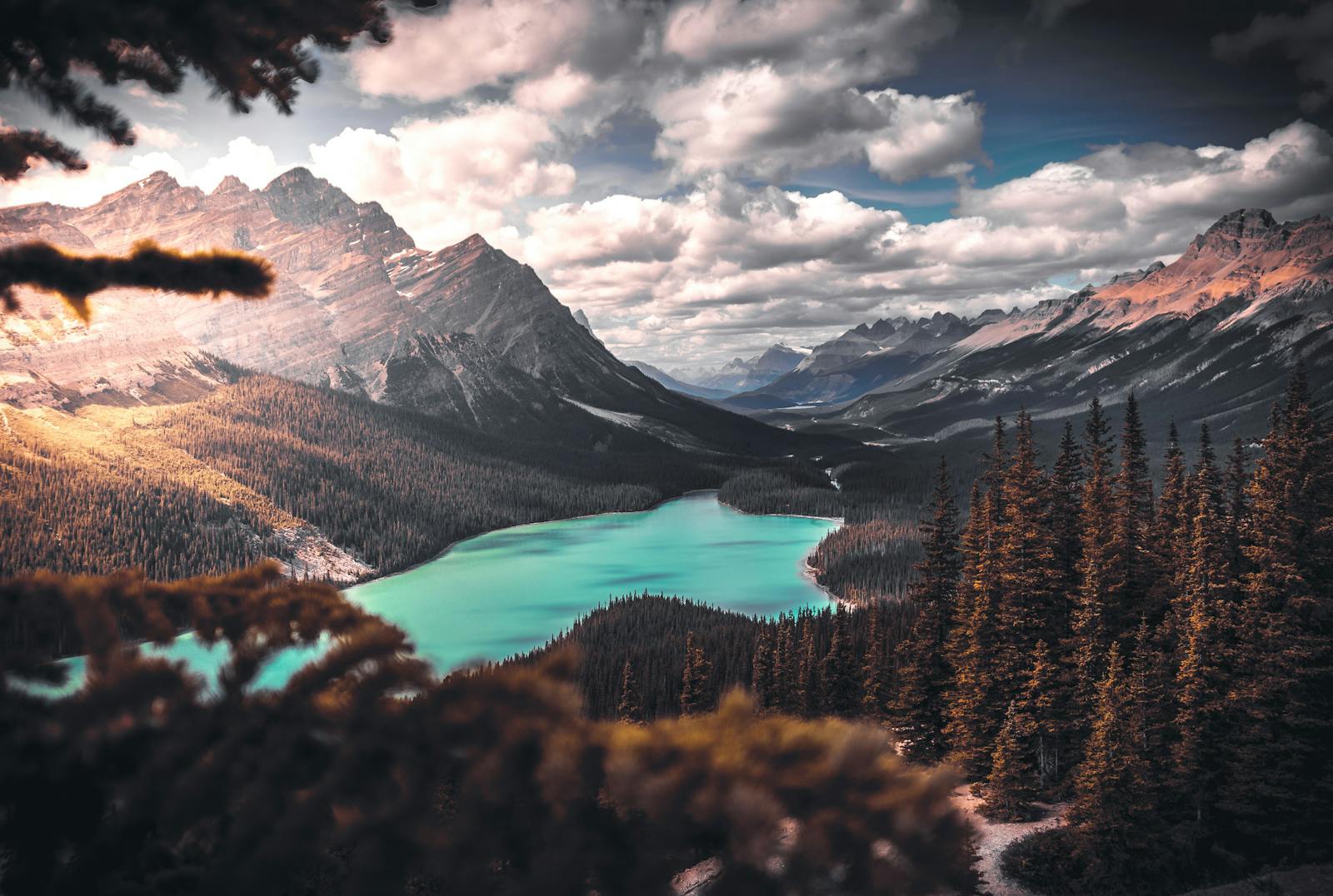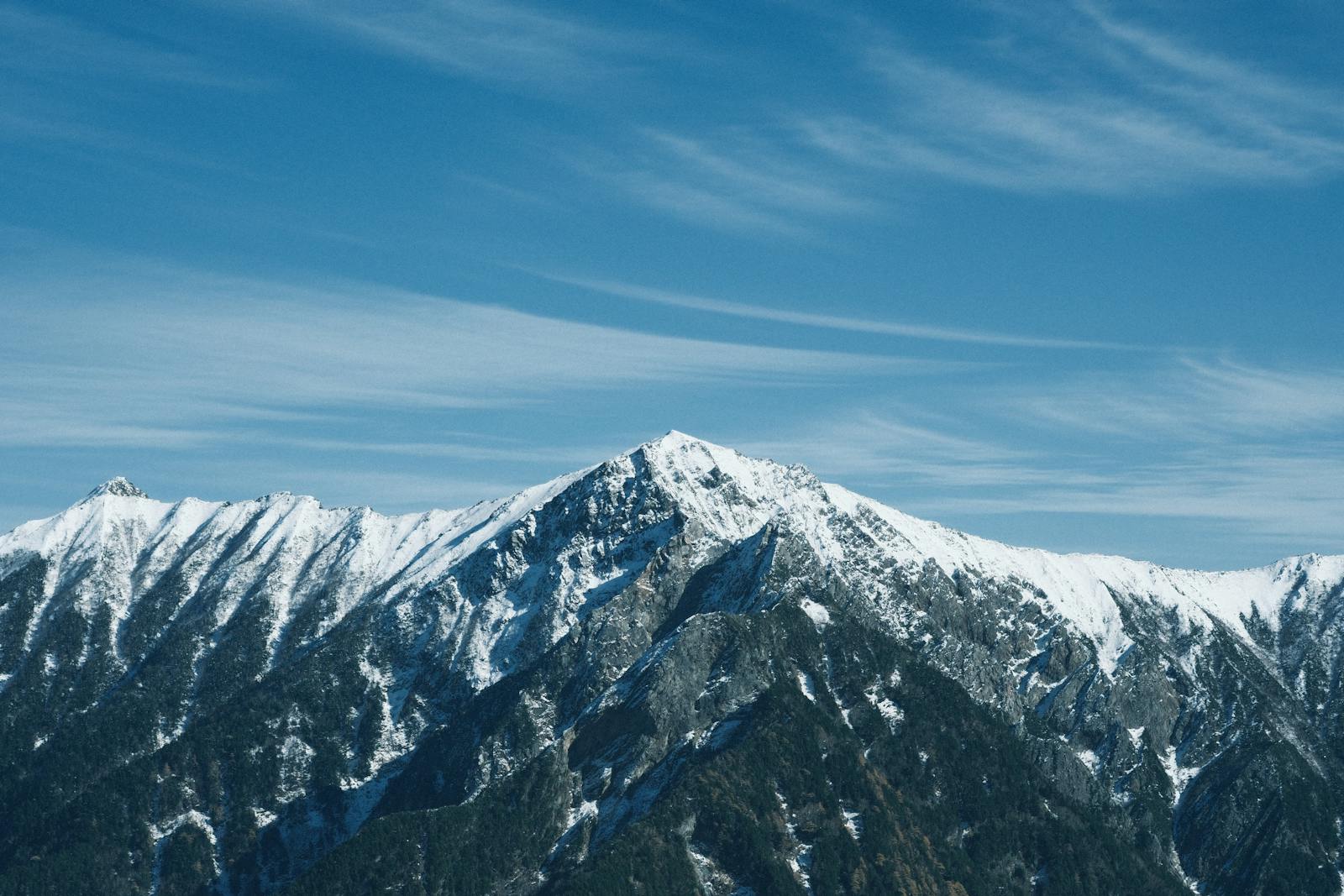
The Tateyama Kurobe Alpine Route is one of Japan’s most spectacular travel experiences and a destination that surprises even seasoned visitors who think they’ve seen everything the country has to offer. Cutting across the Northern Japanese Alps from Toyama to Nagano, this 37-kilometre mountain crossing combines cable cars, ropeways, trolley buses, and breathtaking hikes through landscapes that range from emerald-green spring meadows to ten-storey-high walls of snow. It is, quite simply, one of the most thrilling alpine journeys in the world.
For first-time visitors to Japan looking for something beyond the temples of Kyoto and the neon of Tokyo, the Tateyama Kurobe Alpine Route offers a glimpse of Japan’s wild, mountainous heart. The route opens for only seven months each year, from mid-April to late November, and each season brings a completely different experience. Whether you come to walk between towering snow corridors in spring, to hike alpine ridgelines in summer, or to see the maple forests burst into autumn colour, this is a journey you will remember for a lifetime.
This comprehensive guide will walk you through everything you need to know to plan your trip: how to get there, what to expect at each stop, the best times to visit, where to stay, ticket strategies, and dozens of practical tips that will save you time, money, and stress. By the end, you’ll feel confident planning what may well become the highlight of your Japan adventure.
What is the Tateyama Kurobe Alpine Route?
The Tateyama Kurobe Alpine Route (立山黒部アルペンルート) is a mountain crossing through the Northern Japanese Alps that runs between the cities of Tateyama in Toyama Prefecture and Omachi in Nagano Prefecture. The full traverse covers approximately 37 kilometres and climbs to a maximum elevation of 2,450 metres at Murodo, the route’s highest point. What makes it so unusual is that the entire crossing is made using a sequence of eight different forms of mountain transportation, each one connecting seamlessly to the next.
The route was first opened in 1971 after more than a decade of construction through some of Japan’s most challenging terrain. Building it required tunnelling beneath active volcanic ridges, building a high dam in a near-vertical canyon, and laying ropeways across glacial valleys. Today, the result is a kind of mechanical pilgrimage through the heart of the Chubu-Sangaku National Park, allowing visitors to experience the high alps without needing to be a mountaineer.
Why It’s Worth the Trip
Three things make the Tateyama Kurobe Alpine Route a once-in-a-lifetime destination. First, the scenery is genuinely on a different scale from most of what you’ll see elsewhere in Japan. The peaks of the Tateyama massif rival anything in the European Alps, and the deep Kurobe Gorge is one of the country’s most dramatic canyons. Second, the route is so well engineered that even people who have never hiked before can experience the high mountains in comfort and safety. Every stop has clean facilities, food options, and English signage. Third, the snow walls of Tateyama, known as the “Yuki-no-Otani”, reach heights of up to 20 metres in April and May, creating a corridor that is one of the most photographed places in Japan.
The Geography in Brief
The route runs west to east. On the Toyama side, you start at Tateyama Station, accessible by train from Toyama City. From there, you climb through forests, alpine meadows, and a moonscape of volcanic rock before descending the other side into the Kurobe Dam area, where the country’s tallest dam towers above the Kurobe River. From the dam, you continue down through tunnels and across the eastern slopes of the Alps to reach Ogizawa, where buses connect to Omachi and Shinano-Omachi Station on the JR line, eventually returning you to Nagano City and the Shinkansen network.
When to Visit: Seasonal Highlights and the Famous Snow Walls
The Tateyama Kurobe Alpine Route is open from approximately 15 April to 30 November, with exact dates published each year by the operating company. Closing times in the autumn vary by section depending on snowfall. Each season offers something distinct, so the best time to go depends on what you want to see.
Spring (April to June): The Snow Walls
The most famous time to visit is during the spring opening, when the snowplough operators have just cleared the road between Tateyama and Murodo. The cleared road creates a corridor with walls of compacted snow on either side, sometimes reaching 18 to 20 metres in height. The “Yuki-no-Otani Walk” (Snow Walls Walk) runs from mid-April through late June, and during the peak weeks in late April and early May, visitors can stroll along a 500-metre section reserved for pedestrians.
The snow walls are at their tallest in the third week of April and gradually shrink as spring progresses. By mid-June, they are typically two to three metres high but still impressive. Spring is also the busiest season, especially during Japan’s Golden Week holiday in late April through early May, so booking accommodation and tickets in advance is essential.
Summer (July to August): Alpine Hiking and Wildflowers
In summer, the snow recedes to leave behind one of the most beautiful alpine landscapes in Japan. The Midagahara wetlands burst into bloom with cotton grass, gentians, and dozens of other high-altitude wildflowers. Murodo, the highest point on the route, becomes a base for hiking up Mount Tateyama itself (3,015 metres), one of Japan’s “Three Holy Mountains” alongside Mount Fuji and Mount Haku.
Daytime temperatures at Murodo in July and August hover around a pleasant 18 to 22 degrees Celsius, which is a welcome relief from the humid lowlands. Mornings are clear and afternoons can bring sudden thunderstorms, so an early start is essential. Summer is also the only season when you can attempt the longer hikes, like the traverse from Murodo to Mount Tsurugi (3,003 metres) and beyond.
Autumn (September to November): Spectacular Foliage
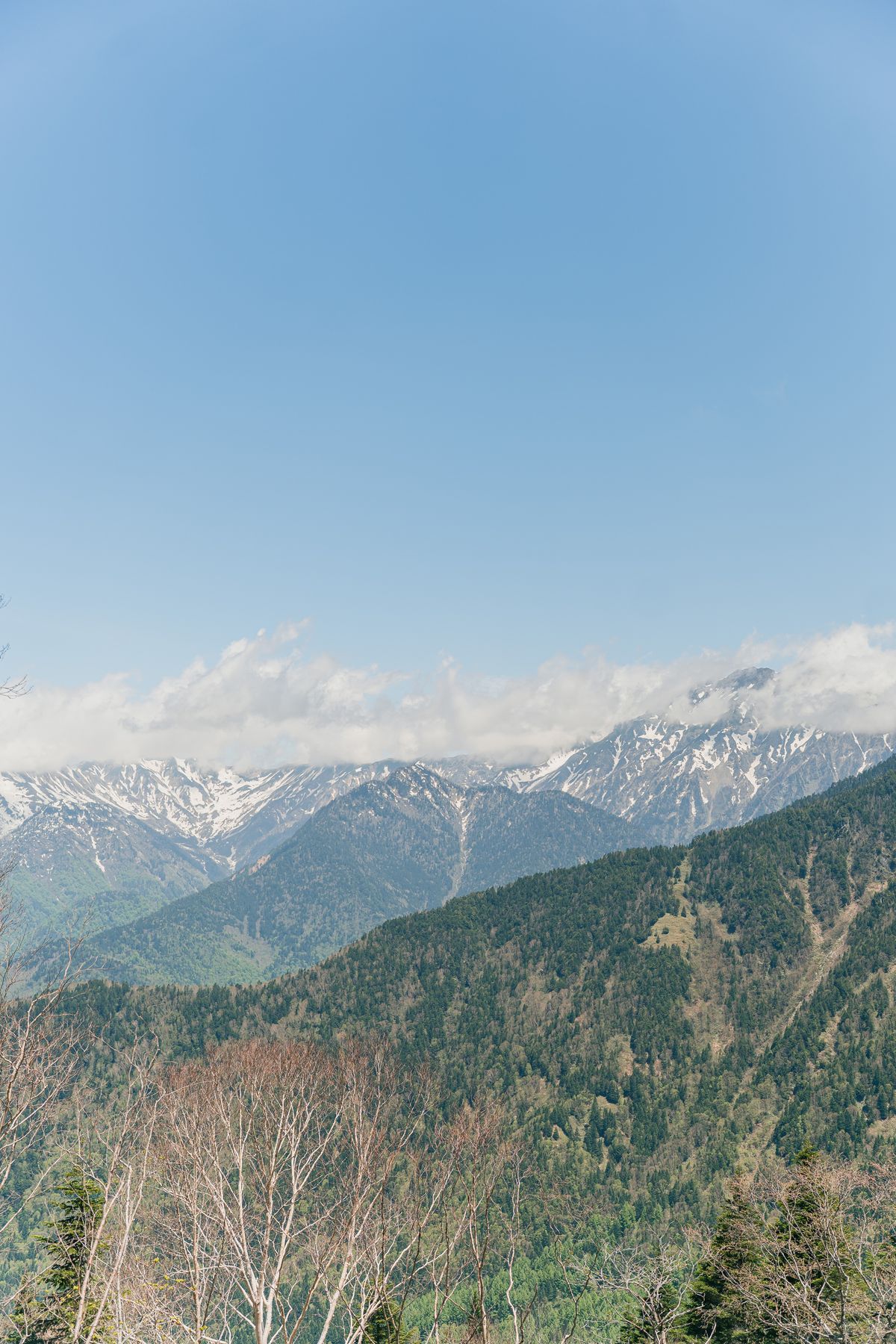
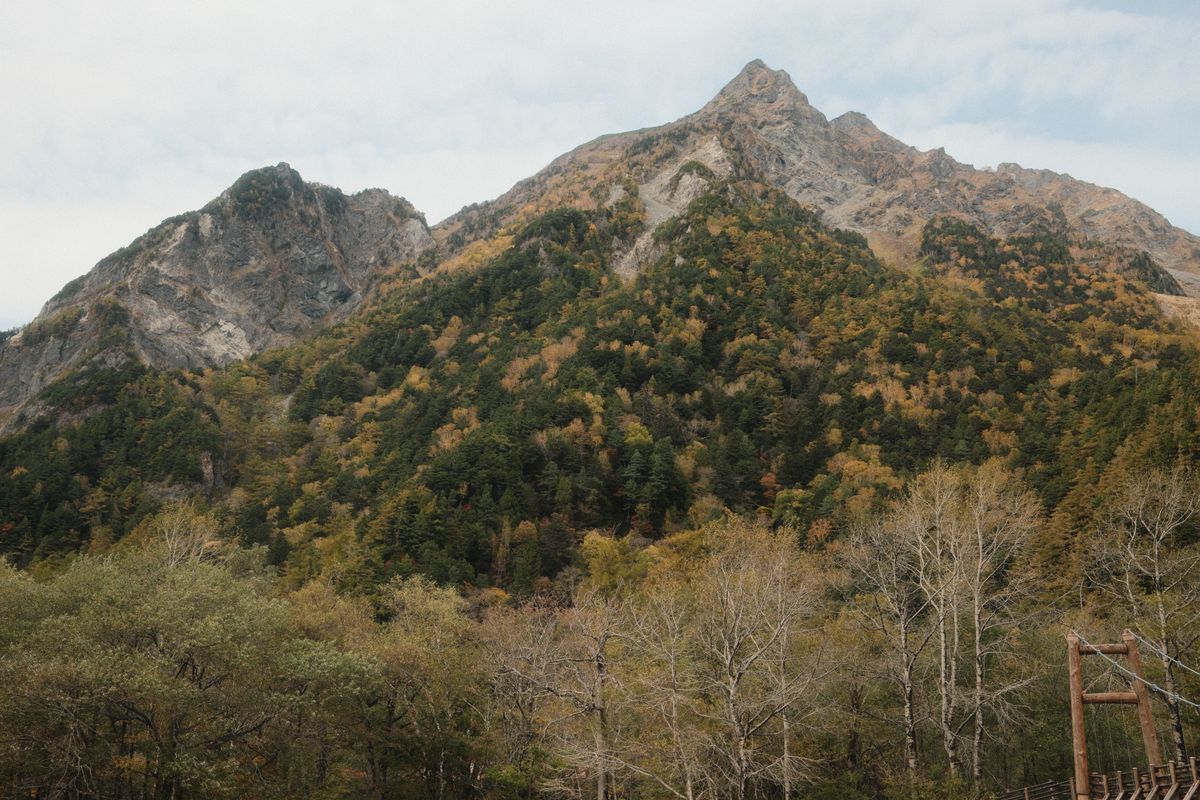
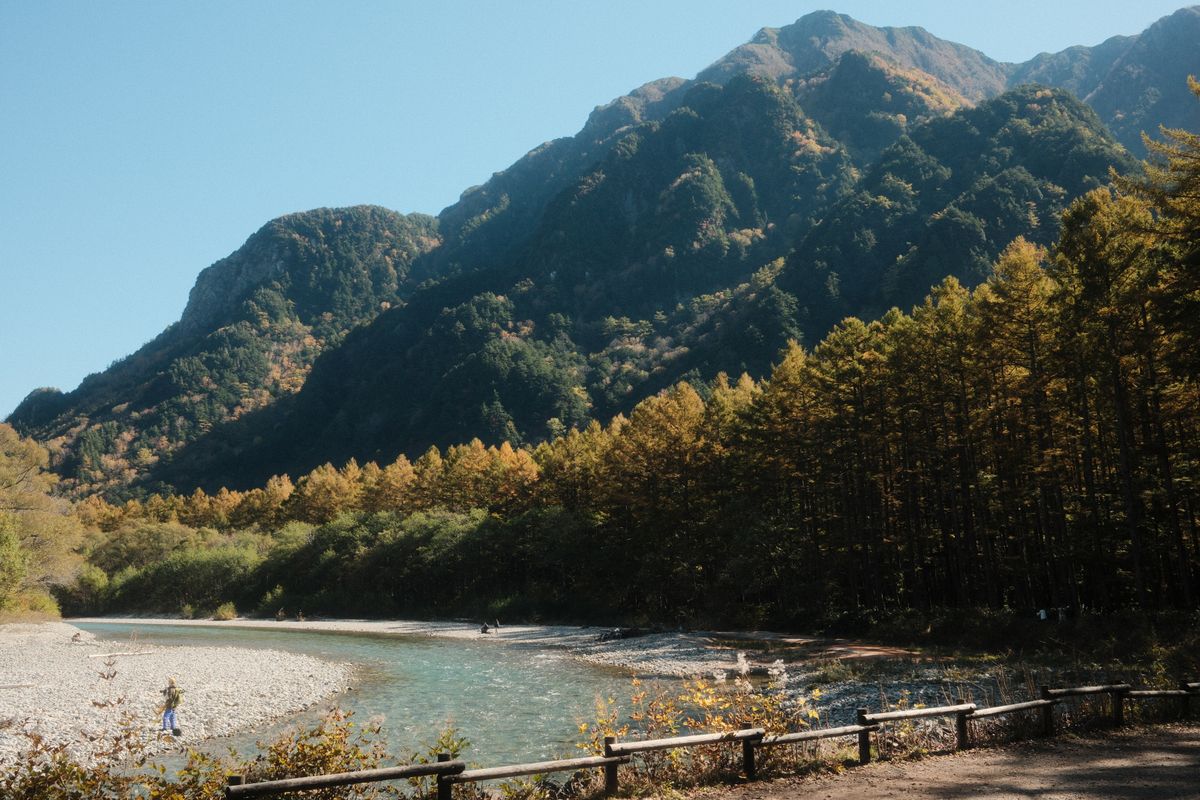
For many travellers, autumn is the most rewarding time of all. The Tateyama Kurobe area is one of the earliest places in Japan to see autumn colour, with the leaves at Murodo turning by late September. The display moves down the slopes throughout October, with the lower altitudes around Kurobe Gorge peaking in early November. The contrast of brilliant red maples, golden larch, and the snow-dusted upper peaks is unforgettable.
Autumn weather is generally cooler and drier than summer, with stable conditions and exceptional visibility. This is the best season for photography, and many Japanese visitors plan trips specifically for the “koyo” (autumn leaves) season.
Winter (December to mid-April): Closed
The route is completely closed during winter due to extreme snowfall and avalanche risk. The Tateyama area receives some of the heaviest snowfall in the world, with up to 38 metres of cumulative snow falling on the upper slopes each year. This is what creates the spring snow walls.
How to Get to the Tateyama Kurobe Alpine Route
The route is best approached as a one-way journey, traversing from one side to the other rather than doubling back. There are two main starting points, and your choice depends on where you are coming from.
From Tokyo (Eastern Approach via Nagano)
If you are coming from Tokyo, the most convenient approach is via the eastern gateway at Ogizawa. Take the Hokuriku Shinkansen from Tokyo Station to Nagano Station (about 1 hour 30 minutes, ¥8,000 / approximately USD $54), then transfer to an Alpico bus or the JR Oito Line to Shinano-Omachi Station. From Shinano-Omachi, regular buses run to Ogizawa, the eastern entrance of the Alpine Route, taking about 40 minutes.
From Kyoto and Osaka (Western Approach via Toyama)
If you are coming from the Kansai region, the natural approach is via the western entrance at Tateyama Station. From Kyoto or Osaka, take the Thunderbird limited express to Tsuruga (about 1 hour 50 minutes from Osaka), then transfer to the Hokuriku Shinkansen to Toyama (about 45 minutes). From Toyama Station, the Toyama Chiho Tetsudo (Toyama Regional Railway) line runs directly to Tateyama Station in about 60 minutes. The total journey from Kyoto to the entrance is around four hours.
Which Direction Should You Travel?
Most visitors traverse west to east, beginning at Tateyama and ending at Ogizawa, because this allows them to continue on to Tokyo at the end of the day via the Hokuriku Shinkansen from Nagano. Travellers who plan to return to Osaka or Kyoto often go the other way. The scenery is equally impressive in both directions, and the difference comes down to logistics. Consider where your accommodation is for the night.
If you are planning to use the Japan Rail Pass, both approaches make sense, though the JR Pass does not cover the Alpine Route itself, only the trains that bring you to the entrances. You can read more about whether the rail pass is right for your trip in our complete guide to the Japan Rail Pass.
Staying Connected on the Mountain
Mobile coverage along the route is patchy. Murodo and the dam area have signal, but several of the tunnel sections are dead zones. If you want reliable internet for navigation, translation, and photo sharing, a Japan eSIM is essential. Get your Japan eSIM (Stay connected from day 1) →
The Eight Transportation Modes: A Step-by-Step Journey
The unique character of the Tateyama Kurobe Alpine Route comes from the sequence of transportation it uses. From the Toyama side, here is what each segment looks like in order.
1. Tateyama Cable Car (Tateyama to Bijodaira)
Your journey begins on the Tateyama Cable Car, a steep funicular that climbs 487 vertical metres in just seven minutes. The cars are open at the windows, so you can hear the mountain air rush past as you rise through a tunnel of cedar forest. At the top, Bijodaira Station sits at 977 metres and features small viewing areas where you can already see the lowland farmland of Toyama spread out below.
2. Tateyama Highland Bus (Bijodaira to Murodo)
From Bijodaira, you board a special highland bus for the most scenic stretch of the route. The 50-minute ride climbs nearly 1,500 metres through ancient beech forest, past the Shomyo Falls (Japan’s tallest waterfall at 350 metres), across the volcanic plateau of Midagahara, and finally up to Murodo. In spring, this is the road that passes between the famous snow walls. Buses run frequently in peak season, and on busy days you may need to wait for the next one even with a confirmed ticket.
3. Murodo (The Summit Station)
At 2,450 metres above sea level, Murodo is the highest railway-accessible point in Japan and the symbolic heart of the route. The terminal building is a small village of its own, with restaurants, gift shops, hot spring baths, and overnight hotels. Most visitors spend at least an hour or two here, walking the wooden boardwalks around Mikurigaike Pond, photographing the towering peaks of Mount Tateyama, and breathing in the thin alpine air. Even in summer, snow can linger in shaded hollows.
4. Tateyama Tunnel Trolleybus (Murodo to Daikanbo)
From Murodo, you board a trolleybus that runs entirely through a 3.7-kilometre tunnel under Mount Tateyama. This is one of only two remaining trolleybus services in Japan, and the experience of cruising silently through a brightly lit mountain tunnel is genuinely strange and memorable. The ride takes 10 minutes and ends at Daikanbo Station, perched on a cliff at 2,316 metres.
5. Tateyama Ropeway (Daikanbo to Kurobedaira)
The next leg is one of the most thrilling. The Tateyama Ropeway is a 1.7-kilometre cable car that crosses a deep valley with no supporting towers between the two stations, making it the longest single-span aerial tramway in Japan. The seven-minute ride offers a sweeping panorama of the surrounding peaks and, in autumn, a dazzling carpet of golden larch and red maple below. The cabin holds 80 people and tends to fill up quickly in peak times.
6. Kurobe Cable Car (Kurobedaira to Kurobeko)
From Kurobedaira, you descend on Japan’s only fully underground cable car, sliding down through a kilometre-long tunnel built to protect it from avalanches. The five-minute ride brings you to Kurobeko, on the eastern shore of the Kurobe reservoir.
7. Kurobe Dam (Walking Crossing)
This is the dramatic centrepiece of the route. Kurobe Dam, completed in 1963, is Japan’s tallest at 186 metres and one of the largest arch dams in the world. From late June to mid-October, water is released from the dam in a spectacular discharge that sends a curtain of spray rising into the air. Visitors cross the 492-metre top of the dam on foot, with the green reservoir on one side and a near-vertical drop into the canyon on the other. There is a small museum, a restaurant, and several viewing platforms.
8. Kanden Tunnel Electric Bus (Kurobe Dam to Ogizawa)
The final stage is an electric bus ride through the Kanden Tunnel, which was originally built to support the dam’s construction. The 6.1-kilometre tunnel takes 16 minutes to cross and emerges at Ogizawa, the eastern terminus of the route. From here, regular shuttle buses connect to Shinano-Omachi Station on the JR line.
Top Things to Do Along the Route
While many visitors simply traverse the route in a single day, those who plan for a longer stay unlock some of the most rewarding experiences in the Japanese mountains.
Walk Through the Snow Walls (Yuki-no-Otani)
The pedestrian section of the snow walls near Murodo is open from mid-April to mid-June and is the single most popular activity on the route. The 500-metre walking path lets you stand at the base of walls that tower above you on both sides, with cleanly cut faces that look like the inside of a glacier. Children especially love it. There are photo points where staff will help you frame the shot, and on some days the walls have signs marking notable historical heights.
Mikurigaike Pond Loop Walk
Just behind the Murodo terminal, a wooden boardwalk loops around Mikurigaike, an emerald crater pond that reflects Mount Tateyama on calm days. The full loop takes about 40 to 60 minutes at a relaxed pace and passes a small hot spring resort. From a viewpoint above the pond, you can see the volcanic vents of Jigokudani (Hell Valley) steaming in the distance.
Hike Mount Tateyama
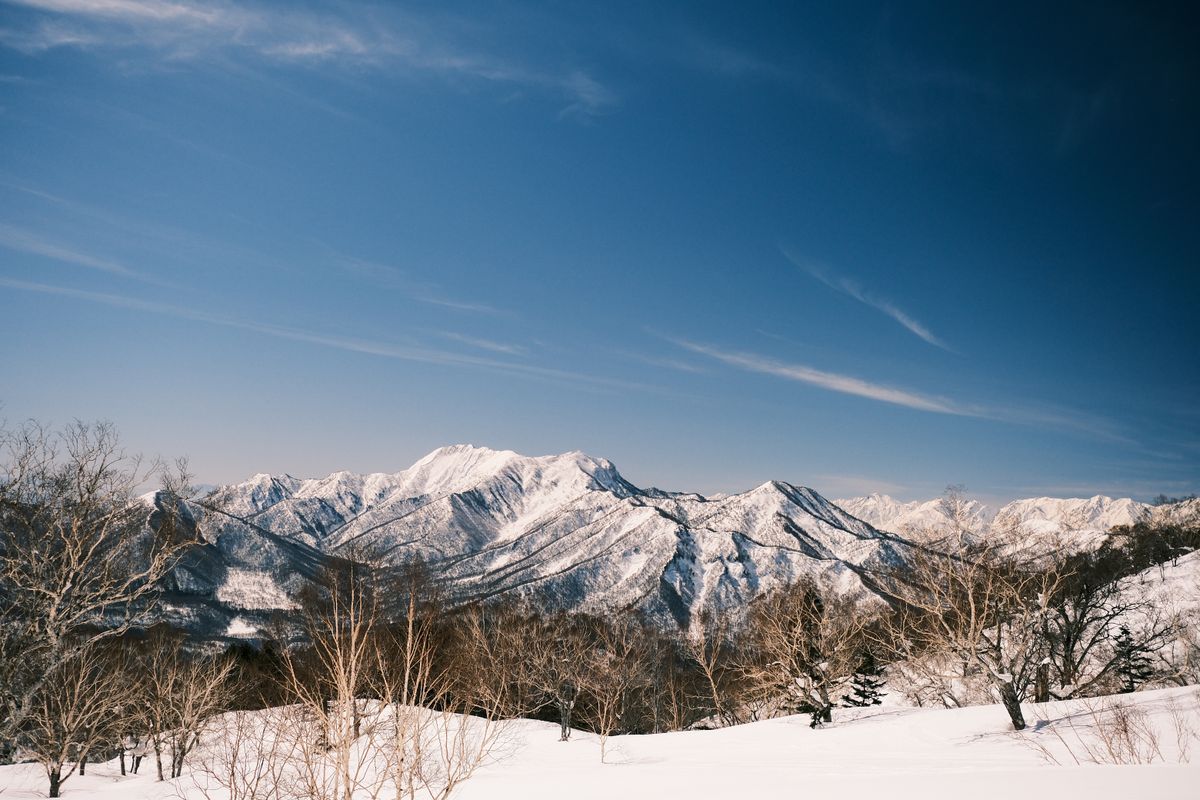
For those with hiking experience, the ascent of Mount Oyama (one of the peaks of Mount Tateyama) is achievable in a day from Murodo, with a steep but well-marked trail that takes about three hours up and two hours down. The summit at 3,003 metres holds a small Shinto shrine and offers spectacular views all the way to the Sea of Japan on clear days. The hike is best done in July and August when the trail is fully snow-free.
Kurobe Dam Viewing Platforms
The dam itself has multiple viewpoints reached by short climbs from the crossing. The highest, at the top of a long staircase on the western side, offers the best perspective of the discharge spray and the reservoir behind. The visitor centre on the eastern side has exhibits about the construction of the dam, which cost the lives of 171 workers and remains one of the most ambitious civil engineering projects in Japanese history.
Stargazing at Murodo
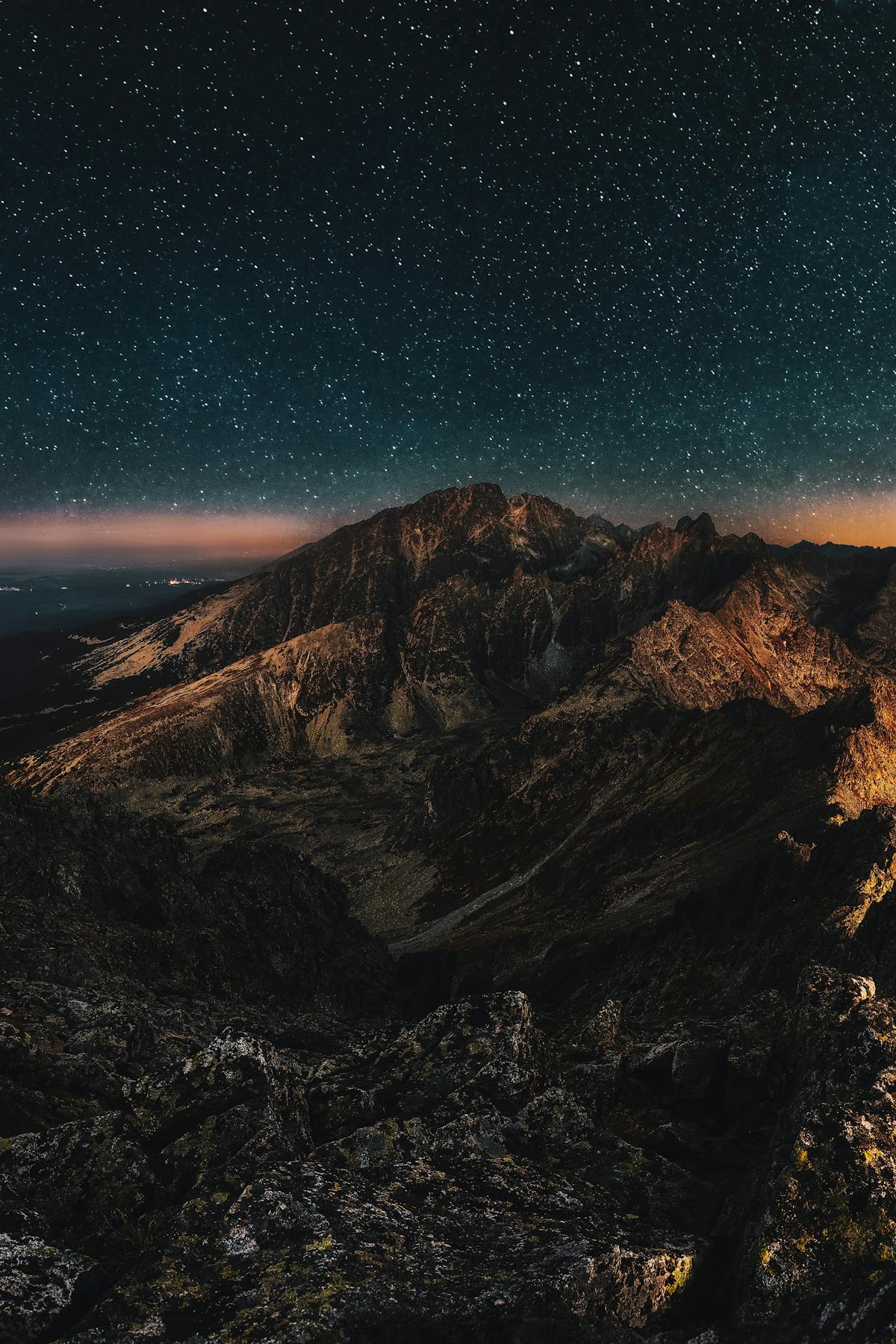
For guests staying overnight at the Murodo hotels in summer, the night sky is exceptional. With no nearby cities and an elevation of 2,450 metres, the Milky Way is often visible to the naked eye. The hotel staff sometimes organise informal stargazing meetings on clear nights.
Day Trip to Kurobe Gorge Railway
If you have an extra day, the Kurobe Gorge Railway (Kurobe Kyokoku Tetsudo) runs a wonderful narrow-gauge train along the lower stretches of the Kurobe River, climbing through some of the deepest canyon scenery in Japan. The trolley starts from Unazuki Onsen near Kurobe City and is a perfect autumn outing, completely separate from the Alpine Route itself but in the same region.
Where to Stay: Best Accommodation Options
You can complete the Tateyama Kurobe Alpine Route in a single day, but staying at least one night allows you to enjoy the high alps in early morning light, when the air is crystal clear and the day-trippers have not yet arrived.
On the Toyama Side
Most visitors stay either in Toyama City or in the small mountain village of Tateyama, just before the route entrance. Toyama City offers a wider range of hotels and restaurants and is a 60-minute train ride from the cable car station. The city is famous for its sushi and is well worth an evening of exploring, especially the area around Toyama Castle and the dramatic Toyama Glass Art Museum.
Tateyama Village itself has a handful of small ryokans and pensions that cater to early-morning route travellers. These tend to fill up quickly during snow wall season and autumn foliage, so book well ahead. For the widest selection at competitive prices, Book your hotel on Agoda (Best prices guaranteed) →.
At Murodo (The Mountain Summit)
Hotel Tateyama and Raicho-so Lodge both sit directly at Murodo Terminal at 2,450 metres. Staying here means waking up above the clouds, with sunrise views over the Tateyama range. Hotel Tateyama is the more upscale option, with private rooms, multi-course Japanese dinners, and hot spring baths fed by mountain water. Rates run from around ¥18,000 (USD $120) per person including dinner and breakfast. Booking opens in February for the entire season, and rooms sell out within days for popular dates.
On the Nagano Side
The closest base on the eastern end is Omachi or the lakeside town of Kizaki. Omachi has a small but charming traditional district and is the gateway to the Hakuba ski resorts in winter. Lake Kizaki offers more atmospheric ryokan stays, with a beautiful alpine lake right on the doorstep. For luxury options in this region, Find luxury hotels on Ikyu.com →.
Mid-Route at Kurobedaira
For an unusual experience, the Hotel Tateyama Kurobedaira offers basic accommodation in the middle of the route, surrounded by alpine cliffs. It is not luxurious, but the location is unlike anywhere else.
Tickets, Reservations, and Costs
The Tateyama Kurobe Alpine Route uses an integrated ticketing system that covers all eight modes of transportation. There are several ticket options depending on your itinerary.
Through Ticket (Toyama Side to Ogizawa)
The standard one-way through ticket from Tateyama Station to Ogizawa costs ¥10,940 (approximately USD $73). This covers all the transit segments but not the train rides to and from the route entrances. If you are travelling the other direction (Ogizawa to Tateyama), the price is the same.
Round Trip Ticket
If you are not crossing to the other side and instead returning to your starting point, a round trip ticket costs around ¥14,000 (USD $94). This works well if you have luggage and want to leave it at the starting station.
Reserved Seat Tickets
During the busiest weeks (Golden Week in late April and early May, August Obon week, and weekends in the autumn foliage period), reserved seat tickets are essential. They can be purchased online at the official Alpine Route website up to a month in advance and guarantee you a place on each transit segment. Without a reservation in peak season, you may wait two or more hours between connections.
Luggage Forwarding
Because moving between eight different forms of transport with bags is impractical, most visitors use the route’s official luggage forwarding service, which delivers your bag from one end of the route to the other for ¥2,000 (USD $13) per piece. This is one of the most useful services on the journey, and we recommend it without hesitation.
Getting an Airport Transfer to Toyama or Nagano
If you are flying into Tokyo Haneda or Narita, the connection to the Alpine Route can be smoother with a private airport transfer to your hotel near Nagano or directly to a train station. Book airport transfer with NearMe →
What to Pack and Wear
Even in summer, the high alps are dramatically cooler than the lowlands. Plan for a 15-degree drop in temperature between Toyama City and Murodo.
Spring (Snow Wall Season)
Temperatures at Murodo in April and May range from -5 to +5 degrees Celsius. You will need a warm winter jacket, gloves, a hat, and waterproof boots. Sunglasses and sunscreen are essential because the glare off the snow is intense. Bring a small backpack to hold layers since the buses and ropeways are heated.
Summer
Temperatures in July and August are pleasant but variable. A long-sleeved fleece, a rain jacket, and decent walking shoes are enough for the main viewpoints. If you plan to hike, bring proper hiking boots, water, snacks, and a hat. Many visitors are surprised to find snow still on the trails in early July.
Autumn
Autumn at Murodo is cool but rarely freezing in October. Expect daytime temperatures of 5 to 15 degrees Celsius. A medium-weight jacket, light gloves, and warm trousers are appropriate. By November, snowfall begins to return and conditions can change very quickly.
Suggested Itineraries
One-Day Crossing
If you are short on time, the route can be done in a single long day. Take an early train from Toyama (arrive at Tateyama Station by 8:30am), traverse the entire route with brief stops at Murodo and Kurobe Dam, and exit at Ogizawa by mid-afternoon. From Ogizawa, you can reach Nagano by 6pm and be back in Tokyo before bedtime.
Two-Day with Murodo Overnight
This is the ideal itinerary for most visitors. Spend day one slowly traversing to Murodo and stay overnight at one of the mountain hotels. The next morning, enjoy the sunrise, do a short hike around Mikurigaike Pond, then continue across the route at a relaxed pace. Stay the second night in Omachi or return directly to Tokyo or Osaka.
Three-Day Deep Mountain Experience
For travellers who want to experience the alpine world more thoroughly, add a day in Toyama or Kanazawa at the start, then a full day in the mountains, followed by a hike around Murodo or up Mount Tateyama. This pairs particularly well with a visit to Kanazawa, which is just 22 minutes by Shinkansen from Toyama and offers a striking contrast of refined urban culture after the wild mountain scenery.
Connecting Trips and Day Outings
The Tateyama Kurobe Alpine Route pairs beautifully with other destinations in the central Japan region. Consider these neighbouring trips when planning your itinerary.
Kanazawa and the Noto Peninsula
Kanazawa is just 22 minutes by Shinkansen from Toyama and is one of Japan’s most beautiful traditional cities. The famous Kenrokuen garden, the Higashi Chaya geisha district, and the food at Omicho Market make it an excellent base or follow-up destination. From Kanazawa, the rugged Noto Peninsula offers coastal scenery and small fishing villages.
Shirakawa-go and Takayama
From Toyama, the World Heritage village of Shirakawa-go is reachable by bus in about 90 minutes, and the town of Takayama lies another hour beyond. Together, these two destinations make a perfect three-day mountain itinerary in combination with the Alpine Route.
Matsumoto and the Eastern Approach
If you exit the route at Ogizawa, you are within easy reach of Matsumoto, home to one of Japan’s oldest original castles. Matsumoto also serves as a gateway to Kamikochi, a stunning alpine valley accessible by bus.
Hakuba
The Hakuba Valley, famous for its world-class ski resorts in winter, is also a green-season hiking and cycling destination. Combining the Alpine Route with a stop in Hakuba creates a strong central Japan mountain itinerary.
Booking Tours and Multi-Day Packages
If you would rather have someone else handle the logistics, several Japanese travel companies offer multi-day packages that include the Alpine Route, transfers, and accommodation. Book Japan tours and hotels on JTB → or .
Practical Tips for First-Time Visitors
- Book reserved tickets in advance. During Golden Week, August Obon, and weekends in October, the route fills up fast. Use the official Alpine Route website to reserve specific transit times.
- Use the luggage forwarding service. Carrying a large suitcase across eight modes of transport is exhausting. Drop your bag at the entrance and pick it up at the exit for ¥2,000.
- Start early. The first cable car of the day leaves Tateyama around 7:00am in peak season. Arriving early means smaller crowds and the best morning light.
- Bring layers. The temperature difference between the lowlands and Murodo can be 15 degrees Celsius or more. A foldable down jacket is the most useful single item to pack.
- Carry cash. Most mountain stations accept credit cards now, but small purchases (vending machines, lockers, photo prints) often require coins.
- Mind the altitude. Murodo at 2,450 metres is the highest accessible station in Japan. Drink plenty of water and take it slow during your first hour.
- Check the weather forecast. Visibility can change dramatically. The Alpine Route website posts daily weather updates by station.
- Use the toilets at each stop. Facilities on the route are clean and modern, but spread out. Plan ahead.
- Bring a portable battery. Cold mountain air drains phone batteries quickly, especially in spring and autumn.
- Take advantage of the food. The bento boxes sold at Murodo are simple, delicious, and a much-loved tradition. Try the special “white shrimp” bento, made with a local Toyama Bay delicacy.
- Respect the alpine environment. The Tateyama area is a designated national park, and visitors are asked not to leave the marked paths. Pick up any litter you bring in.
- Consider an eSIM for connectivity. Mobile signal can drop in tunnels but is strong at major stations. Get a Japan eSIM on Airalo →
- Pre-book hotels for Murodo. Mountain hotel rooms sell out months in advance. If you cannot find space there, an early-morning departure from Toyama City works almost as well.
Where the Alpine Route Fits in a Bigger Japan Trip
The Tateyama Kurobe Alpine Route is one of those rare experiences that is worth structuring an entire itinerary around. If you have ten days or more in Japan and want to see the country’s most dramatic mountain scenery, build your trip around a four to five day central Japan loop: arrive in Tokyo, take the Shinkansen to Nagano, cross the route to Toyama, continue to Kanazawa, then return south through Kyoto. This kind of itinerary balances the bustling cities with the wild high country and shows visitors a side of Japan that most first-timers never see.
For a broader perspective on how to combine destinations across the country, our overview of destinations across Japan offers regional itineraries and ideas for travellers with different timeframes. And if you are still gathering tips for your overall trip, our first-timer’s Japan travel guide covers everything from etiquette to money and transport.
Frequently Asked Questions
Is the Tateyama Kurobe Alpine Route worth the cost?
For most visitors, yes. At around ¥11,000 for the through ticket, the route is not cheap, but the variety of landscapes and the engineering of the journey itself are unique in the world. People who love mountains, photography, or unusual travel experiences typically say it was the highlight of their trip. People who prefer city experiences may find it less compelling. As with any expensive single attraction, it works best when you build your time so that you can savour it rather than rushing through.
Do I need to speak Japanese?
Not at all. The route has English signage at every major station, English-speaking staff at ticket counters, and English announcements on the larger transit segments. Maps and brochures are widely available in English. Outside the route itself, smaller towns may have less English support, but visitors generally manage easily with translation apps.
Can children do the route?
The Tateyama Kurobe Alpine Route is very child-friendly. The transit segments are short, the stations have clean facilities and food, and children especially love the snow walls in spring. The altitude at Murodo can affect small children, so plan to take it slow and bring plenty of water. Strollers are usable on some sections but not all, and most families with young children find baby carriers more practical.
How long does the full crossing take?
The minimum end-to-end transit time is about 4 hours of actual travel, but with sensible stops for photos, food, and short walks, most visitors take 6 to 8 hours. Adding an overnight stay at Murodo turns the journey into a two-day experience and is what we recommend if your schedule allows.
What if the weather is bad?
The route operates in most weather conditions, including light rain and snow. In severe weather, sections may close temporarily. Even on cloudy days, the experience of crossing the mountains is dramatic, and clouds rolling through the valleys can be beautiful in their own right. The route’s website posts daily updates and any service interruptions, so check the morning of your visit before setting out.
Is the Japan Rail Pass valid for the Alpine Route?
The JR Pass does not cover the Alpine Route itself. It is valid on the JR trains that bring you to the entrances, including the Shinkansen to Nagano and Toyama. The actual route tickets must be purchased separately.
How crowded is it?
Golden Week (late April to early May), the August Obon week, and weekends in October are peak times, with long queues at major transit points if you do not have reserved tickets. Weekdays in early June, July, late September, and early November are much quieter and offer a more relaxed experience.
Are there places to eat along the route?
Yes. Murodo has a large cafeteria, a snack stand, and a more formal restaurant inside Hotel Tateyama. Daikanbo has a small cafe with excellent views. Kurobe Dam has a famous “dam curry” served at the visitor centre, with the rice shaped like the dam itself. Bring a few snacks for the in-between stretches.
Can I bring large luggage on the route?
You can, but it is highly inconvenient. The trolleybus and cable car compartments are small, and you may be asked to wait for a less crowded vehicle if your bag is large. Use the luggage forwarding service from one end of the route to the other for ¥2,000.
What about altitude sickness?
Murodo at 2,450 metres is high enough that some visitors notice mild symptoms such as a headache or shortness of breath, especially if they have come quickly from sea level. Drink water, avoid alcohol, and walk slowly during your first hour. Severe altitude sickness is very rare.
Final Thoughts
The Tateyama Kurobe Alpine Route is one of those experiences that lingers in memory long after you have returned home. It is partly the scale of the landscape, partly the strange beauty of the engineering that lets you travel through it, and partly the slow rhythm of a journey that unfolds across eight different vehicles. Few destinations in Japan offer a combination of nature, technology, and culture in quite this way.
If you have the time during your Japan trip, build at least two days into your schedule for this adventure. Stay at Murodo if you can. Take the time to walk between the snow walls, to watch the dam discharge, to look back at the Tateyama range from the eastern ropeway as it crosses the deep valley. You will come away with a sense of Japan’s wild side that few first-time visitors ever experience.
For more inspiration on the Chubu region and the Japanese Alps, browse our destination guides for cities and regions across Japan. Safe travels, and enjoy one of the most beautiful mountain journeys in the world.
Going to Japan? Talk to locals with confidence.
Hirameki Japanese — instant offline translation, camera translation, furigana + romaji, and 314 free flashcards. No login. Works without internet.

Plan your Japan trip
Two things every first-timer should book
Some links are affiliate links. If you book through them we may earn a small commission at no extra cost to you.