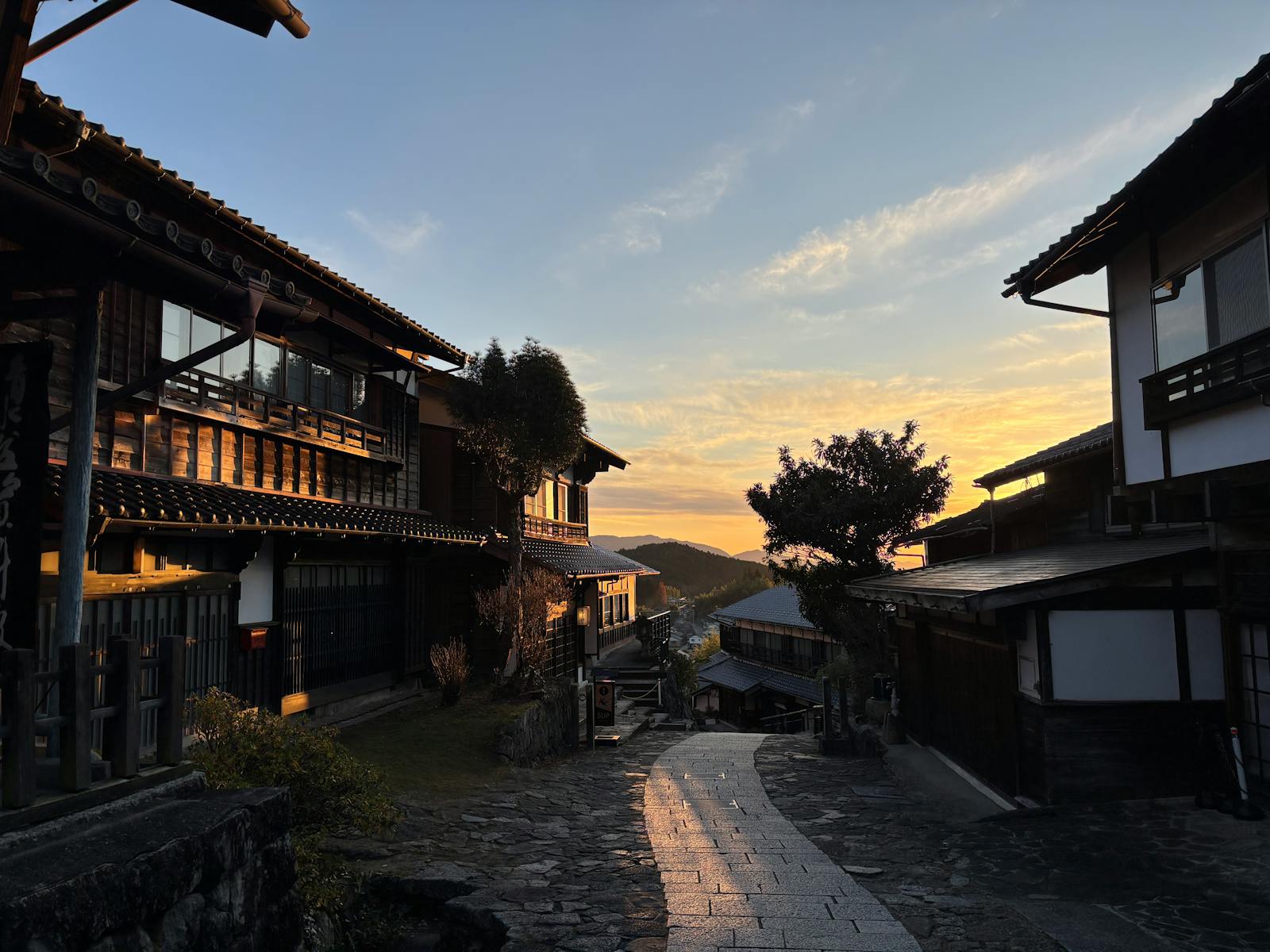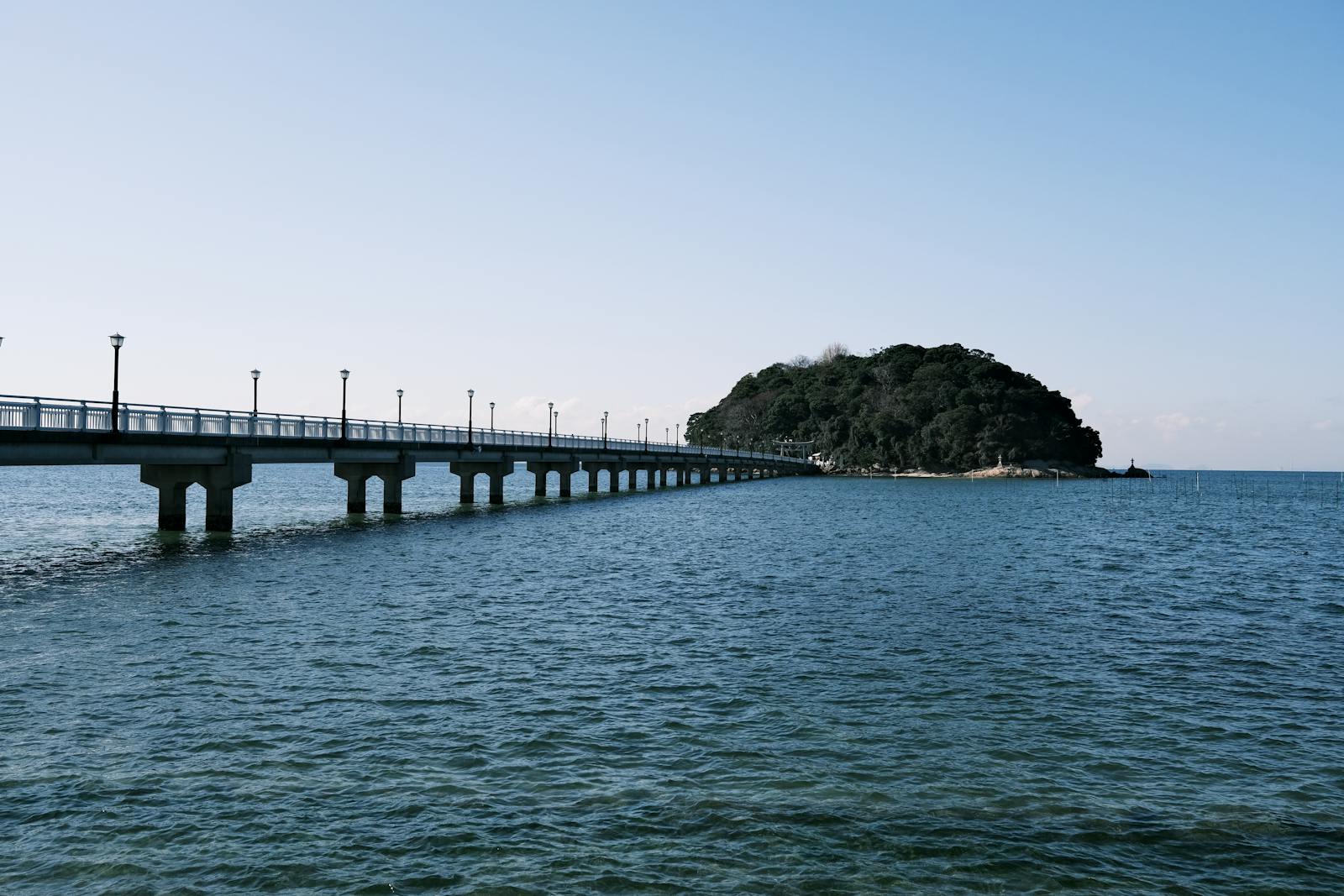
Adrift in the Sea of Japan, about an hour by ferry off the coast of Niigata Prefecture, sits an island that feels like a different country entirely. Sado Island — Sadogashima in Japanese — is the country’s sixth-largest island, a place of rugged sea cliffs, terraced rice paddies, abandoned gold mines, hand-rowed tub boats, world-famous taiko drummers, and one of the last wild populations of Japan’s beloved crested ibis. Despite all this, Sado remains one of the most overlooked destinations in Japan, especially for first-time visitors who tend to stick to the well-trodden Tokyo–Kyoto–Osaka triangle.
That neglect is precisely what makes Sado special. While the famous Golden Route fills up with tour groups during cherry blossom and autumn-leaf seasons, Sado is the kind of place where you can drive a coastal road for thirty minutes and pass two cars. The 855-square-kilometer island has roughly 50,000 residents, an aging fishing and farming population whose grandparents and great-grandparents built the wooden boats, raked the rice terraces, and dug the gold seams that still define Sado today.
The Sado Island Gold and Silver Mines were officially inscribed on the UNESCO World Heritage List in July 2024, joining a small group of Japanese sites recognized for centuries of mining history. That inscription has nudged Sado onto more travel itineraries, but the island still feels refreshingly uncrowded. If you have a few extra days on a Japan trip and the curiosity to step off the usual path, Sado offers one of the most rewarding side journeys in the entire country.
This complete first-timer’s guide covers everything you need to know about visiting Sado Island: how to get there, when to come, where to stay, what to eat, and what to actually do once you arrive. We’ll walk through the gold mines, Kodo taiko village, the famous tub boats of Ogi, sake breweries, hiking trails, and the practical logistics that make a Sado trip smooth rather than stressful.
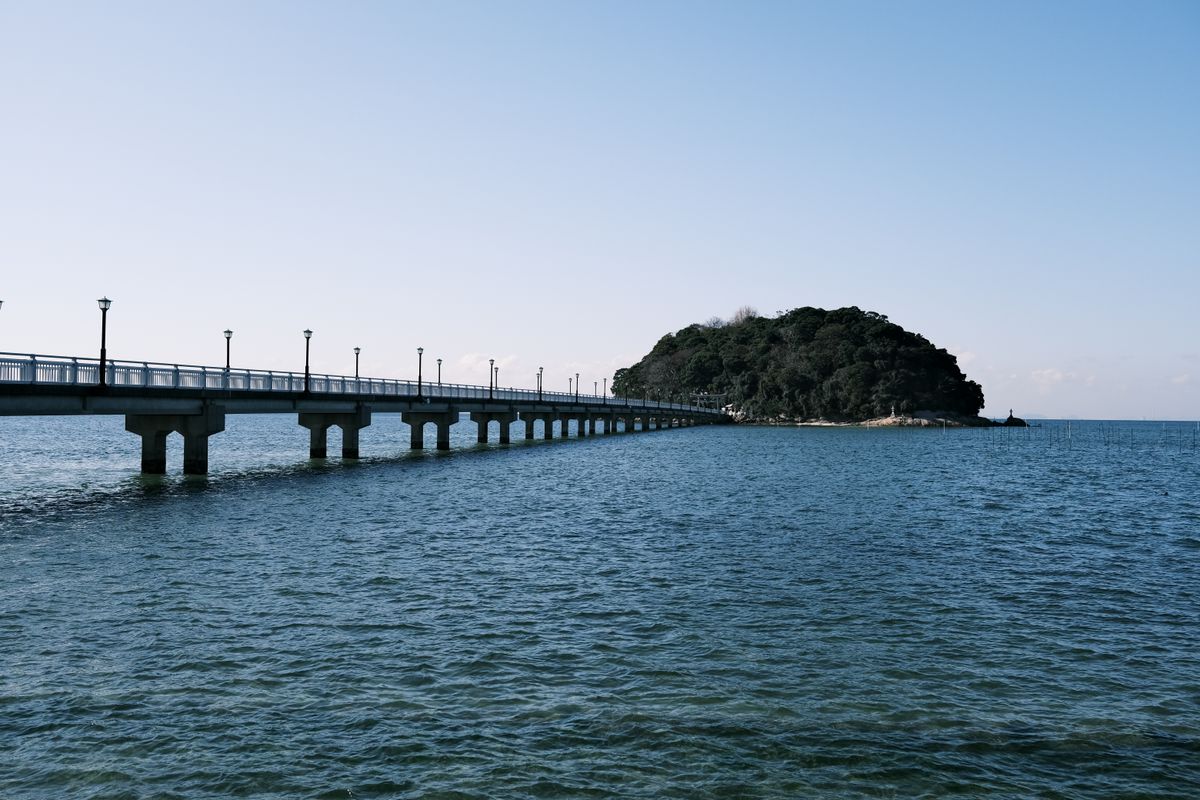
Where Is Sado Island and Why Should You Visit?
Sado lies in the Sea of Japan, roughly 35 kilometers off the coast of Niigata City. Look at a map of Honshu and you’ll see it as a butterfly-shaped landmass to the north and west of Niigata Prefecture. Geologically, the island is dominated by two parallel mountain ranges that rise from the sea — the Osado range to the north, the Kosado range to the south — with a broad plain called Kuninaka in between. That plain is where most of the rice gets grown and where the small airport sits, while the mountains hold the gold mines, the dramatic coastal scenery, and the deepest pockets of traditional culture.
For most of Japanese history, Sado was an exile island. During the Heian and Kamakura periods, the imperial court used Sado to banish out-of-favor nobles, monks, and emperors. The most famous exile was Emperor Juntoku, sent here in 1221 after a failed uprising; he never returned. The Buddhist priest Nichiren was exiled here in 1271 and went on to establish key teachings during his three-year stay. The poet Zeami, founder of Noh theater, was banished here in 1434, which is part of why Sado has more Noh stages per capita than anywhere else in Japan.
From the early Edo period onward, Sado’s identity shifted from prison island to gold-rush colony. The discovery of gold in 1601 brought engineers, miners, merchants, and laborers from across Japan, and at its peak Sado’s gold and silver output funded a meaningful share of the Tokugawa shogunate’s revenue. The mining operation continued in various forms until 1989 — a 388-year run that left behind a vast network of tunnels, dramatic open-pit scars, and entire mining towns slowly returning to forest.
Visit Sado today and you encounter all of these layers. Walk through Aikawa town and you see Edo-period mining offices alongside an early-twentieth-century brick smelting plant. Drive the coast and you find Heian-era shrines tucked into pine groves. Hike a ridge in the Osado mountains and the sea stretches out to the horizon, with no other land in sight. It is, in the best sense, an island of stories.
How to Get to Sado Island from Tokyo
Most travelers reach Sado via Niigata City, and getting from Tokyo to Niigata is straightforward thanks to the Joetsu Shinkansen. The bullet train covers the 333-kilometer journey from Tokyo Station to Niigata Station in about two hours, with frequent departures from early morning to late evening. A standard one-way reserved seat costs roughly ¥10,760 (about $72 USD) and is fully covered by the Japan Rail Pass.
Book your hotel on Agoda (Best prices guaranteed) →
Once you arrive in Niigata Station, you need to get to Niigata Port — the departure point for the Sado Kisen ferry. The port is about 15 minutes by taxi from the station (¥1,500 / about $10 USD) or 20 minutes by city bus (¥220 / about $1.50 USD) from the Bandai-guchi exit. Allow at least 30 minutes’ buffer, particularly if you’re catching the high-speed jetfoil — gates close strictly fifteen minutes before departure.
Ferry options to Sado
Sado Kisen runs two routes from Niigata to Sado, plus a smaller third route on the southern side.
Niigata Port to Ryotsu Port is the main route. There are two boat options. The car ferry (Okesa-maru or Tokiwa-maru) is the slow, scenic, and inexpensive choice, taking about 2 hours and 30 minutes each way at ¥3,200 one-way for second-class adults (about $21 USD). The high-speed jetfoil (Tsubasa) covers the same distance in just 67 minutes but costs ¥7,290 one-way (about $49 USD). Children are roughly half price on both.
Naoetsu Port to Ogi Port is the secondary route, useful if you’re arriving from the Kanazawa or Nagano direction. The Akane jetfoil completes the journey in about 100 minutes for ¥7,580 one-way (about $51 USD). Service is reduced or paused outside peak season, so always check the timetable before relying on this route.
If you’re not pressed for time, the slow car ferry is honestly the better experience. You can walk the open decks, watch seagulls hover, and grab a bowl of curry rice in the onboard cafeteria. Locals often gather at the rear of the boat to feed the gulls, which is a small but charming Niigata tradition. Many also recommend booking the carpeted “second class” floor area rather than a numbered seat — you spread out, nap, and feel like a Showa-era traveler crossing the Sea of Japan.
By air to Sado
Sado has a tiny airport on the Kuninaka plain near Sawata. As of mid-2026, scheduled commercial flights to Sado are extremely limited and tend to be small charter or seasonal services rather than mainstream domestic carriers. For practical planning, assume that you will reach Sado by ferry. Always confirm flight availability through your airline of choice or the airport’s official information before counting on it.
When to Visit Sado Island
Sado works as a destination across all four seasons, but each one offers a different experience. Knowing the rhythm of the island helps you pick the right window for the trip you want.
Spring (April to May)
Spring brings cherry blossoms a week or two later than the mainland — Sado’s sakura usually peak in mid to late April. Mayasan Park and the riverside paths near Mano Bay are the most photogenic spots. Temperatures hover around 12 to 18 °C, the ferry schedule is full, and the island is bright with apricot, plum, and rapeseed flowers. May is also the start of the rice-planting season, when the flooded paddies reflect the sky like mirrors. The famous terraced rice fields of Iwakubi Shoryu are at their photographic best around mid-May.
Summer (June to August)
Summer is peak Sado. The weather is warm but bearable thanks to coastal breezes, with daytime highs around 27 to 30 °C and rare humid spells. This is when the famous Earth Celebration music festival happens in late August — three days of world-music performances, taiko workshops, and crafts hosted by Kodo, the internationally renowned taiko drumming group. Earth Celebration draws fans from across Asia and Europe and is by far the biggest event on the Sado calendar.
Summer is also the only season when many of the swimming beaches, kayak tours, and lighthouse boat trips are running at full capacity. Book accommodation early if you’re coming in late July or August.
Autumn (September to November)
Autumn is arguably the most underrated time to visit. The rice harvest paints the terraces gold from late August through September, and the maples in the Osado mountains turn red and orange between mid-October and early November. The ferries are quieter, the temperatures are mild (15 to 22 °C), and the seafood — especially yellowtail, squid, and the early-season snow crab from neighboring waters — hits its peak.
Winter (December to March)
Winter is the most challenging season but also the most atmospheric. Sado sits on the snow-belt side of Japan, and the northern Osado mountains can receive several meters of snow. Coastal areas get less, but storms whip the cliffs and ferry crossings can be cancelled when seas are rough. The Sado Gold Mine and a number of indoor sights stay open year-round, hot crab is in full season, and the ryokan inns light their hearths. If you don’t mind a slower pace and the occasional weather delay, winter Sado is hauntingly beautiful.
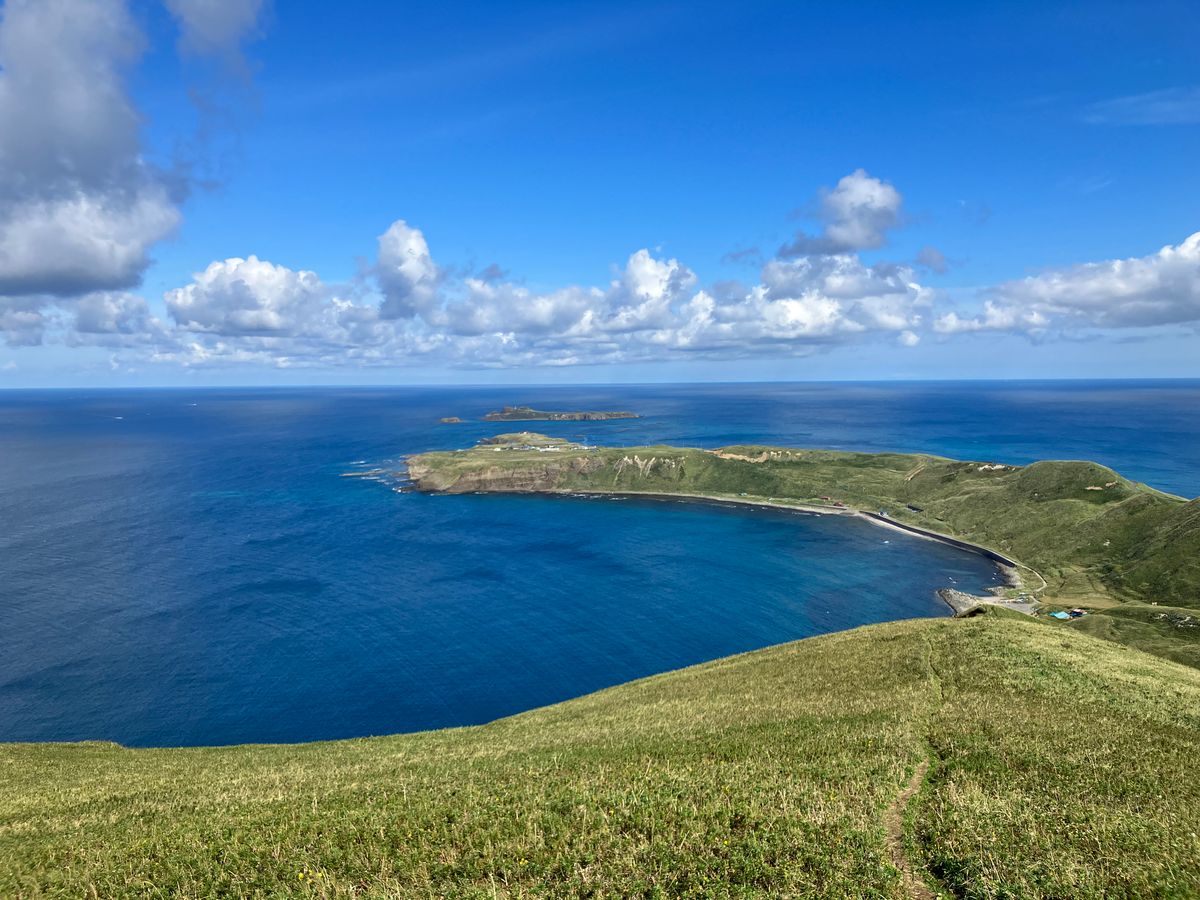
Top Things to Do on Sado Island
Sado is geographically large by Japanese-island standards. The drive from the northern tip of the Osado peninsula to the southern fishing harbors of Ogi can take two hours without stops. To make the most of your visit, plan to spend at least two full days on the island — three is better. Here are the experiences that should anchor your itinerary.
1. Sado Gold Mine (Sado Kinzan)
The Sado Gold Mine, on the western coast near Aikawa, is the historical and cultural heart of any visit. The mine produced gold and silver almost continuously from 1601 until 1989, and several sections are open as a self-guided museum experience. The most popular routes are the Sodayu Tunnel (Edo-period) and the Doyu-no-Warito Tunnel (Meiji and Showa-era), each priced around ¥1,000 (about $7 USD) per route, with combination tickets available at the entrance.
Inside the Edo-period tunnels, animatronic figures of miners chip away at rock walls, lift baskets of ore, and occasionally crack a joke about how tough the work was. The tunnels stay around 10 °C year-round, so a light jacket helps even in summer. Above ground, the open-pit scar of Doyu-no-Warito — a mountain literally split in two by centuries of mining — is one of the most striking man-made landscapes in Japan, and is a centerpiece of the UNESCO inscription.
Plan to spend two to three hours covering both tunnel routes, the small surface museum, and the gold-bar lifting challenge (a famously slippery 12-kilogram solid gold bar that visitors try, and almost always fail, to pull through a narrow hole for a small prize).
2. Kitazawa Flotation Plant ruins
Less than ten minutes’ drive from the gold mine entrance, the Kitazawa Flotation Plant is a sprawling industrial ruin from the early 20th century. Massive concrete tanks, rusting iron pylons, and overgrown stairways climb a hillside that once processed the ore from the mine. The site has been called “Japan’s Machu Picchu” for its mossy, terraced look, and it is genuinely cinematic at sunset. Entry is free and you can walk among the ruins at your own pace. The adjacent Kitazawa Park lights the site up after dark on summer weekends — check the visitor center for the current schedule.
3. Tarai-bune tub boats in Ogi
On the southern coast, the small fishing port of Ogi is the home of the tarai-bune — round, wooden tub boats that local women have used for centuries to harvest shellfish, sea urchins, and seaweed from the rocky inlets. The boats look like giant wooden washtubs, and you can ride one for about ten minutes for ¥700 (about $5 USD) under the gentle guidance of a costumed boatwoman. It is touristy in the best sense — a charming, photo-perfect glimpse of a working tradition that adapted to a coast where conventional boats simply could not navigate.
Ogi has three main tarai-bune sites: Yajima Kyojima (the most picturesque, with a red bridge linking two small islands), Shukunegi (combined with the heritage village; see below), and Ogi Port itself. Yajima Kyojima is the locals’ favorite and the easiest to combine with a coastal hike.
4. Shukunegi heritage fishing village
Just west of Ogi, Shukunegi is one of the best-preserved Edo-period fishing villages in Japan. The village is built within a tiny natural amphitheater, with around 100 traditional wooden houses crammed shoulder-to-shoulder along narrow stone lanes. The houses were built by shipwrights using scrap timber from the boats they made, which is why so many have curved walls and oddly-angled rooms.
You can walk Shukunegi’s lanes for free, with a small ¥500 (about $3.50 USD) ticket giving you access to three of the historic houses that have been opened as miniature museums. Don’t miss the “Sankaku-ya” (Triangle House), which famously was built to fit into a wedge-shaped plot of land. Allow about 90 minutes for a relaxed visit.
5. Kodo Cultural Foundation village
Kodo is one of the most famous taiko drumming groups in the world. Founded on Sado in 1981, the group’s members live and train at a residential village called Kodo Mura tucked into the hills near Ogi. The village is normally closed to the general public, but during the annual Earth Celebration in August it opens for workshops, exhibitions, and small live shows. Even outside the festival, visitors can sometimes hear the drummers practicing across the valley — and the Sado Island Taiko Centre nearby offers introductory taiko lessons year-round (¥3,500 / about $24 USD per person for a one-hour group lesson).
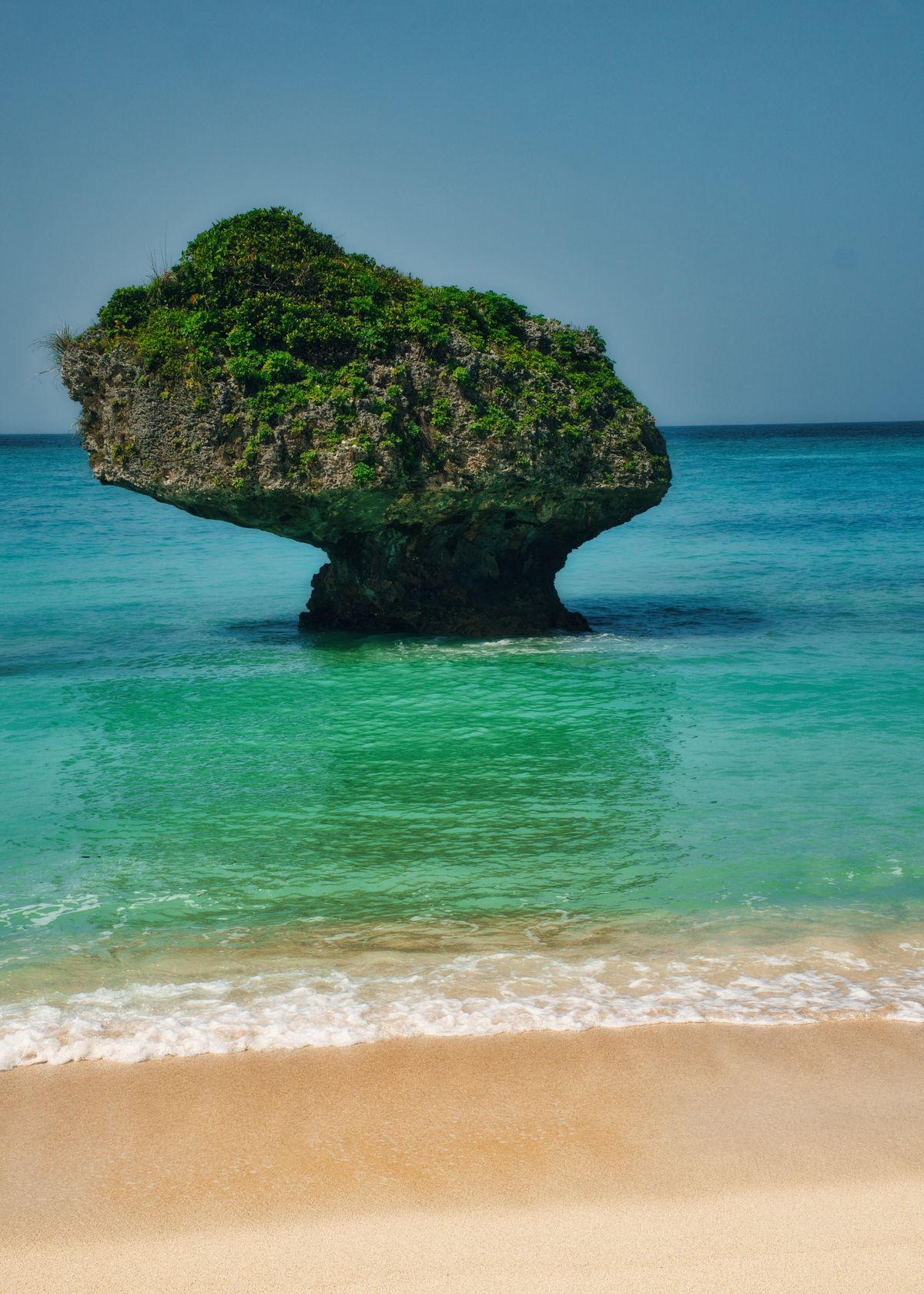
6. Senkakuwan Bay sea cliffs
On the northwestern coast, Senkakuwan Bay is one of the most spectacular stretches of coastline in all of Japan. Vertical sea cliffs rise 20 to 30 meters from emerald water, with sculpted caves, sea stacks, and natural arches. You can hike the cliff-top trail for free, or take a 30-minute glass-bottom sightseeing boat for ¥1,500 (about $10 USD). The boat trips run from late March through November and tend to suspend in rough weather.
7. Toki Forest Park and the Japanese crested ibis
The toki, or Japanese crested ibis, is one of Japan’s national symbols and was famously declared extinct in the wild in 2003, when the last wild-born individual on Sado died. Through a decades-long captive breeding program with birds donated from China, the species has been carefully reintroduced to Sado, and as of the mid-2020s there are several hundred wild toki living on the island. Toki Forest Park, just outside Niibo town, is the main public-facing conservation center; you can see captive birds up close, learn about the recovery program, and (if you’re lucky) spot wild ones flying over the surrounding rice fields at dawn or dusk. Entry is around ¥500 (about $3.50 USD).
8. Iwakubi Shoryu rice terraces
On the southeastern coast, the Iwakubi Shoryu rice terraces cascade down the hillside in roughly 460 small fields, with the Sea of Japan stretching out as the horizon line. The terraces are most photogenic in late May (just after planting, when the paddies reflect the sky), in early autumn (when the rice is ripening to gold), and at sunset year-round. There’s no entry fee — just a small parking area and a viewing platform with information panels.
9. Sake breweries and craft producers
Sado has five sake breweries producing some of the best sake in Niigata Prefecture, which is itself Japan’s most celebrated sake region. The most visitor-friendly is Hokusetsu Brewery in Akadomari on the southern coast, which has produced sake for over 150 years and supplies Nobu restaurants worldwide. Tours can be arranged by phone or through the local tourism office. Obata Brewery near Mano and Tenryohai near Sawata also welcome small groups; tasting flights typically cost ¥500 to ¥1,500 (about $3.50 to $10 USD).
10. Mt Donden and the Osado mountain ridge
For hikers, Mt Donden (934 m) in the Osado range is the standout trek. The most popular route is the open-ridge traverse from Donden-sanso lodge to Aoneba-toge pass, a four- to five-hour hike through alpine meadows famous for their wildflowers from late May through July. The trailhead is accessible by car or seasonal bus from Ryotsu; the lodge offers a basic dorm-style overnight stay (about ¥9,000 / $60 USD with two meals).
Suggested 2-Day and 3-Day Sado Itineraries
Sado is too big to see in a single day. Two days is the realistic minimum for a meaningful visit; three days lets you slow down and dig into the culture.
2-day Sado itinerary
Day 1: Mining heritage. Arrive on the morning jetfoil at Ryotsu (around 11:00). Pick up your rental car and drive west to Aikawa (45 minutes). Spend the early afternoon at Sado Gold Mine, then walk down to Kitazawa Flotation Plant in late afternoon for the golden-hour light. Check into a coastal ryokan in Aikawa for dinner — fresh sashimi, simmered yellowtail, and local sake.
Day 2: Southern coast and culture. Drive south to Ogi (about 90 minutes). Ride the tarai-bune tub boats at Yajima Kyojima, walk through Shukunegi heritage village, and have a seafood lunch at the harbor. In the early afternoon, head to the Sado Island Taiko Centre for an introductory lesson, then drive to Iwakubi Shoryu rice terraces for sunset. Catch the evening ferry back to Niigata (around 19:30 arrival).
3-day Sado itinerary
Day 1: Sado Gold Mine, Kitazawa Flotation Plant, and a sunset walk at Senkakuwan Bay. Overnight in Aikawa.
Day 2: Drive south via the coastal road to Ogi. Tarai-bune at Yajima Kyojima in the morning. Shukunegi village before lunch. Afternoon: visit Hokusetsu Brewery in Akadomari for a tasting. Overnight in Ogi or Sawata.
Day 3: Iwakubi Shoryu rice terraces at sunrise, Toki Forest Park mid-morning, and a hike at Mt Donden if the weather is clear. Return to Ryotsu and catch a late afternoon ferry.
Where to Stay on Sado Island
Sado has a wide range of accommodation, from modest minshuku (family-run inns) for under ¥7,000 ($47 USD) per night to high-end coastal ryokan with private hot spring baths for ¥25,000 ($168 USD) and up. Most stays include breakfast and dinner, which on Sado is a huge part of the experience.
Aikawa area (best for gold-mine focused stays)
The western coast around Aikawa is ideal if your priority is the UNESCO mining sites and dramatic sea cliffs. Recommended ryokan in this area typically offer kaiseki dinners built around the local seafood — buri (yellowtail), nodoguro (blackthroat seaperch), and seasonal shellfish. Many have hot-spring baths overlooking the Sea of Japan, which is especially beautiful at sunset.
Ryotsu area (best for first-timers and easy access)
Ryotsu is the main ferry port and the most convenient base if you have only one or two nights. The town itself is functional rather than picturesque, but there are good business hotels and family-run inns within walking distance of the port. Look for breakfast buffets that include local rice, freshly steamed Sado mochi, and miso soup with the local seaweed.
Ogi area (best for southern coast and Kodo)
Ogi puts you within walking distance of the tarai-bune sites and a short drive from Shukunegi and the Hokusetsu sake brewery. The accommodation here tends to be small family-run minshuku, often with shared bathrooms but excellent home-cooked meals. If you’re attending Earth Celebration in August, book Ogi-area inns as much as a year in advance.
Sawata and Kuninaka plain
Central Sado offers larger hotels with parking, restaurants, and supermarkets nearby. Convenient if you’re driving and want a more “town” feel for your base, but you’ll miss out on the coastal atmosphere that’s the main draw of Sado.
Find luxury hotels on Ikyu.com →
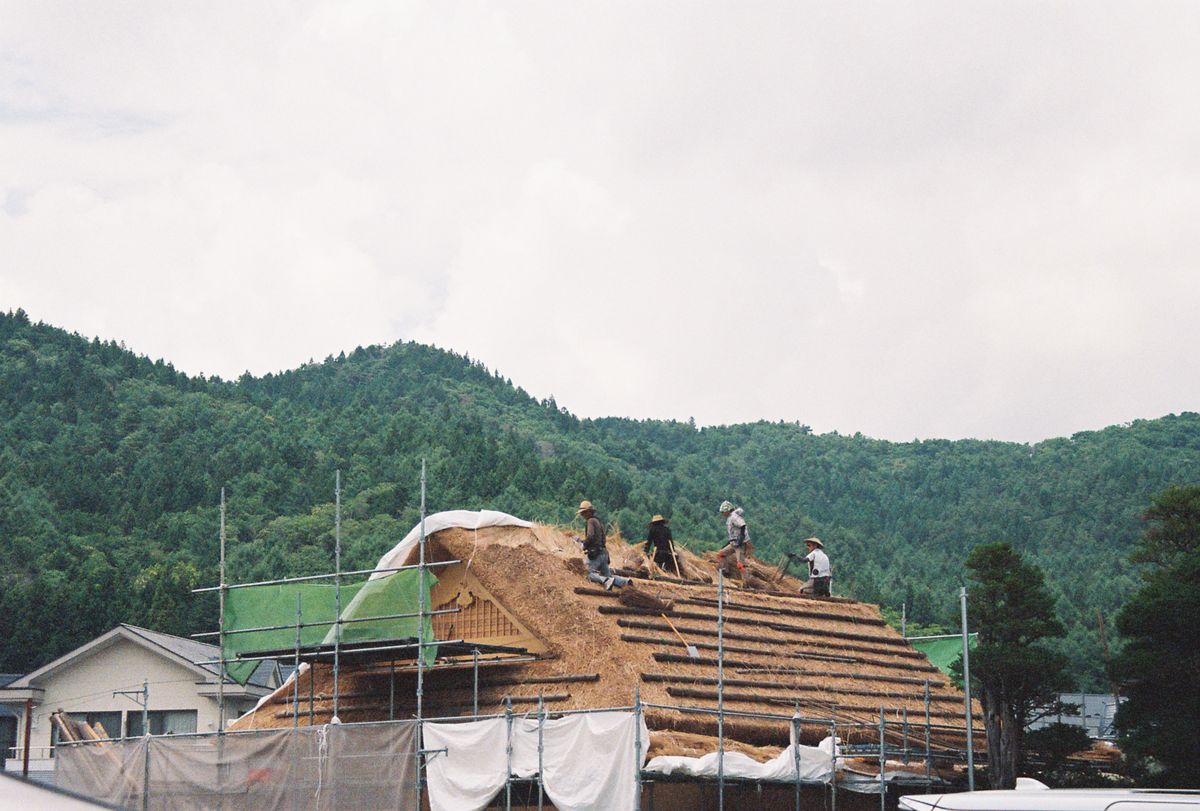
Sado Food: What to Eat
Sado eats well. The island is surrounded by some of the richest fishing grounds in the Sea of Japan, the rice paddies of the Kuninaka plain produce a famously fragrant short-grain rice, and the cold-weather climate is ideal for sake brewing. Here is what to seek out.
Buri (yellowtail) sashimi
Cold-water yellowtail caught in the seas around Sado in late autumn and winter is among the best in Japan. Look for “kan-buri” on menus — winter yellowtail, with a fat content that almost melts on the tongue. A simple sashimi platter at a port-town izakaya typically runs ¥1,800 to ¥3,000 (about $12 to $20 USD).
Sazae (turban shellfish) and sea urchin
Sazae are sliced raw and served with their own shells as natural plates, or grilled with sake and soy sauce inside the shell. Sea urchin (uni) from Sado is in season from late May through August and is sometimes served on top of rice as a “uni-don” bowl for around ¥3,000 to ¥4,500 ($20 to $30 USD).
Sado rice and senbei
Niigata Prefecture grows arguably the best rice in Japan, and Sado’s small-scale farmers in Kuninaka grow some of the best of the best. Try the rice plain at any decent breakfast spread to taste the difference, and pick up a pack of locally made rice crackers (senbei) at the ferry terminal gift shop for ¥500 to ¥1,200 ($3.50 to $8 USD).
Hokusetsu and Manotsuru sake
Sake from Sado is exceptional. Hokusetsu is the best-known label internationally; Manotsuru and Tenryohai are favorites locally. Look for premium “junmai daiginjo” grades to taste what the island can really do. Many ryokan dinners include a small flight at no extra charge.
Okesa-gaki persimmons
Sado is famous for a variety of seedless persimmon called Okesa-gaki, harvested in October and November. The seedless nature means the fruit is intensely sweet and almost mousse-like in texture. Look for them at roadside stands and supermarkets in autumn; a tray of six runs about ¥1,000 ($7 USD).
Getting Around Sado Island
Sado is a large island with limited public transportation, so transport is the single biggest practical question for visitors.
Rental car (strongly recommended)
A rental car is by far the best way to explore Sado. The island’s roads are well-paved, generally quiet, and signposted with enough English to be navigable. The drive from Ryotsu to Aikawa takes about 45 minutes; from Ryotsu to Ogi about 90 minutes. Rental rates start around ¥6,000 ($40 USD) per day for a compact car, with full coverage insurance recommended. Major counters are at Ryotsu Port and Sado Airport; book online before your trip, especially in peak season.
You’ll need an International Driving Permit (IDP) or, for Swiss, French, German, Belgian, Taiwanese, Monaco, Slovenian, and Estonian licenses, an official Japanese translation of your home license. Petrol stations are plentiful in the main towns but become sparse on rural roads — fill up before driving the Osado mountain loops.
Local buses
The Niigata Kotsu Sado bus network connects Ryotsu, Aikawa, Sawata, Ogi, and most main villages, but service is infrequent (often only a few buses per day) and runs are reduced outside peak season. A one-day bus pass is around ¥1,500 ($10 USD). Buses are practical for sticking to the main axis Ryotsu–Aikawa or Ryotsu–Ogi, but they make multi-stop sightseeing very slow.
Cycling
For active travelers, e-bikes are a great option in the warmer months. Several outlets in Ryotsu and Ogi rent electric-assist bikes for around ¥3,000 to ¥4,500 ($20 to $30 USD) per day, with helmets and route maps included. The coastal road from Ryotsu to Aikawa is mostly flat and offers some of the best sea views on the island, though traffic can be steady on summer weekends.
Taxis
Taxis are available but expensive for longer distances. A short hop from Ryotsu Port to a hotel might cost ¥800 to ¥1,500 ($5 to $10 USD), but the run from Ryotsu to Aikawa would be ¥8,000 or more ($55 USD). Useful only for short rides or as a fallback when buses don’t run.
What to Pack for Sado
Sado packs the same way as the rest of coastal Japan, with a few extras worth thinking about.
Comfortable walking shoes are essential — Shukunegi village, Senkakuwan cliff trails, and the gold-mine tunnels all require stable footwear. A light jacket or fleece even in summer helps inside the mines and on coastal evenings, when the breeze cools fast. Rain gear, especially a compact poncho, is non-negotiable; Sado weather changes quickly and the ferries pitch in even moderate seas. Bring cash for small purchases — many smaller minshuku and roadside stalls still don’t accept cards.
Connectivity: Staying Online on Sado
Mobile coverage on Sado is good in towns and along main roads, but spotty in the Osado mountains and a few coastal stretches. NTT Docomo has the strongest coverage; SoftBank and Rakuten are decent in the populated areas. For most travelers, an eSIM is the easiest way to stay connected — no need to swap your physical SIM, and you can activate it before you board the ferry.
Get your Japan eSIM (Stay connected from day 1) →
For longer trips that include other parts of Japan, you may also want to consider a backup eSIM with a different carrier in case of coverage gaps.
Money and Practical Tips
Japan is still very much a cash society outside the big cities, and Sado is no exception. Most ryokan, the Sado Gold Mine, and major restaurants accept credit cards, but small minshuku, family-run shops, and many local restaurants are cash-only. ATMs are available at the 7-Eleven and Lawson convenience stores in Ryotsu, Aikawa, Sawata, and Ogi, and at Japan Post Bank branches in most towns. Foreign-issued cards work reliably at the convenience-store ATMs.
English signage on Sado is improving steadily but is still inconsistent. Major sights have English information boards; smaller restaurants and minshuku may not. A translation app like Google Translate or Papago, with the camera feature for menus, is genuinely useful here.
Tap water on Sado is safe to drink, and bringing a refillable bottle saves on plastic. Convenience stores stock everything from snacks to first-aid items to umbrellas, but selection is more limited in rural villages.
Festivals and Special Events on Sado
Sado’s festival calendar is one of its quiet wonders, with more than a hundred local festivals each year tied to specific shrines, harvests, or seasons.
Earth Celebration (mid to late August)
The flagship event of the Sado calendar, hosted by Kodo. Three days of taiko performances, world-music collaborations, fringe shows, and craft workshops centered on Ogi. Tickets sell out months in advance, and accommodation in southern Sado books up correspondingly.
Ondeko (Demon Drum) performances
Many Sado villages have their own version of Ondeko, a folk performance where masked dancers — sometimes wearing snarling demon masks — perform stylized dances to taiko rhythm. Spring (April to May) and autumn (October) are peak Ondeko seasons; ask at the tourism office which villages are performing during your visit.
Sado Island Open Air Music Festival and Niigata Sake no Jin
Outside the island, the spring Niigata Sake no Jin in Niigata City is worth combining with a Sado trip if your dates align (usually mid-March). Hundreds of Niigata breweries — including the Sado producers — pour samples in one massive venue. Tickets sell out within hours of release.
Combining Sado with Other Destinations
Sado works beautifully as a 2- or 3-day add-on to a Tokyo-based Japan trip, or as a stop on a longer Sea-of-Japan itinerary.
The most obvious pairing is Niigata City, your gateway port. Stay one night in Niigata before or after Sado to try the city’s famous sake bars and the seafood markets near Pier Bandai. The Manga and Anime Information Pavilion celebrates Niigata’s status as the home of artists like Rumiko Takahashi (Inuyasha, Ranma 1/2), and is a fun lighter stop. For more on what to do in this prefecture, see our Niigata Travel Guide.
A longer Sea-of-Japan loop might combine Sado with Kanazawa (4 hours by train and a transfer), the famous garden city of Kenrokuen and Higashi Chaya geisha district. From Kanazawa, push on to the Noto Peninsula, another beautifully under-touristed coastline.
For travelers using Sado as a counterpoint to the standard Golden Route, our destinations hub lists dozens of other off-the-beaten-path regional guides you can mix and match.
If you’re new to Japan, also have a quick read of the foundational Japan travel tips for first-timers guide to make sure the basics — IC cards, money, etiquette, packing — are sorted before you board the Sado ferry.
Practical Tips for First-Time Sado Visitors
- Book the ferry in advance during peak season. The Sado Kisen website has an English booking interface. Cars must be booked separately and well in advance for weekends and holidays.
- Rent a car at the port, not in town. The major rental counters (Toyota Rent a Car, Nissan, Times) operate directly at Ryotsu Port, saving you a short taxi or bus transfer.
- Carry an IDP and your home license. Police checks are rare but possible, and rental staff will check both documents before handing over the car.
- Buy snacks at Niigata Station before the ferry. The ferry cafeteria is fine, but selection is small. Bento boxes and onigiri rice balls at Niigata Station are excellent and add to the sense of journey.
- Cash is king in villages. Carry ¥20,000–¥30,000 in small bills for minshuku, taxis, and roadside stalls.
- Respect the toki. If you see Japanese crested ibis in the wild, watch from a distance and avoid loud noises. Drone use is restricted in conservation areas; check the local rules before flying.
- Check tide and weather before sea trips. Senkakuwan glass-boat trips, tarai-bune rides, and ferry crossings can all be cancelled at short notice in rough weather.
- Bring a small daypack. You’ll want a free hand for sake-tasting flights, persimmons at roadside stands, and your camera.
- Slow down. Sado rewards patience. Don’t pack the itinerary so tight that you can’t pause for an unexpected village festival or a long sunset over the cliffs.
Frequently Asked Questions about Sado Island
Is Sado Island worth visiting?
Yes — absolutely, if you have at least two free days and an interest in nature, history, food, or off-the-beaten-path Japan. Sado offers UNESCO-recognized mining heritage, world-class taiko culture, exceptional seafood and sake, and some of the most dramatic coastline in the country, with a fraction of the tourist crowds you’ll find in Kyoto or Osaka. It is not the right destination for a one-day blitz from Tokyo, but as a 2- or 3-day add-on or as part of a Sea-of-Japan circuit, it is one of the most rewarding side trips in all of Japan.
How many days do I need on Sado Island?
Two days is the practical minimum; three days is ideal. With two days you can cover the Sado Gold Mine, Kitazawa Flotation Plant, the tarai-bune in Ogi, and Shukunegi village. A third day lets you slow down, hike, visit a sake brewery, and explore the rice terraces and toki habitats. Day-trip visits from Niigata are technically possible but feel rushed and miss the evening seafood-and-onsen experience that is half the charm of staying overnight.
Can I visit Sado Island without speaking Japanese?
Yes. English-language signage at the ferry terminal, major sights, and most mid-range and upscale ryokan is good enough for confident first-timers. Smaller minshuku, family restaurants, and rural shops are largely Japanese-only, but smartphone translation apps fill the gaps. The local Sado Tourism Federation (sadokankou.com) has English information and can help with bookings.
How much does a Sado trip cost?
Budget travelers can do Sado on around ¥15,000 ($100 USD) per day, staying in modest minshuku with two meals, using buses, and self-catering some snacks. Mid-range travelers should plan around ¥25,000 to ¥35,000 ($170 to $235 USD) per day with a rental car, ryokan stay, and admission fees. High-end ryokan and private tours can push the daily spend over ¥60,000 ($400 USD) but the experience is genuinely top-tier.
When is the best time to visit Sado Island?
Late May (rice planting, wildflowers on Mt Donden, mild weather) and October (autumn rice, snow crab season, comfortable hiking) are the standout months. August is busy and electric thanks to Earth Celebration, while winter offers atmospheric snow scenes and prime crab eating for travelers who don’t mind possible ferry cancellations. Avoid late June and early July if you want to dodge the brief rainy season.
Is Sado Island safe?
Sado is extremely safe by international standards, in line with the rest of Japan. The biggest risks are weather-related: rough seas can cancel ferries, mountain roads can be slippery in winter, and the coastline has strong currents that have caught off-guard swimmers in the past. Use designated beaches, follow local advice, and respect “no swimming” signs.
What is the Sado Gold Mine and why is it a UNESCO World Heritage Site?
The Sado Gold Mine is a 388-year mining complex that operated from 1601 to 1989 and was one of the largest gold and silver producers in pre-modern Asia. It was inscribed on the UNESCO World Heritage List in July 2024 for its outstanding example of traditional, non-mechanized mining technology and its role in early modern global trade. Visitors today can walk through Edo-period and Meiji-era tunnels and see the dramatic Doyu-no-Warito split mountain from above.
Can I see the Japanese crested ibis (toki) in the wild on Sado?
Possibly, with luck and patience. As of mid-2026 there are several hundred reintroduced wild toki on Sado. They are most likely to be seen flying low over the Kuninaka rice paddies at dawn or dusk, especially in spring and autumn. The captive birds at Toki Forest Park are guaranteed sightings and a good way to learn about the conservation program before heading out into the field.
Are there ATMs and credit-card facilities on Sado?
Yes. Seven-Eleven and Lawson convenience stores in Ryotsu, Aikawa, Sawata, and Ogi have ATMs that accept foreign cards. Most ryokan, major restaurants, and the gold mine accept credit cards, but smaller minshuku, taxis in rural areas, and roadside stalls tend to be cash-only. Plan to carry ¥20,000 to ¥30,000 in cash at all times.
How do I get from Sado back to Tokyo at the end of my trip?
Reverse your outbound route. Take the ferry from Ryotsu (or Ogi) back to Niigata, then catch the Joetsu Shinkansen from Niigata Station to Tokyo (about two hours). The last fast jetfoil typically leaves Sado around 17:30 to 18:00, and the last car ferry around 19:30 — check the day-of timetable, since schedules vary by season. If your timing is tight, consider spending a final night in Niigata City and travelling onward in the morning.
Final Thoughts on Sado Island
Sado is the kind of destination that flips your idea of what Japan can be. Spend two days here and the country starts to feel larger, weirder, older, and more rooted than the Tokyo–Kyoto–Osaka loop ever suggests. You ride a wooden tub boat with a grandmother who has lived in the same fishing village her whole life. You walk through a 17th-century mining tunnel where bronze-age tools were used to chip away seams of gold. You taste sake from a brewery whose owner you can probably meet, and you eat sashimi cut twenty minutes ago from a fish hauled out of the sea you just looked at.
For first-time visitors to Japan, the easy advice is to stick to the Golden Route. For second- or third-time visitors — or for first-timers with a curious streak and three free days — Sado is one of the most generous, surprising, and quietly memorable destinations in the entire country. Plan ahead, slow down, and let the island teach you what it has been teaching exiles, miners, drummers, and farmers for the last thousand years.
If Sado caught your attention, see our broader Japan destinations hub for more hidden-gem regions, or browse the essential first-timer tips to make sure your trip logistics are airtight before you set foot on the ferry.
Going to Japan? Talk to locals with confidence.
Hirameki Japanese — instant offline translation, camera translation, furigana + romaji, and 314 free flashcards. No login. Works without internet.

Plan your Japan trip
Two things every first-timer should book
Some links are affiliate links. If you book through them we may earn a small commission at no extra cost to you.