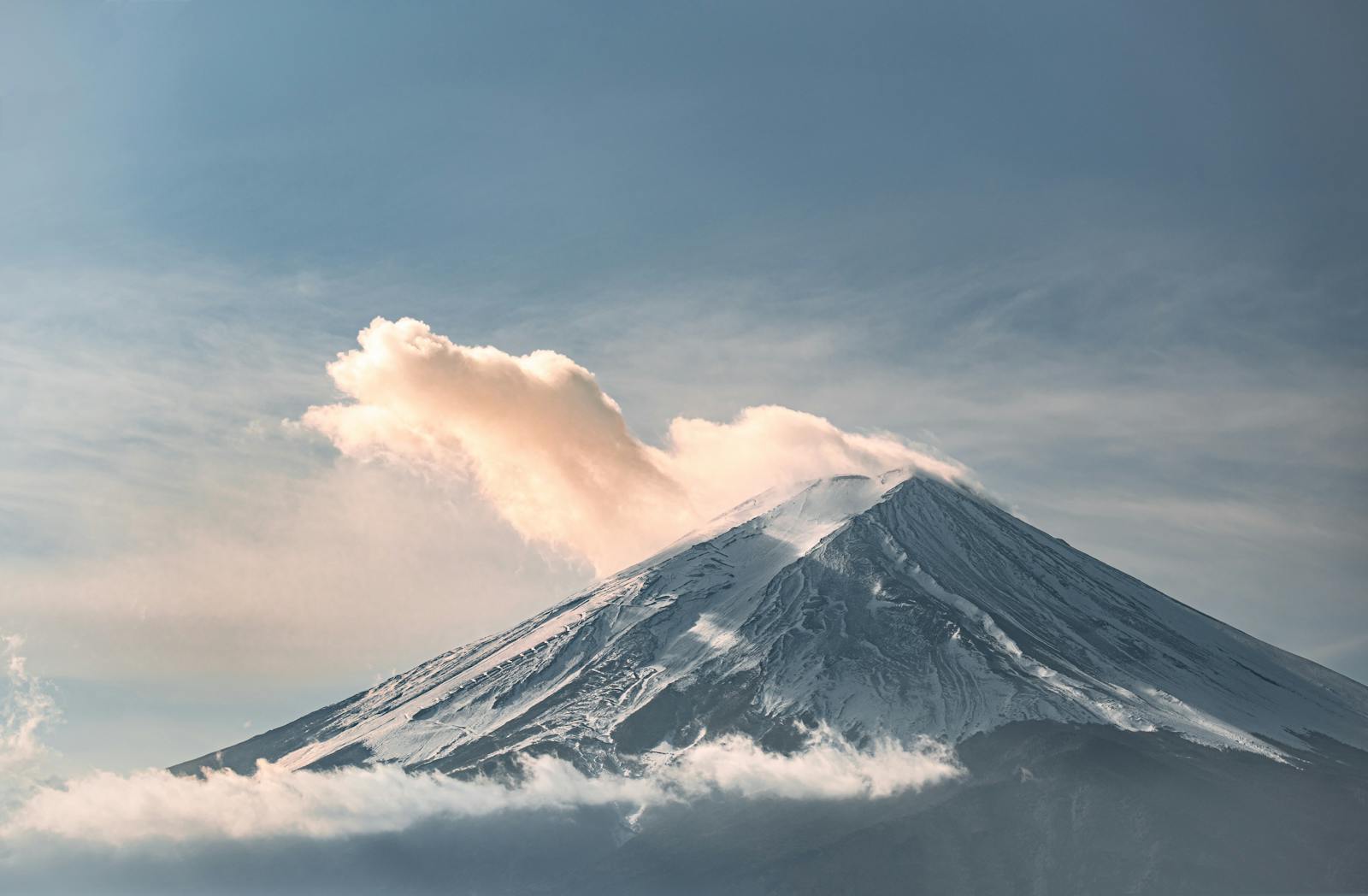
If you have ever opened a Japan travel guide and seen a photograph of Mount Fuji perfectly mirrored in still water, you were almost certainly looking at one of the Fuji Five Lakes. Tucked into the northern foothills of Japan’s tallest mountain, this string of glacial lakes — Kawaguchiko, Yamanakako, Saiko, Shojiko and Motosuko — offers the most accessible, photogenic and varied way to experience Mount Fuji without ever lacing up a hiking boot. For first-time visitors who only have one day to give to the mountain, the Fuji Five Lakes are an almost perfect day trip. For those who can spare two or three nights, the area opens up into a region of small lakeside villages, mountain ropeways, lavender fields, ancient caves, art museums and quiet onsen ryokan that most Tokyo tourists never see.
This guide is written for complete first-timers to Japan. I will walk you through how to get to each lake from Tokyo, what to do at each one, where to sleep, what to eat, when to come and how much to budget. By the end of it you will know exactly which lake suits your travel style, how long to spend in the area and what to book in advance so that you do not end up staring at a wall of fog instead of the iconic snow-capped cone.
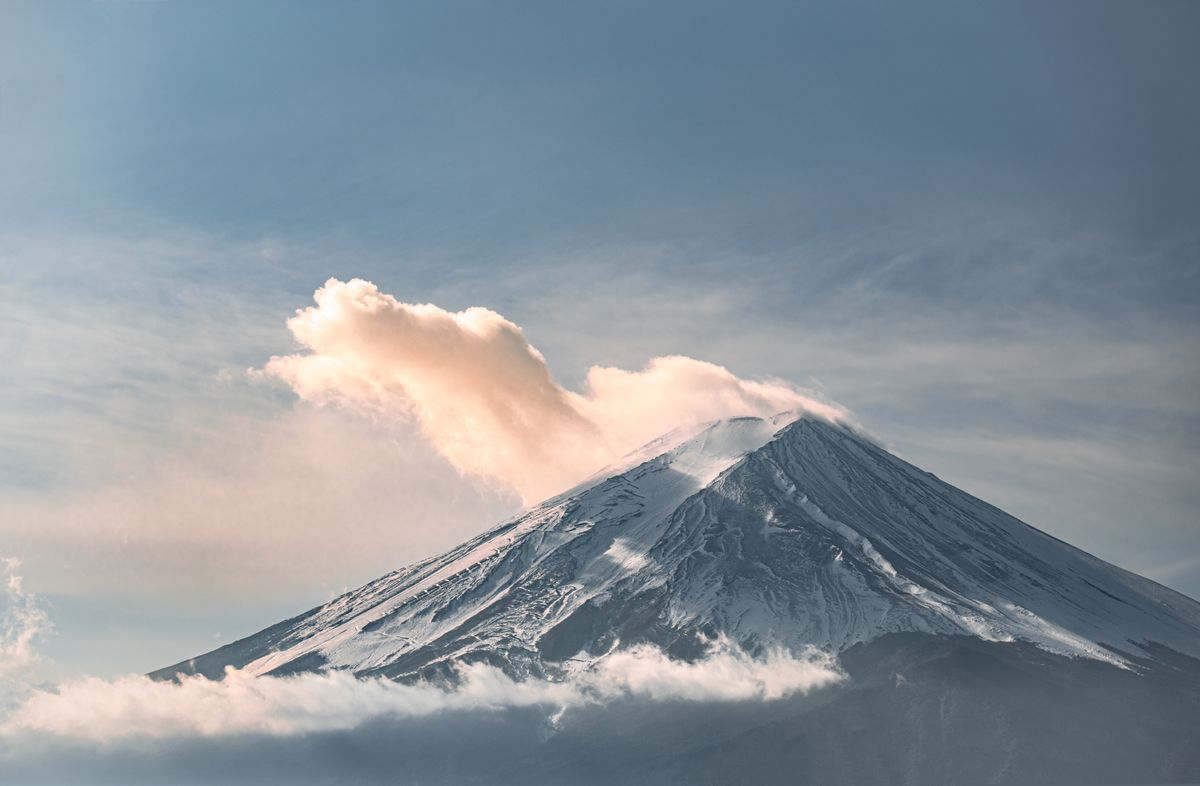
Where Are the Fuji Five Lakes? Geography in Plain English
The Fuji Five Lakes, known in Japanese as Fujigoko (富士五湖), are a chain of lakes that sit at the foot of Mount Fuji’s northern slope, all within Yamanashi Prefecture and at an elevation of roughly 800–1,000 metres above sea level. From east to west the order is Yamanakako, Kawaguchiko, Saiko, Shojiko and Motosuko. They were all formed by lava flows from past Fuji eruptions that dammed mountain valleys — Saiko, Shojiko and Motosuko were once a single huge lake split into three by lava during the eruption of 864 CE.
What this means in practice for the traveller is that the lakes are surprisingly close together (the entire chain spans roughly 35 km), but each has a very different character. Kawaguchiko is the busy, developed lake with the train station, ropeway and most hotels. Yamanakako is the largest and a favourite of Tokyo weekend cyclists. Saiko is small, quiet and surrounded by forest. Shojiko is sleepy and used mostly by fishermen. Motosuko is the deepest, the cleanest and the one printed on the back of the 1,000 yen note.
The closest major town is Fujikawaguchiko, which is where Kawaguchiko Station and the largest cluster of hotels sit. From there, local buses, rental cars and bicycles connect to the other four lakes.
How to Get to the Fuji Five Lakes from Tokyo
There is no Shinkansen line to the Fuji Five Lakes, which surprises first-timers used to thinking of Japan as a country where every famous destination has a bullet train. Instead, you have three main options.
1. Highway Bus (Easiest and Cheapest)
The Fujikyu Highway Bus from Shinjuku Bus Terminal (Busta Shinjuku) goes directly to Kawaguchiko Station in about 1 hour 45 minutes to 2 hours and 15 minutes depending on traffic. One-way fares run roughly ¥2,000–¥2,200 (around US$13–15). Buses run every 20–30 minutes from early morning until late evening. Reserve in advance during cherry blossom season (early to mid April), Golden Week (late April–early May) and the autumn foliage peak (early to mid November) because seats genuinely sell out.
You can also catch direct buses from Tokyo Station’s Yaesu South Exit, Shibuya Mark City and Haneda or Narita airports. The airport buses are especially useful if you want to head straight to Fuji on arrival without overnighting in Tokyo first.
2. Train via Otsuki (Most Flexible)
The train route is a little slower and a touch more expensive but offers more flexibility if you want to stop along the way. Take the JR Chuo Line from Shinjuku to Otsuki (limited express Kaiji or Azusa, about 1 hour, ¥3,000–¥4,000 with reserved seat; or the local for about 1.5 hours and ¥1,340) and then transfer to the Fujikyuko Railway from Otsuki to Kawaguchiko Station (another 50 minutes, ¥1,170). The Fujikyuko local trains have huge windows and run partly along Mount Fuji views on clear days. The Fuji Excursion limited express runs direct from Shinjuku to Kawaguchiko several times a day and takes about 1 hour 55 minutes.
The Japan Rail Pass covers the JR Chuo Line portion to Otsuki but not the Fujikyuko private line, so you will still need to pay for the last leg even if you are pass-holding. If you are arriving from Kyoto or Osaka, the JR Pass becomes much more useful — take the Shinkansen to Tokyo and then transfer to the Chuo Line.
For more on whether the rail pass makes sense for your trip, see our Japan Rail Pass guide and our Shinkansen primer.
3. Rental Car (Best for the Five Lakes Loop)
A rental car is genuinely the best way to experience all five lakes in one trip. Driving lets you chase the morning light around the western lakes (Shojiko, Motosuko), stop at the lavender fields, the wind cave and the bat cave near Lake Saiko, then circle back to Kawaguchiko for dinner. From Tokyo it is a 2-hour drive on the Chuo Expressway via the Kawaguchiko Interchange. International Driving Permits are accepted in Japan, but you must obtain the IDP before you arrive — it cannot be issued in Japan. Budget around ¥7,000–¥10,000 (US$45–65) per day for an automatic compact car and another ¥3,000–¥4,000 in expressway tolls round trip.
If you would rather have someone else handle the airport transfer so you can save your car rental for the day you actually drive around Fuji, consider booking a shared shuttle. Book airport transfer with NearMe →
Lake Kawaguchiko: The Most Famous Lake
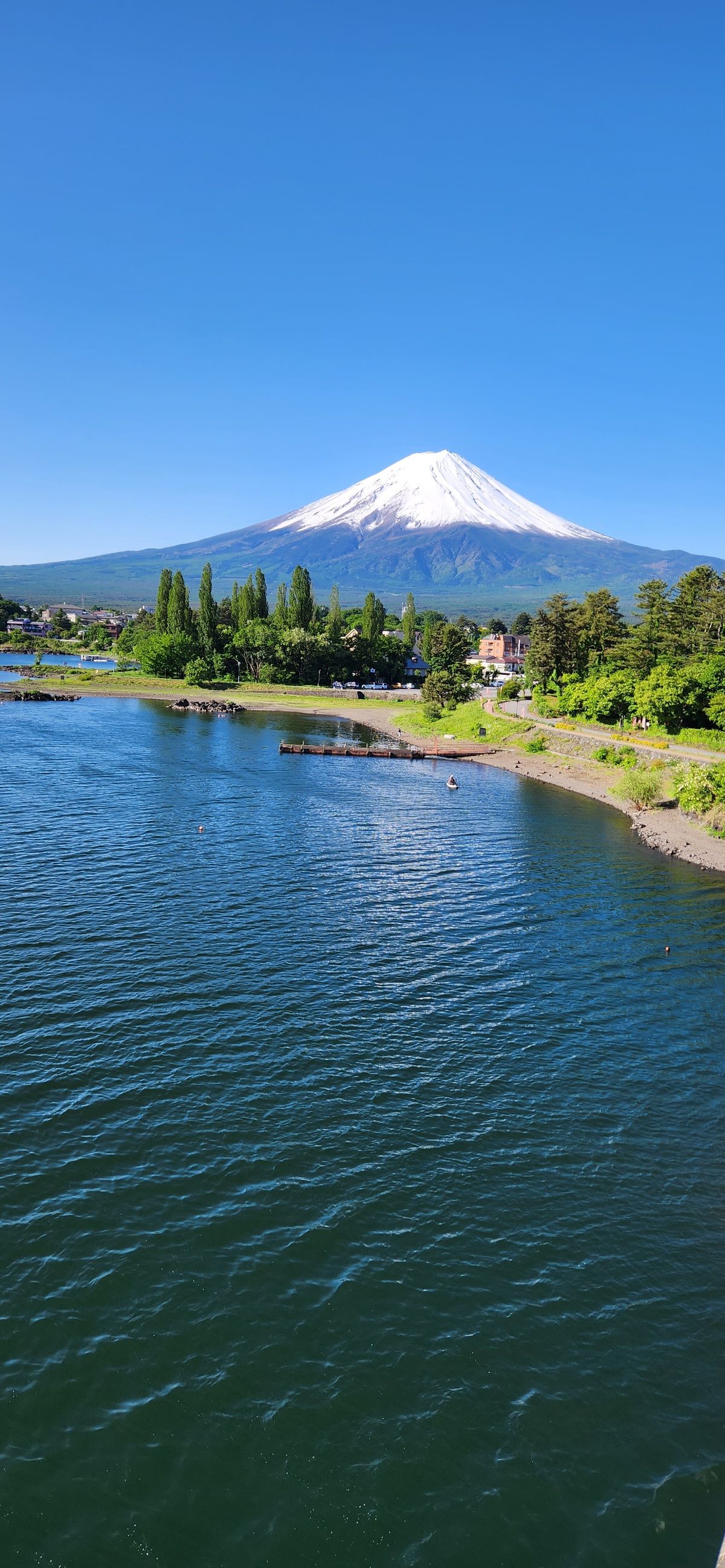
Lake Kawaguchiko (河口湖) is the second-largest of the five lakes by surface area and by far the most developed for tourism. If you are coming for one night, this is where you should stay. The town wraps around the southern and eastern shores of the lake, with the train and bus station, supermarkets, family restaurants, an art museum, a music box museum and dozens of ryokan and hotels all within walking or short-bus distance. Mount Fuji rises almost directly to the south, so the views from the northern shore — back across the lake — are the postcard-perfect ones.
Best Mt Fuji Viewpoints Around Lake Kawaguchiko
Northern Shore Promenade. The single best view of Fuji-from-water in Japan is along the northern shore of Lake Kawaguchiko, particularly near Oishi Park. From here Fuji rises symmetrically across the lake, with cherry blossoms in April, lavender in June and July, kochia bushes turning red in October, and snow on the summit nine months of the year. Buses run roughly twice an hour from Kawaguchiko Station — get off at Oishi Park (about 25 minutes, ¥420).
Mount Tenjo (Kachi Kachi Ropeway). A three-minute cable car climbs Mount Tenjo from a station near the town centre to a viewing platform at 1,075 metres. From the top you can see Fuji rising directly over the lake. A round-trip ticket costs ¥1,000 for adults and ¥500 for children. The ropeway runs from 9:00 to about 16:00. Avoid weekends in autumn unless you enjoy queueing for an hour.
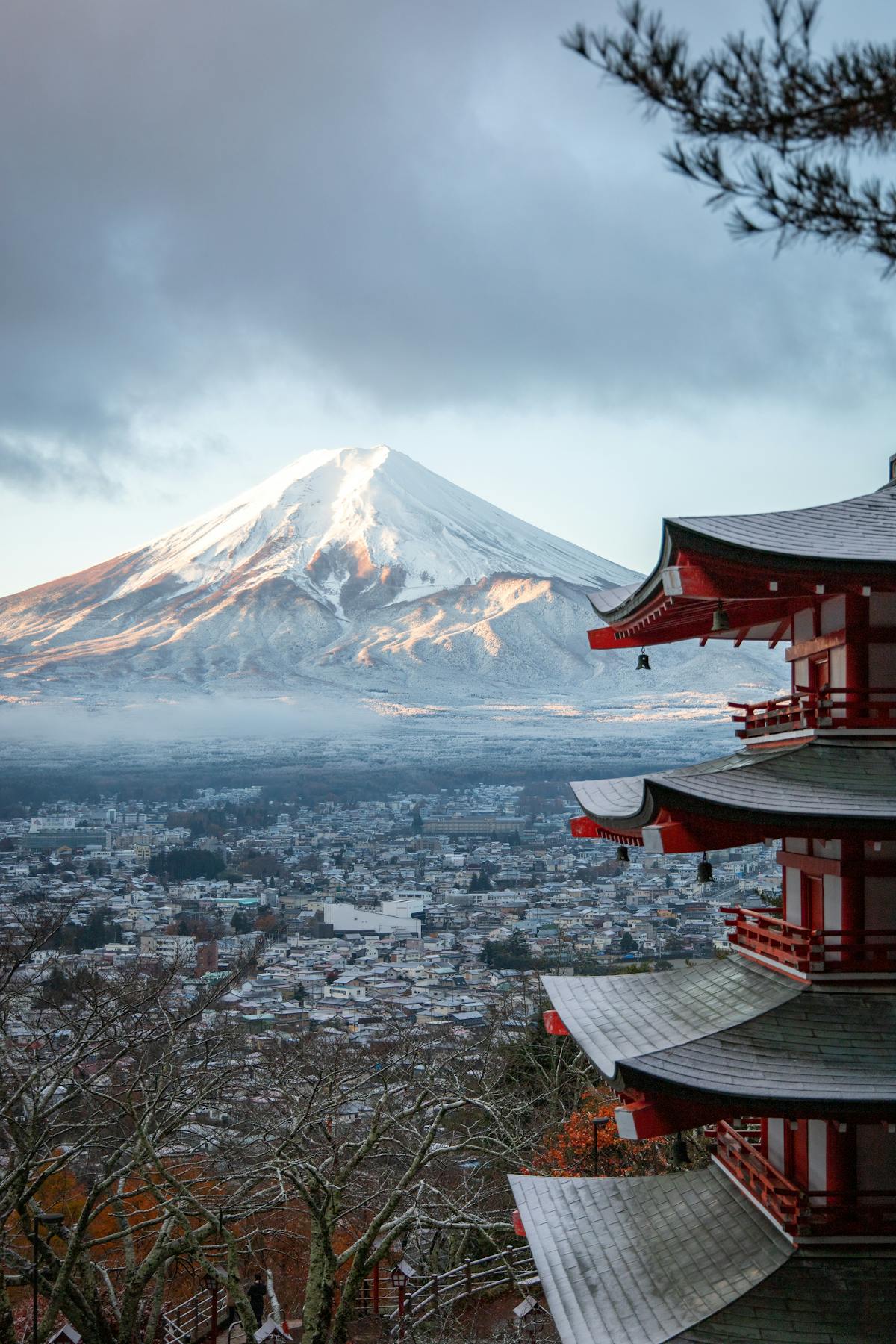
Chureito Pagoda (Arakurayama Sengen Park). Technically not on Kawaguchiko itself but a 15-minute Fujikyuko train ride away at Shimoyoshida Station, the Chureito Pagoda is the most photographed angle of Fuji in all of Japan. Climb the roughly 400 steps from the shrine to the pagoda platform, where on a clear day you’ll see Fuji framed behind a red five-storey pagoda — and during sakura season, surrounded by cherry blossoms. Free to enter; open year-round.
Lake Kawaguchiko Sightseeing Boats. Two operators run on the lake — the more famous is the Ensoleille (a Mississippi-style paddle boat) and the Tenjo-no-Yume cruise. Both make a 20–30 minute loop, costing about ¥1,000 adults / ¥500 children. The boats give you views of Fuji from the centre of the lake, which photographers love.
Things to Do Around Lake Kawaguchiko
Kubota Itchiku Art Museum. A small, jewel-like museum dedicated to the work of textile artist Itchiku Kubota, who revived the lost tsujigahana kimono-dyeing technique. The building itself, with its hand-stacked stone walls and tea garden, is worth the ¥1,500 admission.
Music Forest Museum (Kawaguchiko Ongakuso). Slightly kitsch but charming — antique mechanical music boxes, fountains and rose gardens with Fuji as a backdrop. ¥1,800 admission. Worth half a morning if you are travelling with children or older parents.
Oishi Park. Free flower park on the northern shore with seasonal blooms (lavender in June–July, kochia in autumn, cosmos in early autumn) and a small market hall selling local jam, wine and grape products from Yamanashi.
Fuji-Q Highland. A scream-machine theme park about 10 minutes by train from Kawaguchiko, featuring some of the world’s fastest roller coasters. Most first-timers skip it, but if you are travelling with thrill-seeking teenagers it is a memorable detour. Free entry, pay-per-ride or one-day pass (~¥6,300 adults).
Where to Stay at Lake Kawaguchiko
This is the easiest area in the Fuji Five Lakes to find a good room with a Fuji view, but the best rooms book out weeks in advance. Budget travellers should aim for guesthouses and hostels in the town near the station (¥4,000–¥7,000 per person per night). Mid-range travellers can find Western-style hotels and modern ryokan in the ¥15,000–¥30,000 range (US$100–200) per person per night. Luxury ryokan with private outdoor onsen baths and Fuji views push into the ¥50,000–¥120,000 (US$330–800) per person per night range.
A few practical tips: north-shore properties get the postcard view (across the lake at Fuji) but are 15–30 minutes by bus from the station. South-shore properties are closer to amenities but you cannot see Fuji from your window because it is hidden behind the hill. East-shore properties around Funatsu offer a compromise.
For booking, I find Agoda tends to have the strongest selection of Kawaguchiko ryokan, including the smaller family-run ones that big international booking sites do not list. Book your hotel on Agoda (Best prices guaranteed) →
For luxury ryokan with private kaiseki dinners and outdoor baths overlooking Fuji, the Japanese-language platform Ikyu has the most thorough inventory of premium properties. Find luxury hotels on Ikyu.com →
Lake Yamanakako: The Biggest and Best for Cyclists
Lake Yamanakako (山中湖) is the largest of the five lakes by area and the highest in elevation. It sits to the east of Kawaguchiko and is the closest of the five lakes to Mount Fuji itself — only about 5 km from the base — which means Fuji looms enormously over the entire shoreline. The trade-off is that you can lose sight of the summit on slightly cloudy days because the mountain is so close it disappears into its own weather system.
Yamanakako is built around outdoor activity. A flat 13-km cycling path circles the entire lake, which you can ride in 90 minutes at a casual pace; bike rentals cost around ¥500–¥1,000 per hour. There are several spots where the path crosses small marshes — keep an eye out for swans, which the local boat operators feed daily.
The most popular Fuji photo angle here is from the northern shore at the Hananomiyako-koen flower park, where seasonal blooms (tulips in May, sunflowers in August, dahlias in autumn) frame the mountain. The Mount Panorama Dai viewpoint, on the southeastern slope, is a 30-minute hike from the lakeshore and offers an aerial view of the lake plus Fuji.
Yamanakako has fewer hotels than Kawaguchiko but more upscale resort-style ryokan and a few rare onsen properties tapping the Beni Fuji no Yu hot spring. If you want fresh air, sport, and serious silence at night, this is the lake to stay at.
Lake Saiko: The Quiet Forest Lake
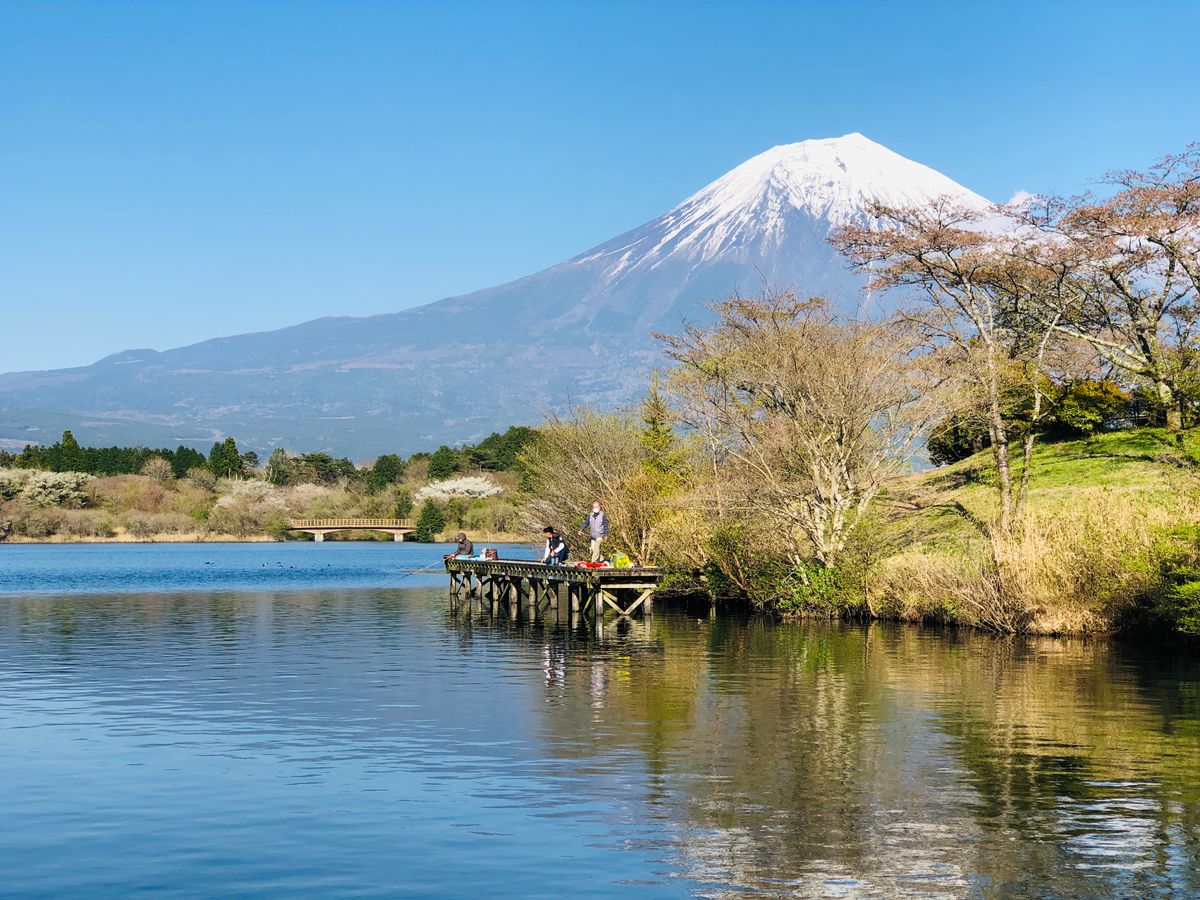
Lake Saiko (西湖) is the smallest of the three western lakes and the most forested. Surrounded by Aokigahara — the famous “Sea of Trees” — Saiko has a stillness that Kawaguchiko cannot match. The local fishing industry centres on a rare species: Saiko’s kunimasu trout, which was thought extinct for 70 years until it was rediscovered in the lake in 2010.
The biggest cultural draw is the Iyashi-no-Sato Nenba village — a recreated Edo-period thatched-roof village on the lake’s northern shore, with about 20 traditional houses converted into pottery studios, paper-making workshops, and a few restaurants serving hoto noodles. Admission is ¥500 adults / ¥250 children. On clear days, Fuji rises directly behind the village rooftops — a photograph that is, somehow, almost more iconic than Chureito.
Around the lake you will also find the Saiko Bat Cave and Saiko Wind Cave — lava tubes formed by the same eruption that split the western lakes apart. Both are short, walkable, and a good break from the lake views if you have children with you. Joint admission ticket runs ¥350.
Lake Shojiko: The Sleepy Fisherman’s Lake
Lake Shojiko (精進湖) is the smallest of the five lakes and the one most travellers skip. That is exactly why we recommend it. Shojiko sits in a bowl ringed by mountains, and from its northern shore Fuji rises behind a smaller mountain that appears nestled in the larger one — an effect Japanese tourism boards call “Kodaki Fuji” (mother-and-child Fuji). It is the only lake where Fuji appears to be cradling a smaller peak in front of it.
There is almost nothing to do here in the touristic sense. There are two small ryokan, a campground, and a few black bass fishing boats. If you want a single morning of perfect calm, drive or take the Lake Bus from Kawaguchiko Station, sit on a bench and watch the mist rise off the water. In late autumn the surrounding forest turns brilliant red and orange.
Lake Motosuko: The Lake on the ¥1,000 Note
Lake Motosuko (本栖湖) is the westernmost, deepest (138 metres) and clearest of the five lakes. The classic Fuji photograph by Okada Koyo, taken from the northwestern shore of Motosuko, is the source image for the back of the current ¥1,000 banknote. The exact spot — Nakanokura Pass — is marked with a small viewing platform and a sign reading “1000 yen note Fuji.”
Motosuko is the spot for water sports in summer: windsurfing, paddleboarding and swimming. The campsite at the lake is the largest in the area, and is the site of the Fuji Shibazakura Festival from mid-April to late May, when 800,000 pink, white and purple moss-phlox plants cover the lake’s northern shore with Fuji as backdrop. The festival is one of Japan’s great spring spectacles and attracts photographers from around the world. Admission to the festival grounds is ¥800 adults. A shuttle bus runs from Kawaguchiko Station during the festival period.
If you only have one extra day beyond Kawaguchiko, take the bus or drive west to Motosuko. The combination of remoteness, crystal water and the iconic banknote view makes it the most rewarding of the western lakes for first-timers.
Best Seasons to Visit the Fuji Five Lakes
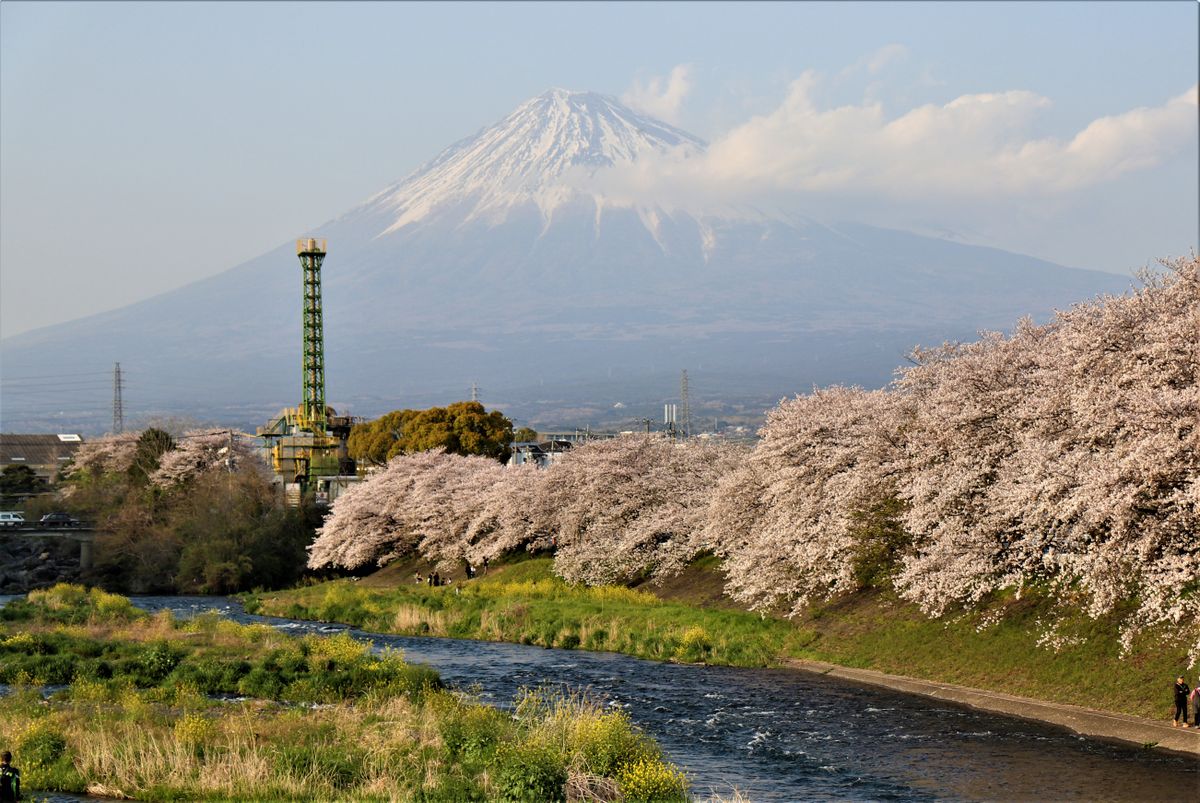
Mount Fuji is famously shy. On any given day in summer (June–August) the mountain is fully visible from the lakes for only about 30 percent of daylight hours, and clouds typically build by late morning. In winter (December–February), visibility soars to 70–80 percent on most days, but you must brace for freezing temperatures.
Spring (March–May)
Cherry blossoms bloom around the lakes from approximately April 10 to April 25, two weeks later than in Tokyo because of the higher elevation. Late April brings tulips at Hananomiyako. Mid-April to late May is shibazakura (moss phlox) season at Lake Motosuko. Daytime highs sit around 12–18°C; nights can still dip below freezing in early April. Bring layers.
Summer (June–August)
Lavender peaks at Oishi Park in late June through mid-July. The Mount Fuji climbing season opens July 1 to early September, and the area swells with hikers. Daytime highs reach 26–30°C but evenings remain cool. Expect afternoon thunderstorms and the lowest Fuji visibility of any season. If you come in summer, plan all Fuji viewing for sunrise.
Autumn (September–November)
This is the most rewarding time to visit. Visibility improves dramatically as humidity drops. Maple leaves around Lake Kawaguchiko peak from late October to mid-November and there is a Momiji Tunnel illumination on the northern shore. Kochia bushes turn fire-red in October. Daytime highs around 12–18°C; nights cold.
Winter (December–February)
The clearest skies, the cleanest mountain views, the deepest snow caps on Fuji — but also temperatures dropping to –5°C at night. The “Diamond Fuji” phenomenon, when the rising sun appears to sit on the summit, can only be seen from specific shorelines during a two-week window each in December–January. Bring a heavy coat, gloves, hat, and a hot drink.
Sample Itineraries
One-Day Trip from Tokyo
Take the 7:30 highway bus from Shinjuku, arriving Kawaguchiko 9:30. Pick up a one-day Lake Bus pass (¥1,500). Take the bus to Oishi Park, walk the lakeshore, take photos. Bus to the Kachi Kachi Ropeway by 12:00. Lunch of hoto noodles near the station. Afternoon at Iyashi-no-Sato thatched-roof village (45 minutes by bus). Return to Kawaguchiko Station by 16:30. Catch the 17:00 bus back to Shinjuku. Long day but doable.
Two-Day Trip (Best Balance)
Day 1: Tokyo to Kawaguchiko. Oishi Park, lake cruise, Mount Tenjo ropeway, dinner and onsen at a Kawaguchiko ryokan. Day 2: Early morning at Chureito Pagoda for sunrise, breakfast back at the ryokan, then drive or bus to Lake Saiko (Iyashi-no-Sato) and Lake Motosuko (banknote viewpoint). Return to Tokyo via Kawaguchiko in the late afternoon.
Three-Day Trip (For Photographers)
Add a night at Yamanakako or a quiet ryokan on the western shore. Use Day 3 to shoot Diamond Fuji (in winter) or shibazakura (in spring), explore Lake Yamanakako by bicycle, and visit the Fuji-Q area or the Aokigahara forest before returning to Tokyo.
Food and Local Specialties
Yamanashi has a small but distinct food culture worth seeking out while you are in the Fuji Five Lakes.
Hoto (ほうとう) is the regional comfort food: thick, flat wheat noodles simmered in miso broth with kabocha pumpkin, mushrooms, and seasonal vegetables. It is heavy, hot and perfect after a cold morning at Chureito. Two famous chains around Kawaguchiko are Hoto Fudo (with its dome-shaped white restaurants) and Kosaku. Expect to pay ¥1,200–¥1,800 for a generous single portion.
Yoshida Udon, served in nearby Fujiyoshida, is a chewier, firmer udon than you will find anywhere else in Japan — locals say it is the firmest udon in the country. The broth is a mix of miso and soy. A bowl runs ¥500–¥800. There are over 50 udon shops in Fujiyoshida; most open only for lunch.
Yamanashi wine. Most travellers do not know that Yamanashi is Japan’s leading wine region. The Koshu grape — a thin-skinned white variety brought along the Silk Road over a thousand years ago — produces a crisp, mineral white wine that pairs beautifully with sushi. Oishi Park has a small wine shop selling bottles from local Yamanashi producers from around ¥1,500.
Shingen mochi — chewy rice cakes coated in roasted soybean flour and drizzled with brown sugar syrup — is the local sweet, named after the warlord Takeda Shingen who ruled this area in the 16th century. Boxes from Kikyoya make excellent souvenirs.
For more on regional Japanese food, see our guide to Japan food experiences.
Connectivity, Money and Practical Bookings
The Fuji Five Lakes have decent but not perfect mobile coverage. The shores of Kawaguchiko and Yamanakako are well-served by both Japanese carriers and incoming roaming, but the western lakes and the forest trails around Saiko have patches of zero signal. A working data plan matters here both for navigation and for live weather check — Fuji’s visibility changes by the hour.
I strongly recommend setting up an eSIM before you arrive in Japan. eSIMs are activated by QR code, install in under five minutes, and avoid the SIM-card slot dance at the airport. For Japan specifically, Get your Japan eSIM (Stay connected from day 1) → is the most reliable option I have used.
For more on data, networks and roaming, see our full Japan SIM and eSIM guide.
Cash and IC cards: most hotels accept credit cards but smaller ryokan, mountain food stalls, the Fujikyuko trains and rural buses are still cash-friendly or IC-card-only. The Suica and Pasmo cards both work on local trains and on the Fujikyuko line. ATMs at 7-Eleven, FamilyMart and Japan Post offices accept foreign cards. There are no 7-Elevens on the western lakes — withdraw cash at Kawaguchiko Station before heading west. See our Japan cash vs card guide for more.
Booking Tours, Buses and Day Trips
If you would rather not deal with bus timetables and bike rentals on your own, several Japanese operators run guided day tours from Tokyo to the Fuji Five Lakes. These usually include a Mt Fuji 5th Station stop, a Lake Kawaguchiko cruise, lunch and either Chureito Pagoda or an Oshino Hakkai (a nearby spring-fed village) visit, for around ¥10,000–¥15,000 per person.
If you want a more leisurely package combining Fuji with hot spring nights, Book Japan tours and hotels on JTB → has multi-night ryokan packages that often work out cheaper than booking accommodation and transport separately.
Money-Saving Tips
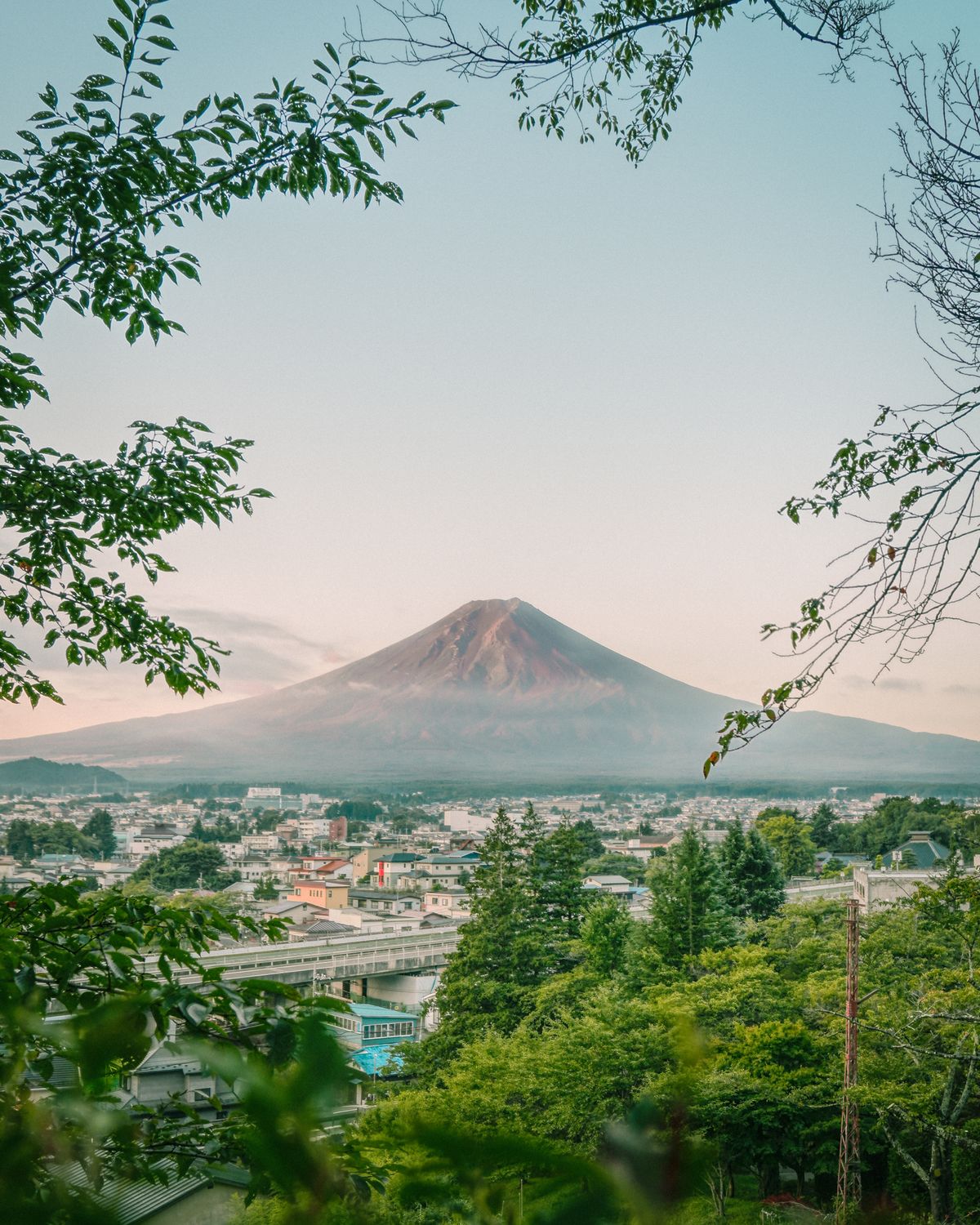
The Fuji Five Lakes can be done on a tight budget if you plan well.
- Buy the Fujikyu Free Pass. Sold at Kawaguchiko Station for ¥1,700, this gives you 2-day unlimited rides on the Lake Bus, Red Line, Blue Line and Green Line buses. Single rides are ¥160–¥420 each, so you break even after roughly five rides.
- Sleep in Kawaguchiko, not at a ryokan in Tokyo. Mid-range Fuji ryokan with two meals and onsen are often cheaper than a 4-star Tokyo hotel without meals.
- Eat breakfast at a konbini. 7-Eleven, FamilyMart and Lawson all have full breakfast options for ¥500. Save the ryokan kaiseki for dinner.
- Visit free viewpoints. Most of the best Fuji photo spots — Oishi Park, the northern shore promenade, Chureito Pagoda, the banknote viewpoint at Motosuko — are completely free. You only need to pay if you go up the ropeway or onto a boat.
- Travel in shoulder seasons. Mid-late May, mid-September and mid-November have outstanding weather but cost 30–40 percent less than the cherry blossom or shibazakura peaks.
For more general advice on stretching a Japan budget further, see our full Budget Travel Japan guide.
Yahoo! Japan Travel often has the best deals for last-minute weekday accommodation around the Fuji Five Lakes. Search hotel deals on Yahoo! Travel →
What to Pack
The Fuji Five Lakes are at 800–1,000 metres elevation, so always pack one layer warmer than you would for Tokyo on the same day. Specifically:
- Footwear: Comfortable walking shoes for the lakeshore paths and Chureito stairs. Light hiking shoes if you plan the Mount Panorama Dai trail.
- Layers: A windproof shell, a fleece or merino mid-layer, and a hat — even in summer mornings.
- Camera: Wide-angle lens for the lake-to-Fuji shot, telephoto for compressing the mountain. A polariser cuts the haze and intensifies the autumn reds.
- Power bank: Cold mornings drain phone batteries fast.
- Cash: ¥15,000–¥20,000 in cash for two days; smaller villages still don’t accept cards.
- Mask and small hand towel: Japanese custom around colds.
For our full general packing breakdown, see the Japan packing list.
Frequently Asked Questions
Which of the Fuji Five Lakes is the best?
For first-time visitors with one day, Lake Kawaguchiko is the best choice — it has the easiest transport, the most accommodation, and the most iconic viewpoints. For peace and quiet, choose Lake Saiko or Lake Motosuko. For cycling and outdoor sports, Lake Yamanakako. Each lake has a distinct personality and there is no single “best” — but Kawaguchiko is the easiest place to start.
How many days do I need at the Fuji Five Lakes?
One full day will give you a taste of Lake Kawaguchiko and one major viewpoint. Two days is the sweet spot — one full day at Kawaguchiko plus a half-day touring the western lakes (Saiko and Motosuko). Three days lets you add Yamanakako and lets you wait out a foggy morning for a clear one.
Will I see Mount Fuji?
Maybe. Mount Fuji is famously shy. Visibility ranges from about 70–80 percent of days in winter down to 20–30 percent in summer. The best chance is sunrise on a clear winter morning. Hedge by booking at least two nights and being ready to head out the moment the clouds clear. Check forecast tools like livecam.kuriksoft.com (Fuji webcams) the night before.
Can I climb Mount Fuji from the Fuji Five Lakes?
Yes — the Yoshida Trail (the most popular Fuji climb) starts from the Fuji-Subaru Line 5th Station, accessible by bus from Kawaguchiko Station in 55 minutes. Climbing is only permitted from July 1 to early September. You must reserve in advance through the Yamanashi Prefecture climber portal and pay a ¥4,000 climbing fee (introduced 2024) plus a ¥1,000 conservation contribution. Most climbers stay one night in a mountain hut to climb in two stages.
Is the Fuji Five Lakes area expensive?
It is more expensive than rural Japan but comparable to or cheaper than Tokyo or Kyoto. A backpacker can do the area for ¥10,000–¥12,000 per day all-in. A mid-range traveller will pay ¥20,000–¥30,000 per day. Luxury ryokan with private outdoor baths and full kaiseki dinner push the day rate to ¥60,000+.
What’s the difference between the Fuji Five Lakes and Hakone?
Hakone is closer to Tokyo (90 minutes), has a more developed hot spring resort culture, and sits to the south of Fuji — but the mountain is much smaller in your view from Hakone because it is 30 km away. The Fuji Five Lakes are 90–120 minutes from Tokyo, less crowded, and Fuji absolutely dominates the skyline. If you want a serious onsen weekend, Hakone might suit you better. If you want the iconic mountain view, choose the Five Lakes. Many travellers do both on a longer trip.
Do I need to book ryokan in advance?
Yes, ideally three to six months ahead for cherry blossom season, shibazakura (mid April–late May) and autumn foliage peak (early–mid November). Two to four weeks ahead is usually enough for off-peak winter and mid-summer dates.
Is the area suitable for elderly travellers or wheelchair users?
Lake Kawaguchiko itself, Oishi Park, the lakeshore promenades and most large hotels are wheelchair-friendly. Chureito Pagoda is not — it has roughly 400 stone stairs and no ramp. Local buses have step entries; rental cars are easier.
Are there English-speaking taxis at Kawaguchiko Station?
Yes — the taxi rank at Kawaguchiko Station has cards in English explaining popular destinations and rough fares. Translation apps still help, but most local drivers are used to international visitors. Expect to pay roughly ¥3,500 to Oishi Park, ¥4,500 to Saiko, and ¥6,000–¥7,000 to Motosuko one-way.
Quick Reference: Practical Tips
- Book Chureito Pagoda for sunrise, not midday. The light is better and the crowds are 90 percent smaller. The shrine grounds are open 24/7.
- Carry coins. Many lakeshore vending machines, the Lake Bus and small shrines need ¥100 coins. Suica and Pasmo work on most buses but not the small private routes.
- Check the Fuji webcam first. A quick check of a live Fuji webcam in the evening tells you whether to set your alarm for sunrise.
- Take the local Fujikyuko train at least once. The “Fujisan View Express” is a refurbished retro train that runs the Otsuki–Kawaguchiko line several times a day — large windows, leather seats, slightly higher fare.
- Bring a small flashlight. Footpaths around the western lakes are not lit at night.
- Try Diamond Fuji. If you visit in late December or early January, ask your ryokan for the exact viewing dates and locations along the lakeshore. It happens for a few minutes only and is unforgettable.
- Plan a buffer day. If Fuji is cloudy on your one and only day, you will leave disappointed. Build in an extra night so you can re-try.
- Use the Kachi Kachi Ropeway in the morning. Afternoon lines stretch to an hour at peak season.
- Cash counter at Kawaguchiko Station. The 7-Eleven across the road from the bus terminal has the most reliable foreign-card ATM in town.
- Coin-locker your luggage. Kawaguchiko Station has large coin lockers (¥600–¥1,000) so you can drop heavy bags on arrival and roam the lakes light.
Final Thoughts
For first-time visitors to Japan, the Fuji Five Lakes are one of those rare destinations that genuinely live up to the photographs. You will arrive with a Wikipedia image in your head, and on a clear day you will see something almost more dramatic than the picture — the mountain is bigger in real life, the lake is stiller, and the way the cherry blossoms or the autumn maples or the moss phlox happen to colour-coordinate with the snowcap is what made painters and poets obsess over Fuji for 1,200 years.
Two practical reminders before you go. First, build a buffer day into your itinerary so you can wait out a cloudy morning. Second, get to the major viewpoints just before sunrise — light, weather, and crowds are all kinder in those first hours than they ever will be by noon. Do both, and you will leave the lakes with the photograph you came for, plus a quieter memory you didn’t expect: the smell of the cedar forest at Saiko, the sound of the wind on the surface of Motosuko, the taste of hoto on a cold afternoon.
Whichever lake you fall in love with, the Fuji Five Lakes will easily become one of the standout memories of your first trip to Japan. Travel safe — and don’t forget the eSIM, the layers, and the buffer day.
Going to Japan? Talk to locals with confidence.
Hirameki Japanese — instant offline translation, camera translation, furigana + romaji, and 314 free flashcards. No login. Works without internet.

Plan your Japan trip
Two things every first-timer should book
Some links are affiliate links. If you book through them we may earn a small commission at no extra cost to you.