In this guide
- What Japan specifically demands from a translation app
- The apps, honestly compared
- The setup we actually recommend
- FAQ
What Japan specifically demands from a translation app
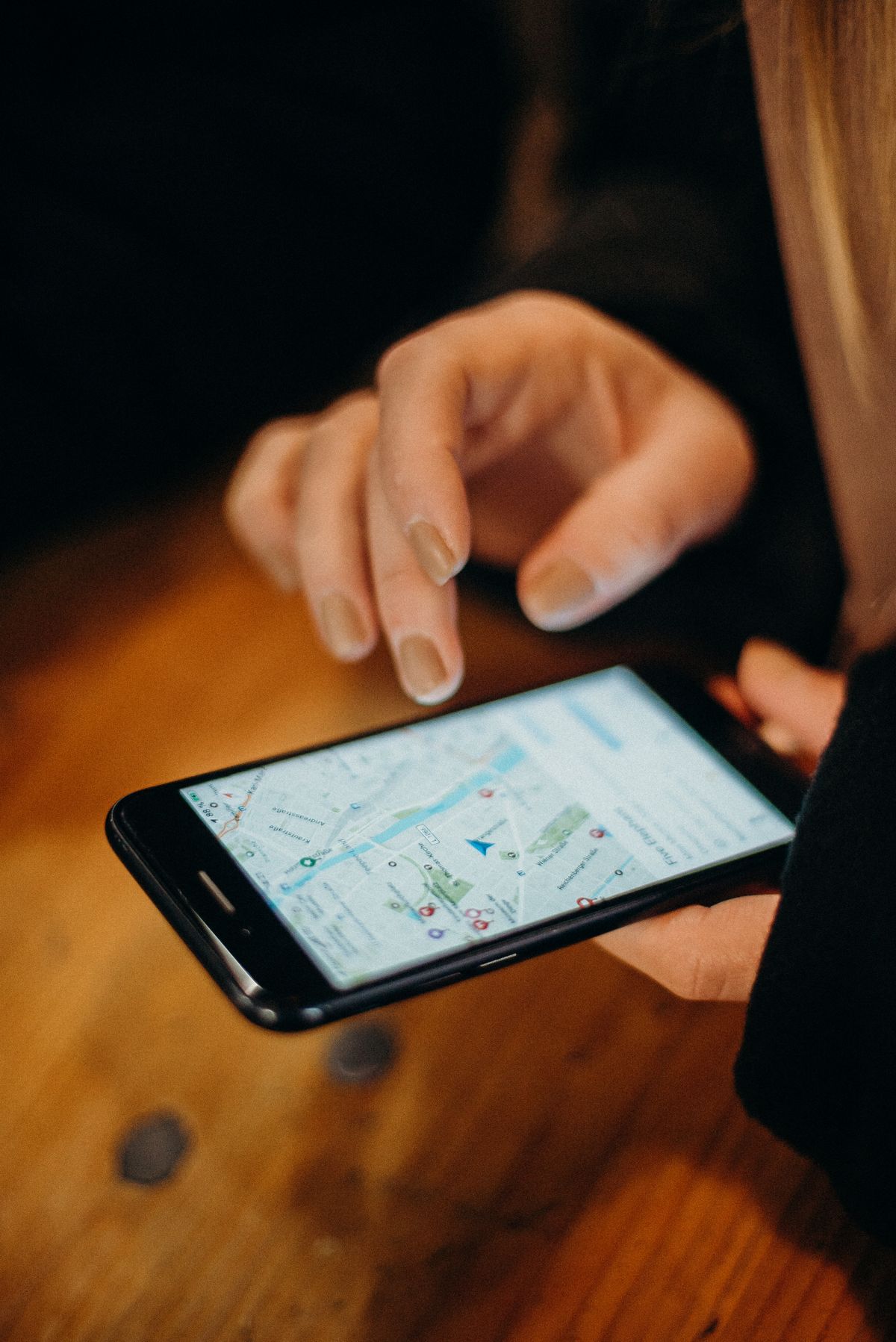
- True offline mode. The moments you need translation most — subway basements, mountain onsen towns, a restaurant cellar — are exactly where signal dies. An app that needs the cloud fails at the worst times (pair whatever you choose with an eSIM for everything else).
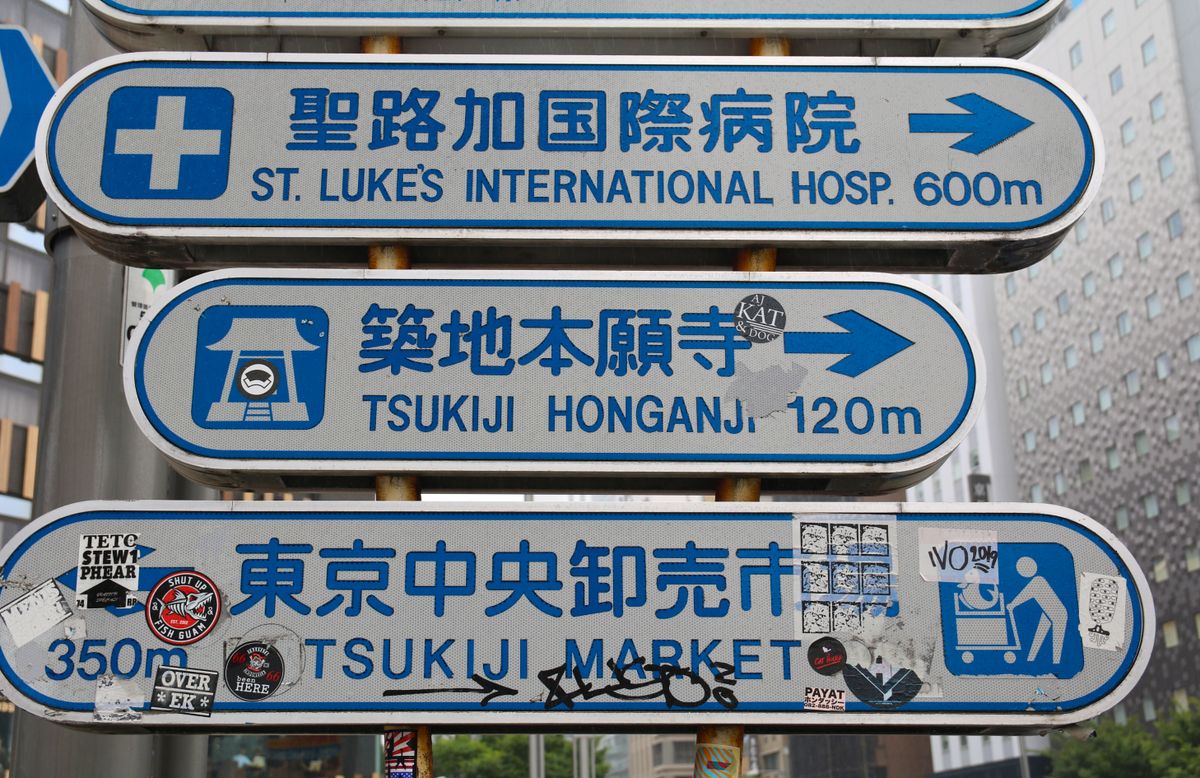
- A camera that handles Japanese reality: vertical text, stylized menu fonts, handwritten daily specials. Typing kanji you can’t read isn’t an option — the camera is the input. (See it in action in our menu-reading guide and station-signs guide.)
- Pronunciation help. Translating “Kinkaku-ji” is useless if you can’t say it to a taxi driver — you want romaji/furigana on screen.
- Speed with no friction. No login walls, no subscription prompts between you and a conversation.
The apps, honestly compared
| App | Strengths | Weak spots for Japan travel |
|---|---|---|
| Google Translate | Huge language coverage, good camera, conversation mode; offline pack available | Offline quality drops noticeably vs online; interface pushes you online; no reading help beyond romaji basics |
| DeepL | The most natural text translations, great for messages and emails | Camera/offline support is limited — it’s a text tool, not a street tool |
| Papago | Strong with Asian languages, decent camera | Built around Korean; Japanese support is solid but secondary |
| Hirameki Japanese | Built only for Japanese: 100% offline translation, camera translation, furigana + romaji on everything, 314 flashcards, free, no login | Japanese only — useless for your next trip to France (that’s the trade-off of a specialist) |
The honest summary: Google Translate is the Swiss Army knife; Hirameki is the chef’s knife. The generalists assume connectivity and treat Japanese as one language of hundreds. A specialist built offline-first — with reading help baked in — matches how Japan travel actually goes wrong: suddenly, underground, and with a menu you can’t type.
The setup we actually recommend
Before you fly: ① install Hirameki Japanese (free, 2 minutes, nothing to configure) as your daily driver for menus, signs, labels and quick exchanges — and flip through its flashcards on the plane; ② keep Google Translate installed with the Japanese offline pack downloaded, as backup for long-form text and any non-Japanese needs; ③ learn five polite phrases — tools handle information, manners open doors (our phrases guide has them with audio-friendly readings). That trio covers every situation we’ve seen travelers hit — more in our honest zero-Japanese guide.
Frequently asked questions
What’s the best translation app for a Japan trip? Carry two: Hirameki Japanese as the offline-first specialist, Google Translate as the generalist backup.
Do translation apps work without internet in Japan? Only if designed for it — Hirameki works fully offline; Google needs its offline pack downloaded in advance and loses some quality.
Can apps read handwritten Japanese menus? Camera translation handles most printed and much handwritten text; for scrawled specials, show the staff a translated question instead.
Are these apps free? All four have free tiers; Hirameki is free with no account or subscription required.
Going to Japan? Talk to locals with confidence.
Hirameki Japanese — instant offline translation, camera translation, furigana + romaji, and 314 free flashcards. No login. Works without internet.

Plan your Japan trip
Two things every first-timer should book
Some links are affiliate links. If you book through them we may earn a small commission at no extra cost to you.