In this guide
The honest comparison
| eSIM | Pocket WiFi | |
|---|---|---|
| Setup | 5 minutes at home, QR code | Airport counter pickup (queues) or hotel delivery |
| Working on landing | Instantly | After pickup |
| Daily carry | Nothing | A device to charge nightly & not lose |
| Cost (2 weeks, typical) | ¥2,000–4,000 | ¥8,000–14,000 |
| Return | Nothing — it expires | Airport dropbox before departure (forget = fees) |
| Multiple devices | Your phone + hotspot to others | 5–10 devices natively, all day |
| Battery cost | None extra | The router dies mid-afternoon if heavily used |
Why eSIM is the default now
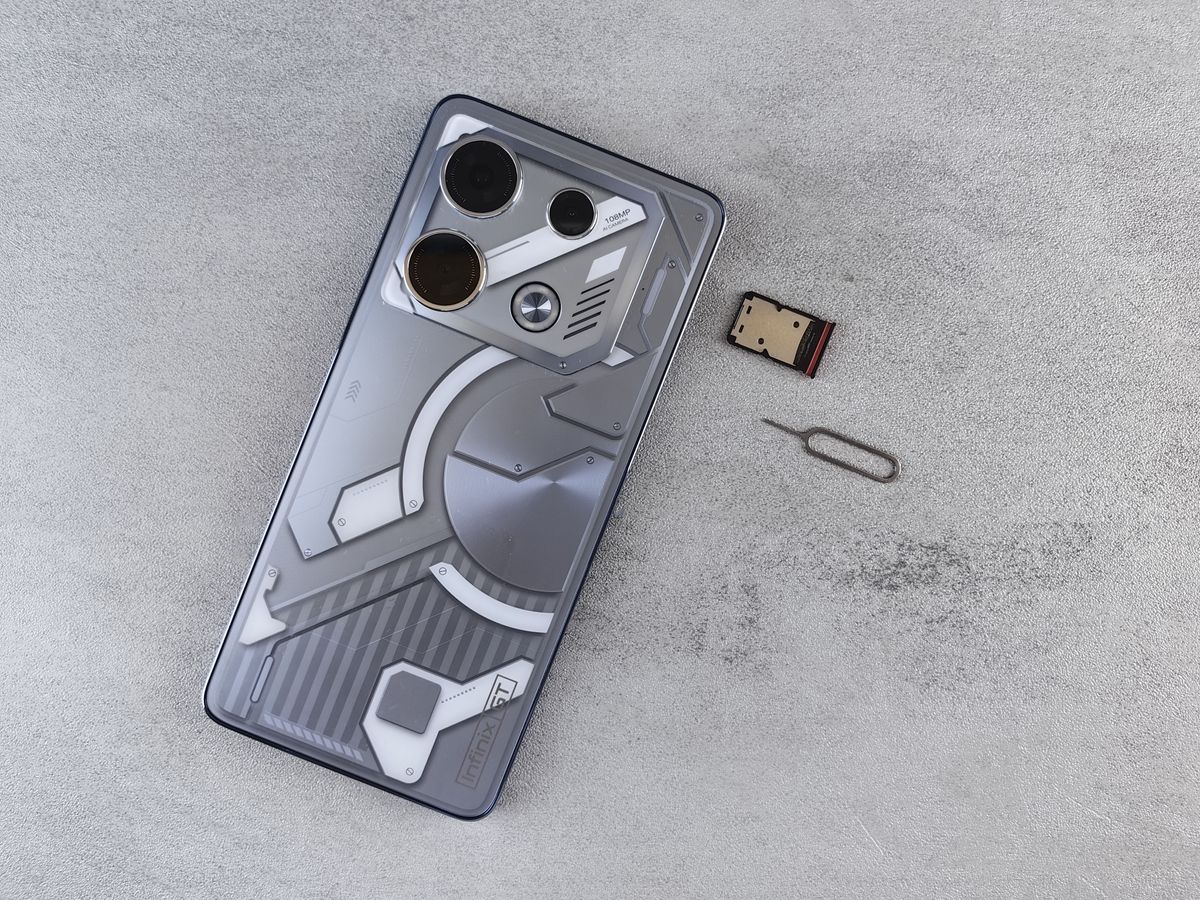
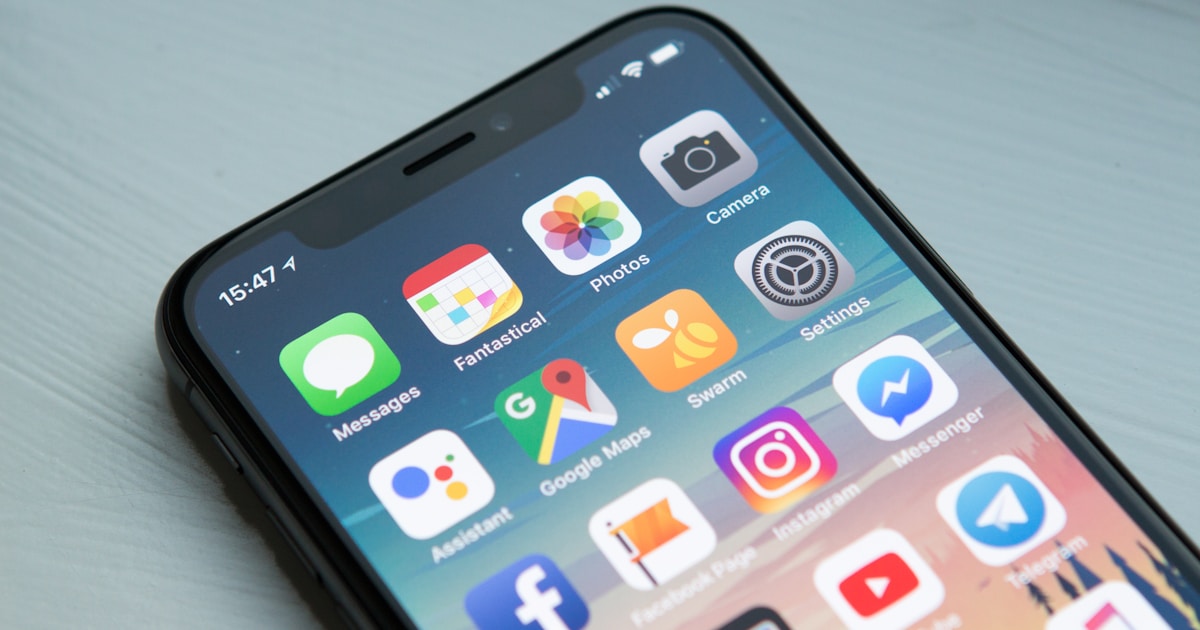
The pocket WiFi era made sense when eSIMs didn’t exist — renting a hotspot beat paying roaming rates. Today an eSIM does the same job with zero logistics: buy online, scan a QR at home, land at Narita with maps working before you reach immigration (a genuinely great moment). Data is cheap and topping up takes a minute in the app. Every iPhone since XS/XR and most recent Androids support it — check yours before buying. Our Japan eSIM comparison tests the main providers; Airalo is the one we keep coming back to for price and reliability. One habit still worth keeping: your translation and map tools should work offline anyway — basements and rural valleys don’t care which plan you bought (see our translation app comparison).
The three cases where pocket WiFi wins
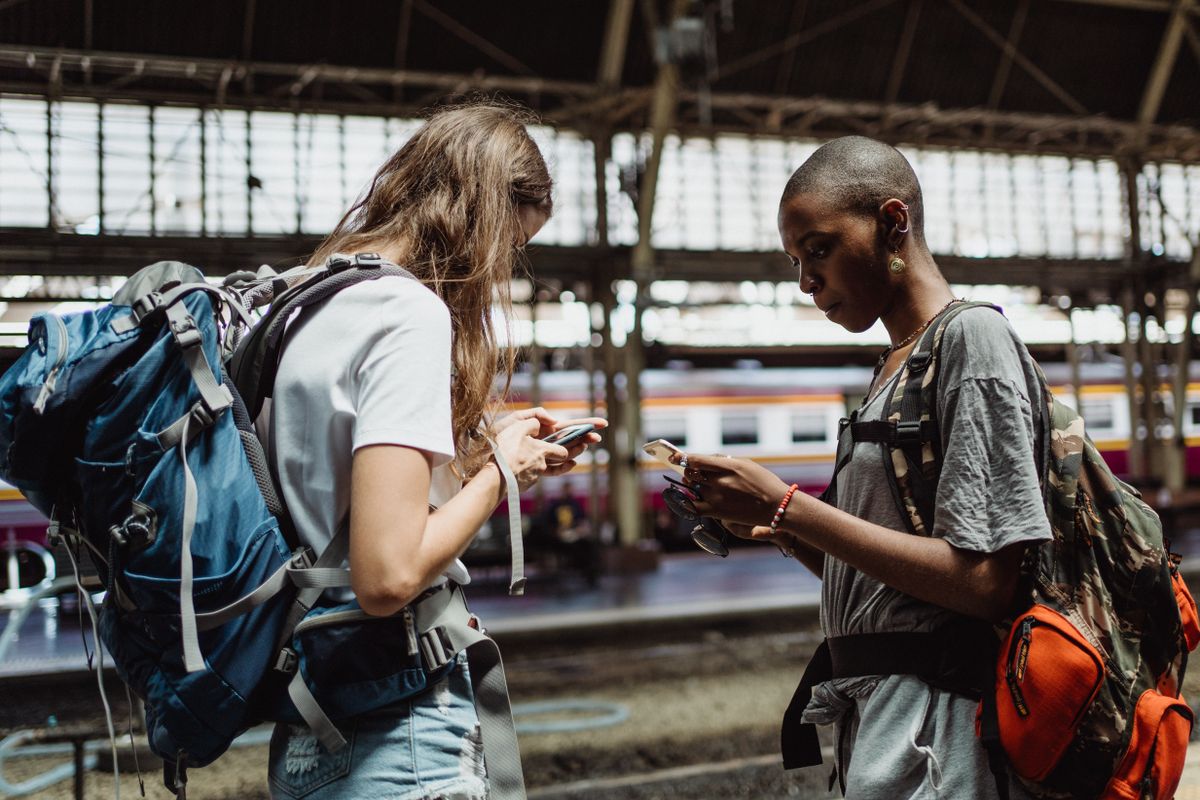
- Groups & families. One router feeding four phones all day beats buying four eSIMs — and kids’ devices connect without their own plans (more in our family guide).
- Laptop-heavy trips. Remote workers burning gigabytes on calls will find unlimited-data router plans more predictable than eSIM data buckets.
- No-eSIM phones. Older or carrier-locked handsets. (A physical Japan SIM is the other fallback.)
If that’s you, rent online a week ahead for airport pickup — and set a phone reminder for the return dropbox. Everyone else: eSIM, done.
Frequently asked questions
Is pocket WiFi worth it in Japan? Only for groups, heavy laptop use, or phones without eSIM support. Solo travelers with modern phones should choose an eSIM.
How much data do I need for two weeks? 5–10GB covers maps, translation and social for most people; unlimited plans exist if you stream.
Is there free WiFi in Japan? In hotels, konbini and stations — but it’s patchy on the street. Don’t build your trip on it.
Can I hotspot from an eSIM? Yes — tethering works on the major Japan eSIMs, fine for occasionally sharing to a tablet or a companion’s phone.
Going to Japan? Talk to locals with confidence.
Hirameki Japanese — instant offline translation, camera translation, furigana + romaji, and 314 free flashcards. No login. Works without internet.

Plan your Japan trip
Two things every first-timer should book
Some links are affiliate links. If you book through them we may earn a small commission at no extra cost to you.