Just 30 minutes from the skyscrapers of Tokyo, the streets suddenly turn to dark timber, clay-walled storehouses, and the slow clip-clop of rickshaws. Welcome to Kawagoe, the castle town in Saitama Prefecture so rich in surviving Edo-period architecture that it has earned the affectionate nickname “Koedo,” or Little Edo. While most first-time visitors to Japan never leave central Tokyo, those who make the short hop north are rewarded with one of the easiest, most atmospheric day trips in the entire country — a place where you can wander a genuine merchant district from the 1800s, ring an iconic wooden bell tower, browse an alley of old-fashioned candy shops, and rent a kimono to do it all in style.
This guide is written for complete first-timers to Japan. It covers exactly how to get to Kawagoe from Tokyo and what it costs in yen and US dollars, what to see and do, where to eat the town’s famous sweet-potato treats, how to time your visit around its spectacular autumn festival, and a full FAQ. Kawagoe proves that you do not need to travel far from the capital to step centuries into the past, and by the end of this article you will know how to make the most of every hour there.
Why Visit Kawagoe?
Kawagoe flourished during the Edo period (1603–1868) as a prosperous merchant town and a strategic stronghold guarding the northern approach to Edo, as Tokyo was then known. Its wealthy traders built sturdy kurazukuri — fireproof clay-walled warehouses — many of which survived the fires, earthquakes, and wartime bombing that erased so much of old Tokyo. The result is that Kawagoe today preserves a streetscape that the capital itself has almost entirely lost, which is exactly why it draws visitors craving a tangible sense of pre-modern Japan.
What makes Kawagoe especially appealing for newcomers is its accessibility and compactness. The historic core is small enough to explore on foot in a few hours, the trains from central Tokyo are frequent and cheap, and the mix of attractions — historic architecture, temples, shrines, street food, and shopping — packs remarkable variety into a tidy package. You can leave your Tokyo hotel after breakfast, spend a full and satisfying day in another era, and be back in the city for dinner. For travelers building a Tokyo itinerary, Kawagoe is one of the standout half-day or full-day escapes; see our roundup of the best Tokyo day trips to slot it into your plans.
How to Get to Kawagoe from Tokyo
One of Kawagoe’s greatest virtues is how easy it is to reach. Three rail lines connect it to central Tokyo, and you can be walking its historic streets in well under an hour.
From Ikebukuro (Tobu Tojo Line)
The fastest and most popular route is the Tobu Tojo Line from Ikebukuro Station. A rapid or express train reaches Kawagoe in about 30 minutes for roughly ¥480 (about US$3.10) one way. Tobu also sells a discounted Kawagoe Discount Pass that bundles the round-trip fare with unlimited local bus rides around the sights, excellent value if you plan to use the loop buses.
From Shinjuku (JR or Seibu)
The JR Saikyo/Kawagoe Line runs from Shinjuku to Kawagoe in about 50 minutes for around ¥760 (US$4.90); this route is fully covered by the Japan Rail Pass and by the Tokyo Wide Pass. Alternatively, the Seibu Shinjuku Line runs to Hon-Kawagoe Station — the closest of the three stations to the historic district — in about 45 minutes by limited express for a small surcharge, or about an hour on regular trains for ¥520 (US$3.40).
Which station to use
Kawagoe has three stations. Hon-Kawagoe (Seibu) is closest to the Kurazukuri district, about a 10-minute walk. Kawagoe Station (JR and Tobu) is the busiest and is connected to the sights by frequent loop buses (about ¥200 per ride, US$1.30) or a 20–25 minute walk along the main shopping street. Kawagoe-shi (Tobu) sits in between. For most first-timers, taking the Tobu Tojo Line to Kawagoe Station and hopping on the retro-styled loop bus is the simplest approach.
However you arrive, having mobile data from the moment you land in Japan makes day trips like this effortless — for live train times, maps, and translating shop signs. A travel eSIM is the easiest way to stay online. Get your Japan eSIM (Stay connected from day 1) →
The Kurazukuri Warehouse District
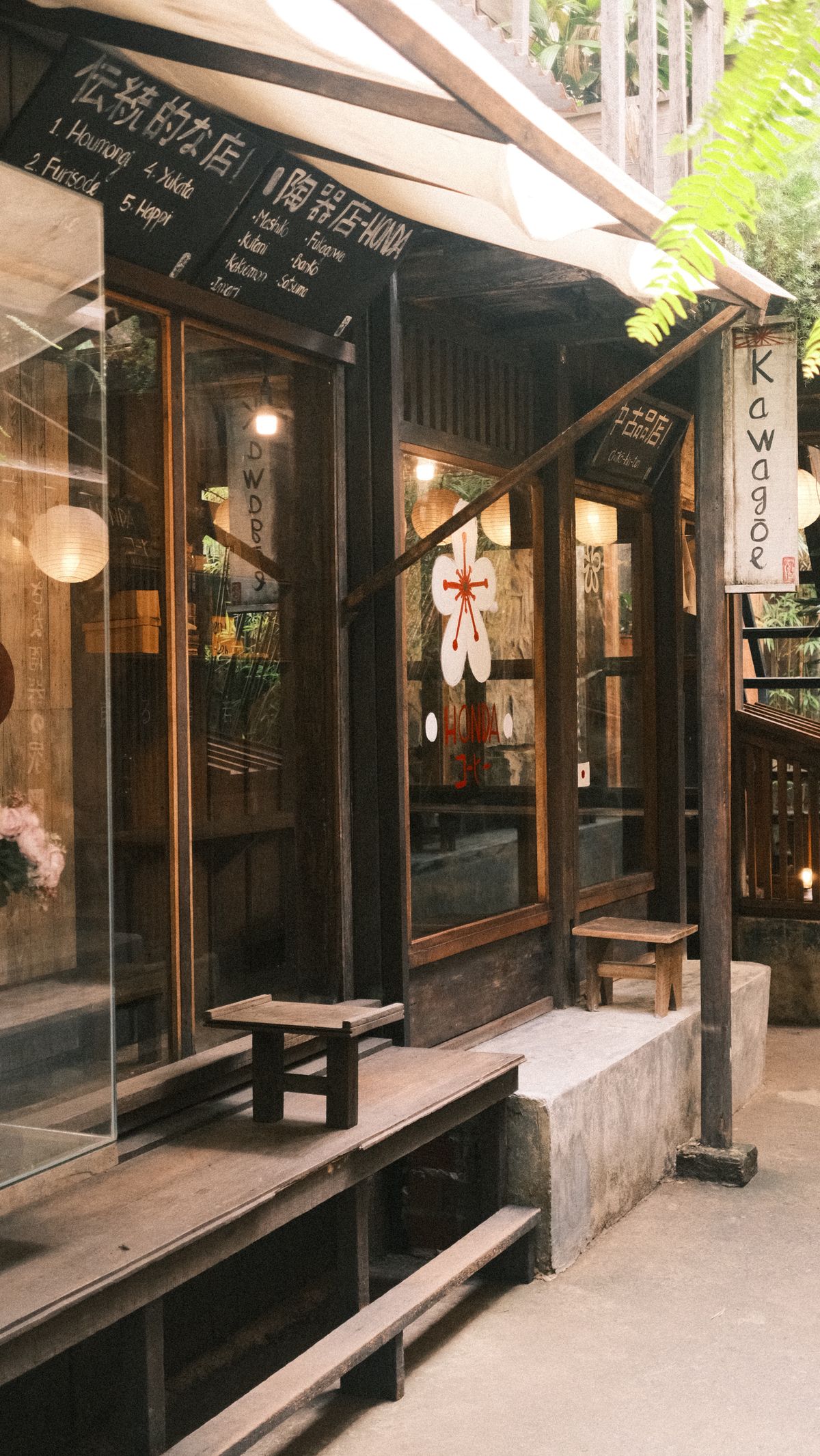
The beating heart of Little Edo is Ichibangai, the main warehouse street, lined on both sides with imposing two-story kurazukuri storehouses. Built from thick clay over wooden frames and topped with heavy tiled roofs, these black-walled buildings were designed to resist fire, and roughly thirty of them survive along the street today. Many now house shops, cafes, and craft stores, so you can browse for souvenirs and snacks while admiring 19th-century architecture.
Strolling Ichibangai is free and open at all hours, though the shops generally operate from mid-morning to around 5 or 6 p.m. The street can get busy on weekends and holidays, so arriving early gives you the most atmospheric, crowd-free photos. Look up to appreciate the ornate roof details and the heavy fireproof shutters, and duck down the side lanes to find quieter corners and hidden cafes. The district is a designated Important Preservation District for Groups of Traditional Buildings, the same protected status given to Japan’s most treasured historic streetscapes.
Toki no Kane: The Bell of Time
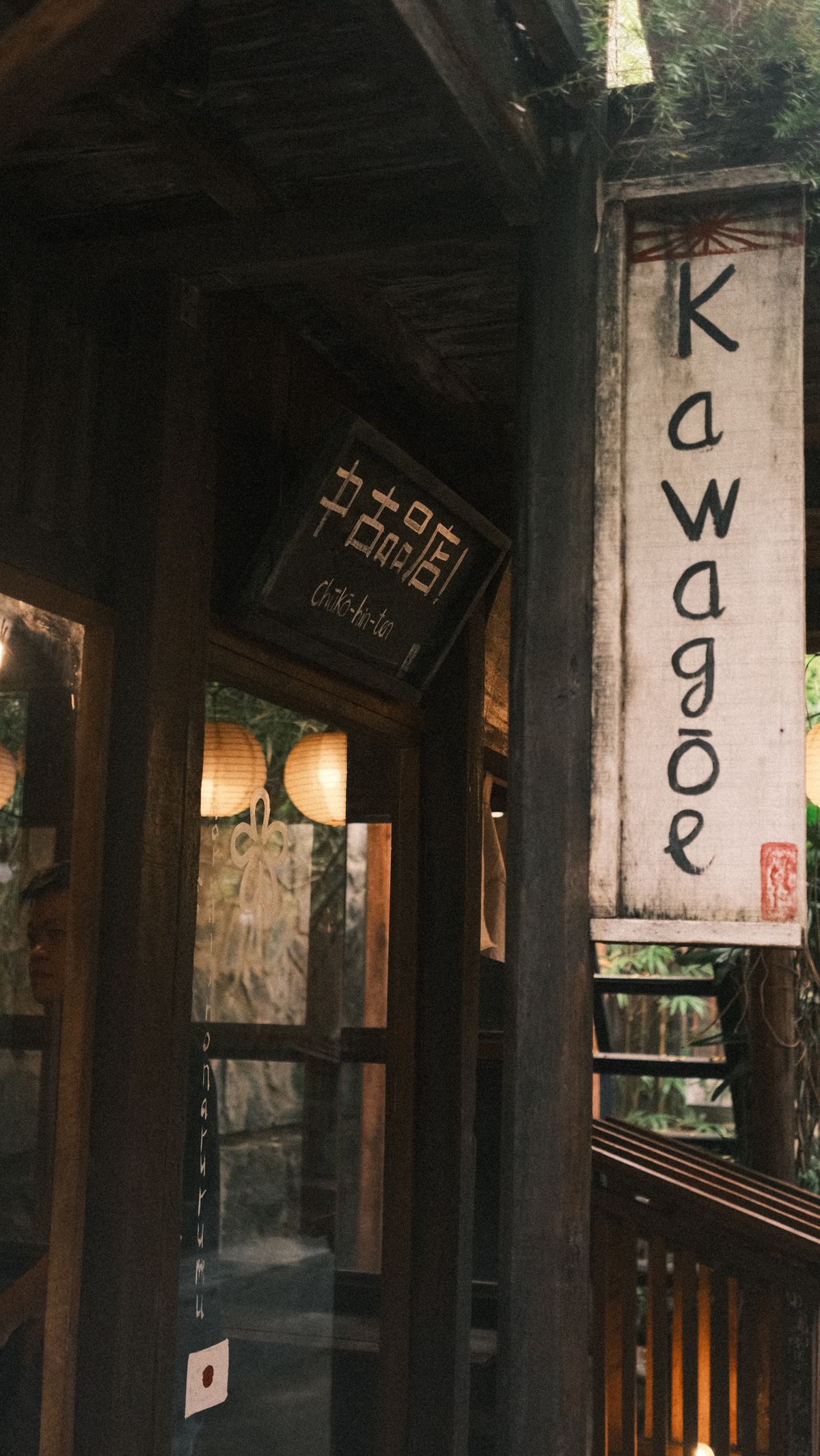
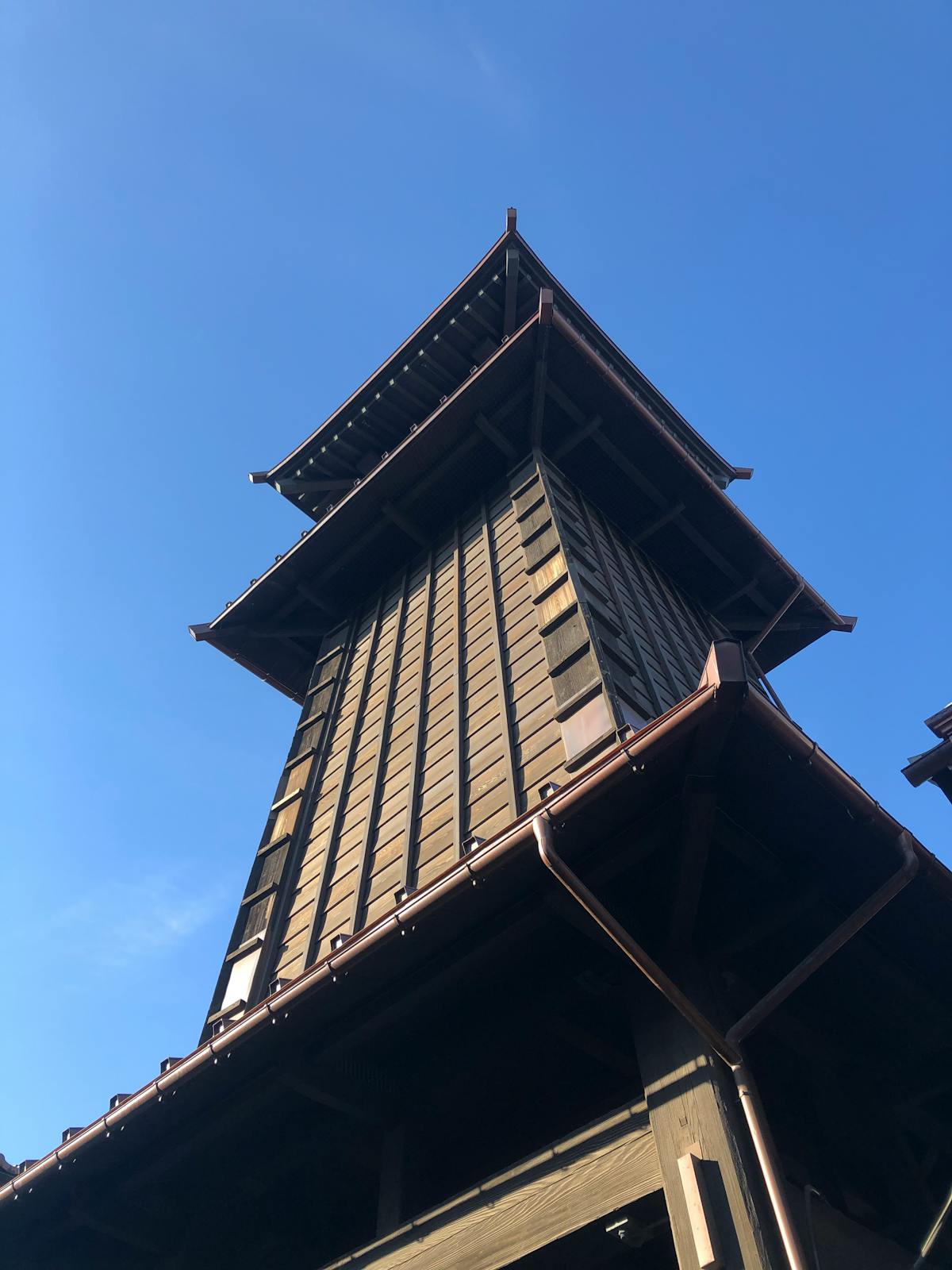
Rising above the warehouse rooftops just off Ichibangai is Kawagoe’s most beloved symbol, the Toki no Kane — the Bell of Time. This three-story wooden bell tower has marked the hours for the people of Kawagoe for around four centuries; the current structure, rebuilt after a fire in 1893, stands about 16 meters tall. The bell still rings four times a day — at 6 a.m., noon, 3 p.m., and 6 p.m. — and its chime has been officially selected as one of the “100 Soundscapes of Japan” worth preserving.
You cannot climb the tower, but standing beneath it as the bell tolls is a quietly magical moment, and the narrow lane leading to it is one of the most photographed spots in town. Try to time your visit to coincide with one of the ringing hours. The tower is especially atmospheric in the early evening when it is gently illuminated and the day-trip crowds have thinned. It costs nothing to visit and is the definitive Kawagoe photograph.
Kashiya Yokocho: Penny Candy Alley
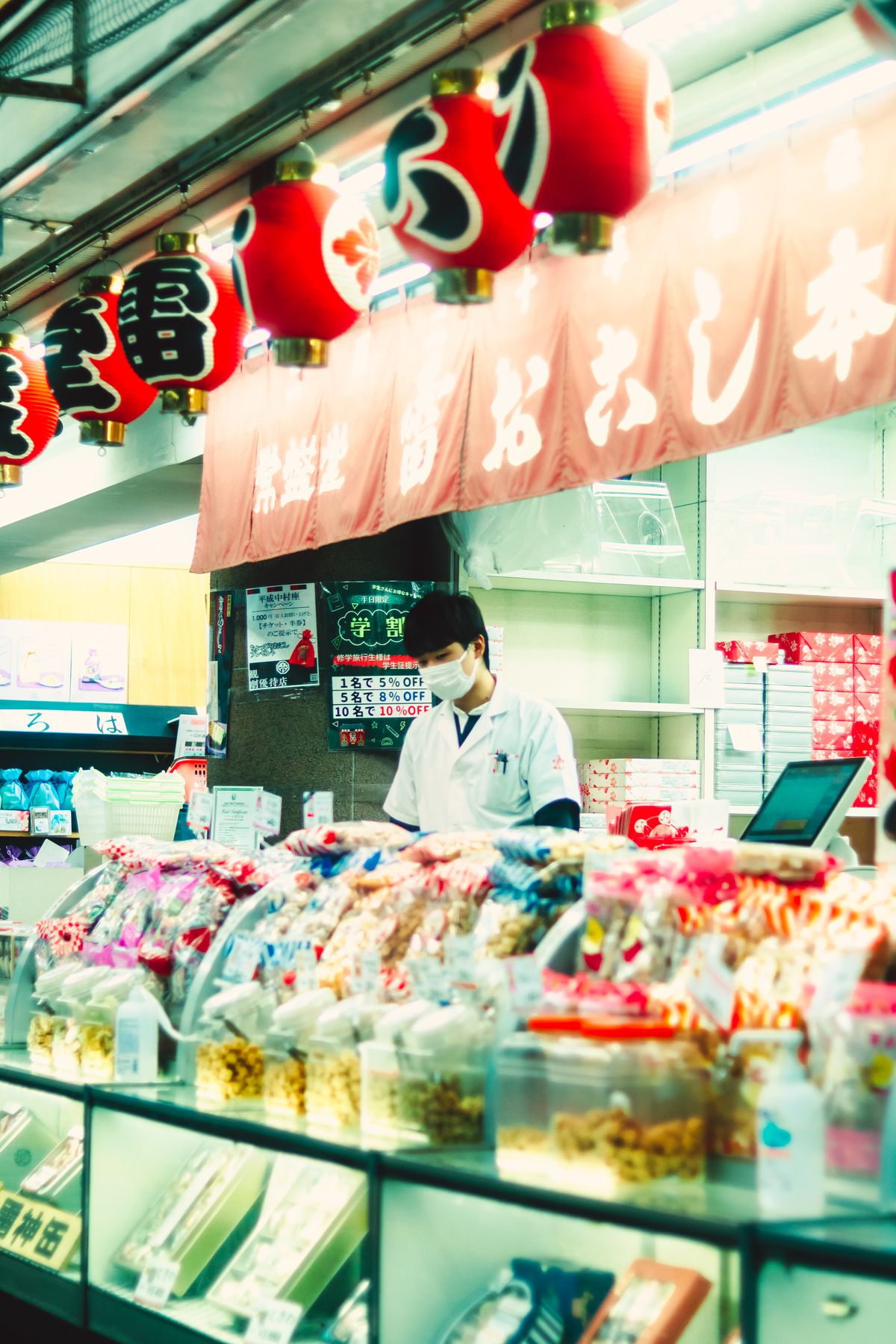
A short walk from the bell tower lies Kashiya Yokocho, or “Penny Candy Alley,” a cobbled lane crammed with around twenty old-fashioned confectionery and snack shops. The alley took shape in the early 20th century supplying inexpensive sweets to Tokyo, and today it is a riot of nostalgia: jars of brightly colored hard candy, hand-pulled rice crackers, gigantic fu gluten sticks, and the town’s signature sweet-potato treats fill the storefronts.
Wandering Kashiya Yokocho is free, and most snacks cost just ¥100–¥500 (US$0.65–US$3.25), making it a delightfully cheap and cheerful stop. Children adore it, and adults find the retro Showa-era atmosphere irresistible. Be sure to try a freshly grilled dango dumpling or a stick of sweet-potato candy as you browse. The lane is small and can fill up quickly on weekends, so it pairs well with an early-morning visit to the nearby warehouse street.
Kawagoe Hikawa Shrine
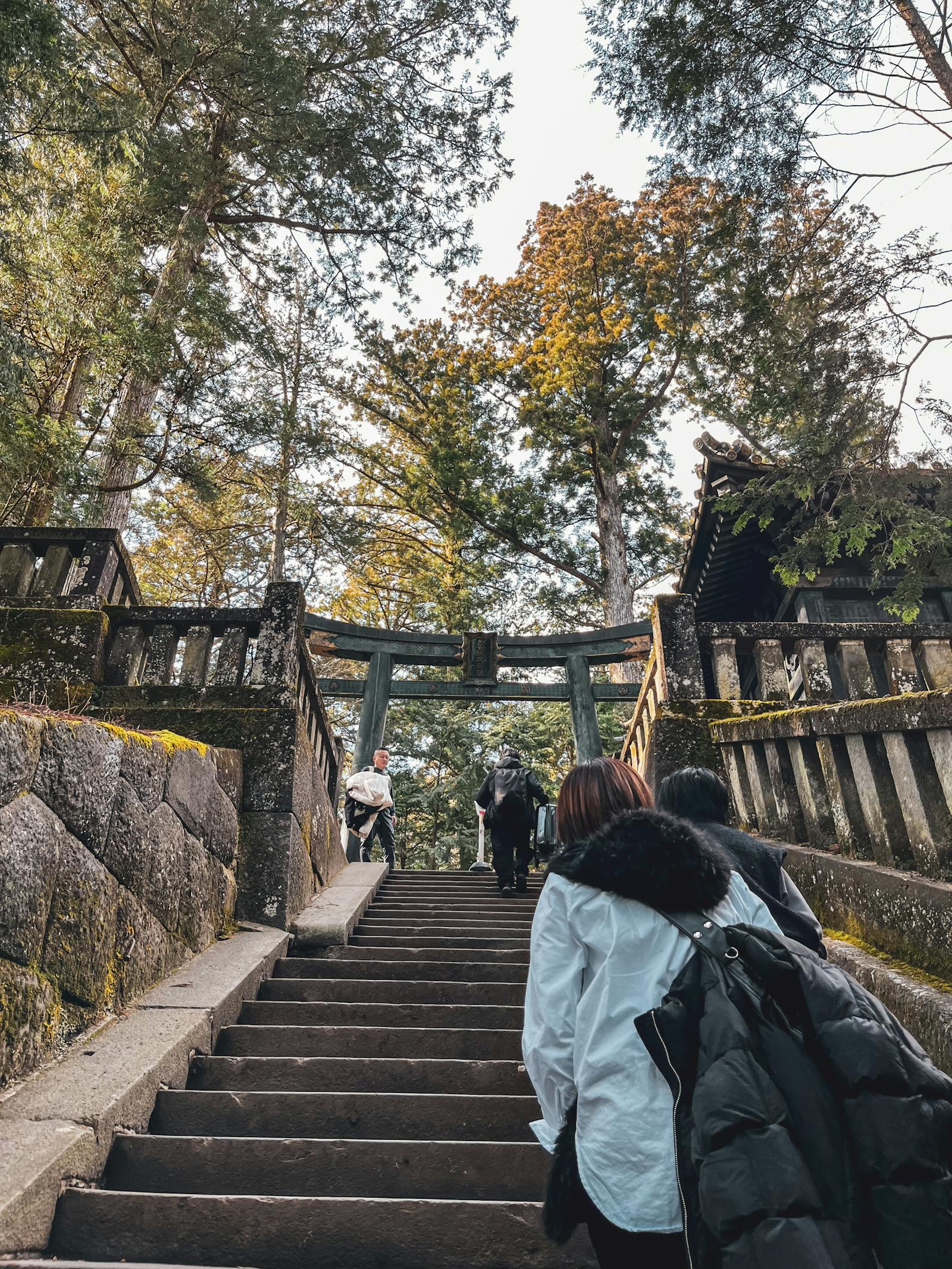
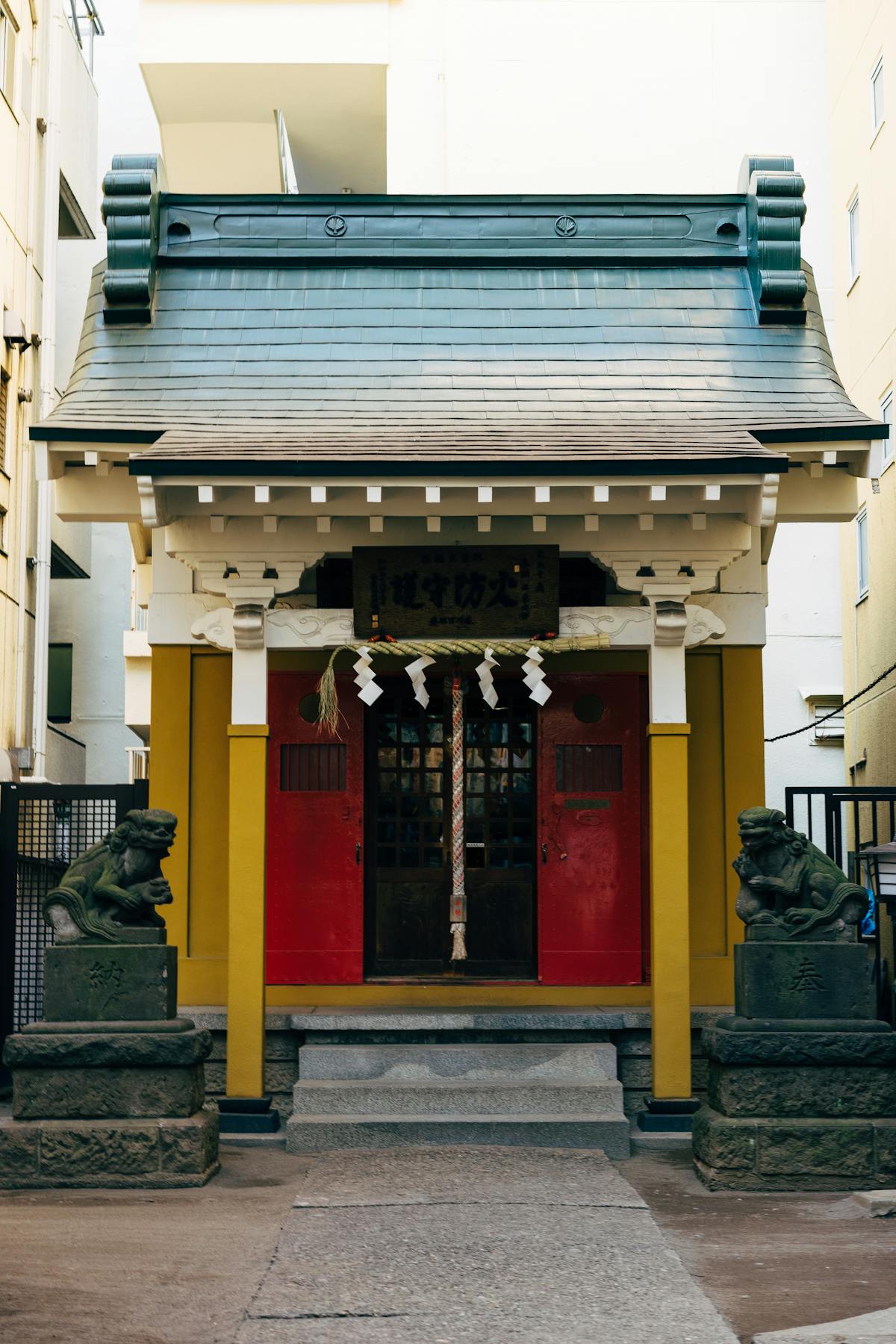
About a 15-minute walk north of the warehouse district sits Kawagoe Hikawa Shrine, a 1,500-year-old shrine dedicated to deities of marriage and matchmaking. It is one of the most popular shrines in the Kanto region for couples and those seeking love, and its grounds are full of charming traditions. You can fish for a “lucky” red sea-bream fortune slip (tai mikuji) with a tiny rod, write a wish on a wooden ema plaque, and pass beneath a torii gate built from countless smaller ema.
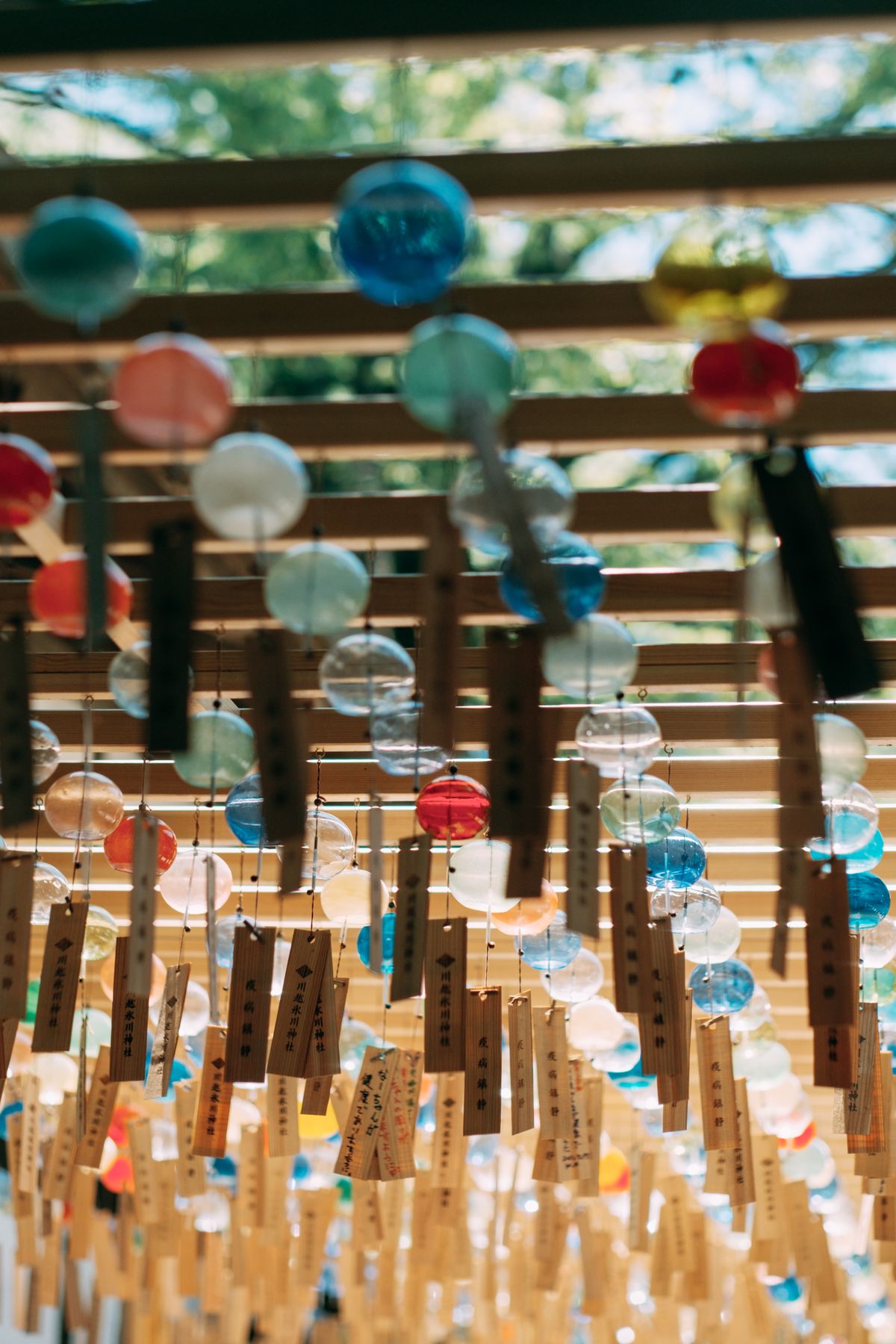
The shrine is most famous in summer for the Enmusubi Furin, a festival from July to early September when thousands of colorful glass wind chimes are strung across the grounds, tinkling in the breeze and creating one of Japan’s most Instagrammed seasonal sights. Entry to the shrine is free, and it adds a spiritual and romantic dimension to a Kawagoe visit. If you are interested in shrine etiquette before you go, our guide to Japanese customs and etiquette covers the basics of respectful temple and shrine visits.
Renting a Kimono and Exploring in Style
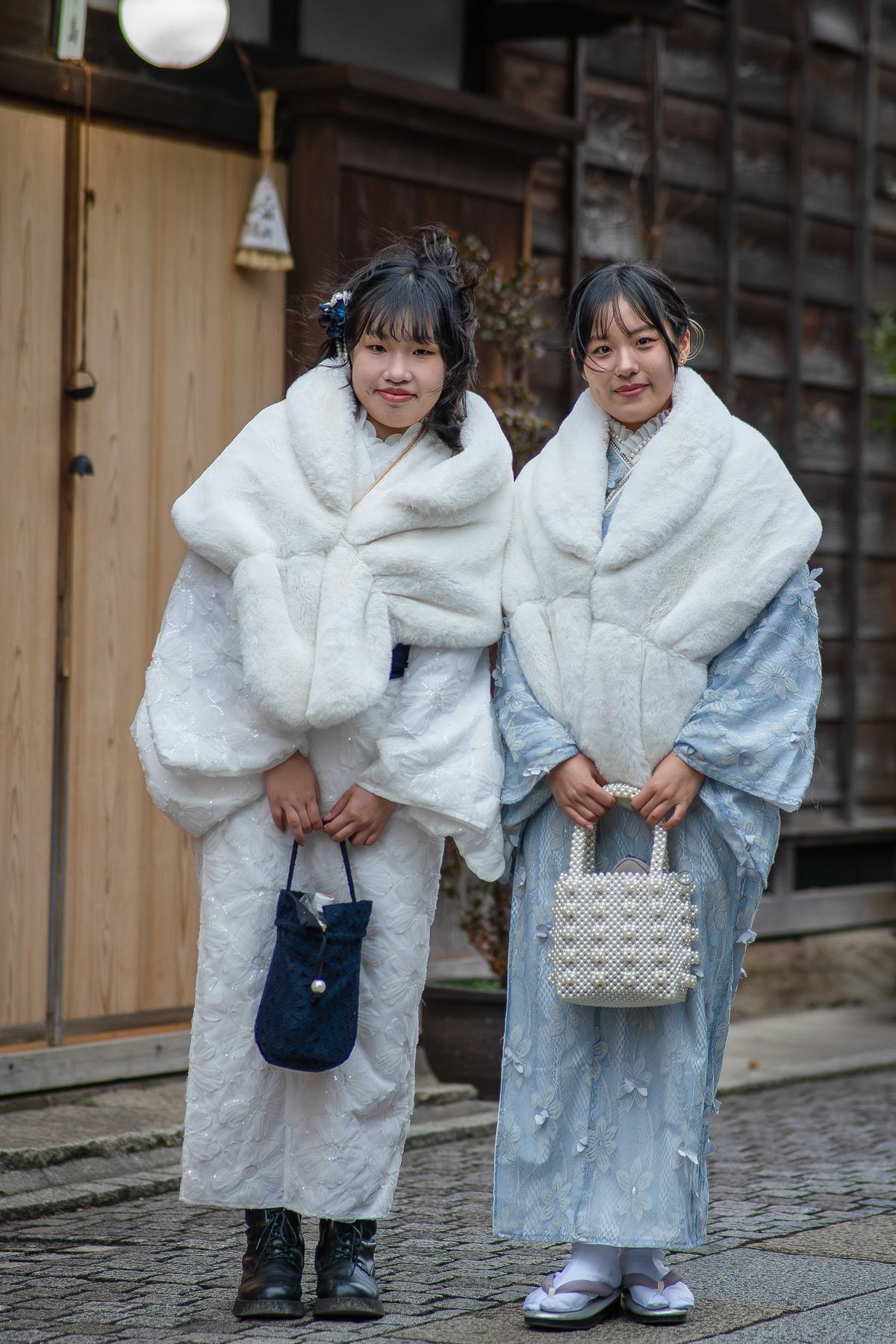
With its Edo-era backdrop, Kawagoe is one of the best places near Tokyo to rent a kimono and stroll the historic streets dressed for the part. Several rental shops cluster around the warehouse district, offering a huge range of kimono and yukata for men, women, and children. A basic rental typically costs ¥3,000–¥5,000 (US$20–US$33) and includes help getting dressed, with optional hair styling for a little more. You keep the outfit for the day and return it before closing.
Walking the Kurazukuri street, the bell tower lane, and Kashiya Yokocho in kimono is enormous fun and yields wonderful photographs. Many couples and friends make it the centerpiece of their day. Booking ahead online is wise on weekends and during cherry-blossom and autumn-foliage seasons, when demand peaks. Comfortable footwear is provided in the form of traditional sandals, though you may want to bring socks for the cooler months.
Kitain Temple and the Last Remains of Edo Castle
Kitain Temple, a 10-minute walk south of the warehouse district, is one of the most historically significant sites in the Kanto region and a must for history lovers. The head temple of the Tendai Buddhist sect in eastern Japan, Kitain enjoyed close ties to the Tokugawa shoguns. When parts of the original Edo Castle in Tokyo were lost, several palace buildings were relocated here in the 1600s — which means Kitain now preserves the only surviving structures of Edo Castle anywhere in Japan, including a room said to be the birthplace of the third shogun, Tokugawa Iemitsu.
The temple’s other famous feature is the Gohyaku Rakan, a collection of 540 stone statues of Buddha’s disciples, each with a unique expression — laughing, sleeping, scratching, contemplating. No two are alike, and finding one that resembles you or a loved one is a cherished tradition. Admission to the inner halls and the rakan garden is around ¥400 (US$2.60). Allow 45 minutes to an hour to do it justice.
What to Eat in Kawagoe: Sweet Potato Everything
Kawagoe’s signature ingredient is the sweet potato (satsumaimo), a local specialty since the Edo period, and the town has turned it into an entire cuisine. As you explore, you will encounter sweet-potato ice cream, sweet-potato chips, sweet-potato cakes and tarts, candied daigaku-imo, sweet-potato beer, and even sweet-potato noodles. Sampling your way along the warehouse street and candy alley is half the fun, and most snacks cost just a few hundred yen.
Beyond sweet potato, Kawagoe is known for unagi (grilled eel), a refined dish that dates to its days as a river-trade town; a proper unagi lunch at one of the old specialist restaurants runs ¥3,000–¥5,000 (US$20–US$33). Look out too for kurozu (black vinegar) drinks, hand-rolled rice crackers grilled before your eyes, and matcha sweets. For a sit-down meal, the warehouse district and the streets around the bell tower offer everything from casual cafes to historic eateries housed in old storehouses. If you love grazing your way through a destination, our Japan street food guide has more on the snacks you will meet across the country.
The Kawagoe Festival: Little Edo at Its Liveliest
If you can time your visit for the third weekend of October, the Kawagoe Festival (Kawagoe Matsuri) is one of the great autumn spectacles of the Kanto region and a designated Important Intangible Folk Cultural Property. Dating back over 370 years, it features enormous, ornately carved wooden floats (dashi) topped with figures of gods and historical heroes, pulled through the historic streets by teams of locals. The highlight is the hikkawase, when floats meet face to face and their musicians engage in spirited musical duels, lanterns swaying, flutes and drums competing late into the night.
The festival draws huge crowds — often close to a million visitors over two days — so trains and streets are packed, but the energy is unforgettable and the floats against the backdrop of the warehouse district are pure theater. If you visit during the festival, go early, be patient with the crowds, and consider staying overnight to enjoy the evening float processions, which are the most dramatic part. A dedicated Festival Museum near the warehouse district displays the floats and explains the tradition year-round for those who miss the main event.
Where to Stay: Day Trip or Overnight?
Most visitors treat Kawagoe as a day trip from Tokyo, and that works beautifully given the short, cheap train ride. If you are based in the capital, you can comfortably fold Kawagoe into a Tokyo itinerary without changing hotels; our overview of where to stay and what to see in the capital, in the Tokyo travel guide, can help you choose a convenient base near Ikebukuro or Shinjuku for easy access.
That said, staying overnight in Kawagoe has its rewards: the warehouse streets are wonderfully quiet and atmospheric in the early morning and evening once the day-trippers leave, and an overnight stay is almost essential if you come for the October festival. The town has a modest selection of business hotels and a few characterful guesthouses, with rooms typically ¥7,000–¥13,000 (US$45–US$85) per night. Because options are limited, book early, especially around the festival and peak foliage. Compare Kawagoe and Tokyo hotels on Agoda →
Travelers watching their budget can also compare deals across multiple booking sites to find the best rate for a Tokyo base. Search hotel deals on Yahoo! Travel →
A Suggested One-Day Kawagoe Itinerary
Here is an efficient plan that captures all the highlights in a single day from Tokyo.
- 9:00 a.m. — Leave Tokyo from Ikebukuro on the Tobu Tojo Line; arrive Kawagoe by 9:30.
- 9:45 a.m. — Pick up a kimono rental if desired, then walk the main shopping street toward the historic core.
- 10:30 a.m. — Explore the Kurazukuri warehouse street before the crowds build, browsing shops and cafes.
- 11:30 a.m. — Visit the Toki no Kane bell tower (aim to hear the noon ring), then wander Kashiya Yokocho candy alley for snacks.
- 12:30 p.m. — Lunch: grilled unagi or sweet-potato specialties in a storehouse restaurant.
- 2:00 p.m. — Walk to Kitain Temple for the Edo Castle remains and the 540 rakan statues.
- 3:30 p.m. — Stroll north to Kawagoe Hikawa Shrine for matchmaking charms and (in summer) the wind-chime tunnel.
- 5:00 p.m. — Return the kimono, grab a final sweet-potato treat, and head back to Tokyo for dinner.
This pace is relaxed enough to enjoy the atmosphere while still seeing everything essential. Photographers and history buffs may prefer to slow down and skip an item or two.
Practical Tips for Visiting Kawagoe
- Go early on weekends. The warehouse street and candy alley get busy by late morning on Saturdays, Sundays, and holidays. Arriving by 9:30–10:00 a.m. gives you the best photos and a calmer experience.
- Consider the Tobu Kawagoe Discount Pass. If you arrive via Ikebukuro and plan to use the loop buses, this pass bundles your fare and bus rides for a small saving.
- Use the loop buses. The retro-styled Koedo loop buses connect Kawagoe Station with all the sights for about ¥200 a ride or a cheap day pass, ideal if you would rather not walk the full distance from the station.
- Carry cash. Many small candy shops, food stalls, and older restaurants are cash-only, and bus fares are easiest with coins or an IC card.
- Book kimono rental ahead in peak seasons to avoid disappointment, and allow 30 minutes for dressing.
- Time the bell. The Toki no Kane rings at 6 a.m., noon, 3 p.m., and 6 p.m. — line up your visit to hear it.
- Combine wisely. Kawagoe pairs well with a relaxed half-day; if you have energy left, it is an easy ride back into Tokyo for an evening out.
- Stay connected. A data SIM or eSIM makes navigating the three stations and bus routes painless. Get your Japan eSIM here →
Frequently Asked Questions About Kawagoe
Is Kawagoe worth visiting on a first trip to Japan?
Absolutely. Because it is so close to Tokyo and so easy to reach, Kawagoe is one of the best-value cultural day trips for first-timers. In a single relaxed day you experience preserved Edo-period architecture, temples, a famous shrine, street food, and the chance to wear a kimono — all without the long travel times of more distant destinations. It is especially good if you want a taste of “old Japan” but cannot fit Kyoto into a short trip.
How long should I spend in Kawagoe?
Half a day covers the essentials (warehouse street, bell tower, candy alley), but a full day lets you add Kitain Temple, Hikawa Shrine, a leisurely lunch, and kimono photos without rushing. If you are visiting during the October festival, consider staying overnight to enjoy the evening float processions.
What is the best way to get to Kawagoe from Tokyo?
The Tobu Tojo Line from Ikebukuro is fastest and cheapest, reaching Kawagoe in about 30 minutes for around ¥480. From Shinjuku, the JR Kawagoe Line (covered by the Japan Rail Pass) takes about 50 minutes, while the Seibu Shinjuku Line stops at Hon-Kawagoe, the closest station to the historic district.
When is the best time to visit Kawagoe?
Kawagoe is pleasant year-round. Spring brings cherry blossoms, summer features the spectacular wind-chime festival at Hikawa Shrine, autumn offers comfortable weather and the famous October festival, and winter is quiet and atmospheric. Weekdays are far less crowded than weekends in every season.
Is Kawagoe good for families with children?
Very much so. Kashiya Yokocho candy alley is a hit with kids, the rickshaw rides and kimono dress-up are fun for all ages, and the compact, walkable layout makes it manageable with little ones. The abundant cheap street food keeps everyone happy between sights.
Can I visit Kawagoe and another Tokyo day trip in the same day?
It is possible but rushed. Kawagoe deserves at least half a day on its own, and combining it with a second distant destination usually means missing the relaxed atmosphere that makes it special. It pairs better with a lazy morning or evening in Tokyo than with another full day trip.
Do I need to speak Japanese to enjoy Kawagoe?
No. While it is a domestic favorite and English is less ubiquitous than in central Tokyo, the main sights have some English signage, menus often include pictures, and a translation app handles the rest. Vendors are friendly and used to visitors, so basic gestures and a smile go a long way.
A Brief History of Kawagoe
Kawagoe’s story stretches back well before the Edo period. A castle was first built here in 1457 by the Ota clan, and the town grew around it as a center of regional power in the Musashi plain. Its fortunes soared during the Edo period, when it became a key castle town defending the northern approach to the shogun’s capital and a thriving hub of river commerce. Goods — especially rice, sweet potatoes, and timber — flowed down the Shingashi River to Edo, and the merchants who handled that trade grew wealthy enough to build the grand fireproof storehouses that define the town today.
A devastating fire in 1893 destroyed roughly a third of the town, but it was precisely the surviving and newly rebuilt kurazukuri warehouses — designed to resist exactly such disasters — that gave Kawagoe its enduring character. While Tokyo was repeatedly remade by fire, earthquake, and war in the 20th century, Kawagoe’s sturdy storehouses endured, leaving it as one of the best windows onto Edo-period merchant life anywhere near the capital. Recognizing this, the town carefully preserved its historic core, and today that foresight is rewarded with a steady stream of visitors seeking the old Japan that Tokyo itself can no longer show them.
Beyond the Warehouses: Taisho-Roman Street and Crea Mall
While the Edo-era storehouses get the most attention, Kawagoe has other distinct streetscapes worth exploring. Taisho-Roman Dream Street is a short, charming lane of early-20th-century buildings from the Taisho era (1912–1926), a period when Japanese and Western architectural styles blended into something uniquely nostalgic. Its retro cafes and Western-influenced facades make a pleasant contrast to the heavier Edo warehouses just up the road, and it is far less crowded.
Connecting the modern station area to the historic district is Crea Mall, a long, lively pedestrian shopping street packed with everyday shops, bakeries, and eateries used by locals. Walking it on the way into town is a nice reminder that Kawagoe is a real, working city of around 350,000 people, not a museum. Together these streets let you trace Kawagoe’s evolution from feudal merchant town through the Taisho modernization to the present day, all within a comfortable walk.
Seasonal Highlights in Kawagoe
Each season gives Kawagoe a different mood, and knowing what to expect helps you plan. In spring, cherry blossoms bloom along the Shingashi River and around Kitain Temple, with riverside boat rides offered during the brief peak in early April. Summer belongs to Kawagoe Hikawa Shrine, where the Enmusubi Furin wind-chime festival from July to early September turns the grounds into a tinkling, technicolor tunnel, beautifully lit at night.
Autumn is arguably the best time of all: the weather is crisp, the foliage colors the temple gardens, and the legendary Kawagoe Festival fills the streets with towering floats on the third weekend of October. Winter is quiet and contemplative, with clear skies ideal for photography and far fewer visitors; New Year sees crowds flock to Kitain and Hikawa for the season’s first shrine and temple visits. There is genuinely no bad time to come, though weekdays always trump weekends for tranquility.
Sample Budget for a Kawagoe Day Trip
One of Kawagoe’s joys is how affordable it is. Here is a realistic per-person budget for a day trip from Tokyo:
- Round-trip train from Tokyo: ¥960–¥1,520 (US$6–US$10) depending on the line.
- Local loop bus or walking: ¥0–¥400 (US$0–US$2.60); the historic core is walkable.
- Attraction admissions: ¥800–¥1,200 (US$5–US$8) for Kitain Temple and any paid exhibits; the warehouse street, bell tower, candy alley, and Hikawa Shrine are free.
- Food and snacks: ¥2,000–¥4,000 (US$13–US$26) for lunch plus sweet-potato treats and street snacks.
- Optional kimono rental: ¥3,000–¥5,000 (US$20–US$33).
Without kimono rental, a full day in Kawagoe can cost as little as ¥4,000–¥7,000 (US$26–US$45) including transport — one of the best-value cultural experiences within reach of Tokyo. First-timers building their wider plans may find our Japan travel tips for first-timers helpful for budgeting the rest of the trip.
More Frequently Asked Questions
Is Kawagoe better than Kamakura or Nikko as a day trip?
They offer different things. Kamakura is about coastal temples and the Great Buddha, Nikko about ornate mountain shrines and nature, and Kawagoe about preserved Edo-period townscape and street food. Kawagoe is the closest and cheapest of the three and the most compact, making it ideal when you want maximum atmosphere with minimum travel. Many visitors do all three on separate days.
Can I do Kawagoe in the evening after sightseeing in Tokyo?
You can visit in the late afternoon to enjoy the illuminated bell tower and quieter streets, but most shops close around 5–6 p.m., so an evening-only trip misses the candy alley and many stores. A morning start makes far better use of the day.
Are there English-speaking guides or tours in Kawagoe?
Yes. Volunteer guide groups and private tour operators offer English-language walking tours of the historic district, and the tourist information centers near the stations provide English maps and advice. A guided walk adds helpful context to the architecture and history if you want more than a self-guided stroll.
Is Kawagoe accessible for travelers with mobility needs?
The main streets are flat and largely walkable, and loop buses reduce the distance from the station, but some older buildings and temple interiors have steps and uneven surfaces. The cobbled candy alley can be tricky for wheelchairs. With some planning, the headline sights are manageable, and station staff are helpful with assistance.
Rickshaws, Photography, and Hidden Corners
To experience Kawagoe the way visitors did a century ago, hop aboard a rickshaw. Uniformed pullers wait near the warehouse street and offer short loops of the historic core, narrating the highlights (some speak basic English) and stopping at the best photo spots. A short course for two starts around ¥3,000–¥4,000 (US$20–US$26), with longer tours available; it is a memorable splurge and a restful way to cover ground, especially if you are dressed in kimono.
For photography, the golden hours are early morning, when the warehouse street is empty and softly lit, and dusk, when the bell tower and storehouses glow. The lane leading to the Toki no Kane, the torii tunnel of ema at Hikawa Shrine, and the rows of candy jars in Kashiya Yokocho are the most rewarding compositions. Venture a block off the main streets and you will find quiet residential lanes, tucked-away shrines, and old shopfronts that most day-trippers never see — some of Kawagoe’s most charming moments are the ones not in the guidebooks. The Shingashi River area, with its seasonal cherry blossoms and small boats, is another underrated spot worth seeking out.
Etiquette and Responsible Travel
Because Kawagoe is a living town as well as a tourist attraction, a little courtesy keeps it pleasant for residents and visitors alike. Eat street snacks near the shop where you bought them rather than walking and eating, which is considered impolite in Japan, and use the bins provided or carry your rubbish with you. At Kitain Temple and Hikawa Shrine, follow basic etiquette: bow at torii gates, purify your hands at the water basin, keep your voice down, and avoid blocking worship halls for photos. When photographing people in kimono or shopkeepers at work, ask first with a smile and a gesture. Tipping is not customary anywhere in Japan and is not expected here. These small habits help preserve the gentle, welcoming atmosphere that makes Little Edo so special.
Essentials: Connectivity, Money, and Timing
A few logistics will smooth your day. On connectivity, you will lean on your phone for train times across three different rail lines, bus routes, and translating shop signs, so reliable mobile data is invaluable; an eSIM set up before arrival means you are never stranded looking for Wi-Fi. On money, bring a mix of small cash and an IC card such as Suica or PASMO — cards work on trains and buses and at larger shops, but the candy alley vendors, food stalls, and some older restaurants prefer cash. Convenience-store ATMs near the stations dispense yen with foreign cards if you run low.
On timing, the single most important tip bears repeating: come early, especially on weekends and holidays. The historic streets transform from peaceful and photogenic at 9:30 a.m. to shoulder-to-shoulder by early afternoon. An early arrival also means you finish the highlights by mid-afternoon, leaving time to ride back into Tokyo for an evening meal. With your data sorted, a little cash in your pocket, and an early train, you are set for one of the most rewarding and effortless cultural escapes the Kanto region has to offer.
Combining Kawagoe with the Rest of Saitama
Kawagoe is the headline attraction of Saitama Prefecture, but if it whets your appetite for the area, there is more to discover within easy reach. Chichibu, deeper in Saitama’s western mountains, offers dramatic scenery, night-blooming shibazakura moss-pink fields in spring, a beloved winter ice festival, and a historic pilgrimage circuit of 34 temples. Nagatoro, nearby, is famous for river-boat rides through a rocky gorge and gentle hiking. Closer to Kawagoe, the Tobu Zoo and various flower parks make family-friendly add-ons.
For most first-timers, though, Kawagoe shines brightest as a standalone day trip paired with a Tokyo base — its blend of accessibility, atmosphere, and affordability is hard to beat. Saitama as a whole is one of the most underrated prefectures for travelers who have already seen the headline cities and want to dig a little deeper into everyday Japan. Whether you treat Kawagoe as a quick cultural fix or the gateway to a longer Saitama adventure, it consistently surprises visitors who expected nothing more than a Tokyo suburb and found a beautifully preserved slice of the Edo period instead. Browse more ideas for your trip in our wider collection of Japan destinations.
Final Thoughts
Kawagoe is proof that you do not need to travel far from Tokyo to feel as though you have slipped into another century. In the span of a single, inexpensive train ride, the glass towers give way to clay-walled storehouses, the chime of a 400-year-old bell, the sweet smell of grilling dango, and the rustle of rented kimono on cobbled lanes. For first-time visitors short on time but hungry for a genuine taste of old Japan, Little Edo delivers more atmosphere per hour than almost anywhere else in the Kanto region.
Plan an early start, wear comfortable shoes, bring a little cash and an appetite for sweet potato, and give yourself permission to wander. When you are ready to organize the rest of your trip, secure a well-located Tokyo base and make sure you arrive already online: browse Tokyo hotels on Agoda → and pick up a Japan eSIM before you fly →.
🗾 Planning your trip? Get our free 7-Day Japan Itinerary (PDF)
Day-by-day Tokyo → Kyoto → Osaka plan with real prices and essential phrases — sent straight to your inbox.
Going to Japan? Talk to locals with confidence.
Hirameki Japanese — instant offline translation, camera translation, furigana + romaji, and 314 free flashcards. No login. Works without internet.

Plan your Japan trip
Two things every first-timer should book
Some links are affiliate links. If you book through them we may earn a small commission at no extra cost to you.