If you are planning your very first trip to Japan and dreaming of a slow, steamy, deeply traditional night away from the neon and the crowds, Kinosaki Onsen deserves a place near the top of your list. Tucked into the northern edge of Hyogo Prefecture, on the coast of the Sea of Japan, Kinosaki is a willow-lined hot spring town where the streets are designed to be walked in a cotton robe and wooden sandals, where seven public bathhouses scatter across a single stroll, and where the whole town quietly treats itself as one big open-air resort.
This guide is written for travelers who have never soaked in a Japanese onsen before. We will walk through what Kinosaki actually is, how the bathing culture works, what to expect from a ryokan stay, what it costs in both yen and US dollars, how to get there, and the small etiquette points that help you feel relaxed instead of nervous. By the end you should feel ready to book a night, pack light, and let the town take care of the rest.
Why Kinosaki Onsen Belongs on Your First Japan Trip
Japan has hundreds of hot spring towns, but very few are as easy and as charming for a first-timer as Kinosaki. The town is small, flat, and almost absurdly photogenic. A gentle canal runs down the middle, crossed by stone bridges and shaded by weeping willows that turn gold in autumn and pale green in spring. Stone lanterns glow at night. Visitors shuffle from bath to bath in matching yukata (light cotton kimono), the wooden soles of their geta sandals clacking on the pavement in a sound that has become the unofficial soundtrack of the town.
What makes Kinosaki special is a clever local philosophy: your ryokan room is your bedroom, and the entire town is your bathhouse. Rather than each inn competing to build the biggest private spa, Kinosaki encourages guests to wander out and visit the seven public bathhouses, called soto-yu. Stay overnight at almost any local ryokan and you receive a pass that lets you enter all seven for free. The result is a town that feels communal, walkable, and wonderfully low-stress, exactly the qualities you want when you are trying a brand-new cultural experience for the first time.
For more ideas on weaving a destination like this into a wider route, our full Japan destinations guide is a useful companion as you sketch out your itinerary.
A Quick History of Kinosaki’s Hot Springs
Kinosaki’s reputation as a healing town stretches back well over a thousand years. Local legend tells of a Buddhist priest named Dochi Shonin who, in the early 8th century, prayed for a thousand days on behalf of the sick, after which a hot spring is said to have burst forth. That spring is associated with Mandara-yu, one of the seven bathhouses you can still visit today. An older story credits an injured oriental white stork (the kounotori) with revealing a spring while healing its wounds in the warm water, which is why the stork remains a beloved symbol of the area.
Whether you take the legends literally or not, the town has been welcoming bathers, poets, and convalescents for centuries. The celebrated writer Shiga Naoya stayed here while recovering from a train accident and later wrote a famous short story set in the town, cementing Kinosaki’s literary reputation. Walking the canal today, you are following in the wooden footsteps of more than a millennium of visitors who came for exactly the same reason you will: to feel a little better than when they arrived.
The Seven Outdoor Bathhouses (Soto-yu), One by One
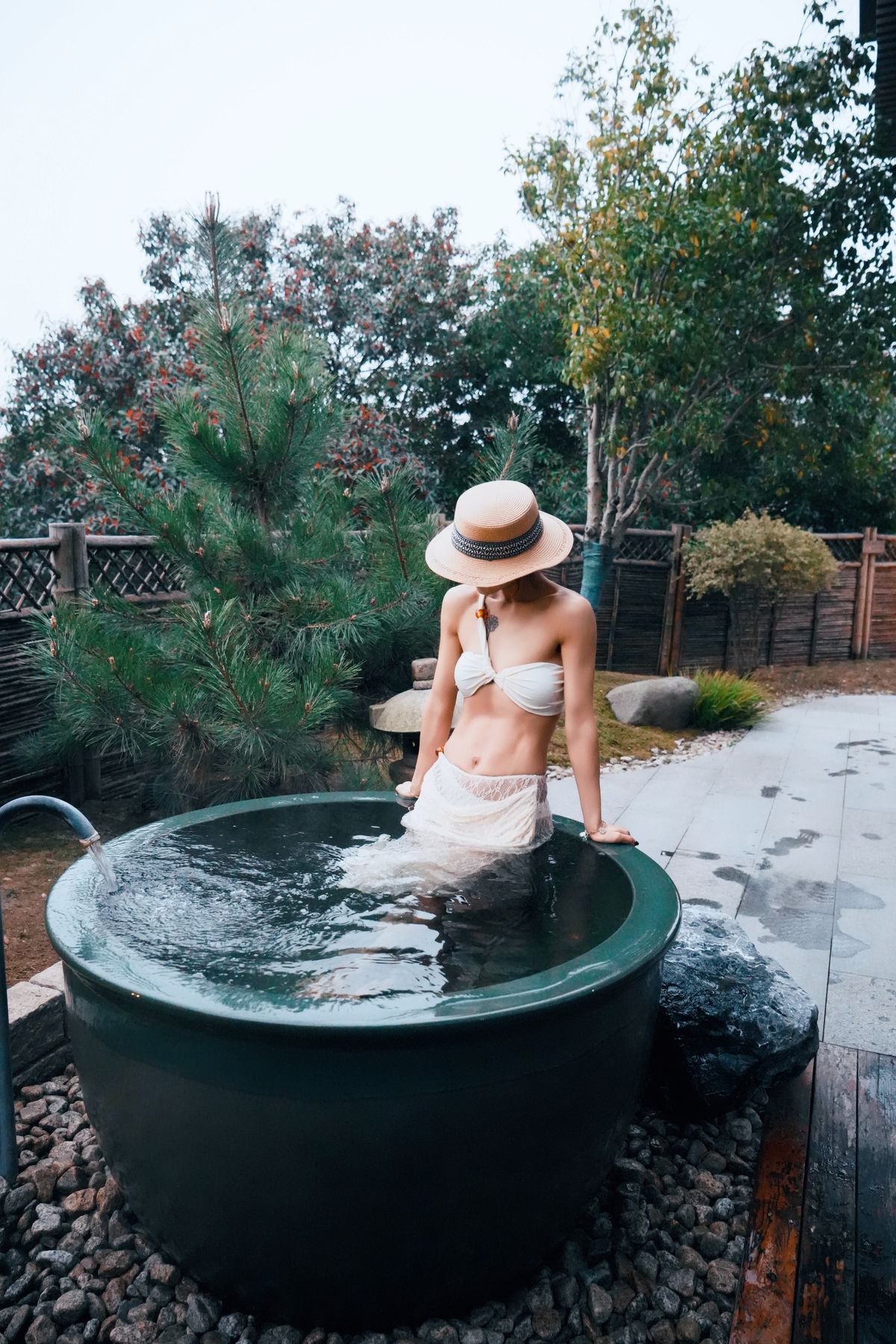
The seven public bathhouses are the soul of Kinosaki. Each has its own character, its own legend, and its own supposed blessing, so part of the fun is collecting them all in a single evening and the following morning. Most open early and close late, though each closes one day a week on a rotating schedule, so you will rarely find more than one shut at a time. If you stay overnight you get the all-access pass for free; day visitors can buy a one-day passport for around ¥1,500 (about $10).
1. Sato-no-yu
The largest and most modern of the seven, Sato-no-yu sits right beside the station and is the perfect first or last stop. It has multiple themed baths, saunas, and rotating men’s and women’s sections, making it a great place to ease in before you explore the older, more atmospheric houses.
2. Ichi-no-yu
With a grand kabuki-theater facade, Ichi-no-yu is the most photographed bathhouse in town. Its signature cave bath, set into a rocky grotto at the back, feels like soaking inside a mountainside. It is traditionally associated with luck in romance and good fortune.
3. Gosho-no-yu
Modeled on the Kyoto Imperial Palace, Gosho-no-yu is the most elegant of the group, with a beautiful outdoor bath beneath a small waterfall and maple trees. It is said to bring protection against fire and water disasters and good luck in love.
4. Mandara-yu
The oldest spring by legend, Mandara-yu is small, wooden, and intimate, with a lovely tub on a raised wooden deck. It is associated with business prosperity and the fulfillment of wishes.
5. Kono-yu
Named for the stork (kono) of local legend, Kono-yu sits a little farther up the valley near the cable car. It has a spacious open-air bath and is linked to longevity, happiness in marriage, and healthy children.
6. Yanagi-yu
The smallest bathhouse, named for the willows along the canal, Yanagi-yu has a cozy wooden tub down a short flight of steps. It is traditionally said to help with safe childbirth and family harmony.
7. Jizo-yu
Named after the guardian deity Jizo, this bathhouse has a striking six-sided window and a family bath. It is associated with good fortune for households and is a favorite of families traveling with children.
You do not need to visit all seven, but trying three or four across an evening and a morning is the classic Kinosaki rhythm. Bring a small towel, your bathhouse pass, and a relaxed attitude.
Staying in a Ryokan: What to Expect
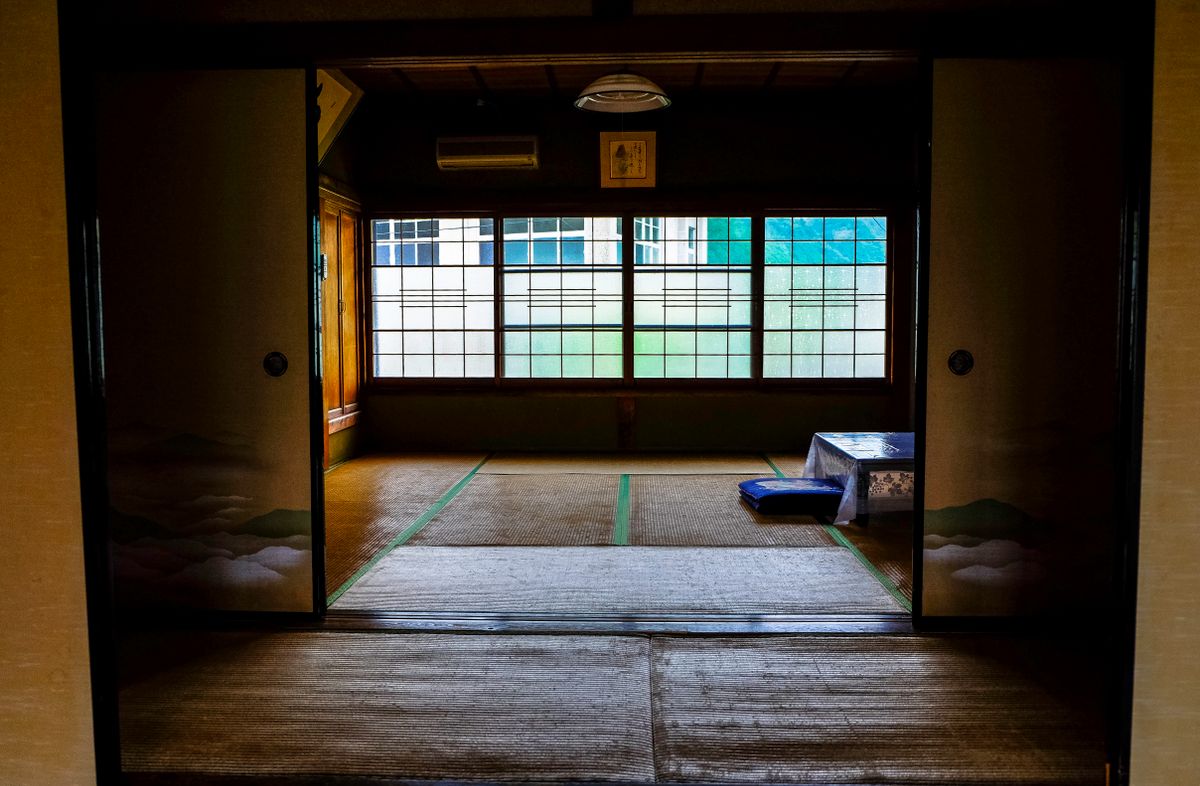
The overnight ryokan stay is what turns a visit to Kinosaki into a memory. A ryokan is a traditional Japanese inn, and the ones in Kinosaki range from tiny family-run guesthouses to refined establishments with private baths and kaiseki dinners. When you check in, you will usually be welcomed with green tea and a small sweet, shown to a tatami-mat room with a low table, and handed your yukata and your seven-bath pass.
Dinner is often the highlight. Many ryokan serve a multi-course kaiseki meal in your room or a private dining space, built around whatever is in season: snow crab in winter, sashimi from the nearby coast, local Tajima beef, and delicate vegetable dishes. After dinner, staff quietly lay out your futon bedding directly on the tatami while you are out bathing. Breakfast the next morning is typically a traditional spread of grilled fish, rice, miso soup, and small side dishes.
Prices vary widely. A simple guesthouse with breakfast might run ¥9,000–¥14,000 (about $58–$90) per person, while a mid-range ryokan with dinner and breakfast typically costs ¥18,000–¥30,000 (about $116–$194) per person, and luxury inns can climb well beyond that. Booking ahead is strongly recommended, especially during crab season from November to March. You can compare a wide range of local inns on Agoda, and for higher-end ryokan with private open-air baths, Ikyu.com specializes in premium Japanese inns.
The Yukata Culture: How to Wear It and Why It Matters
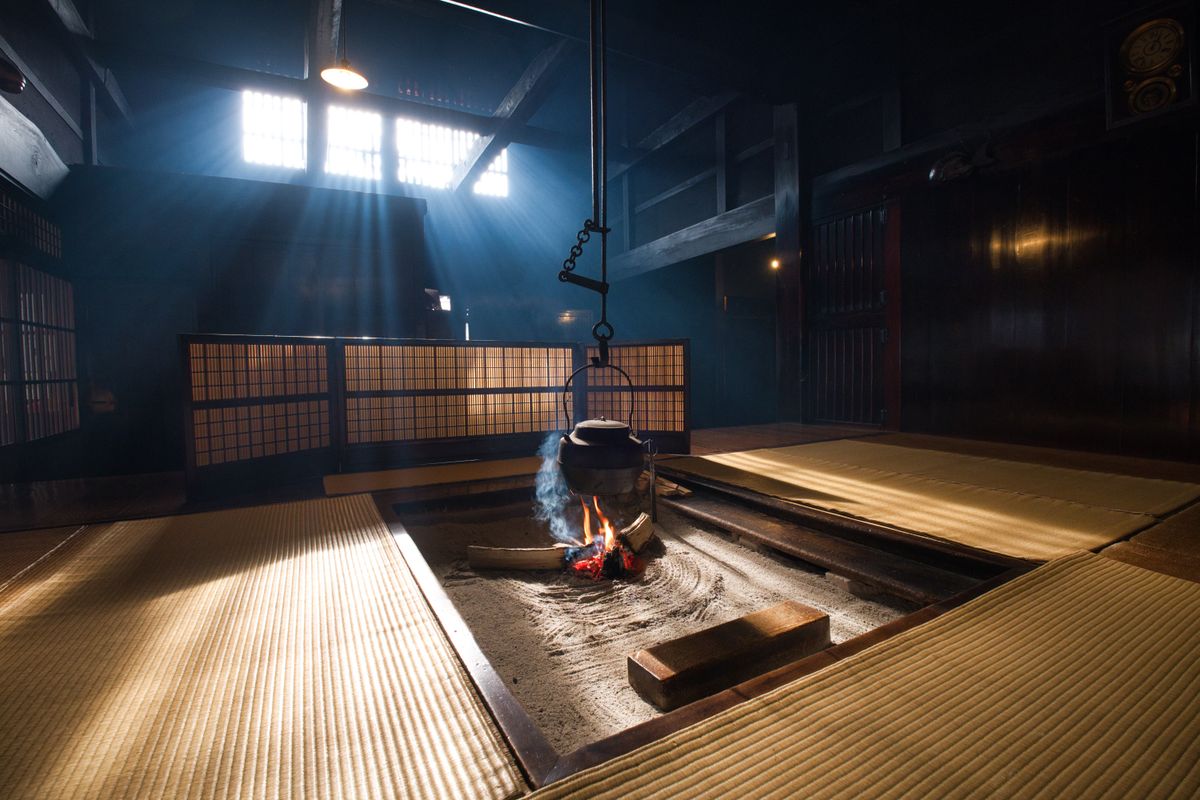
In most of Japan a yukata is something you wear at a summer festival, but in Kinosaki it becomes your everyday outfit for the whole stay. After checking in, you change into the cotton robe and sash provided by your inn, slip into wooden geta sandals, and head out. Many ryokan even offer a choice of colorful rental yukata for an extra fee, which is hugely popular for photos along the willow-lined canal.
Wearing it correctly is simple but important: always fold the left side over the right. The opposite, right over left, is used only to dress the deceased, so this is one small detail worth getting right. Tie the sash comfortably around your waist, not too tight, and you are ready. In cooler months your inn will provide a haori jacket to wear over the top. Do not worry about looking like a tourist; in Kinosaki, everyone is in a yukata, and the whole town glows with them at night.
Because you will be hopping between bathhouses, the yukata is practical too: it is easy to take off and put back on, and most bathhouses have baskets or lockers for your folded robe. Carry your small towel tucked into your sleeve or sash, the way regulars do.
Onsen Etiquette for First-Timers
If you have never used a public bath in Japan, the etiquette can feel intimidating, but it comes down to a few simple ideas centered on cleanliness and quiet courtesy. Get these right and you will blend in immediately.
Wash before you soak. Onsen baths are for relaxing, not for cleaning. Every bathhouse has a row of seated shower stations with stools, hand-held showers, soap, and shampoo. Sit down, wash thoroughly, and rinse off all the suds before you ever step into the communal bath.
No swimwear. Japanese onsen are enjoyed nude, in gender-separated baths. This surprises many first-time visitors, but it is completely normal and no one pays attention to anyone else. You bring only a small modesty towel.
Keep the small towel out of the water. Carry your little towel to cover yourself as you walk, then set it on your head or on the bath edge while you soak. It should never dip into the shared water.
Tie up long hair so it does not touch the water, keep your voice low, and avoid splashing, swimming, or photography inside the bathing area. Hydrate before and after, and step out if you feel lightheaded.
About tattoos: traditional rules in many Japanese baths prohibit visible tattoos. Kinosaki is relatively relaxed and several of its public baths are known to be tattoo-friendly, but if you have larger tattoos it is worth covering them with a waterproof patch or checking ahead. New to Japan in general? Our first-timer travel tips guide covers many more of these everyday cultural details.
What to Eat in Kinosaki: Crab, Tajima Beef, and More
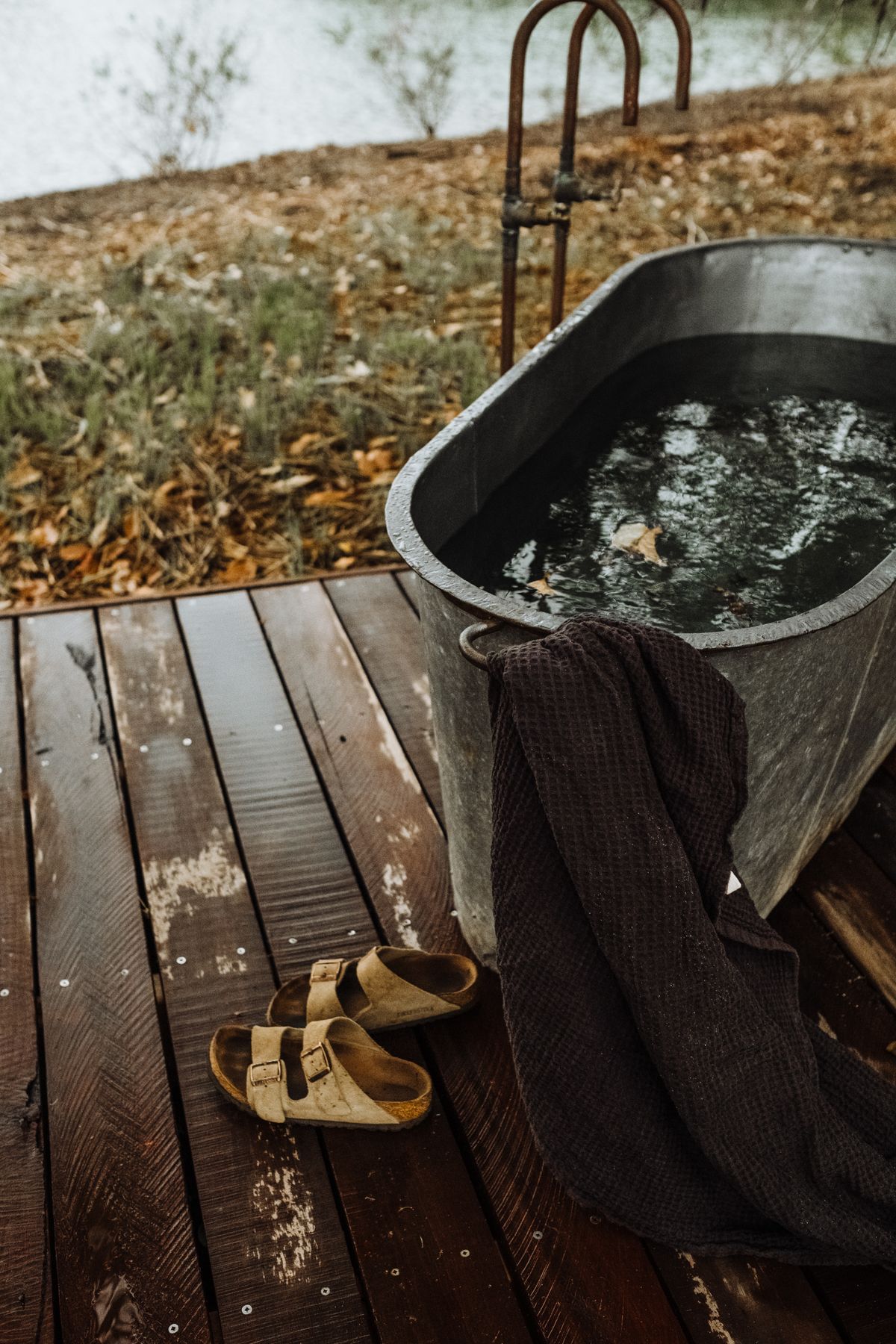
Kinosaki sits close to the Sea of Japan, and its food reflects that coastline. The undisputed star of the cold months is Matsuba crab, the local snow crab caught between November and March. During crab season, ryokan build entire kaiseki dinners around it: served raw as sashimi, grilled over charcoal, simmered in hot pot, and steamed. A full crab course at a ryokan can add ¥5,000–¥15,000 (about $32–$97) per person depending on the size and grade, and for many Japanese visitors the crab alone is the reason to come.
The other local treasure is Tajima beef, the prized wagyu bloodline from this region of Hyogo that is the ancestor of famous brands like Kobe beef. You will find it grilled, in sukiyaki, or as tender steak. Outside crab season, the town leans on fresh seasonal sashimi, locally caught fish, and mountain vegetables.
Beyond your ryokan meals, the streets are dotted with small treats perfect for a yukata stroll: freshly steamed buns, soft-serve ice cream, pudding shops, and craft beer from a local brewery. Many visitors enjoy a relaxed game of nostalgic arcade and ring-toss games at the little parlors along the canal, especially in the evening.
How to Get to Kinosaki Onsen
Kinosaki is more remote than Kyoto or Osaka, but it is well connected by direct limited express trains, which is part of why it feels like a real escape. The town’s station, Kinosaki-onsen, sits a five-minute walk from the canal and the first bathhouse.
From Kyoto: The direct Kinosaki limited express runs straight through, taking roughly 2 hours and 20 minutes and costing about ¥5,000 (about $32) one way.
From Osaka: The Kounotori limited express runs direct in about 2 hours 40 minutes for around ¥5,700 (about $37) one way.
From Tokyo: Take the Tokaido Shinkansen to Kyoto (about 2 hours 15 minutes), then transfer to the limited express, for roughly 4.5 to 5 hours total.
If you hold a Japan Rail Pass or a regional pass, much of this route may be covered, which makes the trip excellent value. To understand whether a rail pass fits your itinerary, see our guide to Japan’s shinkansen and rail travel. Reserved seats are recommended in peak season, as the direct trains can fill up.
Best Time to Visit and What It Costs
Kinosaki is a true four-season destination, and the right time depends on what you want.
Winter (November to March) is peak season, thanks to snow crab and the magical sight of steam rising from the canal against a dusting of snow. It is the most atmospheric and the most expensive time, so book early.
Spring (late March to April) brings cherry blossoms along the canal and mild walking weather. Autumn (late October to November) sets the willows and maples ablaze. Summer is greener and quieter, with riverside festivals, though it can be humid.
As a rough budget for one night, a couple staying in a mid-range ryokan with dinner and breakfast, plus transport from Kyoto or Osaka and a few extras, might spend in the range of ¥45,000–¥70,000 (about $290–$452) total for two people. Budget travelers using a simple guesthouse can do it for considerably less, while luxury seekers can spend much more. A reliable Japan eSIM is worth arranging before you arrive so you can navigate trains and look up bathhouse hours without hunting for Wi-Fi.
A Suggested One-Night, Two-Day Kinosaki Itinerary
Kinosaki is the rare destination where a single overnight is genuinely enough to feel you have experienced it fully. Here is a relaxed template.
Day 1 — Afternoon arrival. Arrive in the early afternoon and walk five minutes from the station to your ryokan. Drop your bags, change into your yukata, and step out for a first soak at a nearby bathhouse before the evening rush. Wander the canal as the lanterns come on, then return to your inn for a leisurely kaiseki dinner. After dinner, head back out for one or two more baths under the night sky, finishing with a slow stroll past the glowing willows.
Day 2 — Morning baths and a ropeway view. Wake early for a quiet morning soak when the baths are at their most peaceful, then enjoy a traditional breakfast. Before checking out, ride the Kinosaki Onsen Ropeway up Mount Daishi for panoramic views over the town and out toward the coast, visiting the temple complex on the way. Pick up a few souvenirs along the canal, then catch your afternoon train onward, fully restored.
If you have a second night, add a day trip to the dramatic Genbudo Caves, the Kinosaki Marine World aquarium, or the nearby coastline, all reachable in well under an hour.
Practical Tips for Visiting Kinosaki Onsen
- Book your ryokan early, especially for weekends and crab season (November to March), when the best inns sell out weeks ahead.
- Travel light. Your ryokan provides yukata, towels, toothbrush, and slippers, so you need very little. A small daypack is plenty for one night.
- Carry some cash. While many places accept cards, smaller bathhouses, game parlors, and snack stalls may be cash-only.
- Bring the little towel your inn gives you to each bathhouse, and keep it out of the bath water.
- Check each bathhouse’s weekly closing day at your ryokan front desk so you can plan your bath-hopping route.
- Hydrate. Soaking in hot water is more dehydrating than it feels, so drink water between baths.
- Mind the geta. Wooden sandals are fun but slippery on wet stone, so take small, flat steps, especially at night.
- Respect the quiet. Kinosaki’s charm is its calm, so keep voices low, particularly late in the evening.
- Tattoos: several baths are tattoo-friendly, but cover larger tattoos or confirm in advance to be safe.
- Set up connectivity with an eSIM before arrival so map and train apps work the moment you step off the train.
Understanding the Kaiseki Dinner: A First-Timer’s Primer
For many visitors, the kaiseki dinner at a Kinosaki ryokan is their first encounter with Japan’s most refined style of dining, and a little context makes it far more rewarding. Kaiseki is a multi-course meal built around seasonality, balance, and presentation, where each small dish is chosen to highlight a particular ingredient at its peak. Rather than one large plate, you receive a procession of carefully arranged courses, often a dozen or more.
A typical sequence opens with a sakizuke appetizer, followed by a seasonal assortment, clear soup, sashimi, a grilled dish, a simmered dish, a fried course, rice with pickles and miso soup, and finally a simple dessert such as fruit or a delicate sweet. In Kinosaki, the seafood is local and the winter crab courses are legendary, but even outside crab season the kitchen showcases what the coast and the surrounding mountains offer that week.
You do not need to know the name of every dish to enjoy it. A few gentle habits help: say itadakimasu before you begin, eat each course while it is at its intended temperature, and do not rush, since the pacing is part of the experience. If you have dietary restrictions or allergies, tell your ryokan when you book, not on arrival, as kaiseki menus are planned and shopped for in advance. Many inns can accommodate vegetarian or no-seafood requests with notice, though the classic Kinosaki experience leans heavily on fish and crab.
The Ropeway, Onsenji Temple, and the View from Mount Daishi
Beyond the baths, the single best add-on in Kinosaki is the ropeway up Mount Daishi at the far end of the canal. The cable car climbs in two stages. The midway station is home to Onsenji, the temple historically considered the guardian of the hot springs, where pilgrims once stopped to receive permission to bathe. Climbing the old stone steps to the temple, or riding to the midway stop, connects you to the spiritual roots of the town in a way the baths alone do not.
From the summit station there is an observation deck, a small cafe, and a viewpoint that takes in the whole town below, the river winding out toward the Sea of Japan, and on clear days the surrounding peaks. A round-trip ropeway ticket costs roughly ¥1,200 (about $8). Early morning or late afternoon light is best for photos, and the climb pairs naturally with checkout, giving you one last panoramic memory before you catch your train.
Side Trips Around the Tajima Region
If you build in an extra night, the area around Kinosaki rewards exploration. The Genbudo Caves, a short train ride or taxi away, are dramatic columns of basalt rock formed by ancient lava flows and are the namesake of a geological era. Kinosaki Marine World is a fun, family-friendly aquarium on the coast with seal and dolphin shows. The nearby fishing port of Takeno has quiet beaches and a beautifully preserved old townscape, while the wider Tajima region is known for its rice terraces, sake breweries, and the Izushi castle town with its famous handmade soba noodles.
For travelers continuing their journey, Kinosaki also makes a natural stepping stone along the Sea of Japan coast toward the Tottori sand dunes to the west, or back inland toward Kyoto and the rest of Kansai. However you route it, the town works equally well as a restful finale or a tranquil pause in the middle of a busier trip.
Who Will Love Kinosaki, and Who Might Not
Kinosaki is close to perfect for couples, solo travelers seeking calm, and anyone curious about authentic onsen culture in a setting that is easy to navigate. Photographers adore the canal at every hour, and food lovers are spoiled in winter. Families are welcome too, with family baths and the aquarium nearby, though very young children may find the hot water challenging for long soaks.
It is less ideal for travelers who want nightlife, shopping malls, or a packed sightseeing schedule, since the entire appeal is doing less, not more. Visitors with extensive tattoos should plan slightly ahead, and anyone who feels strongly opposed to communal bathing may prefer a ryokan room with a private bath, which several inns offer at a premium. For everyone else, Kinosaki delivers one of the most quietly memorable nights in all of Japan.
How Kinosaki Compares to Other Famous Onsen Towns
First-time visitors often weigh Kinosaki against Japan’s other big hot spring names, so it helps to know where it sits. Hakone, near Tokyo, is scenic and convenient but spread out, more of a region than a town, and is best explored by a loop of buses, trains, and a ropeway, with views of Mount Fuji as the headline. Beppu and Yufuin on Kyushu are famous for steaming “hells” and a huge volume of hot water, with Beppu feeling like a working spa city and Yufuin a boutique, boutique-cafe escape. Ginzan Onsen in Tohoku is achingly pretty but tiny and remote, magical in deep snow yet hard to reach.
What sets Kinosaki apart is the combination of walkability, the seven-bath tradition, and the all-in yukata atmosphere in a compact, self-contained town. You are never far from your inn, you never need a car, and the whole place is built around the simple pleasure of strolling from bath to bath. If you want one onsen town that captures the romantic, lantern-lit ideal most travelers picture, Kinosaki is arguably the single easiest place to find it.
Getting Around, Money, and Connectivity Once You Arrive
One of Kinosaki’s quiet luxuries is that you will not need any transport once you arrive. Everything, the seven bathhouses, the restaurants, the souvenir shops, the ropeway, and the ryokan, sits within a flat ten-to-fifteen-minute walk along the canal. You can happily leave your luggage at your inn and explore entirely on foot in your yukata and geta.
For money, bring a reasonable amount of cash. While ryokan and larger shops accept credit cards, the smaller bathhouse vending machines, snack stalls, and game parlors often prefer or require coins and small bills. There are convenience stores and a post office with an ATM near the station if you need to top up. For staying connected, an eSIM activated before you land keeps your maps, train apps, and translation tools working from the moment you arrive, which matters on a route with a couple of transfers. You can sort that out in advance with a prepaid Japan eSIM and skip the airport counters entirely.
Seasonal Clothing and What to Wear Outside the Yukata
While the yukata handles your time in town, you still need travel clothes for the journey and for the ropeway or side trips. In winter, pack a warm coat, gloves, and non-slip shoes, because while the baths are toasty, the walk between them in the snow can be cold, and stone paths get slippery. Spring and autumn call for light layers and a jacket for cool evenings by the river. Summer is humid, so breathable clothing and a small towel for the heat help, though you will spend much of your time in the yukata anyway.
Comfortable walking shoes are useful for the ropeway climb and any side trips, even though you will switch to geta in town. And because Kinosaki is a place you will photograph constantly, a fully charged phone or camera and a small power bank are well worth packing.
Booking Smart: Timing, Deals, and Avoiding the Crowds
Because Kinosaki’s best ryokan are small, the single most important planning decision is when you book. For weekends, public holidays, cherry blossom season, autumn foliage, and the November-to-March crab months, the most desirable inns can be reserved a month or more in advance. If your dates are fixed, lock in your accommodation first and arrange your trains around it, rather than the other way around.
To save money without sacrificing the experience, consider visiting midweek, when rates dip and the bathhouses are blissfully uncrowded, or traveling in the green shoulder months of late spring and early summer, when the town is quieter and prices are gentler. Weekday arrivals also mean the popular baths like Ichi-no-yu and Gosho-no-yu feel far more serene. Comparing several inns side by side helps you find the right balance of budget, meal plan, and bath features, and booking platforms make it easy to filter by price, dinner inclusion, and private-bath options before you commit. Whichever way you go, reserve early, read the cancellation terms, and confirm your dinner plan, since in Kinosaki the meal is very much part of the room.
Finally, build in a little buffer time for your train transfers. The direct limited expresses are reliable, but if you are coming from Tokyo with a shinkansen connection in Kyoto, leaving margin between trains keeps the journey relaxed and protects your dinner reservation on arrival. Arrive unhurried, and Kinosaki will do the rest.
What a Kinosaki Evening Really Feels Like
It is worth painting a picture of the experience, because Kinosaki is as much a mood as a destination. As dusk falls, the town shifts gears. The harsh edges of daytime soften, paper lanterns flick on one by one, and the canal turns into a ribbon of reflected light. The dominant sound is the steady, rhythmic clack of geta sandals on stone as guests drift between baths, punctuated by the gentle rush of water beneath the little bridges. Steam curls from the bathhouse doorways into the cool air.
You step out of your ryokan full and warm from dinner, towel tucked in your sleeve, and join the slow current of yukata-clad strollers. You duck into a bathhouse, undress, wash, and sink into the hot water, feeling the day dissolve. Twenty minutes later you are back on the street, pleasantly flushed, maybe stopping for a craft beer or a soft-serve before the next bath. There is no schedule, no queue for a must-see sight, nothing to optimize. The entire point is to wander, soak, cool down, and soak again, until you are so relaxed that the short walk back to your futon feels like the most natural thing in the world.
Onsen Bathing and Your Wellbeing
People have come to Kinosaki for centuries believing in the restorative power of its waters, and while you should treat any specific health claims as folklore rather than medicine, a warm soak does have real, simple benefits: it relaxes muscles, eases tension, and helps many people sleep more deeply. To enjoy it safely, follow a few sensible habits. Do not bathe immediately after a large meal or after drinking alcohol, keep individual soaks to a comfortable ten to fifteen minutes, and step out to cool down if you feel your heart racing or your head going light.
Drink water before and after each bath, since the heat is more dehydrating than it feels. If you are pregnant, have heart conditions, high or low blood pressure, or any medical concern, check with a doctor before extended hot-spring bathing, and favor shorter, cooler soaks. Listen to your body, alternate hot baths with rest, and the experience will leave you genuinely refreshed rather than overheated. Used wisely, a night of gentle bathing in Kinosaki is one of the most restorative things you can do on a Japan trip.
Frequently Asked Questions
Do I have to be naked in the onsen?
Yes. Japanese onsen are enjoyed nude in gender-separated baths, with only a small modesty towel that stays out of the water. It feels unfamiliar at first, but it is completely normal, and the gender separation and relaxed atmosphere mean no one is looking at anyone. After one bath, most first-timers find it surprisingly comfortable.
Is Kinosaki Onsen worth visiting if I only have one night?
Absolutely. Kinosaki is practically designed for a one-night stay. An afternoon arrival, an evening of bath-hopping and kaiseki dinner, and a peaceful morning soak give you the complete experience. Many travelers say it was the most memorable single night of their entire Japan trip.
Can I visit Kinosaki as a day trip without staying overnight?
You can, and day visitors can buy a one-day pass for the public baths for around ¥1,500 (about $10). However, you will miss the heart of the experience: the yukata stroll, the kaiseki dinner, and the quiet morning baths. If at all possible, stay at least one night.
Are tattoos allowed in Kinosaki’s baths?
Kinosaki is more relaxed than many onsen towns, and several of its seven public bathhouses are known to welcome guests with tattoos. To be safe, cover smaller tattoos with a waterproof patch, or ask your ryokan which baths are most tattoo-friendly during your stay.
When is crab season in Kinosaki?
Matsuba snow crab season runs from early November through March. This is the most popular and most expensive time to visit, so book your ryokan well in advance if a full crab kaiseki dinner is your goal.
How do I get to Kinosaki Onsen from Kyoto or Osaka?
Direct limited express trains connect both cities to Kinosaki-onsen Station. From Kyoto it takes about 2 hours 20 minutes (around ¥5,000 / $32), and from Osaka about 2 hours 40 minutes (around ¥5,700 / $37). The station is a five-minute walk from the bathhouses, and a rail pass may cover much of the fare.
What should I pack for a night in Kinosaki?
Very little. Your ryokan supplies yukata, towels, and toiletries, so a small bag with a change of underwear, any personal medication, a phone charger, and some cash is all you really need. Travel light so the bath-hopping feels effortless.
Final Thoughts
Kinosaki Onsen is the kind of place that rewires how you think about travel in Japan. Instead of rushing between sights, you slow down, put on a robe, and let an entire town become your spa. For a first-time visitor, it offers an approachable, deeply traditional, and genuinely relaxing introduction to onsen culture, all wrapped in willow trees and lantern light. Book a night, soak slowly, and let Kinosaki do what it has done for travelers for more than a thousand years. To keep planning your route around it, browse our wider Japan destination guides and start mapping the journey.
Related Onsen & Kansai Guides
Continue your onsen and Kansai journey with these related guides: Arima Onsen near Kobe, Kusatsu Onsen in Gunma, Kurokawa Onsen in Kyushu, Dogo Onsen, Japan’s oldest hot spring, and the best day trips from Kyoto.
Going to Japan? Talk to locals with confidence.
Hirameki Japanese — instant offline translation, camera translation, furigana + romaji, and 314 free flashcards. No login. Works without internet.

Plan your Japan trip
Two things every first-timer should book
Some links are affiliate links. If you book through them we may earn a small commission at no extra cost to you.