Tucked into the volcanic spine that divides Kagoshima and Miyazaki prefectures in southern Kyushu, Kirishima is one of Japan’s most rewarding destinations that most first-time visitors never reach. It is a place where myth and landscape blur together: a vermilion shrine wrapped in ancient cedar forest, a chain of steaming volcanoes with cobalt crater lakes, and dozens of natural hot springs bubbling up through sulphur-scented hillsides. If you have already pictured the neon of Tokyo and the temples of Kyoto, Kirishima offers something quieter and far older — the very mountains where, according to legend, the grandson of the sun goddess descended to earth.
This complete 2026 guide walks you through everything a first-time visitor needs: how to get to Kirishima, the unmissable Kirishima-Jingu shrine, the famous onsen villages, the volcanic hiking trails, where to stay and eat, the best time to visit, and a long list of practical tips and frequently asked questions. Whether you are planning a relaxed two-night onsen escape or an active mountain weekend, you will leave knowing exactly how to make the most of this corner of Kyushu.
Why Visit Kirishima?
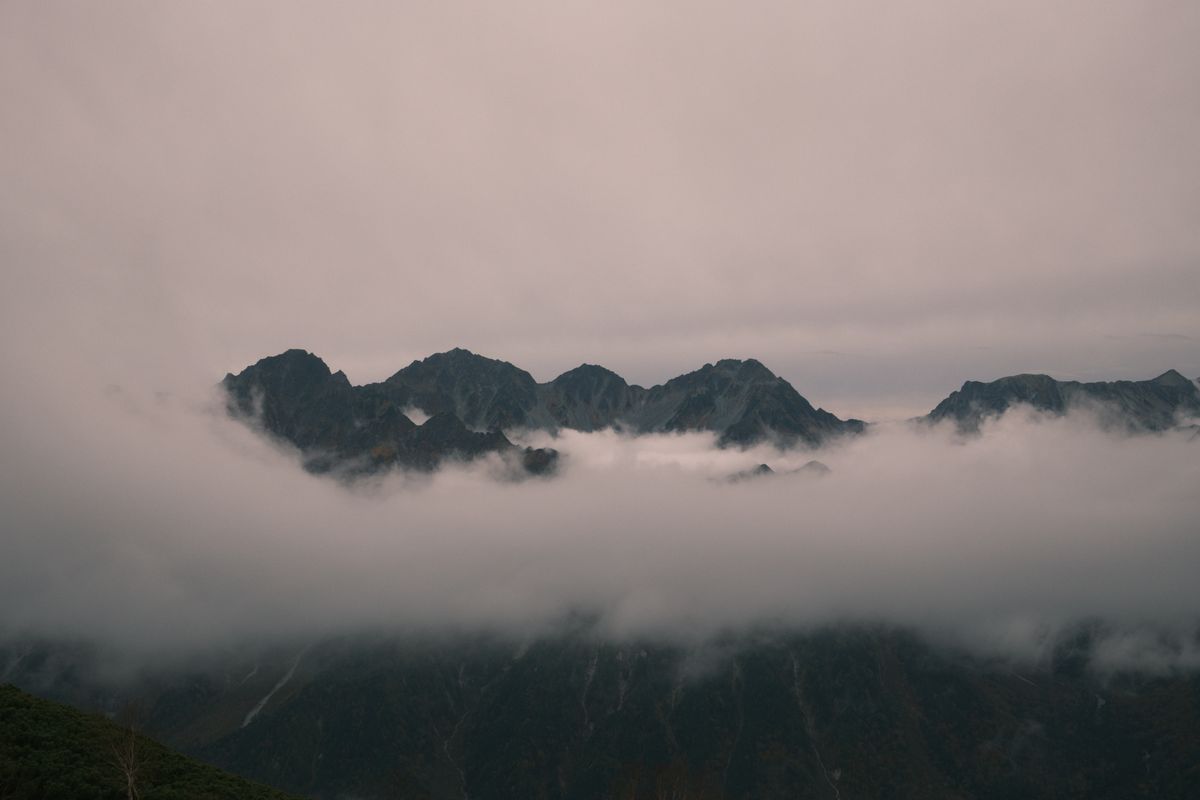
Kirishima sits at the heart of the Kirishima-Kinkowan National Park, one of Japan’s very first national parks, established back in 1934. The name “Kirishima” literally means “island of mist,” and on many mornings you will understand why: a sea of cloud pools between the peaks, leaving only the summits floating above like islands. It is dramatic, photogenic, and genuinely peaceful.
What makes Kirishima special is how much variety it packs into a small area. In a single day you can pray at a thousand-year-old shrine, hike to the rim of an active volcano, and finish by soaking in an open-air hot spring as steam curls into the cool mountain air. Add Kagoshima’s superb food culture — black pork, sweet-potato shochu, and some of the freshest seafood in Japan — and you have a destination that feels complete without ever feeling crowded. For travellers seeking the “real Japan” beyond the Golden Route, this is exactly the kind of place to add to the itinerary. You can browse more off-the-beaten-path ideas on our Japan destinations hub.
How to Get to Kirishima
One of Kirishima’s best-kept secrets is how easy it is to reach — Kagoshima Airport is actually located within Kirishima City, so you can be soaking in an onsen barely 40 minutes after collecting your luggage.
By Air
Kagoshima Airport (KOJ) has frequent domestic flights from Tokyo (Haneda, about 1 hour 50 minutes), Osaka (Itami/Kansai), Nagoya, and Okinawa. From the airport, regular buses run to the Kirishima Onsen area and Kirishima-Jingu in roughly 30–50 minutes, costing around ¥760–¥1,400 (about $5–$9) depending on your stop. A taxi to the onsen villages runs about ¥5,000–¥7,000 ($33–$46).
By Train
If you are already in Kagoshima, take the JR Nippo Line from Kagoshima-Chuo Station to Kirishima-Jingu Station. The local train takes about 50 minutes and costs around ¥760 ($5). From Kirishima-Jingu Station, a local bus or short taxi ride (about ¥1,500 / $10) brings you up to the shrine itself, which sits a few kilometres uphill. Travellers using a Japan Rail Pass or the regional Kyushu-area pass can ride the Nippo Line for free.
By Car
Honestly, the most comfortable way to explore Kirishima is by rental car. The shrine, the onsen villages, and the mountain trailheads are spread across a wide area with limited bus frequency, so a car gives you the freedom to chase clear weather and morning light. Rentals from Kagoshima Airport start around ¥6,000–¥8,000 ($40–$53) per day. Roads are well paved and signposted, though a few mountain stretches are winding.
Stay connected on the road: mobile coverage in the mountains can be patchy, so set up data before you arrive. A prepaid Japan eSIM means you step off the plane already online for maps and onsen bookings — grab a Japan & Global eSIM here.
Kirishima-Jingu: Kyushu’s Sacred Power Spot
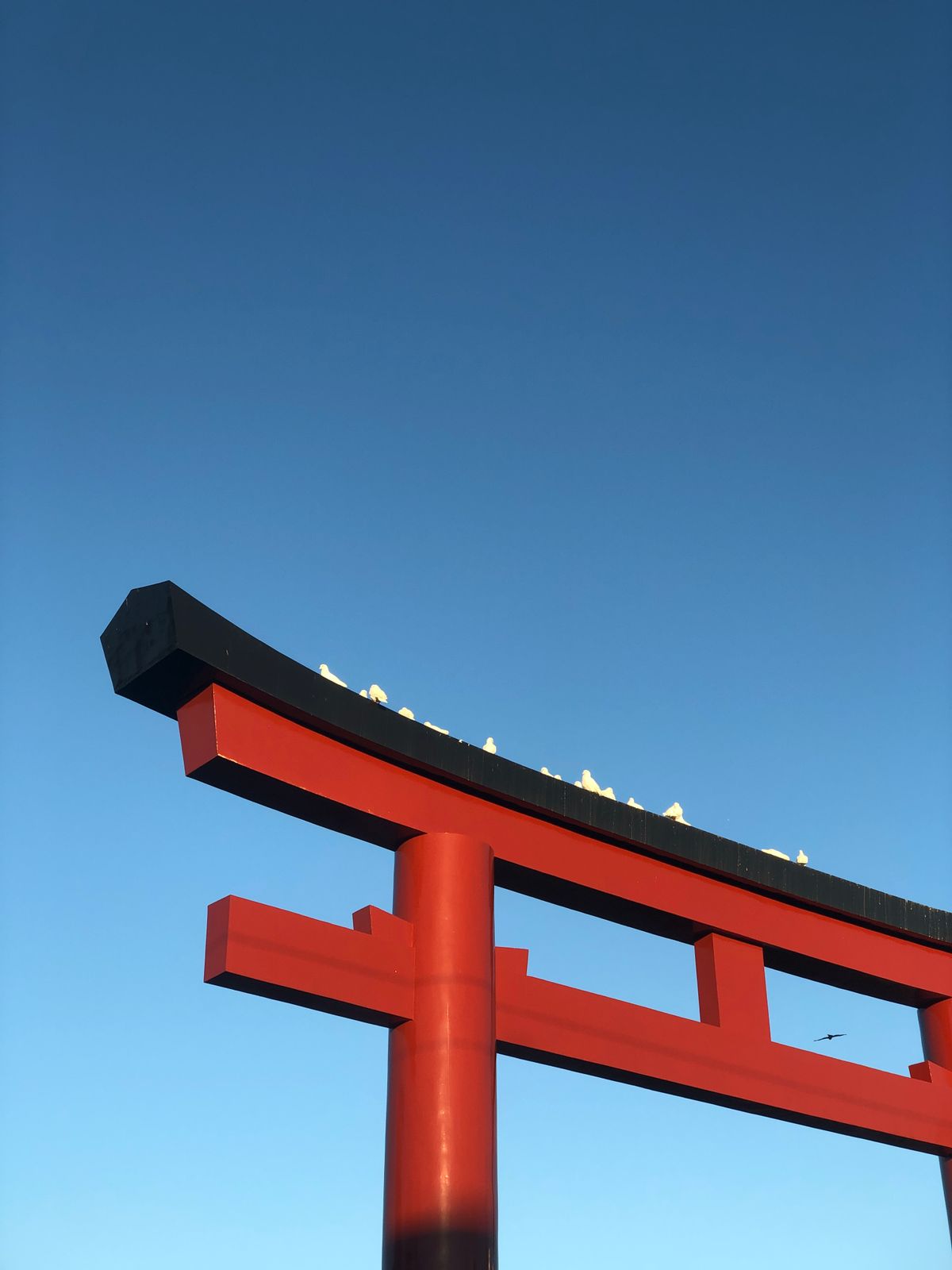
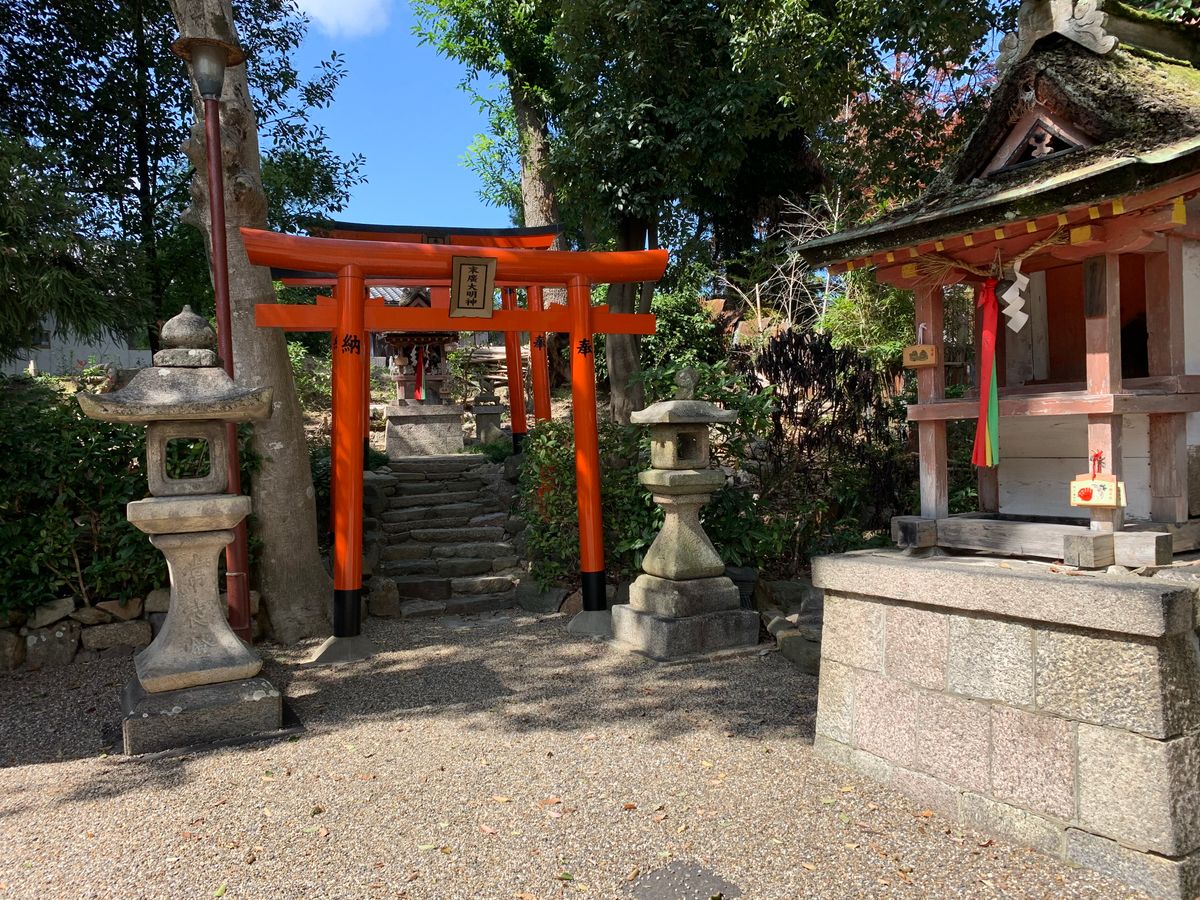
The spiritual heart of the region is Kirishima-Jingu, a shrine that has stood in some form for well over a thousand years. The current vermilion main hall dates to 1715, rebuilt by the Shimazu clan after earlier structures were repeatedly destroyed by the area’s volcanic eruptions. In 2022 the main shrine buildings were designated a National Treasure — the first in Kagoshima Prefecture — which only adds to the sense of occasion.
The shrine is dedicated to Ninigi-no-Mikoto, the grandson of the sun goddess Amaterasu, who in Japanese mythology descended from the heavens onto the nearby peak of Takachiho-no-mine. That origin story makes Kirishima-Jingu one of the most important “power spots” in the country, and you will often see visitors pausing quietly beneath the towering sacred cedar, said to be around 800 years old.
Visiting Tips
Entry to the shrine grounds is free, and it is open during daylight hours year-round. Allow about 45 minutes to an hour to climb the stone steps, admire the carved details of the hall, and walk the forested paths. Arrive before 9:00 a.m. if you want photos without crowds, and stay for the view: on a clear day you can see all the way to Kagoshima Bay and the smoking cone of Sakurajima. Don’t miss the small tea house near the entrance, where you can try local jingu sweets and matcha. A standard goshuin (shrine stamp) costs ¥500 ($3.30) and makes a meaningful souvenir.
Soaking in Kirishima Onsen-kyo: The Hot Spring Villages
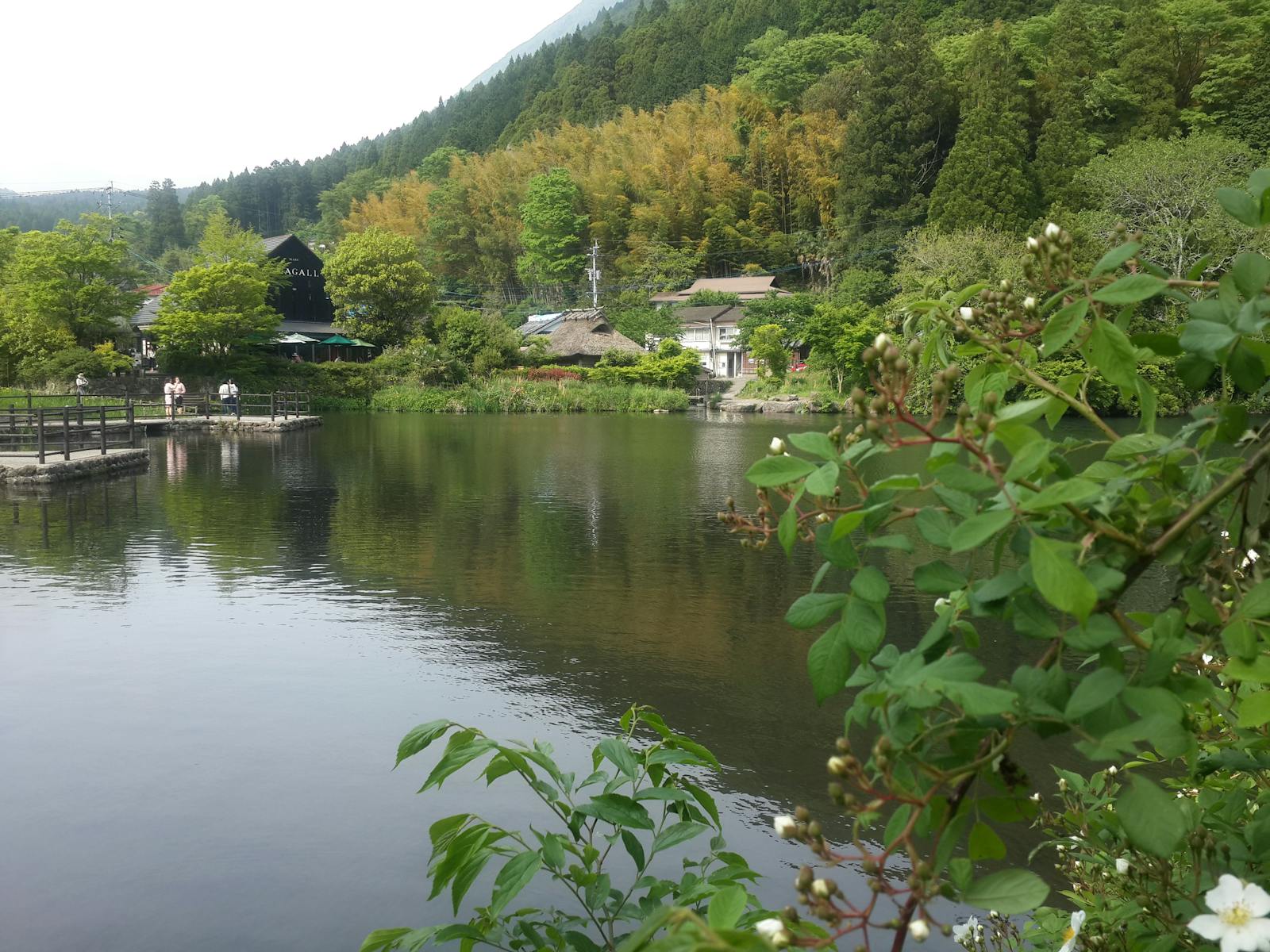
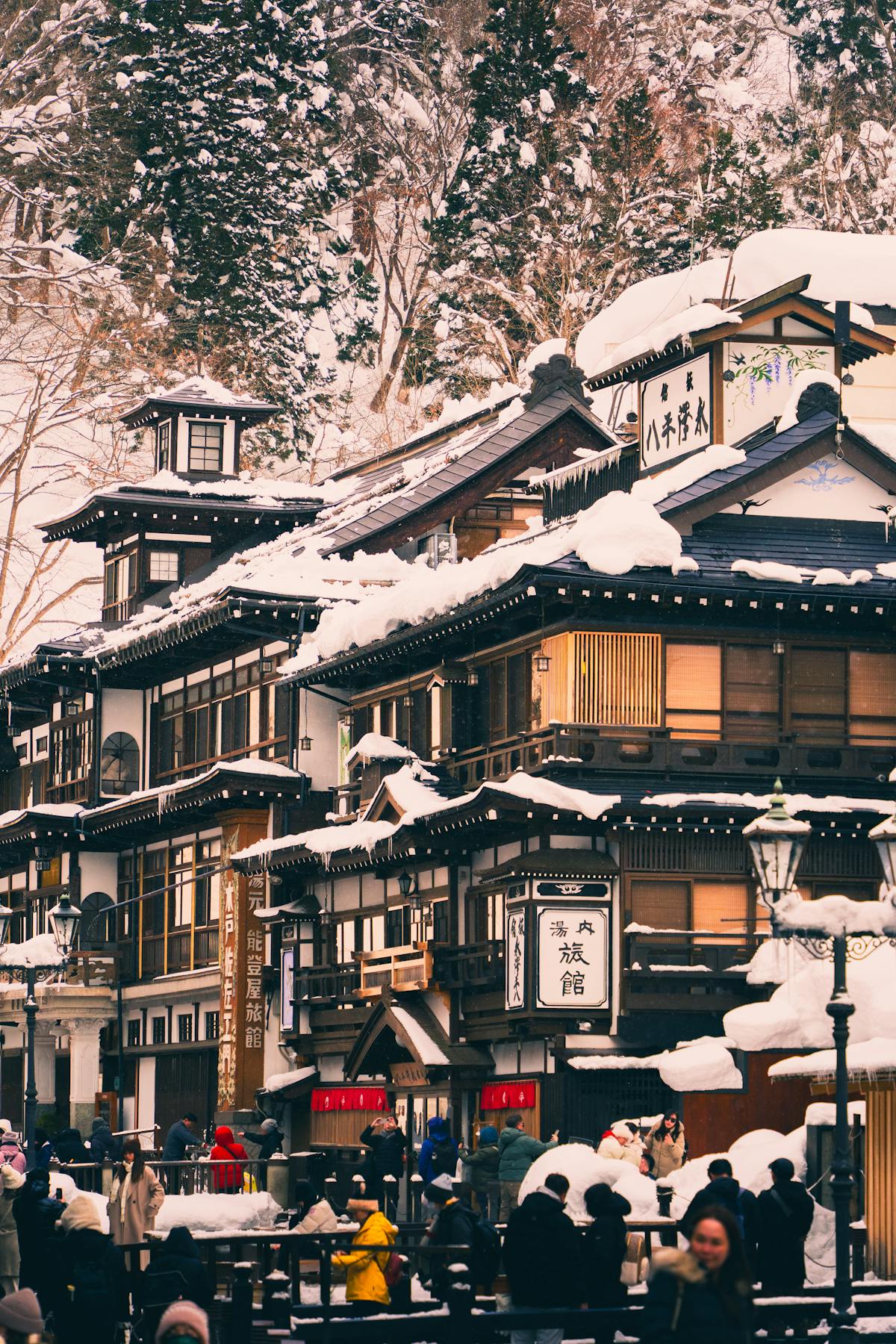
If there is one thing Kirishima is famous for among Japanese travellers, it is onsen. The mountainsides here are riddled with geothermal activity, feeding a cluster of hot-spring hamlets known collectively as Kirishima Onsen-kyo. Steam rises from roadside vents, the air carries a faint sulphur tang, and the waters range from milky white to clear, each with its own mineral character believed to ease tired muscles, skin complaints, and the general stress of travel.
The main bathing areas include Maruo Onsen, where you will see steam billowing dramatically beside the road; Hayashida Onsen, set higher in the mountains with sweeping views; Iodani and Shinyu, prized for their sulphur-rich waters; and Myoken and Anraku lower down near the river, which are gentler and family-friendly. Many ryokan and hotels open their baths to day visitors for a fee of roughly ¥600–¥1,500 ($4–$10), so even on a short visit you can sample several different springs.
Onsen Etiquette for First-Timers
If this is your first Japanese hot spring, relax — the rules are simple. Wash and rinse thoroughly at the seated showers before entering the communal bath, tie up long hair, and keep the small modesty towel out of the water. Baths are almost always separated by gender. Visitors with large tattoos should check ahead, as some traditional baths still have restrictions, though many private ryokan rooms now include in-room or rentable family baths (kashikiri-buro) where this is a non-issue. For a full primer, see our Japan travel tips for first-timers.
Book the onsen ryokan early. The best hot-spring inns in Kirishima are small and fill up fast, especially in autumn. For luxury ryokan with private open-air baths, Ikyu.com specialises in high-end Japanese inns, while Agoda covers the full range of Kirishima hotels and ryokan.
Hiking the Volcanoes: Ebino Plateau, Mt Karakuni & Takachiho-no-mine
Kirishima is a living volcanic landscape, and hiking here is the best way to feel it. More than 20 peaks make up the range, several of them still active, dotted with brilliant blue crater lakes and fields of alpine flowers. You do not need to be a serious mountaineer to enjoy it — the trails range from gentle plateau strolls to half-day summit climbs.
Ebino Plateau (Ebino Kogen)
Sitting at around 1,200 metres, Ebino Plateau is the natural base for exploring the high country. From here an easy, well-marked loop of about 4 kilometres links three volcanic crater lakes — Rokkannon Miike, Byakushi-ike, and the deep cobalt Fudoike — and takes most walkers 1.5 to 2 hours. In late May and June the slopes blaze pink with Miyama-Kirishima azaleas, while autumn paints the grasses gold and russet. The plateau has a visitor centre, parking, toilets, and a small rest house, making it very beginner-friendly.
Mt Karakuni (Karakunidake)
At 1,700 metres, Karakunidake is the highest peak in the Kirishima range. The climb from Ebino Plateau takes about 1.5–2 hours one way and rewards you with a jaw-dropping view down into a vast, barren crater and, on clear days, all the way to Sakurajima and Kagoshima Bay. It is a moderately challenging hike with some steep, rocky sections, so wear proper shoes and carry water.
Takachiho-no-mine
The mythologically important Takachiho-no-mine (1,574 m) is the legendary landing place of Ninigi-no-Mikoto, crowned by a replica of the heavenly halberd said to be planted at its summit. The trail starts from Takachiho-Gawara and is steep and loose in places, taking around 1.5 hours up. Important safety note: nearby Shinmoedake is an active volcano that has erupted in recent years (notably 2011 and 2018), and access to some trails near it can be restricted depending on volcanic alert levels. Always check the latest conditions at the visitor centre or the Japan Meteorological Agency before setting out, and never enter closed zones.
Where to Stay in Kirishima
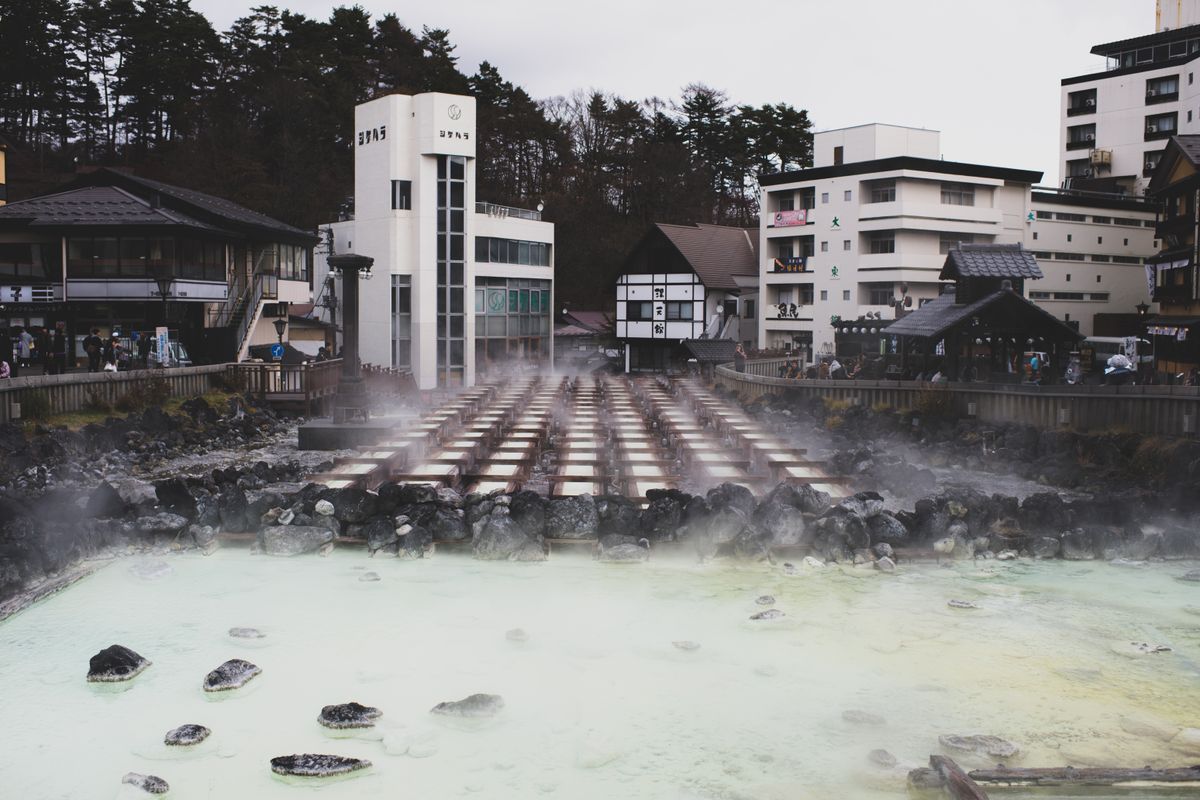
Most visitors base themselves in the onsen villages rather than near the shrine, since staying at a hot-spring ryokan is half the experience. Here is how the options break down:
Luxury onsen ryokan: Kirishima has some genuinely special inns where rooms come with private open-air baths overlooking the valley, and rates include elaborate multi-course kaiseki dinners featuring local black pork and seafood. Expect ¥25,000–¥50,000 ($165–$330) per person per night with two meals. These are worth every yen for a honeymoon or special occasion.
Mid-range ryokan and hotels: Comfortable inns and resort hotels with large communal baths typically run ¥12,000–¥22,000 ($80–$145) per person with meals. This is the sweet spot for most travellers — you still get the full onsen-and-kaiseki experience at a more accessible price.
Budget options: Simple minshuku (family-run guesthouses), business hotels near Kirishima-Jingu Station, and a few hostels offer beds from ¥5,000–¥9,000 ($33–$60). You can still use nearby day-use onsen for a small fee.
Whatever your budget, book ahead in autumn and over Japanese holidays. Compare availability and prices across the whole range on Agoda, and for the standout luxury ryokan check Ikyu.com.
What & Where to Eat: Kagoshima’s Famous Flavours
Kirishima sits in one of Japan’s great food regions, and eating well here is effortless. The local star is kurobuta (Berkshire black pork), raised in Kagoshima and prized for its sweetness and tenderness — try it as shabu-shabu, tonkatsu, or in a rich pork miso hot pot. The region is also Japan’s capital of imo-jochu, sweet-potato shochu; many distilleries near Kirishima offer tastings, and a glass of locally distilled shochu cut with the area’s soft spring water is the perfect end to an onsen day.
Other local specialities include Kirishima jidori (free-range chicken, often served as charcoal-grilled sumiyaki), fresh river fish, mountain vegetables, and Kagoshima’s famous shirokuma shaved-ice dessert in summer. Most ryokan dinners showcase these ingredients in beautifully presented kaiseki courses, so you may not need to seek out restaurants at all — but if you do, the area around Kirishima-Jingu and Maruo Onsen has casual eateries and cafes. If Japanese food culture is a highlight of your trip, our Japan food experiences guide has more ideas across the country.
Day Trips: Sakurajima & Kagoshima City
Kirishima pairs perfectly with the wider Kagoshima area, and two destinations stand out for a day trip.
Sakurajima is the iconic active volcano that looms over Kagoshima Bay, regularly puffing ash into the sky. From central Kagoshima a ferry crosses to the island in just 15 minutes (about ¥200 / $1.30 each way), running 24 hours a day. Once across you can drive or cycle the scenic roads, soak your feet in a free seaside foot bath, and visit lava-field observation points. It is one of the few places on earth where you can watch an active volcano from a comfortable cafe.
Kagoshima City itself is a relaxed, palm-lined southern city worth half a day: stroll the Sengan-en garden with its borrowed-scenery view of Sakurajima, ride the tram, and sample street food and shochu bars. From Kirishima it is about an hour by train or car, making an easy add-on to your itinerary.
Best Time to Visit Kirishima
Kirishima is genuinely a year-round destination, but each season has its own character:
Spring (March–May): Mild weather, cherry blossoms lower down, and from late May the famous Miyama-Kirishima azaleas carpet the high plateaus in pink. Excellent for hiking.
Summer (June–August): Green and lush, though June brings the rainy season and August can be hot and humid. A good time for the higher, cooler trails and for shaved-ice desserts.
Autumn (September–November): Arguably the best season. Crisp air, golden grasses, and spectacular foliage around the crater lakes. This is peak season for onsen ryokan, so book early.
Winter (December–February): Cold and sometimes snowy at altitude, which makes the steaming outdoor baths feel utterly magical. Crowds are thin and rates often lower.
A Suggested 2-Night Kirishima Itinerary
Not sure how to fit it all together? Here is a relaxed sample itinerary that balances sightseeing, hiking, and onsen time — easy to adjust to your pace.
Day 1 — Arrival and first soak. Fly into Kagoshima Airport and take the bus or rental car up to the onsen villages (about 40 minutes). Check into your ryokan, change into the provided yukata, and ease into your first hot spring. In the late afternoon, drive or walk to Maruo Onsen to see the dramatic roadside steam, then return for a leisurely kaiseki dinner of black pork and local vegetables. End the night with a quiet outdoor soak under the stars.
Day 2 — Shrine and mountains. Start early at Kirishima-Jingu before the crowds, taking time to walk the cedar paths and collect a goshuin. Mid-morning, drive up to Ebino Plateau and walk the crater-lake loop, pausing at Fudoike for photos. Have a simple lunch at the plateau rest house. If you have energy and the weather is clear, add the climb up Karakunidake in the afternoon; otherwise, head back down for another long onsen session and dinner.
Day 3 — Volcano views and departure. If your flight is later, take the morning to visit Sakurajima or stroll Sengan-en garden in Kagoshima City on your way to the airport. Pick up Kagoshima souvenirs — shochu, sweet-potato sweets, and Sakurajima-themed treats — before you fly out.
Travellers short on time can compress this into a single overnight, but two nights lets you actually slow down, which is the whole point of Kirishima. For tour packages that bundle transport and ryokan stays, browsing an operator like JTB can save planning time.
Practical Tips for Visiting Kirishima
- Rent a car if you can. Public transport reaches the shrine and main onsen, but a car unlocks the trailheads, crater lakes, and quieter springs without waiting for infrequent buses.
- Check volcanic alert levels. Shinmoedake is active. Confirm which trails are open at the Ebino Eco Museum Centre or the Japan Meteorological Agency before hiking, and respect all closures.
- Bring cash. Smaller ryokan, day-use baths, and rural eateries may not accept cards. Withdraw yen at convenience-store or post-office ATMs in Kagoshima before heading up.
- Pack layers. The plateaus sit above 1,000 metres and can be 10°C cooler than the coast, even in summer. A light jacket and proper walking shoes go a long way.
- Set up mobile data in advance. Mountain coverage is spotty; a prepaid Japan eSIM keeps your maps and bookings working.
- Reserve onsen ryokan early. The best inns are tiny and book out weeks ahead in autumn and on weekends.
- Mind the sulphur. The famous milky waters can tarnish silver jewellery and are very mildly corrosive — leave valuables in your room.
- Start hikes early. Afternoon cloud and mist roll in quickly; morning gives you the clearest views and the famous “sea of clouds.”
- Carry a small towel. Many day-use baths do not provide one, or charge extra. A compact onsen towel is endlessly useful.
- Combine with Kagoshima. Since the airport is in Kirishima, it is effortless to pair the mountains with Sakurajima and the city for a fuller southern-Kyushu trip.
Frequently Asked Questions
How many days do you need in Kirishima?
Two nights is ideal. That gives you one full day for Kirishima-Jingu and the volcanic trails, plenty of onsen time, and a relaxed arrival and departure. With only one night you can still see the shrine and soak in a hot spring, but you will likely have to choose between hiking and a Sakurajima day trip. Three nights lets you add Kagoshima City and a distillery visit without rushing.
Is Kirishima good for first-time visitors to Japan?
Yes, especially if you want to combine culture, nature, and relaxation away from the big-city crowds. The shrine is easy to visit, the onsen experience is welcoming for beginners, and the trails range from gentle to moderate. Because Kagoshima Airport is right in Kirishima City, it is also surprisingly easy to reach. The main thing to plan is transport, since a rental car makes the visit much smoother.
Do I need to speak Japanese?
You can manage with little or no Japanese. Major signs at the shrine and visitor centres include English, and ryokan staff at tourist-focused inns generally handle basic English. That said, English is less widespread here than in Tokyo or Kyoto, so a translation app and a few polite phrases go a long way — and are warmly appreciated.
Can I visit Kirishima as a day trip from Kagoshima?
It is possible — the shrine is under an hour from Kagoshima by train or car, and you could add a quick onsen soak. But you would miss the magic of staying overnight in a ryokan and the early-morning mountain views. If your schedule allows, at least one night is strongly recommended.
Are tattoos allowed in Kirishima onsen?
It varies. Some traditional public baths still restrict guests with visible tattoos, but many ryokan offer private or rentable family baths (kashikiri-buro) and in-room baths where tattoos are not an issue. If you have tattoos, book an inn with private bathing or ask in advance, and consider a waterproof cover for smaller designs.
Is hiking in Kirishima safe given the active volcanoes?
Generally yes, as long as you follow the rules. Authorities monitor the volcanoes closely and clearly mark and close any trails that are unsafe. Stick to open, signposted routes, check the current alert level before you go, carry water and layers, and start early. Never enter restricted zones around Shinmoedake.
What is the best onsen town in Kirishima for first-timers?
Maruo Onsen is the most convenient and scenic base, with dramatic roadside steam and a good mix of ryokan. Hayashida sits higher with bigger views, while Myoken near the river is calmer and family-friendly. Any of them works well for a first visit; choose based on the specific ryokan and bath that appeals to you.
Final Thoughts
Kirishima rewards the traveller willing to look a little beyond Japan’s headline cities. In a compact, uncrowded area you can stand where a thousand-year-old myth was born, hike to the rim of a steaming volcano, and end each day sinking into mineral-rich waters with the mountains turning gold around you. Add Kagoshima’s exceptional food and the ease of an airport right on the doorstep, and it becomes one of the most satisfying short trips in all of Kyushu.
Take your time, build your days around the onsen rather than rushing between sights, and let the mist do its work. When you are ready to plan, secure your ryokan first — the best ones go quickly. Compare stays on Agoda or browse luxury inns on Ikyu.com, set up a Japan eSIM so you are connected from the airport, and explore more of the region on our destinations hub. Kirishima is waiting in the mist.
The Myth and History Behind Kirishima
To really appreciate Kirishima, it helps to understand why this volcanic range holds such an outsized place in Japanese culture. According to the foundational myths recorded in the eighth-century chronicles known as the Kojiki and Nihon Shoki, the sun goddess Amaterasu sent her grandson Ninigi-no-Mikoto down from the High Plain of Heaven to rule the earthly realm. The spot where he is said to have descended — the “Tenson Korin,” or descent of the heavenly grandson — is traditionally identified with the peak of Takachiho-no-mine, right here in the Kirishima range. From Ninigi’s line, the myth continues, descended Japan’s first emperor, Jimmu, which makes these misty mountains nothing less than the legendary cradle of the imperial lineage.
That is why Kirishima-Jingu is treated with such reverence, and why so many Japanese visitors come specifically to feel the spiritual energy of the place. The shrine has been rebuilt several times over the centuries, repeatedly moved and restored after eruptions of the surrounding volcanoes scorched its halls. The powerful Shimazu clan, who ruled the Satsuma domain (modern Kagoshima) for some 700 years, were devoted patrons and funded the elegant 1715 reconstruction you see today. Understanding this layered history — mythology, volcanic destruction, and centuries of careful rebuilding — turns a simple shrine visit into something far more moving.
The volcanoes themselves are not just scenery; they are the reason everything else exists. The same geothermal forces that occasionally close hiking trails are what heat the dozens of hot springs, enrich the soil that grows the region’s famous sweet potatoes and tea, and sculpt the dramatic crater lakes. In Kirishima, nature is not a backdrop — it is the main character.
Getting Around Once You Arrive
Kirishima is a spread-out destination, so it is worth thinking about local transport before you commit to an itinerary. The key sights — Kirishima-Jingu, the onsen villages, Ebino Plateau, and the trailheads — are separated by several kilometres of winding mountain road.
Rental car remains the most flexible choice and is what most independent travellers use. Roads are quiet and scenic, parking is free or cheap at the major sites, and you can chase good weather between the shrine, the lakes, and the springs. If you are not comfortable driving in Japan, that is completely fine — just plan around the bus timetable.
Local buses connect Kagoshima Airport, Kirishima-Jingu Station, the shrine, and the main onsen areas, but services can be infrequent, sometimes only every hour or two, and reduce in the evenings. Pick up a current timetable from the airport information desk or your ryokan and plan your day around it. Some ryokan also offer free pickup from the nearest station or bus stop if you arrange it in advance — always worth asking when you book.
Taxis are available but expensive over the longer mountain distances, so they are best for short hops, such as from Kirishima-Jingu Station up to the shrine. Sightseeing taxis that cover a half-day loop of the main sights can be booked through ryokan and are a comfortable option for travellers who want to see a lot without driving.
Guided day tours departing from Kagoshima are another stress-free way to see the highlights if you are short on time or prefer not to plan logistics yourself.
A Sample Budget for Two Nights in Kirishima
Costs in Kirishima can flex dramatically depending on the style of ryokan you choose, but here is a realistic mid-range estimate per person for a two-night trip, excluding flights to Kagoshima:
Accommodation (2 nights, mid-range ryokan with meals): roughly ¥30,000–¥44,000 ($200–$290). Because dinner and breakfast are usually included, this single line covers most of your eating too.
Transport (airport buses or shared car, plus local hops): about ¥3,000–¥8,000 ($20–$53) if using buses, or more if renting a car solo — though a car split between two people often costs about the same as bus fares.
Day-use onsen, shrine extras, and snacks: around ¥2,000–¥4,000 ($13–$26).
Souvenirs, a Sakurajima ferry trip, and a couple of casual meals or drinks: around ¥4,000–¥8,000 ($26–$53).
That puts a comfortable two-night Kirishima trip somewhere in the region of ¥40,000–¥60,000 ($265–$400) per person on the ground, before flights. Budget travellers staying in guesthouses and using day-use baths can do it for considerably less, while a luxury ryokan can easily double the figure. For more ways to keep costs down across your whole trip, see our budget travel in Japan guide.
Extending Your Trip: Beyond Kirishima
If Kirishima has whetted your appetite for southern Kyushu, several remarkable places lie within easy reach and combine beautifully into a longer southern loop.
Ibusuki, about 1.5–2 hours south of Kagoshima, is famous for its natural sunamushi sand baths, where you are buried up to the neck in naturally heated black sand by the sea — a genuinely unique onsen experience that pairs wonderfully with Kirishima’s mountain springs.
Chiran, inland from Ibusuki, preserves a beautifully maintained street of samurai residences and gardens, along with a sobering museum dedicated to the wartime pilots who departed from its airfield. It is a quiet, reflective counterpoint to the volcanoes.
Yakushima, the moss-draped island of ancient cedars that inspired the forests of a famous animated film, lies off the southern coast and is reachable by ferry or a short flight from Kagoshima. It deserves at least two or three days of its own but makes an unforgettable extension for nature lovers.
Linking these together — mountains, sand baths, samurai history, and a primeval island — turns a Kirishima visit into one of the most varied trips in all of Japan, and almost entirely free of the crowds you will find further north.
What to Pack for Kirishima
A few specific items make a Kirishima trip much more comfortable. Bring proper walking shoes with grip for the volcanic trails, a light waterproof jacket for sudden mountain weather, and layers since the plateaus are cool even when the coast is warm. Pack a compact towel for day-use baths, cash for rural spots, a reusable water bottle for hikes, and sunscreen for the exposed high country. Leave silver jewellery at home or in your room, as the sulphur springs can tarnish it. With those basics covered, you are set for shrines, summits, and soaking alike.
More Frequently Asked Questions
When is the cheapest time to visit Kirishima?
Weekdays in winter (December to February, excluding the New Year holiday) and the early-summer rainy season in June tend to offer the lowest ryokan rates and the thinnest crowds. Winter in particular is a hidden gem: the outdoor baths feel incredible in the cold, and you often get the trails and lakes almost to yourself. Avoid Japanese public holidays, Golden Week in early May, and the peak autumn-foliage weekends if budget is your priority.
Is Kirishima suitable for families with children?
Very much so. The crater-lake loop at Ebino Plateau is an easy, mostly flat walk that children enjoy, the Sakurajima ferry and foot baths are fun, and the gentler river-valley onsen towns like Myoken are family-oriented. Many ryokan offer family rooms and private baths so the whole group can soak together. Just keep little ones away from steam vents and stick to marked paths.
How does Kirishima compare to other onsen areas like Beppu or Hakone?
Beppu, also in Kyushu, is bigger, more developed, and famous for its colourful “hells” (hot-spring viewing pools), while Hakone near Tokyo is more polished and easier to reach but far busier. Kirishima sits between them in spirit: it has serious onsen credentials but wraps them in a wild, sacred, national-park setting with proper volcanic hiking. If you want hot springs plus mountains, myth, and elbow room, Kirishima wins.
Can I see the “sea of clouds” in Kirishima?
Yes — the famous unkai, or sea of clouds, is a signature Kirishima sight, most common on clear, calm autumn and winter mornings when cool air settles in the valleys. Higher viewpoints such as Hayashida Onsen and the mountain trails give the best chance. There is no guarantee on any given day, but staying overnight and getting up early dramatically improves your odds.
Do I need travel insurance for hiking in Kirishima?
It is strongly recommended for any active trip. While the popular trails are well maintained, you are hiking volcanic terrain at altitude where weather changes fast, and rural medical access can be limited. Comprehensive travel insurance that covers hiking and emergency transport gives valuable peace of mind, and is a sensible part of planning any Japan adventure that includes the mountains.
Responsible Travel in Kirishima
Kirishima’s beauty depends on the same fragile volcanic ecosystem that makes it special, so a light footprint matters. Stay on marked trails to protect the alpine plants and azalea fields, carry out all your rubbish, and never pick flowers or remove rocks from the national park. At the shrine, be quiet and respectful, follow the customary etiquette of bowing and cleansing your hands at the temizuya, and ask before photographing ceremonies or people. Support the local economy by staying in family-run ryokan, eating regional specialities, and buying souvenirs directly from local producers — a glass of nearby-distilled shochu or a bag of Kagoshima sweet-potato sweets does more good than a mass-produced trinket. Travelling thoughtfully here helps keep Kirishima as unspoiled for the next visitor as it is for you, and deepens your own experience of one of Japan’s most quietly extraordinary corners.
One last piece of advice from us: do not over-schedule Kirishima. Travellers who try to tick off every peak, lake, and bath in a single day usually leave a little frazzled, while those who pick two or three highlights and let the rest of the time melt into long onsen soaks and slow mountain meals come away genuinely refreshed. The mist will still be there tomorrow morning, and there is no better way to start a day in Kyushu than watching it lift from the valleys with a cup of green tea in hand. Slow down, breathe the sulphur-tinged air, and enjoy the island of mist at its own unhurried pace.
🗾 Planning your trip? Get our free 7-Day Japan Itinerary (PDF)
Day-by-day Tokyo → Kyoto → Osaka plan with real prices and essential phrases — sent straight to your inbox.

Plan your Japan trip
Two things every first-timer should book
Some links are affiliate links. If you book through them we may earn a small commission at no extra cost to you.