In this guide
- Who to ask (and the magic of the koban)
- How to ask: the two-line method
- Feeling sick: pharmacies & clinics
- Real emergencies: the numbers
- FAQ
Who to ask (and the magic of the koban)
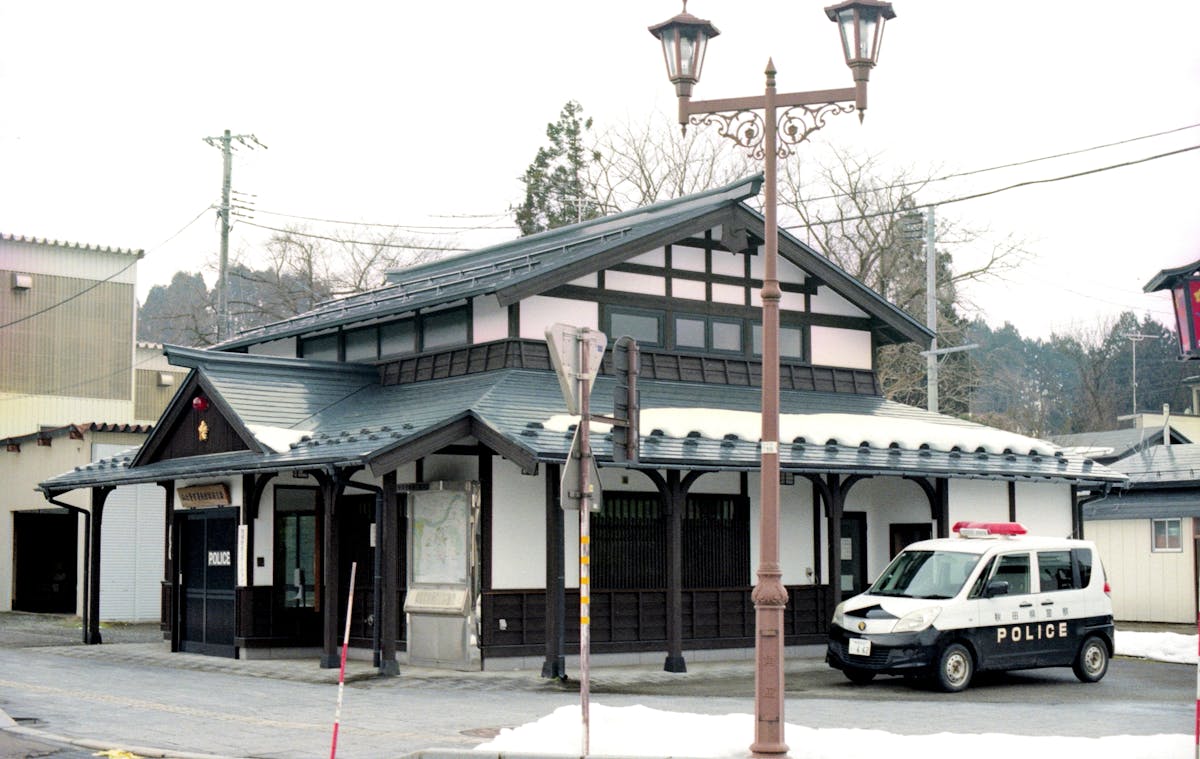
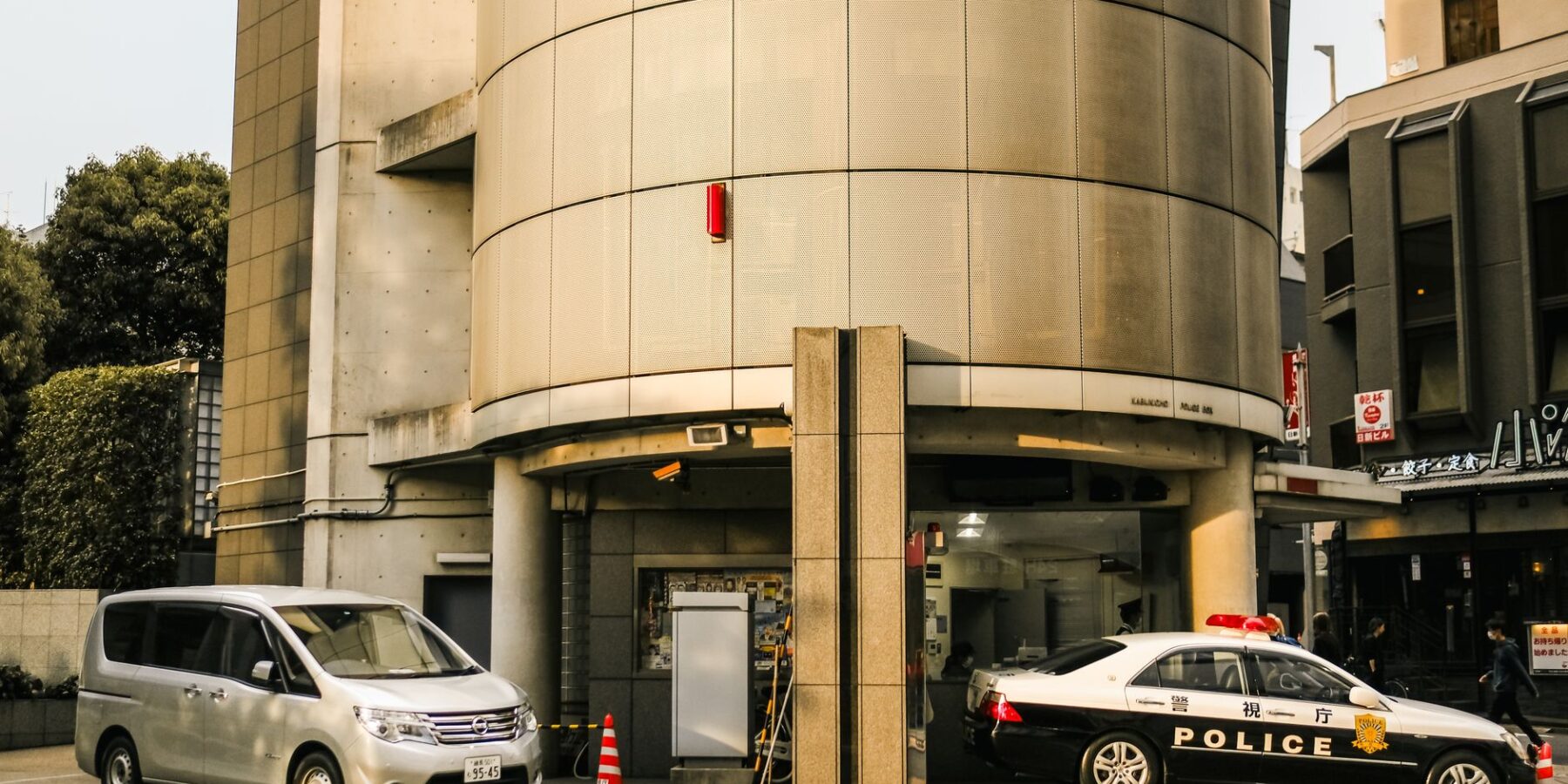
- Koban (police boxes) — Japan’s secret help network: tiny neighborhood police posts on busy corners, staffed around the clock. Lost, need directions, found a wallet, lost your wallet? The koban is literally there for this — officers keep local maps and handle lost property daily. It’s normal to walk in for directions; locals do it too.
- Station staff — for anything train-related: missed connections, wrong tickets, dropped phone on the tracks (they have a grabber tool, ask!). Find the staffed gate or the office marked on our station signs guide.
- Konbini staff — open 24/7 on every corner; ideal for “where is the nearest ATM/taxi/hospital” questions late at night.
- Your hotel front desk — the heavyweight option: they’ll phone restaurants, call taxis, and translate problems on your behalf. Use them shamelessly.
How to ask: the two-line method
Line one is spoken: “Sumimasen” (excuse me) with a small bow — it opens every interaction politely. Line two is on your screen: type or speak your question into Hirameki Japanese and show the Japanese translation. Then hand them the phone or let them reply into it — the app translates both directions, works completely offline (underground stations, rural bus stops), and shows romaji so you can read place names back. For written problems — a pharmacy form, a delay notice, a sign at a closed door — point the camera instead. Five spoken phrases worth having anyway are in our phrases guide, and the full toolkit discussion is in our zero-Japanese guide.
Feeling sick: pharmacies & clinics
For everyday ailments, start at a drugstore (Matsumoto Kiyoshi and similar are everywhere): show the pharmacist your symptoms via the app — camera-translate ingredient labels if you have allergies. Note that some Western medications have different rules in Japan, so for anything beyond the basics, hotels can point you to a clinic with English support. Big cities have international clinics; costs without insurance are reasonable by Western standards but not trivial — check what your travel insurance covers before you fly. Solo travelers will find more safety notes in our solo travel guide.
Real emergencies: the numbers
- 110 — police. 119 — ambulance & fire. Both work from any phone; operators can usually arrange interpretation, but speak slowly and state your location first.
- Japan Visitor Hotline (JNTO): 050-3816-2787 — 24/7, multilingual, for non-life-threatening trouble: lost passports, disasters, “what do I do about…” questions.
- Your embassy — for lost passports; save its number before you fly.
Frequently asked questions
Will Japanese people help a stranger? Overwhelmingly yes — famously so. The hesitation you may see is about English confidence, not willingness; showing text on your phone removes it.
What is a koban? A staffed neighborhood police box — walk in for directions, lost property or any trouble. It’s what they’re for.
What if I lose my wallet or phone? Report to the nearest koban — Japan’s lost-and-found culture is extraordinary, and items very often come back.
Does the help app need internet? Hirameki Japanese works fully offline — translation and camera included — so it functions exactly where trouble happens.
Going to Japan? Talk to locals with confidence.
Hirameki Japanese — instant offline translation, camera translation, furigana + romaji, and 314 free flashcards. No login. Works without internet.

Plan your Japan trip
Two things every first-timer should book
Some links are affiliate links. If you book through them we may earn a small commission at no extra cost to you.