Tochigi Prefecture, located just north of Tokyo in the Kanto region, is one of Japan’s most rewarding destinations for travelers willing to look beyond the capital. Home to the dazzling UNESCO World Heritage shrines of Nikko, the dramatic Kegon Falls, serene Lake Chuzenji, healing Kinugawa Onsen, stunning Ashikaga Flower Park, the famous pottery town of Mashiko, and the beloved Utsunomiya gyoza — Tochigi packs extraordinary variety into a prefecture easily accessible from Tokyo in 90 minutes or less.
Nikko: Japan’s Most Ornate World Heritage Shrine Complex
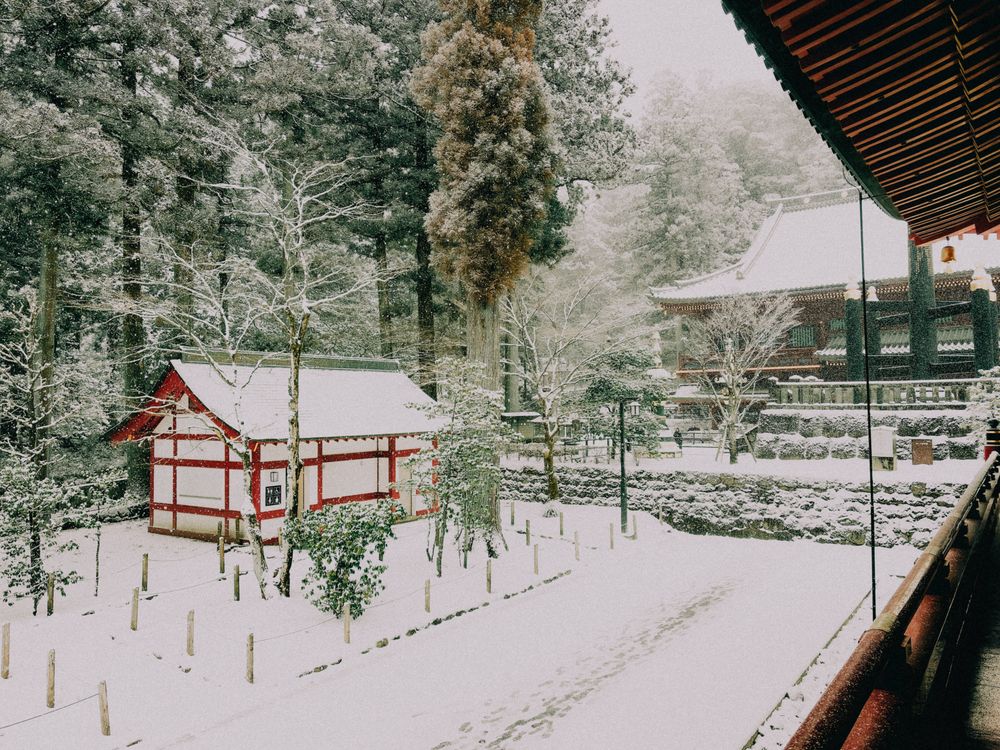
Nikko is Tochigi’s crown jewel and one of Japan’s most visited destinations. The town’s UNESCO World Heritage site encompasses two shrines and one Buddhist temple within a forested mountain setting that creates an atmosphere of profound spiritual power. Toshogu Shrine, built in 1617 to enshrine the spirit of Tokugawa Ieyasu (founder of the Edo Shogunate), is Japan’s most ornately decorated sacred building — every surface covered in intricate carvings of flowers, animals, and mythological figures, painted in brilliant vermilion, gold, blue, and green lacquer. The famous Sleeping Cat (Nemuri-neko) carving and the Three Wise Monkeys (“see no evil, hear no evil, speak no evil”) carvings are among Japan’s most recognized cultural icons, both found at Toshogu.
Beyond Toshogu, the Nikko shrine complex includes Futarasan Shrine, dedicated to the mountain deities of Mt. Nantai, and Rinnoji Temple, a Tendai Buddhist temple housing three massive gilded Buddhist statues in its Sanbutsudo (Three Buddha Hall). The approach to Toshogu along the Nikko cedar avenue (Suginamiki) — 13,000 cedar trees planted in the early 17th century creating a cathedral-like tunnel of ancient trunks — is one of Japan’s most atmospheric approaches to any sacred site.
The best time to visit Nikko for the shrine complex is in spring (April–May, cherry blossoms and new green leaves) or autumn (late October to mid-November, spectacular maple foliage against the vermilion shrine buildings). Avoid summer school holiday weekends when crowds can be extremely dense. The early morning before 9 AM is always the most peaceful time to explore.
Lake Chuzenji and Kegon Falls: Mountain Splendor Above Nikko
A 45-minute bus ride above Nikko town (via the spectacular hairpin-bend Irohazaka Winding Road) brings you to Lake Chuzenji (Chuzenji-ko), one of Japan’s highest lakes at 1,269 meters elevation. The lake was formed when lava flows from Mt. Nantai dammed the ancient river valley — today it offers stunning views of the surrounding forested mountains and the symmetrical cone of Mt. Nantai reflected in its clear waters. Boat cruises on the lake (March to November) provide excellent perspectives of the surrounding scenery.
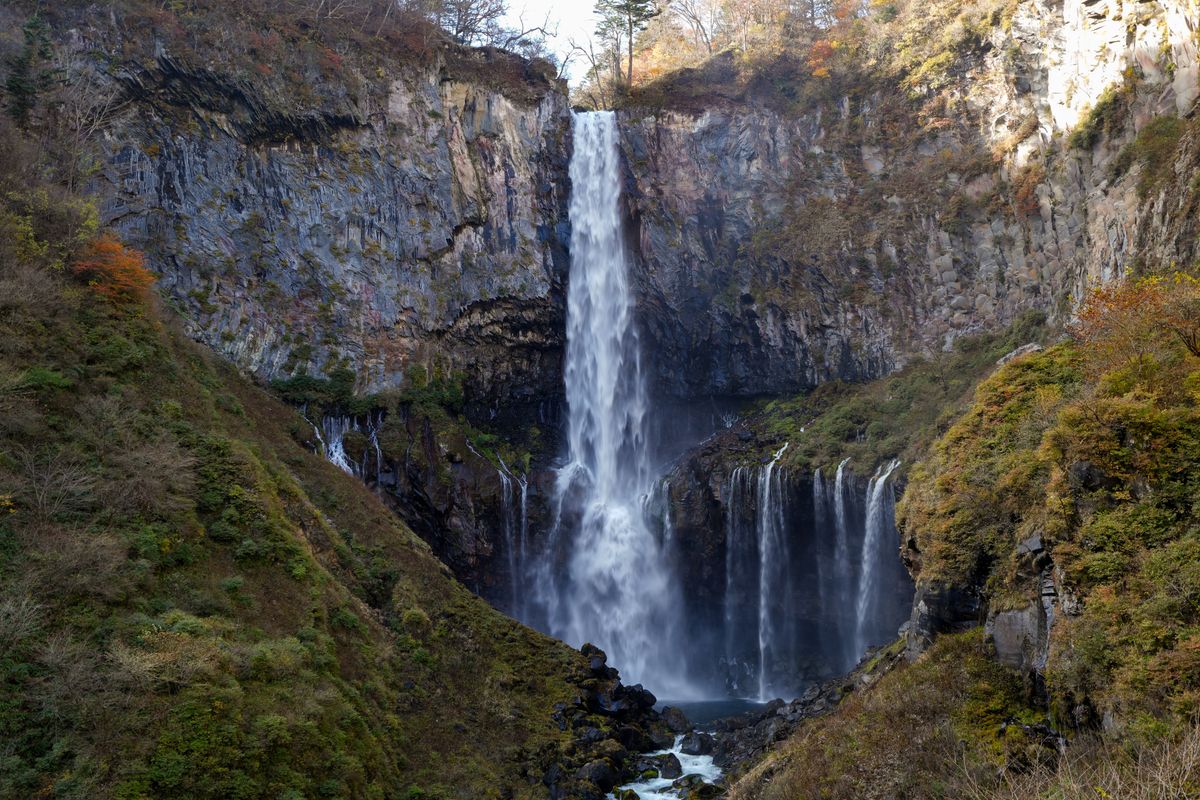
At the lake’s eastern outlet, Kegon Falls (Kegon-no-taki) plunges 97 meters in a single dramatic drop that is consistently rated one of Japan’s three most beautiful waterfalls. The main viewpoint from the cliff edge provides a spectacular frontal view, while an elevator (¥600 return) descends to a lower observation deck at the base of the falls, where the spray creates perpetual rainbows in sunny weather. The falls are most dramatic in early spring when snowmelt maximizes the water volume, and most spectacular in autumn when the surrounding maples blaze with color.
The Chuzenji lakeside area has several traditional restaurants and souvenir shops. Nikko Kekko-zuke (vegetables pickled in sake lees) is the area’s signature food souvenir — a traditional preservation method that creates deeply flavorful pickles with a gentle sake aroma. The lakeside also has facilities for trout fishing and paddleboarding during the summer months.
Kinugawa Onsen: The Hot Spring Valley
Kinugawa Onsen is one of the Kanto region’s most popular hot spring resorts, situated in a dramatic river gorge about 20 minutes by train from Nikko. The Kinugawa River flows through a narrow valley flanked by large ryokan and hotels, many with open-air baths (rotemburo) overlooking the rushing river. The onsen’s history dates to the Edo period, and it remains a beloved destination for Japanese couples, families, and office groups seeking relaxation within easy reach of Tokyo.
Beyond the hot springs, Edo Wonderland Nikko Edomura near Kinugawa is one of Japan’s most ambitious historical theme parks — a full recreation of an Edo-period town where staff in period costume perform ninja shows, samurai demonstrations, and traditional arts. The park also features the haunting atmosphere of the “haunted house” (obakeyashiki) attraction, geisha dance performances, and authentic Edo-period food stalls. For children and history enthusiasts alike, it’s a fascinating and entertaining experience.
The Kinugawa Gorge Walk (Kinugawa Onsen Yuhodo) is a pleasant 2-kilometer riverside path connecting several observation points along the dramatic gorge. The surrounding cliff walls glow with autumn color in late October, making this one of the Kanto region’s finest autumn foliage walks. Several traditional ryokan along the gorge welcome day visitors to use their onsen facilities (day-onsen, typically ¥1,000–1,500), making it possible to enjoy the famous hot springs without an overnight stay.
Nasu Highlands: Nature and Animal Encounters
The Nasu Highlands (Nasu Kogen) in northern Tochigi is a year-round resort area popular with Tokyo families and outdoor enthusiasts. The plateau surrounding the active Mt. Chausudake volcano offers hiking, cycling, skiing in winter, and some of Japan’s best resort facilities including the world-class Nasu Animal Kingdom (Nasu Doubutsu Okoku) — a sprawling wildlife park where visitors can interact with wolves, capybaras, owls, and hundreds of other species in naturalistic environments.
Nasu Onsen is a collection of hot spring facilities spread across the highlands, including several prestigious ryokan that have served Japan’s imperial family — the Imperial Family’s Nasu Villa is located in the area, making it a favorite summer retreat for generations of Japanese royalty. The highlands are spectacular in autumn (mid-October) when the volcanic slopes turn brilliant red with maples and mountain azaleas. Winter brings skiing at Nasu Kogen Hunter Mountain and Mount Jeans Nasu, both suitable for beginners and intermediates.
Ashikaga Flower Park: Japan’s Most Famous Wisteria
Ashikaga Flower Park (Ashikaga Furawaa Paaku) in southern Tochigi has become one of Japan’s most photographed natural attractions — a private garden park famous above all for its ancient great wisteria trees (o-fuji) that create cascading tunnels of purple, white, and pink blossoms each spring. The park’s centerpiece is a 150-year-old great white wisteria tree with a canopy covering nearly 1,000 square meters — when it blooms in late April to mid-May, its cascading white flower clusters create a scene so ethereally beautiful that it has been named one of the world’s most beautiful places by CNN Travel.
The park contains four giant wisteria trees of different colors, plus pergola tunnels of violet, pink, and white wisteria stretching hundreds of meters, creating a complete immersion in fragrant purple-tinted light. Bloom timing varies by variety from mid-April through mid-May — the park’s website posts daily bloom condition updates. The park is equally magical in winter when the bare wisteria structures and surrounding grounds are illuminated for the Winter Illumination event (late October through late January), rated one of Japan’s top illumination events.
Mashiko: Japan’s Most Famous Pottery Town
Mashiko (Mashiko-machi) in southeastern Tochigi is Japan’s most celebrated pottery (toki) town, home to over 300 pottery studios, kilns, and galleries. The town’s clay tradition dates to the mid-19th century, but it was the legendary potter Hamada Shoji (1894–1978) who brought Mashiko to international attention. Hamada was designated a Living National Treasure of Japan and was a leading co-founder of the mingei (folk craft) movement alongside Yanagi Soetsu — his former home, kiln, and studio in Mashiko are now preserved as the Mashiko Museum of Ceramic Art, one of Japan’s finest pottery museums.
Today, Mashiko’s pottery studios welcome visitors for hands-on pottery making experiences where you can try hand-building (tebineri) or throwing pots on a wheel (rokuro) under the guidance of working potters. The twice-yearly Mashiko Pottery Fair (held in late April–May and late October–November) draws hundreds of thousands of visitors who browse ceramics by over 500 potters ranging from student work to renowned masters. Many of Japan’s leading contemporary potters maintain studios in Mashiko, creating a living craft community rather than a museum town.
Utsunomiya Gyoza: Japan’s Gyoza Capital
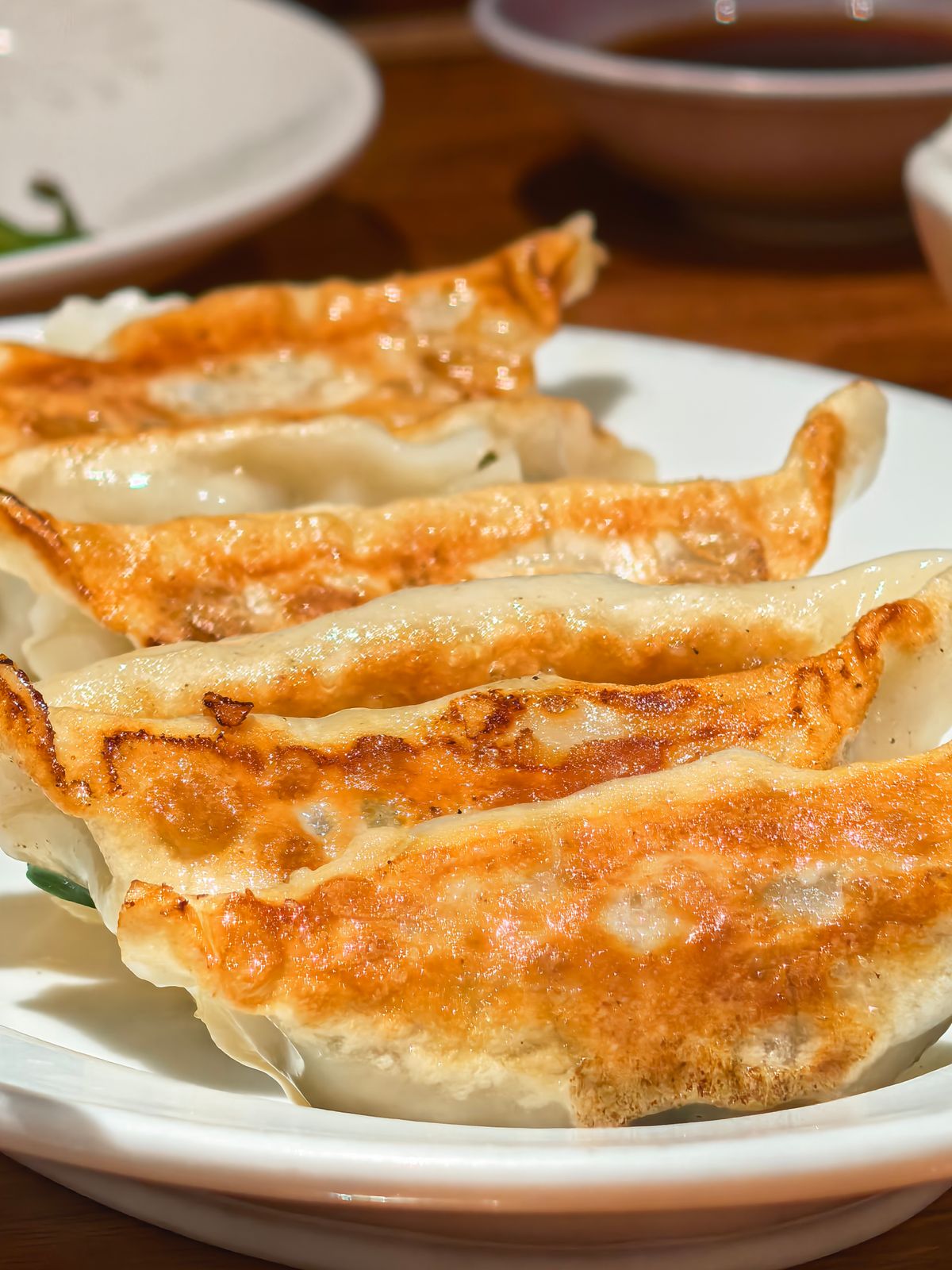
Utsunomiya City, Tochigi’s prefectural capital, has one of Japan’s most distinctive food identities — it is unambiguously Japan’s gyoza (pot-sticker dumpling) capital. The city consumes more gyoza per capita than any other city in Japan, and over 200 gyoza restaurants operate in the city — from tiny counter-only shops serving a single style to elaborate restaurants with menus devoted entirely to gyoza variations. The Utsunomiya Gyoza style features a particularly thin, crispy wrapper with a filling of minced pork, cabbage, chives, and garlic — simpler and crispier than the Osaka or Tokyo styles.
The Utsunomiya Gyoza Statue in the city center celebrates this obsession, and the surrounding Gyoza Street (Gyoza-dori) concentrates many of the city’s most famous shops. Visiting multiple gyoza restaurants and comparing styles — pan-fried (yaki-gyoza), steamed (mushi-gyoza), and boiled (sui-gyoza) — is the standard local approach. Most shops offer gyoza for ¥300–600 for a plate of 5–8 dumplings, making it an affordable and deeply satisfying culinary experience.
3-Day Tochigi Itinerary
Day 1: Nikko Shrines and Mountain Scenery
Take the Tobu Nikko Line express from Asakusa (Tokyo) to Nikko Station (about 2 hours, ¥1,360). Begin with the Toshogu Shrine complex early morning before crowds arrive — allow 2–3 hours for the main shrine, Rinnoji Temple, and Futarasan Shrine. Lunch at a local restaurant near the shrine complex — yuba (tofu skin) cuisine is Nikko’s signature food, served in elegant multi-course sets at traditional restaurants. Afternoon: take the bus up the Irohazaka road to Lake Chuzenji and Kegon Falls for 2 hours. Return to Nikko for dinner and overnight in a traditional ryokan.
Day 2: Kinugawa Onsen and Edo Wonderland
Take the train to Kinugawa Onsen (20 minutes from Nikko). Morning: visit Edo Wonderland theme park for ninja shows and samurai demonstrations (allow 3–4 hours). Lunch at the park’s authentic Edo-period food stalls. Afternoon: enjoy the Kinugawa Gorge Walk and a relaxing soak at a riverside day-onsen. Evening: return to your ryokan or transfer to Utsunomiya for overnight.
Day 3: Utsunomiya Gyoza and Mashiko Pottery
Morning: explore Utsunomiya’s Gyoza Street — start with breakfast gyoza (yes, it’s a thing) at one of the landmark shops. Visit the Utsunomiya City Museum and the historic Futaarayama Shrine. Afternoon: rent a car or take a bus to Mashiko (about 40 minutes) for pottery browsing and a hands-on pottery making experience. Return to Utsunomiya Station for Shinkansen connection back to Tokyo (about 50 minutes by Tohoku Shinkansen).
Shopping Guide: Tochigi Souvenirs
Tochigi produces some of Japan’s most distinctive regional crafts and foods. Mashiko pottery is the obvious top souvenir — cups, bowls, plates, and vases in the characteristic earthy glazes of Mashiko tradition make excellent long-lasting gifts. Prices range from a few hundred yen for student work to hundreds of thousands for recognized artists’ pieces. Nikko Kekko-zuke (sake lees pickled vegetables) and yuba (dried tofu skin) from Nikko are distinctive food souvenirs exclusive to the area. Nikko’s main shopping street and shrine approach sell lacquerware, wooden crafts, and Toshogu-themed souvenirs throughout.
Utsunomiya’s gyoza frozen packs from famous restaurants are popular souvenirs — many shops sell vacuum-sealed gyoza that can be transported and cooked at home. Tochigi strawberries (Tochigi is Japan’s largest strawberry-producing prefecture) are available as fresh fruit in winter/spring and as processed products year-round — strawberry jam, dried strawberry, strawberry daifuku (mochi) and strawberry-flavored sweets from Tochigi are excellent seasonal souvenirs.
Family-Friendly Activities in Tochigi
Tochigi is excellent for families. Edo Wonderland near Kinugawa is Tochigi’s top family attraction — children love the ninja shows, period costumes for dress-up photos, and the interactive historical atmosphere. Nasu Animal Kingdom offers remarkable animal encounters including wolf pack territory walks, pelican feeding, and capybara hot springs (the park famously gives its capybaras yuzu fruit baths in winter, creating charming photos that go viral every year). The Ashikaga Flower Park during wisteria season is magical for children who can walk through the flower tunnels and see the glowing canopies overhead.
The Tochigi Prefectural Museum of Natural History in Utsunomiya has an impressive natural history collection including a large dinosaur gallery that children find fascinating. Mashiko pottery workshops are excellent family activities — most studios accommodate children from about age 5 for hand-building clay projects, creating memorable souvenirs to take home. In winter, the Nasu ski resorts offer beginner-friendly slopes and ski schools for children.
Solo Travel Tips for Tochigi
Tochigi is highly suited to solo travel. The Tobu Nikko Line from Tokyo to Nikko is straightforward and well-signposted in English. Solo travelers staying in Kinugawa Onsen or Nikko’s traditional ryokan are well accommodated — single rooms are available at most properties. The gyoza restaurants in Utsunomiya almost always have counter seating perfect for solo diners. For Mashiko, a rental car from Utsunomiya significantly expands your ability to visit multiple studios at your own pace. Solo hikers should be aware that trails on Mt. Nantai above Chuzenji require registration at the trail entrance shrine gate and basic mountain safety preparation.
Frequently Asked Questions About Tochigi
How do I get to Nikko from Tokyo?
The most convenient route is the Tobu Nikko Line from Asakusa Station, with express services taking about 2 hours and costing ¥1,360 one-way. The JR Nikko Line from Utsunomiya (connected to Tokyo by Tohoku Shinkansen) is faster overall for those coming from western Tokyo — total journey time about 1.5 hours. The Tobu “Spacia” limited express service from Asakusa (¥2,620 reserved) is the most comfortable option. The Nikko Pass and All Nikko Pass tourist tickets offer unlimited Tobu line travel plus bus access within Nikko at good value.
What is the best season to visit Nikko?
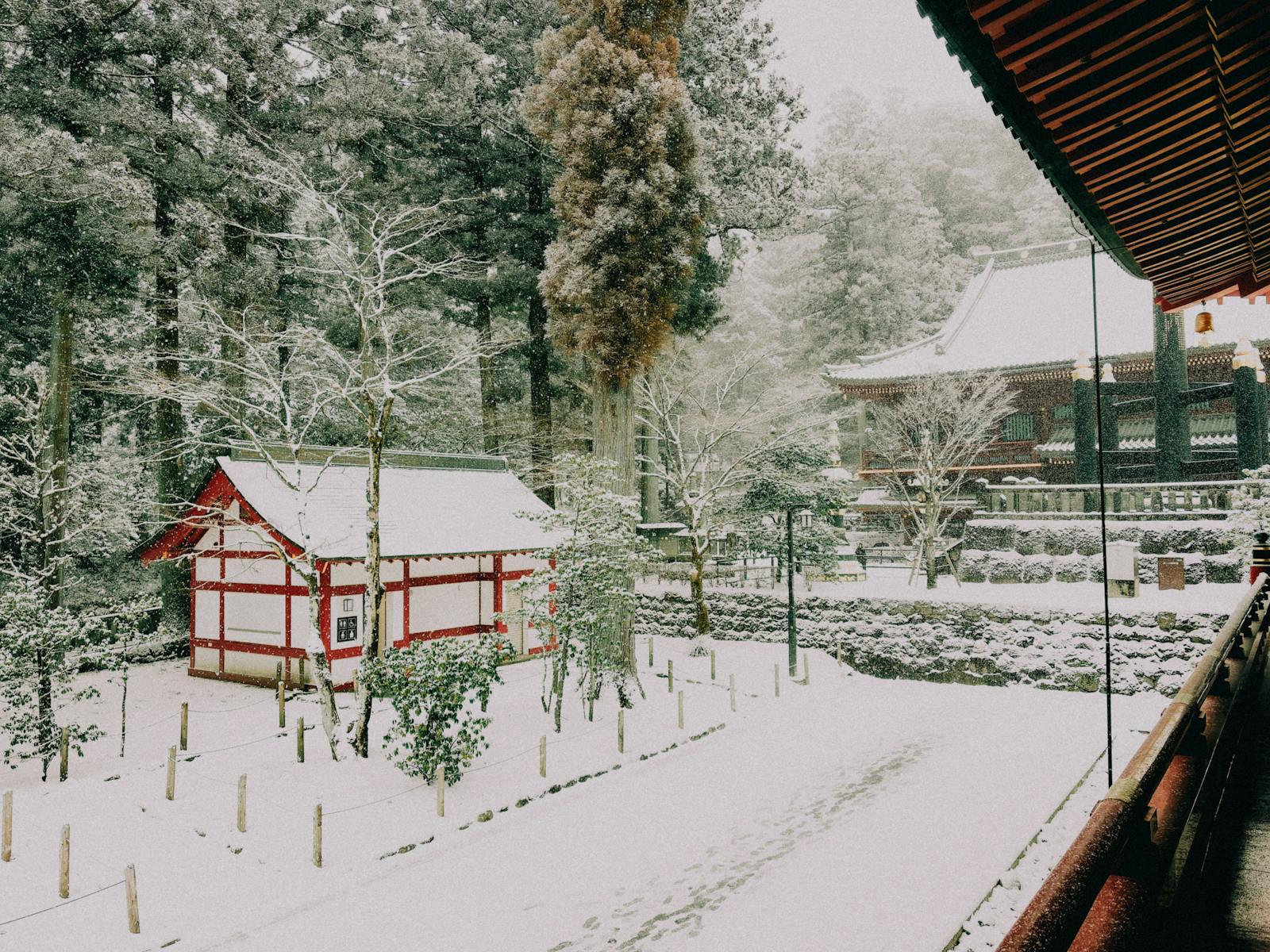
Autumn (mid-October to mid-November) is generally considered the best time — the maple and zelkova trees surrounding the Toshogu shrine buildings turn brilliant red and orange, creating spectacular contrast with the vermilion lacquered structures. Spring (late April to early May) is beautiful for cherry blossoms and fresh green leaves. Summer is lush and green but can be crowded during school holidays. Winter is cold but uncrowded, and the shrine buildings in fresh snow create extraordinary scenes.
Is Nikko worth visiting as a day trip from Tokyo?
Yes, but an overnight stay is significantly more rewarding. As a day trip, you can cover the main Toshogu shrine complex and Kegon Falls comfortably. With an overnight stay, you can add Lake Chuzenji exploration, Kinugawa Onsen, and the cedar avenue at dawn when no other visitors are present — creating a much more complete Nikko experience. If time-limited, the day trip is absolutely worthwhile, but plan an early arrival to maximize shrine time before afternoon crowds peak.
What is yuba and why is it famous in Nikko?
Yuba is the delicate skin that forms on the surface of heated soy milk during tofu production. Nikko’s version is particularly prized because of the area’s exceptional water quality — the pure mountain water used in the tofu-making process creates yuba of extraordinary sweetness and delicacy. Nikko yuba is served in many ways: fresh (nama-yuba) as sashimi with wasabi and soy sauce, simmered in dashi broth, deep-fried as tempura, or incorporated into multi-course kaiseki meals at traditional restaurants. It has been a specialty food of Nikko’s Buddhist monks and pilgrims for centuries.
How many gyoza restaurants are there in Utsunomiya?
Utsunomiya has over 200 gyoza restaurants, making it Japan’s undisputed gyoza capital by both density and per-capita consumption. Famous establishments include Masashi, Minmin, Kirasse (which also has a gyoza museum), and dozens of family-run shops that have been perfecting their recipes for generations. Most shops serve gyoza at very affordable prices (¥300–600 per plate), making it easy and fun to try multiple restaurants in one visit.
When is the Ashikaga Flower Park wisteria at its best?
The wisteria bloom at Ashikaga Flower Park typically peaks from late April through mid-May, with the exact timing varying by 1–2 weeks depending on spring temperatures. The park updates bloom condition information daily on its website (in Japanese, but Google Translate works well). The great white wisteria is usually the last to bloom, around early May. Weekends during peak bloom are very crowded — if possible, visit on a weekday. Evening visits during the illumination period (the garden is lit until 9 PM during peak bloom) offer a magical alternative perspective.
Can I buy Mashiko pottery and have it shipped internationally?
Yes — most established Mashiko pottery studios and galleries offer international shipping services. The Mashiko Sankokan Museum shop and larger commercial galleries routinely ship to Europe, North America, and Australia. Packing is done carefully in bubble wrap and boxes specifically designed for pottery. For smaller pieces, carrying in your luggage is often the easiest option. Ask the shop staff for packing assistance — they are experienced at wrapping pieces for safe transport.
Is there good hiking in Tochigi?
Yes — Tochigi has excellent hiking options. Mt. Nantai (2,486m) above Lake Chuzenji is a challenging full-day hike with spiritual significance — pilgrims have climbed this volcano since the 8th century, and the trail begins at a shrine gate requiring registration. Nasu’s Mt. Chausudake (1,915m, an active volcano) offers a shorter but dramatic hike with views of volcanic vents and alpine scenery. The Nikko Senjogahara Plateau offers easy flat hiking through high-altitude marshland with exceptional wildflowers in summer. All these areas have well-maintained trails with English signage at key points.
Getting Around Tochigi Prefecture
Tochigi Prefecture is well connected by train from Tokyo. The Tohoku Shinkansen reaches Utsunomiya Station in just 50 minutes from Tokyo Station — the fastest and most convenient gateway to the prefecture. From Utsunomiya, the JR Nikko Line runs to Nikko in about 45 minutes. The Tobu Nikko Line from Asakusa provides a direct, scenic alternative to Nikko and Kinugawa without needing to go via Utsunomiya. The Tobu Kinugawa Line branches from the Tobu Nikko Line to serve Kinugawa Onsen and Edo Wonderland.
Before heading out, make sure you have a Japan eSIM ready to navigate, translate, and share photos without worrying about connectivity. Get your Japan eSIM (Stay connected from day 1) →
Within Nikko, a network of local buses connects the station area with the shrine complex, Lake Chuzenji, and Kegon Falls. The World Heritage Bus runs frequently between Nikko Station and the main Toshogu approach. For Nasu Highlands, the Nasuno Shinkansen stop provides access, with resort shuttle buses to the main Nasu attractions. Renting a car at Utsunomiya Station is recommended for visiting Mashiko and exploring the southern and eastern parts of the prefecture efficiently. The Nikko Pass and Nikko All Area Pass offer cost-effective unlimited travel on Tobu trains and buses within the Nikko area.
Where to Stay in Tochigi
Tochigi’s accommodation ranges from budget business hotels in Utsunomiya to legendary luxury ryokan in Nikko and Kinugawa. Nikko Kanaya Hotel, Japan’s oldest Western-style resort hotel (opened 1873), sits adjacent to the Toshogu shrine approach and offers a fascinating blend of Western and Japanese hospitality with a rich history — past guests have included Albert Einstein, Indira Gandhi, and numerous foreign dignitaries. The hotel’s high-ceiling dining room and Victorian-era character make it a unique experience even for non-guests visiting for lunch.
Traditional ryokan in Kinugawa Onsen offer excellent value compared to comparable Tokyo hotels, typically including dinner and breakfast in the room rate. Properties overlooking the gorge are the most atmospheric. Nasu Kogen’s resort hotels cater to families and couples seeking leisure-oriented stays with tennis courts, swimming pools, and spa facilities alongside onsen. For Mashiko visitors, a small number of guesthouses and minshuku in the pottery town allow an immersive artisan community experience. Utsunomiya City has the widest range of business hotels for practical overnight stays.
Tochigi’s Natural Wonders Beyond Nikko
While Nikko dominates Tochigi’s tourism narrative, the prefecture has several remarkable natural landscapes beyond the famous shrine town. Senjogahara Plateau (1,400m elevation) above Lake Chuzenji is a vast highland marsh traversed by a 4-kilometer nature trail that passes through dwarf pine forests, grasslands, and along crystal-clear mountain streams. In summer, the plateau is carpeted with wildflowers; in autumn, the golden grasses glow in the low sun against a backdrop of colored mountains — one of Japan’s finest highland landscapes. The area is accessible by bus from Nikko Station.
Ryuzu Falls (Ryuzu-no-taki) on the Yukawa River just below Senjogahara, near Lake Chuzenji, is named for its resemblance to a dragon’s head — twin streams cascade down moss-covered rocks in a distinctive V-shape before joining into a single plunge pool. The surrounding maple trees make this one of Nikko’s most photographed autumn foliage spots, with the red and orange leaves perfectly framing the white water. Yudaki Falls at the upper end of Senjogahara, where the Yukawa River drops dramatically off the plateau edge, is equally spectacular and less visited than Kegon.
The Okunikko area beyond Chuzenji has hot springs at Yumoto Onsen, one of the Kanto region’s highest hot spring resorts at about 1,478 meters — where the small traditional onsen village sits in a bowl-shaped alpine valley. The sulfurous hot spring waters emerge directly into Yunoko Lake, and in the evenings the lake surface occasionally glows with the reflected light of onsen-heated water. Staying at Yumoto Onsen overnight is one of Tochigi’s most peaceful and atmospheric experiences, particularly in early autumn when the surrounding mountains begin to color.
Practical Information for Visiting Tochigi
Best time to visit: Spring (late April to early May) for cherry blossoms and Ashikaga wisteria; autumn (mid-October to mid-November) for spectacular foliage at Nikko. Winter (December to February) is cold but offers uncrowded shrines and possible snow scenes. The Nasu ski season runs December through March.
Language: English signage is well-developed in Nikko, Utsunomiya’s gyoza district, and Nasu Animal Kingdom. Mashiko pottery studios often have English-speaking staff or written materials. Translation apps are useful for smaller restaurants and rural areas. The Toshogu shrine complex provides English explanations throughout.
Money: Cash is important at smaller restaurants and traditional shops. ATMs at convenience stores (7-Eleven, Lawson) accept international cards throughout the prefecture. The Nikko area near the shrine complex has several ATMs and card-accepting restaurants. Utsunomiya’s gyoza restaurants are predominantly cash-only.
Day trip vs. overnight stay: Nikko can be done as a Tokyo day trip but an overnight dramatically improves the experience. Utsunomiya gyoza and Mashiko pottery can be combined as a day trip from Tokyo. Nasu Highlands and Kinugawa Onsen are best as overnight stays. Ashikaga Flower Park during wisteria season is an excellent day trip from Tokyo via the JR Utsunomiya Line to Oyama, then the Ryomo Line to Ashikaga Flower Park Station.
Tourist information: The Nikko Tourism Association operates an information center in Nikko Station with English maps and staff. Utsunomiya City’s tourist information center near the station stocks Tochigi Prefecture-wide information. Many major attractions have English-language websites with current opening hours and admission prices — always check before visiting as seasonal adjustments are common.
Tochigi’s Cultural Festivals and Events
Tochigi Prefecture hosts some of the Kanto region’s most spectacular festivals. The Nikko Toshogu Grand Spring Festival (Sennin Gyoretsu) on May 17–18 is one of Japan’s most magnificent historical processions — over 1,200 participants dressed in Edo-period warrior costumes carry portable shrines, arquebuses (matchlock guns), bows, and flags in a parade replicating the grand procession that brought Tokugawa Ieyasu’s remains to Nikko in 1617. The procession route between Futarasan Shrine and Toshogu is lined with thousands of spectators, and mock battle demonstrations add dramatic flair.
The Utsunomiya Gyoza Festival (Utsunomiya Gyoza Matsuri) held in late October in Utsunomiya’s central park brings together over 30 gyoza restaurants selling their products to tens of thousands of attendees — essentially an enormous outdoor gyoza buffet celebrating the city’s obsession. The Mashiko Pottery Fair (Mashiko Toki-ichi) in late April and late October transforms the entire pottery town into an open-air market where hundreds of potters set up stalls along the main street and at studio locations throughout town.
In the Nasu Highlands, the Nasu Kogen Cherry Blossom Festival in late April draws visitors to see the late-blooming highland varieties against the backdrop of volcanic Mt. Chausudake. Nikko’s Autumn Festival (Aki Matsuri) in October features yabusame (horseback archery) demonstrations at Futarasan Shrine — mounted archers in full Edo-period hunting costume gallop along a track and release arrows at targets, a spectacular martial arts tradition dating back to the 8th century.
Tochigi’s Agricultural Heritage: Strawberries and Sake
Tochigi Prefecture is Japan’s leading strawberry-producing prefecture, accounting for nearly 15% of national production. The signature variety Tochiotome (literally “Tochigi Maiden”) is large, brilliantly red, and exceptionally sweet — developed in the 1990s and now among Japan’s most beloved strawberry varieties. Strawberry picking (ichigo-gari) is a major seasonal activity from December through May at farms throughout the prefecture, particularly around Utsunomiya and Moka. Many farms offer all-you-can-eat strawberry picking sessions (tabehoudai) for around ¥1,500–2,000, with no time limit. Japan’s strawberry picking culture is highly developed — farms provide condensed milk for dipping, and the experience is designed for leisurely enjoyment rather than commercial harvesting.
Tochigi also has a growing sake brewing tradition centered on the pure mountain water flowing from the Nikko and Nasu highlands. Sano City in southern Tochigi is particularly known for its sake breweries — the local water from the Fujioka Mountains creates a light, slightly sweet sake style that pairs beautifully with gyoza and local cuisine. Several breweries in Sano and Utsunomiya welcome visitors for tours and tastings, particularly during the autumn harvest brewing season. Tochigi sake rarely appears on international menus, making local purchases genuinely distinctive souvenirs unavailable abroad.
The prefecture’s other agricultural specialties include Kanuma loam (a volcanic soil used in bonsai cultivation — Kanuma is Japan’s bonsai soil capital), Tochigi wool from highland sheep farms in the Nasu area, and high-quality shiitake mushrooms cultivated in the oak forests around Nikko and the Nasu foothills. Agricultural experience tourism programs allow visitors to participate in seasonal farming activities at farms across the prefecture — mushroom log cultivation, strawberry harvesting, and rice paddy experiences are available through prefecture tourism organizations.
Tochigi’s position as a largely agricultural prefecture has also fostered a strong direct farm sales culture. Roadside farm stands (michi-no-eki) throughout the prefecture sell fresh produce directly from farmers at prices far below supermarket levels. The Michi-no-Eki Utsunomiya Romantic Village and Michinoeki Nikko are particularly well-stocked with local produce, prepared foods, and regional specialty products. Visiting these roadside stations adds an authentic local dimension to any Tochigi itinerary and supports the prefecture’s farming communities directly.
For travelers who want to understand how Japan’s rural communities are adapting to demographic change, Tochigi offers an honest and fascinating window. Depopulation challenges in areas like the Nasu foothills and eastern Tochigi have spurred creative responses — artisan communities in Mashiko continue to attract young potters from across Japan and abroad, revitalizing the town’s craft ecosystem. Community-supported agriculture programs, traditional craft apprenticeships, and rural guesthouse experiences (noka minpaku — farm-stay accommodation) make Tochigi an exceptionally authentic destination for travelers interested in Japan beyond its famous cities and tourist trails.
Whether you’re drawn by the gilded shrines of Nikko, the fresh gyoza of Utsunomiya, the purple wisteria tunnels of Ashikaga, or the slow art of Mashiko’s potters, Tochigi Prefecture rewards every type of traveler with experiences that are genuinely impossible to replicate anywhere else in Japan. Just 50 minutes from Tokyo by Shinkansen, this is one of Japan’s most accessible and consistently rewarding regional destinations.
Essential Travel Tips for Tochigi
Traveling in Tochigi is straightforward once you understand the region’s transport network. The most common gateway is Nikko, reached by the Tobu Nikko Line from Asakusa Station in Tokyo — a journey of approximately 2 hours on the limited express (around ¥2,700 one-way). Alternatively, JR Pass holders can take the JR Nikko Line from Utsunomiya. From Nikko Station to the main shrine area, take a local bus (around ¥350) or rent a bicycle. Having an IC card (Suica or Pasmo) makes local bus travel seamless.
For Kinugawa Onsen, take the Tobu Kinugawa Line from Shinjuku or Asakusa (approximately 2 hours, ¥2,500–¥3,200). Cash is still preferred at many smaller shops and rural restaurants in Tochigi, so carry at least ¥5,000–¥10,000 in notes. ATMs at 7-Eleven and Japan Post accept international cards. Mobile data is available throughout, and most accommodations now offer Wi-Fi. Tipping is not customary in Japan — good service is the norm, not a reward for extra payment. When visiting Nikko’s shrines and temples, wear comfortable walking shoes as there is significant elevation change on stone paths. A light rain jacket is recommended year-round as mountain weather can shift quickly. Gyoza (Utsunomiya’s specialty) restaurants are best visited at lunch to avoid evening queues, and many offer English menus at tourist-facing locations.
Sample Tochigi Itinerary: Making the Most of Your Visit
A two-night, three-day Tochigi itinerary gives you time to explore Nikko’s World Heritage sites, relax in an onsen, and sample the region’s famous gyoza. Day 1: Arrive at Nikko by late morning. Spend the afternoon exploring Toshogu Shrine — allow at least 2 hours for the main complex, including the Yomeimon Gate and the Sleeping Cat carving. Walk to Rinnoji Temple and Futarasan Shrine. Check into a ryokan in Nikko town. Enjoy a kaiseki dinner included with your stay. Day 2: Visit Nikko’s Taiyuin Mausoleum in the morning, then head to Kegon Falls (a 5-minute bus ride to Chugushi). Take a boat on Lake Chuzenji. In the afternoon, transfer to Kinugawa Onsen (30 minutes by local bus or taxi). Soak in your hotel’s onsen and enjoy a river-view dinner. Day 3: Return to Utsunomiya (40 minutes by train) and visit the Gyoza Street (Minami Gyoza-dori) for a late lunch — try at least two different styles (焼き餃子 yaki-gyoza and 水餃子 sui-gyoza). Browse the local pottery shops in the station area before boarding your train back to Tokyo. Budget estimate: accommodation ¥12,000–¥25,000 per night (ryokan including dinner/breakfast), Nikko Toshogu shrine entry ¥1,600, gyoza lunch ¥800–¥1,500 per person.
Beyond Nikko: More Reasons to Explore Tochigi
While Nikko dominates most itineraries, Tochigi Prefecture offers several additional attractions that extend your stay pleasurably. Mashiko (益子), accessible by the Moka Railway from Shimodate Station (reached from Oyama on the JR Mito Line), is Japan’s most celebrated pottery town. Every spring (Golden Week) and autumn (early November), the Mashiko Pottery Fair draws ceramics enthusiasts from across the country to browse hundreds of potters’ stalls. Prices range from a few hundred yen for a simple cup to tens of thousands for fine pieces by master potters. Most studios welcome visitors year-round; Shoji Hamada’s former workshop is now a museum dedicated to the mingei (folk craft) movement he championed.
Nasu Highland (那須高原) in northern Tochigi is a beloved resort area for Tokyo families, offering hot springs, ranch experiences, and seasonal flower gardens. The Nasu Animal Kingdom (那須どうぶつ王国) is particularly popular. For history enthusiasts, Ashikaga Gakko (足利学校) in Ashikaga City is often called Japan’s oldest school, with origins said to date to the Heian or Kamakura period — a designated Special Historic Site. The adjoining Bannaji Temple (鑁阿寺) contains a National Treasure main hall. Ashikaga Flower Park (あしかがフラワーパーク) is nationally famous for its 150-year-old wisteria trees, which create a breathtaking purple canopy in late April and early May. Advance ticket purchase is strongly recommended during peak wisteria season as the park operates timed entry.
Related guides
- Chichibu Travel Guide 2026: A First-Timer’s Guide to Shibazakura, a Sacred Wolf Shrine, and Tokyo’s Best Mountain Day Trip in Saitama
- Shimokitazawa Travel Guide 2026: Tokyo’s Coolest Neighbourhood for Vintage Shopping, Cafes and Live Music
- Tokyo Disneyland vs DisneySea: Which Park Should You Visit? (Complete 2026 Guide)
Going to Japan? Speak Japanese with confidence.
Hirameki Japanese — camera translate for menus and signs, a two-way conversation mode, and furigana + romaji on every phrase. Free to download with kana charts, conversation mode and starter words; a one-time purchase unlocks everything.
⬇ Get it on the App Store
Plan your Japan trip
Two things every first-timer should book
Some links are affiliate links. If you book through them we may earn a small commission at no extra cost to you.