Introduction: Discovering Japan’s Samurai Heartland
In the mountains of Fukushima Prefecture, far from the tourist trails of Kyoto and Tokyo, lies one of Japan’s most historically compelling cities. Aizu-Wakamatsu (会津若松) is a place where samurai history is not a theme-park recreation but a living, breathing presence woven into the architecture, the food, the sake, and the very character of the people. For first-time visitors to Japan who want to go beyond the well-trodden path and experience something genuinely different, Aizu-Wakamatsu is an outstanding discovery.
The city is best known for two things: Tsurugajo Castle — one of Japan’s finest remaining castles, distinguished by its uniquely beautiful red-tile roof — and the tragic story of the Byakkotai, a teenage samurai unit that met its end on the slopes of Mount Iimoriyama during the Boshin War of 1868. But Aizu-Wakamatsu is far more than its dramatic history. It’s also one of Japan’s premier sake-producing regions, home to a proud lacquerware tradition (aizu nuri), a distinctive and delicious local cuisine, and some of the friendliest and most welcoming people you’ll encounter anywhere in Japan.
This comprehensive guide will take you through everything you need to know to plan a perfect visit to Aizu-Wakamatsu — from history and culture to transport, food, accommodation, and practical tips.

Before you travel to Aizu-Wakamatsu, make sure to get connected. A Japan eSIM activated before departure will keep you navigating and communicating from the moment you arrive. Get your Japan eSIM (Stay connected from day 1) →
The History of Aizu: Samurai Pride and the Boshin War
To understand Aizu-Wakamatsu, you need to understand its history — because the history here is unusually vivid and emotionally resonant, even for Japan.
The Aizu domain was one of the most powerful feudal domains in Tohoku during the Edo period (1603–1868). The Matsudaira clan, who ruled Aizu, were relatives of the Tokugawa shogunate and their most loyal allies. When the shogunate began to crumble in the 1860s under pressure from pro-imperial forces, Aizu stood almost alone in its unwavering loyalty to the old order.
The Boshin War (1868–1869)
The Boshin War — the civil war fought between forces loyal to the Tokugawa shogunate and those fighting for the restoration of imperial power — reached its climax in Aizu in the autumn of 1868. Imperial forces besieged Tsurugajo Castle for an extraordinary 30 days before the defending forces were forced to surrender. The battle was extraordinarily bloody and the suffering of the Aizu people was immense.
Perhaps the most poignant episode of the Boshin War in Aizu was the fate of the Byakkotai (白虎隊, “White Tiger Force”) — a unit of approximately 20 samurai boys between the ages of 16 and 17. Surrounded and cut off from the castle during the fighting, the group retreated to the slopes of Mount Iimoriyama. Looking down from the hillside through smoke and confusion, they mistakenly believed the castle was on fire and that all was lost. In accordance with the samurai code, 19 of the 20 boys chose to take their own lives rather than surrender or live in defeat. One boy, Iinuma Sadakichi, survived and lived to old age — a fact that brought him both fame and lifelong guilt. Their story is among the most moving in all of Japanese history, and the graves of the Byakkotai on Mount Iimoriyama remain one of the most visited and emotionally affecting sites in Tohoku.
Post-War Discrimination and Aizu Pride
After the Meiji Restoration, the Aizu people faced significant discrimination and poverty — as loyal allies of the defeated shogunate, they were regarded with suspicion by the new government. Aizu people were banned from government positions for years, and their former domain was broken up. This historical injustice has left a lasting cultural imprint: Aizu people are renowned throughout Japan for their fierce pride, stoic resilience, and a sense of honour that is sometimes described as almost old-fashioned — and which today makes the region feel genuinely different from anywhere else in Japan.
Tsurugajo Castle: A National Icon
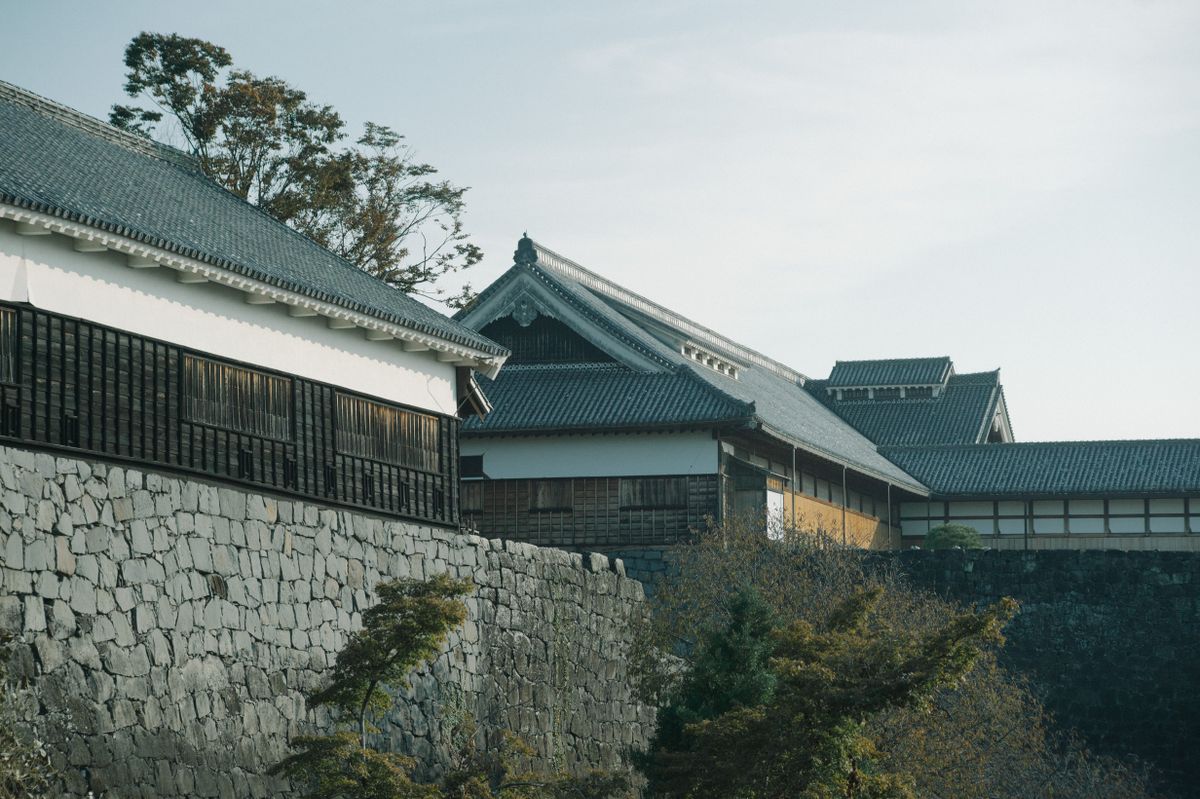
Tsurugajo (鶴ヶ城, “Crane Castle”) is the most iconic sight in Aizu-Wakamatsu and one of the most beautiful castles in Japan. Originally constructed in 1384 by Ashina Naomori, it was rebuilt and expanded numerous times over the following centuries. The castle that visitors see today is a concrete reconstruction completed in 1965 (the original was demolished in 1874 following the Meiji government’s policy of removing symbols of the old feudal order), but the reconstruction is faithful and impressive.
What makes Tsurugajo uniquely distinctive is its roof. Unlike the grey or black tiles typical of most Japanese castles, Tsurugajo’s roof tiles are a deep reddish-burgundy — a restoration to their appearance during the Boshin War siege. This warm red roof against the white plaster walls and the backdrop of the Aizu mountains gives the castle a look unlike any other in Japan.
The castle grounds are a public park covering approximately 100,000 square metres, planted with more than 1,000 cherry trees. In spring (typically late April in Aizu), the castle surrounded by cherry blossoms is a sight of exceptional beauty and draws visitors from across Japan. The moat, stone walls, and turrets are all original or carefully reconstructed, and the whole complex conveys an unusually powerful sense of feudal Japan.
Inside the Castle Tower
The castle tower contains a well-designed museum across five floors dedicated to the history of the Aizu domain, the Matsudaira clan, and the Boshin War. Displays include armour, weapons, documents, and artefacts, with some English labelling supplemented by an English audio guide available at the entrance. The top floor offers panoramic views of the city and the surrounding mountains — on clear days, you can see the distinctive peak of Bandai-san (1,816 m / 5,958 ft), the volcano that dominates the northern horizon.
Admission: ¥410 per adult (USD $3), ¥150 per child (USD $1). Opening hours: 8:30am to 5:00pm daily (last entry 4:30pm). The castle and its grounds are open year-round.
Mount Iimoriyama and the Byakkotai Memorial
The most emotionally powerful site in Aizu-Wakamatsu is not the castle but the hillside of Mount Iimoriyama (飯盛山), where the graves of the Byakkotai boys rest in a quiet grove of cedar trees overlooking the city below. This is a place of genuine pilgrimage — visited by Japanese school groups, historians, veterans’ families, and curious travellers from around the world — and it carries a weight of feeling that is impossible to remain unmoved by.
The climb to the graves is via a steep staircase or, for those who prefer it, an escalator (¥250 / USD $2). At the summit, the neat rows of grave markers bearing each boy’s name are inscribed with brief notes about each individual. A small museum nearby displays their portraits, personal belongings, and testimonies of the single survivor, Iinuma Sadakichi. Adjacent to the graves is the Sazaedo — a remarkable spiral tower built in 1796 that allows visitors to ascend and descend without crossing paths, a unique architectural feat that was centuries ahead of its time in design concept.
Interestingly, the Italian government erected an obelisk near the Byakkotai graves in 1928, and Nazi Germany sent a memorial stone in 1935 — both nations expressing respect for the boys’ sacrifice and loyalty. These markers now stand somewhat incongruously beside the Japanese graves, a reminder of how the Byakkotai story resonated internationally in the early 20th century.
Aizu Samurai District: Bukeyashiki
Bukeyashiki (武家屋敷, “Samurai Residence”) is a large open-air museum approximately 2 km east of the city centre, recreating the residence of a senior Aizu domain samurai official. The complex centres on the meticulously restored home of Saigo Tanomo, the chief advisor (家老, karo) to the Aizu domain lord during the Boshin War. Saigo’s family — rather than surrender to imperial forces — famously chose collective suicide, with the women and children of the household taking their own lives to avoid capture. The story is one of the defining tragedies of the entire conflict.
The residence itself is enormous by samurai standards — 38 rooms across multiple buildings, including reception halls, a garden, servant quarters, a well, and a rice storehouse. Guided tours (some with English materials) explain the lives of samurai officials and their households in vivid detail. Particularly striking is the recreation of the final hours of the Saigo household in mannequin tableaux displayed throughout the rooms.
Admission: ¥850 per adult (USD $6), ¥500 per student (USD $3). Opening hours: 9:00am to 5:00pm (April to November); 9:00am to 4:30pm (December to March).
Aizu Sake: Japan’s Premier Winter Sake Region
Aizu is one of Japan’s most celebrated sake-producing regions, and a visit here is incomplete without exploring the local brewing culture. The cold mountain winters, pristine snowmelt water from the Bandai highlands, and a centuries-long tradition of craftsmanship have combined to produce some of Japan’s finest sake.
The Aizu sake-brewing season runs from late autumn through early spring, when the cold temperatures are essential for controlling fermentation. Aizu sake tends toward a crisp, clean, light style — what the Japanese call tanrei karakuchi (淡麗辛口, dry and delicate) — that pairs exceptionally well with the region’s traditional cuisine.
Sake Breweries to Visit
Suehiro Brewery (末廣酒造): Founded in 1850, Suehiro is one of Aizu’s most historic and revered breweries. Their distinctive Oroku-gura (old brewery) building, dating from the Meiji era, is open for tours and tastings. The brewery’s signature Aizu Homare junmai daiginjo is considered among the finest examples of Aizu sake. Tours: approximately ¥500 per person (USD $3), including tasting. Open daily 8:30am–5:00pm.
Miyaizumi Brewery (宮泉銘醸): A mid-sized brewery with a strong reputation for innovative brewing within traditional methods. The tasting room is open to visitors and offers a range of their labels, including seasonal limited releases. Located near Tsurugajo Castle.
Nanoka-machi Sake Street: The historic Nanoka-machi district (七日町) hosts several sake shops and tasting rooms in beautifully preserved Meiji and Taisho-era wooden buildings. This is the best place to compare multiple labels in one afternoon, with knowledgeable staff who can guide you through the differences between Aizu’s various brewing styles. The whole street is deeply atmospheric and feels genuinely untouched by modern tourism.
Aizu Cuisine: What to Eat
Aizu’s cuisine is robust, warming, and deeply tied to the agricultural and mountain traditions of the region. Winter here is long and cold, and the food reflects this — rich flavours, hearty portions, and a strong tradition of preserved and fermented foods.
Wappameshi
Wappameshi (わっぱ飯) is Aizu’s most iconic dish: rice cooked and served in a round lacquered cedar steam box (wappa), topped with seasonal ingredients such as salmon, crab, mountain vegetables (sansai), mushrooms, or chicken. The cedar imparts a gentle fragrance to the rice, and the presentation in its handsome lacquer box is typically elegant. Expect to pay ¥1,500 to ¥2,500 (USD $10–$17) at a traditional restaurant. The best-known wappameshi restaurant in the city is Mitsuya, near Tsurugajo, which has been serving the dish for over 70 years.
Kitakata Ramen
Aizu-Wakamatsu is close to Kitakata City (about 15 minutes by train), famous for a distinct regional ramen style. Kitakata ramen features flat, wavy noodles, a light soy-based broth, and toppings of chashu pork, negi (spring onion), and menma (bamboo shoots). The noodles are thicker and chewier than Tokyo ramen and the broth is gentler and less salty. Kitakata has more than 120 ramen shops for a population of just 50,000 — making it arguably Japan’s most ramen-dense city. The tradition of eating ramen for breakfast (asa-ra) is still practised here. A bowl costs approximately ¥800 to ¥1,000 (USD $5–$7).
Kozuyu
Kozuyu (こづゆ) is Aizu’s traditional ceremonial soup — a delicate, clear broth made from scallop extract and seasoned with soy sauce, containing vegetables, tofu, konnyaku (konjac jelly), and shiitake mushrooms. Mild, elegant, and utterly unlike any other Japanese regional soup, kozuyu gives you a direct taste of Aizu’s culinary soul.
Aizu Lacquerware (Aizu Nuri) and Souvenirs
Aizu is one of Japan’s three great lacquerware centres. Aizu nuri (会津塗) is characterised by vivid designs — traditional motifs include peony flowers, cranes, and geometric patterns — applied to lacquered wooden bases. Production has been centred here since the late 16th century. Beautiful Aizu lacquerware chopsticks (¥1,000–¥3,000 / USD $7–$20), sake cups (¥1,500–¥5,000 / USD $10–$33), bowls, and trays make exceptional souvenirs. The Nanoka-machi district is the best place to browse and purchase, with several dedicated lacquerware shops across all price ranges.
How to Get to Aizu-Wakamatsu
Aizu-Wakamatsu is accessible from Tokyo, Sendai, and Nikko. Getting here is part of the adventure — the train journey through the mountains is beautiful in itself.
From Tokyo
Via Tohoku Shinkansen to Koriyama: Take the Tohoku Shinkansen from Tokyo Station to Koriyama Station (approximately 1 hour 15 minutes, ¥5,820 / USD $39 in unreserved seating). From Koriyama, board the Banetsu-sai Line to Aizu-Wakamatsu Station (approximately 1 hour 20 minutes, ¥1,170 / USD $8). Total journey time: approximately 2 hours 45 minutes. Total cost: approximately ¥7,000 (USD $47) one way.
Via Nikko and Kinugawa: A more scenic option involves taking the Tobu Nikko Line from Shinjuku through Nikko, then continuing by the Aizu-Linier (Wild Nature Express) through the mountains to Aizu-Wakamatsu. This route takes approximately 4 hours and passes through spectacular mountain scenery — excellent if you want to combine Nikko with Aizu. Cost: approximately ¥4,500 (USD $30) with the appropriate Tobu pass.
From Sendai
From Sendai (the largest city in Tohoku), take the Shinkansen to Koriyama and then the Banetsu-sai Line. Total journey time: approximately 2 hours. Alternatively, highway buses run from Sendai to Aizu-Wakamatsu in approximately 2 hours 30 minutes and cost around ¥2,000 (USD $13).
Getting Around Aizu-Wakamatsu
The city’s main sights are spread out over several kilometres. The most convenient way to get around is by bicycle — rental shops near the station charge approximately ¥700 to ¥1,000 per day (USD $5–$7). Alternatively, the Aizu Loop Bus (ハイカラさん and あかべえ) connects all major tourist sites on two circular routes, with a one-day pass costing ¥600 per adult (USD $4).
Where to Stay in Aizu-Wakamatsu
Aizu-Wakamatsu offers a range of accommodation from budget guesthouses to traditional ryokan with onsen baths. Staying at a ryokan here, with a kaiseki dinner featuring local Aizu cuisine and sake, is one of the most authentic accommodation experiences in all of Tohoku.
Harataki Ryokan
One of Aizu’s finest traditional ryokan, Harataki is located near the Higashiyama Onsen hot spring district about 3 km east of the city centre. Rooms feature tatami flooring, futon bedding, and traditional decor; meals are formal kaiseki affairs featuring wappameshi, Aizu beef, seasonal mountain vegetables, and local sake. Rates: approximately ¥20,000 to ¥35,000 per person per night (USD $133–$233) including dinner and breakfast. Find luxury hotels on Ikyu.com →
Higashiyama Onsen District
The Higashiyama Onsen district, a short bus ride from central Aizu-Wakamatsu, is a cluster of traditional hot spring inns in a quiet mountain valley. With a history of over 1,300 years, this is one of Tohoku’s oldest onsen resorts. Multiple ryokan here offer both shared and private onsen baths fed by the local mineral springs. Mid-range ryokan start at approximately ¥15,000 per person with meals (USD $100).
Business Hotels near Aizu-Wakamatsu Station
For budget-conscious travellers, several clean and modern business hotels cluster around the train station. Options include the Dormy Inn Aizu-Wakamatsu (rates from approximately ¥8,000 per room / USD $53) and the Hotel Listel Aizu. These are good bases for day-trip exploration of the city’s sights. Book your hotel on Agoda (Best prices guaranteed) →
Practical Tips for Visiting Aizu-Wakamatsu
- Best time to visit: Spring (late April to early May) for cherry blossoms at Tsurugajo, or autumn (October to early November) for spectacular foliage. Winter is cold but magical — the castle under snow is unforgettable.
- Allow at least two days: The castle, Iimoriyama, Bukeyashiki, Higashiyama Onsen, and the sake district each deserve proper time. Rushing through on a single day trip from Tokyo is possible but unsatisfying.
- Buy the sightseeing pass: The Aizu Sightseeing Pass combines the Loop Bus day pass with discounted admission to multiple sites. Available at the station tourist information desk.
- Book accommodation in advance: During cherry blossom season (late April) and the peak autumn foliage period (mid-October), ryokan in Higashiyama Onsen fill up months ahead.
- Try sake from multiple breweries: Each Aizu brewery has a distinct character. Visit at least two or three tasting rooms — the staff will be delighted to guide you.
- Carry some cash: Many traditional restaurants, smaller shops, and sake breweries in Aizu operate on cash-only basis. ATMs are available at 7-Eleven convenience stores.
For more on exploring Japan’s incredible cultural destinations, check out our full Japan destinations guide. For general advice on planning your first Japan trip, our first-timer travel tips cover everything you need.

Day Trips from Aizu-Wakamatsu
Ouchi-juku (大内宿)
Without doubt the most atmospheric day trip from Aizu-Wakamatsu, Ouchi-juku is a remarkably well-preserved Edo-period post town about 30 km south of the city. A single unpaved main street is flanked on both sides by perfectly maintained thatched farmhouses — some dating back 300 years — that once served travellers on the mountain road between Aizu and Nikko. Today the houses function as restaurants, souvenir shops, and guesthouses, but the overall impression is of walking into the 18th century. The village is particularly stunning in winter under deep snow, and in autumn when the surrounding forests are ablaze with colour. Access from Aizu-Wakamatsu: approximately 40 minutes by bus. Admission: free.
Kitakata (喜多方)
The ramen capital of Fukushima Prefecture is just 15 minutes by train from Aizu-Wakamatsu (Banetsu-sai Line, ¥330 / USD $2). Beyond ramen, Kitakata is known for its remarkable collection of kura (traditional earthen-walled storehouses) — more than 4,000 of them are scattered across the city, earning it the nickname “City of Kura.” A 2-hour cycling tour through the kura district, followed by a bowl of ramen for breakfast, makes for an exceptionally pleasant half-day excursion.
Lake Inawashiro (猪苗代湖)
Japan’s fourth-largest lake lies about 30 minutes from Aizu-Wakamatsu by bus or train. Inawashiro is famous for its extraordinary clarity (ranked among Japan’s clearest lakes), its setting in the shadow of Bandai-san, and the winter spectacle of thousands of whooper swans that migrate here from Siberia every November and stay through March.
Aizu Culture, Festivals and Local Life
Aizu Autumn Festival (Aizu Matsuri)
The city’s biggest annual event is the Aizu Autumn Festival, held over three days in late September (typically the 22nd to 24th). The centrepiece is a massive historical procession of approximately 500 participants dressed in period samurai armour, kimono, and Edo-era costumes, winding through the city streets in a recreation of the Matsudaira clan’s ceremonial procession to Tsurugajo Castle. The costumes and armour are impeccably authentic, and the sight of several hundred samurai warriors marching through the streets against a backdrop of autumn foliage is genuinely spectacular. If your Japan itinerary can be adjusted to coincide with late September, this event is worth planning around.
The Aizu Candle Festival
Held over two evenings in early October, the Candle Festival (Rousoku Matsuri) is a more intimate and deeply atmospheric event. Thousands of traditional Japanese candles are lit along the approach to the Oyakuen Garden and throughout the Nanoka-machi district, casting a warm, flickering light over the historic wooden townscape. The effect is extraordinarily beautiful and deeply evocative of the Edo period. Entry is free and the festival runs from dusk until approximately 9pm.
Oyakuen Garden
Oyakuen (御薬園, “Medicinal Garden”) is a beautifully maintained 18th-century garden that served as the medicinal herb garden of the Aizu domain lord. The garden combines a formal central pond with walking paths through herb beds, pavilions, and areas of seasonal planting. In spring, the iris beds are particularly lovely; in autumn, the maple trees turn vivid red and orange. Admission: ¥330 per adult (USD $2).
Aizu’s Cotton Textiles (Aizu Momen)
Alongside lacquerware, Aizu has a long tradition of cotton textile production known as Aizu momen (会津木綿). This sturdy, naturally dyed cotton fabric — characterised by bold striped and checked patterns in deep indigo, burgundy, and earthy tones — has been woven in the region since the Edo period. Modern designers have adapted the traditional patterns into contemporary fashion items, bags, and accessories. The main showroom for Aizu momen products is the Yamada Textiles workshop in the city centre, which also offers simple weaving experiences for visitors (approximately ¥2,000 / USD $13 per person).
Aizu-Wakamatsu for History Enthusiasts: Going Deeper
Nisshinkan Domain School: Nisshinkan (日新館) was the elite school established by the Aizu domain in 1803 to educate the sons of samurai families. Rebuilt as a living museum on the western edge of the city, the school recreates the curriculum — Confucian ethics, martial arts, swimming, and calligraphy — of samurai education. The philosophy of the Nisshinkan is encapsulated in the Aizu Childhood Code (什の掟, Ju no Okite), a set of behavioural rules that emphasised loyalty, integrity, and community responsibility. One phrase — “Naranu koto wa naranu” (What must not be done, must not be done) — has become the defining motto of Aizu culture. Admission: ¥620 per adult (USD $4).
Sazaedo Temple Structure: The Entsuji Sazaedo (1796) is a wooden tower with a remarkable double-helix internal spiral ramp that allows visitors to ascend on one path and descend on another without ever crossing. Built for Buddhist pilgrims to view 33 Kannon statues as they walked through, it is a genuine architectural marvel. Admission: ¥400 per adult (USD $3).
Frequently Asked Questions About Aizu-Wakamatsu
Is Aizu-Wakamatsu worth visiting for a first-time Japan traveller?
Absolutely — in fact, Aizu-Wakamatsu is one of the best “second layer” destinations in Japan for travellers who want to go beyond the standard Kyoto-Tokyo-Osaka circuit. The history is dramatic and accessible, the castle is genuinely impressive, the food and sake are outstanding, and the region receives relatively few foreign tourists, meaning you’ll experience a more authentic side of Japan. If you have 7 to 10 days in Japan, spending 2 to 3 of them in Aizu-Wakamatsu is an excellent investment.
Is the Boshin War history difficult to engage with as a foreigner?
Not at all. The English-language materials at Tsurugajo, Bukeyashiki, and the Iimoriyama memorial sites are genuinely good — among the best in Tohoku. The human stories — particularly the Byakkotai — are emotionally accessible regardless of your knowledge of Japanese history. Many foreign visitors find the Aizu narrative more moving and personal than the more abstract history presented at many famous temples or shrines.
What is Higashiyama Onsen like?
Higashiyama Onsen is a classic Japanese hot spring district — small, quiet, and atmospheric, with a river running through a narrow wooded valley. The onsen waters are sodium-bicarbonate springs, known for being gentle on the skin and for their warming properties. A day-pass to the public baths (higaeri onsen) can be purchased at most ryokan for approximately ¥500 to ¥1,000 (USD $3–$7). The walk along the river between the ryokan buildings is particularly charming in the evening.
How do I get to Ouchi-juku from Aizu-Wakamatsu?
From Aizu-Wakamatsu Station, take the Aizu Railway to Yunohana Onsen Station (approximately 30 minutes, ¥730 / USD $5), then a taxi or community bus to Ouchi-juku (approximately 15 minutes). Alternatively, chartered taxis from Aizu-Wakamatsu directly to Ouchi-juku cost approximately ¥5,000 to ¥7,000 (USD $33–$47). Note that direct bus services are limited — check current schedules at the station tourist information desk.
What sake should I try in Aizu?
Aizu sake tends to be crisp, clean, and dry — perfect with the region’s subtle, umami-rich cuisine. Start with a junmai (pure rice sake) from Suehiro Brewery to understand the regional style. Then try a ginjo or daiginjo for comparison. Many shops offer tasting flights of 3 to 5 sakes for ¥500 to ¥1,000 (USD $3–$7). If you want a bottle to take home, look for Aizu Homare, Kitakata, or Kasuya labels — all are reliably excellent representatives of the Aizu style.
Is Aizu-Wakamatsu safe to visit?
Aizu-Wakamatsu is extremely safe — as is Japan generally. There are no elevated radiation concerns in Aizu — the city is located well inland and west of the areas that were affected by the 2011 Fukushima Daiichi nuclear incident. All food produced in the Aizu region is regularly tested and certified safe. Infrastructure and tourism have fully recovered from the 2011 earthquake.
What are the opening hours for Tsurugajo Castle?
Tsurugajo Castle tower is open from 8:30am to 5:00pm daily, with last entry at 4:30pm. The surrounding park is open at all hours. The castle is open year-round. Cherry blossom season (typically late April to early May) is the busiest period — weekdays are significantly less crowded than weekends. An evening illumination event of the castle runs during cherry blossom season, making for a spectacular night-time visit.
What is the best way to combine Aizu-Wakamatsu with other Tohoku destinations?
Aizu-Wakamatsu connects well northward to Ginzan Onsen in Yamagata (fairy-tale lantern-lit village), east to Matsushima in Miyagi (one of Japan’s three great scenic views), and south to Nikko via the scenic mountain railway. A Tohoku itinerary that begins in Tokyo, passes through Aizu-Wakamatsu, continues north through Yamagata, and loops back via Sendai and the Shinkansen gives you a rich and varied picture of Japan’s northern region.
Final Thoughts: Why Aizu-Wakamatsu Will Surprise You
Japan is full of extraordinary destinations, but Aizu-Wakamatsu occupies a unique and precious place among them. This is a city where history is alive — where the sacrifice of the Byakkotai boys is honoured with genuine emotion every year, where sake is brewed with the same dedication as it has been for centuries, where the local cuisine reflects a landscape and a climate and a culture all its own. It is a city that has known profound loss and shown remarkable resilience, and that character — stoic, proud, deeply rooted — is palpable in every corner of the place.
For travellers who are willing to venture a little further from the beaten path, Aizu-Wakamatsu offers something that the most famous destinations in Japan cannot: the feeling of discovery, the pleasure of being somewhere that hasn’t yet been polished smooth by mass tourism, and the warmth of people who are genuinely glad you made the journey. Go in cherry blossom season, go in autumn, go in winter with the snow on the castle roof — whenever you choose, Aizu-Wakamatsu will not disappoint.
For the best hotel deals in Aizu-Wakamatsu and across Japan, we recommend comparing options across multiple platforms. Book your hotel on Agoda (Best prices guaranteed) → And for your connectivity needs — which matter especially in a region like Aizu where English signage is less common — don’t forget to set up your eSIM before you fly. Get your Japan eSIM (Stay connected from day 1) →
Aizu-Wakamatsu Budget Guide: What to Expect
Aizu-Wakamatsu is generally less expensive than Japan’s major tourist cities, making it an excellent choice for budget-conscious travellers who don’t want to compromise on quality of experience.
Transport from Tokyo (return): Shinkansen + Banetsu-sai Line approximately ¥14,000–¥18,000 (USD $93–$120) round trip. Highway bus from Tokyo to Aizu is cheaper at around ¥4,000–¥6,000 (USD $27–$40) return.
Accommodation: Business hotel near the station from ¥7,000–¥10,000 per room per night (USD $47–$67). Mid-range ryokan with meals in Higashiyama Onsen from ¥15,000–¥22,000 per person (USD $100–$147). Luxury ryokan from ¥30,000+ per person (USD $200+).
Sightseeing: A combined ticket covering Tsurugajo Castle, Bukeyashiki, Iimoriyama Sazaedo, Oyakuen Garden, and the Nisshinkan costs approximately ¥2,200 per adult (USD $15) — excellent value given the depth of experience across these sites.
Food: A bowl of wappameshi at a traditional restaurant: ¥1,500–¥2,500 (USD $10–$17). Ramen at Kitakata: ¥800–¥1,000 (USD $5–$7). Sake tasting flight at a brewery: ¥500–¥1,000 (USD $3–$7). Budget around ¥2,000–¥4,000 per day for food and drink outside of ryokan meals.
Total estimated budget for 2 nights (mid-range): Approximately ¥45,000–¥65,000 (USD $300–$433) per person, including transport from Tokyo, accommodation with meals, sightseeing admission, and additional food and drink. This is excellent value for the quality and depth of experience Aizu-Wakamatsu provides.
For comprehensive Japan travel planning — including transport options and must-see destinations — explore our complete Japan destinations guide. For help choosing the right rail option for your trip, our Japan Rail Pass guide breaks down when a pass saves you money and when to buy individual tickets.
What Makes Aizu-Wakamatsu Different From Other Japanese Cities
Many travellers to Japan follow a similar route: Tokyo, Kyoto, Osaka, perhaps Nara or Hiroshima. These are all wonderful destinations — but they are also extremely well-trodden, and the experience of visiting them has inevitably been shaped by decades of mass tourism. Aizu-Wakamatsu offers something genuinely different: a Japanese city that has retained its own strongly defined character, where regional pride runs deep, where the food and sake and craft traditions are distinct and excellent, and where you are still unusual enough as a foreign traveller that local people are pleasantly surprised and welcoming to see you.
The samurai spirit of Aizu is not just a marketing slogan — it manifests in the care with which the city maintains its historical sites, in the quality and pride that goes into local sake production, in the way residents talk about their history. Understanding this context transforms a visit from sightseeing into genuine cultural encounter. You leave Aizu-Wakamatsu not just with photographs of a beautiful castle, but with a richer and more nuanced understanding of Japanese history, values, and regional identity.
If you’re wondering where to book accommodation for this trip, Book your hotel on Agoda (Best prices guaranteed) → offers competitive rates on both business hotels and ryokan in the Aizu region. And to ensure seamless navigation and communication throughout your journey in rural Tohoku, set up your data connection before you fly: Get your Japan eSIM (Stay connected from day 1) →
Related Tohoku & Fukushima Guides
Discover more of Tohoku and Fukushima with these related guides: Ouchi-juku’s thatched post town, Tono, Japan’s folklore capital, Morioka, Iwate’s castle town, Hiraizumi’s golden UNESCO temples, and Yamadera’s 1,000 stone steps.
Going to Japan? Talk to locals with confidence.
Hirameki Japanese — instant offline translation, camera translation, furigana + romaji, and 314 free flashcards. No login. Works without internet.

Plan your Japan trip
Two things every first-timer should book
Some links are affiliate links. If you book through them we may earn a small commission at no extra cost to you.