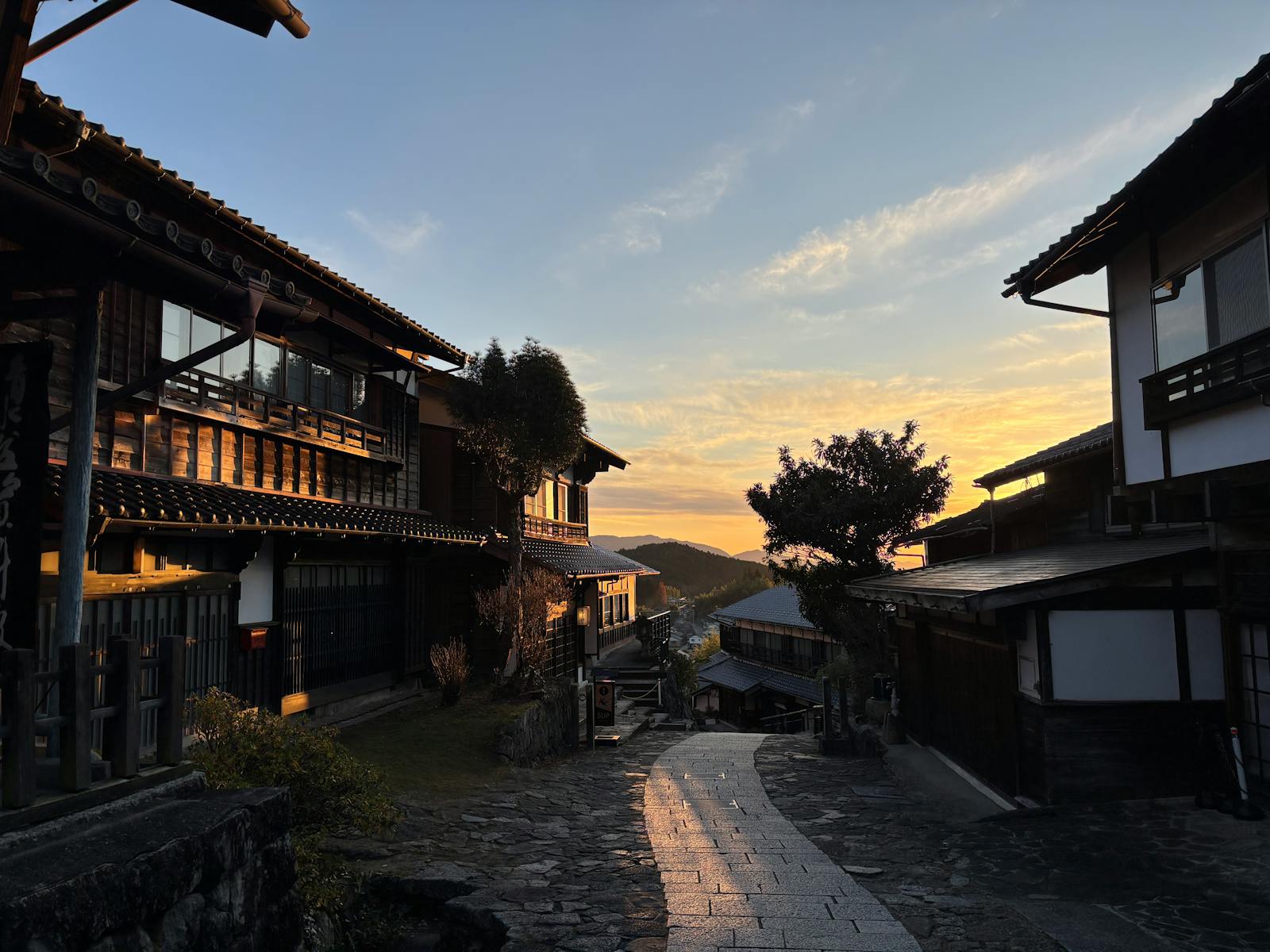
Kurashiki sits quietly between Osaka and Hiroshima in Okayama Prefecture, and despite being one of the most beautiful preserved historic towns in Japan, almost no first-time visitor includes it in their itinerary. They should. The Kurashiki Bikan Historical Quarter (倉敷美観地区) is a 400-meter stretch of canal lined with 300-year-old white-walled rice storehouses, willow trees swaying over still water, stone bridges, and lantern-lit alleys that turn into something close to a dream after sunset. The kura warehouses now house art museums, denim shops, craft stores, and tiny cafes. Spend a day here and you understand why Japanese travelers themselves rate Kurashiki as one of the country’s most romantic destinations.
This guide walks you through everything you need to plan a perfect Kurashiki visit: how to get there from Tokyo, Kyoto, Osaka, or Hiroshima, what to see, where to eat the famous Kurashiki pudding, where to stay inside a converted Edo-era merchant house, the must-visit Ohara Museum (the first Western art museum in Japan), and how to combine Kurashiki with other Okayama and Chugoku gems for a longer trip.
Why Kurashiki Is Worth the Detour
Kurashiki — the name literally means “town of storehouses” — was the rice-trade capital of feudal western Japan during the Edo period (1603–1868). Rice was the de facto currency of the country, and Kurashiki’s strategic position on a river that emptied into the Inland Sea made it a critical depot. The town was placed under direct shogunate control, the canal was dug to move rice barges from the storehouses to the sea, and every wealthy merchant family built another whitewashed warehouse along the water.
Then the railroad came, the rice trade moved, and time stopped. The buildings stayed. By the 1960s the Bikan Quarter was the best-preserved Edo merchant district in Japan, and the local government wisely chose to protect it rather than redevelop it. Today the canal looks substantially the same as it did when a samurai might have walked the cobbled banks. Unlike Kyoto’s Gion or Takayama’s Sanmachi, the Bikan area is small, walkable in 90 minutes, almost entirely free to enter, and beautifully unspoiled. It is the canal town Japan saved.
For a broader sense of where Kurashiki sits in Japan’s preserved-town map, our hidden gems of Japan guide covers ten more destinations like this, and the destinations overview shows the whole country at a glance.
Geography in 60 Seconds
Kurashiki city itself is a modest mid-sized Japanese town of around 475,000 people, but the historic Bikan Quarter occupies a tiny patch — roughly 12 hectares — directly south of Kurashiki Station. From the station’s south exit, walk straight ahead down Kurashiki Chuo-dori for ten minutes and you are at the foot of the canal. The Bikan area is bounded by the willow-lined Kurashiki River canal at its spine, with side streets fanning into Honmachi (more cafes and craft shops to the east) and the small Tsurugata-yama hill to the south, topped by Achi-jinja Shrine.
How to Get to Kurashiki
Kurashiki is staggeringly easy to reach by train — that is one of the reasons it deserves to be on more itineraries.
From Tokyo
Take the Tokaido/Sanyo Shinkansen Nozomi from Tokyo Station to Okayama. Journey time is about 3 hours 15 minutes. Standard one-way fare: ¥17,660 (about US$120). From Okayama Station, transfer to the JR Sanyo Line local train to Kurashiki — 15 minutes, ¥330 (US$2.30). With a JR Pass, the entire journey is free of additional fare except for the Nozomi reservation surcharge (the Pass does not cover Nozomi; use the slightly slower Hikari or Sakura).
From Kyoto and Osaka
From Kyoto, the Sanyo Shinkansen Nozomi or Sakura runs in 1 hour 5 minutes to Okayama, then 15 minutes on local rail to Kurashiki. From Shin-Osaka the same trains run in 50 minutes. Standard fare from Kyoto: ¥11,000 (US$75); from Osaka: ¥10,400 (US$71).
From Hiroshima
Shinkansen Sakura or Hikari from Hiroshima to Okayama: 35 minutes, ¥6,000 (US$41). Then local 15 minutes to Kurashiki.
JR Pass advice
If your itinerary includes Tokyo, Kyoto, Osaka, Hiroshima, and Kurashiki, the standard 7-day JR Pass is almost always worth it. A deeper analysis with prices and break-even points is in our JR Pass worth-it guide, and for the actual mechanics of using bullet trains, the Japan Shinkansen guide is a useful primer.
If you are flying in via Tokyo and need a smooth landing-to-train transfer, book an airport private transfer to your hotel so you can preserve energy for the long Shinkansen ride. Book airport transfer with NearMe →
The Bikan Historical Quarter: A Walking Tour
Pull up a mental map and start at the foot of Chuo-dori, where the modern shopping street meets the historic canal. The recommended direction is anti-clockwise — west along the south bank, across the Imahashi stone bridge, and back east along the north bank.
Imahashi Bridge and the Postcard View
The first arched stone bridge you reach is the most photographed spot in Kurashiki. From its high point you look down the willow-shaded canal toward the Ohara Museum, with traditional black-tile-roofed merchant houses leaning over the water. Boatmen in conical sedge hats pole long flat-bottomed barges underneath. If you arrive at dawn in early summer when the willows are at their lushest, you will agree this is the prettiest canal scene in Japan.
Canal Boat Ride
The Kurashikikan boat office sells tickets for a 20-minute canal cruise: ¥700 (US$5) adult, ¥300 (US$2) child. Boats run 9:30 a.m. to 5 p.m., weather depending, with a winter break from December to mid-February. You glide under three stone bridges as the boatman explains the merchant history in Japanese — they will hand you a printed English summary if asked. The angle from water level is dramatically different from the bridges above and well worth the small fare. Buy tickets at the kiosk right by the boat dock; reservations are not accepted, and queues form on weekends.
Ohara Museum of Art
Just over the Imahashi Bridge stands what looks like a small Greek temple plonked impossibly in the middle of Edo Japan. This is the Ohara Museum of Art (大原美術館), founded in 1930 by local textile magnate Magosaburo Ohara as the first museum of Western art in Japan. The collection is staggering for a town this size: El Greco’s The Annunciation, Monet’s Water Lilies, Gauguin, Cezanne, Matisse, Picasso, Rodin’s The Calais Burghers on the front lawn. There are also adjoining halls of modern Japanese painting, Asian craft, and East Asian antiquities.
Entry: ¥2,000 (US$14) adult, ¥500 (US$3.50) high school students, free for elementary and junior high. Closed Mondays (except summer and autumn special openings). Allow at least 90 minutes; serious art lovers can spend half a day. The garden alone, with its Henry Moore sculpture and pond, is exceptional.
Ivy Square
A 10-minute walk east of the canal, Ivy Square is a converted brick textile mill from 1889 — the Kurabo Cotton Mill, once the largest spinning operation in western Japan. The factory closed and was reborn as a complex of red-brick galleries, a hotel, a craft shop, a cafe, and museums about the founding family and the original Kurashiki textile industry. The contrast between the white-walled Edo storehouses by the canal and the red-brick Meiji-era industrial architecture here tells the story of Kurashiki’s two great economic ages. Free to enter, with paid museum sections.
Achi-jinja Shrine and Tsurugata-yama
For the elevated view of the canal, climb the short path up Tsurugata-yama from behind Ivy Square. Roughly 10 minutes of moderate stairs and you arrive at Achi-jinja, a small shrine surrounded by a famous wisteria arbor that explodes in violet bloom in late April and early May. From the lookout the entire Bikan district spreads below you in tile-roofed waves. Sunset here is one of Kurashiki’s better-kept secrets.
Honmachi and Higashimachi Lanes
Cross the canal and walk east through the Honmachi neighborhood and you find another fifteen blocks of preserved merchant streets, with significantly fewer tourists than the canal itself. This is where the best independent craft shops, indigo-dyed textile makers, and small ceramic studios cluster. Take an unhurried hour here.
The Famous Kurashiki Pudding (And the Rest of the Food)
Kurashiki has quietly built a serious food scene around its tourism boom, and a few items have become genuine pilgrimage objects.
Kurashiki Purin (倉敷プリン)
The custard pudding sold at the small Kurashiki Purin shop just off the canal is the dessert that turned a generation of Japanese Instagram users into Kurashiki visitors. It is small (about ¥520 / US$3.50), heavy, jiggly, served in a glass jar, and topped with very bitter caramel. The texture is closer to crème caramel than to commercial pudding. Yes, it is worth standing in line for. Queues on weekends can hit 30 minutes; weekday mornings before 11 a.m. are calm.
El Greco Cafe
Directly opposite the Ohara Museum, in a 1909 ivy-covered merchant building, sits El Greco — the most famous coffee house in Kurashiki. It has been pouring siphon-brewed coffee since the 1950s and the dark wooden interior, the brass bell on the door, and the formal-but-warm service feel unchanged. A coffee is ¥600 (US$4), the cheesecake ¥600. Worth the visit purely for the atmosphere.
Mt. Mama Demitasse Coffee
An unexpected gem just east of the canal serving exceptional pour-over and the local Okayama dessert called “shiroku” — white-bean rice cakes. Coffee from ¥550 (US$3.80).
Sansaiken
For a sit-down lunch, this old-Kyoto-style restaurant on the Honmachi side serves Bikan-area kaiseki for around ¥3,500 (US$24) at lunch. Reservations recommended on weekends.
Okayama Specialties
Kurashiki sits in Okayama Prefecture, which is famous for white peaches (best from late June through August — a single perfect peach can cost ¥1,000 / US$7), pione muscat grapes (similar price, similar quality), Bizen pottery, and barazushi — a colorful scattered sushi with vegetables and seafood layered over rice. Try barazushi at Tachiya or one of the Bikan-area restaurants that specialise in the dish.
For broader food context across Japan, our Japan street food guide covers what to look for in every prefecture, and the Japan food experiences guide goes deeper on the dining rituals you will encounter.
The Denim Story: Kurashiki and Kojima
Kurashiki, and especially the neighboring district of Kojima (a 25-minute train ride south), is the birthplace of Japanese denim. Domestically-made denim was first produced in Kojima in 1965, and the area still produces some of the most respected raw denim and selvedge fabrics in the world. Brands such as Momotaro, Pure Blue Japan, Japan Blue, and the legendary Big John all originate here.
In the Bikan Quarter you will find dozens of denim shops selling jeans, jackets, aprons, bags, and even denim ice cream (yes, the cone is dyed blue with indigo). On Honmachi, the Kurashiki Denim Street has the largest concentration of artisan denim makers in one short alley.
If you have time, take the 25-minute JR Seto-Ohashi Line train from Kurashiki to Kojima Station and walk the Kojima Jeans Street — a kilometer of denim shops, denim cafes, and even denim-themed manhole covers. Jeans here run from ¥15,000 to ¥80,000 (US$100 to US$550) depending on weight, weave, and prestige of the workshop. Most shops ship internationally and offer custom hemming.
Where to Stay
The single best decision a Kurashiki visitor can make is to stay overnight inside the Bikan Quarter itself. The day-trippers leave around 5 p.m., the area empties out, the lanterns come on along the canal, and you have a 300-year-old town almost to yourself. Sunrise is even better — the boatmen sweeping the dock, mist rising from the water, no one else around.
Inside the Bikan Quarter
The Ryokan Kurashiki, a converted 250-year-old merchant residence and sake brewery, is the iconic stay. Tatami suites, garden views, exquisite kaiseki dinners. From ¥45,000 (US$310) per person per night with two meals.
The Kurashiki Ivy Square Hotel, inside the brick textile complex, is a more affordable mid-range option. Rooms in the historic factory shell from ¥10,000 (US$70) per person.
Several small guesthouses have opened in restored kura warehouses, offering single-room private stays for two from around ¥18,000 (US$125) — a magical “stay inside a 250-year-old building” experience without the kaiseki price tag.
Near Kurashiki Station
If the historic-stay budget is out of reach, the Mitsui Garden Hotel, Dormy Inn Kurashiki, and APA Hotel near the station all run between ¥8,000 and ¥15,000 (US$55–$105) per night and are a flat 10-minute walk to the canal.
Whichever bracket fits, book early — Kurashiki rooms inside the Bikan area are limited and sell out months ahead during cherry blossom season and golden week. Book your hotel on Agoda (Best prices guaranteed) → For luxury ryokan with kaiseki dinners, find luxury hotels on Ikyu.com →
If you would rather build the trip as a full package with Kurashiki plus other Okayama and Setouchi stops, the JTB Japan tours desk often has shoulder-season multi-night Setouchi packages including Kurashiki, Naoshima, and Onomichi. Book Japan tours and hotels on JTB →
Day Trips from Kurashiki
If you base yourself in Kurashiki for two nights, the area gives access to some of Japan’s most underrated destinations. The Sanyo and Seto-Ohashi rail lines make day trips easy.
Naoshima Art Island
The world-famous contemporary art island is reachable as a long day trip from Kurashiki: bus or train to Uno Port (40 minutes), ferry to Naoshima (20 minutes, ¥300 / US$2). On Naoshima you can visit the Chichu Art Museum (architect Tadao Ando, hosting Monet, James Turrell, Walter De Maria), the Benesse House, the iconic yellow Yayoi Kusama pumpkin on the pier, and the village houses converted into art installations. A full guide is in our Naoshima guide.
Okayama and Korakuen Garden
Twenty minutes north by train, Okayama Castle and Korakuen Garden (one of the Three Great Gardens of Japan) make a half-day trip. Korakuen is the largest of the three and the most varied — open lawns, plum and cherry groves, tea plantations, and a small crane sanctuary.
Bitchu Matsuyama Castle
One hour north by train, this is Japan’s highest original castle (at 430 meters elevation) and one of only twelve surviving original castles. A famous sea of clouds occasionally settles below the keep in autumn dawns. Tough hike up, breathtaking view.
Onomichi and the Shimanami Kaido
Onomichi, the temple-strewn hill town just over the Hiroshima border, is 90 minutes by train. Cyclists use Onomichi as the starting point of the Shimanami Kaido, the 70-kilometer bridge route across six islands of the Inland Sea to Imabari in Ehime. Both have dedicated guides: our Onomichi guide and the Shimanami Kaido cycling guide.
Best Time to Visit Kurashiki
Kurashiki is a year-round destination, but the canal and willows reward seasonal timing.
Late March to early April (cherry blossom): Cherry trees line the canal and the Tsurugata-yama hill. Hanami picnics under the trees are smaller and quieter than in Kyoto. Expect peak crowds.
Late April to early May (wisteria and golden week): Achi-jinja’s wisteria arbor blooms. Golden Week brings the year’s biggest domestic-tourism crush — accommodation is at maximum prices.
June–July (willow lush, peach season): The willows are at their thickest and greenest. Okayama peaches start arriving at fruit shops. Rainy season covers part of June; check the forecast.
August (summer): Hot and humid. Evening lantern lighting along the canal is at its prettiest. The Kurashiki Tenryo Summer Festival features fireworks and traditional dance.
October–November (autumn foliage): Maple trees on Tsurugata-yama turn red and orange. Wisteria leaves drop. Perfect weather for the long Kojima Jeans Street walk.
December–February (winter): The canal boat is paused, but the Bikan area is at its quietest, sometimes dusted with snow. The Ohara Museum is exquisite without crowds. The whole town feels like it belongs to you.
For a deeper seasonal calendar, see our best time to visit Japan guide.
Sample 1-Day Kurashiki Itinerary
If you can spare only a day, here is how to make it count.
8:00 a.m. — Arrive on the early Shinkansen from Osaka or Kyoto. Drop bags in a Kurashiki Station locker (¥400–¥700).
8:30 a.m. — Walk down Chuo-dori to the canal. Photograph the empty Imahashi Bridge before the crowds arrive.
9:00 a.m. — Canal boat ride (¥700).
9:45 a.m. — Ohara Museum of Art (allow 90 minutes; ¥2,000).
11:30 a.m. — Coffee and cheesecake at El Greco Cafe.
12:30 p.m. — Lunch at one of the Honmachi craft cafes — try barazushi at Tachiya.
2:00 p.m. — Climb Tsurugata-yama to Achi-jinja for the canal panorama.
3:00 p.m. — Ivy Square and the textile museum.
4:00 p.m. — Kurashiki Purin and a stroll through the denim shops.
5:30 p.m. — Lanterns light up. Walk the canal one final time.
6:30 p.m. — Dinner at Ryokan Kurashiki (book ahead) or one of the small canal-side restaurants.
8:30 p.m. — Last Shinkansen back. The Bikan Quarter without daytime tourists is the magic ending.
Sample 2-Day Itinerary (Strongly Recommended)
Day 1: Bikan Quarter, canal boat, Ohara Museum, Ivy Square. Stay overnight in a Bikan ryokan or guesthouse. Evening walk along the lantern-lit canal.
Day 2: Morning train to Naoshima for the art islands, or to Bitchu Matsuyama Castle for the mountain-top fortress. Return for a final canal sunset.
Practical Tips for First-Timers
- Bring an eSIM and use Google Maps. Kurashiki signage is bilingual in the Bikan area but mostly Japanese elsewhere. Get your Japan eSIM (Stay connected from day 1) →
- Use the Kurashiki Station coin lockers. ¥400–¥700 per day. The whole Bikan walk is a 90-minute affair and you do not want luggage.
- Most museums close on Mondays. Including the Ohara. Plan accordingly.
- Cash is more important here than in big cities. Many small denim shops, family restaurants, and food stalls are cash-only. Bring ¥10,000–¥20,000 per day.
- Walk in the early morning and evening. The canal is most beautiful when the day-trippers from Okayama have left. Stay overnight if you possibly can.
- Photography is welcomed in the canal area, but be respectful inside private gardens, museums, and craft workshops.
- The kura warehouses are working buildings, not movie sets. Many are private homes — admire from the street, do not peek through doors.
- Buy denim in Kojima if you can. The shops there have wider selections and better prices than the Bikan Quarter tourist shops.
- Try the canal at night. The black-tile rooftops and white walls under warm lantern light are unlike anywhere else in Japan.
- Carry a small umbrella. The Kurashiki canal area has almost no covered walkways.
The Kurashiki Pass and Other Deals
The local tourist office at Kurashiki Station sells the Kurashiki Bikan Pass (¥2,500 / US$17), which combines the Ohara Museum, the canal boat, the Folk Art Museum, the Archaeological Museum, and the Sanyo Newspaper Museum. If you intend to visit at least three of these, the pass pays for itself.
JR West also runs the Setouchi Area Pass (¥17,000 / US$117 for 5 days), covering most rail in the Hiroshima, Okayama, and Kagawa region, including the bullet trains. If your trip is focused on western Honshu and Shikoku, this can be a better deal than the all-Japan JR Pass.
For budget-focused travelers, our budget travel Japan guide covers other ways to save on transport, food, and hotels.
Hidden Corners of Kurashiki
Once you have done the headline sights, a few quieter spots reward exploration.
Kurashiki Museum of Folk-Craft (Mingeikan)
Founded in 1948 inside four converted rice warehouses, this museum houses a stunning collection of Japanese folk pottery, textiles, and woodwork, plus objects from Korea, China, and even Europe. Smaller and quieter than the Ohara, but for craft lovers arguably more interesting. ¥1,200 (US$8). Closed Mondays.
Hayashi-Genjuro-Shoten
One of the original Edo merchant houses, partially open to the public, showing the inside of a working rice-trade household. Free entry to the entrance hall and ¥500 for the garden and inner rooms.
Achi-jinja Wisteria
One of the oldest wisteria trees in Japan grows in the shrine grounds, with branches said to date back 300 years. In bloom for two weeks in late April / early May.
Kurashiki Tivoli Park area
The old Tivoli amusement park closed in 2008, but the surrounding lake and quiet residential streets behind Kurashiki Station are nice for a slow stroll if you have an extra half-day.
Bichu Kokubun-ji Temple and Mount Tsukuriyama
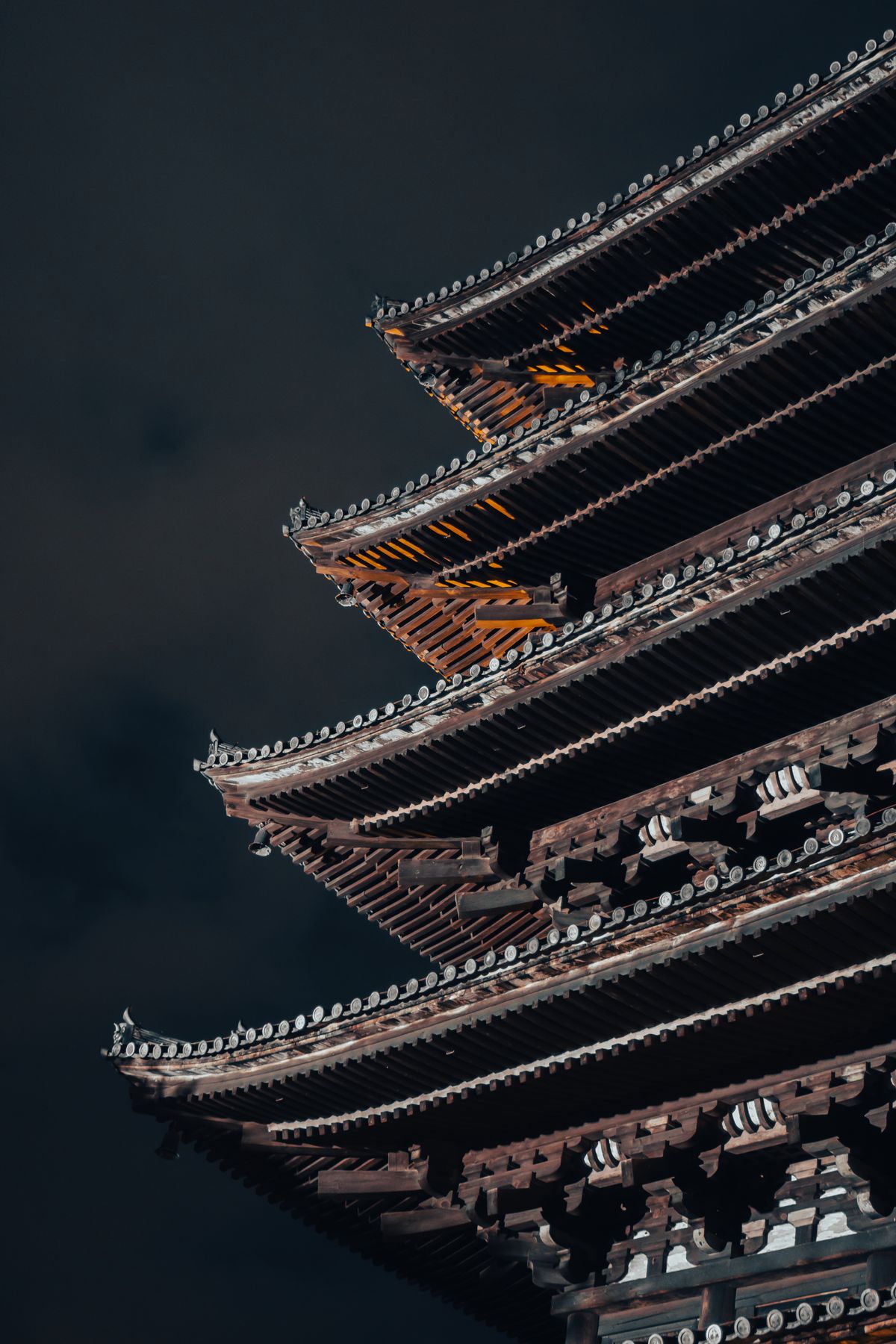
Twenty minutes west by train, this five-story pagoda surrounded by mustard fields and rice paddies is one of the most-photographed countryside scenes in western Japan. The nearby Tsukuriyama burial mound is the fourth largest in the country.
How Much Does a Day in Kurashiki Cost?
Honest numbers for one person doing this guide’s full one-day plan.
Local trains (round trip from Okayama): ¥660 (US$5)
Coin locker: ¥500 (US$3.50)
Canal boat: ¥700 (US$5)
Ohara Museum: ¥2,000 (US$14)
Lunch (barazushi set): ¥1,800 (US$12)
Coffee + cake at El Greco: ¥1,200 (US$8)
Kurashiki pudding: ¥520 (US$3.50)
Evening kaiseki at a Bikan restaurant: ¥6,000 (US$41)
Souvenir (small denim item): ¥3,500 (US$24)
Daily total: roughly ¥16,880 (US$116), not counting accommodation. A frugal version (convenience-store breakfast, no Ohara, no boat, ramen lunch) brings the day to about ¥5,000 (US$34).
If you would rather have the lodging covered with a discount package, search hotel deals on Yahoo! Travel → or compare prices at Airtrip hotel deals →.
Etiquette Notes
Kurashiki is a tourist town, but it is also somebody’s home — many of the kura warehouses are owned by families that have lived in them for generations. A few small courtesies that go a long way.
- Lower your voice. The Bikan area is small and the canal echoes. A whisper in a tour group sounds like a shout to the family in the shop next door.
- Take off your shoes in any traditional building you enter that has a wooden step at the door. Slippers are usually provided.
- Do not pose on private bridges. A few of the smaller bridges are part of merchant residences, marked with a chain or a small sign.
- No tripods on the canal-side walkways during business hours. Early morning or evening are fine; midday they block foot traffic.
- Cash gifts in shrines. A ¥5 coin (the lucky go-en) is plenty. There is no need to overpay.
- No tipping. Anywhere in Japan, including Kurashiki.
For broader cultural context, our Japan travel tips for first-timers covers everything from train manners to bathhouse rules.
Combining Kurashiki with a Wider Trip
The smartest way to use Kurashiki is as a slow middle-stop on a Tokyo-to-Hiroshima Shinkansen run. Suggested rhythm:
Day 1–3: Tokyo (Shibuya, Harajuku, Asakusa).
Day 4–6: Kyoto (Arashiyama, Gion, Fushimi Inari).
Day 7: Osaka day or night.
Day 8–9: Kurashiki (one overnight inside the Bikan Quarter).
Day 10: Naoshima art island as a day trip.
Day 11–12: Hiroshima and Miyajima.
Day 13–14: Return via Osaka or Tokyo.
Kurashiki sits exactly where the trip would otherwise turn into another evening in a chain hotel near a Shinkansen station. Stepping off here, even for one night, transforms the rhythm of the trip and gives you something nobody else’s social feed will have.
Frequently Asked Questions
How long do you need in Kurashiki?
A day trip is enough to see the headline sights, but one overnight is dramatically better. The Bikan Quarter empties in the evening and the canal under lantern light is the real reason to come. Two nights gives you time for Naoshima or Bitchu Matsuyama Castle as a day trip.
Is Kurashiki worth visiting?
Yes — especially if you are tired of Kyoto’s crowds. The Bikan Quarter is one of the best-preserved historic merchant districts in Japan, the Ohara Museum is internationally significant, and the food and craft shops are first-rate. Locals consistently rank Kurashiki in their top-five domestic destinations.
Can I visit Kurashiki as a day trip from Osaka or Kyoto?
Yes. Shin-Osaka to Kurashiki is about 1 hour 5 minutes plus a 15-minute local train. Kyoto adds 15 minutes. A leisurely day trip from either is comfortable.
What is the famous Kurashiki pudding (purin)?
A small, heavy, jiggly custard pudding topped with bitter caramel, sold in a glass jar from a tiny shop near the canal. ¥520 (US$3.50). Lines on weekends can hit 30 minutes; weekday mornings are calm.
Is the Ohara Museum worth the entry fee?
Yes. It contains genuine El Greco, Monet, Gauguin, Picasso, Rodin, and other major works — extraordinary for a museum of this size, and the building itself (a 1930 neoclassical pavilion plonked in a 17th-century canal town) is part of the story. ¥2,000 is fair.
Can you walk the Bikan Quarter at night?
Yes — and you should. The lanterns come on around sunset, the day-trippers leave, and the canal is at its most cinematic. Some museums close, but the streets, the shrine on the hill, and most cafes are open until 8 or 9 p.m.
How do I get from Kurashiki to Naoshima art island?
Local JR train from Kurashiki to Chayamachi, transfer to the Uno Line to Uno Port (total 50 minutes). From Uno Port, ferries to Naoshima run every 30–60 minutes, 20 minutes, ¥300 (US$2).
Is Kurashiki good for families with kids?
Surprisingly yes. The canal boat is a hit with kids, the denim ice cream is fun, the Folk-Craft Museum has approachable exhibits, Ivy Square has open lawns to run, and the wider streets make stroller navigation easier than in many Japanese historic towns.
Can I rent a kimono in Kurashiki?
Yes. A couple of small kimono-rental shops operate near the canal, with full rentals from around ¥4,000 (US$28) for the day including dressing. Walking the canal in kimono is a popular Japanese-tourist experience and tourists are welcome to join in.
What if I do not speak Japanese?
Kurashiki’s main museums, the canal boat, and most Bikan-area restaurants have English signage and menus. Outside the Bikan, English is patchier but Google Translate (camera mode) handles 95% of practical situations. A working eSIM is essential.
Is there a Kurashiki-Naoshima-Onomichi pass?
The Setouchi Area Pass (JR West) covers all three plus most of western Honshu’s rail network for ¥17,000 (US$117) for 5 days. Useful if you are doing the wider Setouchi region.
The History You Are Walking Through
Most visitors enjoy Kurashiki without much sense of what they are looking at. A small amount of context dramatically deepens the experience.
In 1642, after a string of feudal mismanagements, the Tokugawa shogunate placed Kurashiki under direct shogunate control as a tenryo — a district reporting straight to Edo rather than to a local daimyo. This was a privileged status. It freed the town from the politics of regional warlords, gave it stable government, and let it focus on the rice trade. Within a generation, Kurashiki was one of the most prosperous merchant settlements in western Japan.
The canal you walk along today was dug to allow flat-bottomed rice barges to reach the coastal port at modern-day Tamashima. As soon as the canal was finished, rich merchants began building the white-plastered storehouses — kura — that still line the water. The white plaster (shikkui) was fireproof, the black tiled roofs shed rain, the high foundation stones kept rice dry above floods. Every architectural choice you photograph was a practical decision by a merchant in a hat protecting his investment.
In 1888, the rice trade was already in decline when Magosaburo Ohara’s grandfather founded the Kurashiki Cotton Spinning Company in what is now Ivy Square. The factory pulled Kurashiki into the industrial age. Magosaburo himself, decades later, used the family fortune to fund painter Kojima Torajiro’s grand tour of Europe and to buy the Western masterpieces that became the Ohara Museum collection. The same family wealth that built the storehouses you photograph also funded the El Greco you stand in front of inside.
That continuity — a merchant fortune passed through the rice trade, the cotton trade, the art world, and now the tourism economy — is rare in Japan. Most preserved towns trade on a single historical moment. Kurashiki has 400 years of layered economic history visible from the same canal-side viewpoint.
Photography Notes
If you are serious about your photos, Kurashiki rewards a few specific tactical decisions.
Sunrise (6–7 a.m.): The most reliable Bikan light. Side-lit white walls, glassy reflective canal water, no other tourists. The Imahashi Bridge view down the canal toward the Ohara is the postcard.
Blue hour (15 minutes after sunset): Lanterns are on, sky is still deep blue, white walls glow. The shutter window is short — maybe 25 minutes — so scout your spot in advance.
Achi-jinja viewpoint: Best at sunset, looking west over the canal. The rooftops glow gold. Carry a wide lens.
Rain: Often considered the worst weather, but actually a great photographic gift. Wet stone glistens, reflections double the image, the crowds disappear. Bring a waterproof and embrace it.
Cherry blossom and wisteria: Mid-season the canal becomes pink and the shrine grounds become violet. Both very photogenic, both very crowded — arrive before 8 a.m.
Avoid the midday sun (11 a.m.–2 p.m.). The white walls flatten under harsh overhead light and the canal becomes a glare. Use this window for indoor museums and coffee shops instead.
Local Crafts to Bring Home
Kurashiki and the broader Okayama region produce several genuinely impressive crafts. A short list of what to look for in the Bikan shops.
Okayama denim and selvedge jeans: Look for the Momotaro, Pure Blue Japan, and Japan Blue labels. From ¥18,000 (US$125) for entry-level pairs to ¥80,000 (US$550) for hand-loomed indigo selvedge. Most workshops will hem to size while you wait.
Bizen pottery (Bizen-yaki): Made in the nearby town of Imbe, an unglazed reddish-brown stoneware fired with pine ash for unpredictable surface patterns. A small sake cup runs ¥3,000–¥8,000 (US$20–$55). The texture is unmistakable.
Igusa woven mats and slippers: Okayama produces much of the country’s igusa rush grass, used in tatami mats and slippers. A pair of igusa slippers costs around ¥2,000 (US$14) and feels wonderful on summer feet.
Kurashiki canvas bags: Several local makers turn factory canvas (a byproduct of the original textile mills) into elegant minimalist totes and shoulder bags. Hayashibara Kurashiki Honten is the established shop. From ¥4,500 (US$31).
Local sweets: Kibi-dango (Okayama millet dumplings, the traditional gift of Momotaro the Peach Boy), white-peach jelly cups, and seasonal wagashi tied to local fruit.
Most Bikan shops offer tax-free purchasing with a passport on totals above ¥5,500.
A Note on Kurashiki During Big Holidays
The town is small. During Golden Week (late April – early May), Obon (mid-August), and the New Year period (December 30 – January 3), the Bikan area can feel uncomfortably crowded between 11 a.m. and 4 p.m. If your trip falls during these dates, three coping strategies work well: stay overnight (you have the canal to yourself before and after the crowds), arrive at 8 a.m. and finish the headline sights by 11, or pivot to Kojima Jeans Street or Bitchu Matsuyama Castle on the busiest afternoon. The shoulders of these holidays — the day before and the day after — are usually fine.
Final Word
Kurashiki is the canal town Japan saved. The white walls have held since the Edo period, the willows still sway, and the boatmen still pole their flat-bottomed barges under the same stone bridges. The Ohara Museum brought European masters here a hundred years ago and they have not left. The denim industry brought workshop craft. The pudding shops brought Instagram. None of it has fundamentally changed the rhythm of the place.
Visit on a weekday morning, eat the pudding, stand on the Imahashi Bridge, walk the back streets of Honmachi, climb the hill at sunset, and stay one night in a 250-year-old merchant house. You will leave wondering why nobody told you about Kurashiki sooner. Now you know — pass it on.
Going to Japan? Talk to locals with confidence.
Hirameki Japanese — instant offline translation, camera translation, furigana + romaji, and 314 free flashcards. No login. Works without internet.

Plan your Japan trip
Two things every first-timer should book
Some links are affiliate links. If you book through them we may earn a small commission at no extra cost to you.