Tucked away on the shore of a tranquil lagoon in San’in, the quiet half of Japan’s Chugoku region, Matsue is one of those rare Japanese cities that most first-time visitors have never heard of — and that is precisely its charm. While the bullet-train crowds funnel toward Tokyo, Kyoto, and Osaka, Matsue sits serenely beside Lake Shinji, ringed by water, crowned by one of Japan’s last surviving original castles, and steeped in a gentle, old-world atmosphere that the bigger cities lost long ago. The writer Lafcadio Hearn, who arrived here in 1890 and fell so deeply in love that he became a Japanese citizen, called it a place of “delicate beauty.” More than a century later, that description still fits.
This guide is written for complete first-timers to Japan who want to step off the well-trodden Golden Route and experience a castle town that feels authentically lived-in rather than staged for tourists. You will find everything you need: how to get here and what it costs in both yen and US dollars, what to see and eat, where to stay, how to plan day trips to the sacred shrine of Izumo, and a full FAQ to answer the questions everyone asks before they go. Matsue rewards slow travel, so settle in — by the end of this article you will understand why locals call it the “City of Water.”
Why Visit Matsue?
Matsue is the capital of Shimane Prefecture, a long, narrow region that hugs the Sea of Japan coast in the country’s southwest. It is genuinely off the beaten path: Shimane is one of Japan’s least-visited prefectures, which means you can wander its streets, gardens, and castle grounds without the crushing crowds you will encounter at comparable sites in Kyoto. For travelers who have done the big cities and want to see a quieter, more contemplative side of Japan, Matsue is a revelation.
The city’s identity is built around water. It sits on a thin strip of land between Lake Shinji to the west and the Nakaumi lagoon to the east, with the Ohashi River threading through its center and a moat encircling the castle. Boats still ply the old waterways, and the light off the lake at dusk produces sunsets so famous that the local tourism board officially ranks the best viewing spots. Add to this a perfectly preserved feudal-era castle, a genuine samurai district, world-class gardens within easy reach, and a refined tea-and-sweets culture inherited from an artistic 18th-century lord, and you have a destination that punches far above its size. Matsue is also remarkably compact and walkable, making it ideal for first-timers who may feel daunted by Tokyo’s scale.
How to Get to Matsue
Matsue’s relative isolation is part of its appeal, but it does mean the journey requires a little planning. The good news is that getting here is straightforward once you know your options, and the trip itself — across the mountainous spine of western Japan — is scenic and enjoyable.
By train from Tokyo
The most common rail route is to take the Tokaido-Sanyo Shinkansen from Tokyo Station to Okayama (about 3 hours 15 minutes), then transfer to the limited express Yakumo, which winds through the mountains to Matsue in roughly 2 hours 30 minutes. Total journey time is around 6 hours, and the standard one-way fare is approximately ¥17,000 (about US$110). If you hold a nationwide Japan Rail Pass, the entire route is covered, which makes the pass worth serious consideration for anyone combining Matsue with other long-distance travel.
By train from Kyoto or Osaka
From Osaka or Kyoto, take the Sanyo Shinkansen to Okayama (about 45–60 minutes), then the Yakumo limited express onward to Matsue. Plan for roughly 4 to 4.5 hours total and a fare of around ¥12,000 (about US$78) one way from Osaka.
By air
If you are short on time, flying is the fastest option. Izumo Airport, about 30 minutes from central Matsue by airport bus, receives daily flights from Tokyo’s Haneda Airport (roughly 1 hour 25 minutes in the air). One-way fares vary widely but typically run ¥12,000–¥25,000 (about US$78–US$162) depending on how far in advance you book. Buses connect the airport to Matsue Station and JR Matsue for around ¥1,050 (about US$7).
Getting around once you arrive
Matsue is compact enough to explore largely on foot, but the most enjoyable way to cover the castle district is the Lakeline Bus, a retro-styled loop bus that connects the station with all the major sights for ¥210 per ride or ¥520 (about US$3.40) for an all-day pass. Renting a bicycle is another excellent option for confident riders, as the lakeside paths are flat and pleasant.
Wherever you are coming from, staying connected from the moment you land makes navigation, train bookings, and translation infinitely easier. A travel eSIM is the simplest solution — you install it before you leave home and have data the instant your plane touches down. Get your Japan eSIM (Stay connected from day 1) →
If you fly into a major hub like Tokyo or Osaka before transferring, a private door-to-door airport transfer can take the stress out of arriving jet-lagged with luggage. Book airport transfer with NearMe →
Matsue Castle: One of Japan’s Twelve Original Castles
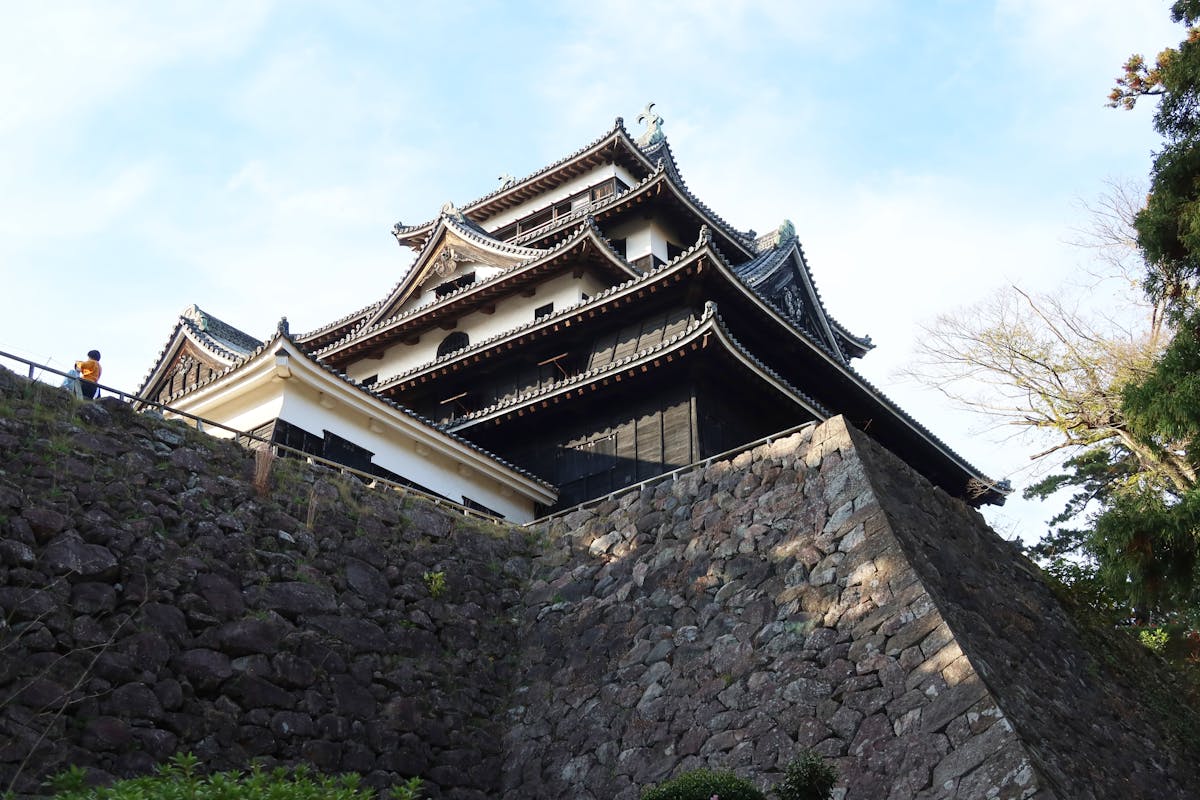
At the heart of the city stands Matsue Castle, the undisputed star of any visit. Completed in 1611, it is one of only twelve castles in all of Japan whose main keep survived intact into the modern era — most of the famous castles you see elsewhere are post-war concrete reconstructions. Matsue’s keep is the real thing: a brooding, black-walled fortress nicknamed the “Black Plover Castle” for its resemblance to a bird with outstretched wings. In 2015 it was designated a National Treasure, the highest cultural honor a building can receive in Japan.
Climbing the steep wooden staircases inside the five-story keep is a genuinely atmospheric experience. The interior is dim and creaky, displaying samurai armor, weapons, and an excellent collection of historical artifacts, and the top floor opens onto a 360-degree panorama of the city, the lake, and the surrounding mountains. Unlike the polished interiors of reconstructed castles, here you feel the weight of four centuries in the worn timber underfoot.
Admission to the keep is ¥680 for adults (about US$4.40), with discounts for students and children, and the castle is open daily from 8:30 a.m. (last entry varies seasonally). Allow at least 90 minutes. Surrounding the keep is a spacious park that bursts into pink during cherry-blossom season, typically late March to early April, when Matsue Castle ranks among the finest blossom-viewing spots in the San’in region.
The Horikawa moat boat cruise
One of Matsue’s signature experiences is the Horikawa Sightseeing Boat, a small covered vessel that glides along the original castle moat and connected canals on a roughly 50-minute loop. The boatmen narrate (in Japanese, but the scenery speaks for itself), and at several low bridges the boat’s roof is lowered and passengers must duck — a charming, slightly comical local ritual. Tickets cost about ¥1,600 (US$10) for an all-day pass that lets you hop on and off. In winter the boats are fitted with heated kotatsu-style tables, making this a cozy cold-weather treat.
Shiomi Nawate: The Samurai District and Lafcadio Hearn
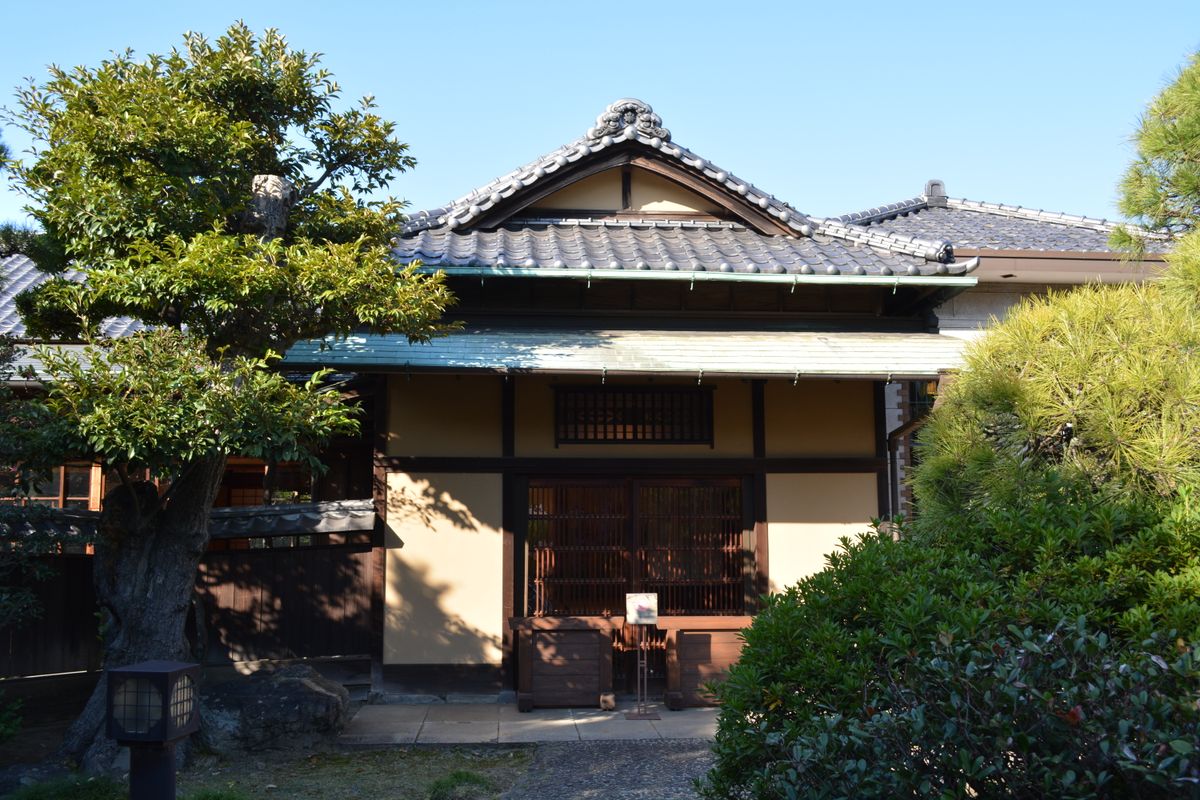
Running along the northern side of the castle moat is Shiomi Nawate, one of the best-preserved samurai streets in Japan and a designated cultural landscape. Shaded by ancient pines and lined with earthen-walled residences, the lane gives a vivid sense of how Matsue’s warrior class lived during the Edo period. It is a short, flat, utterly photogenic stroll, and several of the houses are open to visitors.
The Buke Yashiki samurai residence
The standout is the Buke Yashiki, a well-preserved middle-ranking samurai home dating to 1730. Wandering its tatami rooms, servants’ quarters, and garden, you get an intimate look at the surprisingly austere daily life of a feudal retainer. Admission is around ¥310 (US$2).
The Lafcadio Hearn connection
Shiomi Nawate is also where the Greek-Irish writer Lafcadio Hearn (known in Japan as Koizumi Yakumo) lived briefly in 1891. His former residence, a modest samurai house with a garden he adored, is open to the public, and the adjacent Lafcadio Hearn Memorial Museum tells the story of the foreigner who did more than almost anyone to introduce Japan’s folklore and ghost stories to the Western world. For English-speaking visitors, this is a moving and unexpectedly personal corner of the city. Combined admission to both is roughly ¥600 (US$3.90). Hearn’s writings on Matsue remain some of the most evocative travel literature ever produced about Japan, and standing in his small garden you understand exactly what captivated him.
Lake Shinji and Matsue’s Famous Sunsets
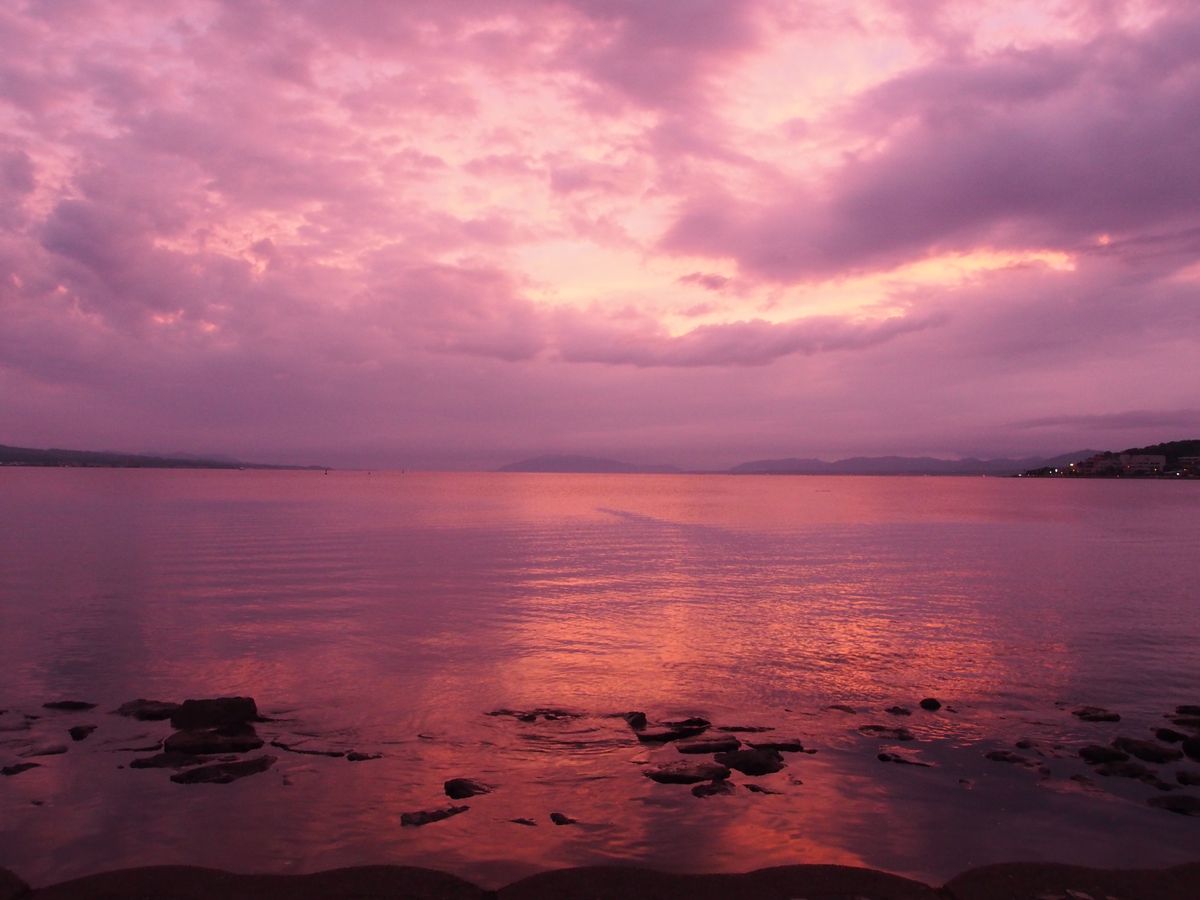
If Matsue Castle is the city’s heart, Lake Shinji is its soul. The seventh-largest lake in Japan, this brackish lagoon stretches west of the city center and is celebrated above all for its sunsets, which have been formally selected among “Japan’s 100 best sunset views.” On a clear evening the entire western sky turns molten orange and pink, silhouetting the tiny pine-clad island of Yomegashima just offshore — a scene so iconic it appears on postcards, tourism posters, and countless local paintings.
The best vantage points are the lakeside promenade near the Shimane Art Museum, whose grounds are designed specifically for sunset viewing; the museum even adjusts its closing time to half an hour after sunset between March and September. Arrive 30–45 minutes before the sun goes down, grab a bench, and watch the light show unfold. It costs nothing and ranks among the most memorable free experiences in all of Japan. Check a sunset-time app or simply ask at your hotel, since timing shifts with the seasons.
Lake Shinji is also a working lake, famous for its seven seasonal delicacies (more on those in the food section below) and for the silhouettes of traditional fishing boats at dawn. A lakeside cycle or an evening stroll here is the perfect way to decompress after a day of sightseeing.
Japanese Gardens: Yuushien and the Adachi Museum
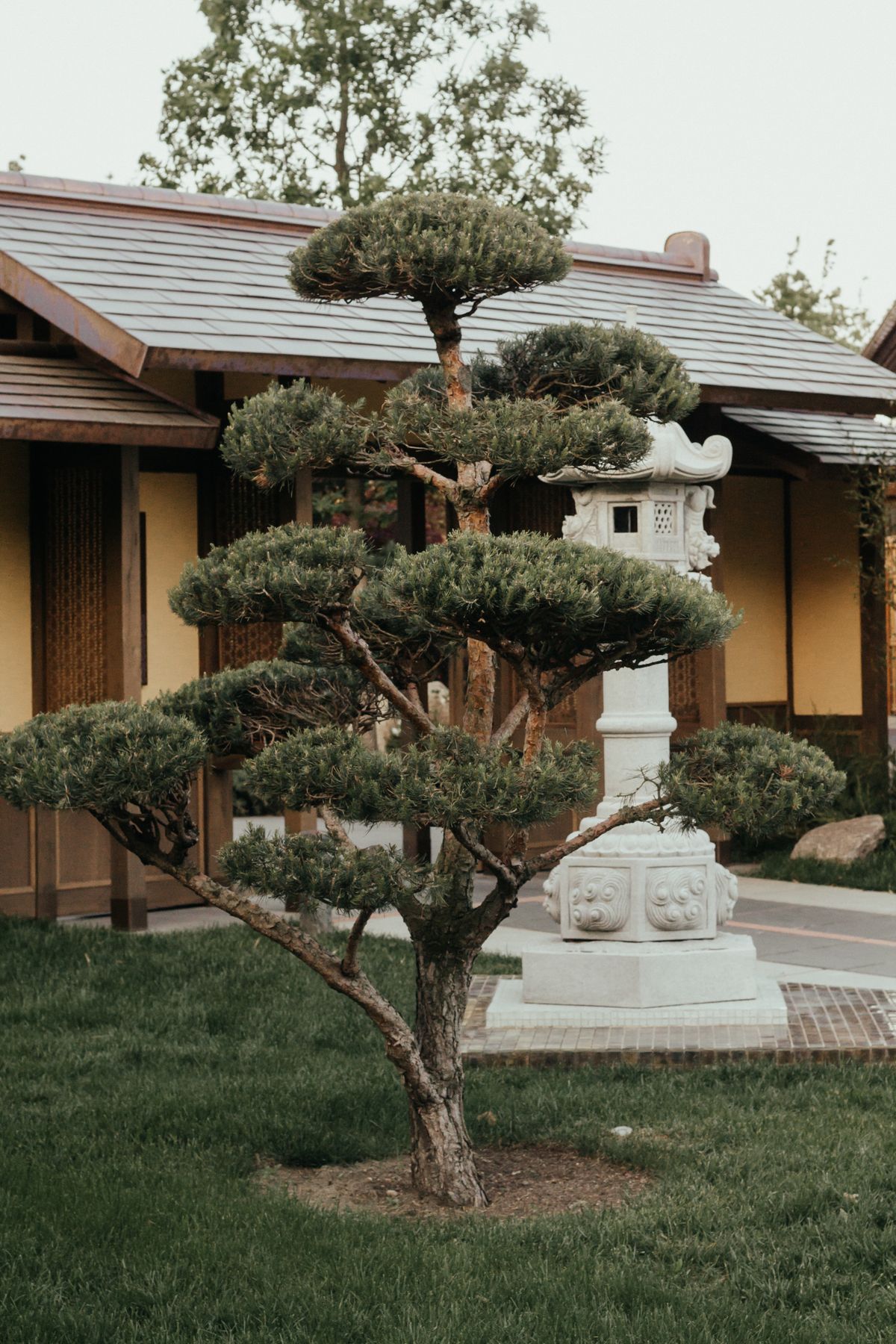
Shimane Prefecture is a garden-lover’s paradise, and two world-class gardens lie within easy reach of Matsue.
The Adachi Museum of Art
About 40 minutes from central Matsue (free shuttle from JR Yasugi Station), the Adachi Museum of Art is home to a garden that has been ranked the number-one Japanese garden in the country by a leading specialist journal for two decades running. The genius here is that the garden is meant to be viewed, not entered — every window of the museum frames it like a living scroll painting, with raked gravel, sculpted pines, and a distant “borrowed scenery” mountain backdrop composed with breathtaking precision. The museum also holds an outstanding collection of modern Japanese paintings. Admission is ¥2,300 (about US$15) for foreign visitors, who receive a discount on presentation of a passport.
Yuushien Garden on Daikonshima
On Daikonshima, an island in the Nakaumi lagoon about 25 minutes from the city, Yuushien is a strolling garden famous for its peonies and ginseng. In spring thousands of peony blooms fill the grounds, and a spectacular indoor hall displays them year-round. Admission ranges from about ¥1,000 to ¥1,500 (US$6.50–US$10) depending on the season. Both gardens reward an unhurried visit and showcase a side of Japanese aesthetics that the crowded temple gardens of Kyoto can rarely deliver in such peace.
Tea Culture and Wagashi: The Legacy of Lord Fumai
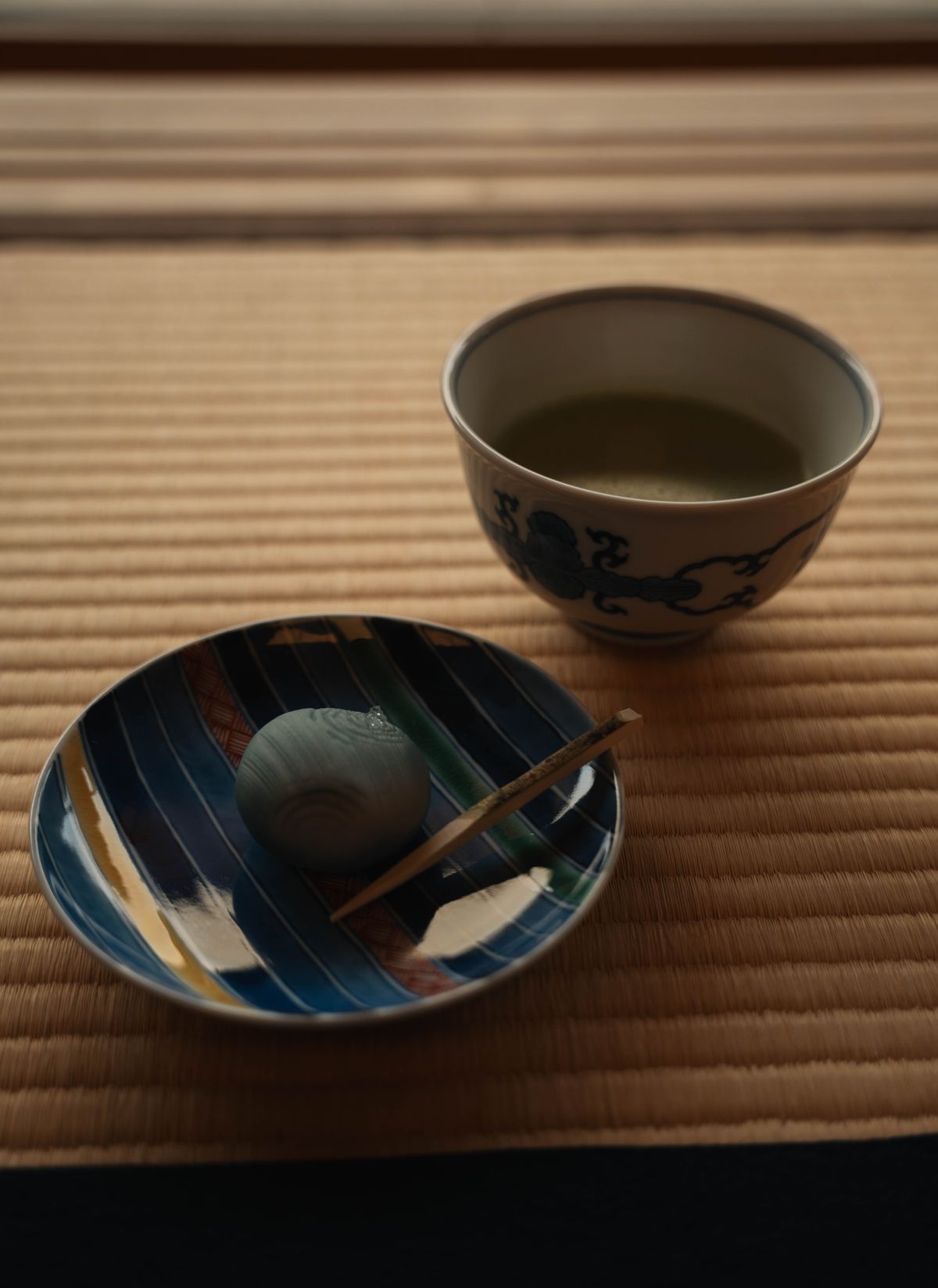
Few first-timers expect it, but Matsue is considered one of the three great tea cultures of Japan, alongside Kyoto and Kanazawa. This refined tradition traces back to Matsudaira Harusato, the seventh lord of Matsue, better known by his tea name Fumai (1751–1818). A devoted master of the tea ceremony, Fumai elevated the practice to an art form across the domain, and his influence still permeates daily life: ordinary Matsue residents drink powdered green tea at home far more than people in most Japanese cities.
Because great tea demands great sweets, Matsue also developed an exquisite wagashi (traditional confectionery) culture. The city’s old sweet shops produce seasonal works of edible art, and sampling them with a bowl of matcha is an essential Matsue experience. Seek out the historic Meimei-an teahouse, a thatched-roof tea hut built in 1779 under Fumai’s direction, where for around ¥600 (US$3.90) you can enjoy a bowl of matcha and a local sweet while gazing over a small garden toward the castle. It is a serene, deeply civilized way to spend an hour and a window into a Japan that values quiet beauty above spectacle.
What to Eat in Matsue: Lake Shinji’s Seven Delicacies
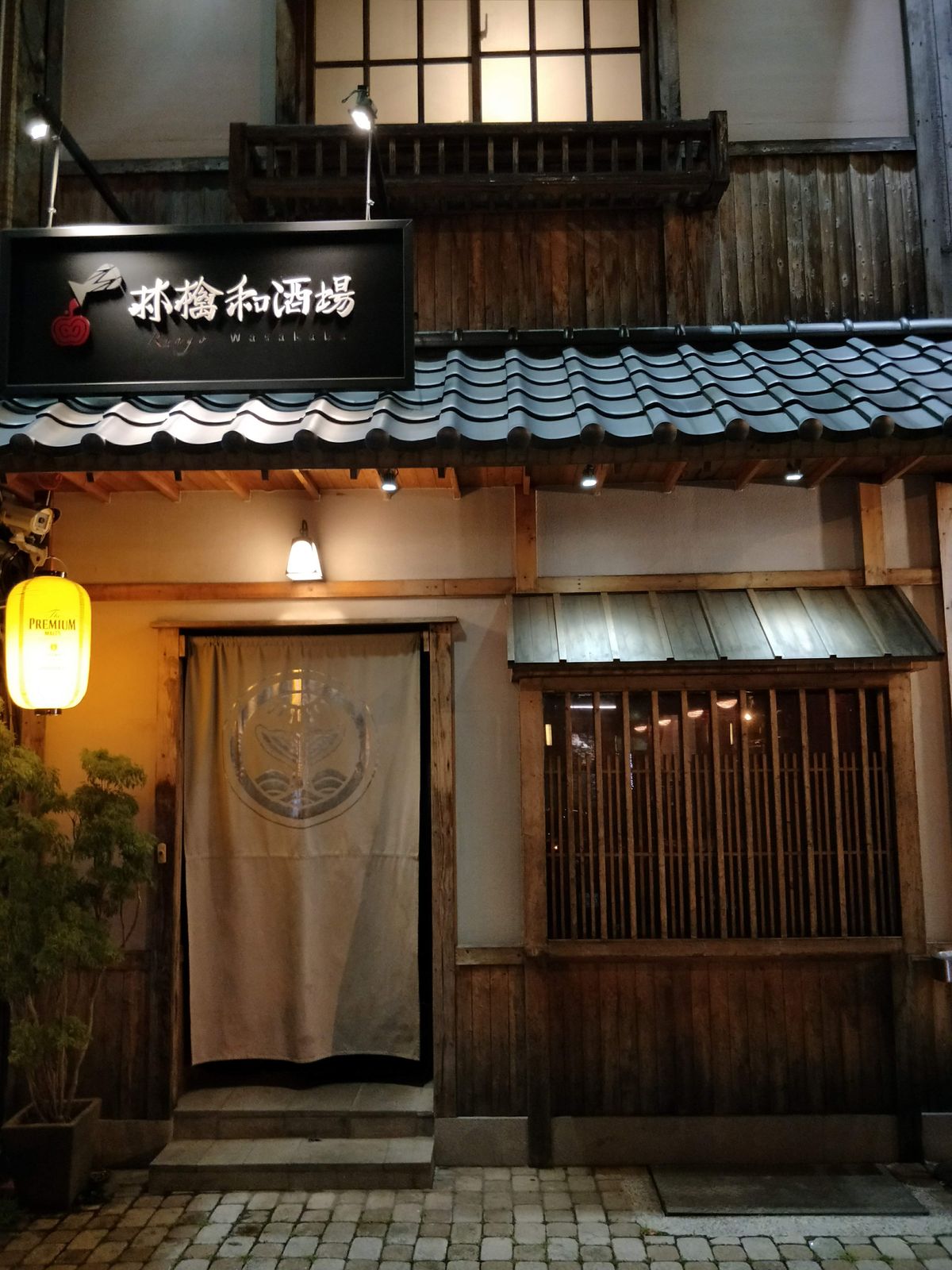
Matsue’s cuisine is defined by Lake Shinji, whose brackish waters yield the famous Shinjiko Shicchin — the “Seven Delicacies of Lake Shinji.” These are seasonal specialties that appear on local menus throughout the year:
- Shijimi clams — tiny freshwater clams served in a savory miso soup, said to be excellent for the liver and a Matsue breakfast staple.
- Suzuki (sea bass) — often prepared as hosho-yaki, wrapped in paper and grilled, a dish associated with Lord Fumai himself.
- Amasagi (pond smelt) — small fish enjoyed tempura-style or simmered.
- Shirauo (whitebait) — delicate translucent fish eaten in spring.
- Koi (carp), Moroge ebi (shrimp), and Unagi (eel) round out the seven.
Beyond the lake’s bounty, do not leave without trying Izumo soba, the region’s signature buckwheat noodles served in distinctive stacked round lacquer bowls called warigo, eaten by pouring dashi directly onto the noodles. For dessert, the wagashi mentioned above are unmissable. Many of the best meals are found in modest family-run izakaya near the station and along the lake, where a satisfying dinner with a drink runs ¥2,500–¥4,000 (US$16–US$26).
Where to Stay in Matsue
Matsue offers a comfortable range of accommodation, from lakeside hotels with sunset views to traditional ryokan in the nearby hot-spring district of Tamatsukuri Onsen, one of Japan’s oldest spa towns just 15 minutes away by train. Staying at a ryokan in Tamatsukuri, with its alkaline “beauty waters” and multi-course kaiseki dinners, is a wonderful way to round out a Matsue trip; expect ¥15,000–¥30,000 (US$98–US$195) per person including two meals. In the city itself, business and mid-range hotels near Matsue Station offer doubles from around ¥8,000–¥14,000 (US$52–US$91) per night.
Because Matsue is a smaller city, the best-value rooms — especially the lakeside and onsen properties — book up early in peak seasons. It pays to compare rates and reserve ahead. Book your hotel on Agoda (Best prices guaranteed) →
For travelers who prefer a more luxurious ryokan experience in Tamatsukuri Onsen, it is also worth checking specialist accommodation sites. Find luxury hotels on Ikyu.com →
Day Trips from Matsue: Izumo Taisha and Beyond
Matsue makes an excellent base for exploring one of Japan’s most spiritually significant regions. The single most important day trip is to Izumo Taisha, about 40 minutes west by train. This is one of the oldest and grandest Shinto shrines in all of Japan, dedicated to Okuninushi, the deity of marriage and good relationships. According to legend, every October the eight million gods of Japan gather here, which is why the rest of the country calls that month “the month without gods” while Izumo alone calls it “the month with gods.” The shrine’s enormous sacred straw ropes (shimenawa) are among the largest in the country and an unforgettable sight. If you are planning your Japan itinerary around shrines and sacred sites, read our dedicated guide to Izumo Taisha before you go.
Other rewarding excursions include the Adachi Museum garden near Yasugi, the peony island of Daikonshima, and the wider San’in coastline. Matsue pairs beautifully with the Chugoku region’s other hidden treasures — if you are continuing your journey, our overview of destinations across Japan can help you map out the next leg, and cycling fans should look at the nearby Shimanami Kaido route described in our Shimanami Kaido cycling guide.
Practical Tips for Visiting Matsue
- Buy the Lakeline Bus day pass (¥520 / US$3.40) if you plan to see the castle, samurai district, and lakeside in one day — it quickly pays for itself and the buses are charming.
- Bring your passport to the Adachi Museum of Art for a foreign-visitor discount, and to other attractions that occasionally offer reductions.
- Time your sunset. Check the day’s sunset time and head to the Shimane Art Museum lawn 30–45 minutes beforehand for the best of Lake Shinji’s famous light.
- Carry some cash. While major hotels and shops take cards, many small restaurants, tea houses, and bus fares are cash-only. Convenience-store ATMs are reliable for withdrawals.
- Consider the San’in–Okayama Area Pass if you are exploring the region by rail without a nationwide pass; it can save money on the Okayama–Matsue corridor.
- Allow at least two nights. Matsue rewards a slower pace; one full day for the city and one for Izumo and the gardens is ideal.
- Pack for variable weather. The San’in coast sees more rain and snow than the Pacific side, so bring layers and a compact umbrella, especially in winter.
- Stay connected. Rural Shimane has good mobile coverage, but signal can dip in the mountains; a reliable data plan makes navigating timetables and reservations far easier. Get your Japan eSIM here →
Frequently Asked Questions About Matsue
How many days do you need in Matsue?
Two days and two nights is the sweet spot. One full day covers the castle, samurai district, Lafcadio Hearn sites, the Horikawa moat boat, and a Lake Shinji sunset, while a second day allows a relaxed trip to Izumo Taisha and one of the great gardens. If you are passing through quickly, you can see the castle and waterfront highlights in a single busy day, but Matsue’s gentle rhythm rewards lingering.
Is Matsue worth visiting for first-time travelers to Japan?
Yes, with one caveat. If your trip is very short (under a week) and it is your first time in Japan, you may want to prioritize Tokyo and Kyoto. But if you have ten days or more, or you are a repeat visitor seeking an authentic, uncrowded castle town, Matsue is one of the most rewarding places in the country — and its compact, walkable scale makes it surprisingly easy for newcomers to navigate.
What is the best time of year to visit Matsue?
Spring (late March to May) brings cherry blossoms to the castle and peonies to Yuushien, while autumn (October–November) offers crisp weather and colorful foliage. Summer is humid but lively with festivals, and winter is quiet and atmospheric, with the cozy heated moat boats and occasional snow dusting the black castle. Sunsets over Lake Shinji are spectacular year-round.
How do I get from Matsue to Izumo Taisha?
The easiest route is the private Ichibata Railway from Matsue Shinjiko Onsen Station to Izumo Taisha-mae, a scenic lakeside ride of about an hour, or a JR train to Izumoshi Station followed by a short bus. Either way, budget around ¥1,000 (US$6.50) each way and a half to full day for the visit.
Is Matsue expensive compared to Tokyo or Kyoto?
Generally no. Accommodation, meals, and attractions in Matsue are noticeably cheaper than in the big tourist cities, and the lack of crowds means you spend less time and money queuing or paying premium prices. A comfortable mid-range day, excluding long-distance transport, can run well under ¥10,000 (US$65) per person.
Can I get by with English in Matsue?
English signage exists at major attractions and the tourist information center near JR Matsue Station is helpful, but Matsue sees fewer foreign visitors than the big cities, so English is less widely spoken in shops and restaurants. A translation app and a data connection go a long way; locals are warm and patient, and a little effort with basic Japanese phrases is genuinely appreciated.
A Brief History of Matsue
Understanding a little of Matsue’s past makes wandering its streets far richer. The city was founded in the early 1600s by Horio Yoshiharu, a general rewarded with the Izumo domain after the decisive Battle of Sekigahara in 1600. He chose this strategic spot between lake and lagoon and completed the castle in 1611, laying out the surrounding town in classic castle-town fashion, with samurai quarters near the keep and merchant districts further out. The plan is still legible in today’s street grid.
In 1638 the domain passed to the Matsudaira family, relatives of the ruling Tokugawa shoguns, who governed Matsue for the remainder of the Edo period. It was the seventh Matsudaira lord, Fumai, who in the late 1700s transformed the city into a center of tea and the arts. When the feudal system was abolished in the Meiji era, Matsue, like many castle towns, saw most of its fortifications demolished — but its citizens rallied to save the keep, and that civic pride is precisely why visitors can climb an original 17th-century castle today. The arrival of Lafcadio Hearn in 1890 added an international chapter to the story, and his affectionate writings helped fix Matsue’s image as a city of folklore, gardens, and gentle melancholy. Knowing this history, the black keep, the pine-shaded samurai lane, and the lakeside teahouses all click together into a single, coherent place.
Festivals and Seasonal Events in Matsue
Matsue’s calendar is dotted with events worth timing your visit around. In spring, the Matsue Castle Cherry Blossom Festival fills the castle park with evening illuminations and food stalls during the brief blossom window in late March and early April. Summer brings the spectacular Suigosai Festival in mid-August, the city’s largest event, when tens of thousands gather along the Ohashi River for two evenings of fireworks reflected in the water — a fittingly aquatic celebration for the City of Water.
Autumn is quieter but beautiful, with foliage framing the castle and gardens, while the Do-gyoretsu drum procession, held in October in some years, fills the streets with thunderous taiko. Winter wraps the city in a hushed, atmospheric calm; the heated kotatsu boats on the moat are a seasonal highlight, and a light snowfall on the black castle is one of the most photogenic sights in the San’in region. Whatever the season, the Lake Shinji sunset remains the daily headline event, free and open to all.
A Suggested Two-Day Matsue Itinerary
To help first-timers structure a visit, here is a tried-and-tested two-day plan that balances the must-sees with Matsue’s unhurried mood.
Day 1 — The castle town
Start early at Matsue Castle, climbing the keep before the day warms up. Step straight onto the Horikawa moat boat for a 50-minute loop, then walk the Shiomi Nawate samurai street, stopping at the Buke Yashiki residence and the Lafcadio Hearn Memorial Museum. Break for a bowl of matcha and a seasonal sweet at the historic Meimei-an teahouse. In the late afternoon, ride out to the Shimane Art Museum lawn and settle in for the famous Lake Shinji sunset. Cap the night with Izumo soba and local sake at an izakaya near the station.
Day 2 — Shrines and gardens
Take the scenic Ichibata Railway to Izumo Taisha for the morning, paying respects at one of Japan’s holiest shrines and admiring its colossal sacred rope. Return via Yasugi for the Adachi Museum of Art, where the nation’s top-ranked garden is framed in every window, or detour to Yuushien on Daikonshima if peonies are in season. End the day soaking in the silky waters of Tamatsukuri Onsen, ideally with a ryokan kaiseki dinner. This pairing of sacred sites and serene gardens captures the essence of the San’in region.
Sample Budget for Matsue
Matsue is gentle on the wallet compared with Japan’s major tourist cities. Here is a rough per-person daily breakdown for a mid-range traveler, excluding long-distance transport to and from the region:
- Accommodation: ¥9,000–¥14,000 (US$59–US$91) for a comfortable hotel double, per person sharing; more for an onsen ryokan with meals.
- Meals: ¥3,000–¥5,000 (US$20–US$33) for a light breakfast, a soba lunch, and an izakaya dinner with a drink.
- Attractions: ¥3,000–¥4,500 (US$20–US$29) covering the castle, moat boat, a museum or garden, and a teahouse visit.
- Local transport: ¥520–¥1,500 (US$3.40–US$10) using the Lakeline Bus pass and the occasional train.
All told, a relaxed day in Matsue runs roughly ¥16,000–¥25,000 (US$104–US$162) per person, noticeably less than an equivalent day in Kyoto, and the value for money — in space, serenity, and authenticity — is exceptional.
More Frequently Asked Questions
Is Matsue a good destination in winter?
Yes, in its own quiet way. Winters are cold and can bring snow off the Sea of Japan, but the season has real charm: the heated moat boats are cozy, the gardens take on a stark beauty, and a snow-dusted black castle is unforgettable. Pack warm layers and waterproof footwear, and you will have many sights largely to yourself.
How does Matsue compare to Kanazawa?
Both are refined former castle towns with strong tea and garden cultures, and travelers who love one usually love the other. Kanazawa is larger, livelier, and better connected by shinkansen, while Matsue is smaller, sleepier, and more deeply off the beaten path. If you want crowds-free authenticity and a genuine original castle, Matsue edges ahead; if you want more dining and nightlife, Kanazawa wins.
Do I need a rental car to enjoy Matsue?
Not for the city itself, which is easily covered on foot and by the Lakeline Bus, nor for Izumo Taisha, reachable by train. A car can be handy for reaching the Adachi Museum or remote coastal spots more flexibly, but it is by no means essential, and most first-timers manage perfectly well on public transport.
Shopping and Souvenirs in Matsue
Matsue is a wonderful place to pick up meaningful, locally made souvenirs rather than mass-produced trinkets. Top of the list are the city’s celebrated wagashi sweets, beautifully boxed and built to travel; Fumai-era shops such as Saneya and Ichirikido sell seasonal confections that make elegant gifts. Tea lovers can buy locally favored matcha and tea utensils, a direct echo of Lord Fumai’s legacy.
The region is also known for Izumo crafts, including sturdy hand-thrown pottery, indigo-dyed textiles, and magatama — comma-shaped beads of agate that have been produced in nearby Tamatsukuri for over a thousand years and are considered powerful talismans. A string of magatama or a small piece of Izumo pottery is a souvenir with genuine history behind it. For food gifts, vacuum-packed Shinjiko shijimi clam soup and Izumo soba sets are popular and easy to carry home. Most shops cluster around the castle, the Karakoro Art Studio (a converted bank building full of craft workshops), and the station, and many accept cards, though carrying some cash is wise for the smaller artisans.
Responsible and Respectful Travel in Matsue
Because Matsue receives relatively few foreign tourists, visitors have an outsized impact — in a good way. A few simple courtesies go a long way toward keeping the welcome warm. At Izumo Taisha and other shrines, observe the purification ritual at the water basin, bow before passing through torii gates, and note that Izumo uniquely calls for two bows, four claps, and one bow rather than the usual pattern. In the samurai houses and teahouses, remove your shoes where indicated and keep your voice low. When photographing the lakeside at sunset, be mindful of locals who come for the quiet. Tipping is not practiced anywhere in Japan, including Matsue, and is best avoided. Carrying a small bag for your own rubbish is helpful, as public bins are scarce. These small gestures help ensure that this gentle, generous city stays exactly as enchanting for the travelers who follow you.
Essentials: Money, Connectivity, and Language
A little preparation makes a Matsue trip seamless. On money, Japan remains a cash-friendly society, and in a smaller city like Matsue you will rely on cash more than in Tokyo. Withdraw yen at convenience-store ATMs (7-Eleven and Japan Post machines reliably accept foreign cards), and keep small bills for buses, teahouses, and family restaurants. Major hotels, department stores, and the bigger attractions accept credit cards and IC cards such as ICOCA and Suica, which also work on local transport.
On connectivity, do not rely on finding public Wi-Fi as you explore — coverage is patchy outside hotels and the station. A prepaid travel eSIM or pocket Wi-Fi keeps your maps, translation app, and train timetables working everywhere, which matters most precisely in a region where English signage thins out. Installing an eSIM before departure means you are online the moment you arrive. Set up your Japan eSIM before you travel →
On language, learn a handful of polite phrases — konnichiwa (hello), arigato gozaimasu (thank you), and sumimasen (excuse me) — and lean on a translation app for menus and directions. Matsue’s residents are unhurried and kind, and a smile plus a little effort opens doors that a guidebook never could. With these basics sorted, you are free to lose yourself in the castle town’s quiet pleasures.
Final Thoughts
Matsue is the kind of place that quietly steals your heart. There are no neon canyons or selfie-stick scrums here — just a black castle reflected in a still moat, the smell of incense drifting from a samurai-era garden, the taste of matcha and a seasonal sweet, and a sunset over Lake Shinji that you will remember long after the trip ends. Lafcadio Hearn understood it well over a century ago, and the city has guarded its delicate beauty ever since. For travelers willing to venture beyond the Golden Route, the City of Water offers one of the most authentic and serene experiences in all of Japan.
When you are ready to plan your journey, lock in your accommodation early and make sure you land already connected: compare Matsue hotels on Agoda → and grab a Japan eSIM before you fly →.
Related San’in & Castle Town Guides
Discover more of the San’in region and castle towns with these related guides: Izumo Taisha, Japan’s oldest shrine, Tsuwano, the Little Kyoto of San-in, Hagi’s samurai castle town, Hikone Castle on Lake Biwa, and Inuyama Castle in Aichi.
Going to Japan? Talk to locals with confidence.
Hirameki Japanese — instant offline translation, camera translation, furigana + romaji, and 314 free flashcards. No login. Works without internet.

Plan your Japan trip
Two things every first-timer should book
Some links are affiliate links. If you book through them we may earn a small commission at no extra cost to you.