In this guide
- Every type, honestly explained
- Japanese hotel quirks worth knowing
- How to mix them into one trip
- FAQ
Every type, honestly explained
| Type | Per night (double) | What it really is |
|---|---|---|
| Business hotel | ¥8,000–15,000 | Japan’s superpower: compact, spotless, dependable chains (Dormy Inn, Toyoko Inn, APA). Small rooms, great beds, often free public baths. The default. |
| City/full-service hotel | ¥20,000+ | Western-style space and service; best value on weekends in business districts. |
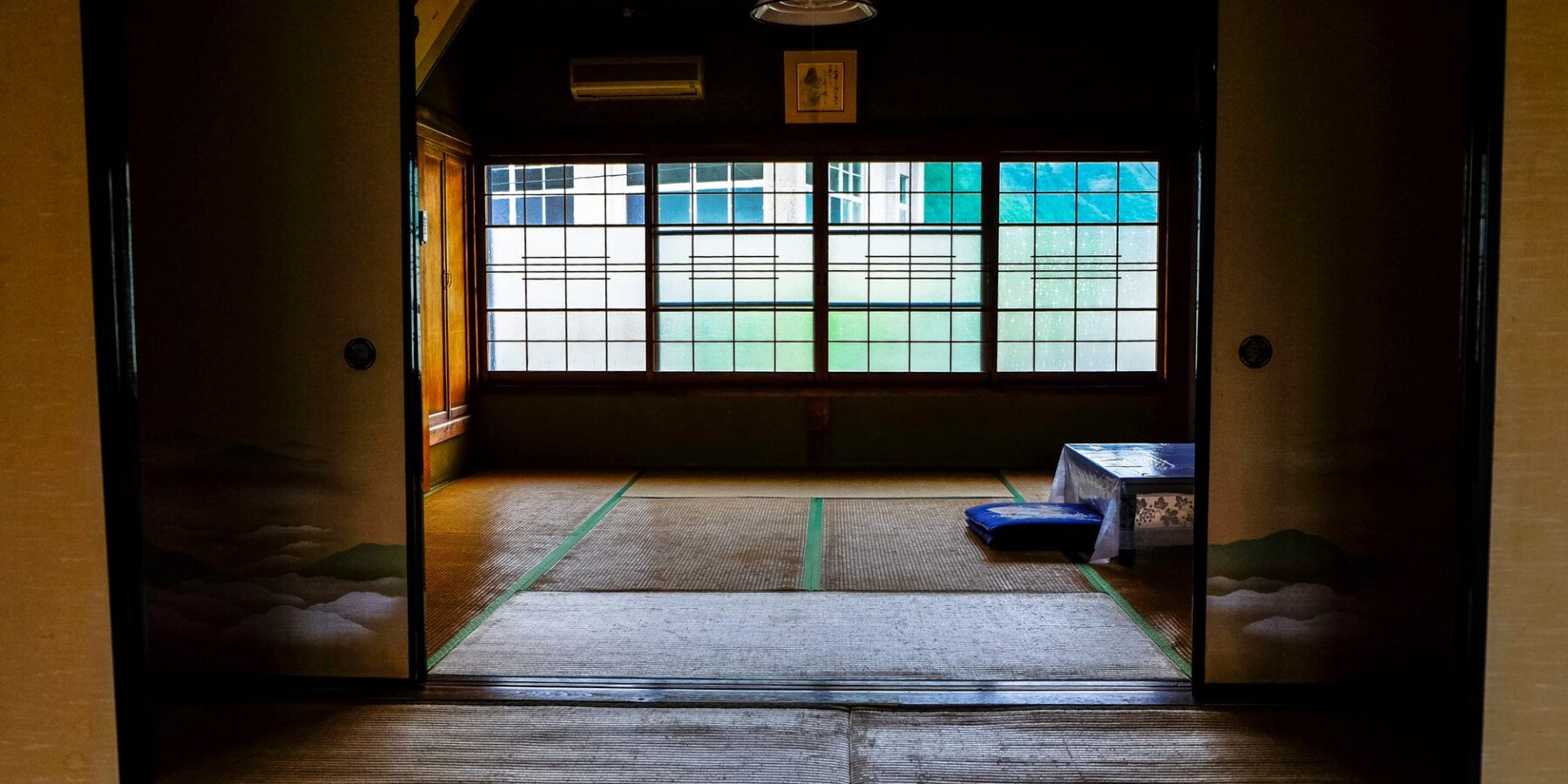
| Ryokan | ¥15,000–60,000/person | Traditional inn: tatami, kaiseki dinner, onsen. Priced per person with meals — the splurge that defines trips. See our ryokan guide. |
| Minshuku | ¥6,000–12,000/person | Family-run guesthouse: ryokan’s homely little sibling, often with home cooking. Rural gems. |
| Capsule hotel | ¥3,000–6,000 | A pod, a locker, shared baths — cleaner and quieter than the memes suggest (guide). Solo only. |
| Apartment hotel | ¥12,000–25,000 | Kitchenette + laundry (Mimaru et al) — the family/long-stay answer. |
| Hostel | ¥3,000–5,000/bed | Japan’s are immaculate; many have private rooms rivalling business hotels. |
| Shukubo (temple) | ¥10,000–25,000/person | A night in a monastery with vegetarian dinner and dawn prayers — see Koyasan. |
Japanese hotel quirks worth knowing
- Rooms are small — and that’s fine. A 15–18㎡ double is normal in cities; you’re there to sleep, and everything works perfectly.
- “Semi-double” means one smallish bed for two. Couples should book “double” or “twin” explicitly — this catches people out constantly.
- Per-person pricing at ryokan/minshuku includes meals; don’t compare their rates to hotel room rates directly.
- Check-in is 15:00, strictly — but every front desk stores luggage before check-in, and better yet, luggage forwarding can skip the schlep entirely.
- Smoking rooms still exist — filter for non-smoking when booking older properties.
- Public baths in hotels (Dormy Inn’s rooftop onsen!) follow onsen rules — and are a big free upgrade to your stay.
How to mix them into one trip
The pattern that maximizes both comfort and memories on a two-week golden-route trip: business hotels in Tokyo and Osaka (see Tokyo areas / Osaka areas), one ryokan night in an onsen town or Kyoto (Kyoto areas), and one wildcard night — capsule, temple, or mountain minshuku. Book the ryokan first (they sell out earliest), then fill the workhorse nights on Agoda where business-hotel prices swing most by date.
Frequently asked questions
What’s the best type of hotel for first-timers in Japan? Business hotels — reliable, affordable, everywhere — with one ryokan night added for the experience.
Are Japanese hotel rooms really that small? City rooms are compact but brilliantly designed. Book “deluxe” categories or apartment hotels if space matters.
Is Airbnb a thing in Japan? It exists but is heavily regulated; licensed apartment hotels usually beat it on price, location and reliability.
Ryokan or hotel in Kyoto? Both: hotel for most nights, ryokan for one. Paying ryokan prices for five nights straight exhausts wallets and, honestly, the novelty.
Going to Japan? Talk to locals with confidence.
Hirameki Japanese — instant offline translation, camera translation, furigana + romaji, and 314 free flashcards. No login. Works without internet.

Plan your Japan trip
Two things every first-timer should book
Some links are affiliate links. If you book through them we may earn a small commission at no extra cost to you.