Introduction to Kagawa Prefecture
Kagawa Prefecture, the smallest prefecture in Japan by area, occupies the northeastern corner of Shikoku island overlooking the Seto Inland Sea. What Kagawa lacks in size it more than compensates for in distinction — it is the birthplace of udon noodle culture as Japan practices it today, home to the magnificent Ritsurin Garden (one of Japan’s most celebrated landscape gardens), the gateway to Naoshima and the extraordinary art island archipelago of the Seto Inland Sea, and the location of Kotohira-gu (Konpira-san), one of Japan’s most beloved pilgrimage shrines perched high on a mountain approached by 1,368 stone steps.
Kagawa’s position facing the Seto Inland Sea gives it a mild, sunny climate and access to some of Japan’s finest seafood, particularly the sea bream, octopus, and shellfish of the inner sea’s protected waters. The prefecture’s compact size means that it is possible to cover its major attractions in two to three days, making it an excellent addition to any Shikoku itinerary or as a standalone destination combining contemporary art, traditional garden culture, and the singular experience of Sanuki udon in its natural habitat.
Top Attractions in Kagawa Prefecture
Sanuki Udon: Japan’s Noodle Pilgrimage
Kagawa Prefecture is the undisputed homeland of udon in Japan — thick, chewy wheat noodles in a delicate dashi broth that have been eaten here in their distinctive Sanuki style for over 800 years. The udon culture of Kagawa is unlike that of any other prefecture: more restaurants per capita than almost anywhere in Japan, lower prices than virtually any other restaurant category in the country, and a quality standard that even cheap standing-room establishments meet with casual excellence. Eating udon in Kagawa is not merely dining — it is cultural immersion in the prefecture’s deepest identity.
Sanuki udon is characterized by particularly thick, firm noodles with a distinctive chew (koshi) that comes from the high-gluten flour and careful kneading process. The broth uses dried sardine (niboshi) or kombu (kelp) as its primary flavor base, creating a lighter, cleaner dashi than the richer broths of Tokyo-style udon. The most basic form, kake udon (noodles in hot broth with only a sprinkle of green onions and perhaps a piece of tempura on the side), allows the quality of the noodles and broth to speak for themselves and is the standard against which every udon restaurant is measured.
The udon pilgrimage — visiting 10 or more udon shops in a single day — is a genuine Kagawa tradition practiced by locals and visitors alike. Many shops open for only a few hours at breakfast and lunch, serving only until the day’s noodles run out. A dedicated udon day starting at 7 AM when the first shops open and working through breakfast-only establishments before switching to lunch spots can cover 8 to 10 restaurants and provide an extraordinary survey of Kagawa’s noodle culture. The variation between shops — in noodle thickness, broth intensity, tempura quality, and service style — is remarkable given how defined the overall style appears.
Naoshima and the Art Island Archipelago
Naoshima Island, accessible by ferry from Takamatsu (approximately 1 hour) or from Uno Port in Okayama Prefecture (approximately 20 minutes), is the center of the Benesse Art Site Naoshima project that has transformed the Seto Inland Sea island group into one of the world’s most celebrated contemporary art destinations. The Chichu Art Museum, Benesse House Museum, and Art House Project on Naoshima, supplemented by art institutions on neighboring Teshima, Inujima, Shodoshima, and other islands, constitute an art experience of international significance that draws visitors from across the world.
The Chichu Art Museum, designed by architect Tadao Ando and built almost entirely underground to preserve the island’s landscape, houses five permanent site-specific installations including five paintings by Claude Monet’s Water Lilies series, works by Walter De Maria, and extraordinary light installations by James Turrell. Each work occupies a space specifically designed to display it to maximum effect, and the relationship between the artworks and their architectural containers is as carefully considered as any of the works themselves.
Teshima, a 30-minute ferry ride from Naoshima, contains the Teshima Art Museum — a single artwork occupying an entire building designed as a collaboration between architect Ryue Nishizawa and artist Rei Naito. Water seeps through the concrete floor and collects in pools that respond to air movement, creating a constantly changing living work that is one of the most profound and quietly astonishing art experiences available anywhere in the world. The Teshima island landscape of terraced rice paddies, citrus orchards, and sea views provides an extraordinary setting for this exceptional institution.
Ritsurin Garden: Kagawa’s Masterwork
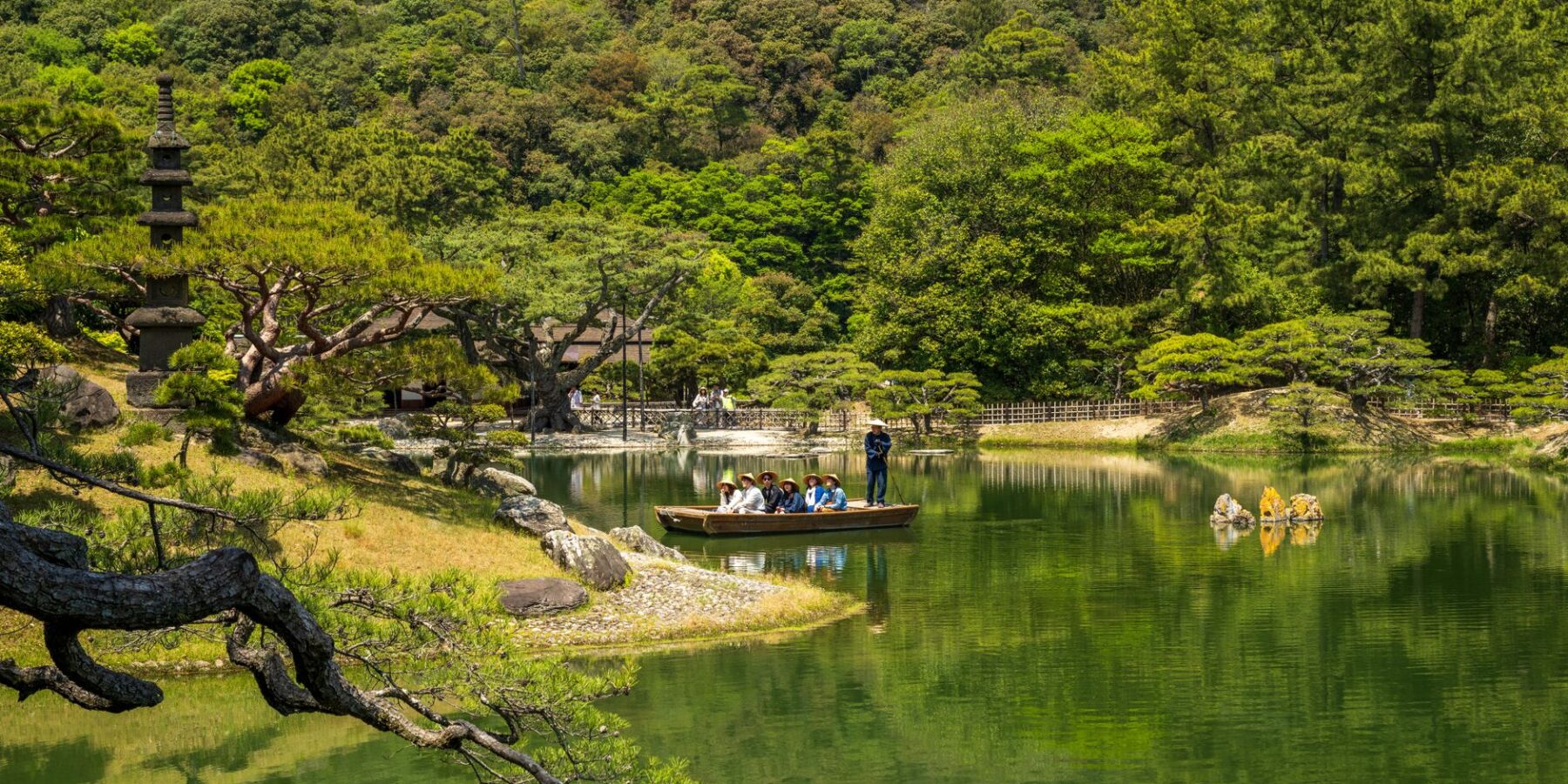
Ritsurin Garden (Ritsurin Koen) in Takamatsu is one of Japan’s most celebrated landscape gardens and was designated a Special Place of Scenic Beauty by the Japanese government — a designation reserved for sites of exceptional national importance. The garden was constructed over a period of approximately 100 years by successive lords of the Takamatsu domain between the early 17th and mid-18th centuries, using the slopes of Mount Shiun as shakkei (borrowed scenery) to create an expansive landscape of ponds, islands, bridges, tea houses, and carefully shaped pine trees that changes character completely with the light of different times of day.
The garden’s six ponds and thirteen hills are connected by walking paths that unfold the composition gradually, with each turn revealing a new view composition that has been carefully designed to present the landscape at its best angle. The garden’s approximately 1,400 pine trees, shaped over generations by successive gardeners, are Ritsurin’s most distinctive feature — each tree individually trained over decades to achieve a precise form that contributes to the overall composition. Several tea houses within the garden offer the opportunity to drink matcha tea while overlooking one of Japan’s finest pond garden compositions, the Kikugetsutei tea house and its reflection in the South Pond being particularly celebrated.
Kotohira-gu (Konpira-san): The Seafarers’ Shrine
Kotohira-gu, known colloquially as Konpira-san, is one of Japan’s most beloved pilgrimage shrines, dedicated to Omononushi no Mikoto as the deity of seafaring and navigation. The shrine has been a place of pilgrimage since the Edo period, when sailors, fishermen, and merchants whose livelihoods depended on the sea came here to pray for safe passage — the shrine’s inland position on Mount Zozu in central Kagawa meant that inland routes rather than coastal approaches were necessary, and the journey itself became an act of devotion.
The ascent to the main shrine takes visitors up 785 stone steps through cedar forest, with additional steps leading to the inner shrine at 1,368 steps total. The climb is entirely worthwhile for the views, the extraordinary progression of shrine buildings and stone lanterns, and the sense of participating in a pilgrimage tradition that has continued for centuries. The approach path is lined with souvenir shops and rest areas, and the famous yellow-clad candy sellers (the only vendors officially permitted to operate on the steps) are a distinctive Konpira tradition. Arriving early morning avoids the crowds that build by mid-morning during busy periods.
Shodoshima: The Aegean of Japan
Shodoshima, Kagawa’s largest island and the second-largest island in the Seto Inland Sea, is a paradise of olive groves, soy sauce breweries, dramatic gorges, and stunning sea views that has earned it the nickname the Aegean of Japan for its Mediterranean-like landscape. The island’s olive cultivation — introduced in 1908 as an experimental olive planting — has become one of its defining characteristics, and the Old-Growth Olive Tree planted at the time of the original introduction is one of Japan’s most venerated trees. Olive products from Shodoshima, including olive oil, olive ice cream, and olive-fed cattle, are among the island’s most distinctive offerings.
The Kanka-kei Gorge in the center of the island, accessible by ropeway to a summit observation point, provides outstanding views over the entire island and across the Seto Inland Sea in clear conditions. The Tsukuda-ni no Machi soy sauce quarter in Shodoshima Town contains traditional soy sauce breweries that have produced the island’s characteristic sweet, mild soy sauce using the same wooden barrel fermentation processes for over 400 years.
Getting to Kagawa
Takamatsu, Kagawa’s capital, is served by Takamatsu Airport with flights from Tokyo Haneda (approximately 1 hour 10 minutes). By rail, the JR Marine Liner connects Takamatsu to Okayama in approximately 1 hour via the Seto Ohashi Bridge, making the Kagawa connection from Honshu straightforward. From Osaka, take the Shinkansen to Okayama and change to the JR Marine Liner, reaching Takamatsu in approximately 2 hours in total. Ferries connect Takamatsu to Naoshima and the other art islands.
Before heading out, make sure you have a Japan eSIM ready to navigate, translate, and share photos without worrying about connectivity. Get your Japan eSIM (Stay connected from day 1) →
Getting Around Kagawa
Takamatsu City’s compact layout makes most central attractions walkable or accessible by tram. Ritsurin Garden is 3 minutes from Ritsurin-Koen-Kitaguchi Station on the Kotoku Line. For Kotohira-gu, the JR Dosan Line and Kotoden Kotohira Line both connect Takamatsu to Kotohira Station in approximately 1 hour. Naoshima ferries depart from Takamatsu Port (10 minutes walk from Takamatsu Station). For the udon pilgrimage, a rental car is by far the most practical approach as many of the best udon shops are in rural locations not served by convenient public transport.
Where to Stay in Kagawa
Takamatsu has a range of business hotels and mid-range accommodation near the station and waterfront. For those planning an art island day trip, staying in Takamatsu the night before and arriving at the ferry terminal early morning maximizes time on the islands. Naoshima has limited but outstanding accommodation — Benesse House combines contemporary art museum with luxury hotel, and several guesthouses on the island cater to art visitors at more modest price points. Shodoshima’s resort hotels offer comfortable accommodation with sea views and fresh island seafood. For Kotohira, several ryokan in the shrine town area provide atmospheric overnight stays in the shadow of the famous mountain.
Food and Local Specialties in Kagawa
Udon dominates Kagawa’s food culture to an extent that has no parallel elsewhere in Japan — the prefecture has more udon restaurants per capita than any other and residents eat udon at a frequency that would astound visitors from other parts of Japan. The most distinctive serving styles include kamaage udon (noodles served directly from the cooking water in a wooden bucket, dipped into a rich tsuyu broth), bukkake udon (cold noodles with dashi poured directly over them), and zaru udon (cold noodles served on a bamboo mat for self-dipping). Prices at local udon shops are remarkably low — a basic bowl of excellent udon rarely exceeds 500 yen.
Beyond udon, Kagawa is known for fresh Seto Inland Sea sea bream (tai), Shodoshima soy sauce products, olive oil and olive-based foods, and Shodoshima somen noodles — thin wheat noodles that are the complement to udon in the local diet, served cold in summer and in hot broth in winter. Kotohira’s specialty is Konpira beer, produced by a local craft brewery using traditional methods and available at the shrine town restaurants.
Day Trips and Nearby Destinations
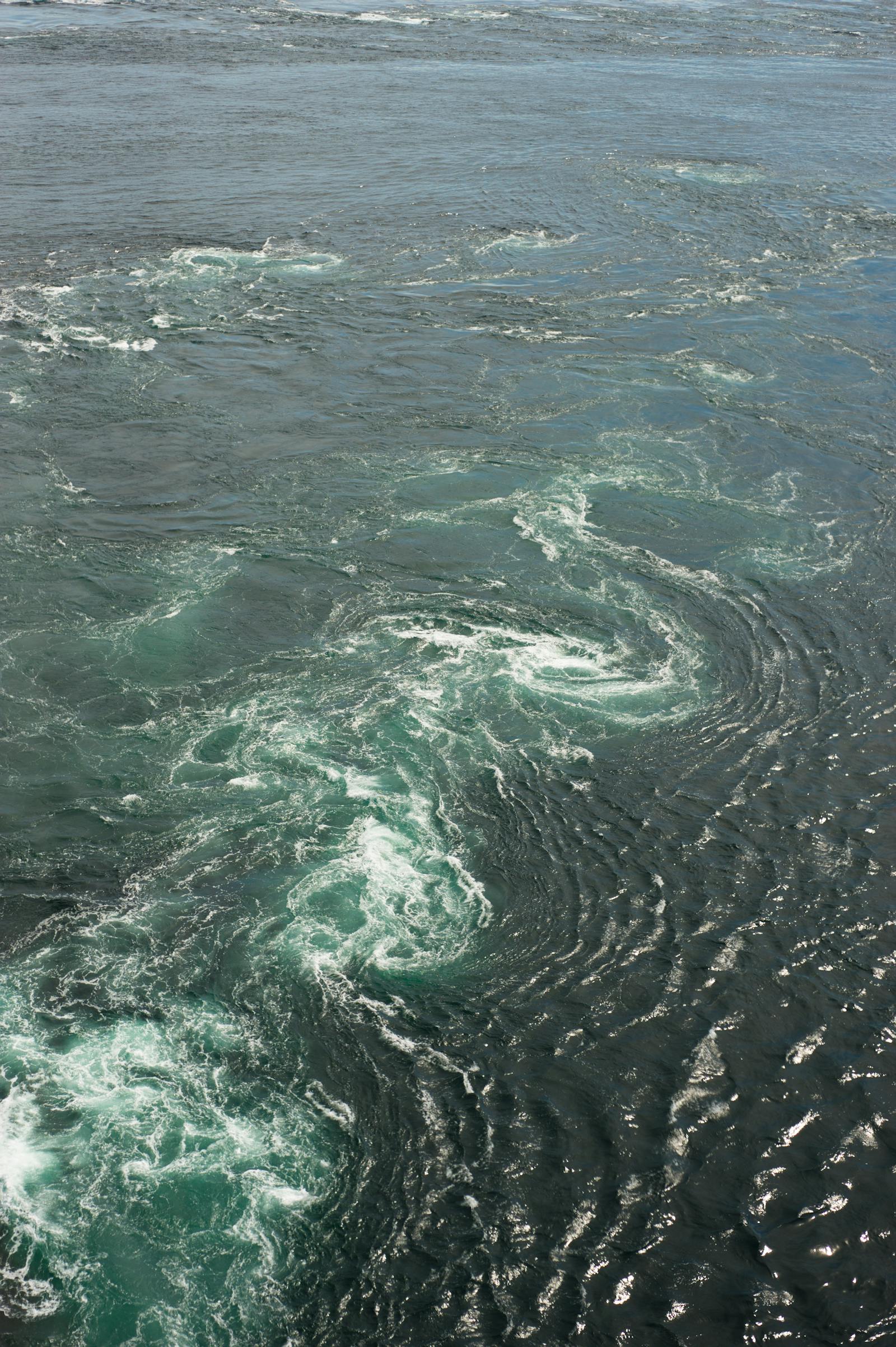
From Takamatsu, Tokushima is easily accessible in approximately 1 hour by JR limited express for the Naruto whirlpools and Iya Valley. Okayama is 1 hour by JR Marine Liner and offers Korakuen garden, Kurashiki, and the Okayama side of the Naoshima art island access. The Seto Inland Sea island circuit — Naoshima, Teshima, Inujima, Shodoshima — forms a natural multi-day itinerary from Takamatsu with the city as a convenient mainland base. For Shikoku pilgrimage enthusiasts, Takamatsu is surrounded by Kagawa’s section of the Ohenro circuit (temples 66-88, the final stretch of the pilgrimage).
Best Time to Visit Kagawa
Kagawa’s mild Seto Inland Sea climate makes it pleasant year-round. Spring is excellent for Ritsurin Garden’s cherry blossoms and comfortable art island cycling. The Setouchi Triennale contemporary art festival, held in spring, summer, and autumn of every third year, significantly enriches the art island experience with additional installations and events. Autumn brings outstanding foliage to Ritsurin Garden and comfortable temperatures for the Konpira-san ascent. Summer is warm and suitable for Shodoshima beaches and the open-air art installations, though July and August can be hot.
Hidden Gems and Local Tips for Kagawa
Yashima plateau near Takamatsu was the site of a crucial naval battle in 1185 between the Heike and Minamoto clans and retains an extraordinary historical atmosphere. The plateau summit, accessible by shuttle bus or a steep walking trail, offers panoramic views over Takamatsu City and the Seto Inland Sea islands, and the Yashima-ji Temple (Temple 84 on the Shikoku pilgrimage) at the top is one of the most dramatically situated pilgrimage temples on the entire circuit. The surrounding plateau area contains the Yashima Sanjo shopping and souvenir village in a traditional Japanese streetscape that is slightly kitsch but enormously charming.
Local tip: the best udon research tool in Kagawa is the Tabelog restaurant review website’s Kagawa udon section or the Kagawa udon speciality guide maps available at Takamatsu Station tourist information. The most beloved local udon shops are often in residential areas with no English signage — having the names and addresses written in Japanese to show a taxi driver, or using Google Maps with the shop names in Japanese, is the most reliable navigation strategy. The reward for this small navigational challenge is access to udon that most visitors miss entirely.
Practical Information for Kagawa
Kagawa Prefecture operates on Japan Standard Time (JST, UTC+9). English-language materials are available at Ritsurin Garden, the Naoshima art venues, and the main Takamatsu tourist sites. The Naoshima art institutions (Benesse Art Site) produce outstanding English-language guides for all their venues and the Art House Project. Ferry schedules to the art islands should be checked in advance as services vary by season and weather. Most udon shops have Japanese-only menus, but picture menus are often available and pointing to photographs is universally understood.
Budget Guide for Kagawa
Kagawa is one of Japan’s most affordable prefectures for food, primarily because of udon’s remarkably low price points. Budget travelers can eat excellently for 500 to 1,500 yen per meal throughout the prefecture. Ritsurin Garden entry is 410 yen. Kotohira-gu main shrine entry is free (inner shrine charges a small fee). Naoshima art venues charge separate admission of roughly 1,200 to 3,000 yen each. Ferry to Naoshima from Takamatsu costs approximately 1,220 yen return. Budget travelers can manage on 7,000 to 10,000 yen per day. Art island days are the main budget impact, at approximately 8,000 to 10,000 yen for a comprehensive Naoshima visit including transport and all venues.
Frequently Asked Questions About Kagawa
Why is Kagawa famous for udon?
Kagawa’s udon culture developed over centuries due to a combination of factors: the prefecture’s excellent wheat production (ideal for high-gluten udon flour), abundant salt production for noodle-making, the sardine catch that forms the basis of niboshi dashi broth, and the historically strong agricultural and fishing economies that required filling, affordable staple foods. The Sanuki udon style that developed in Kagawa is now recognized as Japan’s benchmark udon style, and the prefecture’s combination of quality, quantity, and price makes it the definitive udon experience in Japan.
Is Naoshima accessible from Kagawa or Okayama?
Naoshima is accessible from both Takamatsu in Kagawa (approximately 1 hour by regular ferry, 35 minutes by high-speed ferry) and from Uno Port in Okayama Prefecture (approximately 20 minutes by regular ferry). If you are based in Takamatsu, the longer but scenic Takamatsu ferry is the natural choice. If visiting Naoshima as part of an Okayama itinerary, the Uno Port connection is faster and more convenient. The island’s internal bicycle rental system works equally well regardless of which port you arrive at.
How many steps is the Kotohira-gu climb?
The climb to the main shrine (Goshahongu) requires 785 stone steps from the shrine entrance, which takes approximately 30 to 45 minutes at a comfortable pace. The inner shrine (Oku-sha) at the mountain’s highest point requires an additional 583 steps — 1,368 steps in total from the base. The steps are well-maintained and not particularly steep, making the full climb accessible to reasonably fit visitors. Palanquin services are available from the fifth rest area if needed. The views from the main shrine over the Sanuki plain justify the effort regardless of fitness level.
What is the Setouchi Triennale?
The Setouchi Triennale is a contemporary art festival held every three years on the islands of the Seto Inland Sea, including Naoshima, Teshima, Inujima, Shodoshima, and several other smaller islands. The festival adds temporary installations, performances, and events to the permanent art institutions already present on the islands, significantly enriching the overall art experience during its run in spring, summer, and autumn of the festival year. Between festival years, the permanent institutions continue to operate normally, but the Triennale periods represent the most vibrant and comprehensive art island experience available.
How do I do an udon pilgrimage in Kagawa?
An udon pilgrimage requires a rental car, a list of target shops (available from Kagawa tourism resources and udon guide websites), and a willingness to eat multiple small bowls of udon throughout a day. Start early — many excellent shops open at 7 or 8 AM and close when the day’s noodles run out, sometimes by 11 AM. Order small portions (ko) at each restaurant to maximize the number of shops you can visit. Keep track of which styles you have tried (kake, kamaage, zaru, tsukimi, and so on) and compare the differences. The udon Kagawa tourist map available at Takamatsu Station lists the most celebrated shops with their opening hours and specialties.
Is Kagawa good for a short trip?
Kagawa is one of Japan’s best destinations for a short trip because its compact size and excellent connectivity allow a lot to be covered in a short time. Two full days covers Takamatsu, Ritsurin Garden, Naoshima, and a half-day udon pilgrimage comfortably. Three days adds Kotohira-gu, Shodoshima, and a more thorough art island exploration. The prefecture’s position at the Shikoku end of the Seto Ohashi Bridge, directly across from Okayama, makes it very easily combined with an Okayama visit, and the JR Marine Liner connection means Takamatsu is only 1 hour from Okayama by direct train.
What is Ritsurin Garden and why is it special?
Ritsurin Garden is a 75-hectare stroll garden in Takamatsu designated as a Special Place of Scenic Beauty by the Japanese government. It was created over approximately 100 years by successive lords of the Takamatsu domain and is considered one of Japan’s finest examples of daimyo garden design. The garden’s approximately 1,400 individually shaped pine trees, six ponds, thirteen hills, and several historic tea houses create a landscape of extraordinary variety and refinement. Unlike the three official great gardens of Japan (Kenroku-en, Korakuen, and Kairaku-en), Ritsurin is not on the traditional list, which reflects historical reputation rather than any official ranking — in terms of quality, many garden experts consider it superior.
3-Day Kagawa Itinerary: Udon, Castles, and Island Art
Day 1: Takamatsu and Ritsurin Garden
Arrive at Takamatsu Station via the Marine Liner from Okayama (1h) or ferry from Osaka (4h30m). Walk 20 minutes to Ritsurin Koen — a vast feudal garden developed over 100 years by the Matsudaira lords (the most powerful vassals of the Tokugawa Shogunate). Unlike the compact enclosed gardens of Kyoto’s temples, Ritsurin’s 75 hectares embrace an asymmetrical “borrowed landscape” style using the backdrop of Mt. Shiun to create a series of linked ponds, pine groves, and teahouses that appear to extend naturally into the forested hillside. Japan’s gardening critics regularly rank it above the “official” three great gardens. Morning boat tours across the central pond offer seasonal views. Afternoon: explore Takamatsu-jo Castle ruins on the harbor — one of Japan’s three great sea castles, its remaining walls rising directly from the sea. Evening: experience your first Sanuki udon bowl at one of the local specialty restaurants — thick, chewy noodles in a delicate dashi broth, Kagawa’s dominant culinary identity.
Day 2: Naoshima Art Island
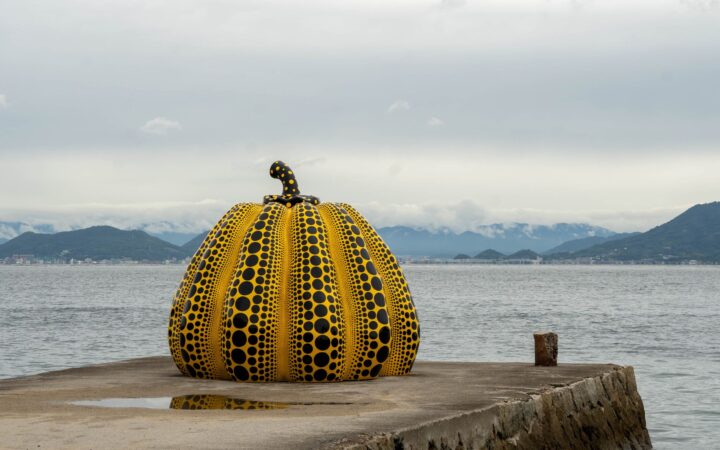
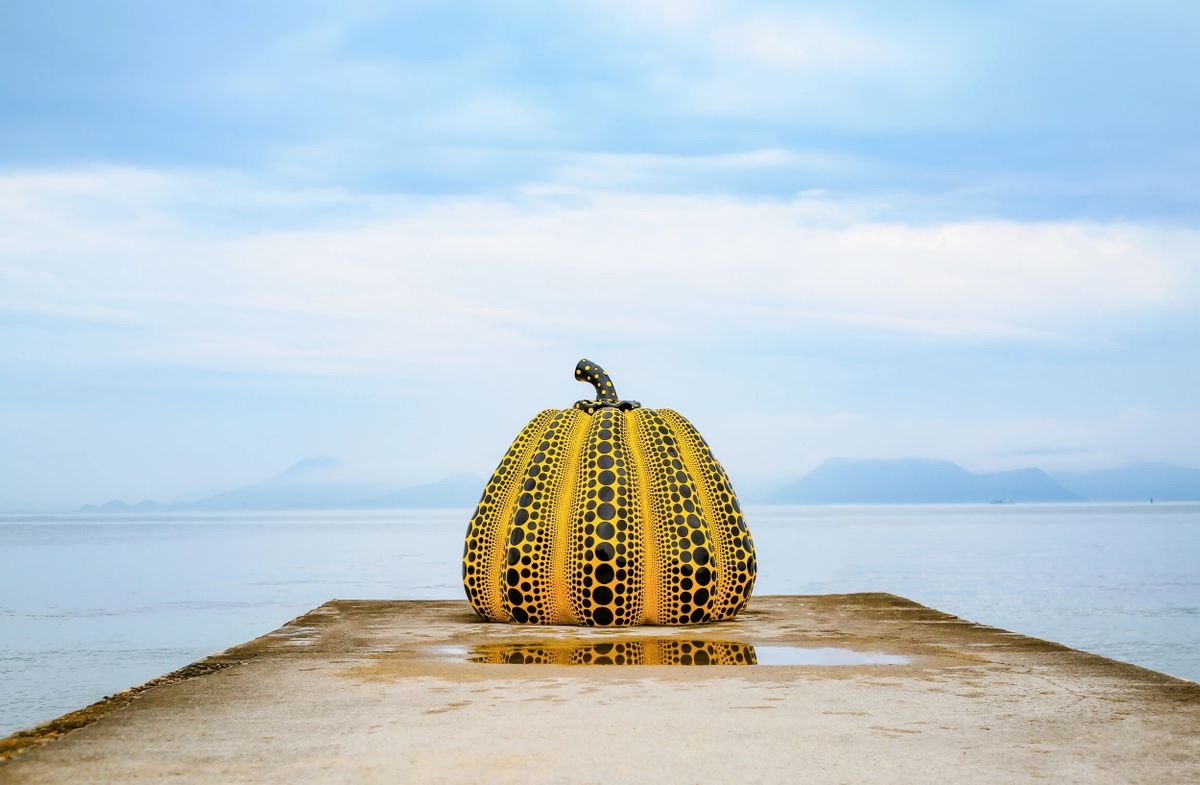
Take the early ferry from Takamatsu Port to Naoshima Island (60 minutes) — the world’s most celebrated art island, transformed by the Benesse Art Site project since 1992. Chichu Art Museum (designed by Tadao Ando, built partially underground) houses monumental permanent works by Claude Monet, James Turrell, and Walter De Maria in a building where natural light is the primary medium. Benesse House Museum combines contemporary art and accommodation in a Tadao Ando building overlooking the Seto Inland Sea. Lee Ufan Museum, also by Tadao Ando, creates a meditative dialogue between minimal artworks and space and light. Yayoi Kusama’s iconic Yellow Pumpkin on the harbor pier is one of Japan’s most photographed artworks. The island’s Art House Project integrates contemporary art into actual traditional houses in the Honmura fishing village. Return by afternoon ferry.
Day 3: Kotohira Shrine and Udon Pilgrimage
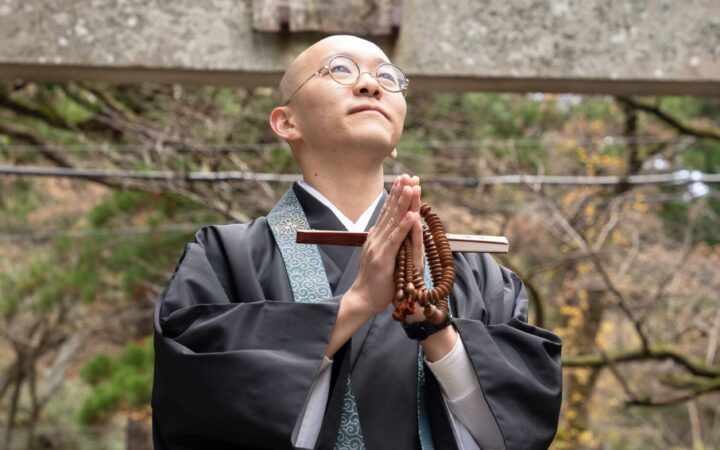
Take the JR Dosan Line to Kotohira (about 70 minutes) for Konpira-san (Kotohiragu Shrine) — one of Japan’s most popular pilgrimage shrines, accessible via a famous 785-step stone staircase climbing the wooded flanks of Mt. Zozusan. Each step brings increasingly spectacular views over the Sanuki Plain and, from the inner shrine at step 1,368, panoramic views across the Seto Inland Sea. Halfway up, the Ema-do Horse Votive Hall contains extraordinary collection of historical ship paintings and maritime votive offerings from sailors who prayed here for safe passage. Return to Takamatsu for afternoon “udon pilgrimage” (udon meguri) — visiting 3–5 different specialty udon shops in a single afternoon to compare styles, thickness, and broth varieties. Many shops require only a few minutes’ wait and charge under ¥200 per bowl, making the udon tour one of Japan’s most enjoyable and affordable food experiences.
Shopping Guide: Kagawa Souvenirs
Kagawa’s souvenirs center on its extraordinary food and craft heritage. Sanuki udon noodle packs — dried or semi-dried noodles in gift packaging — are the essential food souvenir, with major producers like Miyatake and Yamada offering premium versions unavailable outside Kagawa. Olive oil and olive products from Shodoshima Island, Japan’s pioneering and best-known olive growing region, are prized throughout Japan: olive oil, olive pickles, olive soap, and cosmetics all make distinctive Kagawa gifts. Wasanbon sugar — a fine-grained Japanese sugar produced by a 200-year tradition in eastern Kagawa — is used by Japan’s finest confectioners and sold in beautiful gift boxes as both raw sugar and formed into small seasonal wagashi (Japanese sweets). Marugame Uchiwa fans (flat bamboo-frame fans) from Marugame City produce 90% of Japan’s total uchiwa output — the simple, elegant summer fan in traditional patterns or contemporary designs is an excellent lightweight souvenir.
Family-Friendly Activities in Kagawa
Naoshima Island’s outdoor art installations — giant pumpkins, colorful polka-dot artworks, and site-specific sculptures integrated into the landscape — delight children who appreciate art at a human scale they can walk around and touch. The island’s relaxed cycling pace and small scale makes it an ideal family day trip. Konpira-san’s 785-step climb is a genuine adventure for energetic older children, with interesting artifacts and views rewarding the effort at multiple stopping points. Shikoku Mura Open-Air Museum near Ritsurin Garden preserves 33 traditional buildings including farmhouses, sugar processing facilities, and craft workshops from across Shikoku — excellent for children interested in historical buildings they can enter and explore. Shodoshima Island (ferry from Takamatsu, 70 minutes) has excellent beaches, an olive park, and a gorge cable car that families enjoy in a relaxed island atmosphere.
Solo Travel Tips for Kagawa
Kagawa is outstanding for solo travelers who appreciate food and art. The udon shop hopping culture (udon meguri) is perfectly suited to solo dining — bowls cost ¥200–500, service is fast, and the casual counter-service atmosphere makes solo dining entirely comfortable even at the most popular shops. Naoshima’s art museums and installations reward solo contemplative exploration — Chichu Art Museum’s James Turrell room, experienced alone in silence, is one of Japan’s most profound artistic encounters. The Shikoku Pilgrimage enters Kagawa at Temple 66 (Unpenji) and concludes at Temple 88 (Okuboji) — solo walkers completing the final Kagawa stage experience one of Japan’s most emotionally powerful journey endings.
Frequently Asked Questions About Kagawa
Why is Kagawa called the “Udon Prefecture”?
Kagawa (historically called Sanuki) has been producing thick wheat noodles for over 800 years, leveraging the region’s excellent soft wheat, quality underground water, and strong salt trade connections. The prefecture has more udon restaurants per capita than any other region in Japan — roughly 800 specialty udon shops for a population of less than 1 million. Local consumption is extraordinary: Kagawa residents eat udon approximately 4–5 times per week on average. The distinctive Sanuki udon style (thick, squared cross-section, extremely chewy, served in a light dashi broth with green onion and optional toppings) has spread throughout Japan but reaches its finest expression in its home prefecture.
How do I get to Kagawa from Osaka or Tokyo?
From Osaka: the Shinkansen from Shin-Osaka to Okayama, then the JR Marine Liner to Takamatsu, takes about 2 hours on the fastest connections. Takamatsu Express and Footbus run express buses from Osaka Namba to Takamatsu (about 3h30m, ¥4,500). From Tokyo: fly to Takamatsu Airport (90 minutes from Haneda) or take the Shinkansen to Okayama and transfer (total about 4 hours). The Shikoku Rail Pass offers good value for touring multiple Kagawa destinations by train.
Is Ritsurin Garden better than Kenrokuen?
Ritsurin Koen is frequently rated as Japan’s finest traditional garden by Japanese gardening experts, though it does not appear in the “official” three great gardens list (which is a historical designation rather than a quality ranking). Ritsurin’s combination of scale (75 hectares vs. Kenrokuen’s 11 hectares), the “borrowed landscape” technique using Mt. Shiun as backdrop, the variety of pond and garden styles across its six zones, and relatively modest visitor numbers compared to Kenrokuen make it a more immersive experience for many visitors. The counterargument is that Kenrokuen’s dramatic waterfall features and elevated hilltop position offer different visual drama. Both are genuinely extraordinary and worth visiting if possible.
Kagawa’s Hidden Cultural Depth
Beyond its famous udon and art island, Kagawa has a rich cultural landscape rarely explored by international visitors. Zentsuji Temple (Temple 75 of the Shikoku Pilgrimage) is Kagawa’s most sacred site — the birthplace of Kobo Daishi (Kukai), founder of Shingon Buddhism and creator of the Shikoku pilgrimage. The vast temple complex, the largest on the entire pilgrimage circuit, includes a remarkable underground passage called the Kaidan Meguri (Precept Platform Circuit) where visitors walk in complete darkness while holding a rope guide, symbolizing the journey through spiritual darkness to enlightenment. Kotohira’s Kanamaruza Theater (1835, Japan’s oldest surviving kabuki theater) hosts annual spring performances and is open for tours throughout the year — walking the actual stage and exploring the traditional stage machinery is a remarkable theatrical heritage experience. The Marugame Uchiwa Fan Museum documents the 300-year history of Marugame’s fan making industry, which produces 90% of Japan’s uchiwa fans, with hands-on fan making workshops available to visitors.
Kagawa Prefecture rewards visitors with experiences as fine and varied as the udon it is famous for — from the meditative perfection of Ritsurin Garden to the conceptual daring of Naoshima’s art museums, from the satisfying pilgrimage climb of Konpira-san to the gentle pleasures of Shodoshima’s olive groves. As the smallest prefecture in Japan yet arguably the most densely packed with distinctive cultural experiences, Kagawa delivers quality over quantity in every dimension of travel.
Essential Travel Tips for Kagawa
Kagawa (Takamatsu) is well-connected to the Honshu mainland via the JR Seto Ohashi Line from Okayama — a scenic 55-minute train ride over the Seto Inland Sea (around ¥2,270 one-way, covered by JR Pass). From Osaka, highway buses run directly to Takamatsu in about 3.5 hours (¥3,720–¥4,500). Takamatsu Airport connects to Tokyo Haneda (1 hour 10 minutes, discount fares from ~¥12,680; peak fares much higher). Within Kagawa, the Kotoden (Takamatsu Kotohira Electric Railroad) provides convenient connections between Takamatsu and Kotohira (home of Konpira-san) in about 1 hour 5 minutes (¥630). For Naoshima, take the Uno Port ferry (25 minutes from Miyanoura Port, ¥300 by high-speed ferry) — ferries run regularly throughout the day.
Kagawa is the udon capital of Japan, and eating here is extremely affordable — a bowl of Sanuki udon typically costs ¥150–¥600 at local udon shops. Many shops operate on a cafeteria-style self-service system; order at the counter, pay, and take your tray. An IC card (Suica/Pasmo) is useful for Kotoden trains and Takamatsu city buses. Naoshima museums sell combination tickets that offer significant savings — the Art House Project + Chichu Art Museum pass (¥3,300) is excellent value. Book Benesse House accommodation on Naoshima well in advance (3–6 months), as rooms are limited and demand from art lovers is high year-round. The best time to visit Kagawa is spring (March–May) and autumn (September–November) when weather is mild and the Seto Inland Sea glistens in moderate temperatures.
Sample Kagawa Itinerary: Making the Most of Your Visit
A two-night, three-day Kagawa itinerary lets you soak in both the cultural and culinary highlights. Day 1: Arrive in Takamatsu and head straight to a local udon shop for lunch (try Udon Baka Ichidai or Tsurumaru near the station). Spend the afternoon at Ritsurin Garden (栗林公園, ¥430) — allow 90 minutes to fully appreciate the landscape garden’s six ponds and 13 artificial hills. Evening: stroll along Takamatsu Port and try grilled fish at a local izakaya. Day 2: Take the early morning ferry to Naoshima (departs approximately 8:10am from Takamatsu Port). Visit Chichu Art Museum (reserve timed tickets online in advance, from ¥2,500), the Yayoi Kusama pumpkin sculptures, and the Art House Project installations in Honmura village (¥520 per building, combo pass recommended). Stay overnight on Naoshima or return to Takamatsu. Day 3: Take the Kotoden to Kotohira and climb the 785 steps to Konpira-san shrine (allow 2 hours for the full climb to the inner shrine and back). Browse Nakano Udon School if time allows (udon-making experience, ¥1,620). Return to Takamatsu for departure. Budget: accommodation ¥8,000–¥18,000 per night, Naoshima day pass ¥3,000–¥5,000, total trip ¥25,000–¥50,000.
Kagawa’s Hidden Gems and Local Experiences
Beyond the headline attractions, Kagawa rewards curious travelers who explore off the beaten path. Shodo Island (小豆島 Shodoshima) — reached by ferry from Takamatsu in about 60 minutes (¥690) — is Japan’s second-largest island in the Seto Inland Sea and famous for olive cultivation, soy sauce production, and the dramatic Kankakei Gorge ropeway. The island hosts several installations during the Setouchi Triennale contemporary art festival held every three years. Hire a bicycle at the ferry port to explore the island at your own pace; the flat southern coast road passes olive groves, small fishing villages, and historic soy sauce breweries offering free tastings.
In Takamatsu itself, the Tamamo Park (玉藻公園) surrounding the former Takamatsu Castle ruins offers a lovely walk along the moat — the castle’s stone walls jut directly into the sea, making it one of Japan’s few “sea castles.” Entry costs ¥200. For a uniquely local experience, visit one of Kagawa’s many “standing udon” shops (立ち食いうどん tachigui udon) early in the morning, where you’ll rub shoulders with local fishermen and office workers starting their day with a ¥200 bowl. The Takamatsu Central Market (高松中央市場) on weekend mornings is a wonderful place to sample seasonal Seto Inland Sea seafood and locally grown Sanuki produce. Don’t leave Kagawa without trying Sanuki olive beef (讃岐オリーブ牛) — cattle raised on a diet of olive oil by-products, giving the meat a distinctive mild sweetness that has earned national acclaim.
Related guides
- Tomonoura Travel Guide 2026: A First-Timer’s Guide to Japan’s Best-Preserved Edo-Era Port Town in Hiroshima
- Shimanami Kaido Cycling Guide 2026: How to Ride Japan’s Island-Hopping Bike Route Across the Seto Inland Sea
- Miyajima Travel Guide 2026: A First-Timer’s Guide to the Floating Torii, Itsukushima Shrine, Mount Misen and Hiroshima’s Sacred Island
Going to Japan? Speak Japanese with confidence.
Hirameki Japanese — camera translate for menus and signs, a two-way conversation mode, and furigana + romaji on every phrase. Free to download with kana charts, conversation mode and starter words; a one-time purchase unlocks everything.
⬇ Get it on the App Store
Plan your Japan trip
Two things every first-timer should book
Some links are affiliate links. If you book through them we may earn a small commission at no extra cost to you.