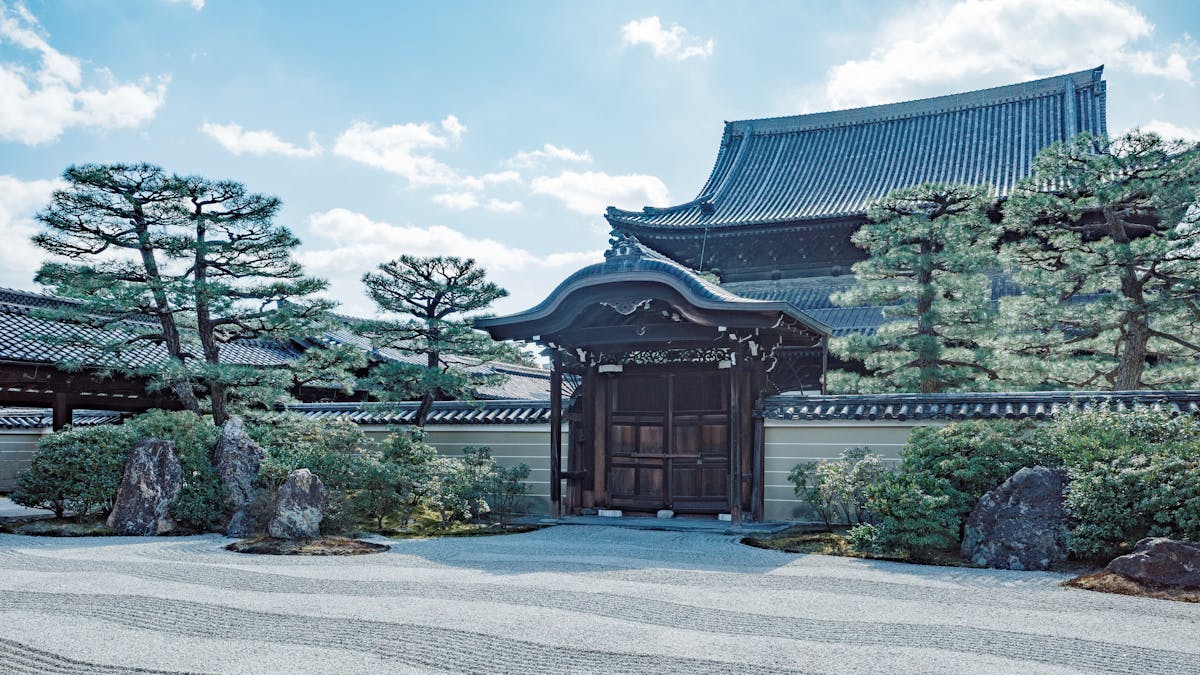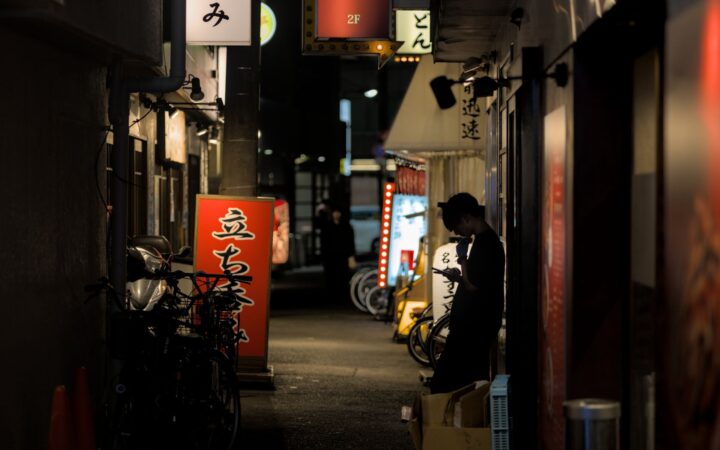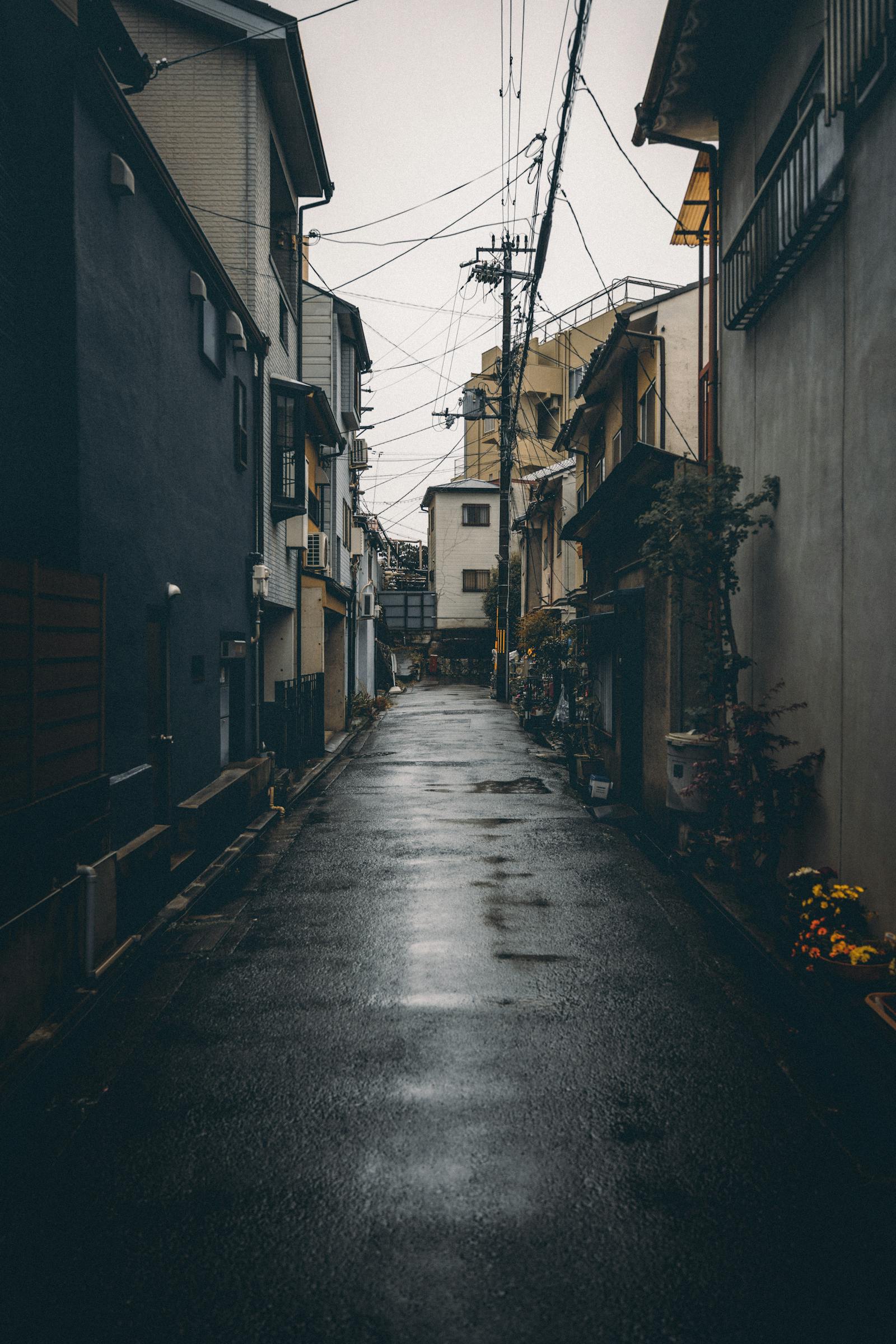
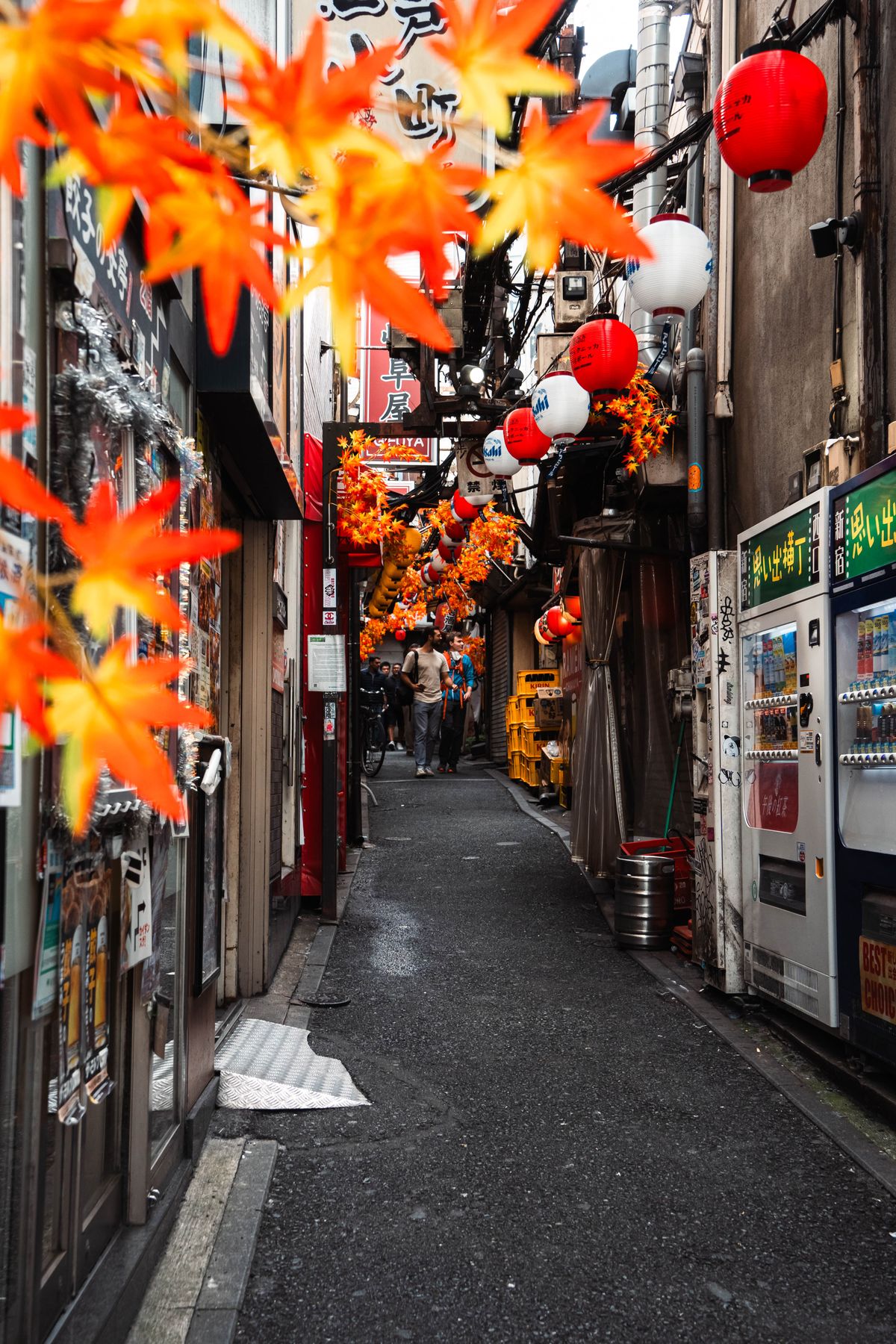
Hidden in the wooded folds of Mount Rokko, less than 30 minutes from the urban bustle of Kobe and Osaka, sits a tiny hot spring town that locals quietly insist is the best in Japan. Arima Onsen has been welcoming bathers continuously for more than 1,300 years. Emperors, poets, samurai warlords, and tea ceremony masters have all walked its narrow stone-paved Yumotozaka slope, undressed in its bathhouses, and emerged ruddy-faced into the steam-curtained alley above. Yet despite a history that stretches back to the Asuka period and despite being officially designated one of the “three great ancient hot springs” of Japan, Arima Onsen remains surprisingly low-key with foreign visitors. Walk the lantern-lit lanes after sunset and you might be sharing them mostly with elderly Japanese couples in matching yukata robes and clattering wooden geta sandals.
This guide is for first-time visitors who want the complete picture: why Arima matters, what makes its water unusual, exactly how to get here from Kobe, Osaka, Kyoto and Tokyo, where to bathe, where to stay, what to eat, what to bring home, and how to fit the town into a wider Kansai itinerary. Whether you are planning a single restorative afternoon between sightseeing days or a serious two-night ryokan immersion, you will find the practical details and the cultural context you need to enjoy Arima the way it has been enjoyed for thirteen centuries.
Why Arima Onsen Deserves a Spot on Your Japan Itinerary
Japan has, by an official count, somewhere over 27,000 active hot spring sources scattered across the islands. Some are dramatic, like the steaming pools of Beppu in Kyushu or the volcanic moonscape of Noboribetsu in Hokkaido. Others are remote and atmospheric, like Nyuto Onsen in the snowy mountains of Akita or Kurokawa Onsen tucked into a Kumamoto river valley. Arima Onsen offers a different proposition. It is the oldest documented hot spring in Japan, with literary references dating to the 7th century. The water itself is genuinely unusual — rich in iron and salt to a degree that turns it a vivid rusty red as soon as it hits the air. The town is tiny and walkable. And, crucially for travelers on a tight Japan schedule, it sits within easy day-trip reach of Kobe and Osaka, so you can experience a centuries-old onsen culture without disappearing into the mountains for three days.
For visitors who have been told that an onsen overnight is one of the essential Japan experiences but who do not have the time to commit to a remote ryokan in Tohoku or Hakone, Arima is the answer. It is also a gentle place to learn onsen etiquette. Many bathhouses here are used to international visitors and post their rules in English. The town manages to be deeply traditional without being intimidating to newcomers.
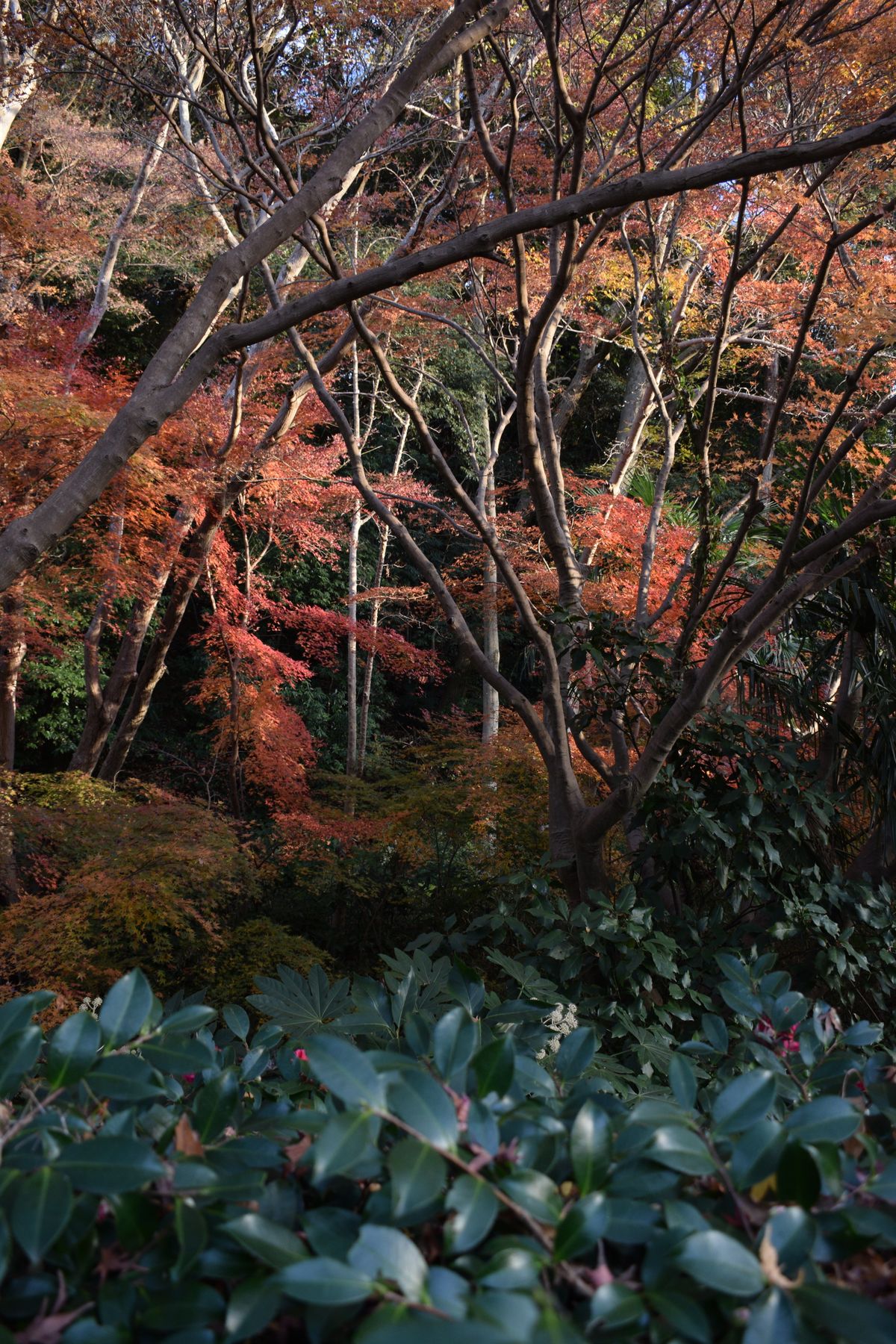
Arima also rewards repeat visits. Each season transforms the town. The wooded ravines around the springs blaze red and orange in mid-November. The first snows of late December turn the slate roofs into postcards. Cherry blossoms line the lower river path in early April. Summer evenings bring fireflies to the upper paths above town. After a single afternoon you will have ticked the box; after a single overnight in a ryokan, with a kaiseki dinner and a private outdoor bath, you will be planning your next trip back.
A Brief History: From Empress Suiko to Toyotomi Hideyoshi
The first written reference to Arima dates to the year 631, when Emperor Jomei is recorded as having soaked here for three months. His predecessor Empress Suiko had reportedly visited even earlier. By the Nara period, monks at the local Onsen-ji Temple were treating bathers with what they believed was sacred mineral water. The town went through cycles of prosperity and decline through the Kamakura and Muromachi periods, but its decisive flowering came in the late 16th century when the warlord Toyotomi Hideyoshi — second of the three great unifiers of Japan — took an enthusiastic liking to the springs.
Hideyoshi is said to have visited Arima at least nine times. He commissioned a new bathhouse, planted maple trees on the surrounding hillsides, and ordered the construction of a small palace for his wife Nene. After Hideyoshi’s death in 1598 and the Tokugawa victory at Sekigahara two years later, the new shogun’s eye fell on Arima as a place worthy of further patronage. By the 17th century Arima was firmly established as the hot spring playground of Kansai, with poets, kabuki actors and wealthy merchants from Kyoto and Osaka filling its inns.
You can still trace this history when you walk the town today. Nene Bridge, a small pedestrian crossing decorated with a statue of Hideyoshi’s wife, marks the spot where her residence is believed to have stood. The Tansan-Senngen park — named for the carbonated mineral water that bubbles up there — preserves the older soda springs. The Onsen-ji Temple, though much rebuilt, still holds a wooden statue of the priest credited with reviving Arima in the 12th century. And many of the older ryokan trace their families back to Edo-period innkeepers who served Hideyoshi’s court.
The Two Waters: Kinsen and Ginsen
Arima’s defining feature, the thing that sets it apart from every other hot spring town in Japan, is the dual character of its water. Two different mineral profiles emerge from the ground within the same small town.
Kinsen, the “gold water,” is heavily mineralized with iron and salt. It emerges clear from the spring head but oxidizes within minutes of contact with air, turning a deep rust-orange color and forming a faint metallic film on the surface. The salt content is so high that the water is roughly twice as salty as the sea. Locals call it the “skin-soothing hot spring” and recommend it for muscle aches, dry skin, joint stiffness and the general fatigue of modern life. The taste, if you happen to get a drop on your lip, is heavily mineral — somewhere between blood and seawater.
The temperature at the spring head is high, around 95 to 98°C; the bathhouses cool the water down to between 41 and 44°C. Bathing kinsen is a memorable visual experience: you slip into water that looks almost like dilute tomato soup and emerge with skin that feels noticeably softer than when you stepped in.
Ginsen, the “silver water,” is colorless and far less mineralized. It is rich in carbonic acid (carbon dioxide dissolved as bubbles) and trace radon. The sensation is the opposite of kinsen: instead of a heavy, salty, restorative soak, ginsen feels light and fizzy. Tiny bubbles cling to the hairs on your arms within minutes. The water is recommended for cardiovascular issues, mild hypertension and post-operative recovery, and is the source of the famous bottled tansan mineral water that gave the entire genre of fizzy water its modern Japanese name.
Bathing both types of water in the same visit is the classic Arima experience. Many ryokan offer both. The two public bathhouses in the town center, Kin no Yu (Gold Bath) and Gin no Yu (Silver Bath), let day trippers sample the two waters within an hour of each other.
How to Get to Arima Onsen
One of Arima’s greatest practical strengths is its accessibility. Despite its mountain setting and small-village feel, the town is reachable in under an hour from the major Kansai hubs. Several routes work depending on where you are coming from. If you are new to long-distance Japanese train travel, our complete Japan shinkansen guide covers reservations, IC card use and luggage rules, all of which apply on the Kobe and Osaka legs of your trip.
From Kobe (Sannomiya)
This is the fastest and easiest route. Take the Kobe Municipal Subway Seishin-Yamate Line from Sannomiya to Tanigami (about 8 minutes, ¥280 / $1.80). At Tanigami transfer to the Shintetsu Arima Line through to Arima-guchi, then change once more to the Arima Line for Arima Onsen Station. Total journey time is about 30 minutes; the total fare is around ¥700 ($4.50). Trains run roughly every 15 minutes. An express direct bus from Sannomiya to Arima Onsen also operates; it takes around 45 minutes and costs ¥710 ($4.60).
If you are pairing Arima with a visit to Kobe and Himeji, the train route is the natural choice.
From Osaka
From Osaka Station or Umeda, the simplest option is the Hankyu Express Bus that runs directly to Arima Onsen Bus Terminal in 60 minutes (¥1,400 / $9). Buses run hourly. Alternatively, take the JR Kobe Line from Osaka to Sannomiya (28 minutes, ¥410 / $2.60) and continue with the subway and Shintetsu route described above. Total time by either route is just under 1 hour 30 minutes.
From Kyoto
From Kyoto Station, take the JR Shin-Kaisoku special rapid service to Sannomiya in 51 minutes (¥1,110 / $7.10) and continue from there. Total travel time from central Kyoto is about 1 hour 30 minutes. An alternative is the direct highway bus operated by Hankyu, which runs once daily and takes about 1 hour 50 minutes.
From Tokyo
Take the Tokaido-Sanyo Shinkansen from Tokyo Station to Shin-Kobe (Nozomi: 2 hours 50 minutes, around ¥15,000 / $96). From Shin-Kobe transfer to the subway to Sannomiya, then follow the Kobe instructions above. Total time from Tokyo is roughly 3 hours 45 minutes. If you are already in Kobe for the night, this is a very easy half-day excursion.
From Kansai International Airport
The most comfortable transfer is the limousine bus from KIX directly to Sannomiya Bus Terminal (about 65 minutes, ¥2,100 / $13), then connecting onward. For travelers with heavy luggage who want to skip the subway, a private airport transfer is worth considering. Book airport transfer with NearMe → offers shared transfers from KIX to Kobe-area accommodations.
Before you leave for Arima — in fact before you leave for Japan — make sure your phone will work the moment you land. Mountain hot spring towns can have spotty Wi-Fi inside ryokan, and you will want offline-capable navigation to find your inn down the small lanes. Get your Japan eSIM (Stay connected from day 1) → activates as soon as you land.
Best Things to Do in Arima Onsen
The town itself is small — you can walk from one end to the other in 20 minutes — which means a typical visit ranges from a half-day stroll to a richly programmed two-night stay. Below are the highlights, roughly ordered from must-do to nice-extra.
Kin no Yu (Gold Bath)
The flagship public bathhouse for the iron-red kinsen water sits in the very center of town near the bus terminal. The building is functional rather than picturesque, but the bathing experience is what counts: large indoor pools of rust-colored mineral water at varied temperatures, plus a small open-air bath. Day visitors are welcome from 8:00 to 22:00 (closed second and fourth Tuesdays). Admission is ¥650 ($4.20). Bring a small towel or rent one for ¥200 ($1.30). The dressing rooms are basic; lockers cost ¥100 ($0.65). Allow 60 to 90 minutes including time to dry off and sit in the relaxation area.
Gin no Yu (Silver Bath)
About 200 meters uphill from Kin no Yu, the Silver Bath is the home of the colorless carbonated and radon-rich ginsen. The atmosphere is gentler and the water visually unremarkable, but the carbonation effect is immediately obvious once you step in. Admission is ¥550 ($3.50); a combined ticket for both Kin no Yu and Gin no Yu costs ¥850 ($5.45) and is the best deal for day visitors. Open 9:00 to 21:00 (closed first and third Tuesdays).
Yumotozaka and the Lantern Alley
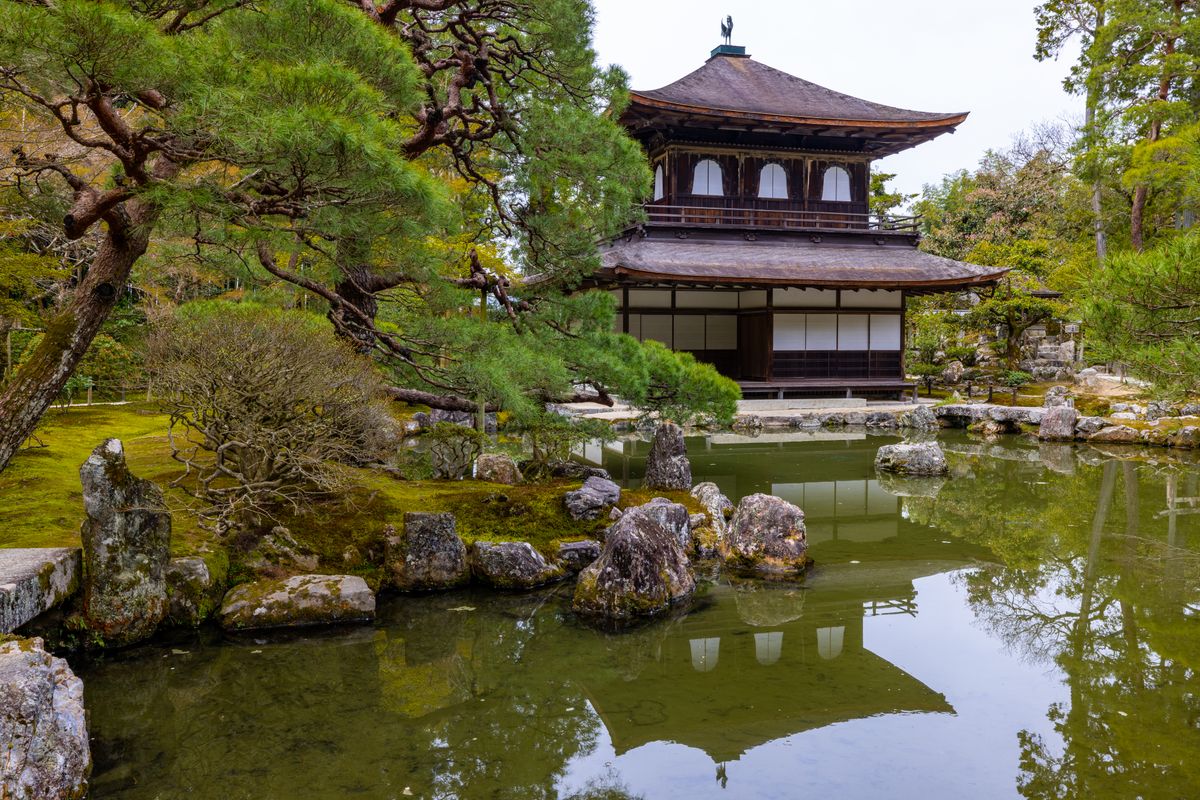
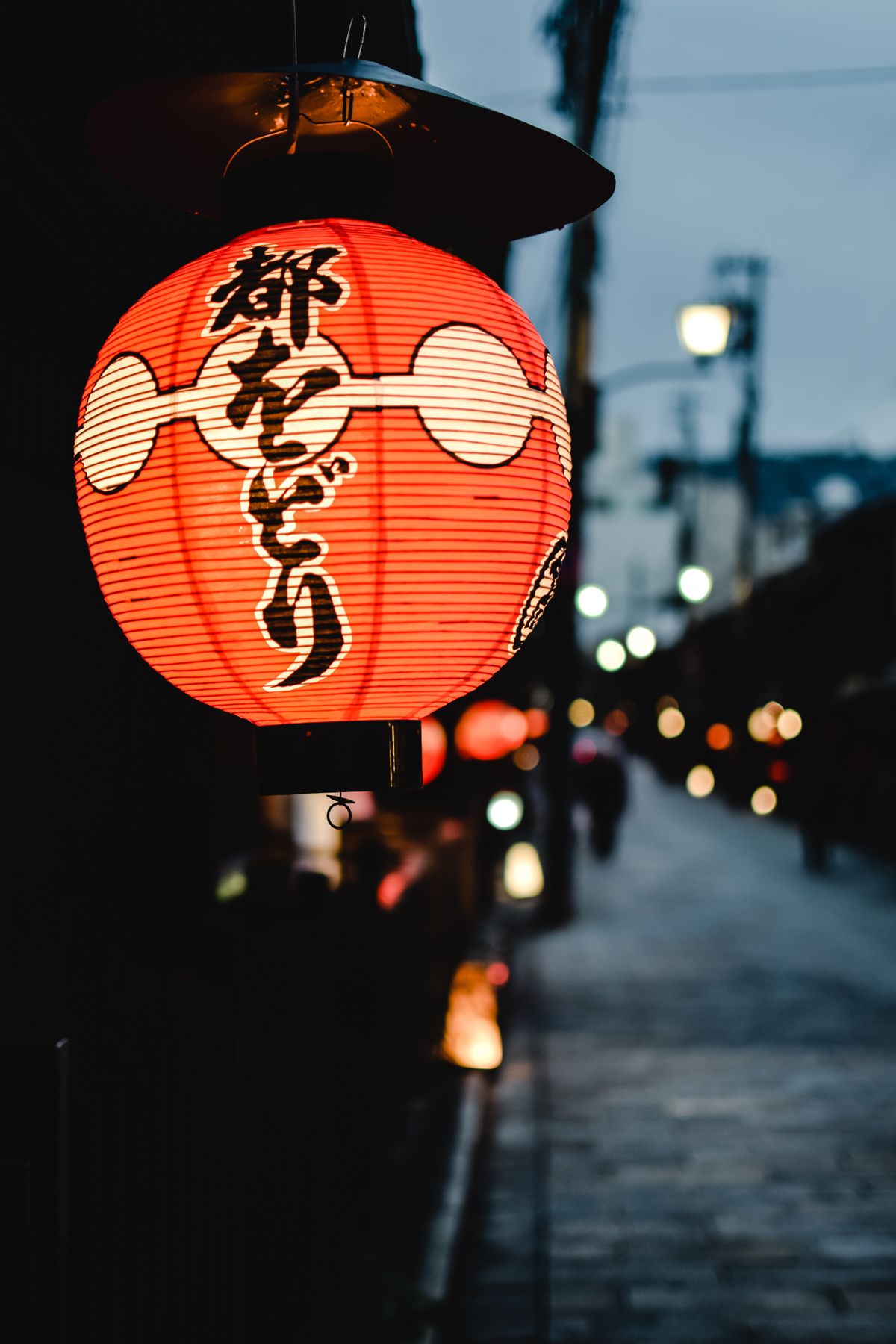
The narrow, gently inclined slope of Yumotozaka is the spine of Arima Onsen. Stone-paved, lined with wooden shopfronts, and softly lit by paper lanterns after dusk, this is the photogenic heart of the town. Pop into shops selling tansan-senbei mineral water crackers, dye-stained handmade brushes (the famous Arima fude), bamboo crafts, and lacquered chopsticks. Cafes at the upper end of the slope serve matcha and the local pickled-plum-flavored confection nerikiri. The shops close around 17:00 but the alley remains beautiful for a post-dinner walk in yukata.
Onsen-ji Temple
At the top of the lantern alley, Onsen-ji is the most important temple in town. It enshrines a 12th-century wooden statue of the monk Gyoki, traditionally credited with discovering Arima’s healing waters in the 8th century, and Ninsai, the priest who restored the hot springs after a 12th-century earthquake. Behind the main hall, a small museum displays the original bathing barrel used by Hideyoshi’s court. Admission is ¥300 ($2). The complex is small but historically central to understanding why Arima exists.
Tansan-Senngen Park
A 10-minute walk uphill from Onsen-ji takes you to the small Tansan-Senngen park, where one of the original carbonated mineral water springs bubbles up from the rock. The park itself is unremarkable, but the spring water source is the historical headwater of the bottled water industry in Japan: Arima’s tansan was the first commercial mineral water sold in the country in the late 19th century. Bring an empty bottle and you can fill it with naturally carbonated water for free. The water has a strong mineral flavor; even a small sip is bracing.
Nene Bridge and Statue
The small Nene Bridge over the upper Arima River honors Toyotomi Hideyoshi’s wife Nene, who supposedly accompanied her husband on his Arima trips. A statue of Nene seated and gazing across the river marks the bridge. The spot is a five-minute walk from the public baths and makes a good photo stop.
Mount Rokko Cable Car and Views
If you have a clear day and an extra two hours, the Mount Rokko ropeway connects Arima Onsen to the summit of Mount Rokko (931 m) in about 12 minutes. The summit area offers panoramic views over Kobe, Osaka Bay, the Awaji Island bridge and, on the very clearest days, a faint outline of Shikoku across the Inland Sea. The summit is also home to herb gardens, an old observation deck, and a music box museum. A return ticket on the ropeway is ¥1,820 ($11.60). Operating hours vary seasonally; check before you go.
Zuihoji Park
A 10-minute walk above the town center sits Zuihoji Park, the former site of a temple that Toyotomi Hideyoshi used as a base for his Arima retreats. The park is best known for its November maple foliage, which turns the small valley brilliant red. There is no entrance fee. Pair it with our Japan autumn foliage guide to time your visit.
Toyotomi Hideyoshi Hot Spring Museum (Taikou no Yu Denbukan)
A small but well-curated museum holding the excavated remains of Hideyoshi’s late-16th-century bathhouse and a recreated daimyo’s bathing chamber. The free English audio guide is good. Admission is ¥200 ($1.30).
Where to Stay in Arima Onsen
The single most important decision in planning an Arima trip is your overnight choice. Day trippers see the town; overnight guests experience it. Many Arima ryokan have been hosting guests for two to four centuries, and a kaiseki dinner followed by a midnight private bath in a private outdoor tub is one of those memories that defines a Japan trip.
Luxury heritage ryokan
Goshobo, the oldest continuously operating ryokan in Arima, traces its history to the year 1191. Tosen Goshobo, Tocen Hotel, and the imposing Kinzan are similarly multi-generational establishments with elaborate kaiseki menus and private kinsen-fed baths attached to higher-tier rooms. Expect to pay ¥40,000 to ¥90,000 ($256 to $576) per person per night including a kaiseki dinner and traditional breakfast. Find luxury hotels on Ikyu.com → usually has the most refined selection of top-tier Arima ryokan and is the booking engine many luxury Japanese travelers themselves use.
If you only want one splurge in your Japan trip and you care about traditional accommodation, an Arima heritage ryokan night is a strong candidate. Compare with our roundup of the best ryokan in Japan.
Mid-range ryokan
For travelers who want the traditional experience without the heritage-property price, mid-range ryokan like Arima Onsen Tochigiya, Negiya Ryofukaku and Arima Royal Hotel deliver tatami rooms, in-house baths and full kaiseki dinners for ¥18,000 to ¥30,000 ($115 to $192) per person. Standards are uniformly high in Arima; even the cheapest ryokan have well-maintained baths. Book your hotel on Agoda (Best prices guaranteed) → shows live availability for most of these properties.
Budget options
Arima is not a budget destination, but a few smaller minshuku (family-run inns) and modest hotels offer rooms from around ¥9,000 ($58) per person with breakfast. These do not include kaiseki dinner but pair well with a dinner out in town. Check Search hotel deals on Yahoo! Travel → for the current best rates.
Day-bath ryokan packages
Several of the top ryokan also offer hi-gaeri (day-use) packages that include a private bath plus a kaiseki lunch from around ¥7,000 ($45) per person. This is a clever solution if you have a tight schedule but want a deeper experience than the public bathhouses provide. Booking is required at least one day in advance.
Where to Eat in Arima Onsen
Most overnight visitors eat both dinner and breakfast at their ryokan, which is the right call: Arima ryokan kaiseki is consistently excellent and is included in the room rate. But the town does have a few stand-out independent restaurants and cafes that day trippers and second-night guests should know about.
Local specialties
Tansan-senbei are the iconic Arima crackers, made by mixing the carbonated mineral spring water into a wheat-flour batter and baking it into thin, lightly sweet wafers. They are sold all along Yumotozaka in beautifully designed tins; a small box runs around ¥500 ($3.20). They are the canonical souvenir to bring home.
Kobe beef is not strictly an Arima dish, but several restaurants in town serve it given the easy supply from the surrounding pastures. A teppanyaki Kobe beef set lunch starts from around ¥7,000 ($45); a full evening course can run to ¥25,000 ($160). Order the leaner sirloin or fillet rather than the heavily marbled rib eye if you have not eaten Kobe beef before; the marbling is intense.
Sangokujiru is the local soup, a clear miso broth featuring small dumplings of mountain vegetables and tofu, named for the three former provinces (Tanba, Settsu and Harima) that intersect at Arima. Lunch sets featuring sangokujiru are widely available for ¥1,500 ($9.60).
Kuromame (black soy beans) from the surrounding Tanba area appear in countless forms — candied, in mochi, ground into ice cream and folded into pastries. Try them at the small cafes on the upper end of Yumotozaka.
Recommended restaurants
Kawabata is a long-established noodle shop serving thick udon and clean soba in a tatami-room setting. Lunch from ¥1,200 ($7.70). Yoshitaka is a refined sushi counter with Kobe-area fish; budget ¥6,000 ($38) for a full course. Cafe de Beau, in a restored 19th-century merchant house, does excellent matcha lattes and homemade cakes for an afternoon break. For an inexpensive izakaya dinner with locals, look for Shinmei-tei, a friendly spot two blocks above the bus terminal.
Looking for a broader sense of how to navigate Japanese restaurant culture? Our Japan food experiences guide walks through everything from kaiseki to convenience-store eats.
Onsen Etiquette: A Quick Primer
Before stepping into your first Arima bath, take five minutes to read up on the rules. They are simple, almost universal across Japan, and following them will make your experience much smoother. We have a full Japanese onsen etiquette guide on the site; here is the condensed version:
- Wash before you bathe. Onsen are for soaking, not cleaning. Sit on one of the low stools at the shower stations and thoroughly wash and rinse before entering the pool.
- No swimsuits. Bathing is done naked in single-sex baths. This feels strange to most Western visitors for about ninety seconds and then becomes completely normal.
- Keep the small towel out of the water. Most bathers fold the small towel and place it on their head while they soak. Never let it touch the bath water.
- Tie back long hair. Hair must not touch the water.
- Tattoos. Most Arima public baths and many ryokan now allow tattoos, but a few traditional establishments still ask guests to cover small tattoos with provided patches. If you have large tattoos, look for a ryokan with private kashikiri-buro (reservable private baths) so the question never arises.
- Voices low, no phones. The bathing area is a quiet space. Conversation should be soft; phones should never be brought in.
- Hydrate. Mineral baths at 43°C are surprisingly dehydrating. Drink water before and after. Bottled water is sold in vending machines outside the bathing area.
- Take it slow. First-time bathers often misjudge how hot the water is. Start with five minutes, cool off in the rest area, then return for another five. A 30-minute session can leave you genuinely tired in a pleasant way.
Best Time to Visit Arima Onsen
Every season has its merits. The four windows below are the most rewarding.
Late October to late November (autumn foliage)
This is the standout season. Zuihoji Park and the surrounding hillsides blaze red and orange. Many ryokan increase their kaiseki menu featuring matsutake mushrooms and seasonal fish. Weekend bookings should be made one to two months ahead. The Arima Maple Festival in mid-November is a low-key but charming event.
December to February (snow and quiet)
Winter is the secret season. Snowfall is occasional in central Arima but the surrounding hills regularly turn white. Hot spring towns are at their most photogenic with snow on the eaves, and December through early February see meaningful price drops on midweek ryokan stays. Pack layers; even a steaming bath cools you fast once you climb out.
Late March to mid-April (cherry blossoms)
The riverside paths and the area around Onsen-ji bloom with cherry trees, though the display is more modest than at Kobe’s major sakura spots. Weekday visits avoid the local crowds.
June to August (summer evenings)
The town is meaningfully cooler than Osaka thanks to the elevation (around 350 m). Evenings on the upper paths can be magical with fireflies in early June and crisp mountain air through August. The hottest baths feel less appealing in midday heat; aim for early-morning or post-dinner soaks.
Practical Tips for Visiting Arima Onsen
- Travel light into town. Arima’s slopes are gentle but the cobblestones are uneven and many ryokan have a flight of stairs at the entrance. If you are arriving with full luggage, consider sending heavy bags onward to your next destination by takkyubin (overnight courier) for about ¥2,000 ($13) per piece.
- Bring cash. Many small shops, the smaller bathhouses and the temple admissions are cash only. ATMs at the 7-Eleven and Family Mart in town accept foreign cards. Budget ¥10,000 ($64) per person per day in cash.
- Carry a small reusable towel. Even if your ryokan supplies one, it is convenient to have a personal washcloth on hand for the public bathhouses.
- Wear the yukata. Your ryokan will provide a cotton yukata and matching tabi socks. Wearing them around town — not just inside the inn — is normal and encouraged. Locals do the same.
- Time the public baths. Both Kin no Yu and Gin no Yu close on alternating Tuesdays. Check the official town website before you arrive to avoid a wasted trip.
- Pace your bathing. Three short soaks of 10 to 15 minutes each across a day is more enjoyable and safer than a single 45-minute marathon. Especially with the heavily mineralized kinsen.
- Set up data before you arrive. Arima is small but wandering its lanes is the entire pleasure of the visit, and offline-capable maps help. Get Japan eSIM on Saily → works as soon as you land at Kansai International.
- Quiet hours. Most ryokan ask guests to be indoors after 22:00 and the town effectively closes. The lantern alley is at its most beautiful between 18:00 and 21:00.
- Lockers and luggage. Coin lockers are available at the Arima Onsen Bus Terminal and at Arima Onsen Station for day visitors with bags.
- Travel insurance. Onsen towns are very safe, but tile and stone in the bathhouses can be slippery. Many Japan trips include a minor slip; basic travel insurance is always a sensible add.
Suggested Itineraries
Three pacing options for different trip lengths.
Half-day from Kobe (essentials only)
09:30 – Depart Sannomiya by bus or subway.
10:30 – Arrive Arima Onsen. Drop bags in coin locker at the bus terminal.
10:45 – Bathe at Kin no Yu (kinsen gold water).
12:00 – Lunch on Yumotozaka. Sangokujiru and a tansan-senbei dessert.
13:00 – Walk Yumotozaka up to Onsen-ji and Tansan-Senngen Park.
14:30 – Bathe at Gin no Yu (ginsen silver water).
15:45 – Coffee and pastries at Cafe de Beau.
16:30 – Return to Kobe.
One-night overnight (the classic)
Day 1. Arrive Arima around 14:00. Check into ryokan, change into yukata. Walk Yumotozaka to Onsen-ji and Zuihoji Park (allow 90 minutes). Enjoy your ryokan’s private bath before dinner. Kaiseki dinner at 18:00. Evening stroll through the lantern alley. Post-stroll soak before bed.
Day 2. Breakfast at the ryokan. Quick morning bath. Day-bath at Kin no Yu or Gin no Yu to compare the two waters with your ryokan’s water. Lunch on Yumotozaka. Optional Mount Rokko ropeway and a snack at the summit. Return to Kobe or Osaka by mid-afternoon.
Two-night deep dive
The same as above for Days 1 and 2, with an extra day inserted between them for a side trip up to Mount Rokko and the Nunobiki Herb Garden, or a day excursion to Himeji Castle. The second night is when ryokan staff start to recognize you and the kaiseki menu rotates to a different seasonal lineup. This is the option most experienced Japan travelers settle into.
Combining Arima with the Rest of Kansai
Arima is small enough that it does not need to be the centerpiece of a trip. Most travelers pair an overnight in Arima with two or three nights in Kyoto, two nights in Osaka, and a half-day in Kobe. The town fits especially neatly between a Kyoto-Nara-temple-heavy stretch and the urban energy of Osaka, providing a restorative pause.
If you have more time, expand your Kansai loop to include Himeji Castle, Koyasan for a Buddhist temple-stay night, and Nara for the deer park and ancient temples. Each of these adds a different texture: the white-walled castle, the candlelit temple morning prayer, the friendly bowing deer.
Arima Onsen for Luxury Travelers
If your trip is centered on top-tier ryokan experiences, Arima offers some of the most refined accommodation in Japan. The combination of historical pedigree, dual-water bathing, kaiseki rooted in Tanba and Setouchi ingredients, and the proximity to Kobe beef makes it a natural fit alongside places like Kinosaki Onsen on the Sea of Japan side of Hyogo and Hakone in eastern Honshu. A two-night ryokan stay here, with private outdoor baths attached to the room, is one of the most luxurious experiences in Japan and is a fraction of the cost of comparable hotels in Kyoto. Many top ryokan are bookable on Find luxury hotels on Ikyu.com →, the Japanese-language booking platform of choice for domestic luxury travelers, with English-language support.
Frequently Asked Questions
Is Arima Onsen worth visiting on a short Japan trip?
Yes, if you have at least eight nights in Kansai and you want a hot spring experience without dedicating multiple days to a remote ryokan. Arima compresses the full traditional ryokan experience into a single afternoon and night, and the access from Kobe and Osaka is exceptionally easy. If your itinerary is fewer than eight nights and is dominated by Tokyo and Kyoto, you may want to save Arima for a return trip and instead consider Hakone if you are passing through.
Can I visit Arima Onsen as a day trip?
You can, and many people do. A focused day trip from Kobe lets you bathe at one or both of the public bathhouses, eat lunch on Yumotozaka and walk to Onsen-ji and Tansan-Senngen Park. The day trip is rewarding but does not capture the magic of a ryokan stay with private outdoor bath and kaiseki. If your schedule allows even one night, take it.
Are tattoos allowed at Arima Onsen?
Policies vary. Both Kin no Yu and Gin no Yu have recently relaxed their rules and small tattoos are generally accepted. Many ryokan also allow tattoos, especially at the larger newer properties. A few traditional inns still ask guests to cover small tattoos with the patches they provide. If you have large or visible tattoos, the safest plan is to book a room with a private kashikiri-buro reservable bath or with an in-room private bath, both of which avoid the question entirely.
Do I need to make ryokan reservations in advance?
Yes, especially for autumn weekends (mid-October through November), New Year, Golden Week (late April to early May), and cherry blossom weekends. Top ryokan can book up two months out for these periods. Midweek bookings in other seasons can often be made one to two weeks ahead.
How does Arima Onsen compare to Hakone or Kinosaki?
Hakone is closer to Tokyo, larger, more dispersed, and offers Mount Fuji views; its baths are not as historically distinguished. Kinosaki, also in Hyogo, has a more theatrical bathhouse-hopping culture with seven public baths and a yukata-wearing village atmosphere. Arima is the smallest of the three, the most ancient, and has the most unusual water with its dual gold and silver springs. Foreign visitors often pick Hakone for proximity to Tokyo, Kinosaki for atmosphere, and Arima for water quality and Kansai convenience.
Is Arima child friendly?
Yes. Many ryokan accept families with young children and provide smaller yukata. The public bathhouses allow children, and the town’s small scale means no long walks. The Mount Rokko ropeway and herb gardens at the summit are also a hit with families.
Will my Japan Rail Pass work for getting to Arima?
The Japan Rail Pass covers the JR portions of your trip (e.g., shinkansen to Shin-Kobe and JR Kobe Line trains), but the Kobe Municipal Subway, the Shintetsu Arima Line and the direct buses from Sannomiya or Osaka are private operators and require separate tickets. Plan for an extra ¥700 to ¥1,400 ($4.50 to $9) each way for the local connections. Our Japan Rail Pass guide covers the math.
What should I bring to the public bathhouses?
A small towel (or rent one for ¥200 / $1.30 at the entrance), a 100-yen coin for a locker, and your bathing self. Toiletries are provided at the showers. Hair ties for long hair are also useful. Photography is not permitted inside the bathing area.
How long does each public bath visit take?
Allow about 75 to 90 minutes door to door including changing, showering, soaking and cooling down. Many visitors do both bathhouses in a single day with a lunch in between, which fills a comfortable five-to-six-hour window.
Are the Arima ryokan English-friendly?
Most mid-range and upper-tier ryokan have at least one English-speaking staff member at the front desk, English check-in materials, and English-translated dinner menus. Communication around dietary restrictions or allergies is best handled at the time of booking (most Japanese booking sites and direct emails work in English). Translation apps fill in the gaps comfortably.
What does a typical Arima kaiseki dinner look like?
Expect 8 to 12 small courses served over about 90 minutes, paced calmly. Sample courses might include a seasonal appetizer plate (sakizuke); a hot soup with mountain vegetables and a small dumpling (suimono); seasonal sashimi; a grilled local fish or Tanba-prefecture matsutake mushroom dish; the famous Kobe beef simmered or grilled; rice or a small noodle course; pickles; and a delicate dessert. Sake pairings are usually optional for ¥3,000 to ¥6,000 ($19 to $38).
Final Thoughts on Arima Onsen
Hot springs are one of the great pleasures of traveling in Japan, and the country has dozens of beautiful onsen towns. But Arima is special. It is the oldest of them. It has the most unusual mineral profile of any major Japanese spring. It sits within easy reach of three of Japan’s most-visited cities, which makes it accessible to first-time visitors and to travelers on tight schedules. And it manages, after thirteen centuries of bathers, to retain a quiet, unhurried, distinctly Japanese atmosphere that bigger and more famous onsen towns sometimes lose. The lantern alley after dinner, the rusty-red soak before bed, the careful pacing of a kaiseki dinner, and the bright crackle of carbonated water in your morning bath are all things you will not forget. Book a ryokan if you can; take a half-day if you cannot. Either way, do not let Arima slip past you when you are in Kansai.
For more practical planning, browse our destination index on the main site. And, as always, sort your phone connectivity before you fly — the easiest way is to Get your Japan eSIM (Stay connected from day 1) → in advance and activate it once you land.
Going to Japan? Talk to locals with confidence.
Hirameki Japanese — instant offline translation, camera translation, furigana + romaji, and 314 free flashcards. No login. Works without internet.

Plan your Japan trip
Two things every first-timer should book
Some links are affiliate links. If you book through them we may earn a small commission at no extra cost to you.