In this guide
- When Fuji is actually visible
- The best places to see it
- Day trip or overnight?
- Seeing vs climbing
- FAQ
When Fuji is actually visible
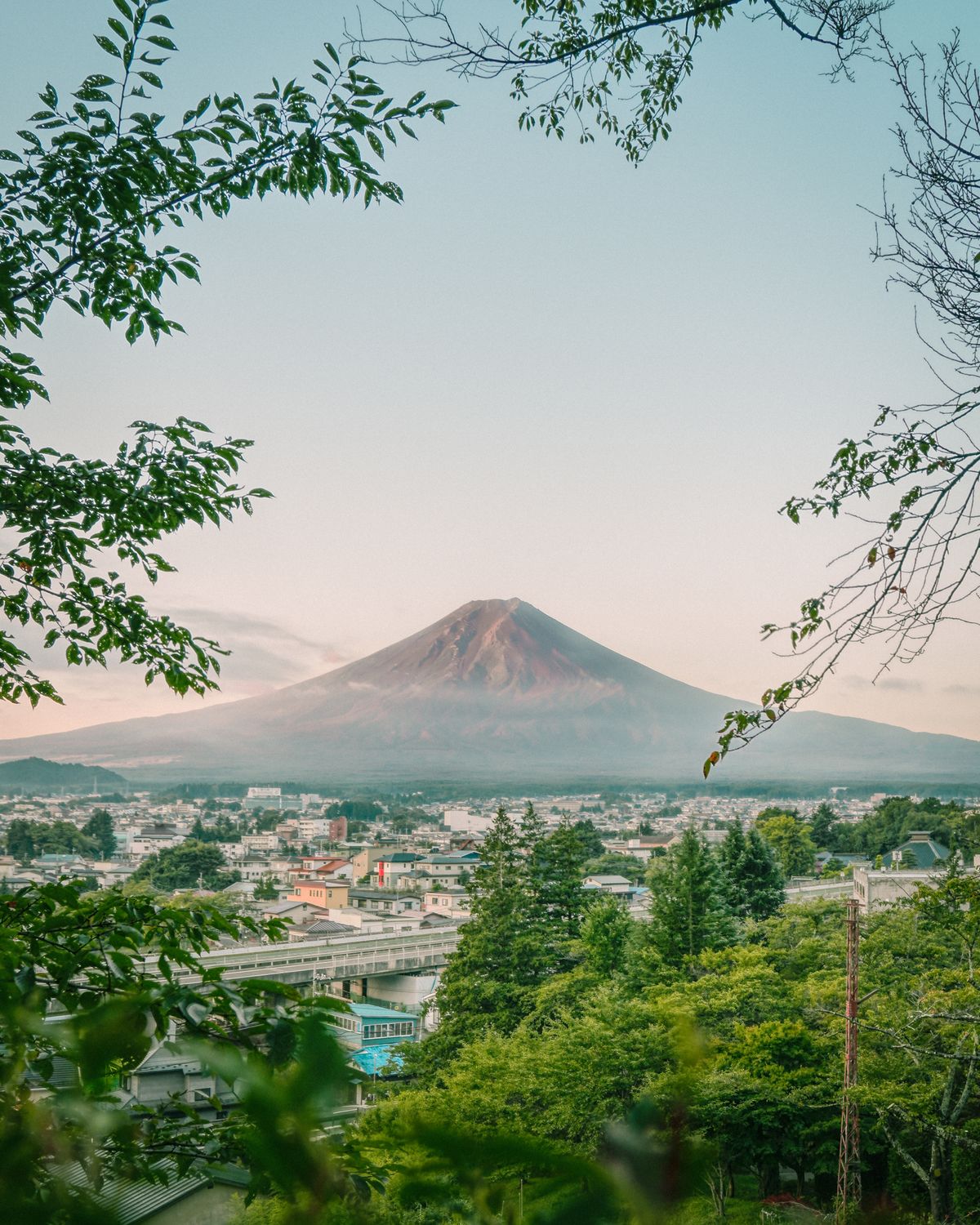
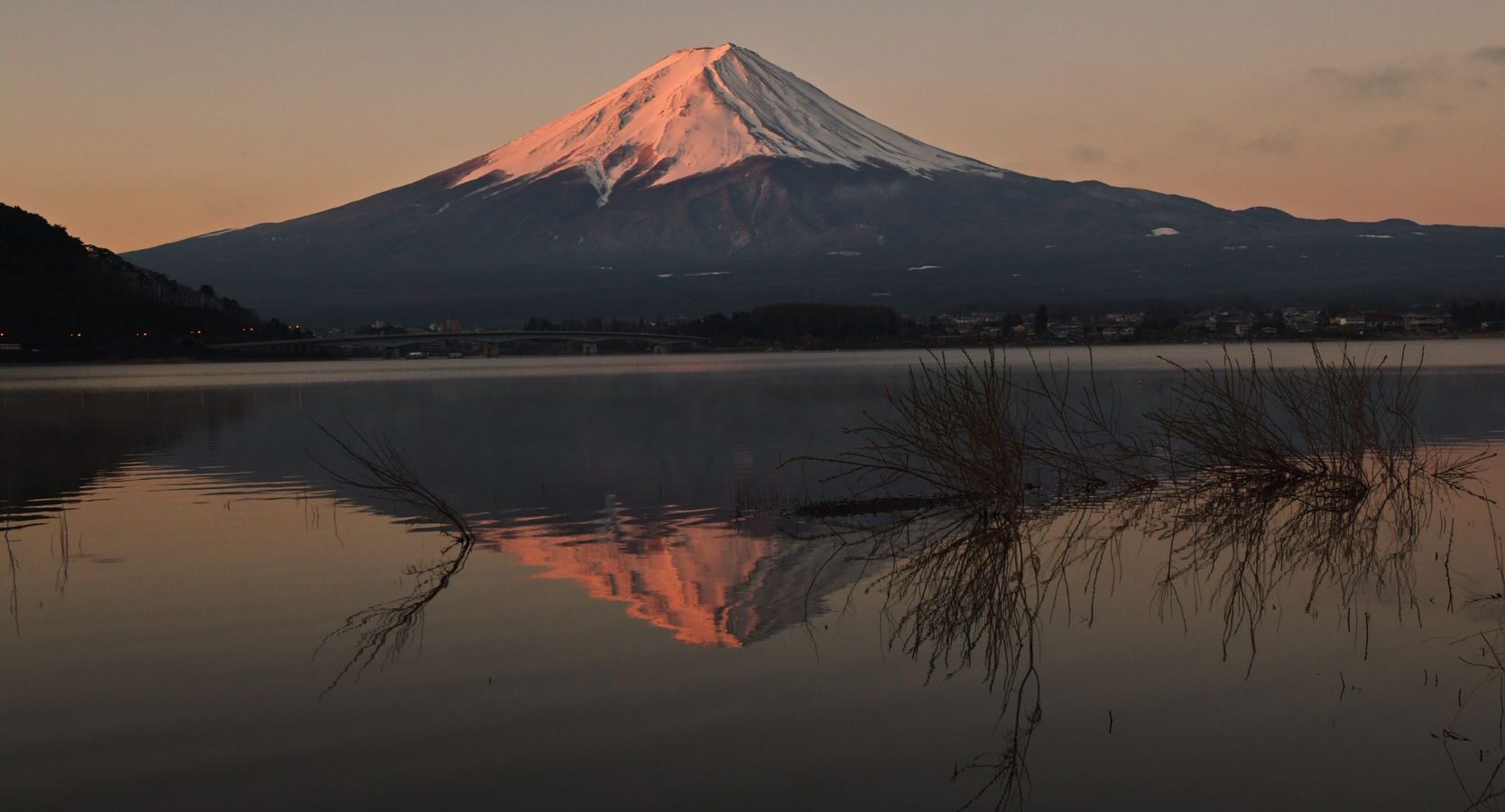
The mountain’s biggest secret: in summer it’s invisible more often than not, wrapped in haze and cloud. Visibility improves dramatically from late October and is best November through February, when cold, dry air keeps the sky sharp — often with fresh snow on the cone. Whatever the season, go early: mornings are clearest, and clouds typically gather around the summit by midday. If Fuji matters to your trip, put your viewing day early in the itinerary so you can retry once if the weather refuses.
The best places to see it
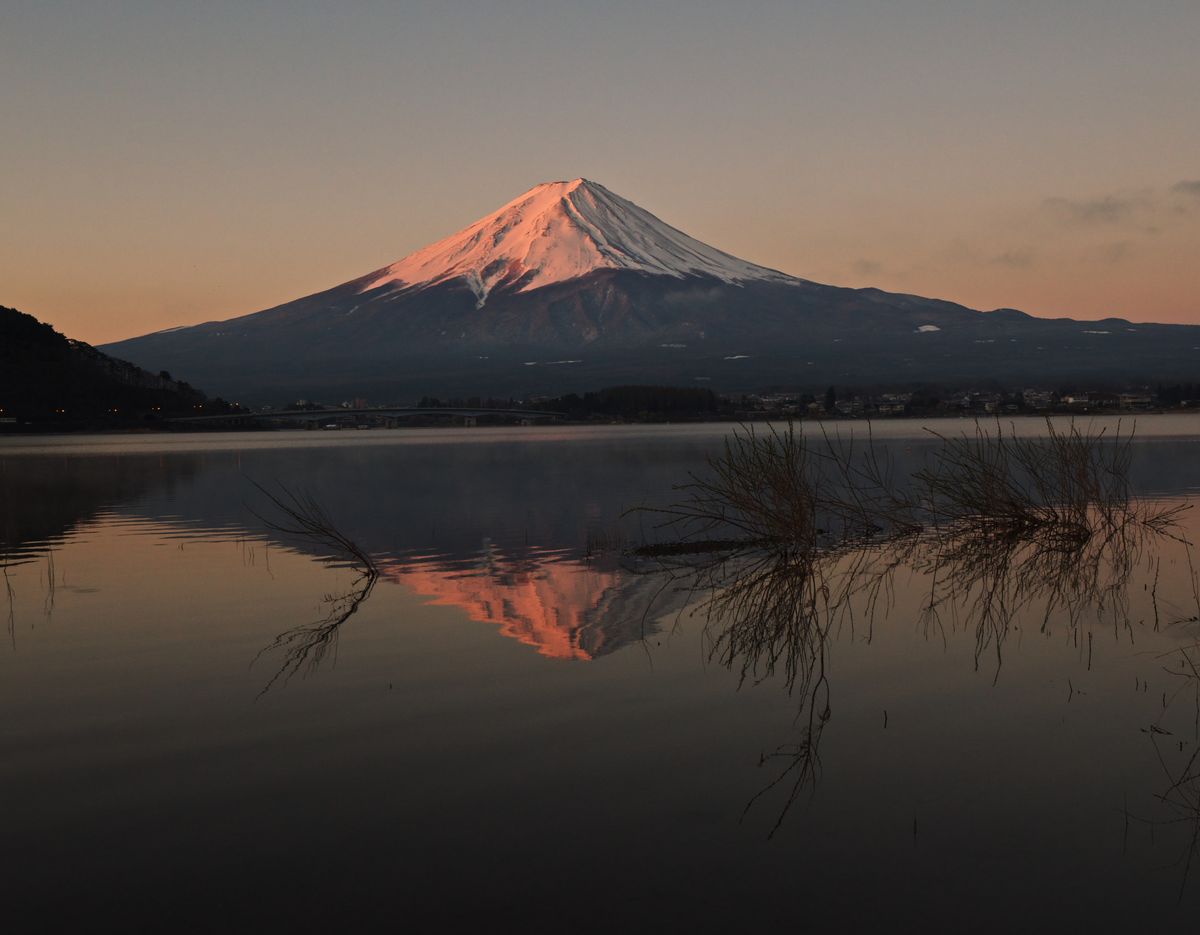
- Lake Kawaguchiko (Fuji Five Lakes) — the closest, most dramatic views: the whole cone reflected in the lake. The famous Chureito Pagoda frame — pagoda, cherry or maple leaves, Fuji behind — is 400 steps up from Shimoyoshida station, 10 minutes away.
- Hakone — easier logistics from Tokyo and a full day out even if Fuji sulks: ropeway over volcanic Owakudani, Lake Ashi cruise, art museums and onsen. Fuji appears from the ropeway and the lake’s north end on clear days.
- The shinkansen window — free and surprisingly great: riding Tokyo→Kyoto, sit on the right side (seat E); Fuji fills the window near Shin-Fuji station about 45 minutes in. Details in our shinkansen guide.
- Tokyo observation decks — on crisp winter mornings, Fuji floats over the skyline from Shibuya Sky or the free Tokyo Metropolitan Government building decks.
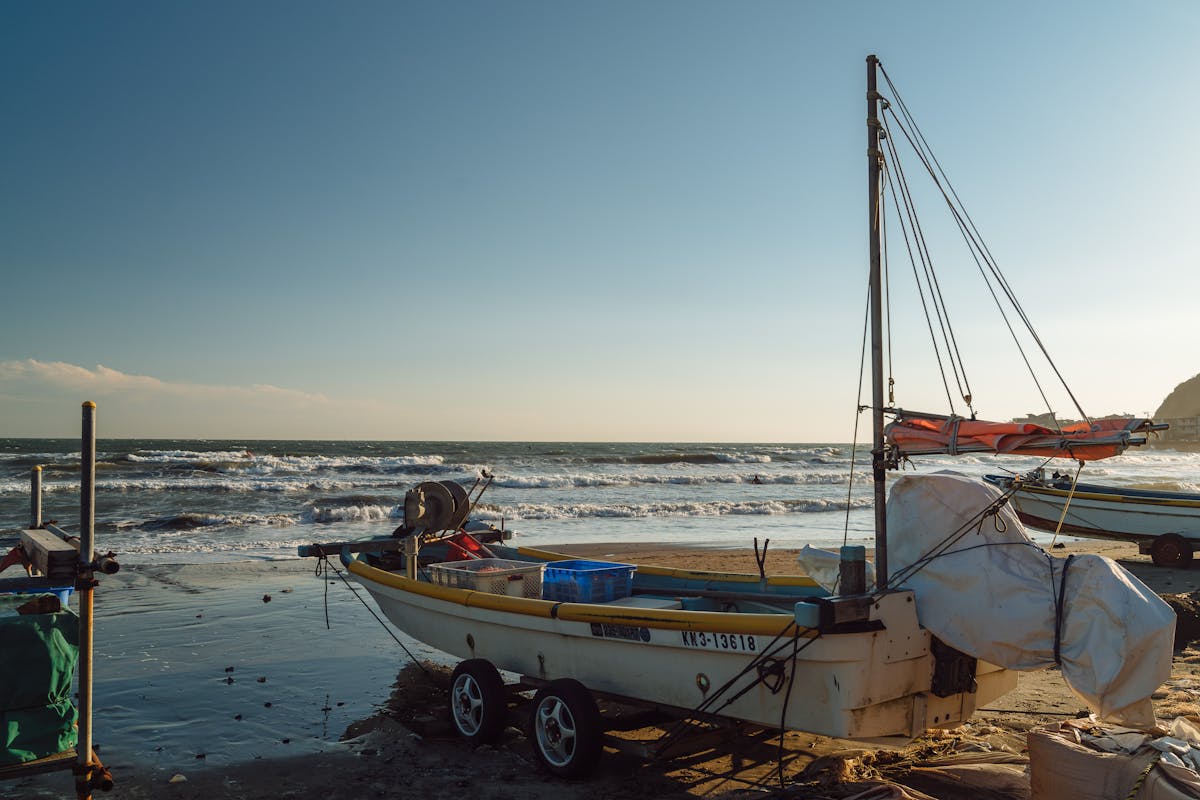
- Enoshima & the coast — Fuji across the sea in winter; pairs with our Enoshima day trip.
Day trip or overnight?
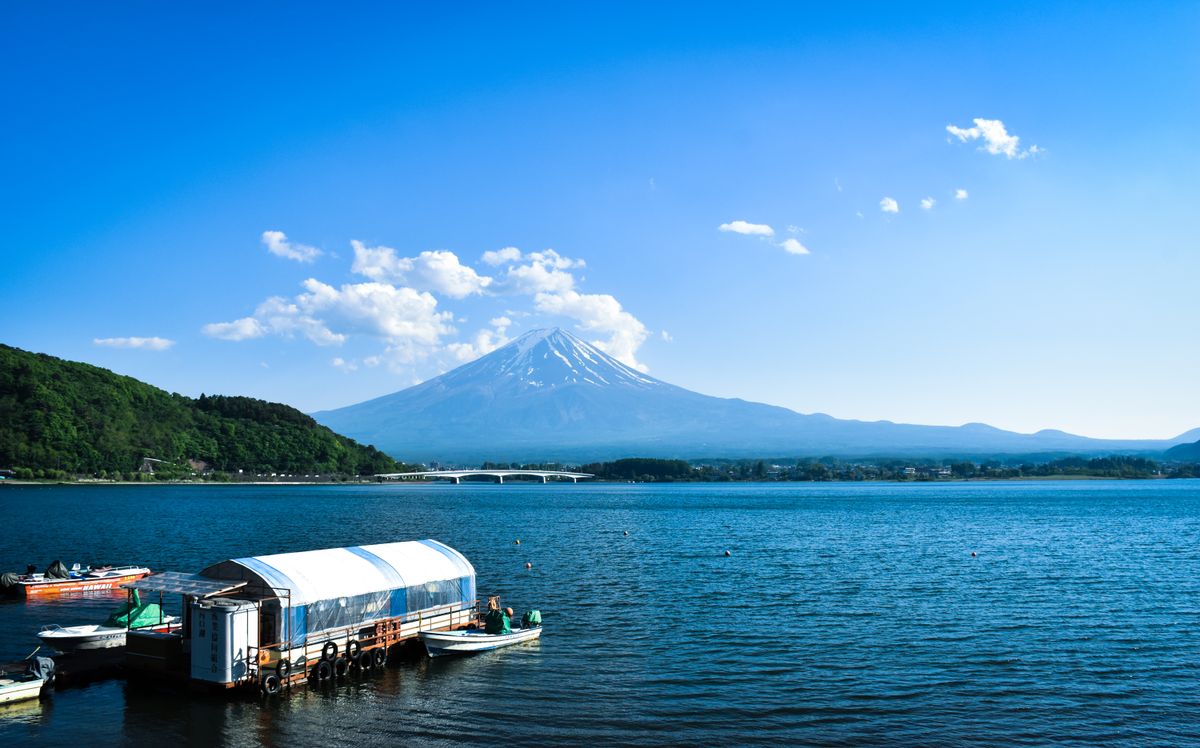
A Tokyo day trip works for either base — but an overnight is the upgrade that pays off: you get the golden-hour and dawn views day-trippers miss, which is when Fuji photography actually happens. In Kawaguchiko, lakefront ryokan sell “Fuji-view rooms” — worth it on clear-season dates; in Hakone you get onsen under the stars. Compare both towns on Agoda and book early for November — foliage season (red maples + snow-capped Fuji) is peak demand; see our autumn guide. Doing Fuji as a stop between Tokyo and Kyoto? Our Tokyo–Kyoto transport guide shows the routings.
Seeing vs climbing
Different trips entirely. Climbing season is roughly early July to early September only — the exact opposite of the best viewing months — and it’s a serious overnight hike, not a viewpoint stroll (start with our Japan hiking guide). Ironically, from the summit you can’t see Fuji at all: the best photos of the mountain are taken from the lakes below. Most travelers want the view, not the climb.
Frequently asked questions
What are the chances of seeing Mt Fuji? Highly seasonal: strong on clear November–February mornings, poor on summer afternoons. Always aim early in the day.
Hakone or Kawaguchiko? Kawaguchiko for the biggest, closest Fuji views; Hakone for the best all-round day (onsen, ropeway, cruise) with Fuji as a bonus.
Can I see Fuji from Tokyo? Yes — on crisp winter mornings from tall observation decks, small but unmistakable.
Which shinkansen seat sees Fuji? Tokyo→Kyoto/Osaka: right side, seat E. Kyoto→Tokyo: left side, seat E — window E either way.
Going to Japan? Talk to locals with confidence.
Hirameki Japanese — instant offline translation, camera translation, furigana + romaji, and 314 free flashcards. No login. Works without internet.

Plan your Japan trip
Two things every first-timer should book
Some links are affiliate links. If you book through them we may earn a small commission at no extra cost to you.