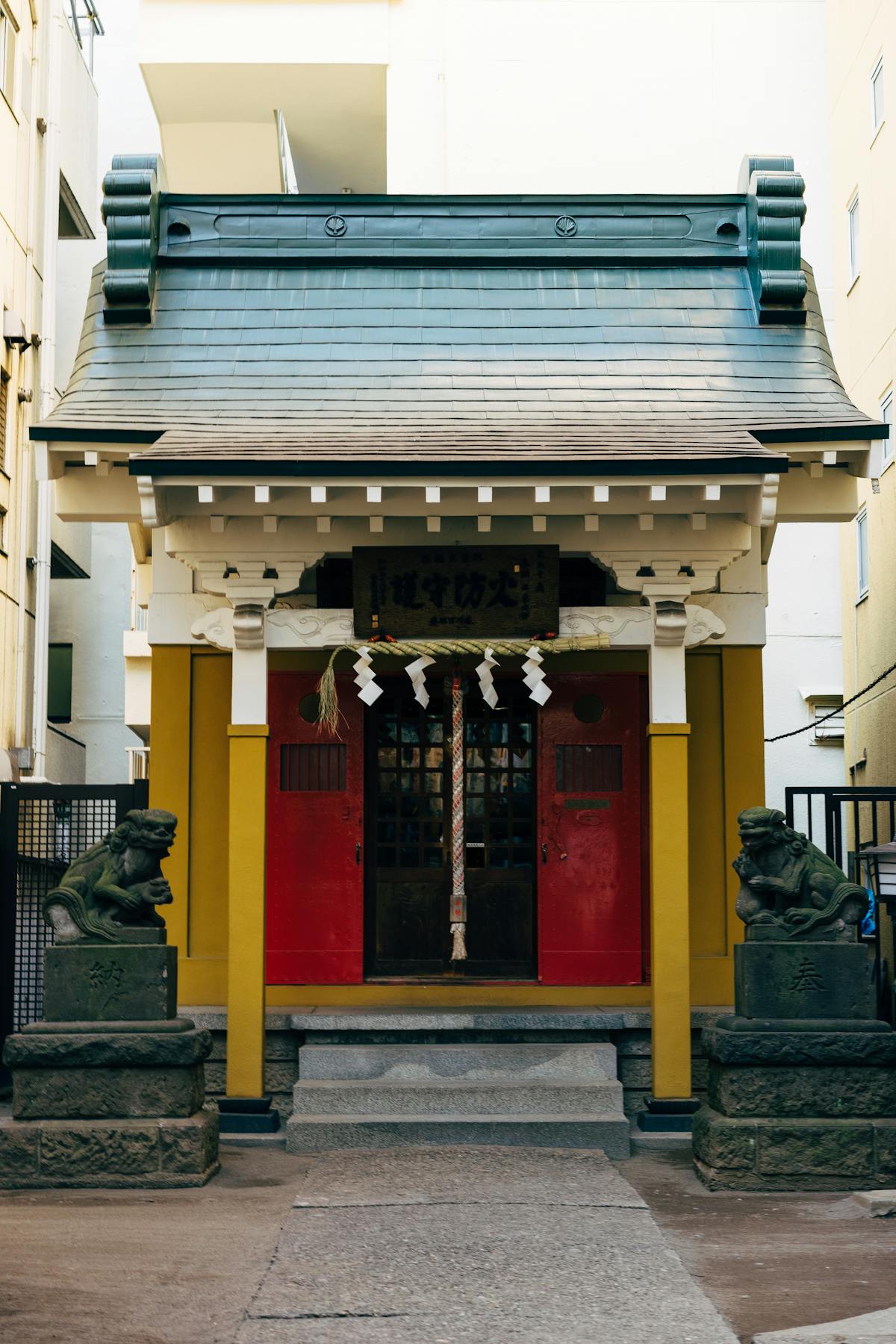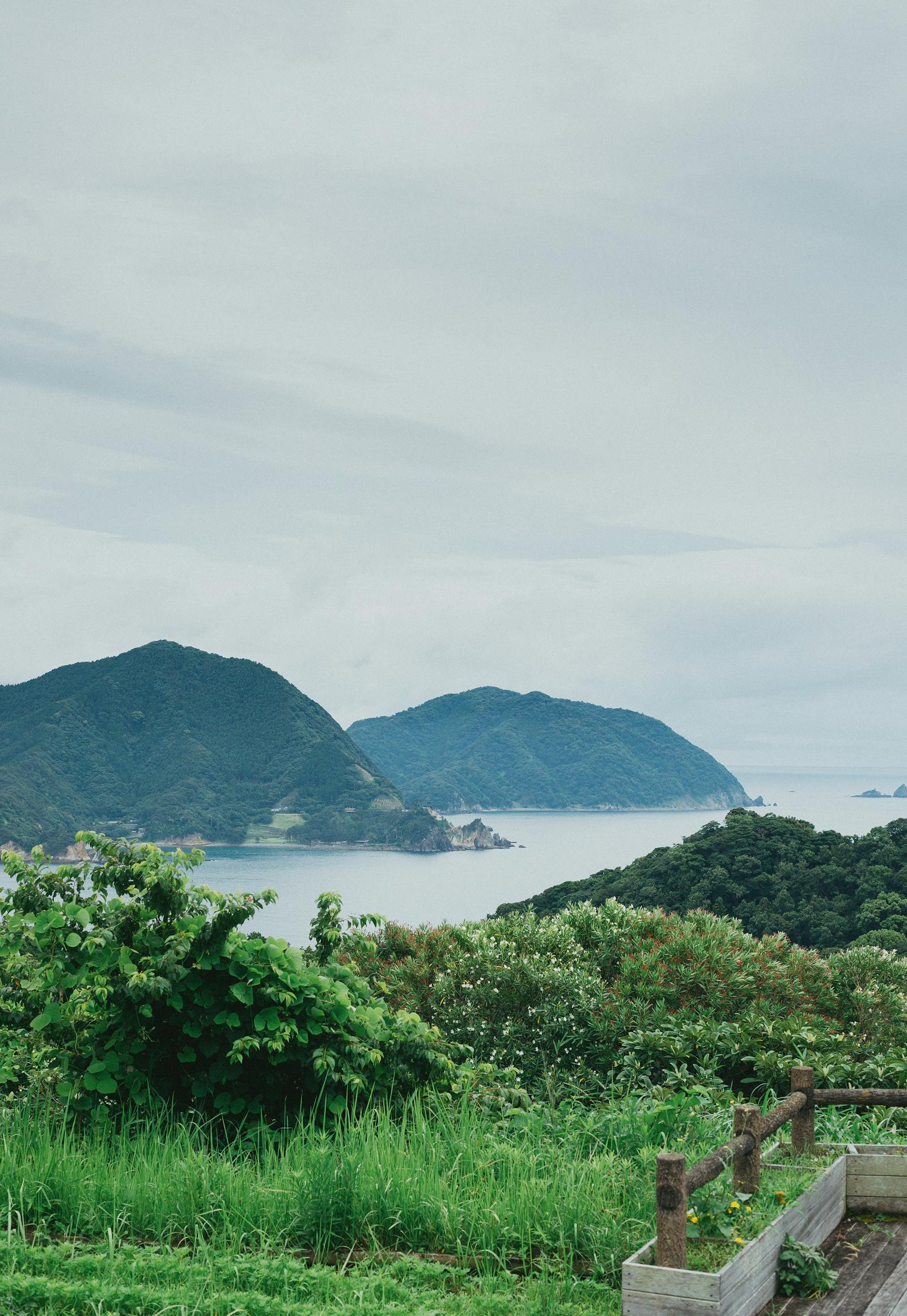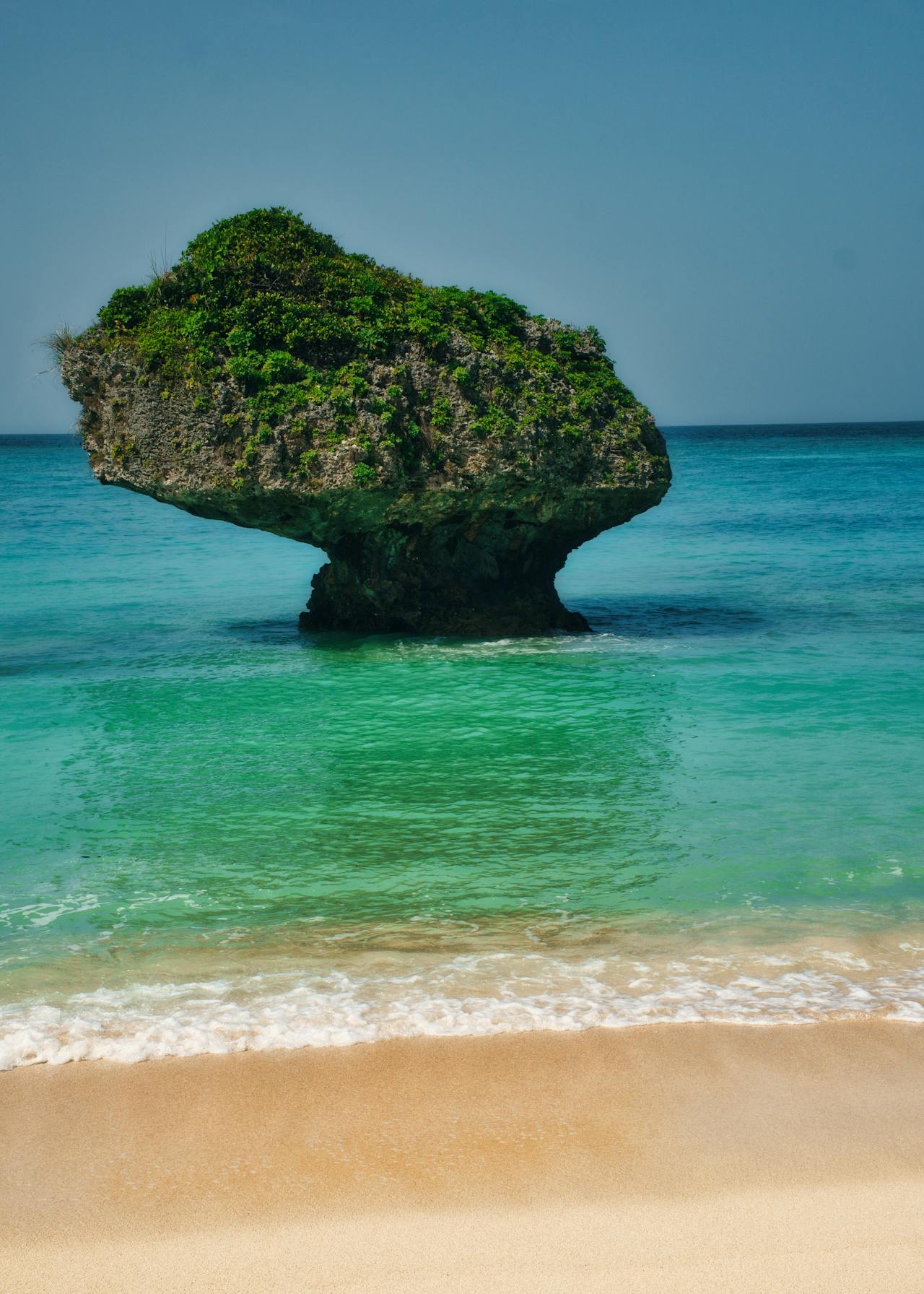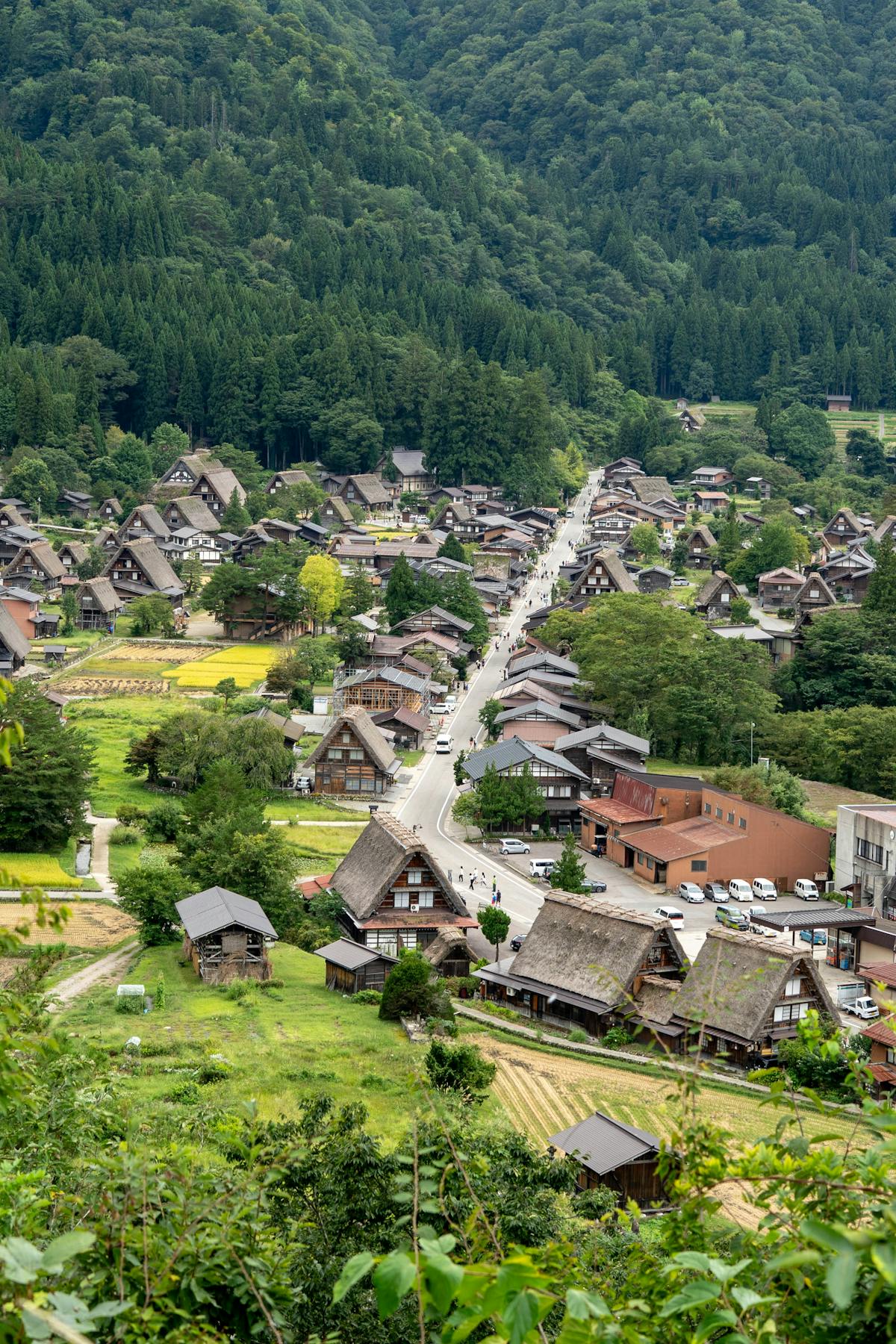
Nestled in the heart of Iwate Prefecture in Tohoku, Tono is unlike any other destination in Japan. While the country’s tourist trail tends to loop between Tokyo, Kyoto, and Osaka, Tono sits quietly off the beaten path — a small, unhurried city surrounded by forested hills, green rice paddies, and rivers said to be home to mischievous water sprites called kappa. If you’re looking for the soul of old Japan — rural, mystical, and deeply rooted in storytelling tradition — Tono is where you’ll find it.
This is the city that inspired Kunio Yanagita’s landmark 1910 book Tono Monogatari (The Legends of Tono), a collection of eerie and enchanting folk tales gathered from local farmers and hunters. More than a century later, those legends still shape daily life here. Children grow up knowing the stories, statues of kappa dot the riverside, and visitors arrive hoping to catch a glimpse of something unexplained in the mist rolling off the mountain valleys.
But Tono isn’t just a place for folklore lovers. It offers beautiful cycling routes through the countryside, immaculately preserved traditional farmhouses, a famous local food scene built around lamb barbecue and hearty noodle soups, and a genuine, unhurried warmth that’s increasingly rare in Japan’s more touristy corners. Whether you’re on a Tohoku road trip, a Japan rail adventure, or a dedicated pilgrimage to the country’s folk heritage, Tono deserves a spot on your itinerary.
This guide covers everything you need to know about visiting Tono — how to get there, what to see, where to eat, where to stay, and how to make the most of your time in this quietly magical corner of Tohoku.
Why Tono? Japan’s Living Folklore Capital
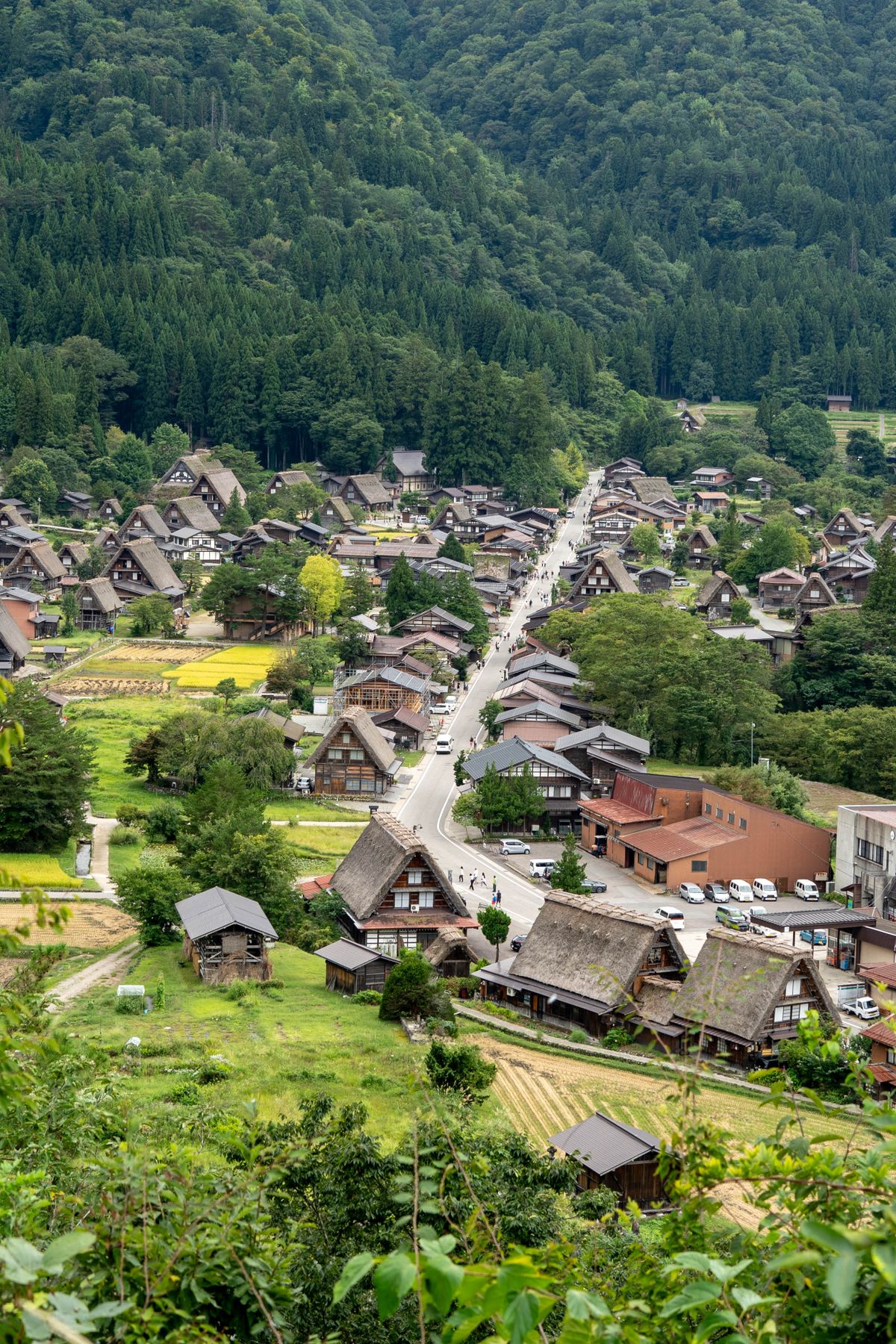
Most visitors to Japan experience its folklore through museum displays or stage performances. In Tono, the folklore is still alive — woven into place names, architecture, farming practices, and the landscape itself. The city was built on stories, and those stories built the city.
Kunio Yanagita spent time in Tono in the early 1900s, collecting tales from a local man named Kyoseki Sasaki, who had gathered them from the farmers, hunters, and fisherfolk of the surrounding mountains. What emerged was Tono Monogatari, Japan’s first significant work of ethnological folklore. The book describes encounters with kappa (river imps with bowl-shaped heads and a taste for cucumbers), zashiki-warashi (invisible household spirits that bring good luck), and tengu (winged mountain goblins). It also paints a vivid portrait of late Meiji-era rural life — the superstitions, the hardships, the deep relationship between humans and the natural world.
Today, Tono takes its literary heritage seriously. The Tono City Museum devotes significant space to the folklore tradition. Guided tours take visitors through the exact locations where certain legends unfolded. And every September, the Tono Festival fills the streets with yabusame (horseback archery), folk dances, and costumed performers, linking the city to centuries of tradition.
Beyond the folklore, Tono is simply a beautiful place. The Tono Basin is ringed by the Kitakami Highlands and the peaks of the Kitakami Mountains, including the sacred Hayachine-san (1,917m), a volcano worshipped since ancient times and now a UNESCO-listed sacred mountain. The city sits at roughly 300 metres elevation, giving the surrounding countryside a cool, clean quality — mountain air, clear streams, and silence broken only by birdsong and the distant clang of a temple bell.
Tono is also a rare example of a Japanese community that has resisted over-tourism while still welcoming curious visitors warmly. You won’t find souvenir shops on every corner or ticket machines at every site. Instead, you’ll find local families going about their lives, elderly farmers tending their plots, and occasionally — if you believe in such things — a ripple in the river that suggests something unseen is watching.
How to Get to Tono
Tono is accessible by train from several directions, and the journey through the Tohoku mountains is itself scenic and rewarding.
From Tokyo
Take the Tohoku Shinkansen from Tokyo Station to Shin-Hanamaki Station (about 2 hours 30 minutes to 3 hours, depending on services). From Shin-Hanamaki, board the JR Kamaishi Line local train to Tono Station (approximately 1 hour). The total journey is around 3.5 to 4 hours. If you have a Japan Rail Pass, both the shinkansen and the Kamaishi Line are covered. This route is also practical from Sendai or Morioka.
From Morioka
Morioka is the closest major shinkansen stop. Take the JR Tohoku Main Line south to Hanamaki, then the JR Kamaishi Line east to Tono. The combined journey takes around 1 hour 40 minutes to 2 hours. Alternatively, highway buses run from Morioka Bus Terminal to Tono — a comfortable option for those without a rail pass.
From the Sanriku Coast
If you’re arriving from Kamaishi or Kesennuma on the Sanriku Coast, the JR Kamaishi Line heads inland from Kamaishi to Tono (about 50 minutes), passing through dramatic mountain terrain and tunnels. This direction is especially popular with cyclists and hikers completing the Tohoku coastal route.
By Car
Tono is about 85 km from Morioka by road (approximately 1 hour 30 minutes via Route 283). A rental car gives you the most flexibility for exploring the rural areas around the city, especially the scattered farmhouses and Hayachine-san trailheads. Car hire is available in Morioka and at Shin-Hanamaki.
Once in Tono, a bicycle is the best way to get around. The city has a flat basin area ideal for cycling, and rental bikes are available at Tono Station for around ¥500–¥1,000 (approximately $3.50–$7 USD) per day. A cycling map is also available at the tourism office in the station building.
If you’re planning to cover a lot of ground on this trip, consider booking accommodation across Tohoku through Agoda to find deals at Tono’s ryokan and guesthouses. Staying in Tono at least one night allows you to experience the area at dawn and dusk — when the misty valleys are at their most atmospheric.
Top Things to Do and See in Tono
1. Tono Furusato Village (Denshoen)
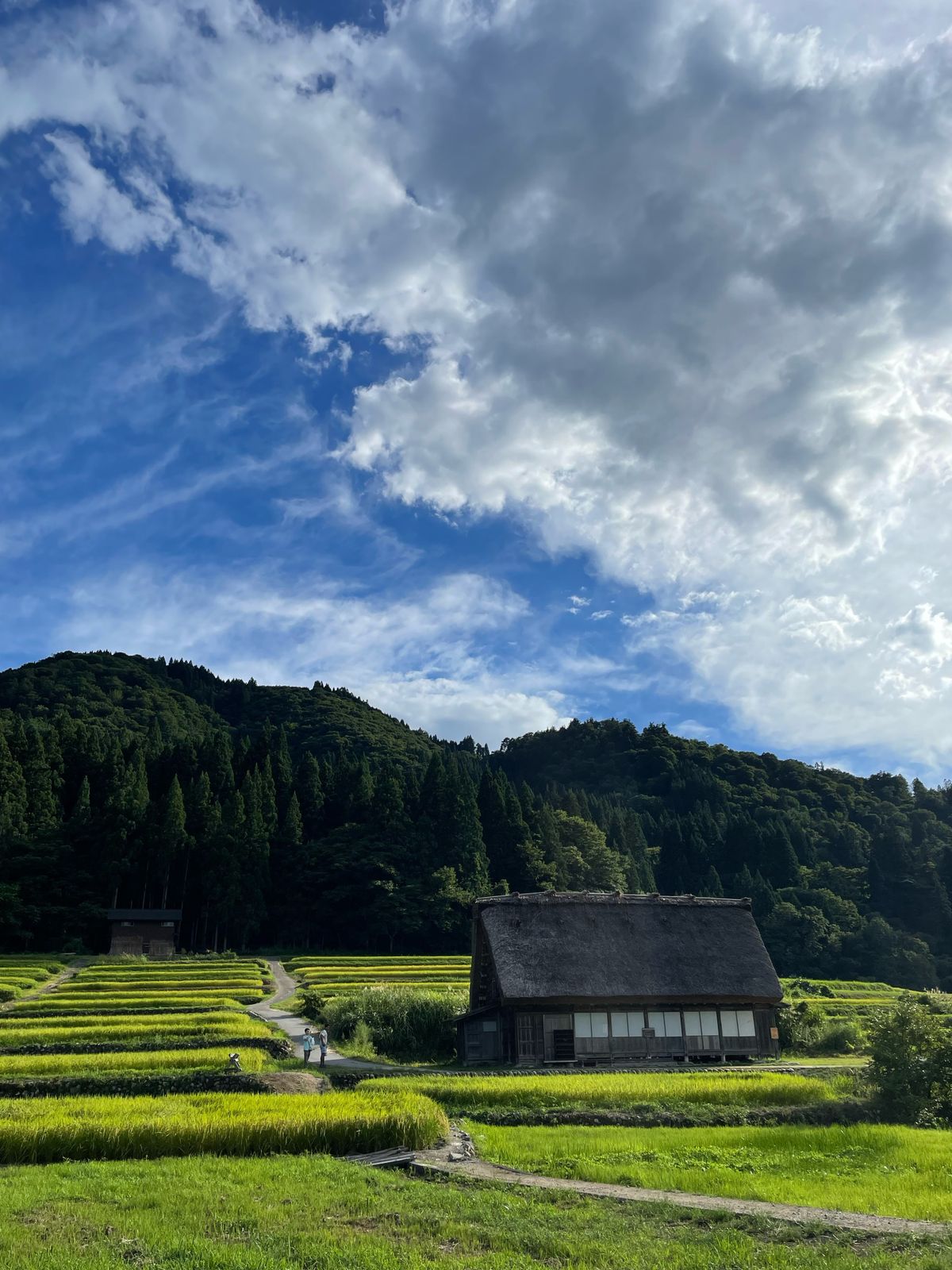
Denshoen (伝承園), also known as the Tono Furusato Village, is the essential first stop on any Tono itinerary. This open-air museum preserves a magnificent example of a nanbu magari-ya — the distinctive L-shaped farmhouse of Iwate Prefecture, where the family residence and the horse stable were connected under one massive thatched roof. The design allowed farmers to tend their horses without going outside in winter, reflecting the practical ingenuity of Tohoku’s rural communities.
Inside the main building, you’ll find traditional farm implements, weaving looms, and folk craft displays. Local artisans sometimes demonstrate omachi zome dyeing or straw weaving in the courtyard. The surrounding garden includes a small shrine to zashiki-warashi — the invisible child spirits said to bring prosperity to lucky households. Visitors are encouraged to pat the small figure at the shrine entrance for good fortune.
Denshoen is open year-round. Admission is ¥320 (approximately $2.20 USD). The site is about 3 km from Tono Station and easily reached by bicycle in 15 minutes.
2. Kappabuchi Pool — Home of the Legendary Water Sprites
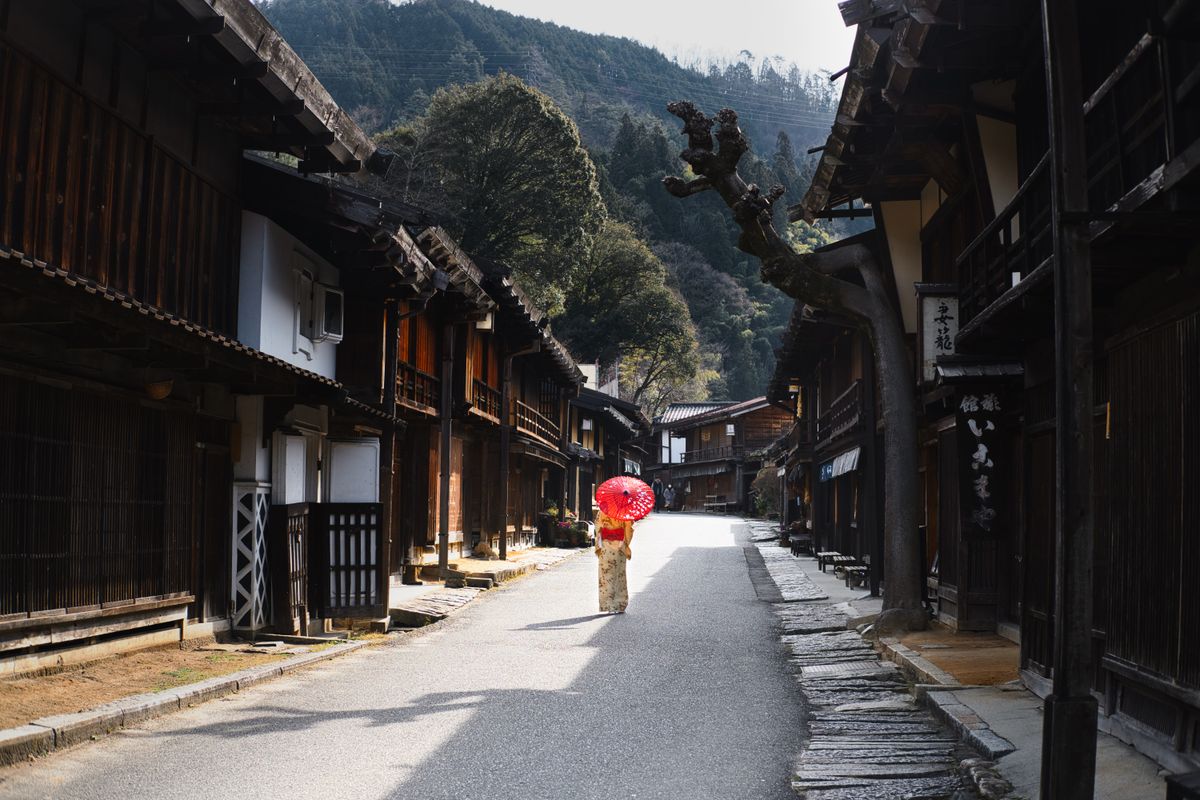
No visit to Tono is complete without a stop at Kappabuchi (カッパ淵), the narrow canal beside Joken-ji Temple where kappa are said to lurk beneath the water’s surface. The kappa is Japan’s most famous folkloric water creature — depicted with a turtle shell, webbed feet, and a water-filled dish on its head (if the dish dries out, the kappa loses its power). According to local legends, kappa have been responsible for everything from toppling horses to kidnapping children to offering to reset dislocated joints in exchange for promises.
Today, Kappabuchi is a serene stretch of water fringed with tall grasses, a small shrine, and — cheekily — dozens of red-bibbed kappa statues positioned along the bank in various fishing poses. Local tradition holds that if you dangle a cucumber tied to a fishing line into the pool, a kappa may grab the other end. Many visitors try their luck.
The site is free to enter and located about 4 km from Tono Station. Best visited at dawn or dusk, when mist rises from the water and the atmosphere turns appropriately eerie. A small kappa museum nearby explores the folklore in more depth.
3. Fukusen-ji Temple and the Giant Kannon
Standing 17 metres tall inside a bright red temple hall, the wooden Kannon statue at Fukusen-ji is one of the tallest wooden Buddhist sculptures in Japan. The Kannon (Bodhisattva of compassion) was carved by a local master over more than 12 years, using a single ancient cypress tree. The sheer scale of the work is awe-inspiring — the statue gazes serenely downward, hands clasped in the traditional gesture of blessing.
The temple grounds are equally beautiful, with a striking vermilion gate, stone lanterns, and a peaceful garden that turns brilliant with autumn maples in October. Fukusen-ji is free to visit the grounds, with a small entry fee (¥200 / $1.40 USD) for the main hall. Located about 5 km south of Tono Station.
4. Hayachine-jinja Shrine and Sacred Mountain
Hayachine-san (岩手山の姉妹峰, 1917m) is the sacred peak at the centre of Tono’s spiritual landscape. The mountain has been worshipped since at least the Heian period (794–1185) and is now part of the Hayachine-Okioi-Hayachine Shrine Complex, a UNESCO-registered sacred site. The principal Hayachine-jinja Shrine sits at the mountain’s foot, surrounded by sugi (cedar) trees that dwarf the worshippers below.
Every year on August 1–2, the shrine hosts the Hayachine-za Kagura Festival — one of Japan’s most important sacred dance performances, in which shrine priests perform elaborate masked dances honouring the mountain gods. The festival is listed as UNESCO Intangible Cultural Heritage and draws visitors from across Tohoku.
For hikers, a trail leads from the shrine to the summit in approximately 5–6 hours return. The path offers stunning views of the Tono Basin and, on clear days, the Kitakami River valley stretching toward the sea. This is a serious mountain hike — bring proper boots, water, and clothing for rapidly changing mountain weather.
5. Tono City Museum and the Yanagita Folklore Collection
For those who want to understand the deeper context of Tono’s folklore tradition, the Tono City Museum is essential. The museum dedicates considerable space to Kunio Yanagita and his Tono Monogatari, including original manuscripts, photographs of early 20th-century Tono life, and ethnographic displays on kappa, zashiki-warashi, and other supernatural beings of the local tradition.
Particularly fascinating are the photographs taken shortly after Yanagita’s visit — images of rural Tono life that seem utterly timeless, women in mompe trousers, men carrying enormous loads through mountain passes, and the vast dark interiors of the magari-ya farmhouses. There are also displays on the Hayachine-za Kagura dance tradition and local craft industries including Nambu ironware and Tono lacquerware.
Museum admission is ¥320 (approximately $2.20 USD). Open Tuesday to Sunday, 9:30am–4:30pm. Located a short walk from Tono Station in the city centre.
Cycling Through the Tono Countryside
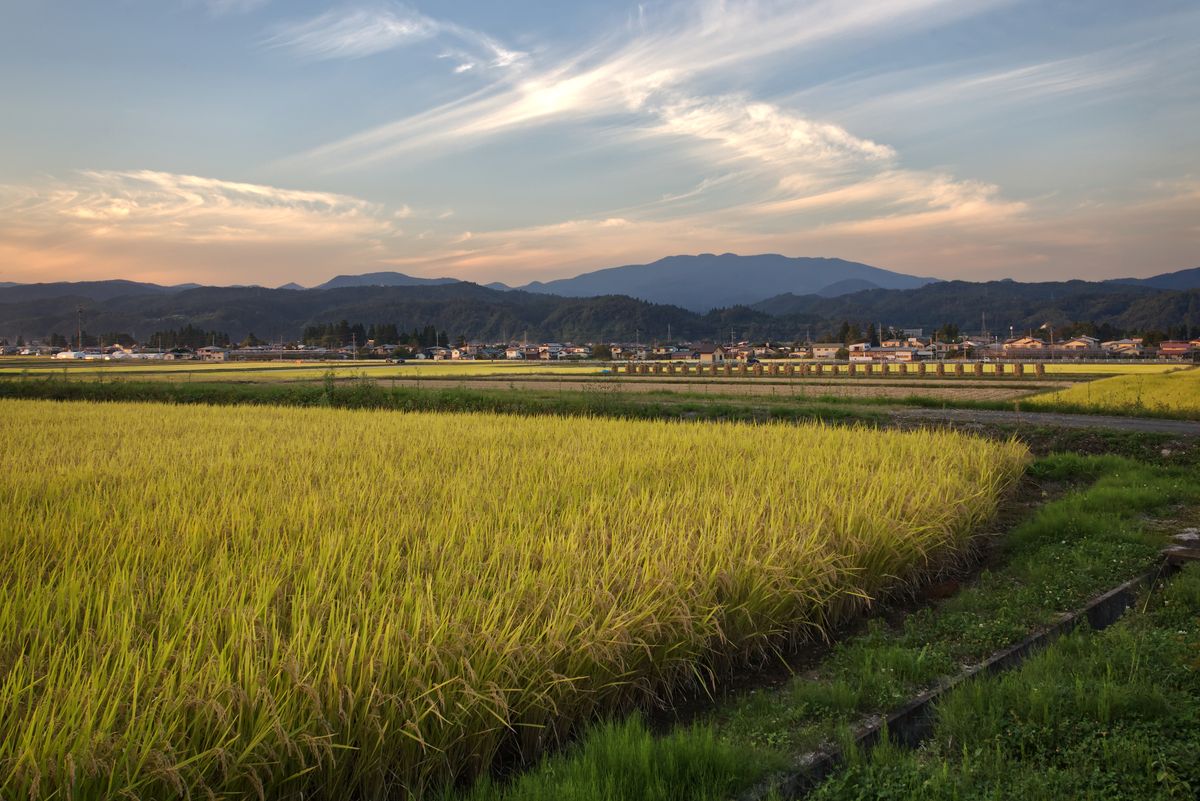
Perhaps the best way to experience Tono is simply to get on a bicycle and ride. The city’s flat basin and network of quiet rural roads make it ideal for cycling, and the scenery — particularly in summer and autumn — is exceptional. You’ll pass rice paddies, apple orchards, old farmhouses, small shrines hidden among bamboo groves, and mountain streams running cold and clear from the hills above.
The most popular cycling route connects the main sights in a loose loop: Tono Station → Denshoen → Kappabuchi → Fukusen-ji Temple → Tono City Museum → back to the station. The full loop covers roughly 15–20 km and takes most cyclists 3–4 hours at a relaxed pace, including stops at each attraction. Add another 10 km out-and-back if you want to continue to Hayachine-jinja Shrine.
For those wanting to explore further, a longer route heads east along the Sarugaishi River toward the Tono Valley, passing through farms and former horse-breeding estates. The Kitakami Highlands to the west also offer excellent mountain cycling for more experienced riders, though these roads are steeper and less well-marked.
Rental bikes are available at Tono Station Tourist Information for ¥500–¥1,000 per day. E-bikes are sometimes available for a small premium and make tackling the hills much more accessible. The tourist information office also provides cycling maps and can recommend routes based on your available time and fitness level.
What to Eat in Tono
Tono has a distinctive food culture rooted in its agricultural and pastoral heritage. The city is particularly famous for two things: lamb barbecue and hittsumi noodles.
Jingisukan (Genghis Khan BBQ)
Jingisukan, the Japanese lamb-and-mutton barbecue named after the Mongol warlord, is strongly associated with Hokkaido — but Tono has its own deep tradition of lamb farming and lamb cuisine. The city was historically one of Tohoku’s main sheep-raising areas, and today several restaurants serve their own version of Jingisukan: thinly sliced lamb and mutton grilled on a domed iron plate, alongside spring onions, bean sprouts, and a savoury dipping sauce. The smell of grilling lamb wafting through Tono’s small restaurant streets is half the experience.
Hittsumi
Hittsumi is Tono’s local soul food — flat, irregular dumplings made from wheat flour dough, simmered in a rich chicken or vegetable broth with seasonal vegetables, mushrooms, and occasionally chicken pieces. The name comes from the verb hittsumu, meaning “to pinch off,” referring to the way the dough is torn by hand into rough pieces rather than rolled and cut. The result is rustic, warming, and deeply satisfying — exactly the kind of food you’d want after a long day cycling through mountain country. Many ryokan and guesthouses in Tono serve hittsumi as part of dinner, and it’s also available at local restaurants in the town centre.
Soba
Iwate Prefecture is well known for its soba (buckwheat noodle) culture, and Tono is no exception. Several local restaurants serve handmade soba in both cold (zaru) and hot (kake) styles. The wanko soba tradition — where small portions of soba are served rapid-fire into your bowl until you give the signal to stop — is an Iwate specialty best experienced in nearby Hanamaki or Morioka, but Tono’s regular soba is equally excellent.
Local Sake
The cold mountain water and cool climate of Tono produce excellent conditions for sake brewing, and the city has a small but respected sake tradition. Several local breweries produce seasonal sake using Iwate-grown rice, available at shops around the town centre and at the tourist information office. A sake tasting in the evening, perhaps paired with hittsumi, makes for a perfect end to a day of exploring.
Where to Stay in Tono
Tono has a range of accommodation, from modest business hotels to atmospheric traditional guesthouses. Given the relatively small scale of the city’s tourist infrastructure, booking in advance is advisable, especially during the autumn foliage season (October) and the Tono Festival in September.
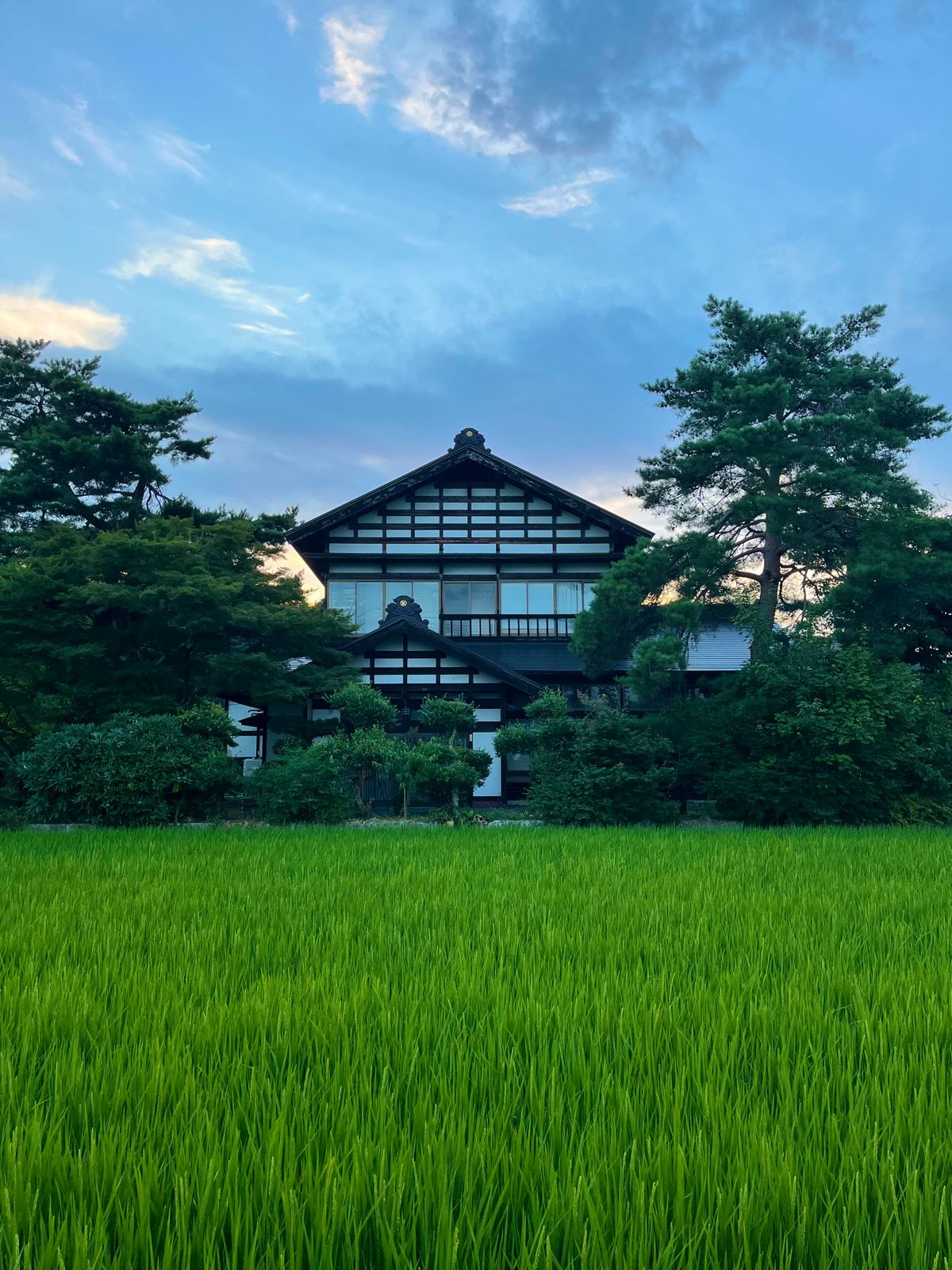
Ryokan and minshuku (family-run guesthouses) are the most rewarding way to experience Tono. Several of these are housed in actual magari-ya farmhouses, where you’ll sleep on futon in tatami rooms, listen to the creaking of aged timber, and eat a traditional multi-course dinner that might include hittsumi, grilled mountain vegetables, and local fish. These are exceptional experiences that connect you directly to the rural life Yanagita documented over a century ago.
Business hotels are available in the town centre for those on a tighter budget, offering clean, functional rooms at ¥6,000–¥9,000 (approximately $42–$63 USD) per night. For a midrange experience with a bit more character, look for tourist ryokan in the ¥10,000–¥16,000 per person range (inclusive of dinner and breakfast).
To browse accommodation options and compare prices, check Agoda’s Tono listings for the best available rates. Alternatively, Yahoo! Travel sometimes lists smaller guesthouses and minshuku not available on international booking platforms.
Best Time to Visit Tono
Spring (April–May) brings cherry blossoms to the castle ruins at Tono City Park and pale pink blooms along the river, with the added bonus of mild weather perfect for cycling. The rice paddies are being prepared during this season, and the landscape has a fresh, newly awakened quality.
Summer (June–August) turns the basin an intense, electric green as the rice grows. June brings fireflies to the riverside at dusk — a magical sight. The Tono Festival in early September caps the season with one of Tohoku’s most authentic traditional events, including yabusame (mounted archery) and folk dances rooted directly in the traditions of Tono Monogatari.
Autumn (September–November) is arguably the peak season. The rice harvest brings a golden palette to the paddies in September and October, followed by brilliant red and orange foliage as the maples turn in November. Hayachine-san is especially beautiful in autumn. Accommodation books up quickly during the peak foliage weeks — plan and book in advance.
Winter (December–March) covers Tono in snow, transforming the thatched farmhouses into images that look like living woodblock prints. It’s the quietest season, and some attractions reduce their hours, but the snow-covered landscape is extraordinarily beautiful and the hot hittsumi broth tastes even better in the cold.
Practical Tips for Visiting Tono
Getting a connectivity plan: Mobile data is essential for navigating rural Tohoku, where Wi-Fi can be scarce outside the main town. Pick up a Japanese eSIM before you arrive — JAPAN&GLOBAL eSIM offers reliable coverage across Tohoku and can be activated digitally before departure.
Cash: Tono is a small city and many smaller restaurants, guesthouses, and attractions are cash-only. ATMs are available at the Japan Post Office near the station and at some convenience stores, but carry enough yen to cover a full day’s expenses before leaving Morioka.
Language: English signage and menus are limited in Tono compared to major tourist cities. The tourist information office at the station has English-speaking staff and printed English guides. Google Translate’s camera function is invaluable for menus and signs.
Day trip vs overnight: A day trip from Morioka or Shin-Hanamaki is possible, but an overnight stay is highly recommended. Tono’s atmosphere changes completely at dusk and dawn — the mist on the paddies, the sound of distant temple bells, and the absolute stillness of the rural night are experiences that can’t be replicated in daylight alone.
Airport transfers: If you’re arriving at Sendai Airport or Tokyo’s Narita/Haneda, consider booking an airport transfer via NearMe to reach your first Tohoku destination comfortably before heading inland to Tono.
Tono as Part of a Wider Tohoku Itinerary
Tono fits beautifully into a broader Tohoku road trip or rail adventure. Consider combining it with:
- Morioka (70 km west): Tono’s nearest major city, famous for wanko soba, Morioka castle ruins, and the Old Iwate Bank Building. A great base before heading to Tono.
- Kamaishi (40 km east): A resilient coastal city that rebuilt from the 2011 tsunami. The Kamaishi Recovery Memorial Museum is a moving tribute to the disaster and the community’s response.
- Hiraizumi (80 km south): UNESCO-listed Heian-period temples including the golden Konjiki-do at Chuson-ji. One of Tohoku’s most important heritage sites.
- Ryusendo Cave (80 km north in Iwaizumi): One of Japan’s top three largest limestone caves, with an underground lake of astonishing clarity. A dramatic natural wonder.
For inspiration on building a full Japan itinerary beyond the tourist trail, explore our full destination guides — and check our essential Japan travel tips before departing to make sure you’re fully prepared for a trip to Tohoku and beyond.
Frequently Asked Questions About Visiting Tono
Is Tono worth visiting as a day trip from Morioka?
Yes, a day trip from Morioka is possible and gives you enough time to cover the main sites — Denshoen, Kappabuchi, Fukusen-ji, and the City Museum — especially if you rent a bicycle from the station. However, an overnight stay is strongly recommended. Tono’s real magic lies in its atmosphere, particularly at dawn and dusk when mist blankets the paddies and the city feels genuinely otherworldly. If your schedule allows, stay at least one night in a local ryokan or minshuku to experience the full depth of the place.
How do I get around Tono without a car?
The best option is a rental bicycle from Tono Station, available for ¥500–¥1,000 per day. The main attractions are within a 3–6 km radius of the station, making cycling very practical. Local buses serve some outer areas, but schedules are infrequent. Taxis are available from the station for less cycle-friendly destinations. If you’re visiting Hayachine-jinja Shrine, a taxi or rental car is the most practical option, as it’s about 18 km from town.
What is the best month to visit Tono?
September and October offer the best combination of experiences: the Tono Festival takes place in early September (usually around September 14–15), autumn foliage peaks in October, and the weather is comfortably cool. Cherry blossom season in late April and early May is also spectacular. Summer (June–August) is excellent for green landscapes and firefly evenings, while winter is quieter but beautiful under snow. The spring months (April–May) tend to be the least crowded while still being visually stunning.
Do I need to speak Japanese to enjoy Tono?
Not necessarily, though some Japanese knowledge will enrich your visit. The tourist information office at Tono Station has English-speaking staff and provides English-language maps and brochures. Most major signs at Denshoen, Kappabuchi, and the City Museum have English translations. For restaurant menus, use Google Translate’s camera function. Many guesthouse operators communicate adequately in basic English, and the warmth of Tono’s hospitality tends to transcend language barriers.
Is there anything haunted or genuinely eerie about Tono?
It depends on your perspective. Tono is a genuinely quiet and at times atmospheric place — particularly around Kappabuchi at dawn, or walking back from Fukusen-ji Temple as darkness falls. The stories from Tono Monogatari describe events in specific locations that still exist: the pool where a horse was dragged in by a kappa, the farmhouse where a zashiki-warashi appeared to a travelling merchant. Whether you believe in those things or not, visiting the actual spots where the stories were set — in a landscape that has barely changed in a century — is an experience that’s hard to describe and harder to forget.
Can I buy local crafts or souvenirs in Tono?
Yes. The Tono area is known for several traditional crafts: omocha wooden toys, omachi zome plant-dyed textiles, and locally produced sake. The tourist information office at the station sells a curated selection of local products, and Denshoen has a small shop selling handmade folk craft items. For a wider selection, the Tono City marketplace has stalls selling seasonal produce, local preserves, and handicrafts, particularly on weekends. Cucumber-themed kappa merchandise is, of course, available everywhere.
Final Thoughts: Why Tono Should Be on Your Japan Itinerary
Japan is full of beautiful, historically significant, or culturally fascinating destinations. But Tono occupies a unique position: it is the place where Japan’s rural soul was formally documented for the world, and it remains one of the few places in the country where that soul still visibly persists. The rice paddies, the farmhouses, the mountain shrines, and the quiet rivers exist in a relationship with each other — and with the surrounding mountains and forests — that feels ancient and unbroken.
In an age of over-tourism, Tono’s relative obscurity is part of its appeal. You won’t find queues at Kappabuchi or timed-entry tickets for Denshoen. You’ll find a city going about its life, happy to share its extraordinary heritage with visitors who take the time to come.
That takes some effort — Tono isn’t a stop on the Tokaido Shinkansen line, and getting there requires a change and some patience. But the reward for that effort is one of the most genuinely authentic travel experiences available in Japan. Take your time, rent a bike, eat the lamb and the hittsumi, and keep your eyes open near the river. You never know what you might see.
The Tono Festival: A Living Window into Ancient Tradition
Every year, usually in the second week of September (typically around September 14–15), Tono hosts one of Tohoku’s most authentic and spectacular festivals. The Tono Matsuri has its roots in the same agricultural and spiritual traditions that Yanagita documented in Tono Monogatari, and watching it unfold feels less like attending a tourist event and more like witnessing a genuine cultural ceremony that has barely changed in several centuries.
The festival’s centrepiece is yabusame — a form of mounted archery in which riders dressed in traditional hunting garb gallop along a straight track and shoot at targets while in full motion. Yabusame has been performed in Japan since at least the 12th century, primarily at Shinto shrines as an offering to the gods, and Tono’s version maintains an austere, ceremonial quality that larger more commercial events have lost. The horses are local Nanbu horses, a breed with deep roots in the Tohoku region, and the sound of hooves on packed earth combined with the crack of arrow on target is genuinely thrilling.
Beyond yabusame, the festival includes shishiodori (deer dances), a folk performance unique to Iwate Prefecture in which dancers wearing deer skull headdresses move in stylised representation of hunting scenes. The dance is hypnotic and ancient-feeling — the rhythmic drumbeat, the antler headdresses swaying, the story of hunter and hunted playing out in slow motion. Other performances include traditional music, children’s processions, and displays of Tono folk craft.
If you’re planning your trip around the festival, book accommodation at least two months in advance. The city fills up, particularly for the main yabusame event, and the small stock of ryokan rooms near the festival ground disappears quickly. The festival grounds are within cycling distance of the station.
Nearby Day Trips from Tono
While Tono itself offers a full day or two of exploration, the surrounding area has additional attractions worth considering if you have time and transport.
Ryusendo Cave (Iwaizumi Town)
About 80 km north of Tono in Iwaizumi Town, Ryusendo Cave is one of Japan’s three great limestone caves. Its underground lake — fed by rainwater filtered through 500 million years of limestone — has visibility down to 41.5 metres, making it one of the clearest underground bodies of water in the world. The cave is lit dramatically, the stalactites are extraordinary, and the cold (a constant 10°C inside) is a welcome relief in summer. A bus runs from Miyako Station, which is accessible from Tono via the Yamada Line (about 1 hour 30 minutes).
Kamaishi — Recovery and Resilience on the Sanriku Coast
About 50 km east of Tono, the coastal city of Kamaishi was severely damaged by the 2011 Tohoku Earthquake and Tsunami. The rebuilt city is now home to the Kamaishi Recovery Memorial Museum, a moving and thoughtfully designed museum that documents both the disaster and the extraordinary resilience of the community that followed. The museum is open to international visitors with English-language audioguides. From Kamaishi, you can also visit the vast offshore Kamaishi Tsunami Breakwater, once the world’s deepest seawall, and walk the refurbished harbourfront that has been transformed into a symbol of the city’s rebuilding effort.
Hiraizumi — UNESCO Golden Temples
Roughly 80 km south of Tono, Hiraizumi is one of Tohoku’s most significant historical sites. During the 12th century, the Fujiwara clan built a series of Pure Land Buddhist temples and gardens intended to rival Kyoto in splendour. The Chuson-ji Temple‘s Konjiki-do (Golden Hall), entirely covered in gold leaf and housing the mummified remains of four Fujiwara lords, is one of the most extraordinary structures in Japan. UNESCO added the Hiraizumi temples to the World Heritage List in 2011. Accessible from Tono by a combination of the Kamaishi Line and the Tohoku Main Line (about 2 hours).
Photography Tips for Tono
Tono is one of the most photogenic areas of Tohoku, and the key to great photography here is patience and timing. A few practical notes:
Dawn at the paddies: The rice fields around the Tono Basin produce extraordinary morning mist in summer and early autumn. If you rise early — before 6am — and cycle out to the fields east of Kappabuchi, you’ll often find mist layers drifting across the paddies at knee height while the mountains above are bathed in early light. This is the kind of image that takes planning, but it’s deeply rewarding.
Golden hour at Denshoen: The thatched roofs of the magari-ya farmhouses glow magnificently in the late afternoon light, particularly in autumn when the surrounding trees turn amber and red. Plan to arrive at Denshoen about 90 minutes before sunset for the best light.
Kappabuchi atmospherics: The pool is most atmospheric in the early morning, when the surrounding grasses are heavy with dew and low mist sometimes hangs over the water. The kappa statues, comically posed with their fishing lines, make for charming subjects at any time of day.
Hayachine-san from below: The sacred mountain is most dramatic when viewed from the basin level, framed by rice paddies in the foreground. Look for viewpoints along the rural roads heading east from the city for unobstructed mountain-and-paddy compositions.
Gear: A telephoto lens is useful for capturing the mountain and for wildlife (deer and foxes are common in the rural areas). A wide-angle lens suits the farmhouse interiors and the broad paddy landscapes. In autumn, a circular polariser reduces glare on the rice stalks and intensifies the foliage colour.
Combining Tono with a Japan Rail Pass Itinerary
Tono is an excellent addition to any Japan Rail Pass itinerary through Tohoku. The JR Kamaishi Line, which connects Shin-Hanamaki to Kamaishi via Tono, is fully covered by the pass, meaning there’s no extra cost once you have the pass in hand. A suggested multi-day Tohoku loop might look like this: arrive in Sendai by shinkansen, take a day to visit Matsushima Bay, then head north to Hiraizumi, continue to Morioka for wanko soba, transfer to the Kamaishi Line for Tono, and finally exit east to the Sanriku Coast at Kamaishi before looping back to Tokyo. This covers some of the best Tohoku has to offer without excessive backtracking.
For those considering whether a Japan Rail Pass is worth the cost, our detailed guide to Japan Rail Pass value breaks down exactly when it makes financial sense, particularly for routes through Tohoku where regional passes may be a cheaper alternative depending on your itinerary. If you’re flying into Tokyo, check our tips on first-timer Japan essentials to help you plan the full trip from arrival to departure.
Related Tohoku Travel Guides
Continue exploring Tohoku with these related guides: Morioka, Iwate’s castle town, Hiraizumi’s golden UNESCO temples, Aizu-Wakamatsu’s samurai history, Ginzan Onsen’s snow village, and Zao’s snow monsters.
Going to Japan? Talk to locals with confidence.
Hirameki Japanese — instant offline translation, camera translation, furigana + romaji, and 314 free flashcards. No login. Works without internet.

Plan your Japan trip
Two things every first-timer should book
Some links are affiliate links. If you book through them we may earn a small commission at no extra cost to you.