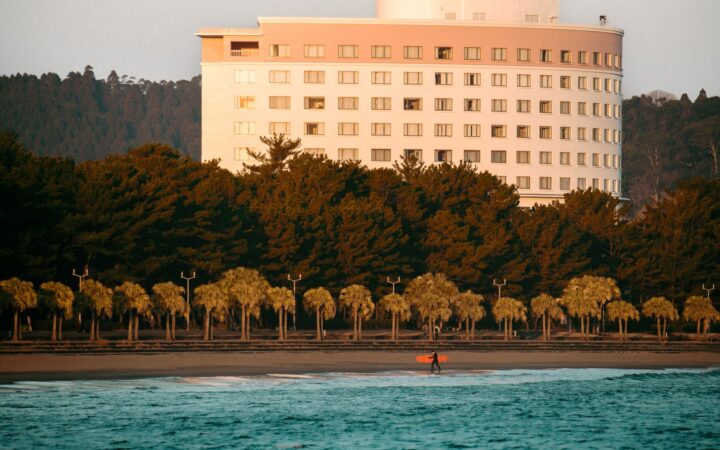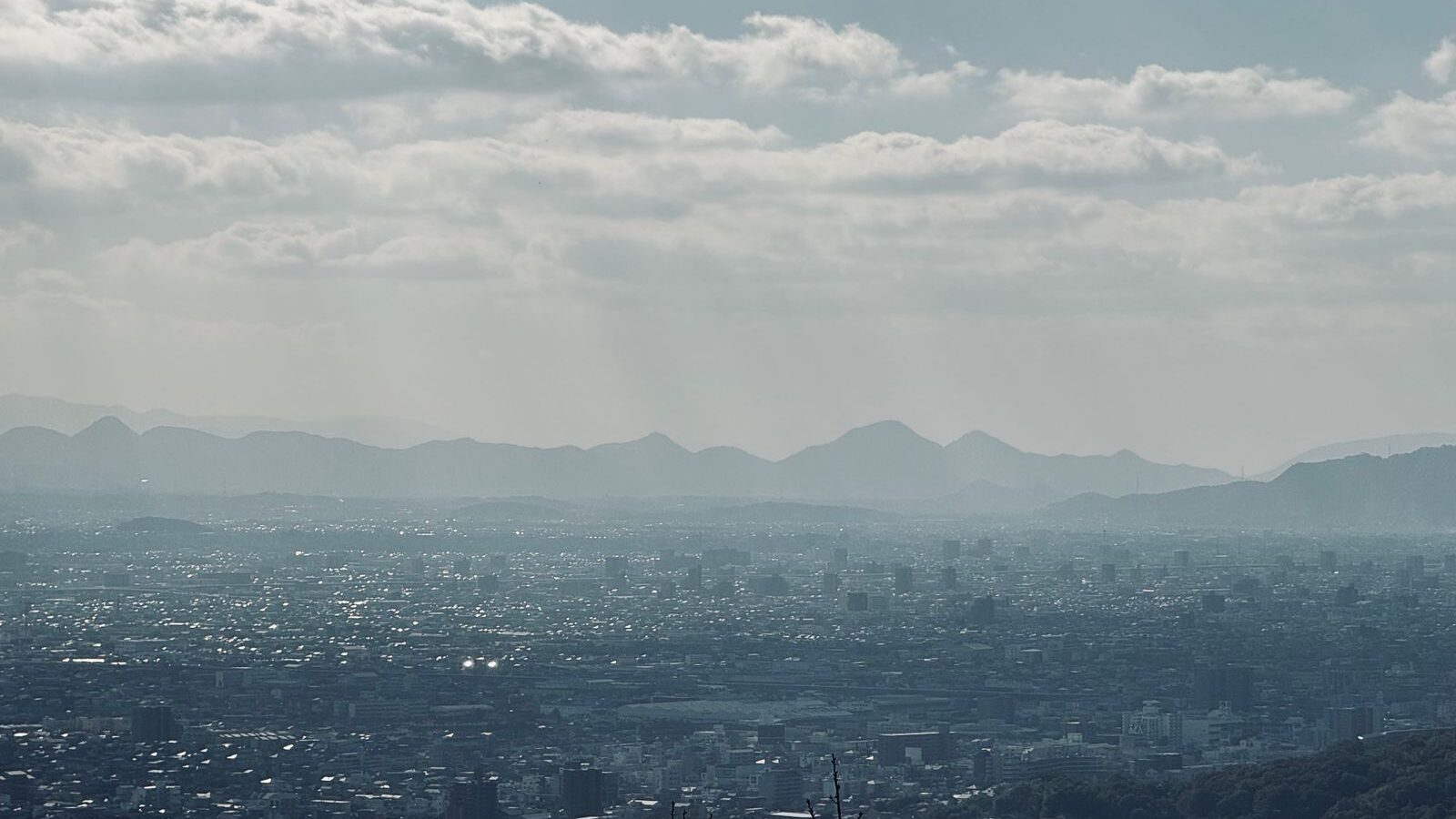
I grew up in Ozu, in Ehime, so Shikoku is home for me. It is also one of the least visited parts of Japan by foreign travelers, which is exactly why it is worth the trip: big nature, old towns, excellent food and very few crowds. This guide uses current timetables and official information checked in October 2026.
In this guide
- Shikoku in brief: the four prefectures
- Getting to Shikoku
- Getting around Shikoku
- The ALL SHIKOKU Rail Pass and other tickets
- 5-day itinerary: the highlights
- 7-day itinerary: the full loop
- 7-day alternative: slow Ehime and the Shimanami Kaido
- A day with real train times
- Where to base yourself
- Kagawa: what to see
- Tokushima: what to see
- Kochi: what to see
- Ehime: what to see
- Food across Shikoku
- When to go
- Budget and tickets
- Practical tips
- Families and Japanese phrases
- Frequently asked questions
- Plan the rest of your trip
Shikoku in brief: the four prefectures
Shikoku is the smallest of Japan’s four main islands, south of Honshu across the Seto Inland Sea. It has four prefectures, and each has a different character:
| Prefecture | Main city | Known for |
|---|---|---|
| Kagawa | Takamatsu | Ritsurin Garden, Sanuki udon, Kotohira-gu shrine, ferries to Naoshima and the art islands |
| Tokushima | Tokushima | The Iya Valley and its vine bridge, Oboke gorge, the Naruto whirlpools, the Awa Odori dance festival |
| Kochi | Kochi | Kochi Castle, Hirome Market, the Shimanto River, Cape Ashizuri, the Yosakoi festival |
| Ehime | Matsuyama | Matsuyama Castle, Dogo Onsen, the Shimanami Kaido cycling route, old towns like Uchiko and Ozu |
Shikoku is also home to the 88-temple pilgrimage, which circles the whole island: temples 1 to 23 are in Tokushima, 24 to 39 in Kochi, 40 to 65 in Ehime and 66 to 88 in Kagawa. You do not need to be a pilgrim to visit, but you will see pilgrims in white along the way. See our Shikoku 88 pilgrimage guide.
Getting to Shikoku
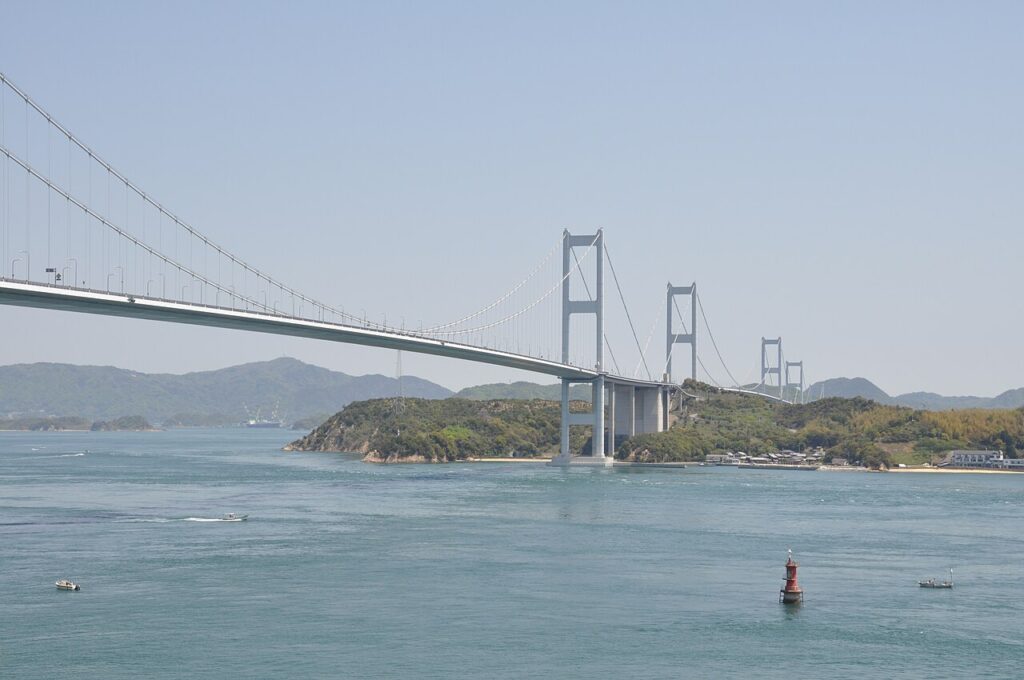
By train from Okayama (the most common way)
Okayama, on the Sanyo Shinkansen, is the rail gateway to Shikoku. From there, trains cross the Seto Ohashi bridge to all four prefectures. Times and fares below are from route searches for a weekday in November 2026; limited express fares include a non-reserved seat.
| From Okayama to | Train | Time | Fare |
|---|---|---|---|
| Takamatsu (Kagawa) | Rapid Marine Liner | 53–57 min | ¥1,660 |
| Kochi | Limited express Nanpu | About 2 h 24 min | ¥5,940 |
| Matsuyama (Ehime) | Limited express Shiokaze | About 2 h 40 min | ¥6,820 |
| Imabari (Ehime) | Limited express Shiokaze | About 2 h 10 min | ¥5,830 |
| Uno (for Naoshima ferries) | Local train, change at Chayamachi | About 55 min | ¥590 |
By highway bus from Osaka and Kobe
| Route | Bus | Fare |
|---|---|---|
| Osaka → Tokushima | Nankai Bus “Southern Cross”, about 2 h 30 min | ¥4,100 |
| Kobe Sannomiya → Tokushima | West Japan JR Bus “Awa Express Kobe” | ¥3,600 |
| Osaka → Takamatsu | “Foot Bus” Osaka Udon line, about 3 h | ¥4,500 |
| Kobe Sannomiya → Takamatsu | Foot Bus or Shinki Bus “Harbor Liner” | ¥4,300 |
| Matsuyama → Osaka | JR Shikoku Bus “Matsuyama Express”, about 5 h 45 min | ¥7,500 |
By ferry
- Jumbo Ferry (Kobe ⇄ Takamatsu): four round trips a day, about 4 hours 15 minutes direct. Adults pay ¥1,990 (¥1,890 online), with ¥340 extra on weekend and holiday sailings and a fuel surcharge of ¥700 from October to December 2026. The late-night surcharge has been waived “for the time being” since October 1, 2026, and free buses connect with Sannomiya and Takamatsu stations.
- Orange Ferry (Osaka ⇄ Toyo, Ehime): an overnight ferry arriving at 6:00, with a connecting bus to Matsuyama and Dogo and free buses to Imabari and Niihama. Osaka-to-Toyo sailings are suspended from October 20 to November 2, 2026 for maintenance.
- Hiroshima ⇄ Matsuyama: the high-speed boat takes about 70 minutes (¥9,000 adult since September 1, 2026), and the cruise ferry about 2 hours 40 minutes (¥6,000).
- From Kyushu: ferries cross from Beppu and Usuki to Yawatahama in southern Ehime in under three hours.
By air from Tokyo
Takamatsu also has international flights, including daily services to Seoul and flights to Taipei, Hong Kong, Taichung and Busan (autumn 2026), which can make it a convenient entry point from East Asia. All four prefectural capitals have airports with flights from Haneda, taking about 1 hour 10 minutes to 1 hour 35 minutes. In autumn 2026, Takamatsu had 13 Haneda flights each way a day (JAL and ANA) plus Jetstar from Narita, Matsuyama 12 (ANA and JAL), and Tokushima 9. Airport buses into town:
- Takamatsu Airport: about 45 minutes to Takamatsu Station and the ferry terminal (¥1,300), or about 23 minutes to Ritsurin Koen-mae (¥1,000).
- Matsuyama Airport: about 15 minutes to JR Matsuyama Station (¥1,000 cash, ¥980 cashless).
- Tokushima Airport: about 30 minutes to Tokushima Station (¥800); pay by cash, contactless card or IC card.
- Kochi Airport: about 35–45 minutes to Kochi Station. The fare changed on November 1, 2026, so check the current price. Payment is by the local “Desuka” IC card, contactless card, PayPay or a mobile ticket.
Getting around Shikoku
Trains between the four capitals
| Route | Train | Time | Fare |
|---|---|---|---|
| Takamatsu → Tokushima | Limited express Uzushio | About 1 h 6 min | ¥2,840 |
| Takamatsu → Kochi | Sunport Nanpu Relay + Nanpu (change at Utazu) | About 2 h 26 min | ¥5,050 |
| Tokushima → Kochi | Tsurugisan to Awa-Ikeda + Nanpu | About 2 h 30 min | ¥5,830 |
| Takamatsu → Matsuyama | Limited express Ishizuchi | About 2 h 28 min | ¥6,160 |
| Matsuyama → Iyo-Ozu / Uwajima | Limited express Uwakai | 34 min / 1 h 20 min | ¥1,840 / ¥3,210 |
| Kochi → Oboke (Iya) | Limited express Nanpu | About 50 min | ¥2,630 |
| Kochi → Nakamura (Shimanto) | Limited express Ashizuri | About 1 h 43 min | ¥4,370 |
The one gap: Matsuyama to Kochi
There is no direct train between Matsuyama and Kochi; by rail you go round via Tadotsu in more than four hours for ¥9,890. Take the express bus instead: the “Nangoku Express” and the “Whale Express” run between JR Matsuyama Station and Kochi in about 2 hours 30 minutes to 2 hours 50 minutes for ¥4,000.
Other useful express buses
| Route | Bus | Fare |
|---|---|---|
| Takamatsu ⇄ Matsuyama | “Botchan Express”, about 2 h 50 min | ¥4,400 |
| Takamatsu ⇄ Kochi | “Kuroshio Express”, about 2 h 15 min | ¥3,900 |
| Takamatsu ⇄ Tokushima | “Kotoku Express”, about 1 h 50 min | ¥2,300 |
| Tokushima ⇄ Kochi | “Kochi Tokushima Express”, about 2 h 45 min | ¥4,000 |
Driving
A car is the easiest way to reach places like the Iya Valley, Cape Ashizuri and the Shimanto River. You need an International Driving Permit under the 1949 Geneva Convention, valid for one year from your arrival or until the permit expires, whichever is sooner; drivers from a few places (Switzerland, Germany, France, Belgium, Monaco and Taiwan) can use their license with an official Japanese translation instead. Note that JR’s “Rail & Rent-a-car” combined ticket ended in February 2026.
The ALL SHIKOKU Rail Pass and other tickets
The ALL SHIKOKU Rail Pass is for short-term foreign visitors and covers JR Shikoku trains (including non-reserved seats on limited expresses), the Tosa Kuroshio Railway, the Asa Kaigan Railway, Kotoden in Kagawa and Tosaden trams in Kochi. It changed on October 1, 2026:
- It is now sold only as a 3-day pass (¥12,000) or a 7-day pass (¥20,000), children half price; the 4- and 5-day passes ended on September 30, 2026.
- The Shodoshima ferry and bus are no longer included, and Iyotetsu in Matsuyama (trams and suburban trains) has not been covered since March 7, 2026.
- It does not cover buses, so the Matsuyama–Kochi bus is extra.
- Bought through Klook or Trip.com, it works with QR codes at the gates.
With fares like ¥6,160 from Takamatsu to Matsuyama and ¥5,830 from Tokushima to Kochi, the 7-day pass usually pays for itself on a loop of the island. If you enter or leave via Okayama, check whether the section between Okayama and the Seto Ohashi bridge is included for your ticket, as it is a JR West line. You can buy the ALL SHIKOKU Rail Pass on Klook. The nationwide Japan Rail Pass also covers JR Shikoku trains, including limited expresses.
Changes coming in spring 2027
JR plans to make the Shiokaze (Okayama–Matsuyama) and Nanpu (Okayama–Kochi) limited expresses all-reserved from spring 2027, while the Ishizuchi (Takamatsu–Matsuyama) keeps non-reserved cars. How pass holders will be treated after the change had not been announced as of October 2026, so reserve seats when you can.
IC cards
Do not expect your Suica or ICOCA to work everywhere. On JR Shikoku, ICOCA works only in part of Kagawa (around Takamatsu, and stations such as Kotohira and Kan’onji), and only for trips within 200 km; if you ride beyond the area you must settle the fare at a staffed station. Elsewhere on JR Shikoku, buy paper tickets or use a pass. Iyotetsu in Matsuyama accepts all national IC cards on its trains and buses.
5-day itinerary: the highlights
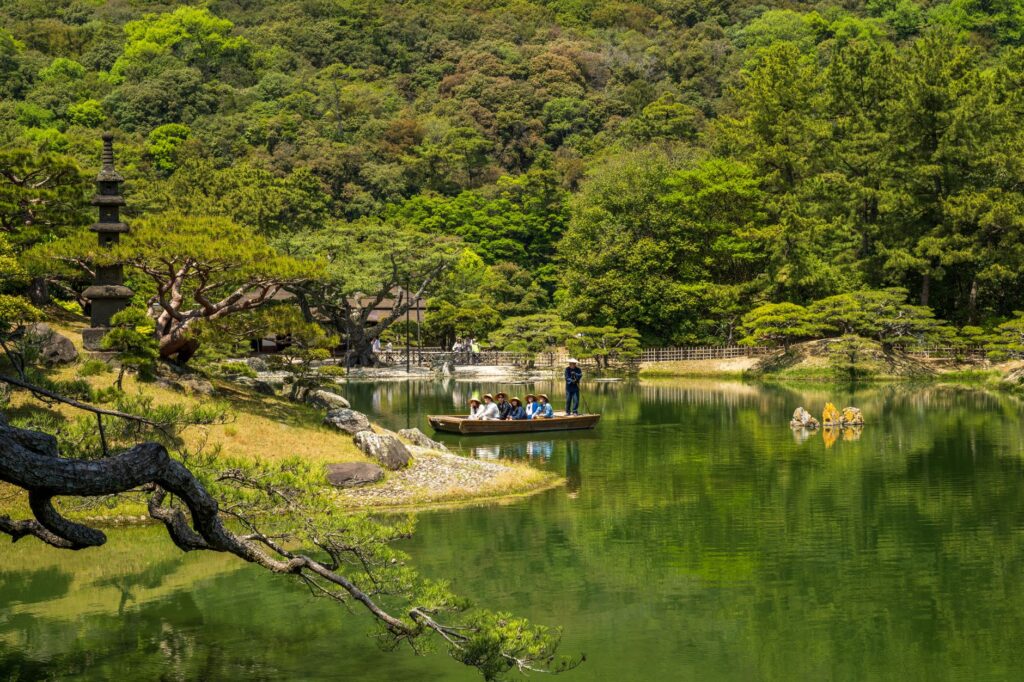
This plan enters at Takamatsu and leaves from Matsuyama, using JR and one bus. It suits a 3-day pass for days 3 to 5, or a 7-day pass for the whole trip.
- Day 1, Takamatsu: train from Okayama (about 55 minutes). Ritsurin Garden in the afternoon, Sanuki udon for dinner.
- Day 2, Naoshima: ferry from Takamatsu (about 50 minutes, ¥680) to the art island; reserve the Chichu Art Museum online in advance. Back to Takamatsu in the evening.
- Day 3, Kotohira and the Iya Valley: morning climb at Kotohira-gu (785 steps to the main shrine), then the Nanpu to Oboke for the Oboke gorge boat and the Iya Kazurabashi vine bridge. Stay in the Iya area.
- Day 4, Kochi: Nanpu to Kochi (about 50 minutes from Oboke). Kochi Castle, then dinner at Hirome Market.
- Day 5, Matsuyama: express bus to Matsuyama (about 2 hours 30 minutes). Matsuyama Castle and an evening bath at Dogo Onsen. Leave by plane, ferry to Hiroshima, or train to Okayama.
7-day itinerary: the full loop
This plan visits all four prefectures in a loop. Most legs between the capitals take about two and a half hours (Takamatsu to Tokushima only about an hour), so the whole loop adds up to roughly eight and a half hours of travel and moves at a comfortable pace.
- Day 1, Tokushima: arrive by highway bus from Osaka or Kobe. Afternoon at the Naruto whirlpools (check the tide table for viewing times).
- Day 2, Takamatsu: Uzushio to Takamatsu (about 1 hour). Ritsurin Garden and udon.
- Day 3, Naoshima: day on the art island by ferry.
- Day 4, Kotohira and Iya: Kotohira-gu in the morning, then Oboke and the vine bridge. Stay in Iya.
- Day 5, Kochi: Kochi Castle, Hirome Market; on a Sunday, the Sunday Market.
- Day 6, Matsuyama: bus to Matsuyama; castle and Dogo Onsen.
- Day 7, Uchiko or Ozu, then out: a morning in an old town south of Matsuyama, then leave via Okayama or fly from Matsuyama. Or ride out across the Shimanami Kaido to Onomichi.
With an extra day, add the Shimanto River and Cape Ashizuri from Kochi (the Ashizuri limited express to Nakamura takes about 1 hour 43 minutes, then a bus of nearly 2 hours to the cape).
7-day alternative: slow Ehime and the Shimanami Kaido
If you prefer fewer hotel changes and more depth, spend the week in Ehime and the western islands. This is my home prefecture, and it rewards slow travel.
- Days 1–2, Onomichi to Imabari: cycle or bus across the Shimanami Kaido from Onomichi in Hiroshima to Imabari. See our Shimanami Kaido guide.
- Days 3–4, Matsuyama: Matsuyama Castle, Dogo Onsen and the old streets (see our Matsuyama guide and Dogo Onsen guide).
- Day 5, Uchiko and Ozu: two preserved towns 15 minutes apart by train (our Uchiko guide and Ozu guide).
- Day 6, Uwajima: an original castle keep, the Date family garden and Uwajima-style taimeshi (our Uwajima guide).
- Day 7: back to Matsuyama to fly out, or take the scenic Yodo Line toward Kochi.
A day with real train times
Shikoku’s trains and boats run less often than in Tokyo or Osaka, so it helps to see how a day actually fits together. These are real departures from a route search for a weekday in November 2026; always check the current timetable before you travel.
Okayama to Naoshima and Takamatsu
- Marine Liner: Okayama 9:05 → Takamatsu 9:58.
- Ferries from Takamatsu to Naoshima (Miyanoura) leave at 8:12, 10:14, 12:40, 15:35 and 18:05, and from Naoshima back to Takamatsu at 7:00, 9:07, 11:30, 14:20 and 17:00.
- The faster high-speed boat leaves Takamatsu at 7:20, 9:20 and 20:30, and Naoshima at 6:45, 8:40 and 19:45.
So a realistic Naoshima day is the 10:14 ferry out and the 17:00 ferry back, with the Chichu Art Museum booked for around midday.
Tokushima to Kochi
- Limited express Tsurugisan: Tokushima 9:00 → Awa-Ikeda 10:15.
- Change to the Nanpu: Awa-Ikeda 10:24 → Kochi 11:30.
The connection at Awa-Ikeda is nine minutes. If you plan to stop at Oboke for the gorge, get off the Nanpu there and continue to Kochi on a later train.
Kochi to Matsuyama, and on to Takamatsu
- Whale Express bus: JR Matsuyama Station 11:30 → Kochi Station 14:00 (also runs the other way).
- Limited express Ishizuchi: Takamatsu 9:42 → Matsuyama 12:10.
Where to base yourself
You do not have to change hotels every night. Three cities make good bases:
- Takamatsu (Kagawa): the ferry port for Naoshima and the art islands, 55 minutes from Okayama, and the starting point for Kotohira (about an hour) and Tokushima (about an hour). Two or three nights here covers Kagawa and a day in Tokushima.
- Kochi: the base for the castle, Hirome Market and Katsurahama, and for day trips toward Oboke (about 50 minutes by limited express). Allow a night in the Iya Valley itself if you want to see the vine bridge in the quiet morning.
- Matsuyama (Ehime): the base for the castle, Dogo Onsen and day trips to Uchiko, Ozu (34 minutes) and Imabari. Its airport has frequent flights to Tokyo.
A simple 6-night plan is two nights each in Takamatsu, Kochi and Matsuyama, with day trips from each, and only two long transfers in between. Send your big luggage ahead between bases so you can travel light on the local trains.
Planning your trip? Get our free 7-Day Japan Itinerary (PDF)
Get the free guide →Kagawa: what to see
- Ritsurin Garden (Takamatsu): a national Special Place of Scenic Beauty. Admission ¥500 for adults (¥170 for elementary and junior high students); open every day from around sunrise to sunset, for example 7:00–17:00 in January and 5:30–19:00 in summer. Free English volunteer tours on the first and second Sundays at 10:30 from the East Gate (not in July and August), and private volunteer guides can be booked a week ahead. Entry is free on January 1 and March 16, the garden’s opening anniversary. See our Takamatsu and Ritsurin guide.
- Kotohira-gu (Konpira-san): 785 stone steps to the main shrine and 1,368 to the inner shrine; about an hour from the foot to the main shrine. The main gate opens 6:00–18:00, and the path to the inner shrine is open 9:00–16:30 (from 7:00 between July 12 and September 30). The Treasure House opens on weekends and holidays and on most days in October and November (closed Tuesdays). There is no shrine parking, and wild monkeys live on the mountain: do not feed or stare at them. Takamatsu to Kotohira takes 49 to 60 minutes (¥980). See our Konpira-san guide.
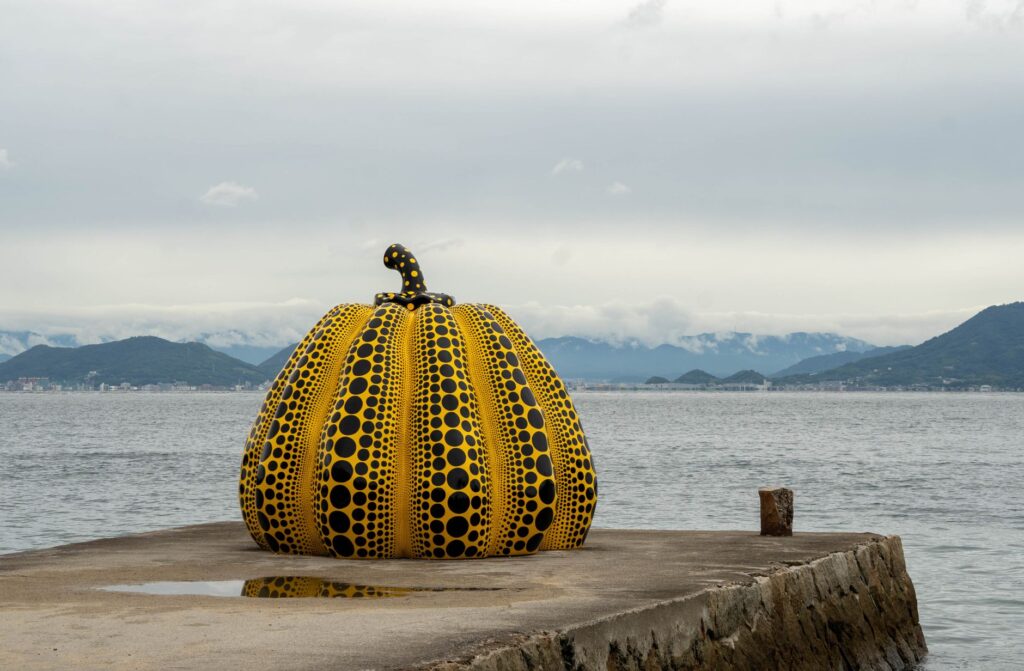
- Naoshima: the ferry from Takamatsu takes about 50 minutes (¥680) and the high-speed boat about 30 minutes (¥1,590, cash only, no bicycles); ferries from Uno on the Okayama side take about 20 minutes (¥370). There are no reservations, and boats are sometimes cancelled in strong wind. Bicycles cost ¥410 extra on the Takamatsu ferry; from Uno there are 13 ferries and 3 passenger boats each way a day, plus late-night boats at ¥730. Since October 2024, tickets for all Benesse Art Site facilities on Naoshima, Teshima and Inujima are sold online. The Chichu Art Museum needs a timed online reservation (¥2,500–3,000 depending on day and booking; closed Mondays), and the Naoshima New Museum of Art opened in May 2025 (¥1,500 online). Benesse Art Site facilities close from November 24 to December 12, 2026, with further maintenance closures from January to March 2027. See our Naoshima guide.
Tokushima: what to see
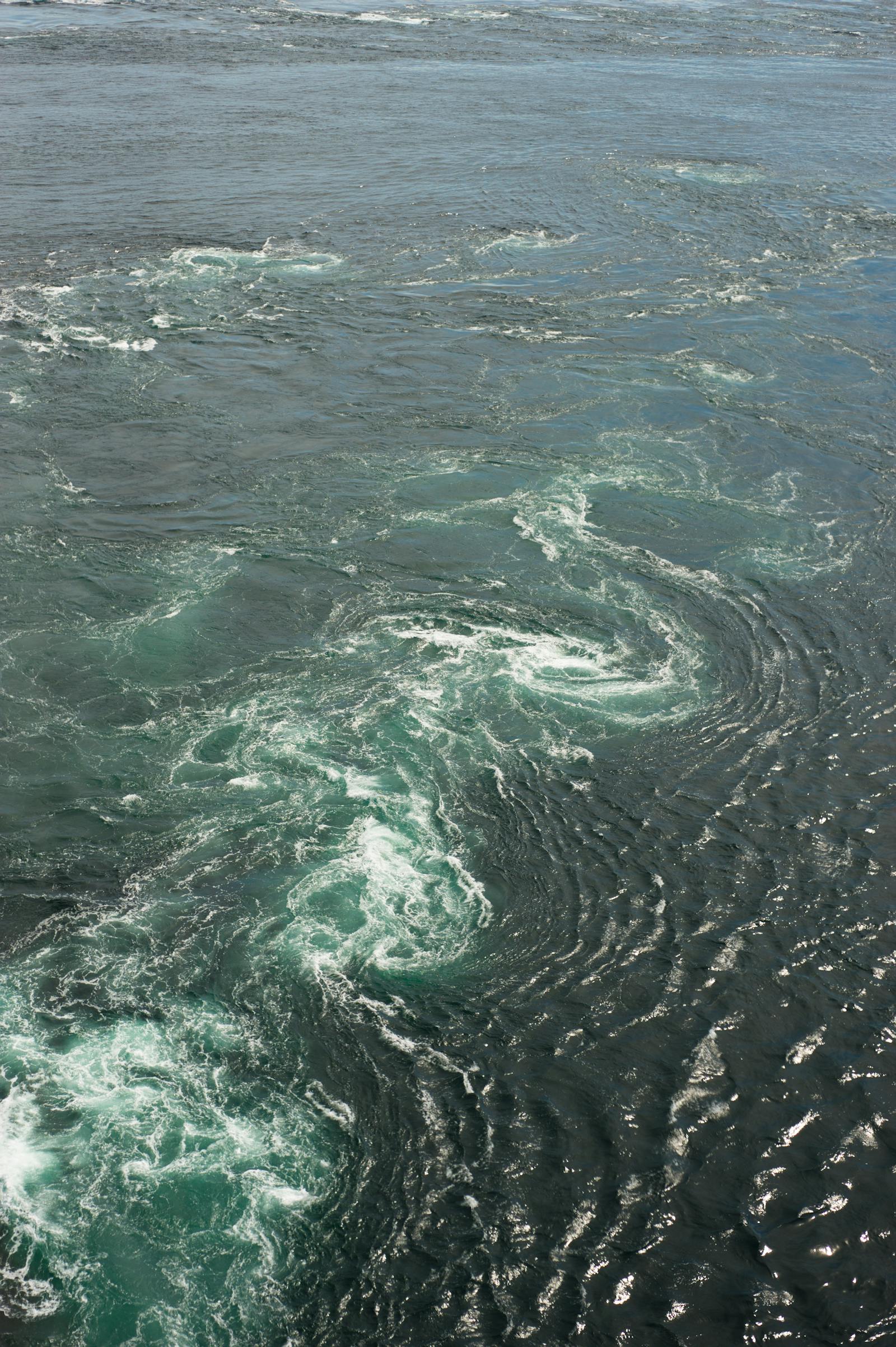
- The Naruto whirlpools: the whirlpools under the Onaruto Bridge are visible only around certain times each day, which change with the tides, and are biggest at spring tides in spring and autumn. Check the published tide table. You can watch from the Uzu-no-Michi walkway, a 450-meter glass-floored path about 45 meters above the water (9:00–18:00 from March to September, 9:00–17:00 from October to February; closed December 14–16, 2026), or from a boat: small boats from Kameura port cost ¥2,000 (cash only). From Tokushima, take the JR Naruto Line (38 minutes, ¥430) and a bus (27 minutes, ¥390).
- Awa Odori: Tokushima’s famous dance festival runs every year from August 11 to 15. Paid stands sell out, so book early: in 2026 there were stands at Aibahama, Minami-Uchimachi and Konyamachi from August 12 to 15, in two shifts (18:00–19:40 and 20:20–22:00), with general sales opening on July 1 through Ticket Pia, and an eve-of-festival show on August 11.
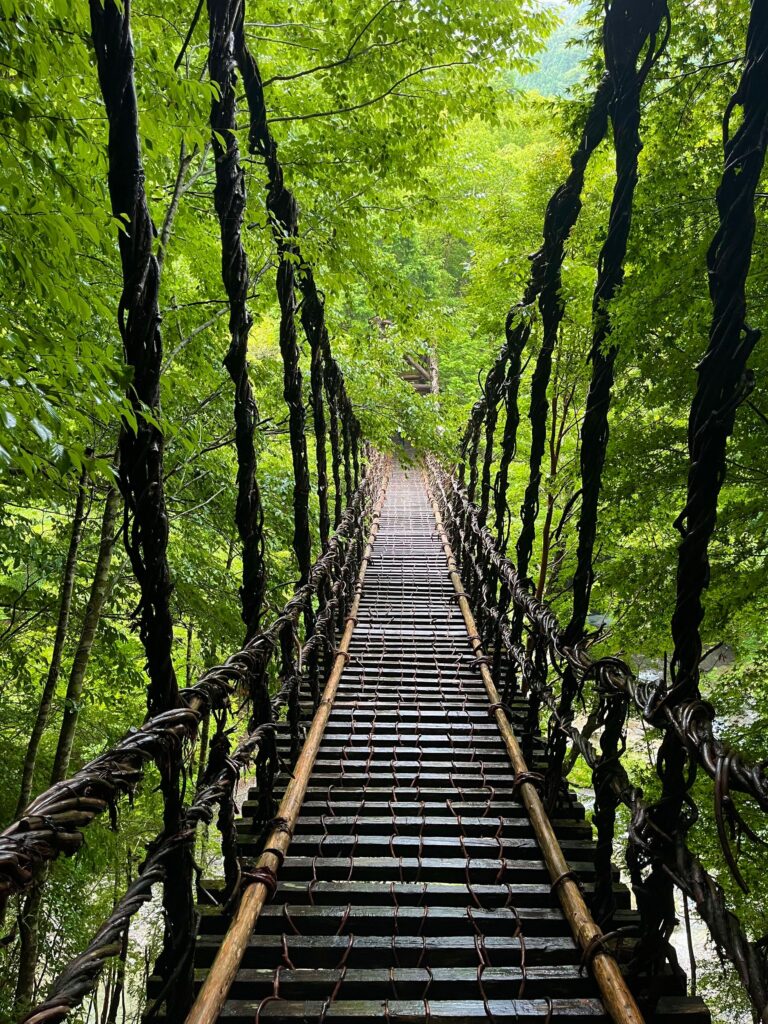
- The Iya Valley and Oboke: the Iya Kazurabashi vine bridge (45 m long, 14 m above the river) costs ¥550 and is open year-round, but it will be closed for its three-yearly rebuilding from January 12 to about the end of February 2027. The Oboke gorge sightseeing boat costs ¥1,800 for a 4 km, roughly 30-minute round trip, running on demand without reservations (cancelled in strong wind or high water), with free pick-up from JR Oboke for train users. Autumn leaves come in early to mid November. See our Iya Valley guide.
More in our Tokushima guide and Awa Odori and Naruto guide.
Kochi: what to see
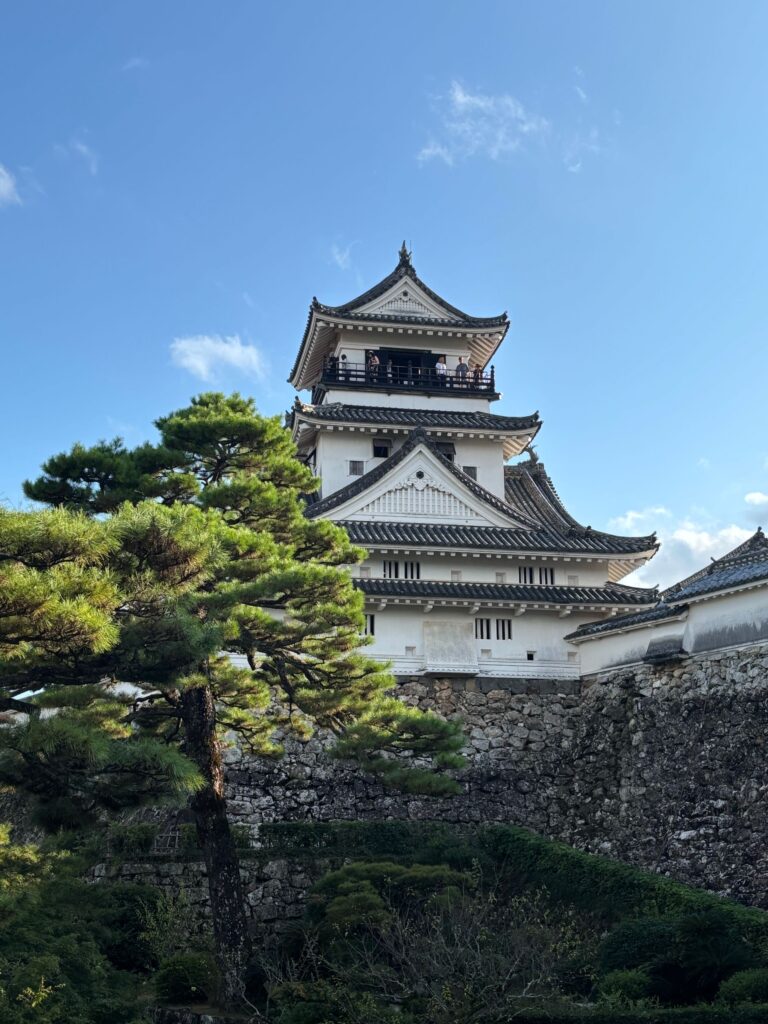
- Kochi Castle: built between 1601 and 1611 and rebuilt in its original form by 1753 after a fire; the castle’s site says it is the only castle whose main-enclosure buildings all survive. Admission ¥500 for adults 18 and over, free for under-18s with ID; 9:00–17:00 (last entry 16:30), with longer hours during Golden Week and the Yosakoi festival, and closed from December 26 to January 1.
- Hirome Market: a lively food hall of small stalls, open Monday to Saturday 10:00–23:00 and Sunday from 9:00. Try seared bonito.
- Sunday Market: a 900-meter street market on Otesuji every Sunday (except January 1–2 and August 10–12), dating back to 1690, open 5:00–17:00 from April to September and 5:30–16:00 from October to March.
- Katsurahama: a beach and viewpoint about 38 minutes by bus from Kochi Station (¥800).
- The Shimanto River: from Nakamura, the Shimanto City Tourism Association rents bikes (mountain bikes ¥1,000 for 5 hours, electric-assist ¥2,500; return by 17:30) for a ride of about 50 minutes past the Akatetsu bridge and a willow grove to the Sada chinkabashi, a low “submersible” bridge. Note that the road tunnel on the way is closed or one-lane between October 19 and December 10, 2026.
- Cape Ashizuri: a bus from Nakamura Station (about 1 hour 55 minutes, ¥1,900) stops by the lighthouse.
- Yosakoi: Kochi’s dance festival, August 9 to 12 in 2026.
More in our Kochi guide and Shimanto River and Cape Ashizuri guide.
Ehime: what to see
- Matsuyama: a hilltop castle reached by ropeway or chairlift, trams, and Dogo Onsen, one of Japan’s oldest hot springs. Matsuyama’s trams cost ¥250 (¥230 by IC card) since April 2026, and Dogo’s Tsubaki-no-Yu public bath has cost ¥500 since May 1, 2026.
- Uchiko and Ozu: preserved merchant streets and a wooden castle keep rebuilt with traditional methods in 2004.
- Uwajima: an original castle keep, Tensha-en garden, Japanese-style bullfighting and raw-sea-bream taimeshi.
- The Shimanami Kaido: the cycling route across the islands to Onomichi starts in Imabari. Bicycle tolls on the route are free until March 31, 2028, and Shimanami Rental Cycle at Imabari Station rents cross bikes for ¥3,000 a day and electric-assist bikes for ¥4,000.
Food across Shikoku
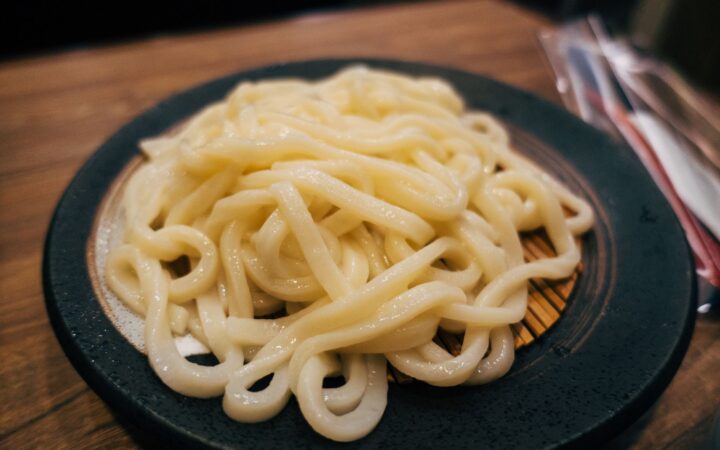
- Kagawa: Sanuki udon, thick and chewy wheat noodles, served everywhere from self-service counters to old family shops. See our Kagawa udon guide.
- Kochi: Hirome Market is the place to graze, with dozens of small stalls under one roof.
- Ehime, two kinds of taimeshi: in Matsuyama and the north, a whole sea bream cooked with the rice; in Uwajima and the south, raw sea bream in a sauce of soy sauce, mirin, egg, sesame and dashi poured over hot rice. Japan’s agriculture ministry says the southern style began as a fishermen’s meal on boats where they could not light a fire.
- Jakoten: a fried fish cake made from small fish ground with their skin and bones, a specialty of southern Ehime.
- Imabari: griddle-cooked “yakitori” (chicken pressed on a thick iron plate rather than skewered) and yakibuta tamago meshi, rice topped with braised pork and fried eggs.
I grew up with the Uwajima style of taimeshi, so if you only try one Ehime dish, I would make it that one.
When to go
Spring (March to May) and autumn (October and November) are the most pleasant times, and also the pilgrim seasons. Golden Week fills inns early.
Typhoons are the main risk in late summer. According to the Japan Meteorological Agency’s 1991–2020 averages, the number of typhoons approaching Shikoku each year is about 0.7 in July, 0.9 in August and 1.0 in September, compared with 0.4 in October. If you travel in August or September, keep a buffer day and check forecasts, because ferries and some trains stop in storms. The rainy season usually runs from early June to mid-July.
Summer has the big festivals: Yosakoi in Kochi (August 9–12 in 2026) and Awa Odori in Tokushima (August 11–15 every year), when hotels in those cities fill up. In winter, days are short, Naoshima’s art facilities have maintenance closures from January to March 2027, and the Iya vine bridge closes from January 12 to about the end of February 2027.
Budget and tickets
Using the fares in this guide, the main transport on the 7-day loop adds up quickly if you pay as you go: for example, Okayama to Takamatsu (¥1,660), Takamatsu to Tokushima (¥2,840), Tokushima to Kochi via Awa-Ikeda (¥5,830), Kochi to Matsuyama by bus (¥4,000) and Matsuyama to Okayama (¥6,820) come to about ¥21,000 before side trips. A 7-day ALL SHIKOKU Rail Pass (¥20,000) covers the JR Shikoku legs within the island and the local Kotoden and Tosaden lines, so it usually comes out ahead once you add trips such as Oboke or Kotohira; check how the Okayama section is treated for your ticket. The bus between Kochi and Matsuyama is extra either way.
Ehime had no accommodation tax as of October 2026, and Kagawa has been studying one; check your hotel’s price breakdown elsewhere. Hot-spring inns charge a small bathing tax. To compare places to stay across the island, check Shikoku hotels and ryokan on Agoda.
Practical tips
- Carry cash. The Naoshima high-speed boat, the Naruto small boats and some rural buses are cash only, and IC cards work in only a few places.
- Book highway buses early. Many are all-reserved. Some operators posted data-leak notices about the “Hassha Orai Net” booking site in October 2026, so consider booking by phone or at the counter if you prefer.
- Check boats on windy days. Shikoku Kisen’s Naoshima ferries take no reservations and are cancelled in strong wind.
- Use the luggage services. Moving every day with big bags is tiring on local trains; send luggage ahead with a delivery service. See our luggage forwarding guide.
- Get data before you arrive. Rural bus times and route apps are easier with a reliable connection. Airalo’s Japan eSIM installs at home; see our eSIM guide.
- Tokushima Station: JR Shikoku planned automatic gates there by September 2026, but transport IC cards still are not accepted; buy a ticket or use a pass.
Families and Japanese phrases
Traveling with children
- Children ride the ALL SHIKOKU Rail Pass at half price.
- Kochi Castle is free for under-18s with ID, Ritsurin Garden costs ¥170 for elementary and junior high students, and the Chichu Art Museum is free for 15 and under.
- The Iya vine bridge costs ¥350 for elementary children and preschoolers go free; it hangs 14 meters above the river, so keep small children close.
- The Oboke gorge boat costs ¥900 for children aged 3 to elementary school.
Useful Japanese
| Japanese (romaji) | Meaning |
|---|---|
| Kono densha wa Kochi ni ikimasu ka? | Does this train go to Kochi? |
| Jiyuuseki wa dochira desu ka? | Which cars are non-reserved? |
| Fune wa demasu ka? | Is the boat running? |
| Kippu o ichimai kudasai. | One ticket, please. |
| Genkin dake desu ka? | Is it cash only? |
For more, see our essential Japanese phrases.
Frequently asked questions
How many days do you need in Shikoku? Five days covers the highlights of all four prefectures at a brisk pace; seven days lets you do a full loop comfortably or explore Ehime and the Shimanami Kaido slowly.
What is the best way to get to Shikoku? By train from Okayama on the Sanyo Shinkansen: the Marine Liner reaches Takamatsu in about 55 minutes, and limited expresses run to Kochi and Matsuyama. Highway buses from Osaka and Kobe are cheaper, and all four capitals have flights from Tokyo.
Is the ALL SHIKOKU Rail Pass worth it? Usually, for a loop of the island. Since October 2026 it costs ¥12,000 for 3 days or ¥20,000 for 7 days and covers JR Shikoku limited expresses (non-reserved), plus Kotoden and Tosaden. It does not cover buses or Iyotetsu in Matsuyama.
Can I use Suica or ICOCA in Shikoku? Only in part of Kagawa on JR Shikoku, and on Iyotetsu in Matsuyama. Elsewhere, buy paper tickets or use a pass.
How do I get from Matsuyama to Kochi? By express bus, in about 2 hours 30 minutes to 2 hours 50 minutes for ¥4,000. There is no direct train.
Do I need a car in Shikoku? No, for the main cities and the Iya/Oboke area by train. A car helps for Cape Ashizuri, the Shimanto River and rural Iya. You need an International Driving Permit.
When is the best time to visit Shikoku? March to May and October to November. August and September bring festivals but also the highest typhoon risk.
Is the Iya Kazurabashi vine bridge open? Yes, but it closes for rebuilding from January 12 to about the end of February 2027. Admission is ¥550.
Can I visit Naoshima as a day trip? Yes, from Takamatsu (ferry about 50 minutes) or from Uno in Okayama (about 20 minutes). Reserve the Chichu Art Museum online in advance.
Is Shikoku good for a first trip to Japan? It works best as part of a first trip, after a few days in Kyoto or Osaka, rather than on its own. It is easy to reach from Okayama and gives you a quieter, more rural side of Japan.
Can I visit Shikoku from Hiroshima? Yes. The high-speed boat from Hiroshima to Matsuyama takes about 70 minutes (¥9,000), and the cruise ferry about 2 hours 40 minutes (¥6,000). You can also cross the Shimanami Kaido from Onomichi to Imabari by bus or bicycle.
Which city should I start a Shikoku trip from? Takamatsu, if you come by train from Okayama or by ferry from Kobe: it is 55 minutes from Okayama and the port for Naoshima. Start in Tokushima if you come by highway bus from Osaka or Kobe, or in Matsuyama if you fly in from Tokyo or come by boat from Hiroshima.
Plan the rest of your trip
- Kagawa travel guide
- Naoshima art island guide
- Iya Valley guide
- Kochi travel guide
- Matsuyama and Ehime travel guide
- Shimanami Kaido cycling guide
- Okayama travel guide
- Shikoku 88 pilgrimage guide
- Imabari travel guide
Sources: JR Shikoku (ALL SHIKOKU Rail Pass, ICOCA area); route searches for a weekday in November 2026 (train and bus times and fares); Jumbo Ferry; Orange Ferry; Shikoku Kisen; Takamatsu, Matsuyama, Tokushima airport sites and airport bus operators; Tosaden Kotsu; National Police Agency (driving permits); Kagawa Prefecture (Ritsurin Garden); Kotohira-gu; Benesse Art Site Naoshima; Uzu-no-Michi; Uzushio Kisen; Awa Odori official site; Miyoshi City Tourism (Iya); Mannaka (Oboke boat); Kochi Castle; Hirome Market; Kochi City; Shimanto City Tourism Association; Japan Meteorological Agency (typhoon averages) (checked October 2026). Prices and hours change; if you spot something out of date, please let us know.
Going to Japan? Speak Japanese with confidence.
Hirameki Japanese — camera translate for menus and signs, a two-way conversation mode, and furigana + romaji on every phrase. Free to download with kana charts, conversation mode and starter words; a one-time purchase unlocks everything.

Plan your Japan trip
Two things every first-timer should book
Some links are affiliate links. If you book through them we may earn a small commission at no extra cost to you.