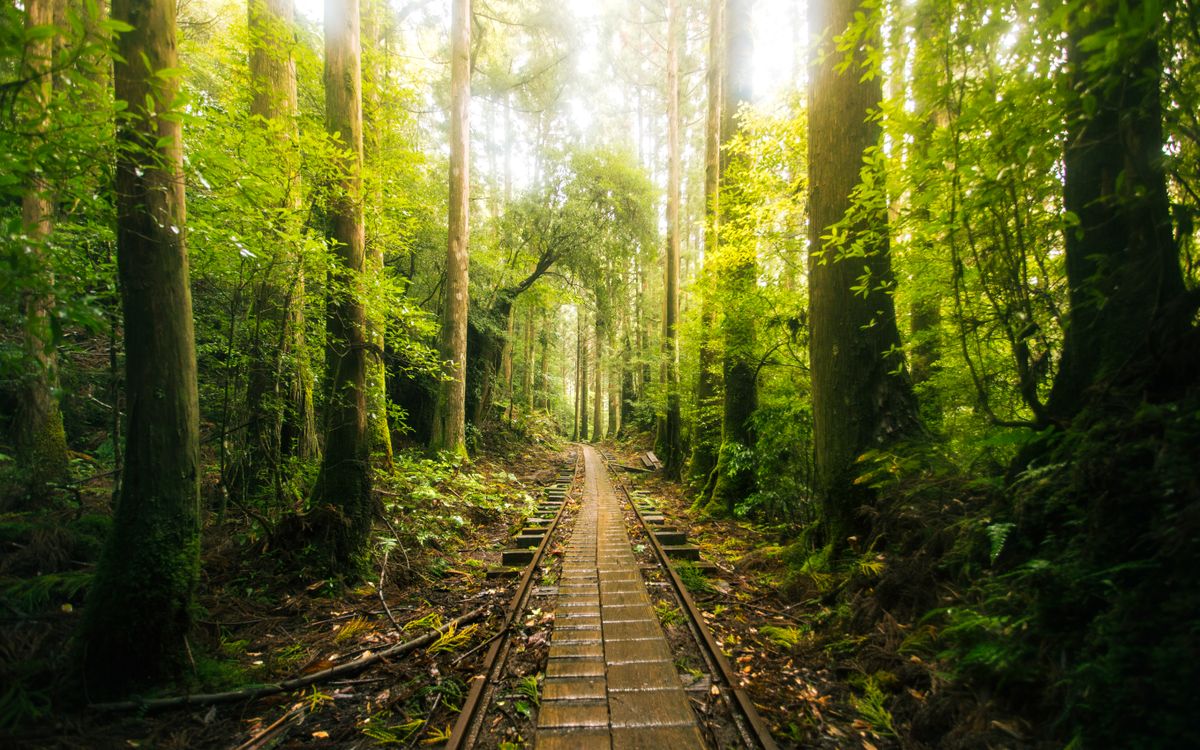
Deep in the mountains of Japan’s Kii Peninsula, an ancient network of trails winds through cedar forests, past mossy stone steps, alongside roaring waterfalls, and over misty mountain passes. These are the Kumano Kodo — a network of pilgrimage routes that have been walked for more than a thousand years by emperors, samurai, monks, and ordinary travellers seeking blessings at the three Grand Shrines of Kumano. Today they are one of only two pilgrimage routes in the world registered as a UNESCO World Heritage Site (the other being the Camino de Santiago in Spain), and for first-time visitors to Japan looking for something beyond Tokyo neon and Kyoto temples, walking even a small section of the Kumano Kodo is one of the most quietly profound experiences the country offers.
This complete guide is written for English-speaking travellers who have never set foot in Japan. It covers what the Kumano Kodo actually is, how to choose between the routes, how to get there from Tokyo, Kyoto or Osaka, where to sleep, what to eat, how much it costs, what to pack, etiquette, safety, the most rewarding sections to walk on a tight schedule, and detailed answers to the questions first-timers always ask. By the end you will be ready to plan a Kumano Kodo trip with confidence.
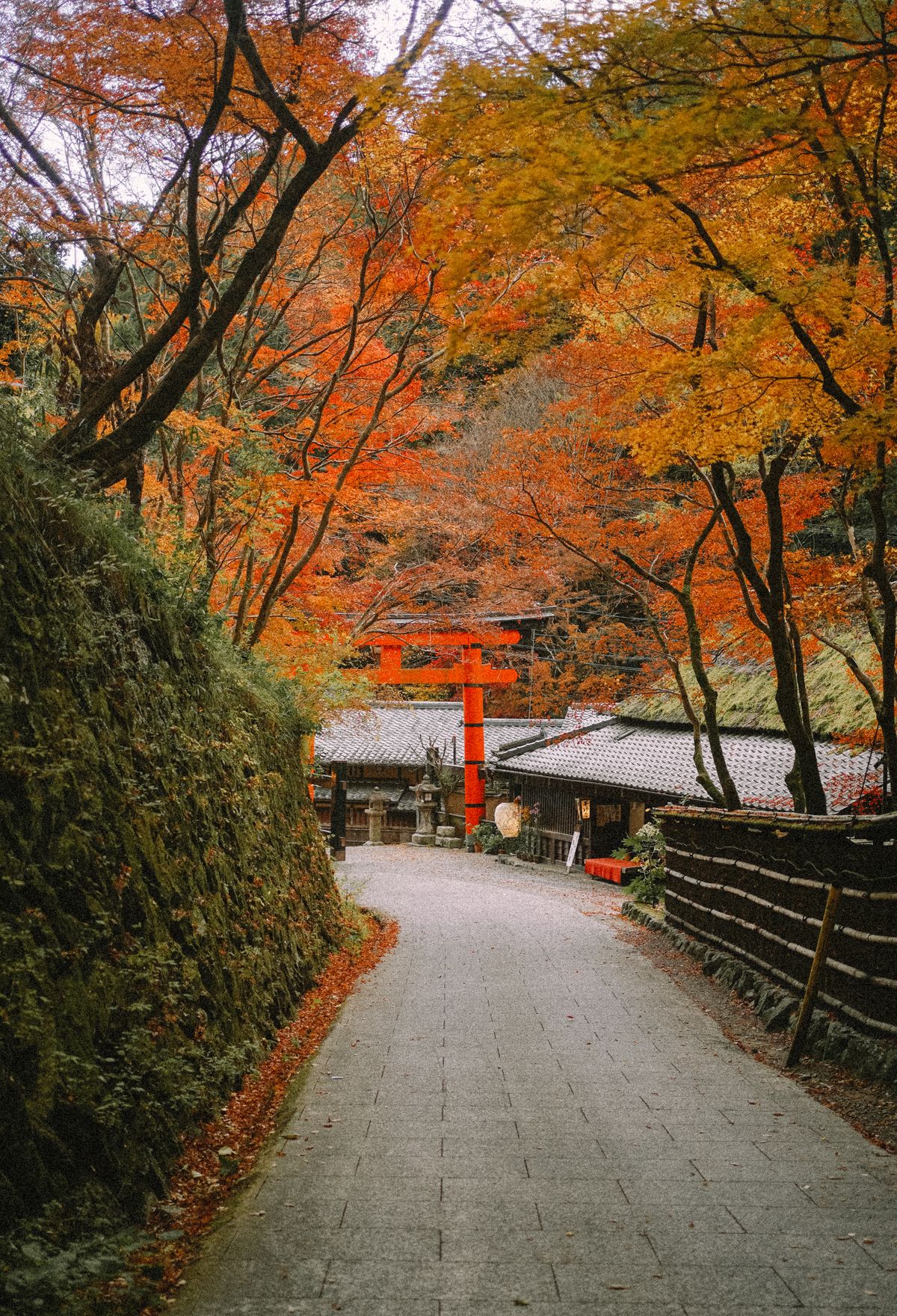
What Exactly Is the Kumano Kodo?
The Kumano Kodo (熊野古道, literally “old roads of Kumano”) is not a single trail but a network of pilgrimage paths that crisscross the Kii Peninsula south of Osaka in Wakayama, Mie and Nara prefectures. All of them lead to the three Grand Shrines of Kumano — collectively called the Kumano Sanzan: Kumano Hongu Taisha in the mountains, Kumano Nachi Taisha beside Japan’s tallest waterfall, and Kumano Hayatama Taisha on the coast near the mouth of the Kumano River.
The routes have been walked since at least the 9th century. In medieval Japan they became known as the “ant procession to Kumano” because so many people from every level of society made the journey. Emperors from Kyoto came again and again — one retired emperor recorded thirty-four separate pilgrimages. Today UNESCO recognises the Kumano Kodo, together with the surrounding sacred sites and cultural landscape, as a World Heritage property called “Sacred Sites and Pilgrimage Routes in the Kii Mountain Range”.
The main routes you can choose between
There are six historic routes, but in practice almost every first-time visitor walks part of one of these four:
Nakahechi (中辺路). The “central route” from Takijiri-oji to Kumano Hongu Taisha, then continuing to Nachi and Shingu. This is the classic pilgrimage road, the best signposted, the easiest for beginners, and the one with the most pilgrim-friendly accommodation. About 95 percent of foreign hikers walk all or part of the Nakahechi. Total length: roughly 70 km, typically split over 4 to 6 days.
Kohechi (小辺路). The mountainous “small route” linking Koyasan (the sacred Buddhist monastic complex of Mount Koya) with Kumano Hongu Taisha. About 70 km of serious mountain hiking with three passes over 1,000 metres, very few villages, and limited lodging. Best for experienced hikers, usually 4 days.
Ohechi (大辺路). The “coastal route” hugging the Pacific coastline. Long, partly overgrown in places, mostly favoured by Japanese walkers and cyclists.
Iseji (伊勢路). The eastern route from the sacred Ise Jingu shrines in Mie Prefecture south through Owase to Kumano. Includes some of the prettiest moss-covered stone paving on the entire network. Often walked in small sections rather than end-to-end.
If you only have time for one route, choose the Nakahechi — specifically the section from Takijiri-oji to Kumano Hongu Taisha. That stretch contains the essence of the pilgrimage and can be completed comfortably in two or three days.
Why the Kumano Kodo Belongs on Your First Japan Trip
Most first-time visitors to Japan build an itinerary out of Tokyo, Kyoto, Osaka and Hiroshima. Those cities are wonderful, but they share a common rhythm of crowds, trains, queues and bright lights. The Kumano Kodo provides a counterweight: silence, cedar trees a thousand years old, water dripping from moss, the chime of a single bell at a wayside shrine. After four or five high-energy days in Tokyo, dropping into the slow heartbeat of the Kii Peninsula can be the difference between a great trip and a transformative one.
There are also practical reasons it belongs on a first trip. The route is genuinely walkable by anyone with reasonable fitness, English signage along the Nakahechi is excellent thanks to a long-running partnership with Spain’s Camino de Santiago authorities, and the Kumano Travel Community Reservation System lets non-Japanese speakers book minshuku (family-run guesthouses), ryokan and luggage transfer in English at fixed prices.
Compared with hiking in many other parts of the world, the Kumano Kodo is also wonderfully low-stress. You sleep in a real bed every night, you eat hot meals, you don’t carry camping gear, and the longest single-day walk on the recommended Nakahechi sections is around 25 km — manageable for anyone who walks regularly.
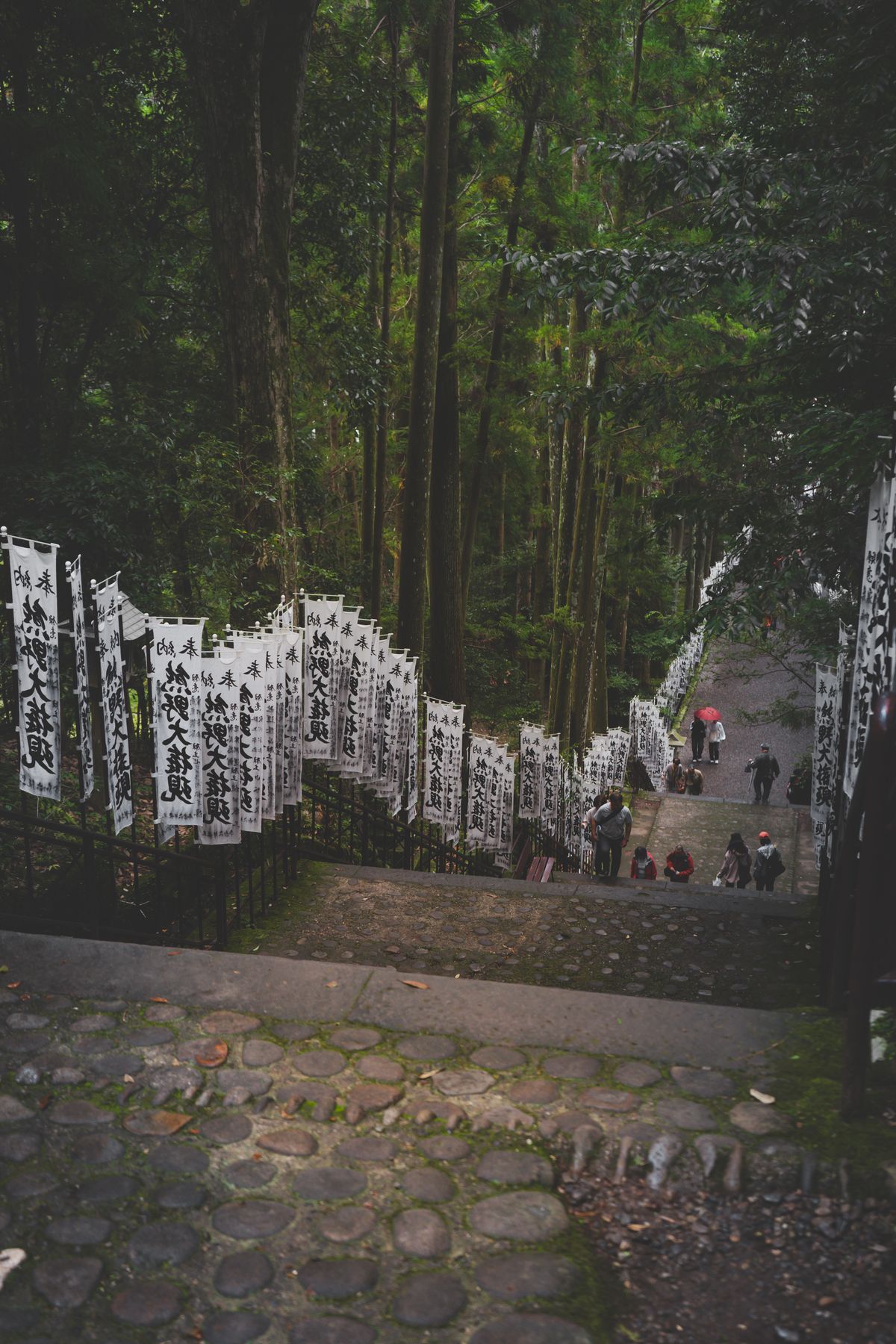
How to Get to the Kumano Kodo From Tokyo, Kyoto and Osaka
The Kumano Kodo lies in a remote part of the Kii Peninsula, far from any bullet train station. Getting there is part of the adventure and adds a useful psychological transition from city Japan to mountain Japan. The transport hub for the Nakahechi is the town of Tanabe on the west coast, with the nearest large station being Kii-Tanabe on the JR Kisei Main Line. From Kii-Tanabe, local Ryujin buses run inland to the trailheads.
From Osaka (the most common gateway)
The fastest option is the Kuroshio Limited Express from Shin-Osaka or Tennoji to Kii-Tanabe. The journey takes roughly 2 hours 10 minutes and costs about ¥5,500 (US$36) for a non-reserved seat. From Kii-Tanabe, a Ryujin bus to the Takijiri-oji trailhead takes about 40 minutes and costs around ¥960. Total door-to-trail time: roughly 3 hours 15 minutes.
From Kyoto
Same Kuroshio Limited Express, picked up at Kyoto Station. Travel time about 3 hours 40 minutes, cost approximately ¥7,400 (US$48). Add the same Ryujin bus connection at the end.
From Tokyo
The fastest option combines the Tokaido Shinkansen with the Kuroshio. Take the Nozomi or Hikari bullet train from Tokyo to Shin-Osaka (2 hours 30 minutes), then transfer to the Kuroshio Limited Express. Total time from Tokyo Station to Kii-Tanabe: about 5 hours 30 minutes. Total cost: around ¥19,000 (US$125) one way. If you are travelling on a Japan Rail Pass, both legs are covered (Nozomi is excluded but Hikari and Sakura are included; alternatively use the Kodama at no extra time penalty for most travellers).
For more on bullet train logistics and seat reservations, our Japan Shinkansen Guide walks through everything from buying tickets at the machine to seat etiquette, and our honest review of the Japan Rail Pass explains when the pass actually pays for itself.
Flying in
Nanki-Shirahama Airport (SHM) is just 35 minutes by bus from Tanabe and has three daily flights to and from Tokyo Haneda. If you are short on time and your trip is mostly Tokyo-based, this is the fastest way to reach the Kumano Kodo from the capital.
The Walk Itself: Section-by-Section Guide to the Nakahechi
Here is a realistic three-day Nakahechi itinerary that delivers the heart of the experience without requiring exceptional fitness. Distances and times are conservative.
Day 1: Takijiri-oji to Takahara (about 4 km, 2–3 hours)
Catch the morning bus from Kii-Tanabe to Takijiri-oji, where the pilgrimage traditionally begins by washing your hands in the Tonda River. The trail climbs immediately and steeply through cedar forest — this is the steepest section of the whole Nakahechi, but it only lasts about 90 minutes. By early afternoon you crest the ridge at Takahara, often called “the village in the mist”. Spend the rest of the afternoon at one of Takahara’s tiny minshuku or guesthouses, soaking in the panoramic view of the Hatenashi mountain range. The sunset from the meadow above Takahara is unforgettable.
Day 2: Takahara to Chikatsuyu (about 10 km, 4–5 hours)
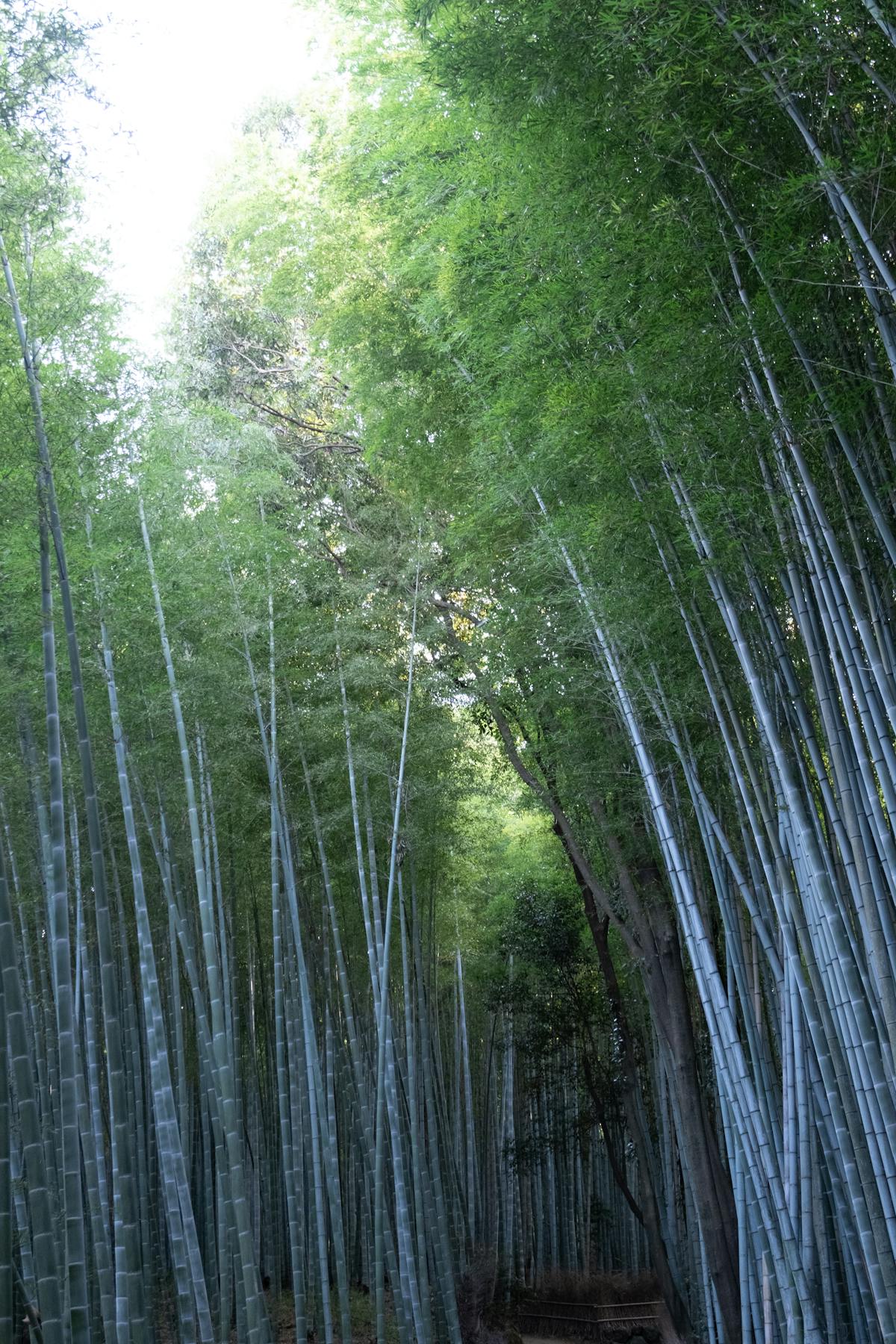
A beautiful and relatively gentle day. You will pass through bamboo groves, tiny mountain hamlets where elderly farmers tend mandarin orchards, and a string of small wayside shrines called oji. Chikatsuyu sits in a small valley with several family-run inns, an excellent local cafe and a swimming hole in the Hiki River where pilgrims have always rested.
Day 3: Chikatsuyu to Kumano Hongu Taisha (about 25 km, 8–10 hours)
The long day, the one that feels most like a pilgrimage. You climb steadily for most of the morning over the Mikoshi-toge and Funatama-toge passes, drop into the village of Hosshinmon-oji (where short-on-time pilgrims often start the final approach by bus), then descend through cedar forest to the great shrine itself. The first sight of Kumano Hongu Taisha — austere, unpainted cypress timber rising out of the trees — is one of the most moving moments in all of Japan. From the shrine it is a 20-minute walk to Oyunohara, the world’s largest torii gate, marking the original location of the shrine on a sandbar in the river.
If 25 km is too far in one day, take the bus from Chikatsuyu to Hosshinmon-oji and walk the final 7 km to Hongu. This is by far the most popular half-day section and what most tour groups walk.
Add-on: Kumano Nachi Taisha and Nachi Falls
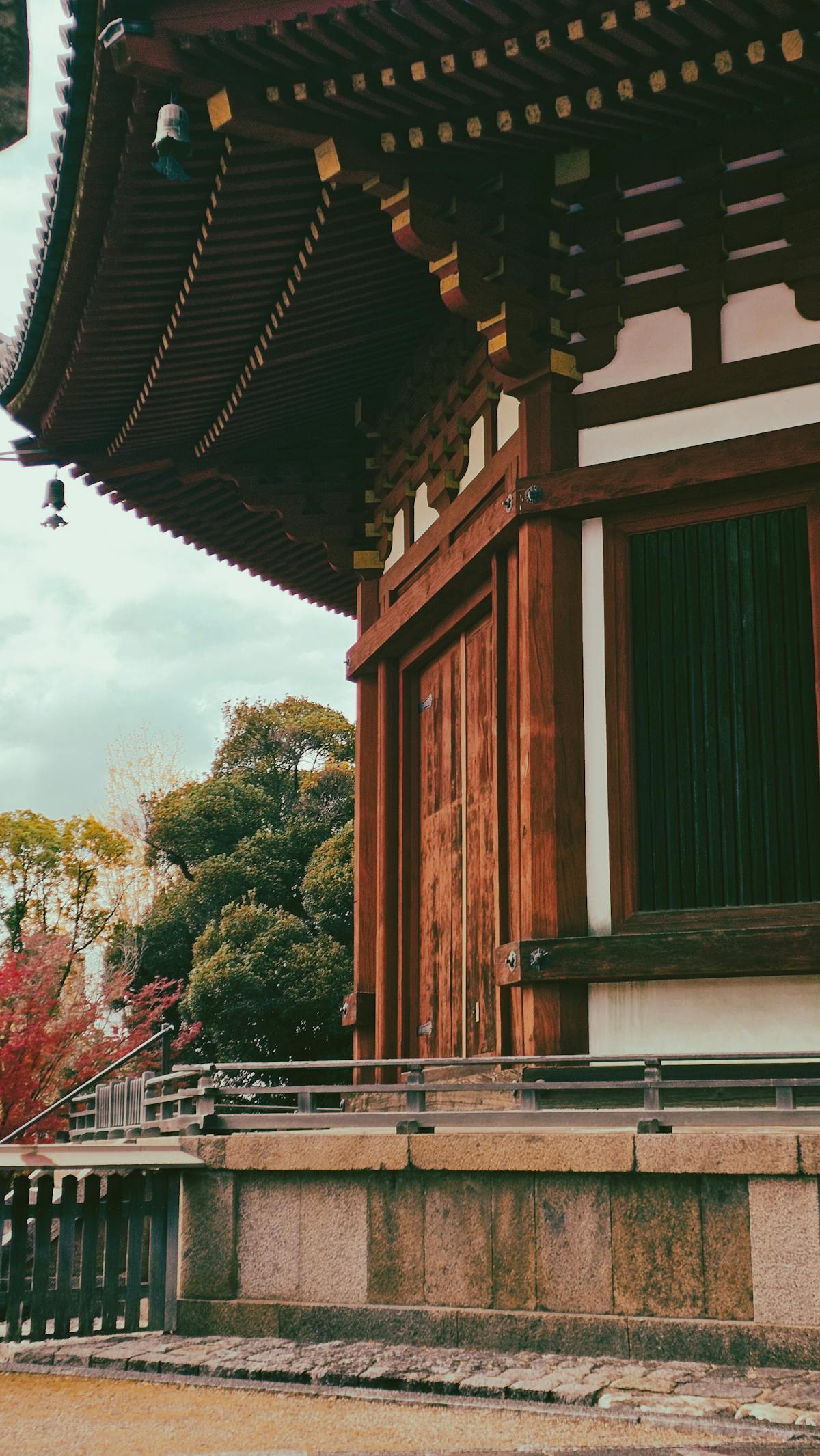
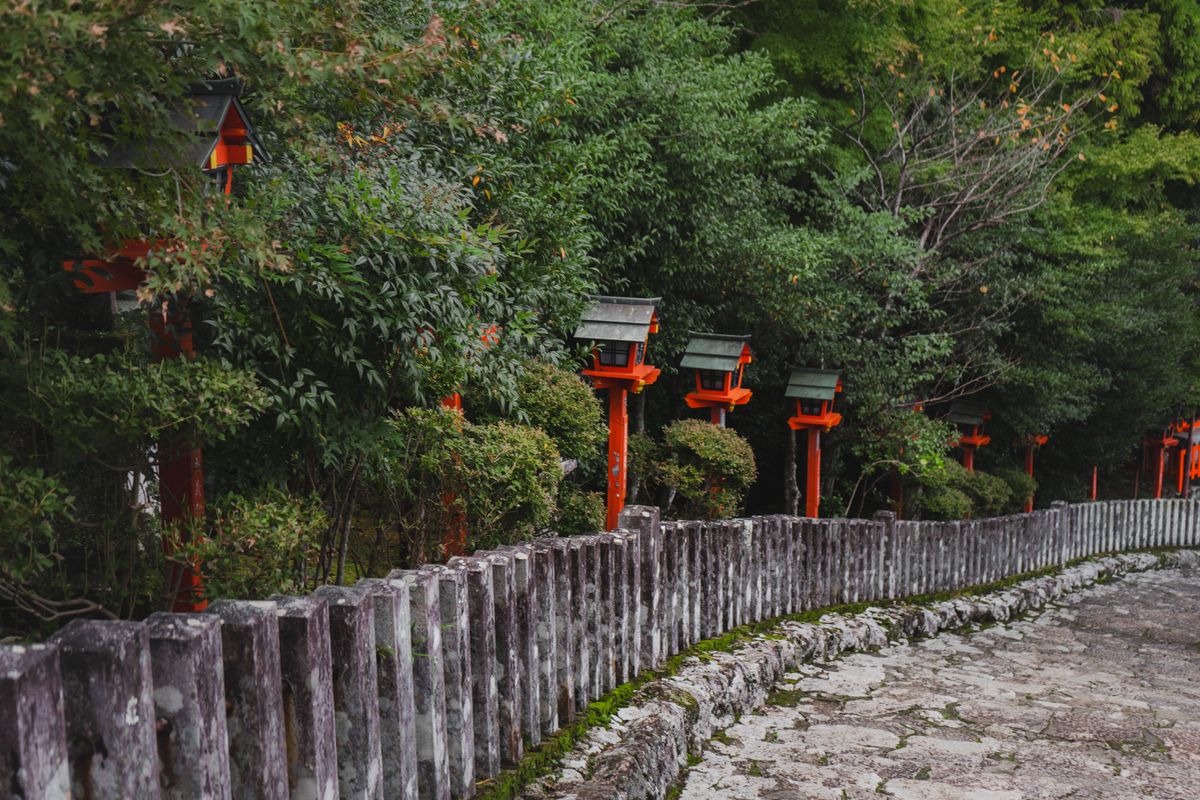
From Hongu, a local bus drops you at Kawayu Onsen for a hot-spring night, then another bus connects to Nachi-Katsuura. From there an easy 90-minute uphill walk on the original Daimon-zaka stone path brings you to Kumano Nachi Taisha and the iconic vermillion three-storey pagoda framed against the 133-metre Nachi Waterfall — the tallest single-drop waterfall in Japan and almost certainly the single most photographed scene in the entire Kumano region. Plan at least half a day here.
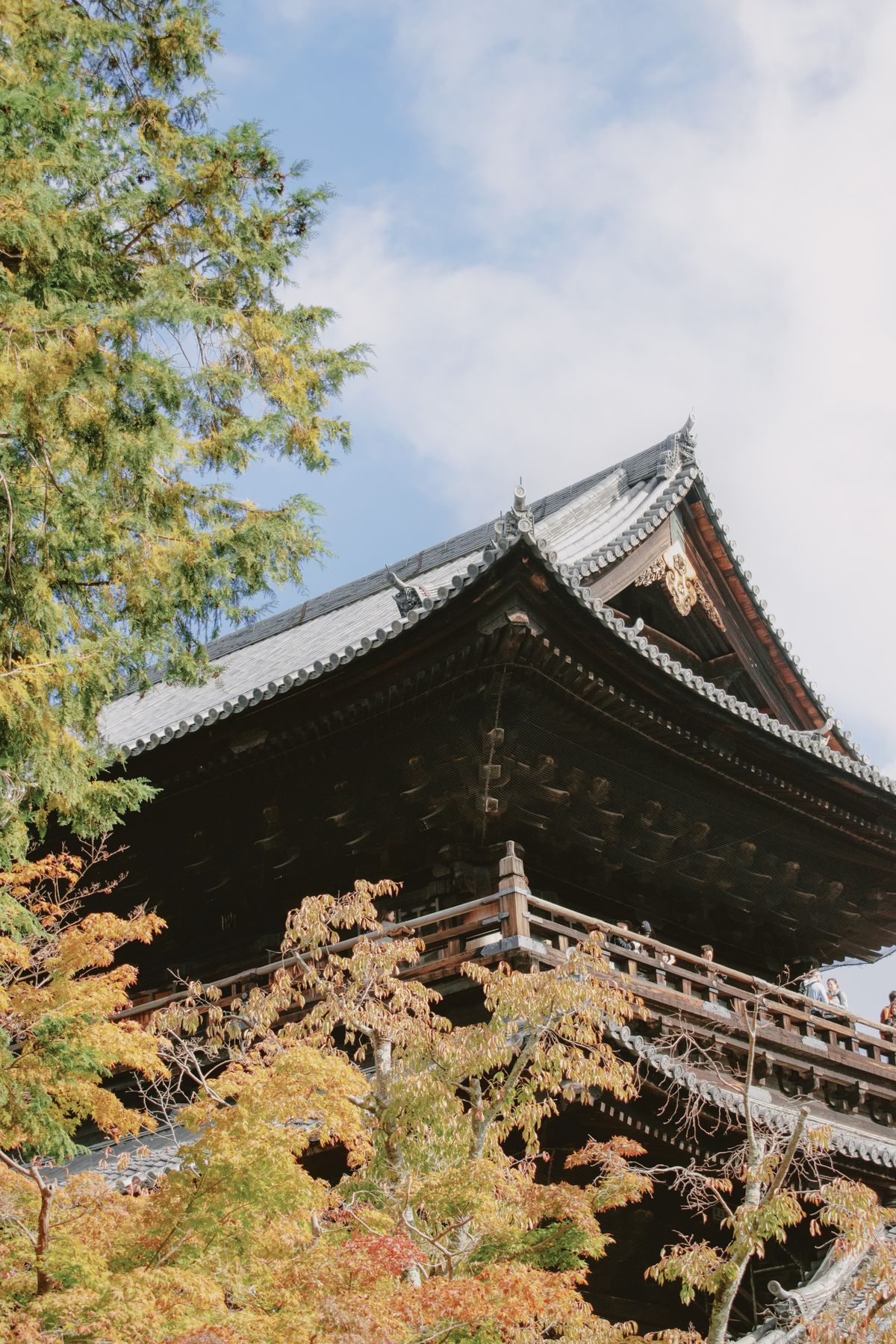
Where to Stay Along the Kumano Kodo
One of the great pleasures of walking the Kumano Kodo is that you sleep somewhere different almost every night, and almost always in a traditional Japanese setting. Three styles of lodging dominate.
Minshuku (family-run guesthouses)
The backbone of pilgrim accommodation. A minshuku is a small private home, usually with 4 to 8 tatami-floored guest rooms, run by a couple or family. Dinner and breakfast are included, almost always featuring local mountain vegetables, river fish, hand-made tofu and rice grown in the surrounding paddies. Expect to pay ¥9,000 to ¥13,000 per person per night (US$60–85) with two meals. The hosts speak limited English but are unfailingly kind, and many own a battered iPad with Google Translate at the ready.
Ryokan (traditional inns)
The more refined option, with private bathrooms, more elaborate kaiseki-style dinners, and often hot-spring baths. Found mainly in Yunomine Onsen, Kawayu Onsen and Wataze Onsen near the Kumano Hongu area. Expect ¥18,000 to ¥35,000 per person per night (US$120–230) with two meals.
Western-style hotels
Limited but available in Tanabe, Shingu and Nachi-Katsuura. Useful as a base before or after the trail. Search platforms like Agoda (best price guarantee for Japan hotels) → for the latest rates — we have found this site consistently competitive for the Kii Peninsula. For luxury onsen ryokan in this region, Ikyu.com is the leading Japanese platform for high-end ryokan → with detailed bath descriptions and meal photos.
Booking advice
For minshuku and ryokan along the actual trail, book through the Kumano Travel Community Reservation System (run by the Tanabe City Kumano Tourism Bureau). It is the only English-language platform that aggregates the small mountain accommodations, and they will also arrange same-day luggage transfer between inns for around ¥2,000 per bag. Book 3 to 6 months in advance for autumn and cherry-blossom season.
What to Eat: Food on the Kumano Kodo
Forget the famous national dishes — Wakayama mountain cuisine is its own world and is one of the surprises of the trip.
Mehari-zushi. The signature pilgrim food: rice balls wrapped in pickled mustard leaves, designed to fit in a pocket and sustain a walker for hours. Buy a few at any village shop or train station kiosk.
Sanma-zushi. Pressed sushi made with locally caught Pacific saury, originally created as preserved food for the long walk inland from the coast. The town of Shingu is famous for it.
Mountain vegetables (sansai). Bracken, fiddleheads, wild mushrooms and bamboo shoots in spring; chestnuts and persimmons in autumn. Always served at minshuku dinners.
Ayu (sweetfish). Grilled whole on a skewer over charcoal, eaten head, tail and all. Best in summer from any of the rivers crossed by the trail.
Kumano beef. A small-volume premium wagyu raised in the mountains. Order at higher-end ryokan or at the few specialist restaurants in Tanabe.
Onsen tamago. Eggs boiled in the natural hot springs of Yunomine Onsen, in a stone basin called Yuzutsu where pilgrims have cooked their eggs for over a thousand years. Buy raw eggs at the village shop, lower them in the netted basket, wait six minutes — instant pilgrimage snack.
If you want a wider primer on Japanese eating before you arrive, see our complete guide to Japanese street food and our overview of the best food experiences in Japan, both of which cover etiquette, vocabulary and what to order when you have no idea what the menu says.
Onsen Along the Trail
Some of Japan’s best hot springs are clustered around Kumano Hongu Taisha, and soaking in them at the end of a long walking day is one of the trip’s deepest pleasures.
Yunomine Onsen. A tiny village 1,800 years old, considered one of Japan’s oldest discovered hot springs. The famous Tsuboyu bath, a small wooden hut over a natural rock pool, is the only hot spring registered as a World Heritage Site — you can rent it privately for 30 minutes for ¥800. Pilgrims have ritually purified themselves here before approaching the Hongu shrine for over a thousand years.
Kawayu Onsen. Where the hot spring literally bubbles up under the bed of the Oto River. In winter the village authorities dam a section of the river to create a giant 1,000-person outdoor bath called the Sennin-buro. Free to enter and one of the most extraordinary baths in Japan.
Wataze Onsen. The largest open-air rotenburo in western Japan, a sprawling complex of stone pools terraced above the river. Day-use entry around ¥800.
If you have never used a Japanese hot spring before, please skim our Japanese onsen etiquette guide first. Tattoos, swimsuits, soap in the bath and other simple misunderstandings are easily avoided once you know the rules.
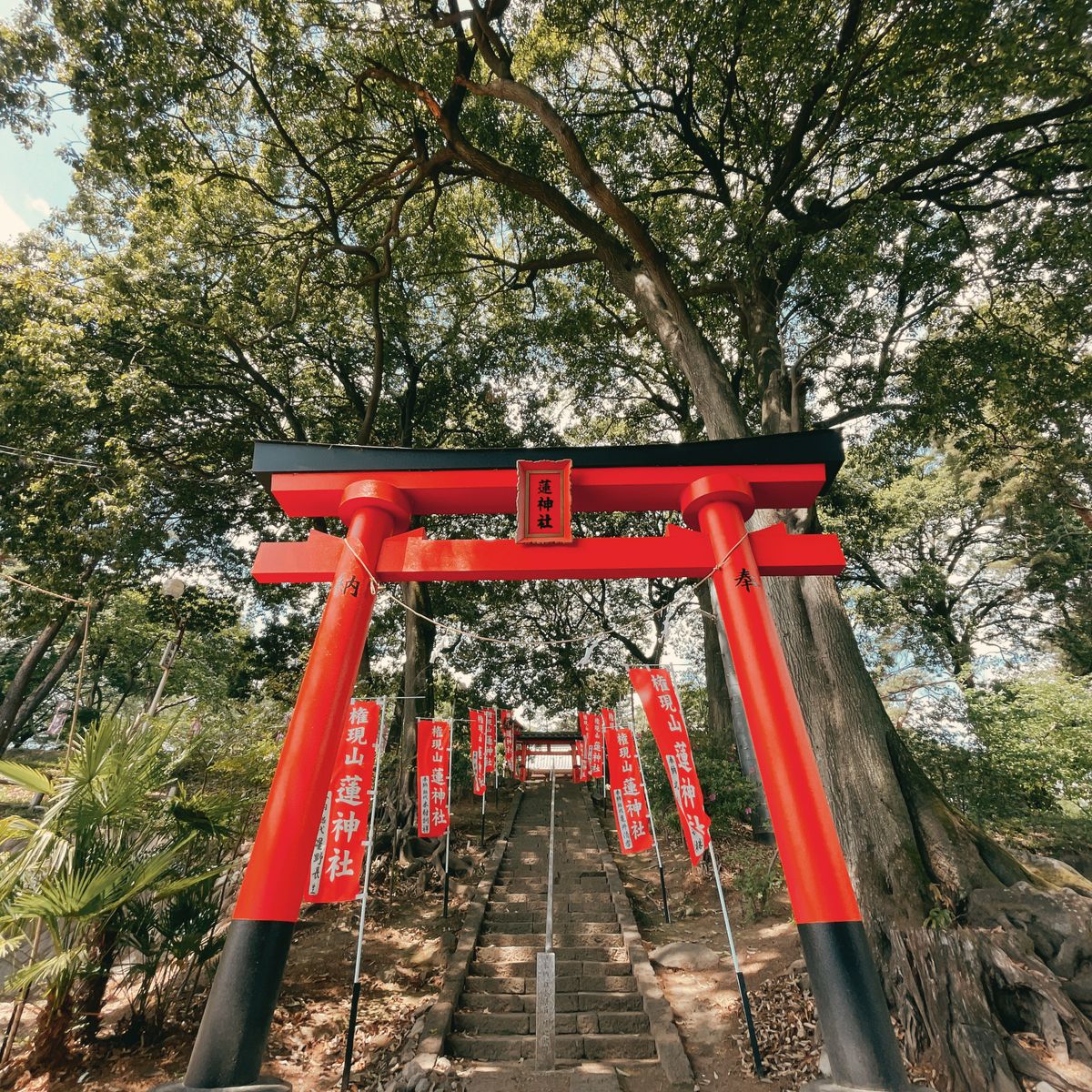
What to Pack for the Kumano Kodo
Walking the Nakahechi is not technical hiking, but it is a multi-day mountain walk in often-changeable weather, and being properly equipped is the difference between a wonderful trip and a miserable one. Pack for the season.
Footwear. The single most important item. The trail is a mix of stone paving, dirt, exposed roots and occasional steep rocky descents. Lightweight waterproof hiking boots with proper ankle support are ideal. Trail-running shoes work if you walk in them already; sneakers do not.
Rain shell. Wakayama is one of the wettest parts of Japan. A breathable rain jacket is non-negotiable. A small folding umbrella is also useful for short showers and pretty common with Japanese walkers.
Layers. Even in summer the mornings in the mountains can be cool. In spring and autumn pack a fleece and a light insulated jacket. In winter add long thermal base layers and gloves.
Day pack (20–30 litres). Most pilgrims send their main luggage ahead by takkyubin transfer and walk with only a small day pack containing water, snacks, rain gear, a guidebook and toiletries. The luggage transfer service is reliable and inexpensive.
Walking poles. Useful on the steep descents. Trekking poles are sold cheaply at the supermarket in Tanabe.
Water bottle (1 litre). Vending machines and village shops appear roughly every 8–15 km but should not be relied on.
Cash. Many minshuku, the local buses, and small village shops only accept cash. ATMs in the mountains are rare. Bring at least ¥30,000 (US$200) in cash for a 3-day walk, more if you plan to stay at ryokan. See our cash vs card in Japan guide for ATM strategy and the cards that work best.
Connectivity. Mobile coverage on the trail is patchy — passable on the Nakahechi, weak on the Kohechi. Buy an eSIM before you arrive so you have data the moment you land. We use and recommend JAPAN&GLOBAL eSIM (instant connection from arrival) → — it activates in five minutes from a QR code, has the best coverage we have tested in rural Wakayama, and is cheaper than renting a pocket WiFi.
For everything else first-timers need in their suitcase, our complete Japan packing list covers electronics adapters, prescription medication rules, what to leave at home, and the small comforts that make a big difference.
When to Walk: Best Time of Year
Each season on the Kumano Kodo has a distinct character.
Spring (mid-March to early May). Plum blossoms in March, cherry blossoms in early April, fresh green leaves in late April. The most reliable weather of the year. Cherry blossoms along the Daimon-zaka approach to Nachi are especially beautiful.
Summer (June to August). Hot and humid, with the tsuyu rainy season hitting full force in June. Trails are quiet but heavy rain can cause landslides and trail closures. July and August can exceed 32°C even in the mountains.
Autumn (mid-October to early December). The best season. Cool, mostly dry weather, dramatic autumn foliage in November, and the harvest specialities of mountain cuisine. Book accommodation 4–6 months ahead.
Winter (December to February). Cold, sometimes snowy on the higher Kohechi route. The Nakahechi remains walkable but icy in the early morning. The trade-off is that you might walk for hours without seeing another person, and the Sennin-buro river bath at Kawayu Onsen only operates in winter.
If you can choose, aim for early November for autumn colours or early April for cherry blossoms. For a deeper look at autumn timing all over Japan see our Japan autumn foliage guide, and for spring our cherry blossom guide tracks the bloom front from south to north.
Etiquette and Respect on a Sacred Trail
The Kumano Kodo is a working religious site as well as a hiking route. The vast majority of visitors are respectful, but a few simple courtesies go a long way.
- Bow lightly when you pass a wayside oji shrine. You don’t have to pray, but acknowledging it is a small kindness.
- At the three Grand Shrines, follow the standard temizu (water purification) ritual at the basin near the entrance: rinse left hand, right hand, mouth (from cupped left hand — never drink directly from the ladle), then upend the ladle to rinse the handle.
- Do not photograph priests, ceremonies or shrine interiors without asking.
- Keep voices low on the trail. Sound carries enormous distances in the cedar forest.
- Carry out all rubbish — there are virtually no bins on the trail.
- Greet other walkers with “konnichiwa” (good day) or “ohayou gozaimasu” (good morning). Almost everyone does, and it is part of the gentle pilgrim culture.
- Do not pick or touch wayside offerings of fruit, flowers or sake.
- If you collect the official Dual Pilgrim stamps (showing you have walked both the Kumano Kodo and the Camino de Santiago in Spain), take care of the stamp books and pads at unstaffed shrines — they are maintained by volunteers.
Costs and Budget: What a Typical Trip Looks Like
Here is a realistic budget for a four-day, three-night Kumano Kodo trip starting and ending in Osaka, walking the highlights of the Nakahechi.
Round-trip transport Osaka ↔ Kii-Tanabe: approximately ¥11,000 (US$72)
Local Ryujin buses (4 segments): approximately ¥3,500 (US$23)
Three nights minshuku with dinner and breakfast: approximately ¥33,000 (US$215)
Lunches and snacks (3 days): approximately ¥4,500 (US$30)
Daily luggage transfer (3 days): approximately ¥6,000 (US$40)
Hot-spring entry fees, drinks, souvenirs: approximately ¥4,000 (US$26)
Total per person: roughly ¥62,000 (US$405)
This is excellent value for the experience. By cutting luggage transfer and choosing the cheapest minshuku you can reduce the budget by around ¥9,000 (US$60); by adding a ryokan night and Nachi extension you might add ¥25,000 (US$165) or more. For more on stretching every yen in Japan, our budget travel Japan guide covers how to do the country well on US$50–100 per day.
Combining the Kumano Kodo With the Rest of Japan
The Kumano Kodo slots beautifully into a longer Japan trip. Three of the most rewarding combinations:
Kyoto → Koyasan → Kumano Kodo. The classic spiritual loop. Two or three days in Kyoto, an overnight at a Koyasan temple lodging (shukubo) to experience Shingon Buddhism, then descend through the Kohechi or take the train via Wakayama to start the Nakahechi. This route lets you complete the “Dual Pilgrim” experience that links Shinto and Buddhist sacred geography.
Osaka → Nara → Kumano Kodo. Add deer, giant Buddha and the world’s largest wooden building before disappearing into the mountains. See our Nara day trip guide for the essential half-day plan.
Mie’s Ise Jingu → Iseji route → Kumano Sanzan. Begin at Japan’s most sacred Shinto shrine and walk south through Mie Prefecture on the Iseji route. This is the most under-the-radar option and a personal favourite for travellers who have already seen the highlights.
For the broader Kii Peninsula picture see our Wakayama travel guide (covering Koyasan, the Kumano Sanzan and the sacred mountains) and our Mie Prefecture travel guide (Ise Jingu and the sacred coast). Our broader list of Japan destination guides is also a useful planning resource.
Practical Tips From People Who Have Walked It
- Start each day early. Most minshuku serve breakfast at 7am sharp; aim to be on the trail by 8am to finish before any afternoon rain.
- Carry a small towel. Useful for sweat, sudden rain, and especially for the onsen at the end of the day. ¥200 at any village shop.
- Download offline maps. Google Maps coverage is patchy. The official Kumano Kodo Pilgrimage Bureau publishes free downloadable maps and a brilliant smartphone app.
- Reserve buses where possible. The Ryujin buses have limited services — check the timetable the day before, not in the morning.
- Buy a stamp book at Takijiri-oji. Collecting the small stamps at each oji shrine becomes a quiet daily ritual.
- Tell your minshuku owner roughly when you will arrive. They will not start your bath until they know you are close.
- Pack a small dry sack for your phone and passport in case of rain.
- If you need a tour for logistical reasons, several reputable Japanese operators run guided multi-day trips. Search current offerings on for a feel for prices and what’s included.
- Slow down. The Kumano Kodo punishes the rushed and rewards the patient. Build in extra time at each shrine, not just to tick the box but to sit quietly.
Safety on the Trail
The Kumano Kodo is genuinely safe. There are no dangerous animals (Honshu black bears exist in the Kii mountains but are extremely shy and almost never encountered on the main routes), no bandits, no aggressive insects beyond mosquitoes and the occasional centipede. The real risks are weather and your own preparation.
Heat and dehydration are the leading cause of trail incidents in summer. Drink before you are thirsty.
Slips on wet stone paving after rain are common. The mossy stone steps are stunning to look at and treacherous to walk on. Slow right down.
Typhoons. September is peak typhoon season on the Pacific coast. Sections of the trail can close after major storms. Always check the official Kumano Travel website for trail-closure alerts before setting out.
Emergency number. 119 for ambulance and fire, 110 for police. The dispatcher will likely not speak English — have your accommodation phone the call in for you if possible.
Travel insurance covering hiking is essential. The local hospital in Tanabe is excellent but private treatment is expensive without insurance.
Day Trip Versus Multi-Day: What If You Only Have One Day?
If your Japan itinerary is too tight for a multi-day walk, you can still taste the Kumano Kodo. The single best one-day plan is:
Take an early Kuroshio Limited Express from Osaka or Kyoto to Kii-Tanabe. Connect to the Ryujin bus and ride all the way up to Hosshinmon-oji (about 2 hours from Kii-Tanabe). Walk the famous final 7 km section through cedar forest, past terraced rice paddies and tea fields, descending to Kumano Hongu Taisha. Time the walk for around 3 hours including stops, then visit the shrine and the giant Oyunohara torii. Catch the bus back via Yunomine Onsen, with time for a quick rotenburo soak. Return to Kii-Tanabe in the early evening. It is a long day but it works and is the most popular tour-group itinerary.
An alternative for one day: skip the Nakahechi and visit only the Nachi area. From Osaka or Kyoto, take an early Kuroshio to Nachi station, bus up to Daimon-zaka, walk the stone-paved approach in 90 minutes, visit Kumano Nachi Taisha, the Seiganto-ji pagoda and the foot of Nachi Waterfall. This delivers the single most photogenic spot in the Kumano region without any serious hiking.
Getting Home: Onward Connections From Kumano
If you finish at Kumano Hongu Taisha you have three good options. Take the bus back the way you came to Kii-Tanabe and onward to Osaka. Take the Kumano Gobo bus south to Shingu (about 90 minutes), then a Kuroshio Limited Express up the east coast to Nagoya (4 hours) or onward to Kyoto via Mie Prefecture. Or take the most adventurous option and ride the Kumano-gawa River jet boat from Hitari to Shingu — recreating the historic water-borne arrival of medieval pilgrims. The river boat runs in season for around ¥3,900 and takes 90 minutes.
Arriving back into a major city after the trail is an interesting psychological transition. Many walkers report a kind of sensory overload that lasts for the first day or two. Plan a quieter hotel for that re-entry night — somewhere with a good bath helps.
Frequently Asked Questions
How long does it take to walk the entire Kumano Kodo?
The classic end-to-end Nakahechi from Takijiri-oji to Kumano Hongu, then on to Nachi and Shingu (Hayatama), takes most foreign walkers 5 to 7 days. Walking the entire combined Nakahechi and Kohechi network — over 200 km — would take roughly 12 to 14 days. Almost no first-time visitor walks the whole network; 3 to 5 days on the Nakahechi delivers the essence and is the typical first-timer plan.
Do I need to be very fit?
No, but you should be comfortable walking 10–25 km per day on uneven, sometimes steep terrain with a small day pack. If you walk briskly for 90 minutes once or twice a week at home, you have enough fitness for the Nakahechi. The Kohechi is significantly harder and assumes real hill-walking experience.
Can I do the Kumano Kodo without speaking Japanese?
Absolutely. The Nakahechi has excellent bilingual signage (English and Japanese) thanks to its sister-route partnership with the Camino de Santiago. Minshuku owners use translation apps. The Kumano Travel reservation system operates in fluent English. You will not be lost.
Is the Kumano Kodo religious? Do I need to be Buddhist or Shinto?
The trail is religious in origin but completely open to walkers of any faith or none. It is a syncretic site that blends Shinto, Buddhism and folk religion. Visitors are welcome to pray at the shrines, observe quietly, or simply walk and enjoy the landscape. There is no expectation that you participate in any ritual.
What’s the difference between the Kumano Kodo and the Camino de Santiago?
The two routes are formally twinned and walkers who complete both can earn the official Dual Pilgrim title. The Camino crosses agricultural lowland and small villages over hundreds of kilometres; the Kumano Kodo is shorter, much more vertical, dramatically forested and feels far more remote. The Camino is louder, more social and more international; the Kumano Kodo is quieter, more contemplative and more deeply tied to a specific landscape. Many walkers say the two complement rather than compete.
Can I walk the Kumano Kodo solo as a woman?
Yes. Solo female walkers are increasingly common on the Nakahechi and the route is considered very safe. Minshuku hosts are welcoming and protective. Standard travel-safety practices apply: avoid walking after dark, share your daily plan with your accommodation, carry a charged phone with offline maps.
Are there bears or other dangerous animals?
Honshu black bears live in the Kii mountains but encounters on the main pilgrim routes are extremely rare. Most minshuku give walkers a small bear bell to clip to a pack — the gentle chime warns wildlife of your approach. The bigger nuisances are deer, wild boar (visible from a distance, never aggressive on the trail) and in summer mosquitoes.
What about luggage? Do I have to carry everything?
No. The Kumano Travel office and most minshuku organise daily luggage transfer between accommodations for around ¥2,000 per bag. You walk with only a day pack. This service is one of the great quality-of-life improvements over comparable European pilgrimages.
Can children walk the Kumano Kodo?
Yes, on the shorter sections. Children aged eight and up who hike regularly handle the Hosshinmon-oji to Hongu section without difficulty. Avoid the long Day 3 stretch from Chikatsuyu and avoid the Kohechi entirely with kids under twelve.
How do I get the Dual Pilgrim certificate?
You need to have completed at least 100 km of either the Camino de Santiago or the Nakahechi and at least one day on the other route. Bring evidence (Compostela certificate, stamp book) to the Kumano Hongu Heritage Centre to be officially registered as a Dual Pilgrim.
What’s the best souvenir from the Kumano Kodo?
The official goshuin stamp books, hand-inked at the three Grand Shrines, are the most meaningful keepsake. Other options: Kumano-fude calligraphy brushes (the village of Kumano-Cho in nearby Hiroshima is the brush capital of Japan), umeshu plum liqueur from Tanabe, and the small good-luck charms (omamori) specific to Kumano shrines.
Do I need a guide?
Not for the main Nakahechi sections, no. A guide adds historical and cultural depth and is genuinely valuable if you have a strong interest in religion, history or photography. Half-day local guides start around ¥18,000. For the Kohechi or Iseji a guide is highly recommended for navigation alone.
What if it rains?
Walk anyway, but cautiously. The mossy stone steps become very slick. Wear gaiters if you have them and reduce daily distance by 20–30 percent. The forests are arguably at their most beautiful in light rain — the cedar smell intensifies, the moss glows, the waterfalls roar. Heavy rain combined with typhoons is a different story; check trail status before setting out.
Final Thoughts
There are flashier trips you can take in Japan. Tokyo can be overwhelming in the best possible way; Kyoto can leave you speechless at temple after temple; Hokkaido can scour your soul clean with mountain air and seafood. None of them will give you exactly what the Kumano Kodo gives you. The pilgrimage rewards the patient walker with something that has become rare in modern travel: the slow accumulation of meaning, footstep by footstep, through a landscape that has been considered sacred for over a millennium. You will arrive at Kumano Hongu Taisha tired, slightly dirty, probably a little emotional, and very much aware that you have walked a road shaped by tens of thousands of people who walked it before you. That is a quietly extraordinary thing to bring home from a holiday.
If this guide helps you plan your trip, the next steps are simple. Lock your transport into Osaka or Kii-Tanabe. Book your minshuku 3 to 6 months out through the Kumano Travel reservation system. Sort your eSIM and any onward hotels through the resources linked above. Then, on the appointed morning, wash your hands in the Tonda River at Takijiri-oji and start walking. The mountains will do the rest.
Going to Japan? Talk to locals with confidence.
Hirameki Japanese — instant offline translation, camera translation, furigana + romaji, and 314 free flashcards. No login. Works without internet.

Plan your Japan trip
Two things every first-timer should book
Some links are affiliate links. If you book through them we may earn a small commission at no extra cost to you.