In this guide
- Where zero Japanese works fine
- Where the gaps are (honestly)
- The 3-part survival kit
- Five phrases worth learning anyway
- FAQ
Where zero Japanese works fine
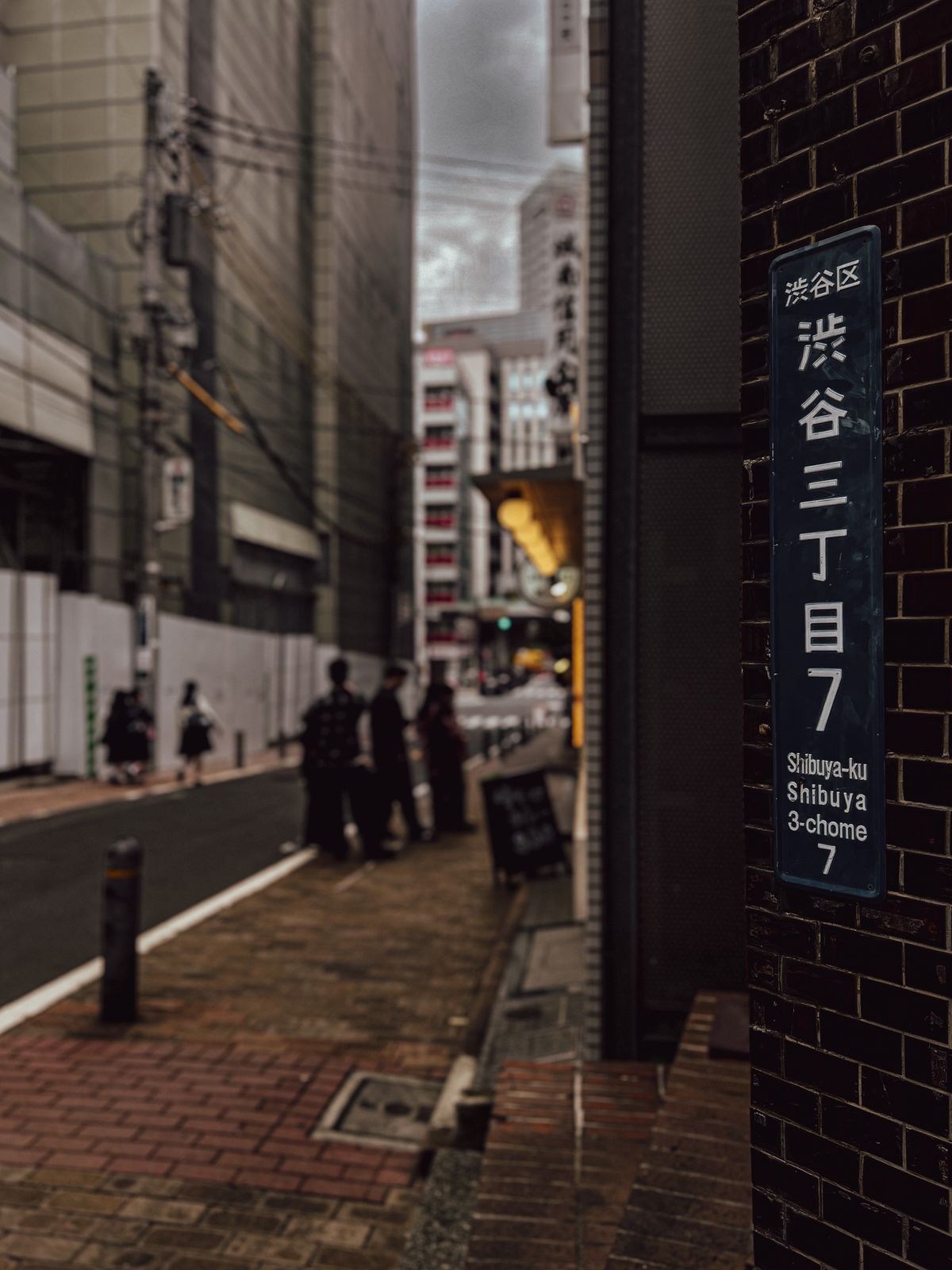
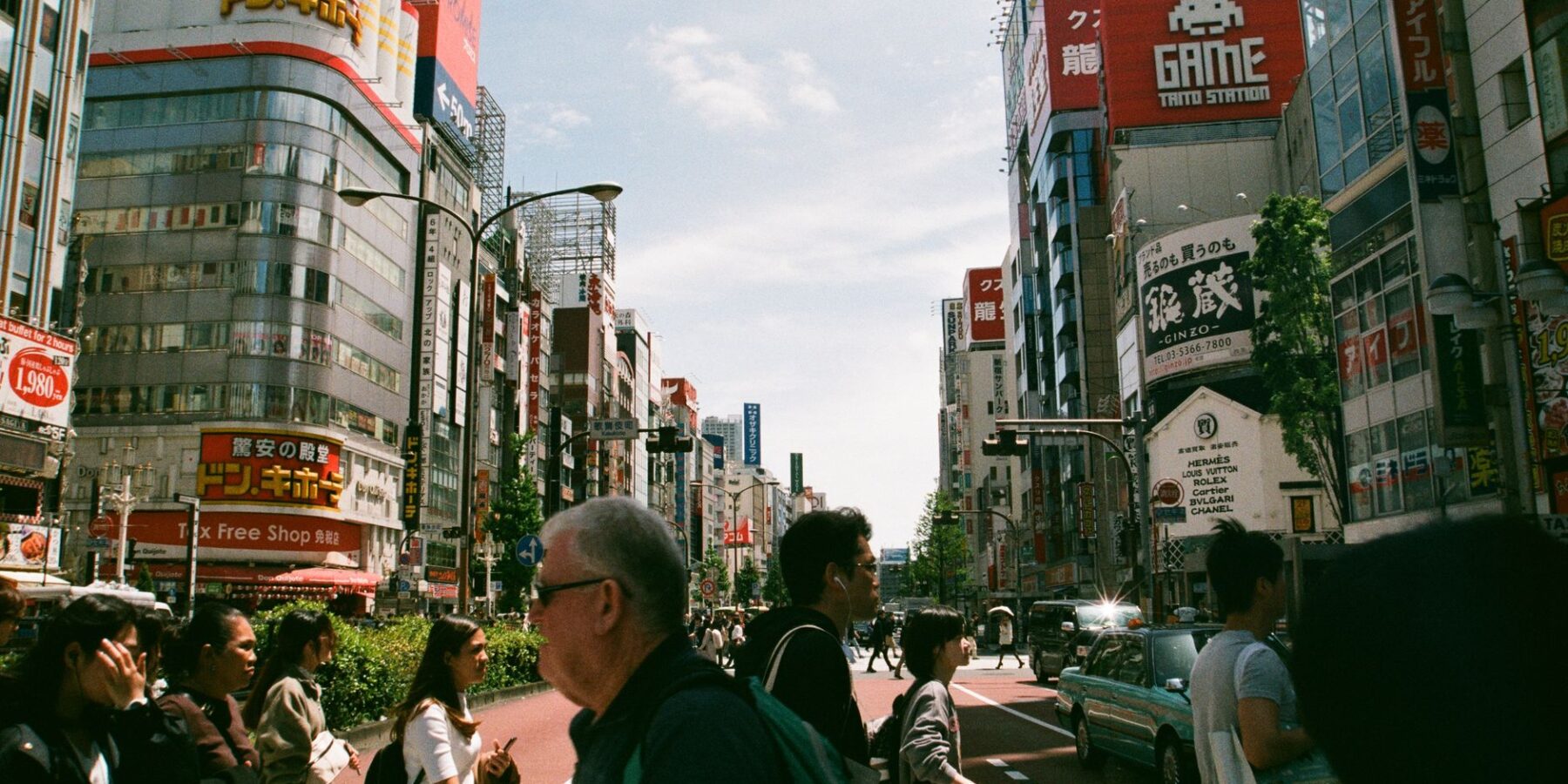
On the golden route, the infrastructure carries you: train stations and shinkansen are signed in English (see our station signs guide), ticket machines have English buttons, hotels handle check-in in English, chain restaurants have picture menus or ticket machines you just point at, and konbini checkout needs zero words. Google Maps handles transit routing brilliantly. Millions of travelers do Japan every year with English only — it’s a solved problem in tourist zones.
Where the gaps are (honestly)
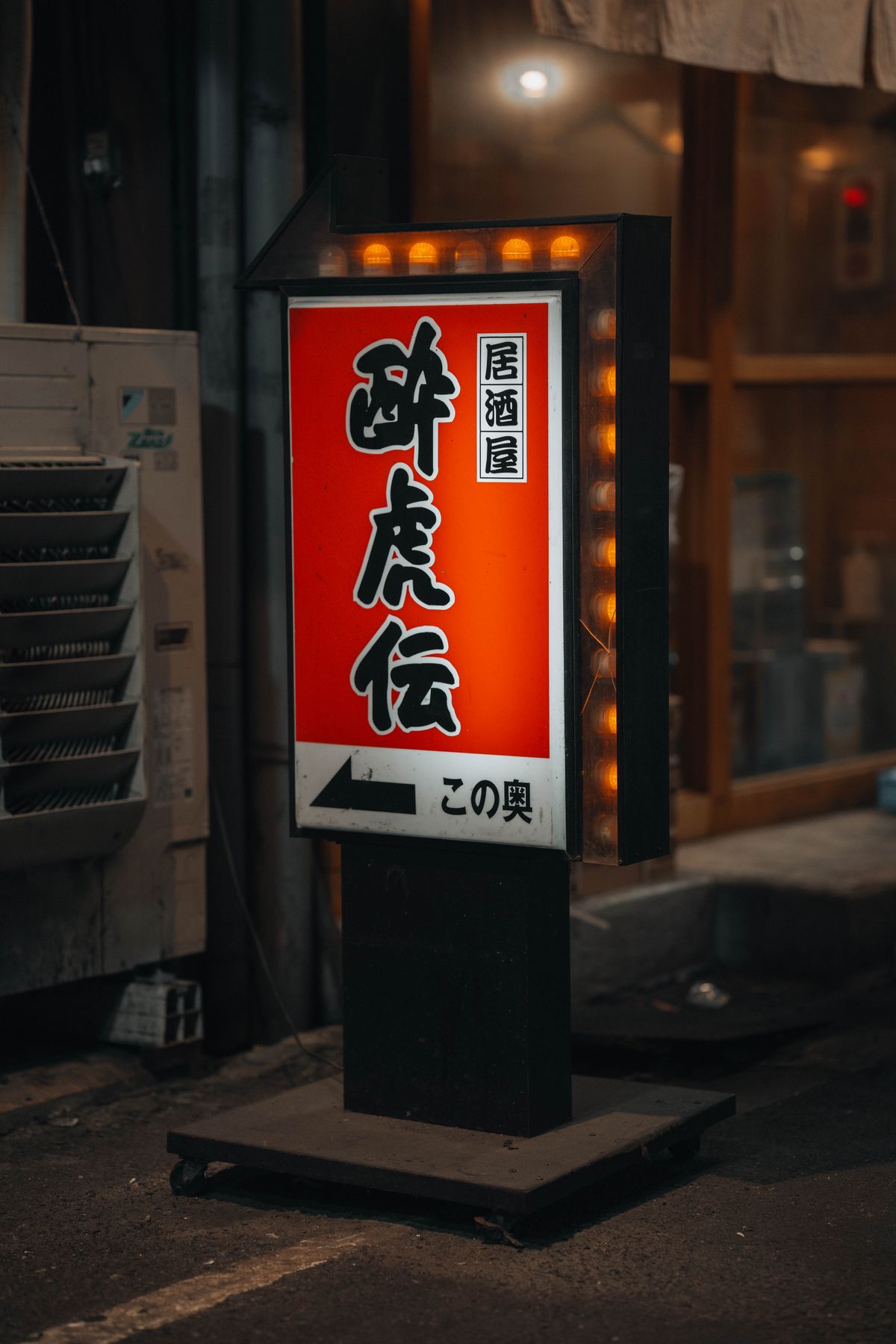
- Small, family-run restaurants — often the best food in Japan, with handwritten Japanese-only menus. Many travelers chicken out at the door and eat at chains instead. (Don’t — see the kit below, and our menu-reading guide.)
- Rural Japan — the moment you leave the golden route, English signage and English-speaking staff thin out fast.
- Anything spoken — train delay announcements, a pharmacist’s question, a taxi driver’s confirmation.
- Anything handwritten or temporary — a “closed today” note, a platform change, an onsen’s rules board.
- Phone calls — some restaurant reservations are still phone-only (hotels will often call for you; just ask the front desk).
The 3-part survival kit
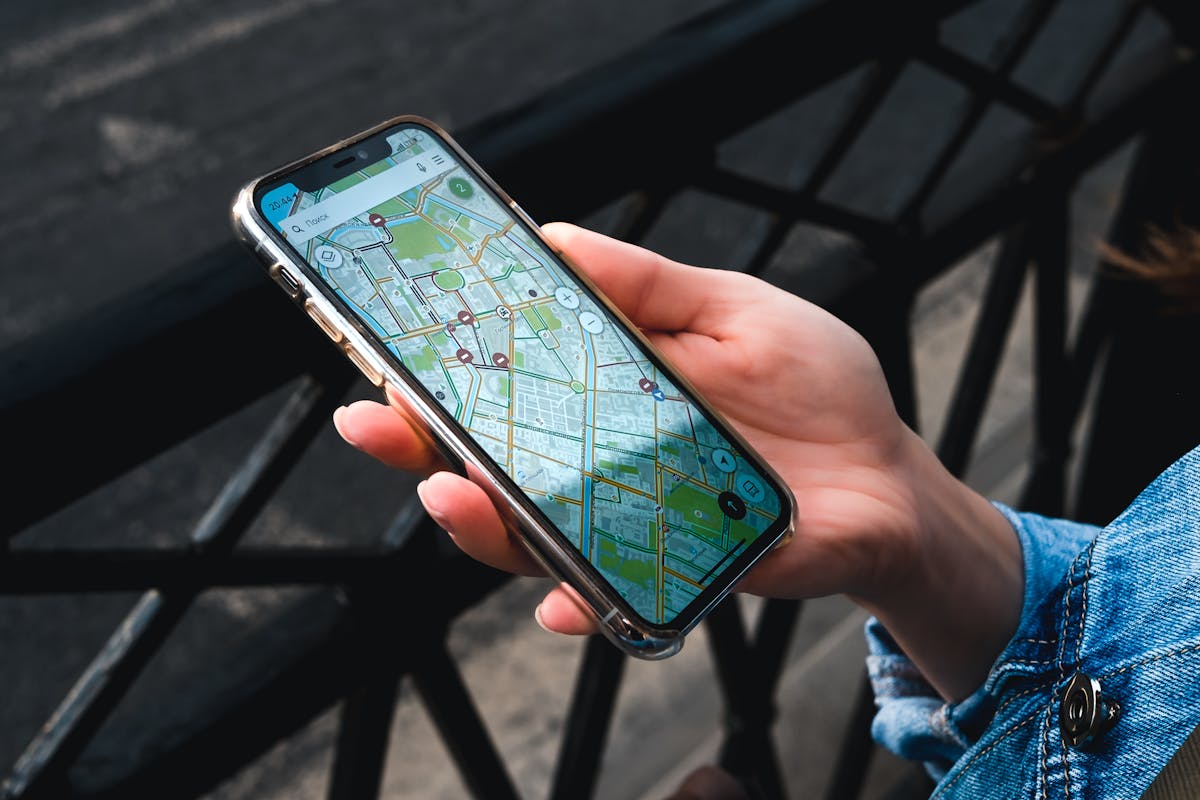
① Offline translation app. This is the big one. Hirameki Japanese is free, needs no login, and works completely offline — type or speak for instant two-way translation, and point the camera at menus, signs and labels for on-the-spot reading. Offline matters more than people expect: basements, trains and rural valleys all drop signal exactly when you need help. It also overlays furigana and romaji, so you can pronounce what you’re showing. ② Connectivity for everything else — maps, bookings, transit apps: set up an eSIM before you fly. ③ A pocket of politeness — the five phrases below. Tools handle information; manners open doors.
Five phrases worth learning anyway
| Phrase | Say it | When |
|---|---|---|
| Sumimasen | soo-mee-mah-sen | Excuse me / sorry / getting attention — the universal key |
| Arigatou gozaimasu | ah-ree-gah-toh goh-zai-mas | Thank you (polite) |
| Onegaishimasu | oh-neh-gai-shee-mas | Please / “yes, do that” (e.g. heating your bento) |
| Kore o kudasai | koh-reh oh koo-dah-sai | “This one, please” + pointing — orders anything |
| Eigo wa daijoubu desu ka? | ay-goh wah dai-joh-boo des ka | “Is English OK?” — asked politely, it changes the interaction |
Want fifty more, organized by situation? Our essential phrases guide covers restaurants, trains, hotels and emergencies — and Hirameki’s built-in flashcards (314 of them, free) let you drill the basics on the flight over.
Frequently asked questions
Can I visit Japan speaking only English? Yes — comfortably on the main routes. Prepare an offline translation app for the gaps and you’re covered everywhere.
Do Japanese people speak English? Most studied it but few speak it confidently. Written English is widely understood; speak slowly, show text, and use tools.
What’s the best translation app for Japan? One that works offline and has camera translation — Hirameki Japanese does both for free, with no account needed.
Should I learn Japanese before a two-week trip? Learn the five phrases above — genuinely enough. More is lovely but optional.
Going to Japan? Talk to locals with confidence.
Hirameki Japanese — instant offline translation, camera translation, furigana + romaji, and 314 free flashcards. No login. Works without internet.

Plan your Japan trip
Two things every first-timer should book
Some links are affiliate links. If you book through them we may earn a small commission at no extra cost to you.