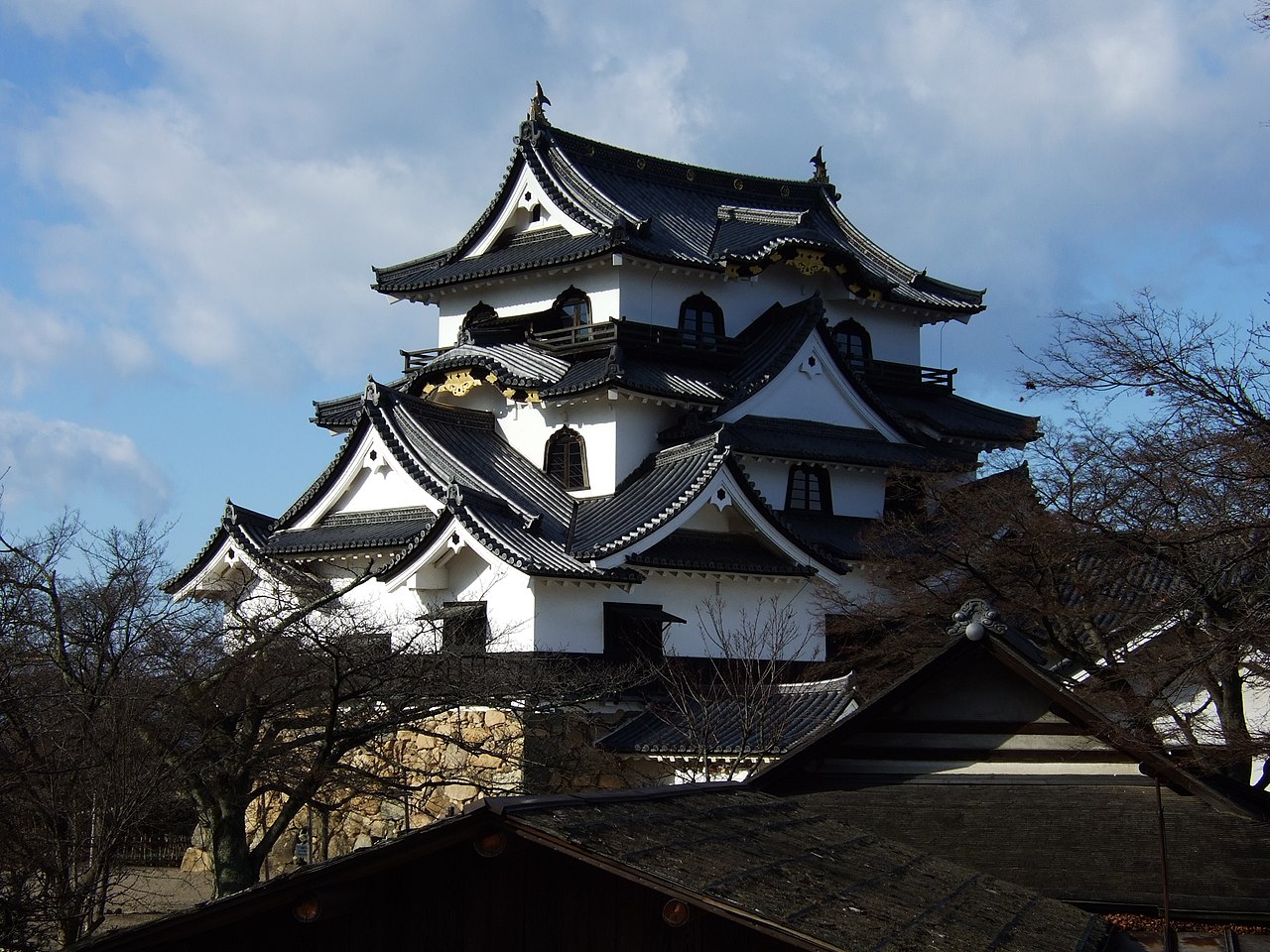
Hikone Castle is one of only twelve castles in Japan that still has its original Edo-period main keep, and one of just five designated as a National Treasure. Sitting on a low hill on the eastern shore of Lake Biwa in Shiga Prefecture, the small, perfectly proportioned wooden tower has survived war, fire, the Meiji-era castle demolitions and four centuries of weather — and it remains so quietly impressive that many seasoned Japan travellers will tell you it is the most rewarding castle visit in the country.
Hikone is also easy. The castle sits a 15-minute walk from Hikone Station, which is just 50 minutes from Kyoto or 90 minutes from Nagoya by ordinary train. You can do it as a half-day trip, a full day combined with neighbouring sake breweries, or as part of a longer Lake Biwa loop. This complete guide explains everything a first-time visitor needs to know: the history, what to see inside the castle, what to do in the rest of Hikone, when to go, how to combine it with other Lake Biwa highlights, and the local food (and beef) you should not leave without trying.
Why Hikone Castle Matters
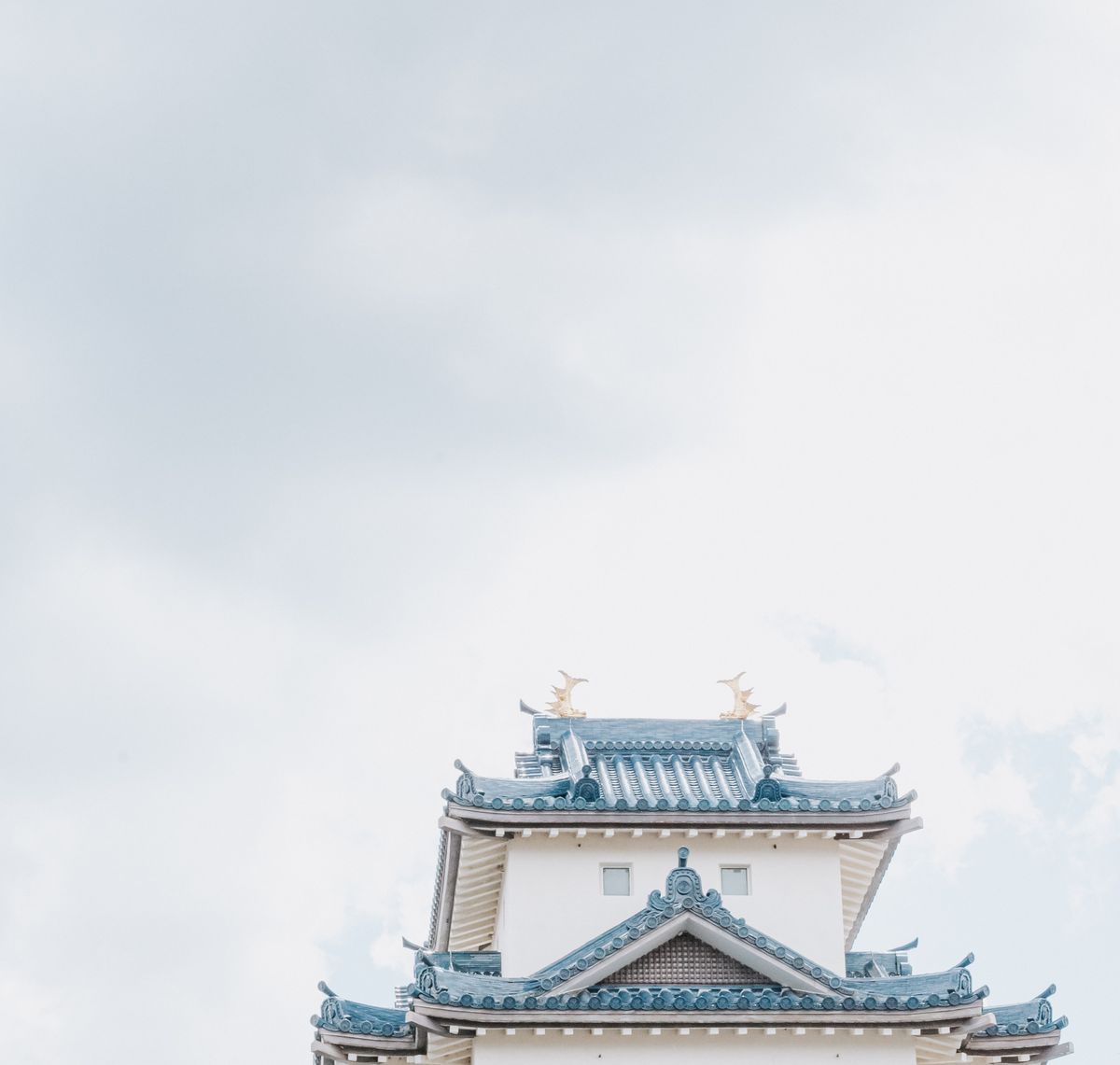
To appreciate Hikone, it helps to know how few original castles Japan still has. The country once had thousands. Then came the Meiji Restoration of 1868, which classed castles as feudal relics and ordered most demolished. Then came the air raids of 1945, which destroyed several of the survivors. By the end of the 20th century, only twelve original castle keeps were left standing — meaning everything you see at, say, Osaka or Nagoya Castle is a concrete reconstruction from the postwar period, while at Hikone you are walking on stairs cut and laid in 1607.
Of those twelve survivors, only five are designated National Treasures (国宝): Himeji, Matsumoto, Inuyama, Matsue, and Hikone. Hikone is the smallest of the five, but in many ways the most cohesive, because the surrounding moats, stone walls, outer baileys, gates and the daimyo garden have also survived almost intact. You are not just visiting a keep; you are visiting an entire intact feudal-era castle town.
For other castle and culture experiences across Japan, our destinations hub has more ideas, and our wider first-timer’s travel tips cover the essentials before you go.
A Brief History of Hikone Castle
Hikone Castle was built by the Ii clan, one of the most powerful daimyo families of the Tokugawa shogunate. Ii Naomasa — one of Tokugawa Ieyasu’s “Four Great Generals” and the man whose famously red-armoured cavalry fought at the Battle of Sekigahara in 1600 — was awarded the strategically critical eastern shore of Lake Biwa as his fief after that battle. He died of wounds in 1602 before construction began. His son, Ii Naotsugu, broke ground in 1603 on a hill overlooking the lake.
The castle took twenty years to complete, finished in 1622. Materials were repurposed from earlier castles in the region — the main keep itself reuses timbers and stones from the dismantled Otsu and Sawayama castles, a thrifty habit common in early Edo construction. The Ii family ruled Hikone for fourteen generations until the abolition of the feudal system in 1871. The most famous of them was Ii Naosuke, chief minister of the shogunate in the 1850s, who signed the controversial treaties that opened Japan to foreign trade and was assassinated outside Edo Castle’s Sakurada Gate in 1860. His statue stands on the castle grounds today.
Hikone Castle was scheduled for demolition in the early Meiji period, like most of Japan’s other castles. By legend, the young Emperor Meiji visited Hikone in 1878 on a regional tour and was so moved by the keep’s beauty that he ordered it preserved. Whether or not that story is literally true, the order was given and the castle has stood ever since. In 1952 the keep was designated a National Treasure, in the second batch of postwar designations, alongside Matsumoto, Himeji and Inuyama.
How to Get to Hikone
From Kyoto
The easiest connection. Take the JR Tokaido Main Line (special rapid / shinkaisoku) from Kyoto Station eastbound to Hikone Station. Journey time is about 50 minutes; fare is ¥1,170 (US$7.80) one-way. Trains run roughly every 15 to 20 minutes throughout the day. The Japan Rail Pass covers this leg in full. The Shinkansen does not stop at Hikone — do not take the bullet train.
From Osaka
The same JR Tokaido Main Line continues to Osaka. Take a shinkaisoku from Osaka Station; journey is about 1 hour 20 minutes (¥1,520 / US$10) one-way. Direct trains run frequently.
From Nagoya
From Nagoya, take the JR Tokaido Main Line westbound. Direct shinkaisoku trains take about 1 hour 30 minutes; transferring at Maibara is slightly faster, around 1 hour 15 minutes. Fare around ¥1,520 (US$10). Alternatively, take the Tokaido Shinkansen to Maibara (about 25 minutes from Nagoya), then a 5-minute local connection to Hikone. With a Rail Pass this is the fastest combination. For Shinkansen basics, see our complete bullet train guide.
From Tokyo
From Tokyo, take the Tokaido Shinkansen to Maibara (about 2 hours 20 minutes by Hikari, ¥11,800 / US$78 unreserved), then transfer to a local JR train for the 5-minute hop to Hikone. Note that Nozomi trains do not stop at Maibara — you need a Hikari or Kodama. The Japan Rail Pass covers Hikari and Kodama in full. For whether the pass makes sense, see our Rail Pass guide.
From Hikone Station to the Castle
It is a flat, well-signed 15-minute walk from Hikone Station’s west exit, through the small but charming “Castle Road” shopping street, across the outer moat, and into the castle grounds. Taxis are available at the station for around ¥700 (US$5) if you’d rather not walk.
Get your data set up before arrival so your phone navigates straight to the castle. We always recommend an eSIM that activates on landing. Get your Japan eSIM (Stay connected from day 1) →
What to See at Hikone Castle
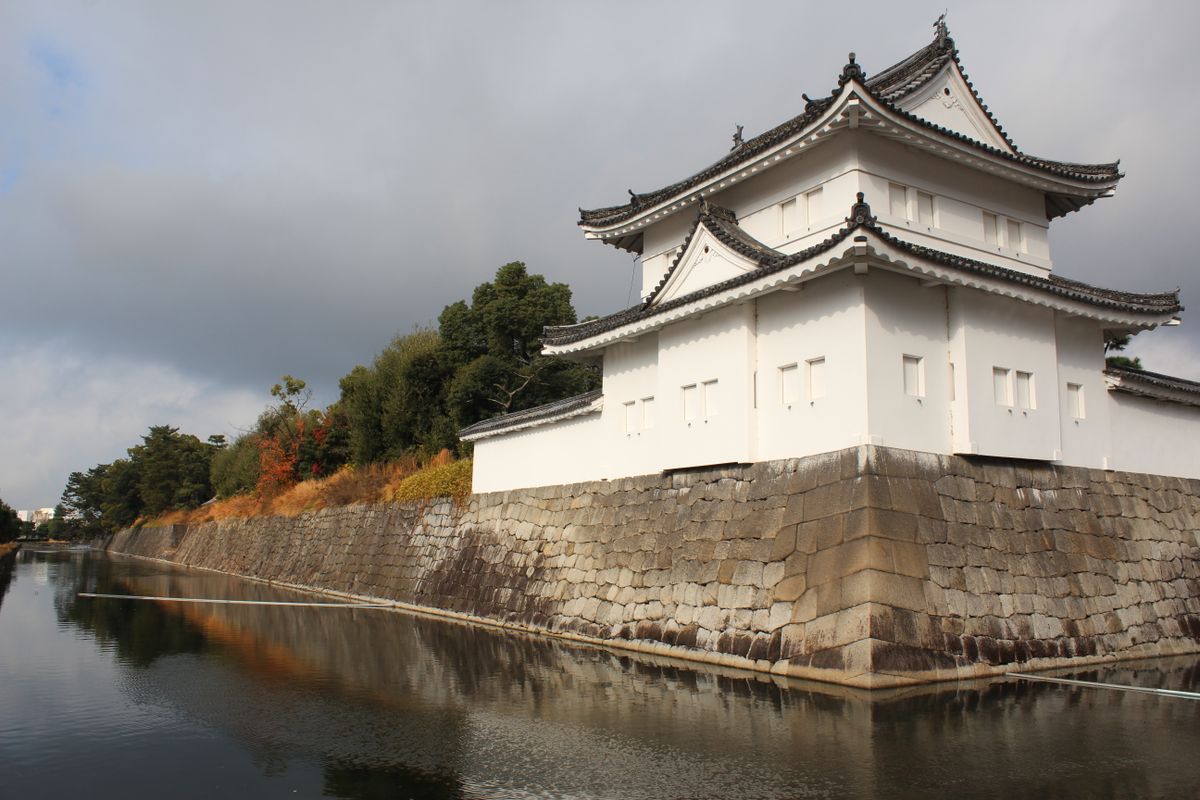
A full visit including the keep, garden and museum takes about 3 hours. Combined ticket prices are roughly ¥1,200 (US$8) for adults including all three; the keep-only ticket is ¥800 (US$5.30). Children’s tickets are about ¥350 (US$2.30). The castle is open daily 08:30 to 17:00 (last entry 16:30). It does not close on national holidays.
The Main Keep (Tenshu)
The three-storey keep is small by Japanese castle standards — just 21 metres tall — but its proportions are widely considered among the most elegant of any castle in Japan. Look for the distinctive curved karahafu gables on each level and the wing-shaped chidori-hafu gables on the lower roof. Inside, the wooden stairs are extremely steep — almost ladder-like, with a 60-degree pitch. You will need to use the handrails and go up backwards on the way down. This is normal for an original castle and is part of the experience.
From the top floor you get a panoramic view east across the castle town to the Suzuka Mountains and west across Lake Biwa. On clear days you can see Mount Hiei beyond Kyoto in the distance.
Tenbin Yagura (Scale-Balance Turret)
One of Hikone’s unique features: a turret built across the top of a stone bridge, with two equally sized wings flanking the central gate, giving the silhouette of a balance scale. It is the only surviving castle turret of this type in Japan. The structure was relocated from the older Nagahama Castle in the 17th century and is now an Important Cultural Property in its own right. Walk underneath through the gate to approach the inner bailey.
Taikomon Yagura (Drum Gate Turret)
The eastern gateway to the inner bailey, where a large drum was historically struck to mark the hours and to call the garrison to alert. The turret is open and you can walk through it.

Genkyu-en Garden
A beautifully preserved daimyo’s strolling garden built in 1677 on the lower castle grounds, modelled on the Tang Chinese pleasure garden of Emperor Xuanzong. The garden features a central pond with four small islands connected by arched wooden bridges, framed by the silhouette of the castle keep rising above the trees — one of the best castle-garden compositions anywhere in Japan. Cherry trees, irises, azaleas, autumn maples and winter pines mean it is striking in every season. A traditional teahouse on the pond serves matcha and a Hikone wagashi sweet for ¥500 (US$3.30). Allow 45 minutes.
Hikone Castle Museum
Located on the site of the former palace at the foot of the keep hill, this excellent museum displays armour (including the famous red-lacquered Ii cavalry armour), samurai swords, Noh masks, and the original interiors of part of the daimyo palace, reconstructed using traditional methods. The teahouse on the second floor has tatami seating overlooking a small garden. Entry is included in the combined ticket.
The Moats and Outer Grounds
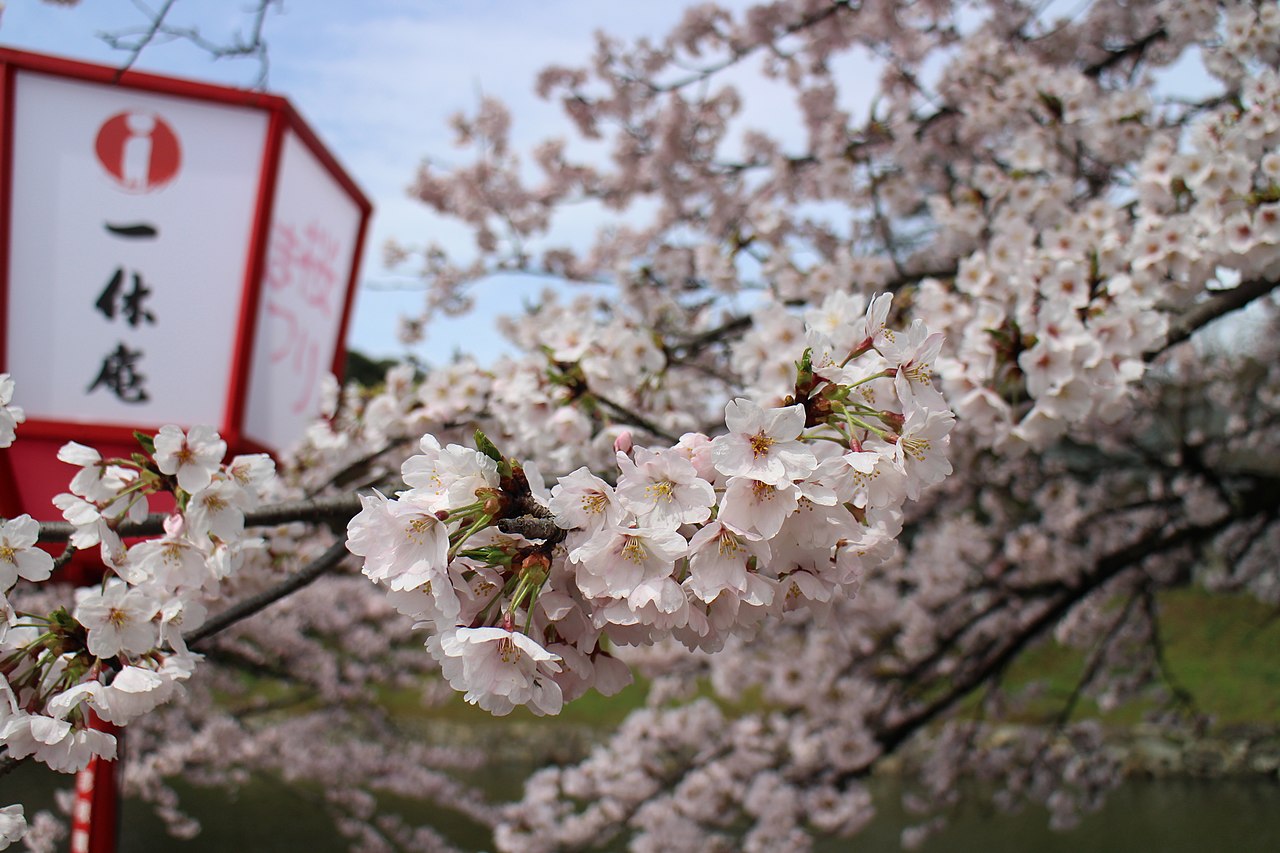
Don’t skip the perimeter walk. The two surviving moats — the inner stone-lined moat and the broad outer earthen moat — are stocked with carp and turtles and lined with cherry trees. In spring (early April) the entire 1.5 km perimeter is one continuous tunnel of pink blossom, lit up at night during the cherry blossom festival.
Look Out for Hikonyan
Hikone is the birthplace of the original “regional mascot” boom. Hikonyan — a white cat in a tiny samurai helmet — was created in 2006 to celebrate the castle’s 400th anniversary and is now the most famous local-government mascot in Japan. The real costumed Hikonyan appears at the castle three times daily (around 10:30, 13:30 and 15:00, schedule subject to change), performs a short dance, and poses for photos. Children love it, and frankly most adults do too.
Best Time to Visit Hikone Castle
Spring (Late March to Mid-April)
Cherry blossom season at Hikone is one of Japan’s most spectacular. Roughly 1,200 cherry trees line the moats, and during peak bloom (typically 5 to 12 April) the castle hosts an evening illumination festival. Crowds are noticeably smaller than at Kyoto cherry blossom sites just 50 minutes away, which makes Hikone one of the best-value sakura spots in the country.
Summer (June to August)
Hot and humid, but the Genkyu-en garden’s irises bloom in early June and the pond reflections of the keep are beautiful. The mid-August Hikone Castle Festival (Hikone Joka Matsuri) features fireworks over Lake Biwa.
Autumn (Mid-November to Early December)
Autumn foliage peaks slightly later than in nearby Kyoto. The maples around Genkyu-en garden and along the outer moat turn deep red, framing the white-walled keep. The November “Hikone Castle Festival Parade” features participants in full samurai armour replicating the famous red Ii cavalry — one of the most photogenic events on Lake Biwa.
Winter (December to February)
Hikone gets occasional light snow that dusts the keep beautifully, though heavy snow is rare. Crowds are thin. The castle interior is unheated and cold, so dress warmly.
What Else to Do in Hikone
Yume-Kyobashi Castle Road
The traditional shopping street that runs from the castle’s outer moat back toward the station has been carefully restored to a late-Edo merchant-town aesthetic, with whitewashed walls, black-tiled roofs and wooden shopfronts. There is no chain-store visible — an unusual and very pleasant rarity in modern Japan. You’ll find dozens of small shops selling Hikone specialities, traditional sweets, sake, lacquerware and crafts. Walking the street is free; budget 45 to 60 minutes.
Yonbancho Square (Yume-Kyobashi end)
An old-style market arcade with restaurants serving local Omi beef and Hikone soba. Reliable and reasonably priced.
Hikone Castle Museum of History (Yashiro)
Already covered above — included in your castle ticket.
Lake Biwa Pleasure Cruise
From the small port at the foot of the castle, you can take a 45-minute pleasure cruise out into the bay (¥1,800 / US$12, weather dependent). On a clear day you’ll see the castle from the lake side, which is the angle most paintings of Hikone show. Cruises run from April to November.
Day Trip to Chikubu Island
From the larger ferry terminal at Hikone Port, a 40-minute boat ride takes you to Chikubu Island, a tiny sacred island in the middle of Lake Biwa that houses the Hogonji temple and the Tsukubusuma Shrine. Round-trip ferry is about ¥3,300 (US$22). This is a half-day add-on.
What to Eat in Hikone
Hikone is in Shiga Prefecture, which means two famous things: Omi beef and funa-zushi.
- Omi-gyu (Omi beef) — Shiga’s prized wagyu, one of Japan’s oldest branded beefs, with a beautiful even marbling and a sweet, clean flavour. Try it as sukiyaki, shabu-shabu, or simple steak. A high-end Omi beef sukiyaki dinner runs ¥6,000–¥15,000 (US$40–US$100) per person. Recommended restaurants on or near Castle Road include Sennaritei and Mangetsu Ryori Hanamuro.
- Funa-zushi — fermented crucian carp, a 1,300-year-old Lake Biwa speciality and the ancestor of all sushi. It is intensely sour and pungent and an acquired taste; we say try it once. A small portion at a sake bar costs about ¥1,000 (US$6.70).
- Omi soba — locally grown buckwheat noodles, often served cold (zaru soba) with a side of grated yam or wild greens.
- Akakonyaku — red konjac, a brick-red version of the chewy konjac jelly cake, dyed using iron oxide. Unique to Shiga and surprisingly delicious.
- Hikone hachimitsu chocolate — a Castle Road speciality, dark chocolate flavoured with local honey.
- Local sake — Shiga has dozens of small sake breweries. Try Matsuse and Kitagawa, both available in shops on Castle Road.
For wider context on Japan’s incredible regional food culture, see our street food guide and our best food experiences article.
Where to Stay in Hikone (and Nearby)
Hikone itself has a manageable selection of business hotels and a handful of more characterful inns. Many travellers prefer to stay nearby in Kyoto or Nagahama and treat Hikone as a day trip.
Inside Hikone
Hotel Sento Hikone is the largest and most modern hotel in town, a 5-minute walk from the station with bay-view rooms and an outdoor onsen overlooking Lake Biwa. Comfort Hotel Hikone and Hikone Castle Resort & Spa are reliable mid-range options. Hikone Castle Hotel sits inside the outer moat and gives you the rare experience of waking up next to a National Treasure castle. For booking from a wide range of options, Book your hotel on Agoda (Best prices guaranteed) → or Search hotel deals on Yahoo! Travel →.
Nagahama (15 minutes north)
Nagahama is a charming smaller castle town with a glass-craft district and excellent restaurants. Stay here if you want a quieter base.
Kyoto
Many travellers stay in Kyoto and day-trip to Hikone. With a Rail Pass and 50-minute trains, this works extremely well. For premium Kyoto ryokan and luxury options, Find luxury hotels on Ikyu.com →.
Suggested Itineraries
Half-Day from Kyoto
- 09:00 — Train from Kyoto to Hikone (50 minutes)
- 10:00 — Walk Castle Road to the outer moat
- 10:20 — Castle main keep and Tenbin Yagura
- 11:30 — Hikonyan appearance (check schedule)
- 12:00 — Hikone Castle Museum
- 13:00 — Lunch on Castle Road (Omi beef teishoku)
- 14:30 — Genkyu-en garden and matcha
- 15:45 — Walk back to station
- 16:30 — Return to Kyoto
Full Day Lake Biwa Loop
- Morning: Hikone Castle and Genkyu-en (3 hours)
- Lunch: Omi beef on Castle Road
- Afternoon: Train north to Nagahama (15 minutes). Explore the old town, sake breweries and glass-craft museum (2–3 hours)
- Evening: Return to Kyoto or Nagoya
Two Nights in Shiga (Slow Travel)
- Day 1: Arrive Hikone, full afternoon at the castle and garden. Dinner of Omi beef sukiyaki. Stay in Hikone.
- Day 2: Morning ferry to Chikubu Island. Lunch back in Hikone. Afternoon train to Otsu and Miidera Temple. Dinner and overnight near Lake Biwa.
- Day 3: Train to Hieizan Sakamoto, ropeway up Mount Hiei to Enryakuji Temple. Late afternoon return to Kyoto.
Practical Tips
- Wear proper shoes. The castle steps are uneven and the keep’s interior stairs are nearly vertical. Skip the high heels.
- You will need to remove your shoes to enter the keep interior. Slip-on shoes are easier than laced. You carry your shoes in a provided plastic bag.
- The keep interior is unheated and uncooled. Hot and sticky in August; very cold in January. Dress accordingly.
- Combined tickets save money. The keep + garden + museum combined ticket is ¥1,200 (US$8); separate tickets total ¥1,600. Always buy combined.
- Cash is preferred at smaller shops and Genkyu-en’s teahouse, though most main facilities accept cards. See our cash vs card guide for context.
- Coin lockers are abundant at Hikone Station (¥300–¥700) so leave large bags before walking to the castle.
- Photography is allowed throughout the castle grounds; no tripods inside the keep, no flash on most museum exhibits.
- No food or drink inside the keep or museum. The grounds have several benches where snacks are fine.
- Wheelchair access covers the lower castle grounds, Genkyu-en garden and the museum. The keep itself is not accessible due to the steep wooden stairs.
- If staying in Hikone, consider booking your airport transfer in advance for the trip from Kansai International (KIX). Book airport transfer with NearMe →
- For organised tours that include Hikone and Lake Biwa with Kyoto, .
Combining Hikone with Other Castles
If you become fascinated by Hikone (and many people do), Shiga and the surrounding region have several more original or partially original castles within day-trip reach.
- Inuyama Castle (Aichi Prefecture, 1 hour from Hikone) — another of the five National Treasure keeps, sitting dramatically above the Kiso River.
- Nagahama Castle (15 minutes from Hikone) — reconstructed but historically significant as the first castle built by Toyotomi Hideyoshi.
- Azuchi Castle ruins (40 minutes from Hikone) — the site of Oda Nobunaga’s revolutionary 1576 castle, destroyed shortly after his death. Only the stone foundations remain, but the site is hugely atmospheric and important.
- Himeji Castle (90 minutes from Kyoto via Shinkansen) — the largest and most famous of the surviving original castles. A full-day separate excursion.
For travellers interested in samurai history, doing Hikone + Inuyama + Himeji over a few days in central Japan gives a remarkable cross-section of original castle architecture you simply cannot get anywhere else in the world.

Lake Biwa: A Quick Primer
Hikone sits on the eastern shore of Lake Biwa, Japan’s largest freshwater lake and the source of the drinking water for most of the Kansai region. The lake is roughly 64 km long, 23 km wide and 100 metres at its deepest, with a coastline of around 235 km. It is geologically ancient (over 4 million years old, making it one of the world’s twenty oldest lakes) and home to about 60 fish species found nowhere else on earth, including the local funa-zushi carp.
For visitors, Lake Biwa is a quiet counterpoint to the urban density of nearby Kyoto and Osaka. The east shore, where Hikone sits, has the major historic sites: Hikone Castle, Hachiman-bori canals in Omihachiman, Azuchi Castle ruins. The west shore has Hieizan and the Sakamoto temple district. The north shore has Nagahama, the Kohoku temples and the wonderfully bleak winter landscapes that inspired centuries of Japanese poetry. You could easily spend a week circumnavigating the lake.
Frequently Asked Questions
Is Hikone worth visiting if I’ve already seen Osaka or Nagoya castles?
Yes — in fact, especially yes. Osaka and Nagoya castles are postwar concrete reconstructions; Hikone is a 400-year-old original. The difference is enormous. If you only see one castle in Japan and you have not been to Himeji, see Himeji. If you have been to Himeji and want a second castle visit that is smaller, easier and equally impressive, see Hikone.
How much time do I need at Hikone Castle?
A focused visit (keep + garden + museum) takes 3 hours. A leisurely visit including a long Castle Road walk and an Omi beef lunch takes 5 to 6 hours. You can comfortably do everything as a half-day from Kyoto and be back for dinner.
Can I visit Hikone Castle with the Japan Rail Pass?
The Rail Pass covers your train travel to and from Hikone Station (it does not cover castle entry). The shinkaisoku from Kyoto is fully covered. The Tokaido Shinkansen Hikari and Kodama from Tokyo to Maibara are covered; Nozomi is not.
Is Hikone Castle child-friendly?
Mostly yes. The grounds and gardens are pleasant for kids and the moat is full of fish and turtles. Hikonyan is a guaranteed hit with children. The keep’s ladder-steep stairs may be hard for very small children — you may need to carry them.
When is Hikonyan at the castle?
Typically three short appearances per day, around 10:30, 13:30 and 15:00, lasting about 30 minutes each. Schedule varies by season and Hikonyan does occasionally travel for events, so check the official Hikone Castle website on the morning of your visit.
Are there English audio guides?
Information panels throughout the castle grounds, the keep and the museum are bilingual Japanese-English. A free Hikone Castle smartphone app provides additional English commentary at numbered stops — download it before you go, as Wi-Fi inside the keep is limited.
Can I see Hikone Castle without entering the keep?
Yes. You can walk the outer moat, the bridges, the lower stone walls, the Castle Road and the perimeter of Genkyu-en garden completely free. Many visitors who only have an hour do exactly this. To enter the keep, the garden or the museum, you need a paid ticket.
Is the castle illuminated at night?
Yes, during three annual events: the early-April cherry blossom festival, the August Castle Festival, and the mid-November autumn foliage festival. Outside those events the keep is gently lit but not extensively illuminated. The castle grounds themselves close to visitors at 17:00.
What’s the difference between Hikone and Himeji Castle?
Himeji is larger, whiter, more famous and more crowded. Hikone is smaller, more compact, less crowded and arguably more atmospheric for that reason. Both are National Treasure original castles — you cannot go wrong with either. If you have a single day, Himeji is the bigger spectacle; if you have a half-day, Hikone is the easier and more rewarding choice.
Will my eSIM work in Hikone?
Yes — coverage from all major Japanese carriers is full 4G/5G across the city and castle grounds. Set up your Japan eSIM here → to have data running the moment you land.
Photography Tips for Hikone Castle
- The best wide shot is from the small bridge over the inner moat on the south side — you get the keep reflected in still water with the stone walls below.
- Genkyu-en garden offers the famous “keep through the pines” composition. Walk to the far side of the pond and frame the keep through the bridge arch.
- Cherry blossoms are best photographed from the outer moat walking path, particularly at the southeastern bend where the moat is widest. Go at first light to beat the crowds.
- Autumn shoots best from Genkyu-en (maples), or from the moat near the Tenbin Yagura (ginkgoes).
- Inside the keep, you can shoot down through the wooden floors but it’s dim. Bring a fast lens (f/2.8 or wider).
- From Lake Biwa, the keep is best photographed during the afternoon pleasure cruise when the sun is in the west.
Money, Budget and Costs
A realistic per-person budget for a half-day visit from Kyoto:
- Return train Kyoto–Hikone (without Rail Pass): ¥2,340 (US$16)
- Combined castle ticket: ¥1,200 (US$8)
- Omi beef lunch (mid-range): ¥3,500 (US$23)
- Matcha at Genkyu-en teahouse: ¥500 (US$3.30)
- Sweets, souvenirs, drinks: ¥1,500 (US$10)
- Total: about ¥9,040 (US$60)
With a Japan Rail Pass, drop ¥2,340 from this total. For further ways to save money during a longer Japan trip, see our budget travel guide.
The Ii Clan and Their Famous Red Armour
You cannot understand Hikone without understanding the Ii. They were one of the most important families of the entire Edo period, holding the prestigious position of tairo (chief councillor) to the shogun on multiple occasions over 250 years. Their signature was their distinctive lacquered scarlet armour, worn by every member of the Ii cavalry from the youngest foot soldier to the daimyo himself. On the battlefield, where most samurai armies wore brown or dark blue, the “Red Devils” (Akazonae) of the Ii were instantly visible — a deliberate piece of psychological warfare that signalled both wealth (red lacquer was extremely expensive) and ferocity.
The Hikone Castle Museum holds the finest surviving collection of original Ii red armour in Japan, with several full sets on display including the helmets with their characteristic curved golden horns. If you have any interest in samurai material culture, the armour displays alone justify the museum entry. The annual November castle festival features hundreds of participants in carefully reproduced Ii red armour parading from the castle through the city — one of the largest historical reenactments in Japan and a remarkable photographic opportunity.
The Ii’s most controversial figure, Ii Naosuke (1815–1860), was a complicated man — brilliant administrator, ruthless suppressor of political opposition during the Ansei Purge, and the chief minister who signed the unequal Harris Treaty that opened Japan to the United States. He was assassinated by anti-foreign samurai outside the Sakurada Gate of Edo Castle in 1860, the first daimyo to be killed in such a way in centuries, and his death is often cited as one of the events that triggered the unravelling of the shogunate and the eventual Meiji Restoration. His statue stands at the front of the Hikone Castle grounds today, surrounded by a small contemplative garden.
Beyond the Castle: Other Things in Hikone City
Ryotan-ji Temple
A short bus or 25-minute walk from the castle, Ryotan-ji is a beautiful Zen temple historically connected to the Ii clan. The temple has two outstanding gardens, one a karesansui (dry rock garden) and the other a magnificent moss garden surrounding a small pond. Largely overlooked by foreign visitors, this is one of the quietest authentic Zen gardens in the Kansai region. Entry is ¥500 (US$3.30); the temple opens at 09:00.
Taga Taisha Shrine
A 25-minute train ride east from Hikone Station, Taga Taisha is one of the older and more important Shinto shrines in the Kansai region, dedicated to Izanagi and Izanami, the primordial creator deities of Japan. The atmosphere is wonderfully old and the grounds are extensive. Entry is free.
Adachi Sake Brewery (and Castle Road tastings)
Several small Shiga sake breweries offer tasting flights and short tours. Reservations are not always required for casual tasting; for a brewery tour, book a day or two ahead. A typical tasting set of three to five small cups is ¥500–¥1,000 (US$3–US$7).
Hikone Port and the Cycling Route
Hikone is the eastern endpoint of the popular Lake Biwa cycling route (“Biwa-ichi”), a 200 km loop around the entire lake. Even casual cyclists can rent a bike at the station and ride 10 to 20 km along the lakeshore for excellent views and a perfectly flat road. Rentals are about ¥1,500 (US$10) per day.
Hikone Compared to Other Original Castles
If you are weighing Hikone against the other four National Treasure castles, here is a quick at-a-glance comparison.
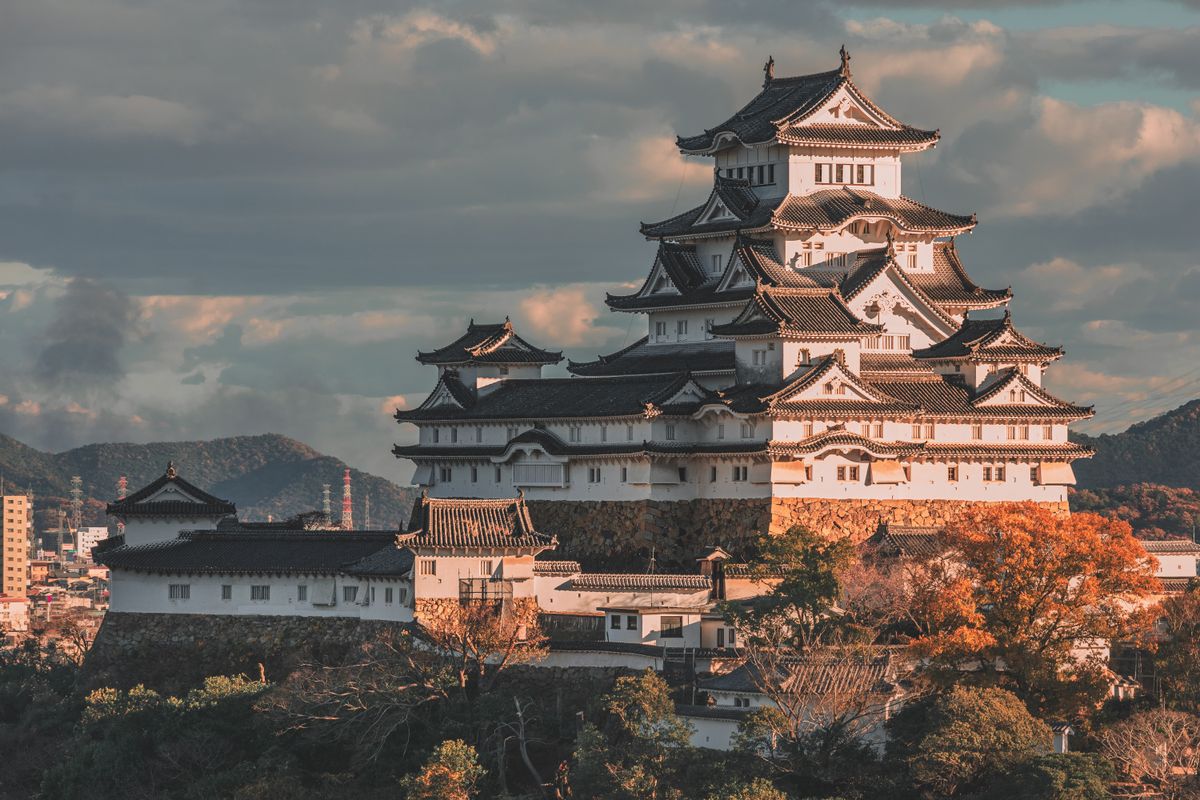
- Himeji — The most spectacular and famous. Vast, white, multi-storey, with extensive surviving outer baileys. Best for: first castle visit, scale, photography. Worst for: crowds, time required (4–5 hours minimum), distance from major hubs (90 min from Kyoto).
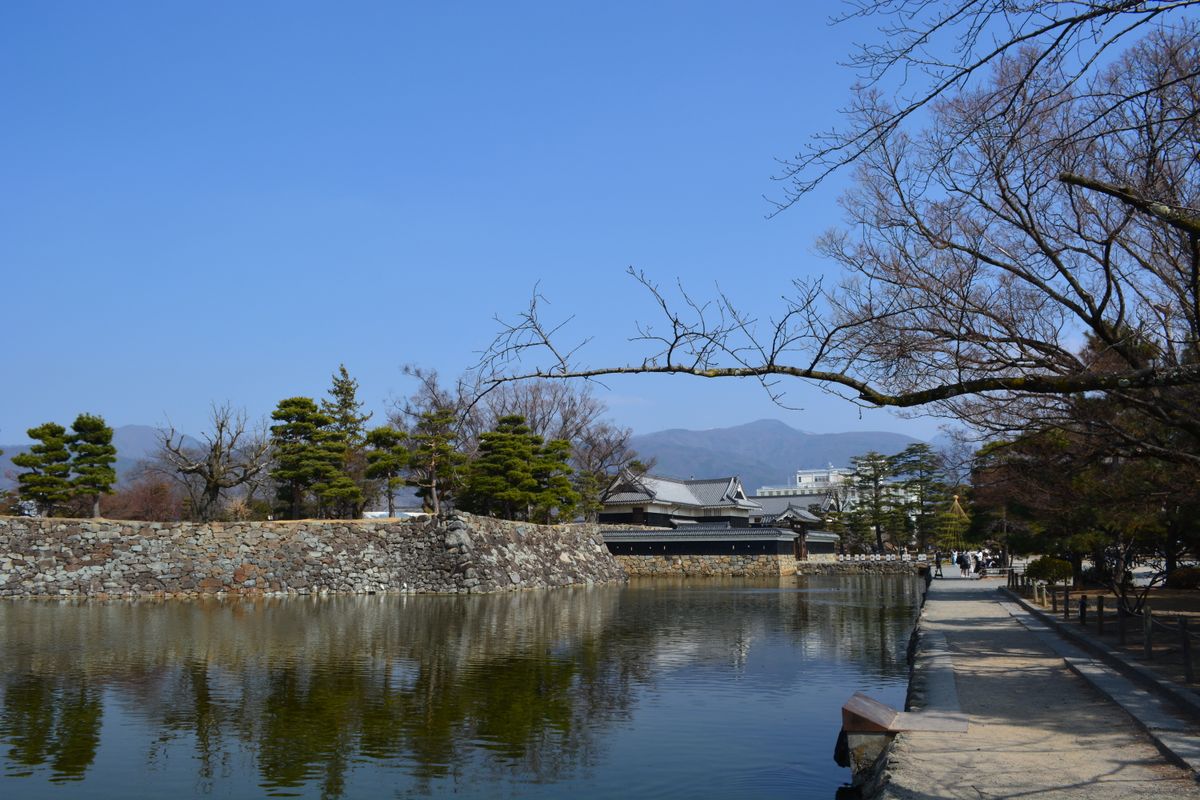
- Matsumoto — Strikingly black (“Crow Castle”), beautifully reflected in its moat, set against the Japanese Alps. Best for: dramatic photography, autumn or winter scenery. Worst for: location (4–5 hours from Tokyo or Kyoto).
- Inuyama — Small, dramatic, perched on a cliff above the Kiso River. Often called Japan’s oldest castle keep (debated). Best for: river scenery, easy combination with Nagoya. Worst for: less to see in the surrounding area.
- Matsue — Compact, dark, atmospheric, sitting in a fully intact samurai district. Best for: combining with Izumo Taisha and the San’in coast. Worst for: location (3 hours from any major hub).
- Hikone — Compact, accessible, with intact garden and museum. Best for: a half-day from Kyoto, balance of history and convenience, family travel, autumn or spring. Worst for: a “wow factor” first impression that Himeji or Matsumoto give.
The honest summary: Himeji and Matsumoto are the spectacle castles. Hikone is the most quietly satisfying.
Seasonal Events Calendar
- Early April — Hikone Castle Sakura Festival, with night illumination of the keep and moat lined with cherry blossoms.
- Early June — Irises bloom in Genkyu-en garden.
- Mid August — Hikone Castle Festival fireworks (Hikone Joka Matsuri Tairo Festival), with the largest fireworks display on Lake Biwa.
- Mid-September — Hikonyan’s birthday (October 30 originally, but celebrations vary).
- Early November — Hikone Castle Festival Parade with hundreds of participants in Ii red armour.
- Mid-late November — Autumn foliage illumination in Genkyu-en and around the moats.
- Early February — Setsubun bean-throwing at the castle’s small shrine.
Final Thoughts
Hikone Castle is, quietly, one of the best half-day trips in central Japan. It is genuinely ancient, beautifully proportioned, accessible from any of the major Kansai hubs, and surrounded by an intact castle town with excellent food and a famous cat-samurai mascot. It rewards travellers who are willing to look past the famous postwar concrete reconstructions and see a real, original, four-century-old Japanese castle the way its builders intended.
If you have any interest in samurai history, traditional Japanese architecture, or simply want a less-crowded alternative to Himeji that you can do in an afternoon from Kyoto, Hikone is among the very best choices in the country. Combine it with an Omi beef dinner on Castle Road, a slow circuit of Genkyu-en garden, and a moment of quiet at the top of the keep with Lake Biwa stretching out to the west, and you’ll come away with one of those Japan memories that stays sharp for years.
For more itinerary ideas, our destinations page has dozens of city and prefecture guides, and our two-week first-timer itinerary shows where Hikone fits into a wider Japan trip.
Going to Japan? Talk to locals with confidence.
Hirameki Japanese — instant offline translation, camera translation, furigana + romaji, and 314 free flashcards. No login. Works without internet.

Plan your Japan trip
Two things every first-timer should book
Some links are affiliate links. If you book through them we may earn a small commission at no extra cost to you.