In this guide
- What winter is really like, city by city
- The experiences worth building a trip around
- The New Year caveat
- Packing & practical notes
- FAQ
What winter is really like, city by city
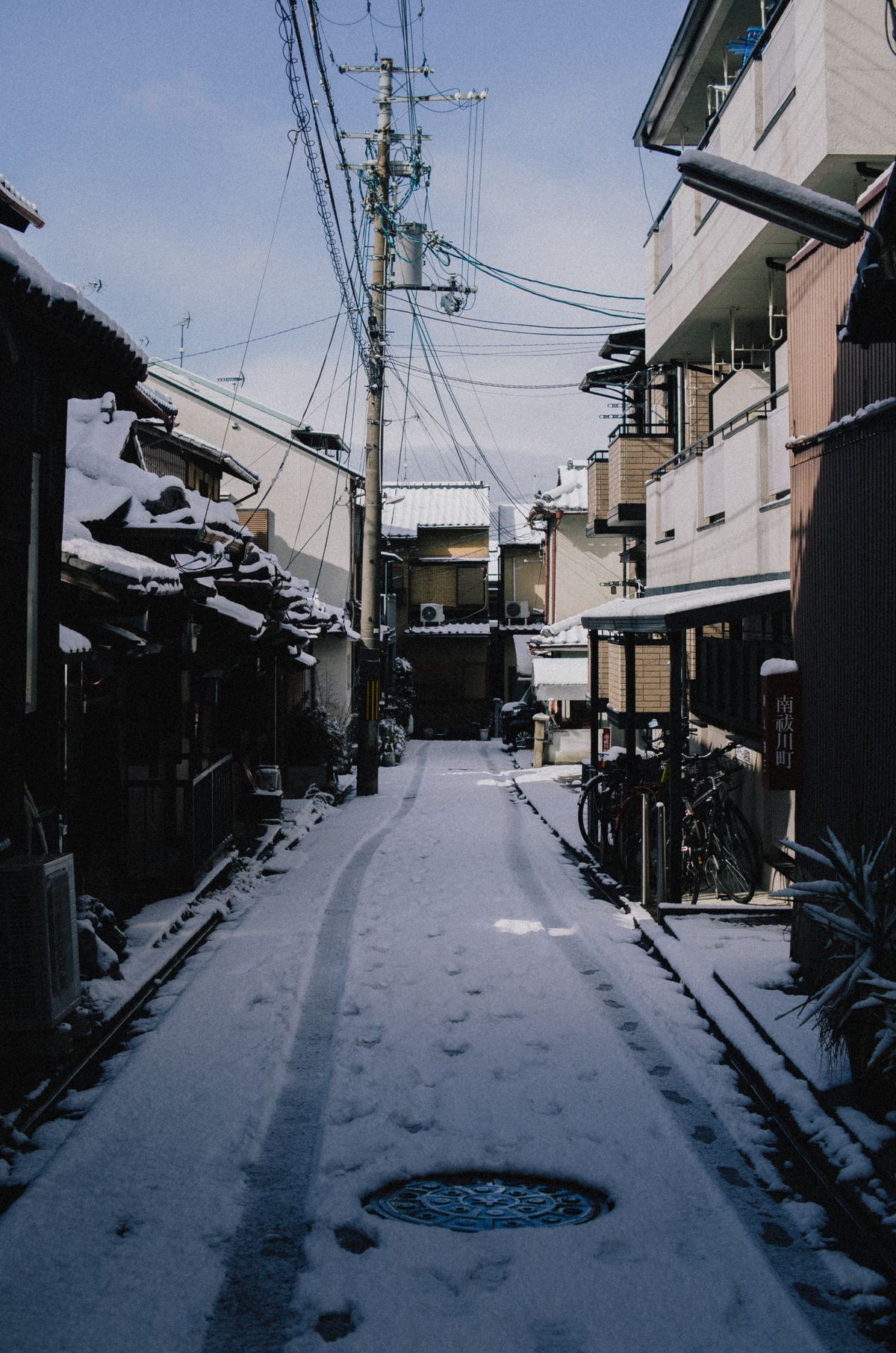
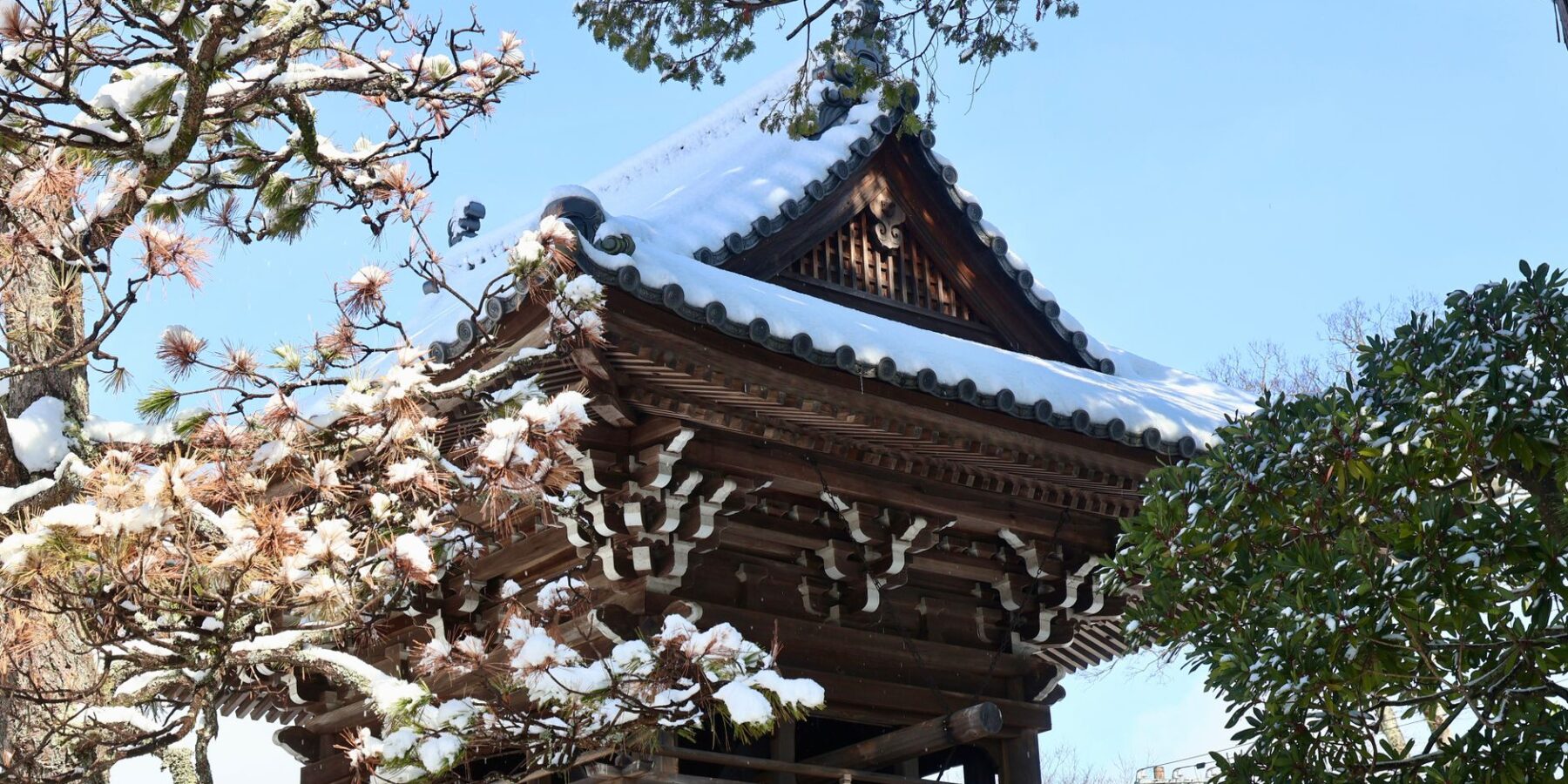
Forget the image of one frozen country. Tokyo, Kyoto and Osaka winters are mild and famously sunny — typically 0–10°C, dry air, blue skies day after day, and the year’s best Mt Fuji visibility. Snow in these cities is rare and light. The Japan Sea side and the north are the opposite: Hokkaido and the mountains get some of the heaviest snowfall on Earth. That contrast is the trick — base in the mild cities, then day-trip or overnight into the snow when you want it. For a month-by-month comparison, see our best time to visit guide.
The experiences worth building a trip around
- Snow monkeys, Nagano — wild macaques soaking in their own hot spring, at their photogenic best in January snow. Our Jigokudani guide has the logistics.
- Shirakawa-go under snow — the thatched village looks like a fairy tale from December; see our Shirakawa-go guide. Day tours from Kanazawa/Takayama are on Klook.
- Zao’s “snow monsters” — trees entombed in wind-blasted ice, reachable by ropeway (guide).
- Sapporo Snow Festival — building-sized ice sculptures in early February; pair with the Hokkaido loop and the city’s miso ramen (Sapporo guide).
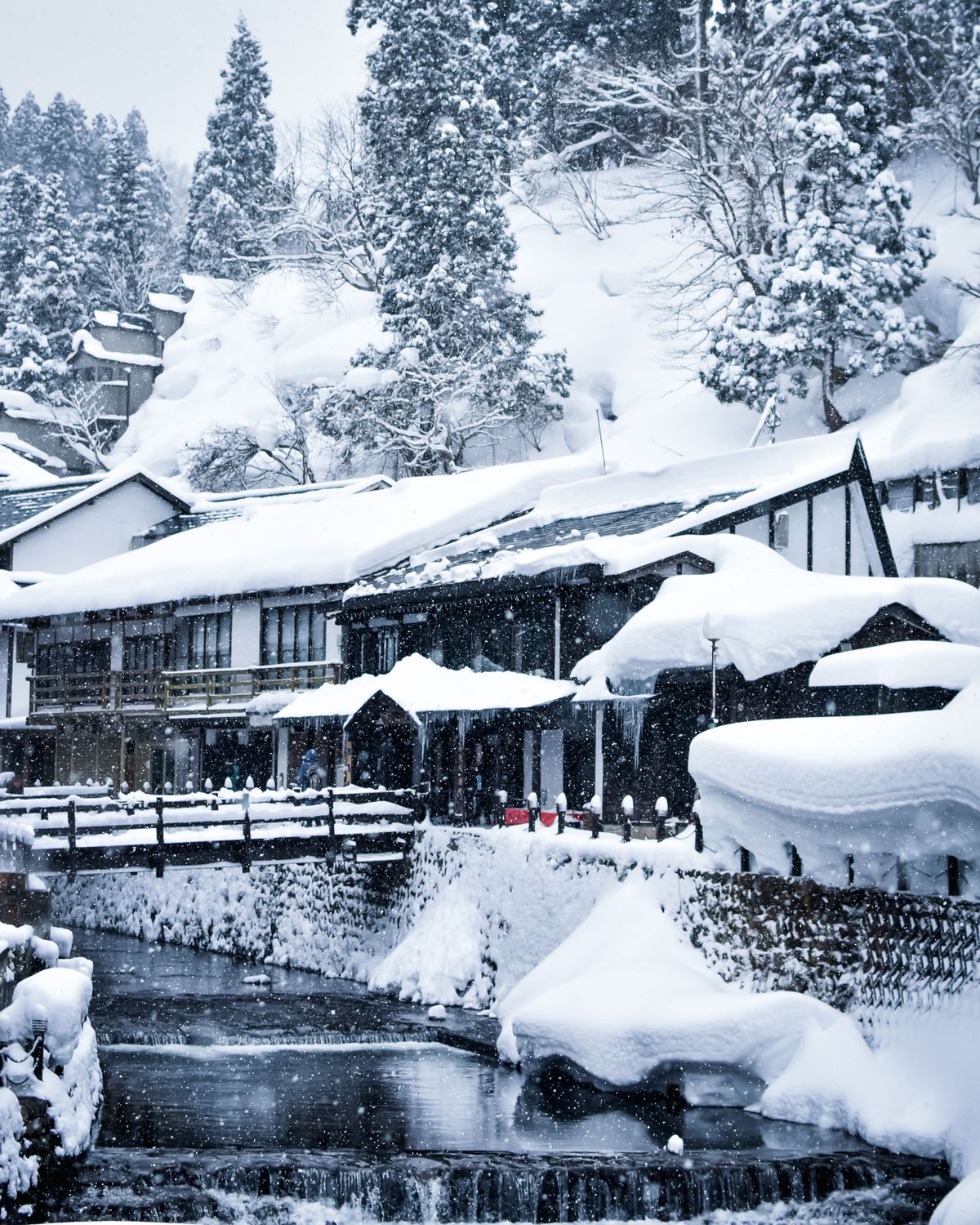
- Onsen in the snow — the single best winter experience: outdoor baths with snowflakes falling. Ginzan, Kusatsu and Nyuto are the classics (Ginzan, Kusatsu); first-timers should read our onsen etiquette guide.
- Skiing & snowboarding — Niseko and Hakuba’s powder is world-famous; our ski resorts guide compares them.
The New Year caveat
Late December to about January 3rd is Japan’s biggest holiday: trains and hotels fill with domestic travelers, many restaurants and museums close for several days, and prices spike. It’s a fascinating time culturally — shrine first-visits (hatsumode) are unforgettable — but plan around the closures, and book those dates months ahead. Immediately after (mid-January to February) is the year’s cheapest, quietest window.
Packing & practical notes
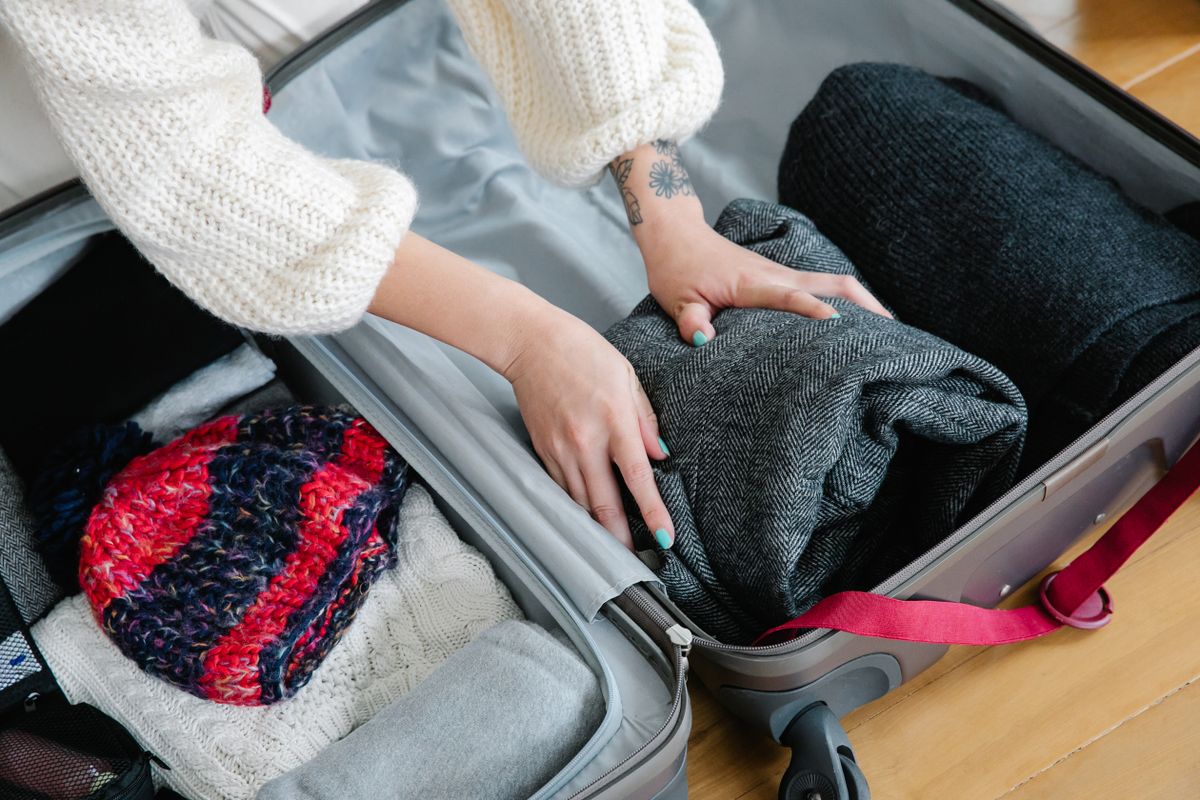
Layers beat bulk: a warm coat, thin layers underneath, and gloves cover the cities; add proper boots and traction for the snow country (full list in our packing guide). Buildings are well heated — you’ll be peeling layers indoors. Heat-tech underwear from Uniqlo, bought in Japan, is the local cheat code, and konbini sell pocket warmers (kairo) everywhere. If your winter plan includes skiing or icy-street days, check that your travel insurance actually covers winter sports — policies differ; SafetyWing, which we’ve mentioned in our planning guides, treats most recreational skiing as covered but always confirm the current policy wording yourself. Snow can delay flights and trains up north — the coping playbook in our storm-season guide applies to blizzards too.
Frequently asked questions
Is winter a good time to visit Japan? Yes — mild sunny cities, spectacular snow country, low crowds and prices outside New Year. It’s the connoisseur’s season.
Does it snow in Tokyo or Kyoto? Rarely and lightly. For guaranteed snow, go north (Hokkaido, Tohoku) or into the Alps.
How cold does it get? Tokyo/Kyoto: 0–10°C. Sapporo: often below freezing all day. Mountain onsen towns: pack for real winter.
When is the Sapporo Snow Festival? Early February, about a week — book Sapporo hotels months ahead for those dates.
Going to Japan? Talk to locals with confidence.
Hirameki Japanese — instant offline translation, camera translation, furigana + romaji, and 314 free flashcards. No login. Works without internet.

Plan your Japan trip
Two things every first-timer should book
Some links are affiliate links. If you book through them we may earn a small commission at no extra cost to you.